
Reviewed · WALKING TOURS
Tokyo: Private Walking Tour with a Local Guide
Tokyo is too large for a one-size-fits-all sightseeing day, and that is where this private, flexible tour earns its keep. You can focus on temples, markets, pop culture, food, shopping, or neighborhoods, then adjust the pace as you go. Guides such as Momo, Miwa, Rika, Hina, and Kanako are praised for clear English, warm company, and practical help with trains.
I especially like the pre-tour planning and the chance to learn Tokyo’s transport system while sightseeing. I also like the local touches: small lanes, everyday neighborhoods, food stops, and quiet places that may not appear on a first-time visitor’s list. The main catch is distance. Trying to cover too much can mean long walks and packed trains, so a smart route matters more than a long wish list.
What makes this Tokyo tour worth considering
- Meet at your hotel: Pickup is available from central Tokyo accommodation or another agreed meeting place.
- Choose the focus: Build your day around temples, shrines, markets, history, shopping, food, pop culture, or local life.
- Learn the rail system: Your guide accompanies you by public transport between districts and can help you feel more confident using Tokyo’s trains.
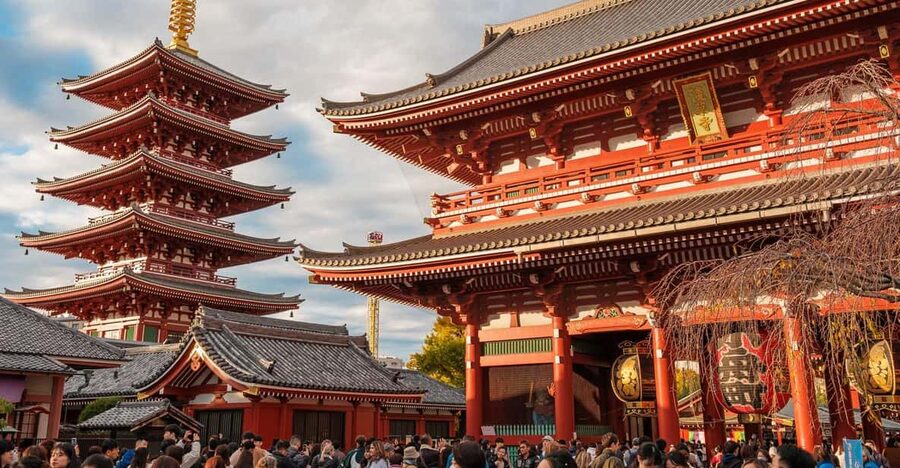
- Mix famous and lesser-known places: Pair Sensō-ji or Shibuya Crossing with local lanes, neighborhood shops, and quieter cultural sites.
- Pick the right length: Options range from two to eight hours, with four and six-hour versions often suited to a first look at the city.
- Plan for walking: Comfortable shoes, cash, and a credit card are useful, and the experience is not suitable for wheelchair users or people with mobility impairments.
A private Tokyo day shaped around your interests
This is not a fixed sightseeing circuit where every group sees the same dozen stops. After booking, you share your interests and any specific places you want to visit. Your guide contacts you through WhatsApp within 24 hours before the tour, then confirms the final route.
That planning step matters in Tokyo. The city’s major sights are spread across several districts, and crossing town can eat up a surprising share of a short tour. A four-hour outing should usually concentrate on one side of the city, while six or eight hours gives you more room to connect old Tokyo with modern districts.
You can ask for a first-day orientation, a temple and shrine route, food and markets, anime and electronics, shopping, or a broad introduction to Tokyo. The guides also adjust on the day. They can slow down for photos, add a rest stop, change a planned area, or trim a stop if you are tired.
The tour is private, so you do not have to match another group’s walking speed or interests. That is especially useful for families, couples, solo visitors, and anyone arriving with a clear list of priorities. It also gives you space to ask ordinary questions about etiquette, daily life, food, religion, or getting around.
More Walking Tours in Tokyo
- Tokyo Tsukiji Fish Market Food and Culture Walking Tour
★ 5.0 · 3,184 reviews - Tokyo: Imperial Palace and Shogun Historical Walking Tour
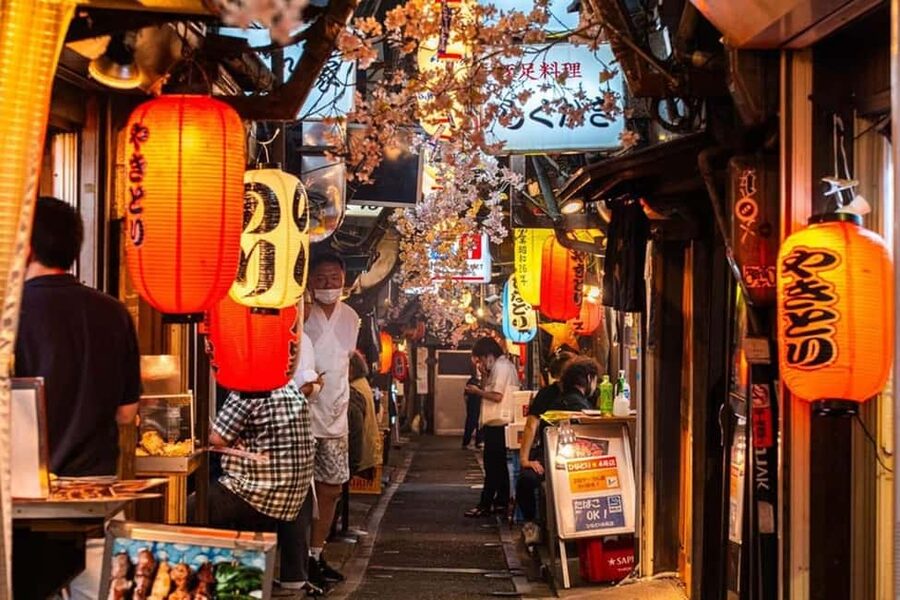
★ 5.0 · 2,251 reviews - Tokyo: Shinjuku Local Bar and Izakaya Guided Walking Tour
★ 4.9 · 1,794 reviews
Sensō-ji and Asakusa: the best traditional starting point
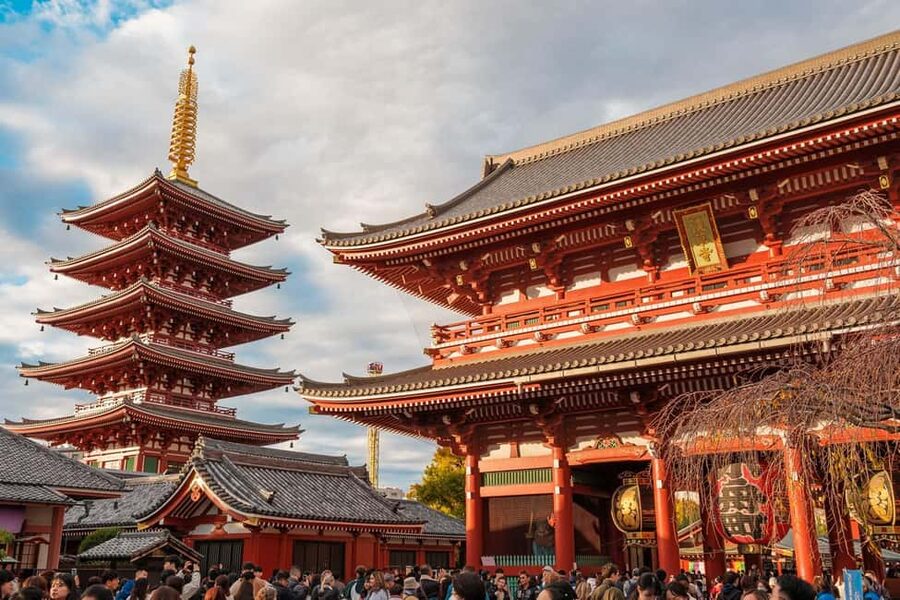
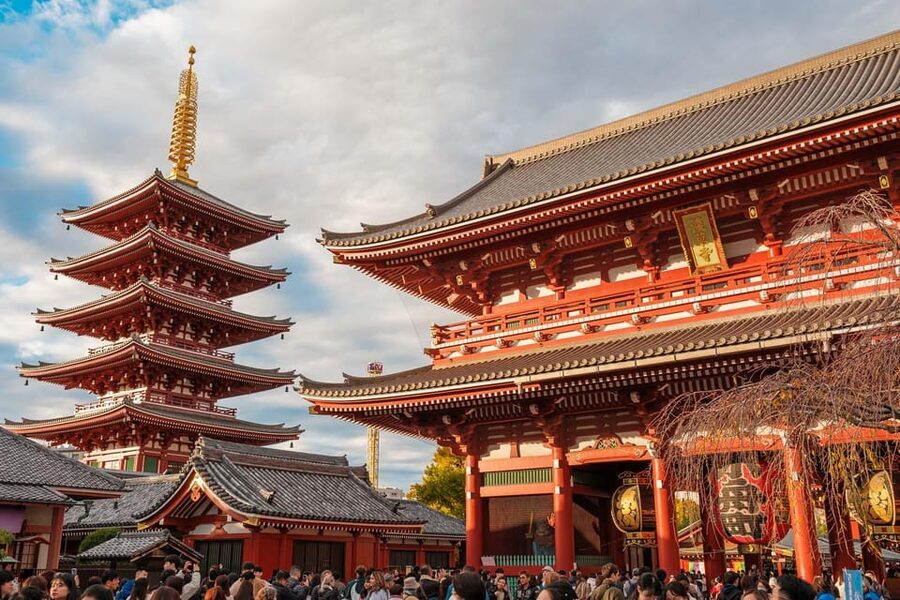
Sensō-ji Temple in Asakusa is one of the most natural places to begin a Tokyo introduction. The approach leads through the famous Kaminarimon area and Nakamise shopping street toward the temple grounds. Your guide can explain the basic customs of Buddhist temple visits and point out the difference between sightseeing and religious practice.
Asakusa gives you a strong sense of older Tokyo, with traditional buildings, small shops, food stalls, and streets that feel different from the high-rise districts farther west. It is also a useful area for learning how to behave at temples and shrines, such as when to bow, how to use a purification fountain, and how offerings work.
The drawback is popularity. Sensō-ji can be crowded, especially around the main approach. If you want quiet photographs or an unhurried visit, tell your guide. You may get more from a shorter look at the central temple followed by side streets and nearby local areas than from standing in the busiest section for too long.
Ueno and Ameya-Yokocho: markets, food, and everyday Tokyo
Ueno brings together public spaces, cultural sights, shopping streets, and transport links. Ameya-Yokocho, usually called Ameyoko, adds a lively market atmosphere with food shops, small retailers, and stalls close to Ueno Station.
This section works well if you want to see how Tokyo functions beyond its headline monuments. Your guide can explain what you are looking at, help with food choices, and point out useful items for a picnic, snack, or souvenir. The market is also a good place to ask about Japanese eating habits without committing to a formal meal.
Keep your route moving here. The market lanes can be crowded, and you may spend more time walking and standing than expected. If you have a short booking, combining Ueno and Asakusa makes more sense than adding several distant districts.
Akihabara: Tokyo’s electronic and pop-culture side
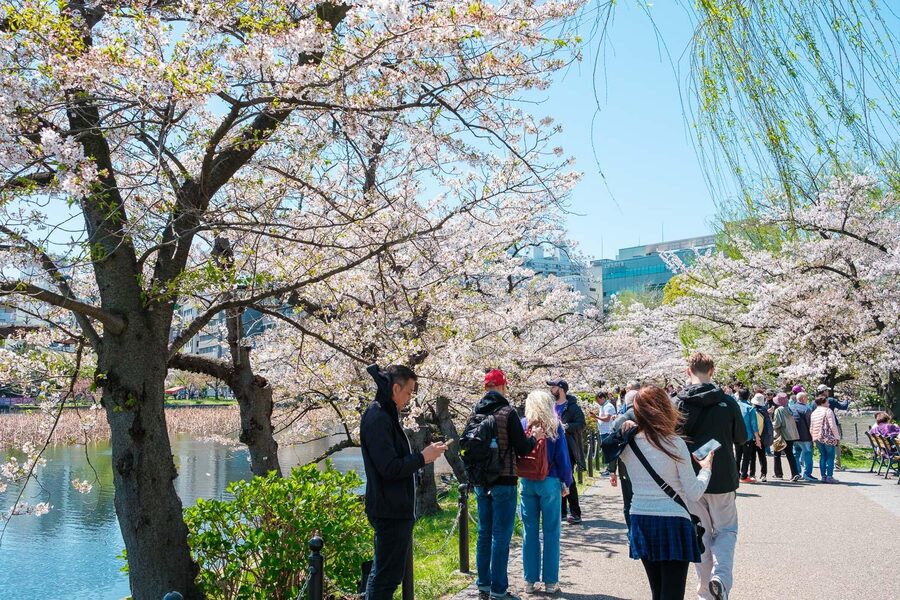
Akihabara gives the tour a sharp change of mood. The district is associated with electronics, anime, manga, games, and other parts of modern Japanese popular culture.
This stop suits you if you want more than temples and historic sites. A local guide can help you understand the area’s character and steer you toward the type of shopping or pop-culture experience you actually want. It is easy to lose time in large stores, so mention in advance if you are browsing seriously or simply want to look around.
Akihabara may not fit every itinerary. If your main interests are gardens, food, or traditional architecture, use those hours elsewhere. The private format lets you make that call rather than accepting it as a compulsory stop.
Same trip, a completely different kind of day:
- 1-Day Tokyo Bus Tour
★ 5.0 · 14,250 reviews - Tokyo: TOKYO SKYTREE® Admission ticket
★ 4.5 · 11,192 reviews - Tokyo: teamLab Planets TOKYO Digital Art Museum Entry Ticket
★ 4.6 · 9,779 reviews - Tokyo: Sumo Show Experience with Chicken Hot Pot and a Photo
★ 4.8 · 6,678 reviews
Shibuya Crossing and Harajuku: Tokyo’s modern face
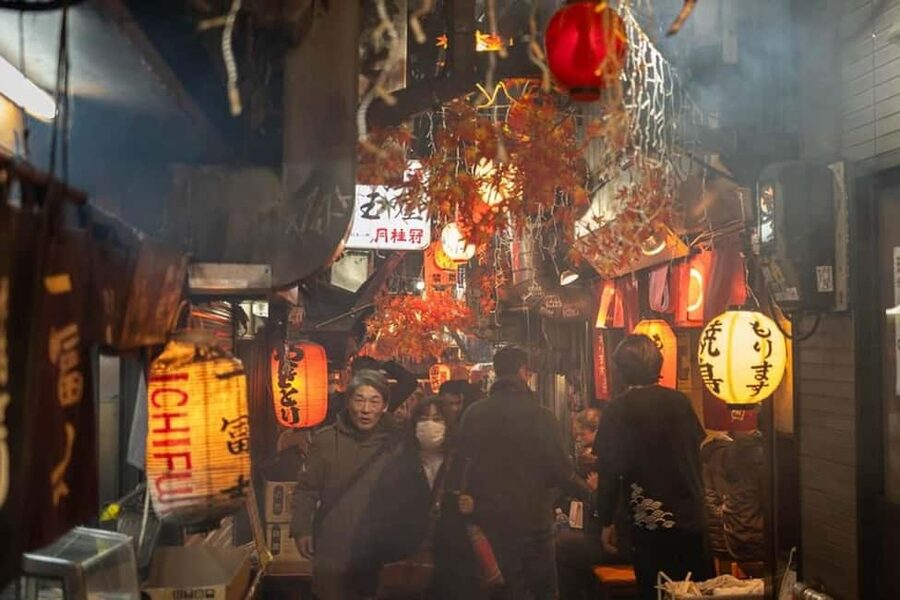
Shibuya Crossing is an iconic Tokyo scene, but it can also be a brief photo stop rather than a full activity. You cross with the crowds, take in the scale of the intersection, and continue to the surrounding streets. One guest later felt this stop was less worthwhile than the other choices, which is useful advice: famous does not always mean personally interesting.
Harajuku offers a different look at youth fashion, shopping, and city style. The area can be paired with Meiji Shrine, creating a useful contrast between commercial streets and a wooded religious setting. If you want time for shops, cafés, or people-watching, say so before the day begins.
Shibuya and Harajuku are close enough to combine, but do not assume every modern district deserves equal time. Tell your guide if you prefer local food, history, shopping, or photographs, and let the route reflect that.
Meiji Shrine: a calmer pause in the city
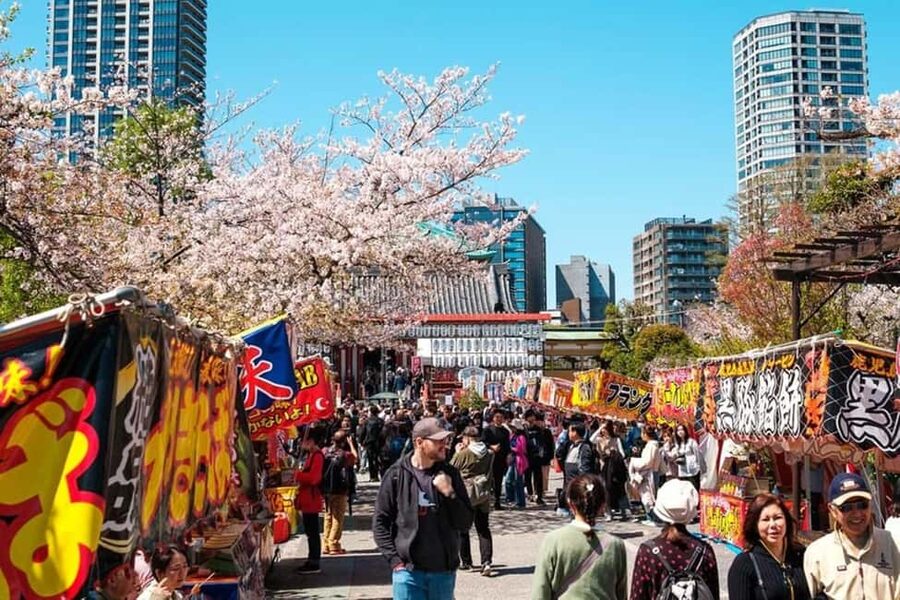
Meiji Shrine is one of the tour’s strongest choices if you want to understand Shinto practice. The approach through the shrine grounds provides a break from traffic and tall buildings, while the shrine itself offers a chance to learn about purification, offerings, and respectful behavior.
The value here is not simply taking a photograph at a famous gate. Ask your guide to explain what you are seeing and how Shinto differs from Buddhism in broad, practical terms. Pairing Meiji Shrine with Sensō-ji gives you two important religious sites without treating either as a quick backdrop.
The approach involves walking, and the entire tour may include substantial time on foot. On hot or humid days, a slower pace and planned cooling stops make a real difference. The guide can monitor your energy, but you should be honest about how much walking feels comfortable.
Tsukiji Outer Market: a strong choice for food lovers
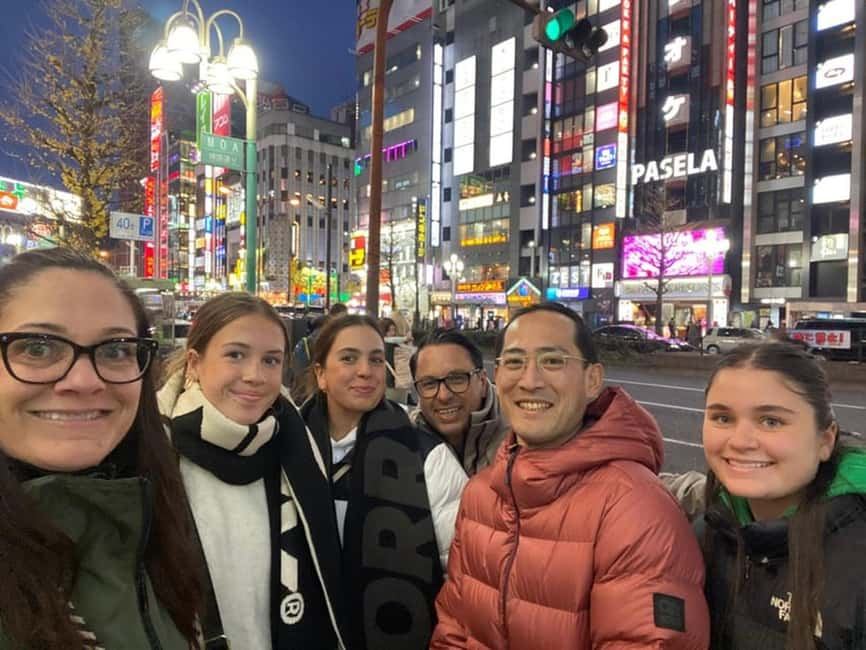
Tsukiji Outer Market is especially useful if you want to taste and browse rather than simply look at buildings. The market area offers seafood, prepared foods, snacks, and small food shops. Some stops may include free tastings, and grilled seafood is one example of what you might find.
This is a good place to tell your guide about allergies, dislikes, and dietary needs before the tour. It is also a natural setting for practical advice on ordering, portions, and choosing food without needing a formal restaurant reservation.
Lunch is not included. If you decide to eat with your guide during the tour, you are expected to cover the guide’s meal. That is worth knowing before you agree to a sit-down meal. You can also choose a shorter tasting stop and continue sightseeing.
Ginza and the Imperial Palace: polished streets and national history
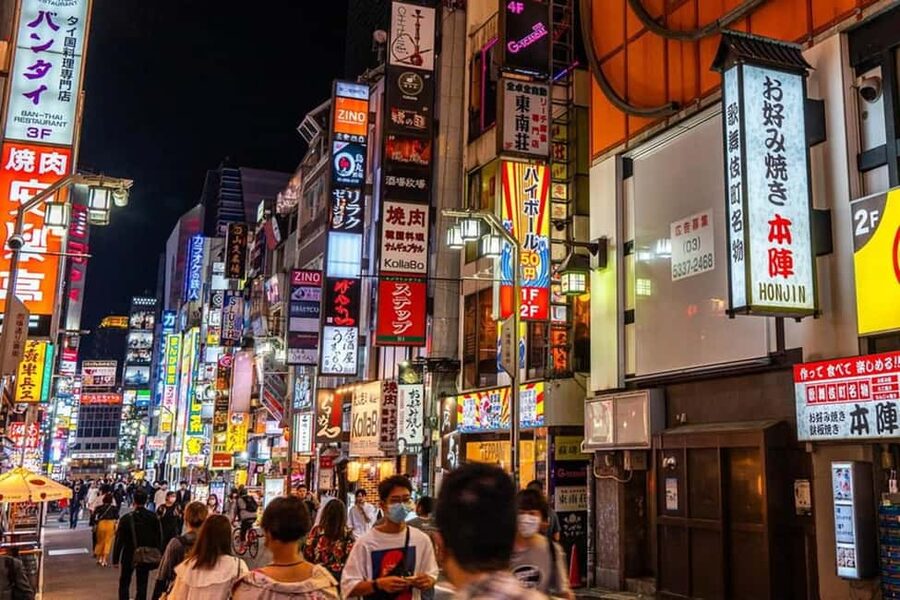
Ginza is Tokyo’s refined shopping district, with department stores, established brands, restaurants, and broad city streets. It works best if you want shopping or a look at one of Tokyo’s most polished commercial areas. If shopping is not a priority, use the time for another neighborhood.
The Imperial Palace area adds a major historical setting near the center of the city. Your guide can provide context about the imperial institution and Tokyo’s development while showing you the public areas available on the route.
Do not expect every palace interior or special attraction to be included. Admission to additional attractions is your responsibility, including the guide’s ticket when required. Confirm the plan before the tour if you want to enter a paid site.
Shinjuku: observation, nightlife, and city orientation
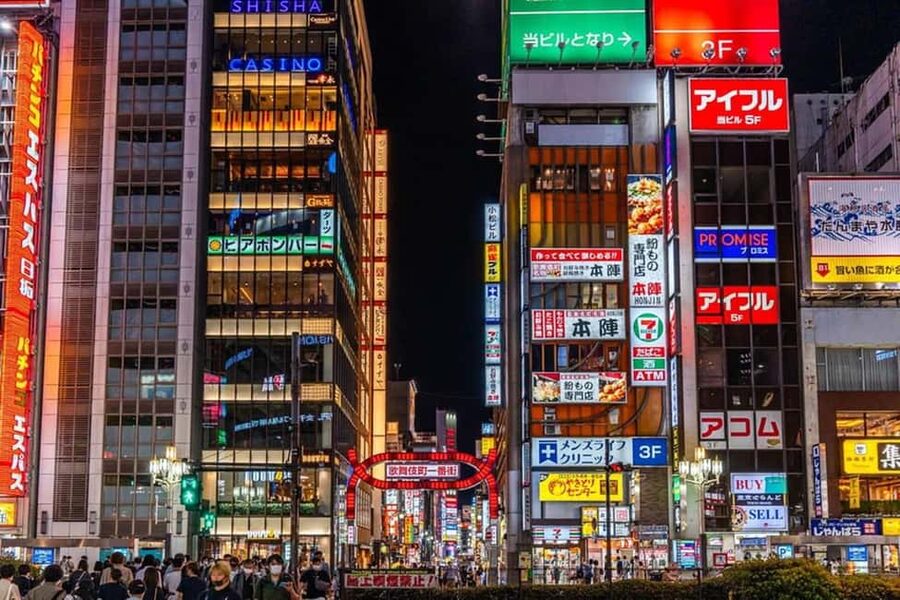
Shinjuku is one of the most useful districts for understanding Tokyo’s size. The area combines major stations, tall buildings, shopping, restaurants, entertainment, and nightlife streets. It can be a good final stop because your guide can leave you with practical suggestions for the rest of your stay.
Shinjuku is also a reminder that Tokyo does not fit neatly into a single visual style. You may move from wide commercial streets to narrow lanes and small local businesses within a short walk. If you want a broad first-day orientation, Shinjuku pairs well with one traditional district and one modern district.
It is a large area, so be specific. Say if you want food, shopping, photographs, nightlife streets, or help finding your way around the station. Otherwise, the stop can become a general walk without a clear purpose.
How the transport system changes the day
Although the experience is called a walking tour, you also use convenient public transport between districts. That is essential in Tokyo. The guide does more than lead you from one landmark to the next. Guides such as Miwa and Momo have helped visitors understand rail routes, use stations with more confidence, and plan the rest of their trip.
You pay for trains separately. A Suica card or other suitable transport pass can save time at ticket machines, and one person specifically recommended having a loaded Suica card ready. Train travel is efficient, but stations can mean long corridors, stairs, crowded platforms, and standing on packed trains.
Taxis are possible when needed, but they increase the cost. If you have slower mobility, older family members, heavy bags, or a low tolerance for crowded trains, discuss a mixed train and taxi plan in advance. The tour is not suitable for wheelchair users or people with mobility impairments, and it is not designed around strollers.
What the guides add beyond sightseeing
The guide quality is the main reason to book this format. Momo is repeatedly praised for warmth, patience, local suggestions, and helping first-time visitors feel at ease. Miwa is known for careful planning, clear English, cultural explanations, and support with transport. Rika is praised for organization, photos, and finding requested landmarks efficiently.
Other guides named by past customers include Hina, Kanako, Yossy, Nao, Yoshie, Saya, and Momoha. The exact guide is not guaranteed from the information provided, but the recurring strengths are clear: friendly communication before the tour, flexible planning, good English, and an ability to explain history without burying you in dates.
Several guides also take photographs during the day and share them afterward. That is a pleasant extra, but do not treat it as a formal photography service. The bigger benefit is having someone who can answer questions and help you make better decisions for the rest of your Tokyo stay.
Price, duration, and what you actually receive
The advertised price is $53 per person, which is attractive for a private experience, though you should check the price for your chosen duration and date. Two hours may be enough for one compact area, while four hours offers a useful introduction. Six or eight hours gives you room for several districts, but also demands more stamina.
The price includes a private local guide, hotel or accommodation pickup and drop-off, public transport guidance, and entrance fees for temples and shrines covered by the planned route. Meals, drinks, train fares, taxis, airport transfers, and extra paid attractions are not included.
At this price, the value is less about collecting the maximum number of sights. It is about avoiding wasted time, getting help with Tokyo’s rail system, and shaping the day around your interests. You get the best return when you plan a sensible route instead of trying to visit every place listed.
Free cancellation is available up to 24 hours before the tour for a full refund, and you can reserve now and pay later. Bring identification, comfortable shoes, cash, and a credit card. Smoking, drones, littering, baby strollers, and baby carriages are not allowed.
Who should book this private walking tour?
I would recommend it most strongly to first-time Tokyo visitors who want a friendly orientation on day one. It also suits solo visitors who want company, couples with different interests, and families who would rather have one person manage the route and train changes.
Food-focused visitors should request Tsukiji or Ameyoko. History and religion fans can build around Sensō-ji, Meiji Shrine, and the Imperial Palace. Pop-culture fans should ask about Akihabara and Harajuku. Shoppers may prefer Ginza, Shibuya, or specific local areas.
I would be more cautious if you dislike public transport, cannot walk and stand for long periods, or want a formal lecture with a fixed historical route. The tour is personal and flexible, but that means the final quality depends partly on how clearly you explain your priorities.
Should you book it?
Book this tour if you want Tokyo to make sense quickly, especially at the start of a longer Japan trip. Send a short list of priorities, group them by area, and tell the guide your walking limits and food needs.
Skip it if you already know Tokyo well and prefer exploring alone. For most first-time visitors, though, a private guide who can combine temples, markets, local streets, food, and train advice offers solid value at $53 per person, provided you resist the urge to cram the whole city into one day.
FAQ
How long is the private Tokyo walking tour?
The available duration ranges from two to eight hours. The final route depends on your selected duration, interests, and the plan agreed with your guide.
Where does the tour begin?
Your guide can meet you at your hotel in central Tokyo or at another preferred meeting place in Tokyo. There are pickup options across several Tokyo city wards.
Is the tour private?
Yes. It is a private group experience, so the itinerary and pace are arranged around your group.
Which language does the guide speak?
The live tour guide language is English.
Are train fares included?
No. Public transport is used during the tour, but train fares and other transport costs are not included.
Are temple and shrine entrance fees included?
Entrance fees for temples and shrines included in the planned tour are covered. Additional attractions and special requests may require you to pay admission for yourself and your guide.
Are meals included?
No. Meals and drinks are not included. If you choose to eat with your guide, you are asked to cover the guide’s meal.
Is the tour suitable for wheelchair users?
No. The experience is not suitable for wheelchair users or people with mobility impairments. Comfortable walking shoes are recommended.
Just added around Tokyo
- Kawagoe Japanese Food Tour : Unagi Kaiseki and Sake near Tokyo★ 5.0 · 30 reviews
- Kawagoe 4hr Private Tour with Licensed Guide (Kawagoe Dep)★ 5.0 · 13 reviews
- Little EDO Sushi Making workshop in Kawagoe★ 5.0 · 18 reviews
- 【R34】Tokyo:Private Daikoku tour in Modified R34★ 4.9 · 92 reviews
- :Tokyo,Shibuya/ Pro Photography in Kimono / English-Friendly★ 5.0 · 26 reviews
- Tokyo:Celebrate Unique Japanese New Year Tradition Festivity★ 3.9 · 20 reviews
- Tokyo: Allstar Food Tour★ 4.7 · 29 reviews
- Tokyo: West-Side Cycling and Food Tour with Guide★ 5.0 · 37 reviews
Walking Tours, compared.
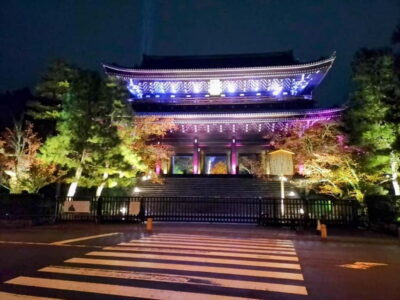
Kyoto Geisha Walking Tour: Gion District & Hidden Gems
Our verdict →
Imperial Palace and Shogun Historical Walking Tour
Our verdict →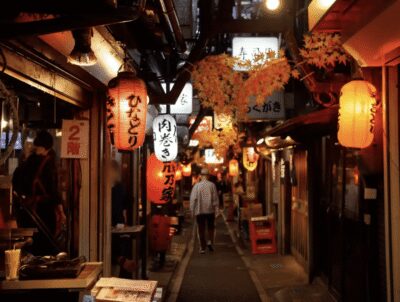
Shinjuku Local Bar and Izakaya Guided Walking Tour
Our verdict →

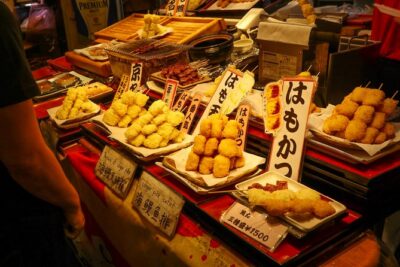
Nishiki Market Brunch Walking Tour (7 Tastings + Brunch)
Our verdict →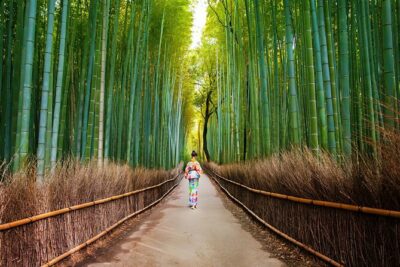
Kyoto Arashiyama Walking Tour: Bamboo, Monkeys, Gardens & Secrets
Our verdict →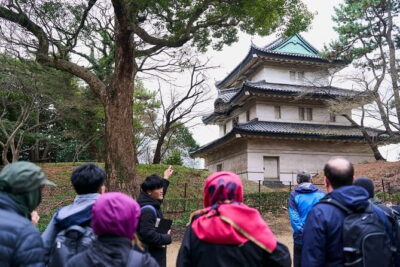
Tokyo Castle & Imperial PalaceーShogun Walking Tour
Our verdict →Browse the lists this tour appears in