
Reviewed · MARTIAL ARTS EXPERIENCES IN TOKYO
Tokyo: Karate Experience with Former All-Japan Champion
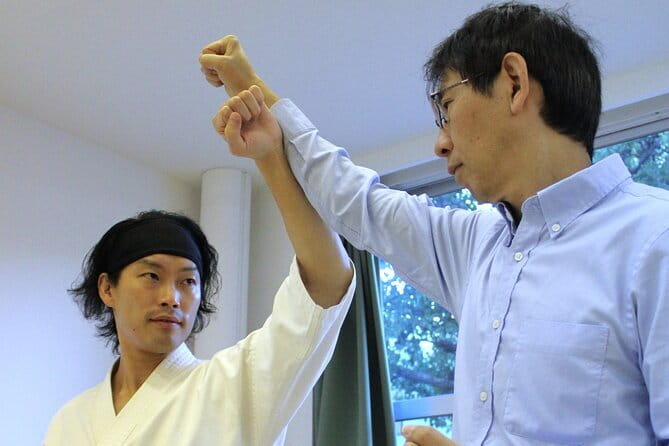
Tokyo’s karate lesson with Ryo gives you more than a quick photo in a martial arts uniform. You learn the ritual of bowing, breathing, stance, punches, blocks, kicks, kata, and non-contact sparring from a former All-Japan champion who has trained in Kyokushin Karate for 20 years. I especially like the careful step-by-step teaching and the way Ryo adjusts the session for children, beginners, and experienced martial artists. The main consideration is that the karate uniform depends on the booking option, so check the description closely before you reserve.
I like two things right away: this feels like a real lesson rather than a staged tourist show, and the 60 to 90 minutes include a proper workout. You will stretch your legs, hips, shoulders, and chest before working with pads and practicing defense against punches and kicks. It is good value at $58 if you want instruction, not just a souvenir photograph.
Key Points Before You Book
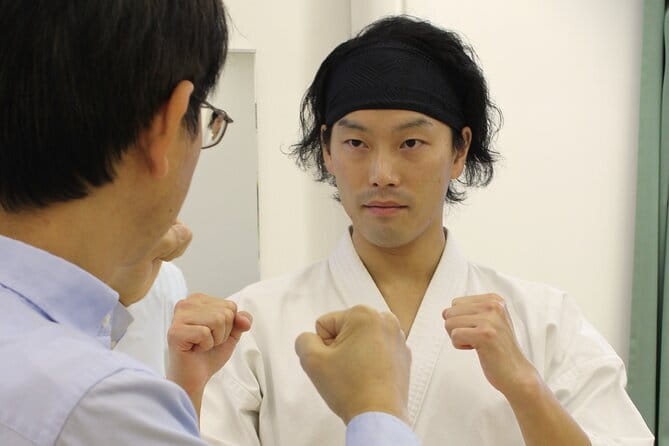
- Train with Ryo, a Kyokushin black belt: He placed third at the 2013 Kyokushin World Union World Karate Championship and won an All-Japan title.
- Start and finish with a bow: Manners, focus, and breathing are part of the lesson, not a quick introduction.
- Practice without contact: You learn the ideas behind kumite, including defense against punches, front kicks, and low kicks.
- Suitable for mixed ability levels: Beginners can learn the basics while experienced students compare Kyokushin with Shotokan, Goju Ryu, Tae Kwon Do, Muay Thai, and other styles.
- Expect a real workout: Stretching, stance work, kicks, punches, pad training, and repeated technique practice fill the session.
- Check the uniform option: A karate gi is included only with the private 90-minute option that specifically says it includes a karate gi.
Meeting Ryo in Tokyo
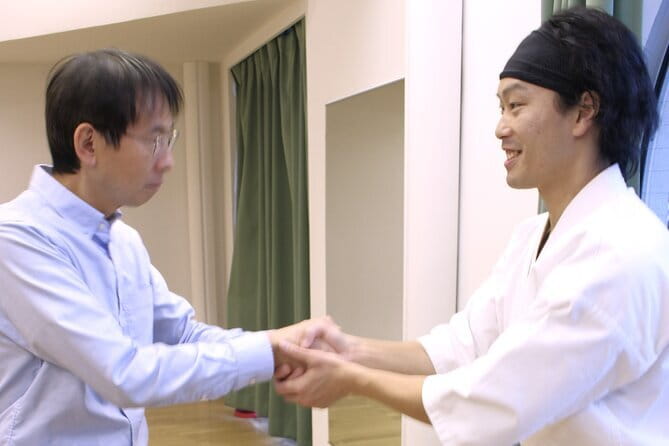
This experience takes place in Tokyo, with the meeting point varying according to the option you book. One session was held in central Asakusa, a handy setting if you are already visiting Senso-ji, the Kaminarimon area, or the traditional shopping streets nearby. The activity information does not give one fixed meeting point for every booking, so check your confirmation rather than assuming every session begins in the same place.
Ryo is the instructor and the main reason this lesson has substance. He has practiced Kyokushin Karate for two decades, has taught since 2010, and passed the examination for 2nd Dan in 2020. He also placed third in the under-75-kilogram division at the 2013 Kyokushin World Union World Karate Championship in Bulgaria and became an All-Japan champion in the under-80-kilogram Kyokushinkan International division.
Those credentials matter most if you already train. A black belt can demonstrate a clean technique, but a good teacher must also explain why your stance, balance, or timing is off. Ryo’s teaching is built around clear demonstrations and regular corrections, which makes the session useful for a first-timer and not merely impressive to watch.
English and Japanese instruction are available. Several students with existing experience in Shotokan, Goju Ryu, Tae Kwon Do, Muay Thai, Kenpo, and other karate styles found the comparison worthwhile. If you already train, tell Ryo your background at the start. That gives him a better sense of which details will help you most.
More Martial Arts Experiences in Tokyo
- Tokyo: Samurai Sword & Archery Class from Samurai Descendant
★ 5.0 · 603 reviews - Tokyo:Samurai sword and archery class from a samurai descendant
★ 5.0 · 121 reviews - Tokyo 2-Hour Genuine Samurai Experience: Kendo in Japan
★ 5.0 · 112 reviews
Bowing, Breathing, and the Meaning of Rei
The lesson begins with a bow. In karate, you start with a bow and end with a bow, and Ryo uses this opening to explain proper manners rather than treating it as decoration.
You will also practice breathing from the belly. This is a small but useful introduction to karate’s mental side. The idea is to settle your attention, control your breathing, and prepare to move with purpose instead of rushing through each technique.
For a visitor, this opening gives the class a cultural dimension that you would miss in a simple kickboxing workout. You are not only copying strikes. You are learning a basic part of how a Japanese martial arts lesson is organized.
It also helps reduce nerves. A beginner may feel awkward walking into a karate class, especially if other people have trained before. Beginning with a formal, calm routine gives you something clear to follow before the physical work starts.
Stretching That Prepares You to Move
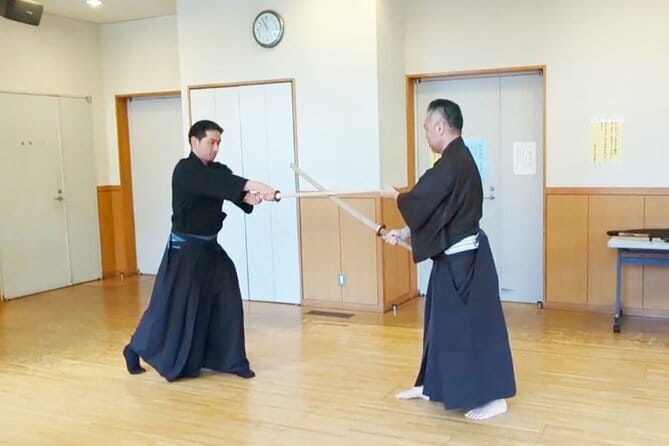
Next comes a warm-up for the major working areas of the body. Ryo focuses on the leg muscles, hip joints, shoulder blades, and chest, all of which matter when you punch, block, or kick.
This part is not filler. High kicks and quick changes of stance place demands on the hips and legs, while punches and blocks rely on the shoulders and chest. Starting slowly gives you time to loosen up and understand how the rest of the lesson will feel.
You should still wear comfortable workout clothes unless your selected booking clearly includes a gi. One student specifically expected a uniform during a 90-minute class and found that it was not provided under that option. The safest approach is simple: read the exact option name, and bring exercise clothing if a karate uniform is not listed.
The warm-up also lets Ryo see how you move. That is useful in a private or small-group session, since he can adjust the pace rather than pushing everyone through the same routine.
Building Punches, Blocks, and Kicks One Move at a Time
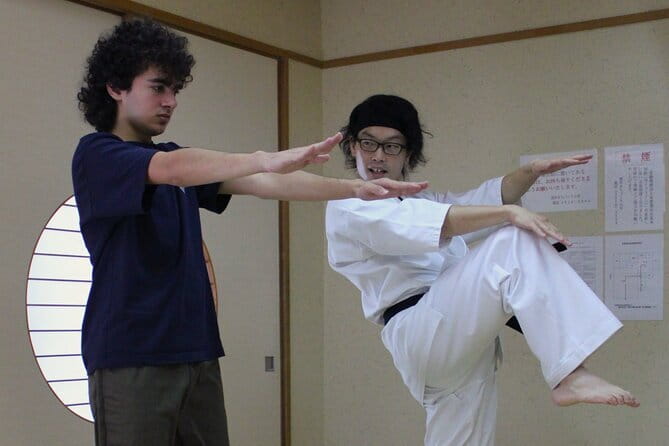
After stretching, you work on the basic stance and core techniques. Ryo breaks each punch, block, and kick into several smaller movements, then joins them together once the pieces make sense.
That method suits beginners. You do not need to memorize a complicated sequence immediately. You can focus on where your feet go, how your hands return, and how your body stays balanced. Ryo demonstrates the technique and adds tips when needed, then watches your movement and makes corrections.
You may also appreciate this structure if you already practice martial arts. A single session will not replace regular training, but it can show you how Kyokushin approaches familiar movements. Students with Shotokan backgrounds particularly enjoyed seeing the differences between the two styles. The same applies if you come from Muay Thai, Tae Kwon Do, Goju Ryu, or Kenpo.
Kyokushin is known as full-contact karate, but this lesson is arranged so you can practice its principles without taking hits. You still get the shape, balance, distance, and timing of the movements without needing years of conditioning.
Same trip, a completely different kind of day:
- 1-Day Tokyo Bus Tour
★ 5.0 · 14,250 reviews - Tokyo: TOKYO SKYTREE® Admission ticket
★ 4.5 · 11,192 reviews - Tokyo: teamLab Planets TOKYO Digital Art Museum Entry Ticket
★ 4.6 · 9,779 reviews - Tokyo: Sumo Show Experience with Chicken Hot Pot and a Photo
★ 4.8 · 6,678 reviews
Kata Demonstration and the Shape of Karate
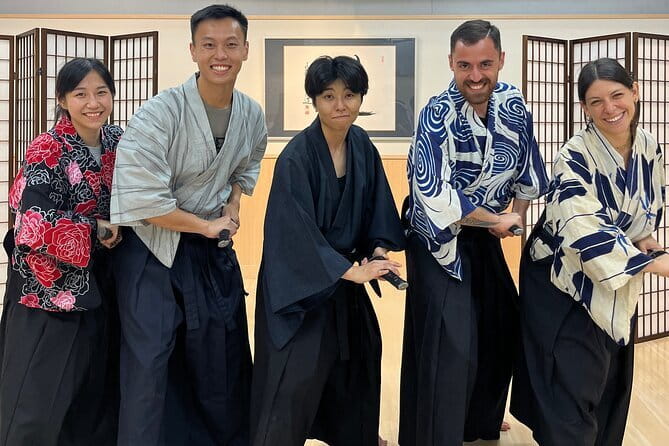
Kata means a set pattern of karate techniques. Ryo includes a kata demonstration, giving you a chance to see how individual blocks, punches, and stances fit into a longer form.
For someone new to karate, kata can look formal at first. Its value becomes clearer when you notice that the movements are not random. The sequence trains posture, direction changes, focus, and control. You may practice parts of a pattern rather than mastering a complete kata in one visit.
For experienced students, the demonstration is one of the more interesting parts of the session. Karate styles can use similar movements with different stances, angles, rhythm, and emphasis. Watching Ryo perform gives you a direct point of comparison instead of a general explanation about style differences.
The lesson may also connect kata movements to self-defense applications. One experienced martial artist worked on the practical use of kata, known as bunkai. Ask Ryo about this if you are curious, though the exact amount of time spent on it may depend on the length of your session and your ability level.
Non-Contact Kumite and Pad Work
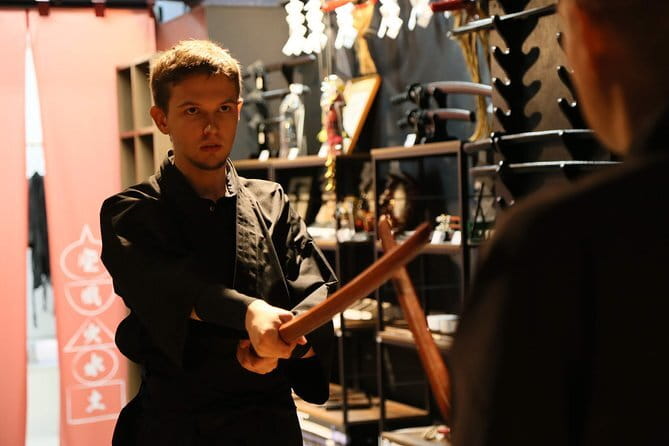
The final section introduces the essence of kumite, or sparring, without physical contact. You practice responses to attacks such as straight punches, front kicks, and low kicks.
This is not a full fight. You are learning where to move, how to defend, and how to make a response precise and efficient. Ryo gives you tips on positioning and timing while keeping the activity controlled. That makes it a good choice for families and first-time students who want the feeling of sparring without the risk of taking blows.
Pad work adds the physical finish. You punch and kick targets while Ryo watches your form. This is where the lesson can become a genuine workout, especially after the warm-up and repeated technique practice.
Some children found this part especially confidence-building. A nervous 10-year-old with Tae Kwon Do experience was gradually brought into pad work, knee strikes, kicks, punches, and non-contact sparring. A 14-year-old also used the lesson as a serious introduction to karate training. The important point is that Ryo does not throw a young or inexperienced student straight into the hardest exercises.
One past participant also enjoyed breaking a wooden board. That activity is not listed among the standard inclusions, so do not book expecting board breaking. It may be offered in some sessions, but it is not something the published details guarantee.
Why the Instructor’s Background Changes the Experience
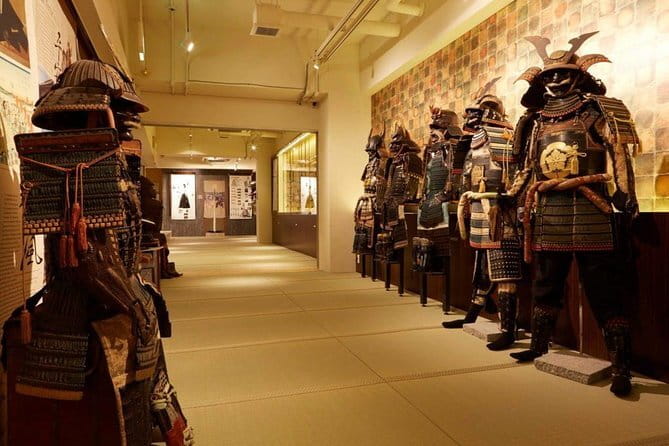
Ryo’s competition history gives the class authority, but his teaching record is just as important. He has worked with children and adults since 2010 and has taught at international camps in Cape Town, South Africa.
That experience shows in the way he adjusts the session. A group can include one person with years of martial arts training and another who has never thrown a karate punch. Ryo can keep the basics clear for the beginner while adding useful technical points for the more experienced student.
His English is strong enough for detailed instruction, according to the supplied experience information. That matters because martial arts depend on small corrections. A vague explanation of foot position or shoulder rotation can leave a beginner confused, while clear English lets you ask why a technique is performed in a certain way.
The atmosphere is serious about karate but not stiff. Ryo teaches with patience and humor, which helps if you feel self-conscious. You can expect respect and discipline, but not a silent, intimidating class.
What the $58 Price Really Buys You
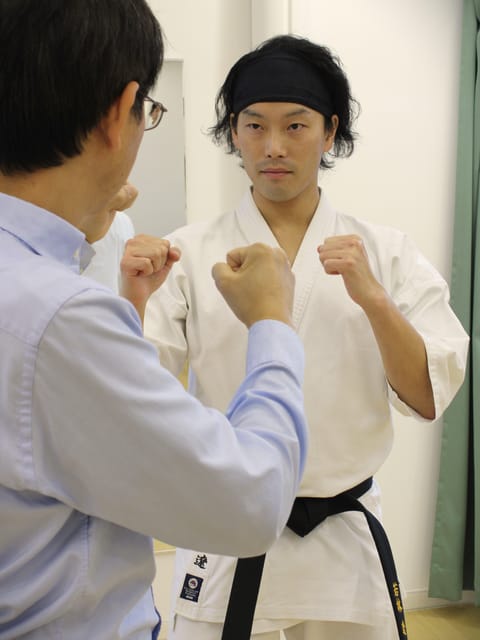
At $58 per person, this is not the cheapest physical activity in Tokyo. The value depends on what you want. If you only want to try a few karate moves, the price may feel high for an hour. If you want personal instruction from a national-level competitor, structured practice, pad work, and an introduction to Japanese martial arts manners, it is more convincing.
The lesson lasts from one hour to 90 minutes, depending on the option. A private or small-group format gives you more direct time with Ryo than a large class would. That matters if you want movement corrections, style comparisons, or a pace suited to a child.
A water bottle and punching and kicking pads are included. A karate uniform is included with the private 90-minute option specifically labeled with a karate gi. Do not assume the 90-minute length alone includes the uniform. Bring workout clothes unless your booking confirms the gi.
You can cancel up to 24 hours before the activity for a full refund, and the reserve-now, pay-later choice keeps you from paying at the time of booking. Starting times depend on availability, so check the current schedule around your Tokyo plans.
Who Will Get the Most From This Lesson
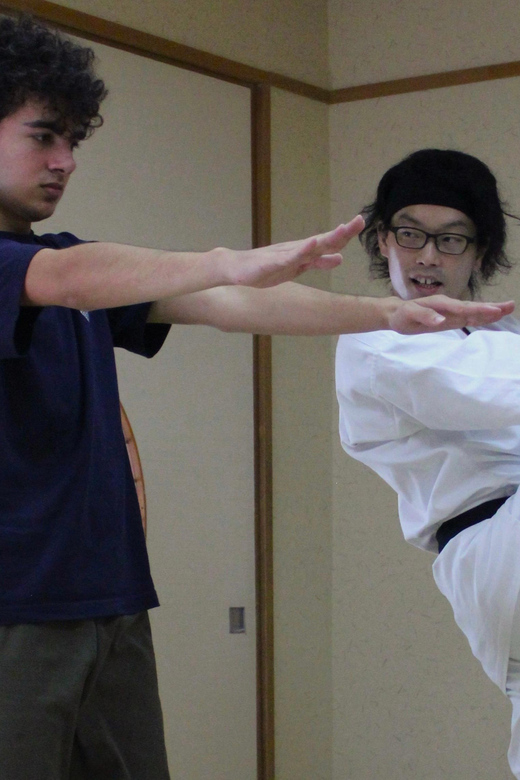
This is a strong choice for a beginner who wants a clear introduction without committing to a dojo. You will learn the basic etiquette, movements, and language of a karate class in one compact session.
It also suits families with children who are curious about martial arts. The lesson can be adjusted for younger students, and the non-contact format keeps the focus on learning rather than toughness. Parents can stay with their children during the session.
Experienced martial artists have a different reason to book. You can compare Kyokushin techniques with your own style, ask about kata applications, and get an outside instructor’s view of your stance and movement. Do not expect a complete advanced seminar in 60 minutes, but you can still leave with useful details.
You might skip it if you want a competitive sparring match or a hard-contact Kyokushin fight. The lesson is built around safe practice, technique, and controlled pad work. That is a strength for most visitors, but it may feel too gentle if your only goal is full-contact training.
Final Verdict: Book It If You Want More Than a Tourist Photo
I would book this experience if you want a practical cultural activity in Tokyo and have even a passing interest in martial arts. Ryo brings serious credentials, but the class is not built to show off. It is organized so you can learn, move, ask questions, and understand why karate begins and ends with respect.
Choose the 90-minute private option if you want a gi and more time for corrections. Choose carefully if your group includes mixed abilities, since Ryo is well suited to adapting the lesson. Pack comfortable exercise clothes unless the uniform is clearly included.
Skip it only if you are looking for a full-contact fight or a long technical camp. For everyone else, $58 buys a focused workout and a genuine introduction to Kyokushin Karate in Japan.
FAQ
How long does the karate experience last?
The activity lasts between one hour and 90 minutes. Available starting times depend on the option and date you choose.
How much does the experience cost?
The listed price is $58 per person.
Who teaches the karate lesson?
Ryo teaches the lesson. He is a Japanese 2nd Dan Kyokushin Karate black belt, a former All-Japan champion, and a former third-place finisher at the 2013 Kyokushin World Union World Karate Championship.
Is the lesson taught in English?
Yes. The instructor teaches in English and Japanese.
Can complete beginners take part?
Yes. The lesson is designed for beginners as well as people who already have karate or other martial arts experience.
Is sparring full contact?
No. The kumite section teaches sparring concepts without physical contact. You also practice punches and kicks with pads.
Is a karate uniform included?
A karate uniform is included when you select the private 90-minute option with karate gi. Check the exact option before booking, since a gi is not included with every 90-minute class.
What is included in the activity?
The experience includes an interactive karate lesson, a kata demonstration, punching and kicking pads, and a bottle of water. The listed gi option includes a karate uniform.
Can I cancel the booking?
You can cancel up to 24 hours in advance for a full refund. A reserve-now, pay-later option is also available.
Just added around Tokyo
- Kawagoe Japanese Food Tour : Unagi Kaiseki and Sake near Tokyo★ 5.0 · 30 reviews
- Kawagoe 4hr Private Tour with Licensed Guide (Kawagoe Dep)★ 5.0 · 13 reviews
- Little EDO Sushi Making workshop in Kawagoe★ 5.0 · 18 reviews
- 【R34】Tokyo:Private Daikoku tour in Modified R34★ 4.9 · 92 reviews
- :Tokyo,Shibuya/ Pro Photography in Kimono / English-Friendly★ 5.0 · 26 reviews
- Tokyo:Celebrate Unique Japanese New Year Tradition Festivity★ 3.9 · 20 reviews
- Tokyo: Allstar Food Tour★ 4.7 · 29 reviews
- Tokyo: West-Side Cycling and Food Tour with Guide★ 5.0 · 37 reviews
Martial Arts Experiences in Tokyo, compared.

Samurai Sword & Archery Class from Samurai Descendant
Our verdict →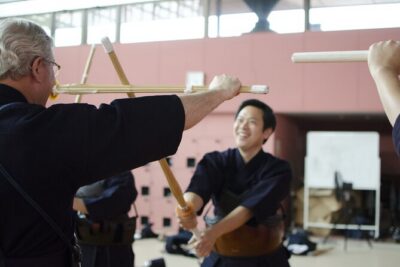
Tokyo 2-Hour Genuine Samurai Experience: Kendo in Japan
Our verdict →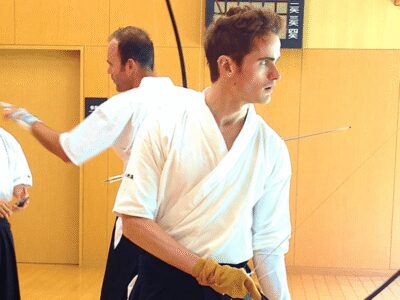
Browse the lists this tour appears in