
Reviewed · TEA CEREMONY EXPERIENCES
Tokyo: Practicing Zen with a Japanese Tea Ceremony
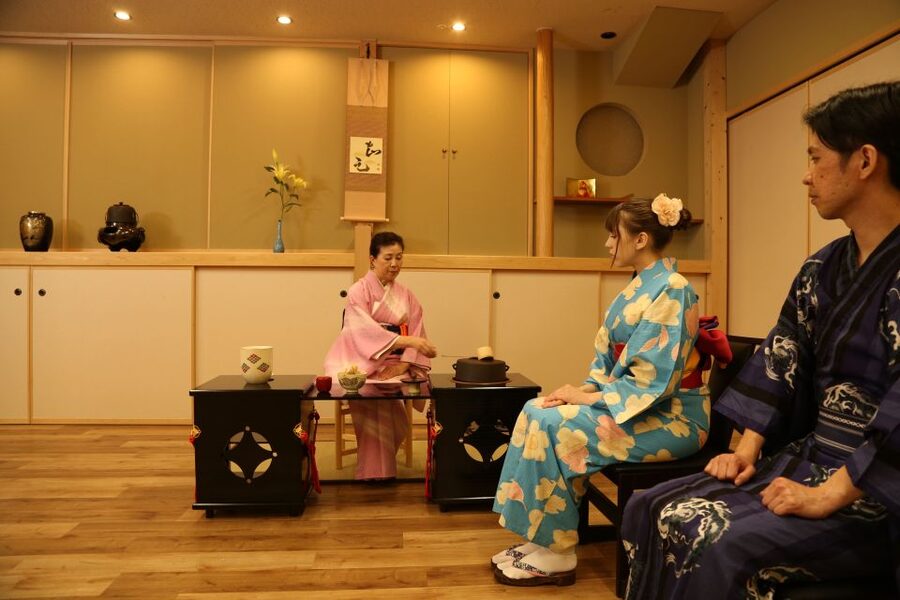
The most memorable part of this Tokyo activity is that you do not just watch a tea ceremony. After your instructor demonstrates the movements, you prepare matcha yourself, with calm guidance at each step. That turns a polite cultural display into something you can understand with your hands.
I like the small groups of up to 10 and the clear connection between tea, Zen Buddhism, art, and architecture. I also like the practical setup: traditional sweets are included, English instruction is provided, and chairs are available for anyone who cannot sit comfortably on the floor.
The main drawback is the room itself. One past participant could hear activity next door, which took away from the quiet mood. The Zen exercise is also brief, so think of this as a focused introduction rather than a long retreat.
Key points at a glance
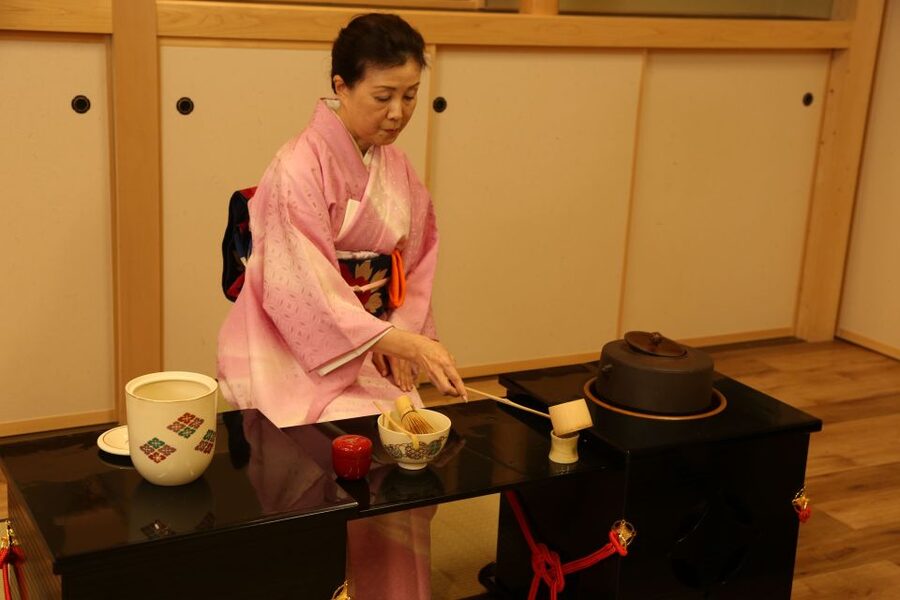
- You prepare the tea yourself: The second ceremony gives you a chance to repeat the movements with expert help.
- The setting is opposite Tokyo Tower: Meet at the main entrance of Kikai Shinko Kaikan, a handy landmark in central Tokyo.
- Tea and sweets are paired: You taste matcha with a traditional Japanese confection before trying the ceremony.
- Zen is explained in plain terms: The lesson connects the objects, gestures, silence, and order of the ceremony to Zen practice.
- Floor seating is not required: Chairs are available, and the activity is wheelchair accessible.
- English instruction and a small group: The 75-minute session is designed for no more than 10 participants.
A quiet lesson opposite Tokyo Tower
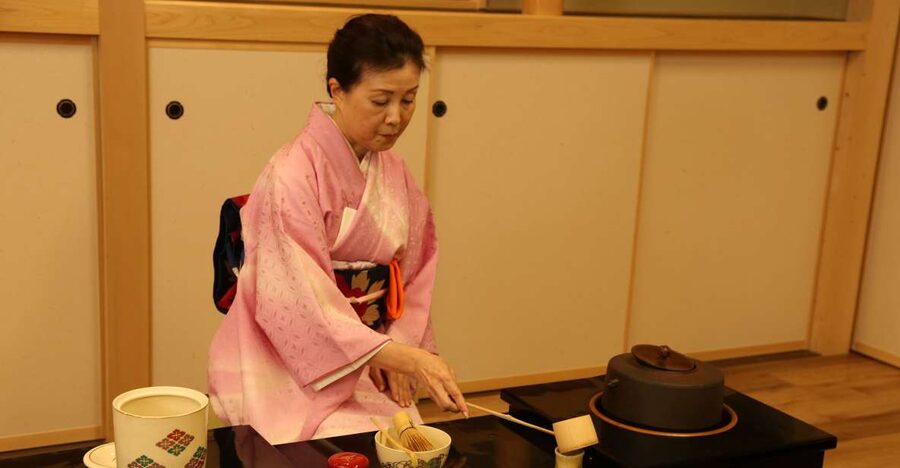
This tea ceremony takes place in the Kikai Shinko Kaikan building, directly opposite Tokyo Tower. You meet your instructor at the main entrance on the first floor. If you have trouble finding the meeting point, True Japan Tour is in room B109 on the basement level.
The location makes this easy to pair with other Tokyo sightseeing. You can visit Tokyo Tower before or after the class, though the tea ceremony itself asks for a different pace. Instead of rushing from one landmark to the next, you spend 75 minutes paying attention to small movements, simple objects, and the space around you.
This is not presented as a full formal tea gathering lasting several hours. It is a compact introduction built around explanation, demonstration, tasting, and practice. For a first encounter with the subject, that format works well. You get enough background to understand what you are seeing, then enough hands-on time to remember it.
The room is arranged to feel like a tearoom, according to one detailed account, while still accommodating people who cannot sit on the floor. That matters more than it may sound. Traditional tea ceremony is often pictured with guests kneeling on tatami, but forcing yourself into an uncomfortable position would distract from the lesson. Here, you can use a chair instead.
More Tea Ceremony Experiences in Tokyo
- Matcha Making Class in Tokyo with Authentic Japanese Sweets Set
★ 5.0 · 744 reviews - Tokyo: Traditional Tea Ceremony with a Tea Master
★ 5.0 · 528 reviews - Tokyo: Matcha Making Experience with Mochi Sweets in Asakusa
★ 4.9 · 388 reviews
Watching the first ceremony
The session begins with your instructor demonstrating how matcha is prepared. You watch the handling of the tea bowl, whisk, scoop, and other utensils, along with the movements that give the ceremony its structure.
The value is in the detail. The actions are not random decoration. How an object is placed, picked up, turned, or offered forms part of the ceremony’s meaning. Your instructor explains these details in English, so you are not left guessing why a simple gesture takes place in a particular order.
The first demonstration gives you a chance to watch without worrying about your own performance. You can notice the rhythm of the movements and the care given to each item. The room is intended to be quiet, and making noise is not allowed, so you should expect a more attentive atmosphere than at a typical cooking class or sightseeing stop.
That quiet can be useful. It gives you a practical sense of why tea ceremony is linked with Zen. The point is not simply to make a drink. The process asks you to focus on what is happening now, to respect the objects and people in the room, and to avoid unnecessary movement.
Still, this is an urban venue rather than an isolated temple retreat. Sound from another activity next door has been noticeable at times. If absolute silence is central to your idea of Zen, keep your expectations modest. The lesson can still feel calm, but the building is not guaranteed to be completely soundproof.
Matcha and a carefully chosen sweet
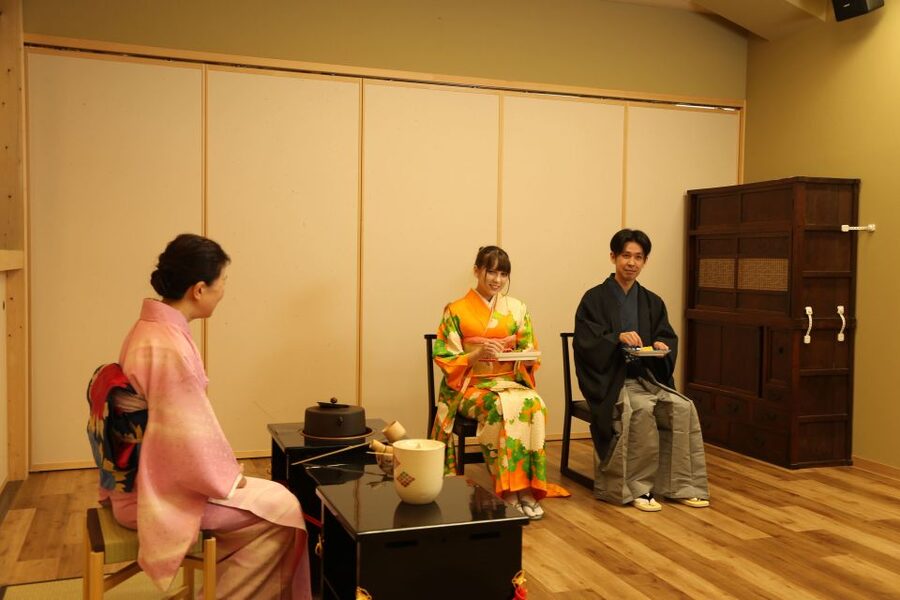
You receive matcha green tea and a traditional Japanese confection selected to go with it. The sweet is not just a snack before the main event. In a tea ceremony, the contrast between the confection and the strong, grassy taste of matcha is part of the experience.
Matcha can taste unfamiliar if you usually drink mild green tea. It is powdered tea whisked into water, so you drink the tea itself rather than straining out leaves. The sweet helps balance its bitterness and gives your palate a clear sense of why the two are served together.
Your instructor also explains the utensils and the different parts of the ceremony. This is where the session becomes more useful than a quick tea tasting. You learn how the tools fit into the preparation and why the order of actions matters.
The food element is modest, but that is appropriate. You are not coming here for a meal. The focus remains on the ceremony, with the tea and confection helping you understand how a Japanese tea gathering engages the senses.
Zen explained through objects and movement
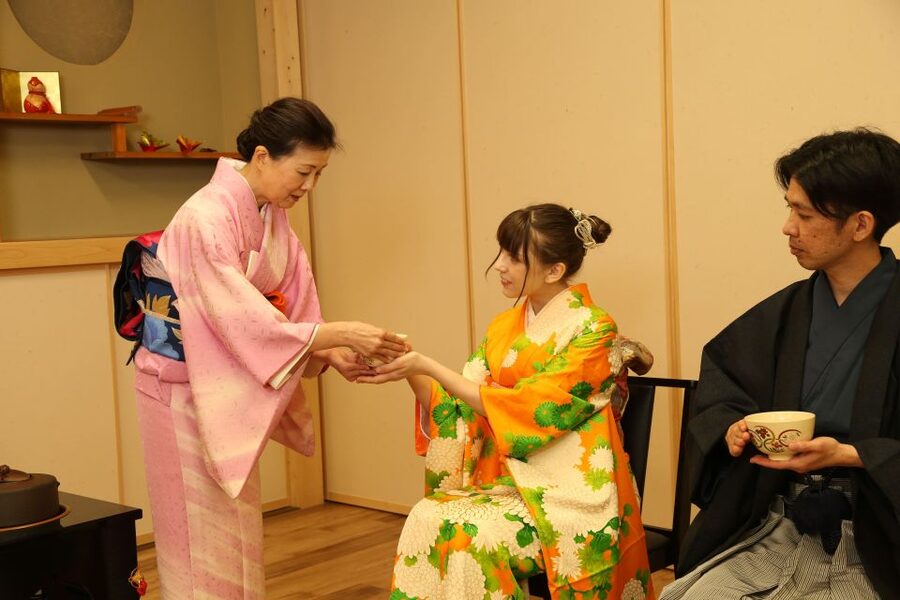
The session places tea ceremony within the wider world of Zen Buddhism. You learn about the role Zen has played in the practice and how Zen ideas appear through Japanese art and architecture.
The connection is best understood through the ceremony’s discipline. The room, utensils, gestures, and silence all encourage attention. You are guided to notice what is directly in front of you rather than treat the ceremony as a show to be watched from a distance.
The instructors also explain why the ceremony remains meaningful in modern Japanese society. That context is valuable because it keeps the activity from becoming a set of exotic gestures. You learn that the practice is not only about old customs. It continues to carry social and spiritual meaning for some people today.
Past sessions have featured instructors such as Junko, Ken, and Midori. The teaching style may vary by instructor, but the strongest accounts describe warm, personal instruction, clear explanations, and a good balance of seriousness and humor. One participant especially appreciated Junko’s explanation of the relationship between tea and Zen. Another found Ken’s teaching effective and easy to follow.
You should not expect a university lecture on Buddhist philosophy. The Zen portion is an accessible introduction tied to what you are doing in the room. One participant felt the Zen exercise was too short, and that is a fair criticism. If you want a long meditation or detailed study of Zen history, this is not that kind of program.
Same trip, a completely different kind of day:
- 1-Day Tokyo Bus Tour
★ 5.0 · 14,250 reviews - Tokyo: TOKYO SKYTREE® Admission ticket
★ 4.5 · 11,192 reviews - Tokyo: teamLab Planets TOKYO Digital Art Museum Entry Ticket
★ 4.6 · 9,779 reviews - Tokyo: Sumo Show Experience with Chicken Hot Pot and a Photo
★ 4.8 · 6,678 reviews
Your turn to conduct the ceremony
The second half is the most useful part for many people. After watching the instructor, you try to recreate the process yourself.
Your instructor guides you through the movements rather than expecting you to remember everything after one demonstration. You handle the utensils, prepare the matcha, and follow the sequence with help. This is not a test, and small mistakes are part of learning the form.
Doing the ceremony yourself changes what you notice. A gesture that looked simple from across the room may require careful control when you repeat it. You begin to see why the ceremony values patience, clean movement, and awareness of the other person.
The practice also gives you a better memory of the activity. You will likely remember more than the taste of the tea because you took part in making it. That makes the session a good choice if you want a cultural activity that offers more than photographs and a short demonstration.
The group size helps here. With a limit of 10 participants, the instructor can watch what you are doing and correct you. The session is not one-on-one by definition, though some past groups have been small enough to feel very personal. If you prefer a large show with little participation, this may feel slower. I see that as a benefit for anyone who wants to learn the basics properly.
What the 75-minute schedule feels like
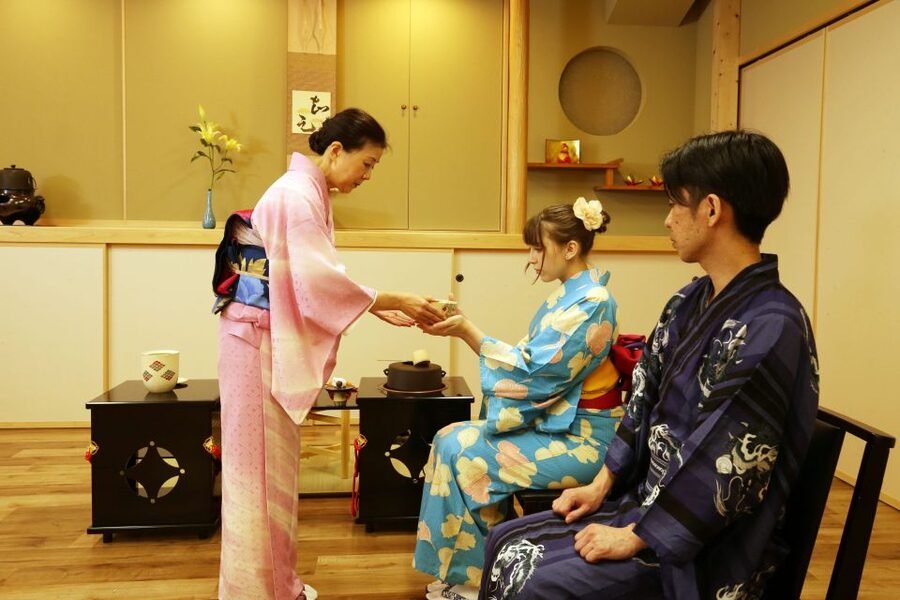
Seventy-five minutes is enough for a clear introduction, but it passes quickly. The session needs to cover the history and purpose of the ceremony, the Zen connection, the utensils, the first demonstration, the tea and sweet, and your own attempt.
That tight schedule keeps the activity from becoming tiring. You do not need to spend half a day kneeling or memorizing a long sequence. At the same time, you should not expect every part to receive equal depth. The Zen discussion is likely to be shorter than the practical instruction because the main goal is participation.
The lesson works best if you arrive ready to pay attention. The rule against making noise is sensible, since conversation and distractions would interrupt the demonstration. This is not the right choice if you want a casual social hour where you can chat freely with your companions.
The English instruction is another practical strength. The subject depends on small explanations, and it would be hard to understand the meaning of the gestures without a guide who can explain them clearly. Past participants found the instructors’ English easy to follow.
Comfort, access, and group size
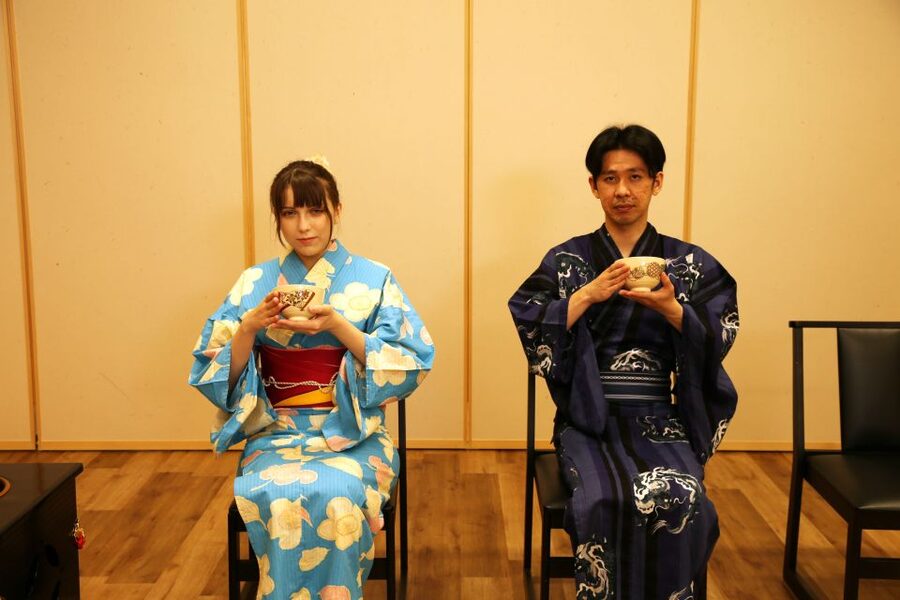
You do not have to sit on the floor. Seats are available, and the venue is wheelchair accessible. This opens the activity to people who might otherwise avoid a traditional tea ceremony because of mobility or knee problems.
That practical comfort does not remove the traditional character of the session. You still learn about the formal movements and utensils, but you can take part in a position that works for you. I consider this one of the activity’s best design choices.
Children under four are not permitted. Older children may find the quiet and formal structure rewarding if they can remain still and listen, but the activity is not built around games or entertainment.
The group limit of 10 is important. In a crowded class, it would be harder to see the instructor’s hands or receive help during your own attempt. Here, the small-group format supports the teaching. It also means you should respect the quiet rule and avoid treating the session like a noisy family workshop.
Is $63 a fair price?
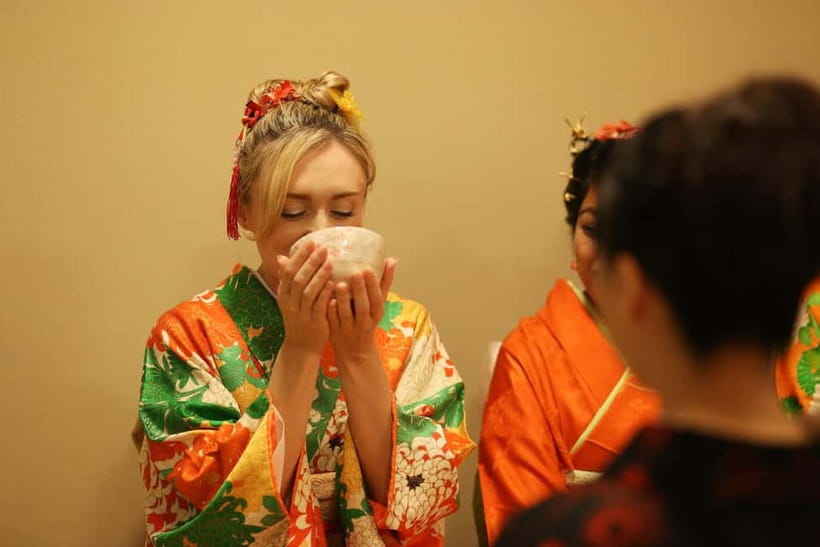
At $63 per person, this is not the cheapest way to drink matcha in Tokyo. You can find tea at many cafés for far less. The value here comes from the instruction, the cultural context, the traditional sweet, and the chance to prepare the tea yourself.
I think the price is reasonable if you want a structured introduction rather than a simple tasting. You are paying for 75 minutes with an English-speaking instructor, a demonstration, explanations of the utensils and Zen connection, and guided practice. The small group also gives the price more weight than a quick drop-in display.
It is less compelling if you mainly want a quiet cup of tea or a long meditation. The Zen portion is brief, and occasional noise from next door can affect the mood. You should book it for the teaching and participation, not for a perfect retreat setting.
Free cancellation up to 24 hours before the start gives you some flexibility, and you can reserve now and pay later. Transportation is not included, so you make your own way to Kikai Shinko Kaikan. The Tokyo Tower landmark makes the meeting point fairly practical, but allow time to find the correct building entrance.
Who will enjoy this most
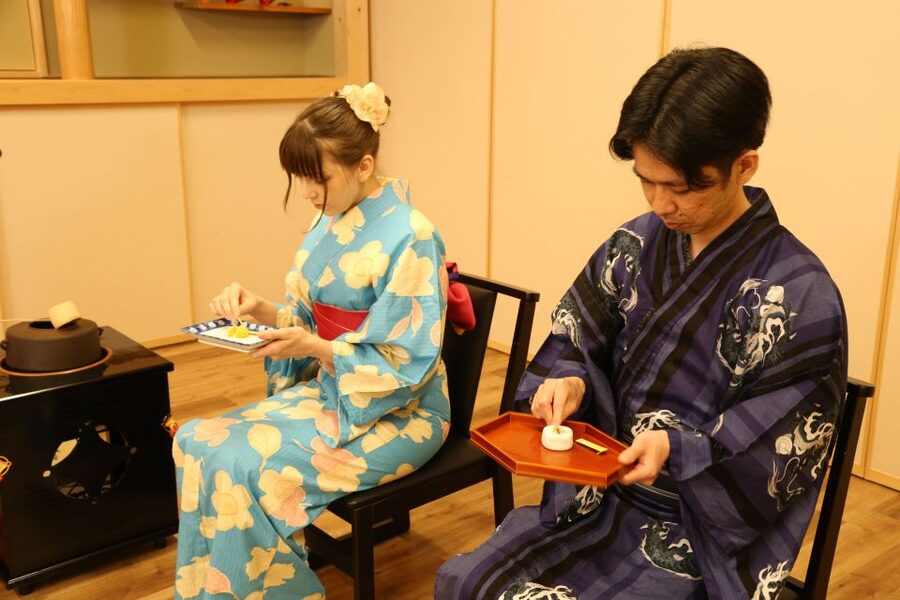
I would choose this for you if you want a respectful, hands-on introduction to Japanese culture. It suits first-time visitors who have seen tea ceremony in photographs but want to understand what the gestures mean.
It is also a good choice for anyone interested in Zen without wanting a full religious or philosophical course. You receive enough explanation to connect the practice with Zen ideas, art, architecture, and modern Japanese life, then apply some of those ideas through careful action.
People with mobility concerns should pay attention to the chair option and wheelchair access. You can participate without sitting on the floor, which removes a common barrier.
The activity may be less suitable for very young children, highly restless groups, or anyone seeking a grand historical setting. The venue is an arranged tearoom in a city building, not a famous temple. Its strength is the personal teaching, not dramatic surroundings.
Should you book this tea ceremony?
Book it if you want to learn by doing. The combination of matcha, a traditional sweet, Zen context, and guided practice gives you a fuller picture than a ceremony you only watch.
I especially like that the instructor demonstrates the process first and then helps you repeat it. That structure makes the experience welcoming even if you know nothing about tea ceremony. The small group, English instruction, chair seating, and wheelchair access make it practical as well as cultural.
Skip it if your priority is total silence, extensive meditation, or a long formal ceremony. The room can pick up sound from next door, and the Zen exercise is short. For most visitors, though, this is a thoughtful 75-minute lesson near Tokyo Tower, with enough participation to leave you remembering not only how matcha tastes, but why the ritual matters.
FAQ
How long does the Japanese tea ceremony last?
The activity lasts 75 minutes. The time includes an explanation of tea ceremony and Zen, a demonstration, matcha and a traditional sweet, and your own guided attempt.
Where is the meeting point?
Meet your instructor at the main entrance of the Kikai Shinko Kaikan building on the first floor, directly opposite Tokyo Tower. If you cannot find the instructor, visit True Japan Tour in room B109 on the basement level.
Is the activity conducted in English?
Yes. The instructor teaches in English.
Do I have to sit on the floor?
No. Seats are available for anyone who prefers not to sit on the floor.
Is the activity wheelchair accessible?
Yes, the activity is wheelchair accessible.
What does the price include?
The $63 price includes the tea ceremony, traditional sweets, matcha green tea, and a second ceremony performed by you with guidance. Transportation is not included.
Just added around Tokyo
- Kawagoe Japanese Food Tour : Unagi Kaiseki and Sake near Tokyo★ 5.0 · 30 reviews
- Kawagoe 4hr Private Tour with Licensed Guide (Kawagoe Dep)★ 5.0 · 13 reviews
- Little EDO Sushi Making workshop in Kawagoe★ 5.0 · 18 reviews
- 【R34】Tokyo:Private Daikoku tour in Modified R34★ 4.9 · 92 reviews
- :Tokyo,Shibuya/ Pro Photography in Kimono / English-Friendly★ 5.0 · 26 reviews
- Tokyo:Celebrate Unique Japanese New Year Tradition Festivity★ 3.9 · 20 reviews
- Tokyo: Allstar Food Tour★ 4.7 · 29 reviews
- Tokyo: West-Side Cycling and Food Tour with Guide★ 5.0 · 37 reviews
Tea Ceremony Experiences, compared.

Tea Ceremony in a Traditional Tea House in Kiyomizu
Our verdict →


World Heritage Kyoto & Nara Uji Authentic Matcha Experience
Our verdict →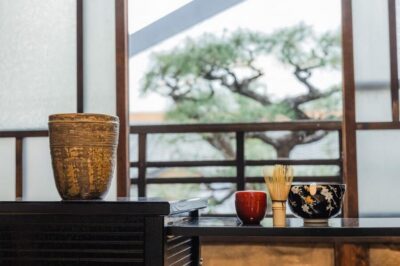

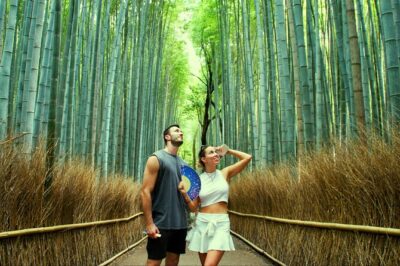
Arashiyama Bamboo Forest, Monkeys, Matcha & Temple Tour
Our verdict →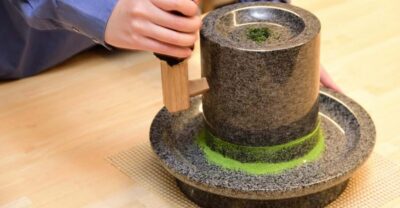
Browse the lists this tour appears in