
Reviewed · TEMPLES & SHRINES
Tokyo: Asakusa and Tokyo’s Oldest Temple Senso-ji Tour
Tokyo’s oldest temple is only part of the appeal here. This two-hour walk shows you how Senso-ji and Asakusa fit together, from the huge Kaminarimon lantern to the temple’s incense, customs, and nearby streets shaped by centuries of city life.
I like the small groups of no more than 10, which make it easier to hear your guide and stay together in a crowded district. I also like the practical local advice, including food specialties, souvenir ideas, and small spots that visitors often pass without noticing.
The main drawback is the setting itself: Asakusa can be packed, especially around Senso-ji and Nakamise Street. Two hours gives you a useful introduction, but not enough time to explore the whole neighborhood or linger at every shop.
Key points to know before you book
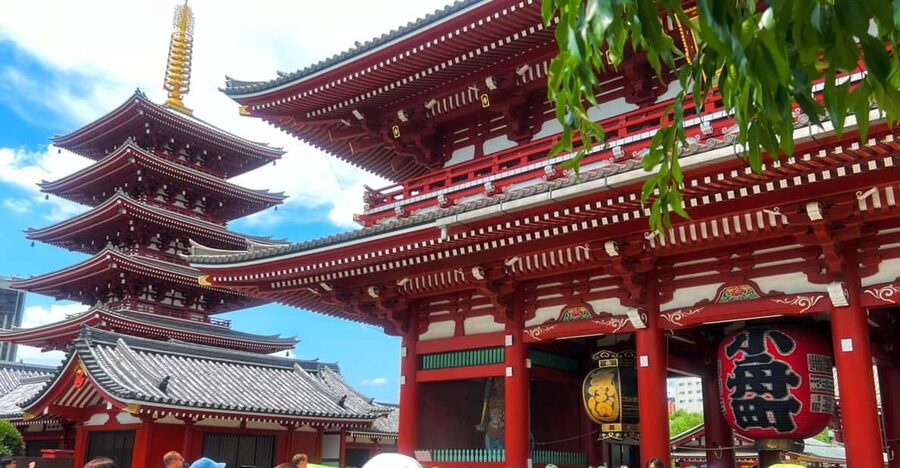
- Kaminarimon sets the scene: Start beneath Asakusa’s famous giant red lantern and hear how the district became one of Tokyo’s best-known historic areas.
- Temple customs are explained clearly: Guides such as Shino, Aska, Nicolas, and Embla have shown visitors how to approach and pray at the temple and shrine.
- A genuinely small group: The limit of 10 people helps your guide manage crowds and answer questions without shouting across a large tour.
- Local food advice is part of the walk: Guides point out traditional snacks, including ningyo-yaki, a small red-bean-filled cake associated with Asakusa.
- Good for first-time Tokyo visitors: The route gives you history, religion, street life, and practical neighborhood tips in a compact morning or afternoon.
- English guidance is central: The tour is offered in English, with a live guide rather than an audio recording or printed route.
Why this short Asakusa walk works
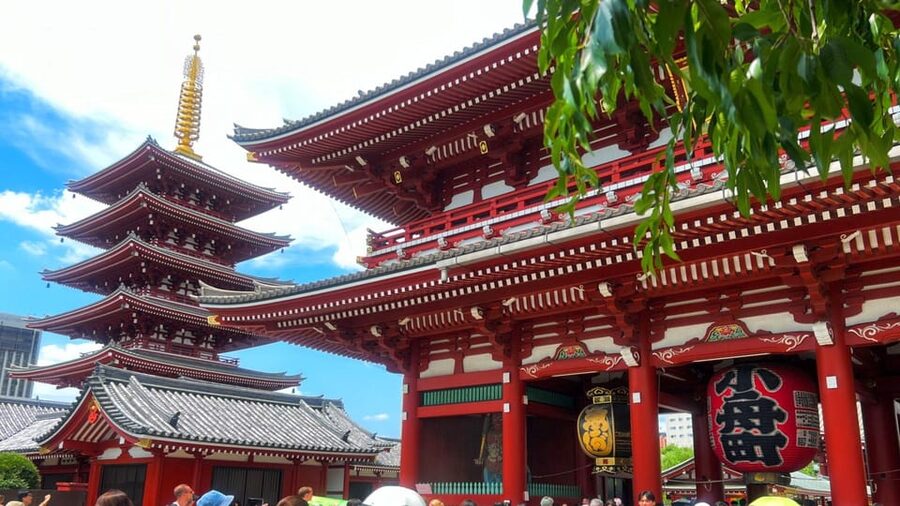
Asakusa offers one of the clearest introductions to old Tokyo. Modern Tokyo is famous for neon, rail lines, skyscrapers, and fast-moving crowds. Here, the focus shifts to Buddhist worship, traditional shops, local food, and streets that still preserve the feel of the Edo period.
That contrast makes the tour useful early in your visit. You get a sense of how Tokyo grew from an old riverside district into a vast modern capital, while still seeing daily religious practice in action. The guide adds context that is easy to miss if you simply walk through the gates, take a few photos, and leave.
The route is also compact. It begins at the Starbucks closest to Asakusa Station, reaches the main sights on foot, and returns to the same meeting area. With a two-hour schedule, you can fit it into a busy Tokyo day without giving up half your afternoon.
The tour has earned a 4.9 rating from 352 reviews, and the strongest pattern is clear: people value the guides’ clear English, friendly manner, local suggestions, and ability to keep a small group moving through crowded streets. Guide names vary by departure, but Shino, Aska, Nicolas, Embla, Joe, and others have been praised for different strengths, from temple instruction to storytelling and food advice.
More Temple & Shrine Tours in Tokyo
- Tokyo: Meiji Shrine, Asakusa, Skytree Bus Tour and Cruise
★ 4.7 · 1,986 reviews - Tokyo: Asakusa Walking Tour with Sensoji Temple Visit
★ 4.8 · 1,583 reviews - Tokyo Panoramic 1 Day: Meiji Shrine, Asakusa, Odaiba and SKYTREE®
★ 4.5 · 1,222 reviews
Meeting at Asakusa Station
You meet in front of the Starbucks closest to Asakusa Station at the coordinates 35.7119461, 139.7979446. Download WhatsApp before meeting so the guide can contact you and help the group connect smoothly.
This meeting arrangement is practical, but allow yourself time to find the correct Starbucks. Asakusa has several station exits and a busy flow of people. Arriving early is sensible, particularly if you are carrying luggage or visiting during a crowded period.
The group size is limited to 10. That is a useful middle ground: large enough to have some company, but small enough for direct questions. One particularly strong feature is crowd control. Guides have made a point of checking that nobody is left behind, an important detail when the route passes through dense foot traffic.
Kaminarimon and the first look at old Tokyo
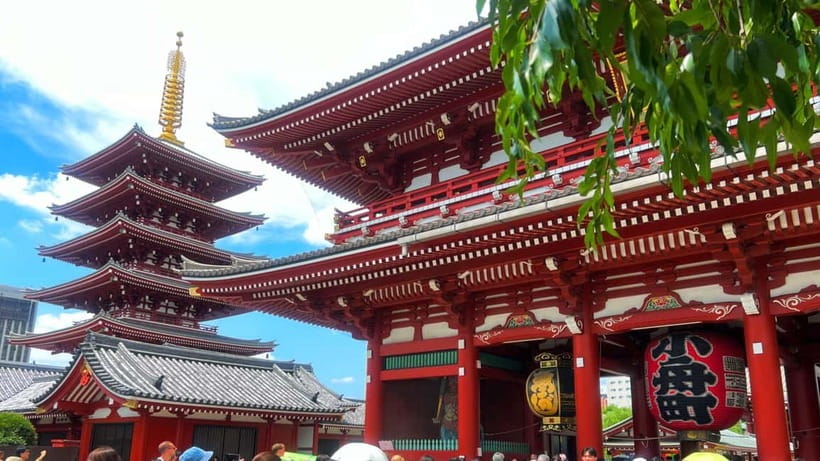
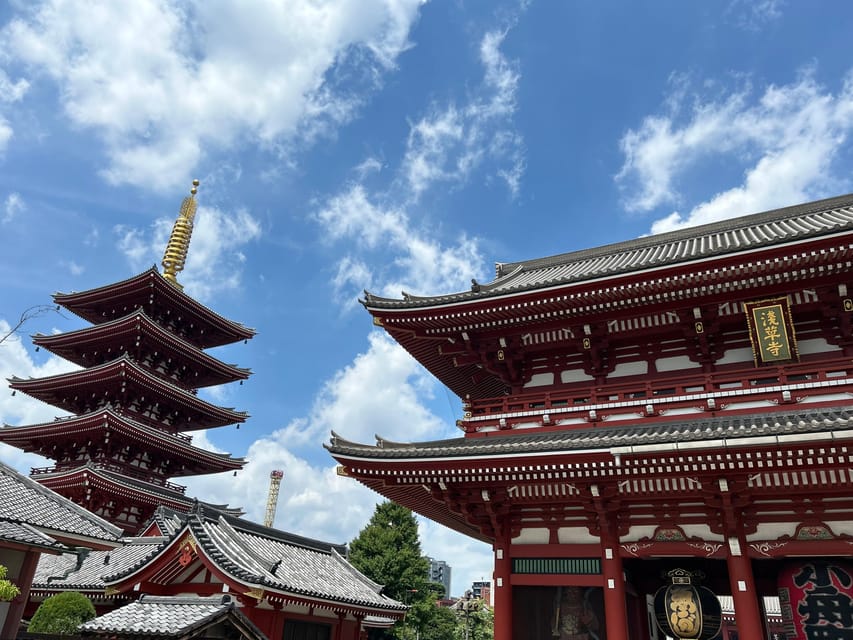
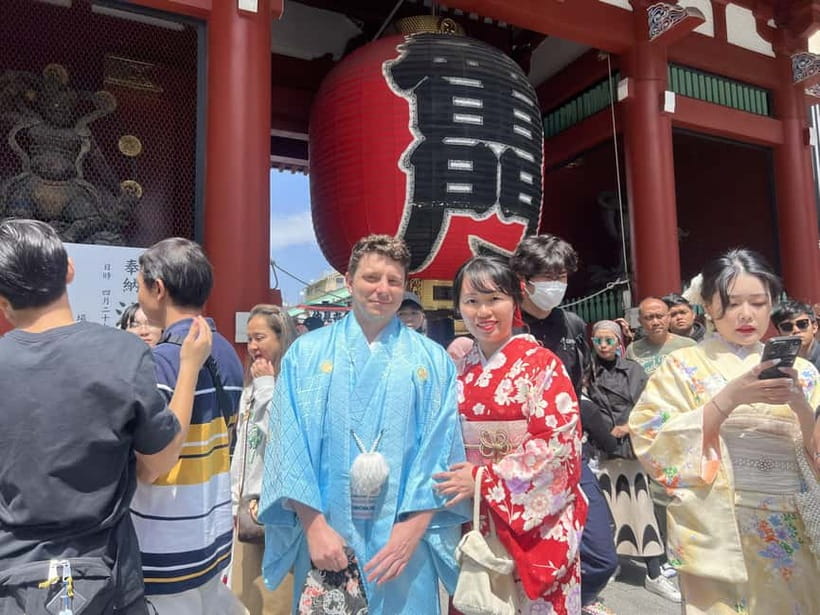
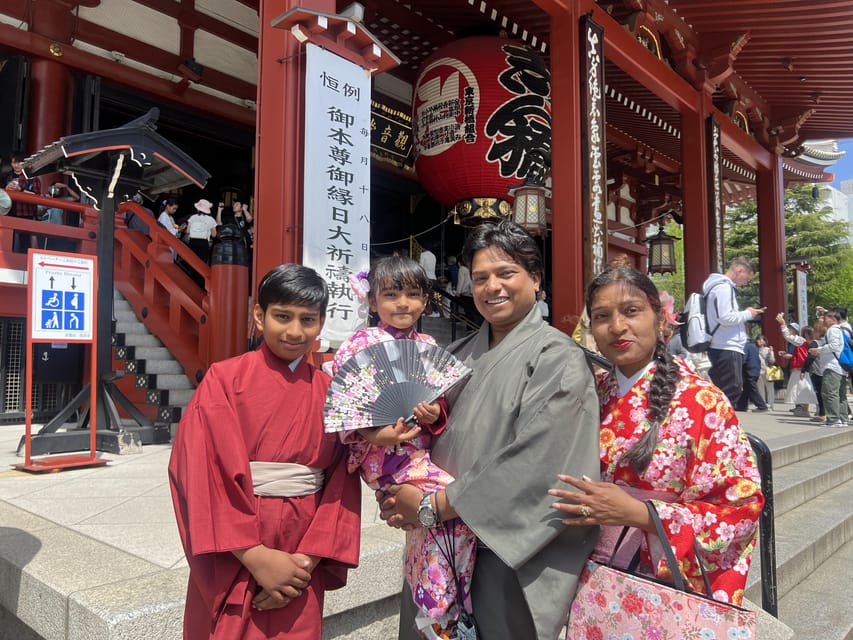
The first major stop is Kaminarimon, or Thunder Gate. Its enormous red lantern is one of Asakusa’s most recognizable sights, and it makes an immediate photo stop.
A guide can do more here than identify the gate. You’ll begin to understand why this entrance matters to Senso-ji and why Asakusa became such a famous entertainment and religious district. The guide’s story gives the crowded plaza a sense of place instead of leaving it as a backdrop for photographs.
Expect about 30 minutes for the visit and guided explanation. That sounds generous for a gate, but the time includes orientation and background on the neighborhood. It also gives your guide a chance to explain the route, answer early questions, and help you read the area before the group moves into the shopping street.
The space around Kaminarimon can be crowded. Keep close to the guide and do not assume the group will move in a straight line. A small group helps, but this is still a busy public district.
Nakamise Street and the taste of Asakusa
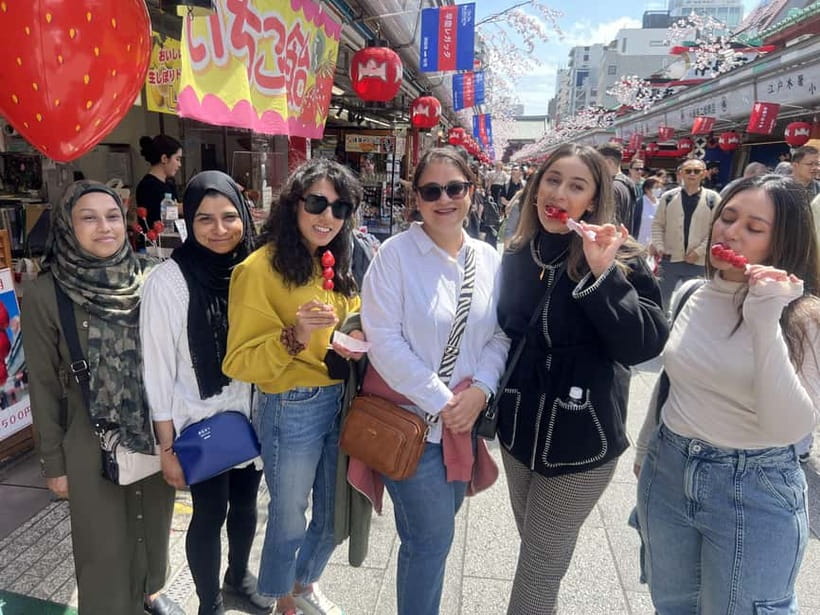
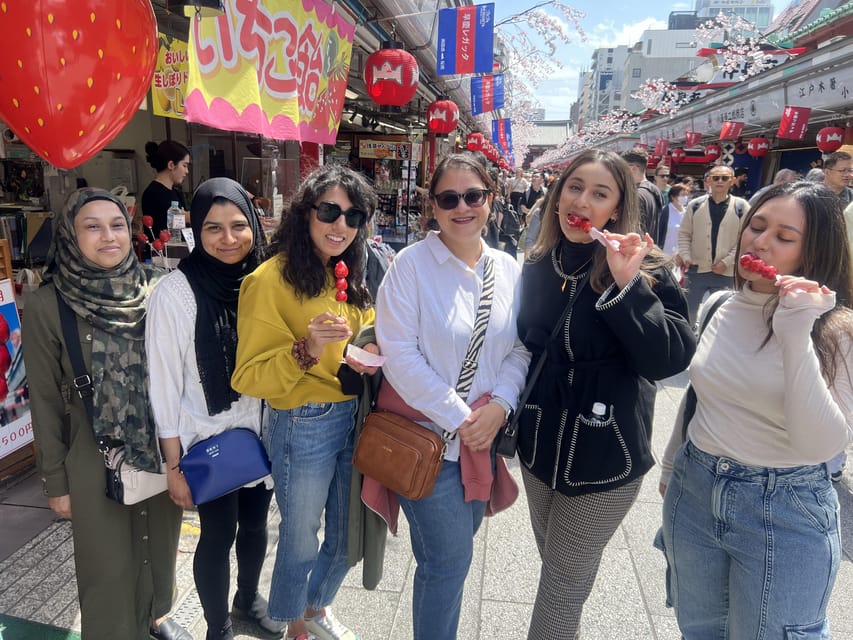
From Kaminarimon, the walk continues along Nakamise Shopping Street toward Senso-ji. This is the commercial approach to the temple, lined with traditional-style shops, souvenirs, sweets, and street snacks.
I like this part because it connects religion with everyday local commerce. You are not seeing a museum version of old Tokyo. You are walking through an active shopping street where visitors buy gifts, sample snacks, and prepare for a temple visit.
The planned stop lasts about 20 minutes. That is enough for an introduction, but you should not expect a relaxed shopping session. If you see something you want to buy, note the shop and return after the tour. Stopping too long can separate you from the group, and the tour’s main purpose is interpretation rather than shopping.
Food is one of the useful extras here. Guides have pointed out local specialties and personal favorites, including ningyo-yaki, a small cake filled with sweet red bean paste. You may also get suggestions for places to eat after the tour. These recommendations can be more useful than a generic list because they are tied to the streets you have just walked.
The street can feel crowded and tourist-focused. That is not a flaw in the tour, but it is worth knowing. Nakamise is popular precisely because it is a classic part of the Senso-ji experience. If you want quiet lanes, the guide’s side-street suggestions and lesser-known stops become especially valuable.
Same trip, a completely different kind of day:
- 1-Day Tokyo Bus Tour
★ 5.0 · 14,250 reviews - Tokyo: TOKYO SKYTREE® Admission ticket
★ 4.5 · 11,192 reviews - Tokyo: teamLab Planets TOKYO Digital Art Museum Entry Ticket
★ 4.6 · 9,779 reviews - Tokyo: Sumo Show Experience with Chicken Hot Pot and a Photo
★ 4.8 · 6,678 reviews
Senso-ji, Tokyo’s oldest temple
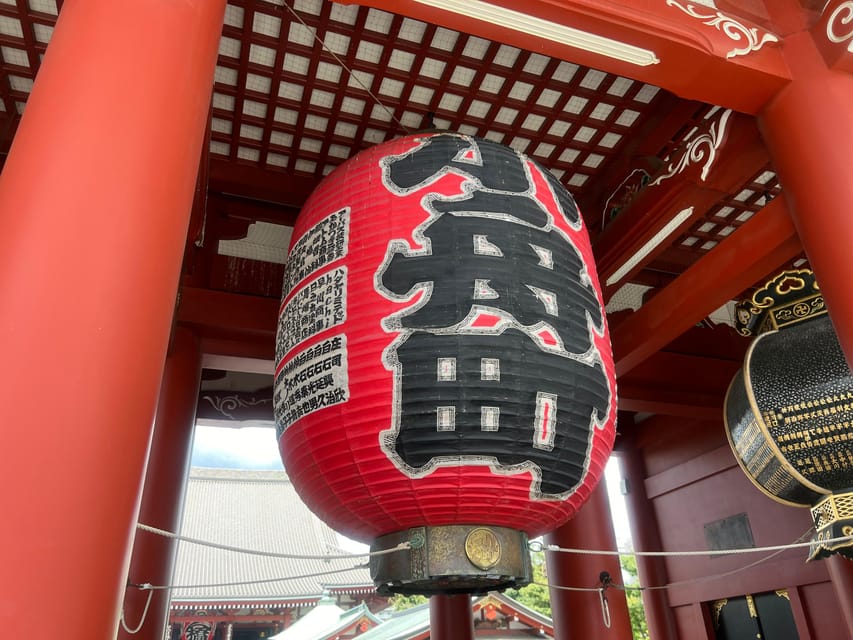
Senso-ji is the center of the walk. Founded in the seventh century, it is one of Tokyo’s oldest temples and the clearest reason to choose this tour.
You’ll have around 30 minutes for a guided visit, walking, and photographs. The guide explains the temple’s history, Buddhist ideas, and customs, helping you understand what you are seeing rather than treating the temple as a quick photo stop.
One of the most practical parts is learning how to approach the temple respectfully. Several guides, including Shino, Aska, Nicolas, and others, have been praised for explaining the correct customs for visiting and praying. You may also have the chance to try your fortune, an activity one visitor especially enjoyed.
This kind of guidance matters because Senso-ji is both a major sightseeing stop and a working religious site. Knowing when to observe quietly, how to use the purification area, and how to approach the worship space makes the visit feel more respectful and less confusing.
The temple grounds are busy, and your time there is limited. You will not get a full architectural study or an unhurried period for private reflection. Instead, you get a focused explanation of the main areas, with enough background to return later on your own.
That return visit is worth considering. The tour gives you the framework, then you can come back for photographs, shopping, or a slower look at the temple grounds. One visitor who already knew Asakusa still learned new details on the walk, which suggests the guide’s stories can add value even if you have visited before.
Asakusa Shrine and the neighborhood beyond the temple
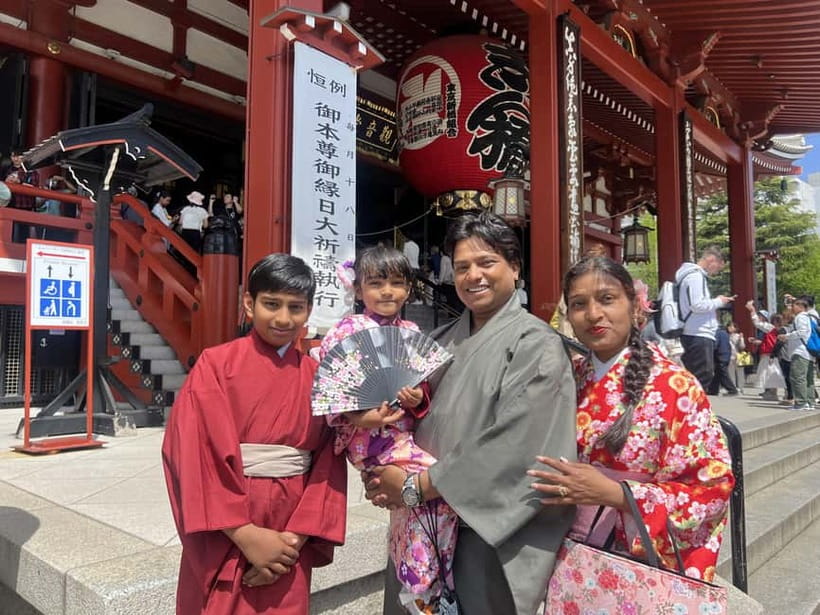
The final main stop is Asakusa Shrine, with about 30 minutes of guided time and photographs. Its presence beside Senso-ji gives you a useful chance to compare Buddhist and Shinto traditions in one compact area.
The tour’s description also points to hidden shrines, former geisha districts, old alleys, and Asakusa’s recovery after the war. The exact route may vary with crowd conditions and the guide leading your departure, but the purpose is consistent: to show more than the famous temple frontage.
This is where the walk can feel more personal. Guides have shared details about local customs, neighborhood food, and places that are easy to miss without someone who knows the area. Aska has been praised for showing lesser-known treats, while Joe was especially appreciated for making the area’s history lively and approachable.
Do not expect an empty old quarter. Asakusa is a major Tokyo sight, and the busiest streets remain busy. The value is in learning to read what you see: a shrine beside a temple, a shopping lane leading to a sacred site, and an old entertainment district folded into the modern city.
After the shrine, the group walks back to the Starbucks near Asakusa Station. The return point is convenient for continuing your day, although the tour does not include transport to another Tokyo district.
What the guides add
The guide is the main reason to book rather than follow a map. The route itself is easy to locate, but the meaning behind it is not always obvious.
Shino has been praised for being a Tokyo native who shares local places, food advice, souvenir ideas, and customs in fluent English. Embla has been noted for careful organization, clear explanations, and sending useful information before the tour. Nicolas has received praise for storytelling, patience, and explanations of Buddhism.
Aska has been appreciated for her cultural detail and calm care during hot weather. Joe has been described as energetic and friendly, with a style that feels more like exploring with a local friend. Other guides, including Haydn, Naoya, Ryota, Connie, Shona, Jae, and Ahn, have also been praised for answering questions and keeping the walk enjoyable.
Because guides change, you should not book expecting one specific person unless the reservation system confirms that guide. Still, the repeated strengths are encouraging: clear English, strong local knowledge, a friendly approach, and attention to group pace.
Is $14 good value?
At $14 per person, this is an inexpensive way to add structure and context to a visit to Asakusa. Admission to the main public areas is included, but the larger value is the live explanation and the time saved figuring out temple customs and neighborhood history on your own.
You could walk the route without paying for a guide. Kaminarimon, Nakamise Street, Senso-ji, and Asakusa Shrine are all easy to recognize. But a self-guided visit will not necessarily explain the legends, the relationship between the temple and shrine, the old entertainment districts, or the small local food details.
The price also works well for solo visitors. One solo guest had a group of only two people, while another departure had seven. The small-group format gives solo visitors company without committing to a private tour.
The trade-off is depth. Two hours and $14 buy a strong introduction, not a full-day neighborhood study. Plan to return on your own if you want extended shopping, more food stops, or quiet time around the temple.
Who should book this tour?
I would choose this walk if you are visiting Tokyo for the first time and want a quick, friendly introduction to traditional Tokyo. It suits history fans, culture-focused visitors, families who want a manageable route, and solo visitors who prefer not to explore a crowded district alone.
It also works well as a first activity in Asakusa. Afterward, you can use the guide’s food and shopping suggestions, revisit Senso-ji, or continue toward other parts of Tokyo.
You may want something else if you dislike crowds, prefer a private guide, or want a slow photography walk. The group moves through popular public spaces, and the two-hour limit keeps the route moving.
Wear comfortable shoes and keep your schedule flexible enough to stay with the group. In hot weather, take the pace seriously. One guide was specifically praised for looking after group comfort during extreme heat, but basic preparation remains your responsibility.
FAQ
Where does the tour meet?
The meeting point is in front of the Starbucks closest to Asakusa Station. The listed coordinates are 35.7119461, 139.7979446.
How long does the tour last?
The walking tour lasts two hours.
What sights are included?
The route includes Kaminarimon, Nakamise Shopping Street, Senso-ji Temple, and Asakusa Shrine. The group returns to the Starbucks near Asakusa Station.
Is the tour conducted in English?
Yes. The tour has a live English-speaking guide.
How large is the group?
The group is limited to 10 participants.
Is admission to Senso-ji included?
Yes. Admission to Senso-ji is included, along with the walking tour and access to Asakusa and Nakamise Shopping Street.
Can I learn how to pray at the temple?
Yes. Guides explain temple customs, including how to approach and pray at the temple.
Will the guide offer food recommendations?
Yes. Guides share information about local foods and favorite places in Asakusa. Ningyo-yaki, a red-bean-filled traditional snack, has been highlighted during the experience.
Do I need WhatsApp?
You are asked to download WhatsApp before the meeting so the guide can contact you and help the group meet smoothly.
Can I cancel for a full refund?
You can cancel up to 24 hours in advance for a full refund. The activity also offers reserve now and pay later booking.
Should you book the Asakusa Senso-ji walk?
For $14, this is an easy recommendation if you want context, customs, and local tips rather than only photographs. The route covers Asakusa’s essential sights, and the small group gives you a better chance to hear the guide and ask questions.
Book it early in your Tokyo stay, then use the rest of the day to explore Asakusa at your own pace. Skip it only if you already know the district well and prefer to wander without a schedule. Even then, a guide such as Shino, Aska, Nicolas, or Embla may show you details you would otherwise walk past.
Just added around Tokyo
- Kawagoe Japanese Food Tour : Unagi Kaiseki and Sake near Tokyo★ 5.0 · 30 reviews
- Kawagoe 4hr Private Tour with Licensed Guide (Kawagoe Dep)★ 5.0 · 13 reviews
- Little EDO Sushi Making workshop in Kawagoe★ 5.0 · 18 reviews
- 【R34】Tokyo:Private Daikoku tour in Modified R34★ 4.9 · 92 reviews
- :Tokyo,Shibuya/ Pro Photography in Kimono / English-Friendly★ 5.0 · 26 reviews
- Tokyo:Celebrate Unique Japanese New Year Tradition Festivity★ 3.9 · 20 reviews
- Tokyo: Allstar Food Tour★ 4.7 · 29 reviews
- Tokyo: West-Side Cycling and Food Tour with Guide★ 5.0 · 37 reviews
Temples & Shrines, compared.

Tea Ceremony in a Traditional Tea House in Kiyomizu
Our verdict →

Meiji Shrine, Asakusa, Skytree Bus Tour and Cruise
Our verdict →
Fushimi Inari Hidden Hiking Tour (Private Option Available)
Our verdict →
Osaka/Kyoto:Kinkakuji,Arashiyama,FushimiInariShrine,NaraPark
Our verdict →
Nikko: Kegon Falls, Lake Chuzenji & Toshogu Temple
Our verdict →
Kamakura & Enoshima Day Trip including Temple Tickets
Our verdict →Browse the lists this tour appears in