
Reviewed · TEA CEREMONY EXPERIENCES
Tea Ceremony Experience in a Private Tea Room in Shibuya
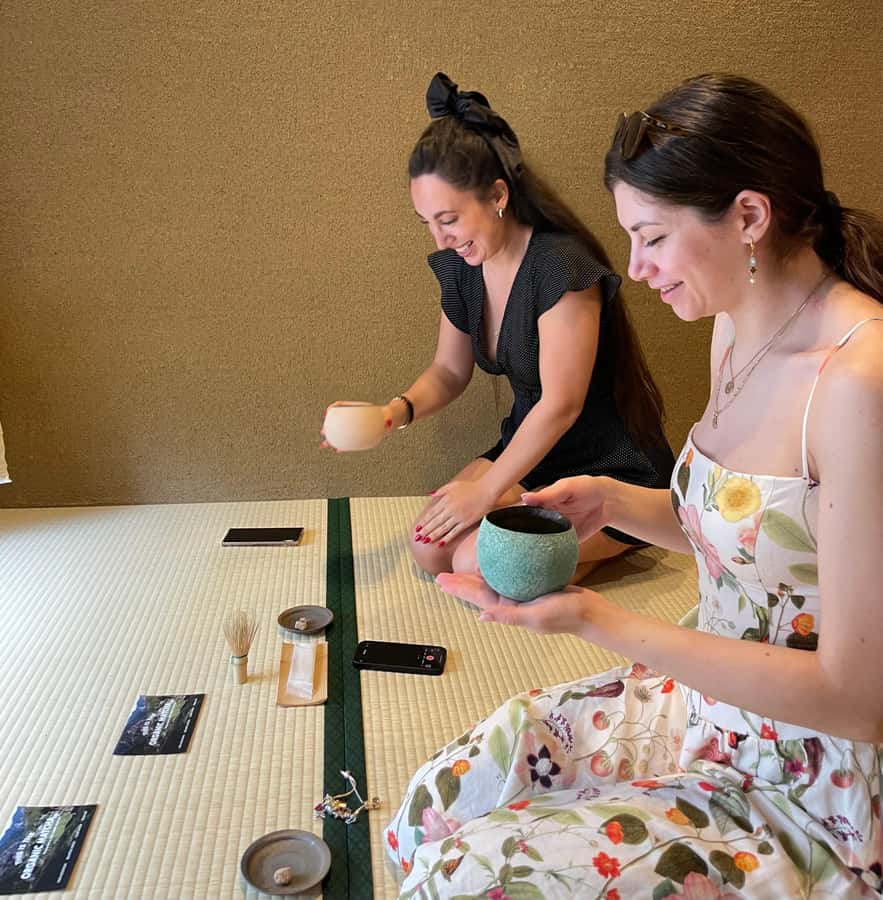
Shibuya is famous for giant video screens and the Scramble Crossing, but eight minutes from the station, you can step into a quiet private tea room and slow the city down. The best part is the contrast: Tokyo outside, careful ritual inside. I like the rare organic matcha and the chance to whisk your own bowl after watching the host prepare one.
I also like the personal touch. Tatsu, sometimes introduced as Tatsuya, brings family ties to tea farming and explains not only what to do, but why each object and movement matters. The main drawback is practical: there is no toilet in the tea room, and matcha contains caffeine, so plan ahead.
Key points at a glance
- Eight minutes from Shibuya Station: Meet outside The OneFive Tokyo Shibuya hotel, then walk to the tea room.
- A private room in central Tokyo: The setting is small, quiet, and carefully arranged rather than a large tourist show.
- Premium organic matcha: The tea is described as a rare grade that accounts for about 2 percent of Japan’s total circulation.
- A formal demonstration and hands-on practice: Watch the host prepare matcha, then make your own bowl.
- Traditional wagashi included: Sweets come from a Japanese shop with more than 200 years of history.
- English and Japanese guidance: You can ask questions about tea farming, ceremony customs, preparation, and drinking manners.
From Shibuya Station to a quiet tea room
The meeting point is in front of The OneFive Tokyo Shibuya hotel at 1-8-11 Jinnan, Shibuya-ku. Look for the guide holding a sign marked TEA ROOM KAKOI. From Shibuya Station, the walk takes about eight minutes, which makes this easy to fit between shopping, the Hachiko Statue, Meiji Shrine, the Scramble Crossing, or the Pokémon Center.
That short walk matters. You do not need to spend half a day reaching a remote tea house, yet the activity still gives you a clear change of pace from Shibuya’s main streets. The starting point is also useful if you are unsure where to meet in this busy part of Tokyo. The guide contacts you beforehand, according to the information provided, which should make the first encounter simpler.
The activity ends back at the same meeting point. No transport is included because none is needed. You walk to the tea room with the host and return afterward.
More Tea Ceremony Experiences in Tokyo
- Matcha Making Class in Tokyo with Authentic Japanese Sweets Set
★ 5.0 · 744 reviews - Tokyo: Traditional Tea Ceremony with a Tea Master
★ 5.0 · 528 reviews - Tokyo: Matcha Making Experience with Mochi Sweets in Asakusa
★ 4.9 · 388 reviews
A small private room with a different side of Shibuya
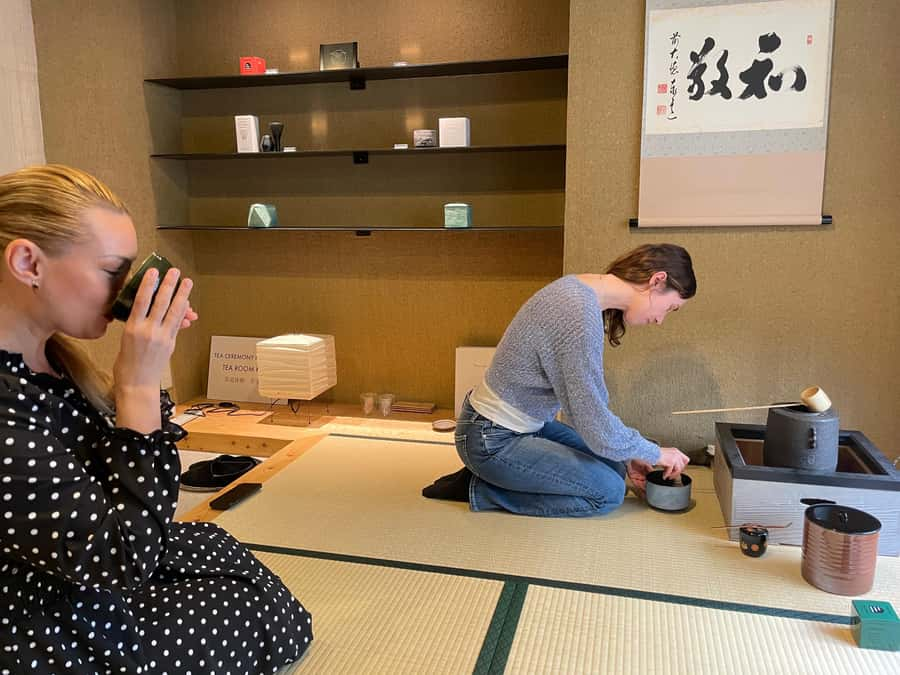
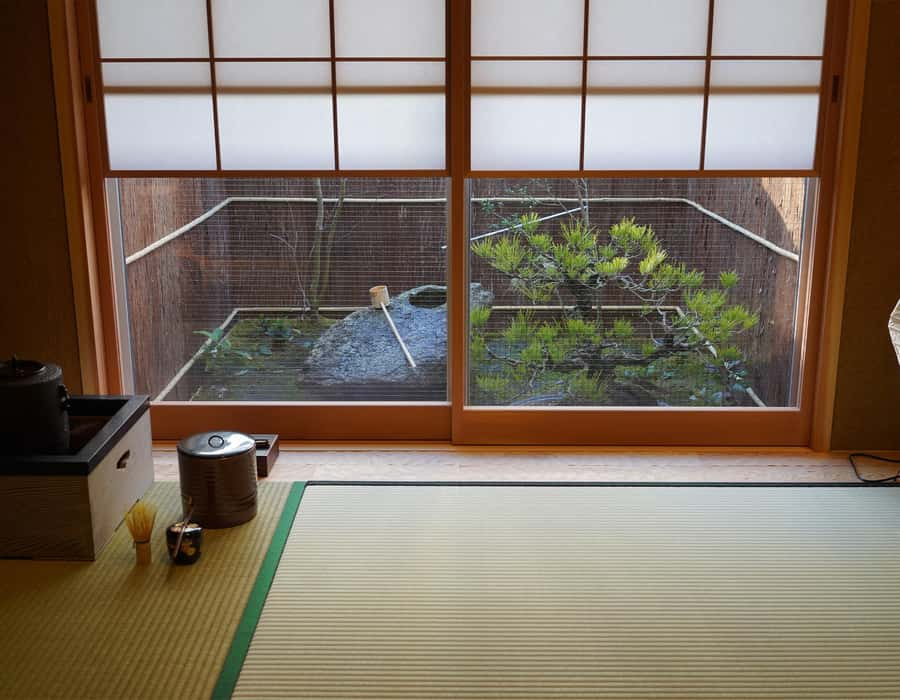
The tea room is inside an apartment building opposite the meeting point. That may sound ordinary at first, and one account describes initial doubt about entering such a small room in an apartment complex. Once inside, however, the space is arranged as a traditional tea setting, with a quiet mood and carefully chosen objects.
I think this is the heart of the activity. You are not being placed in a grand public hall designed for a constant stream of groups. You enter a modest room where the focus is on the bowl, the whisk, the sweets, the host, and the movements of the ceremony.
The setting is intimate, so it suits you if you prefer conversation and close instruction. It may feel less impressive if you want a large historic tea house, garden views, or a full-day cultural program. Those features are not part of this activity. The appeal is access and concentration, not scale.
The room has no toilet. Use one before leaving the station or meeting point. This is an especially useful tip because the tea ceremony asks you to sit quietly, and leaving the room would interrupt the session.
The opening lesson: tea ceremony, matcha, and farming
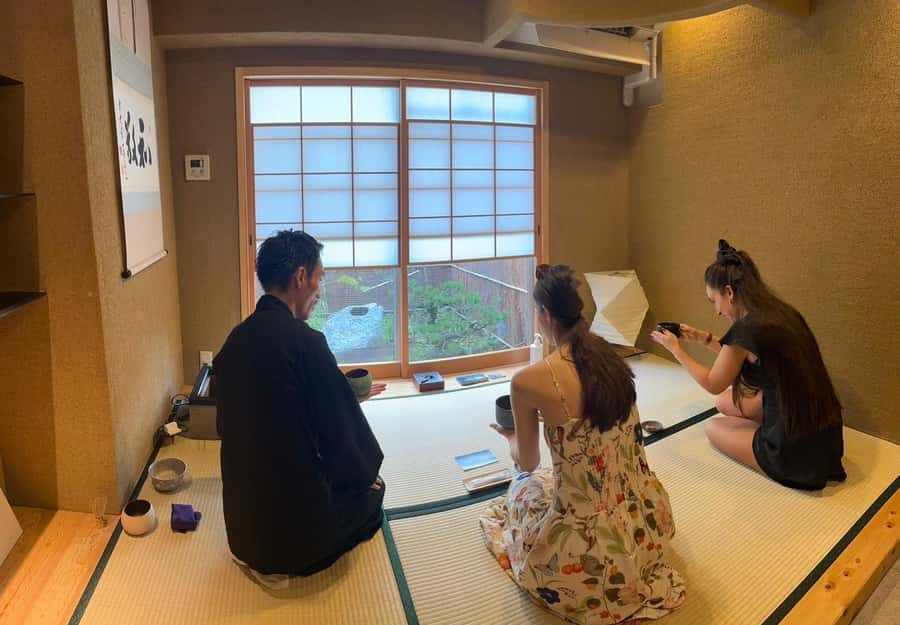
The first part explains the Japanese tea ceremony and the production of matcha. You learn how matcha is made and why the powder differs from ordinary green tea. The host also places the ceremony in its wider cultural setting, explaining the customs and meaning behind the ritual.
This is not simply a lesson in drinking tea. The host explains how to respect the objects used in the ceremony and why the process is calm and deliberate. That context helps you understand that the slow movements are not decoration. Each action gives attention to the tea, the setting, and the person sharing it with you.
Tatsu brings a personal connection to the subject. Information provided about the host notes that his family has tea farms, with two generations connected to tea production. That gives the talk a useful practical angle. You are not hearing only a general script about Japanese tradition. You can ask about matcha from the point of view of someone connected to growing and producing tea.
The language options are English and Japanese. English explanations are an important advantage if you want to understand the ceremony rather than simply copy the movements. The host is also available for questions at the end, so keep a few ready if tea production or Japanese customs interest you.
Tasting premium organic matcha with wagashi
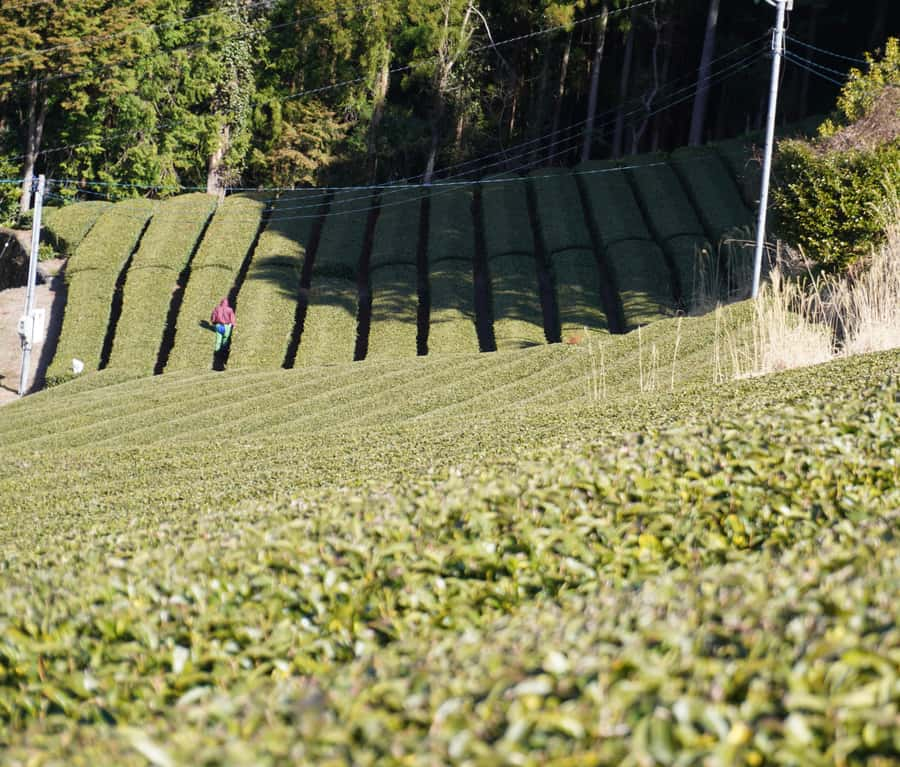
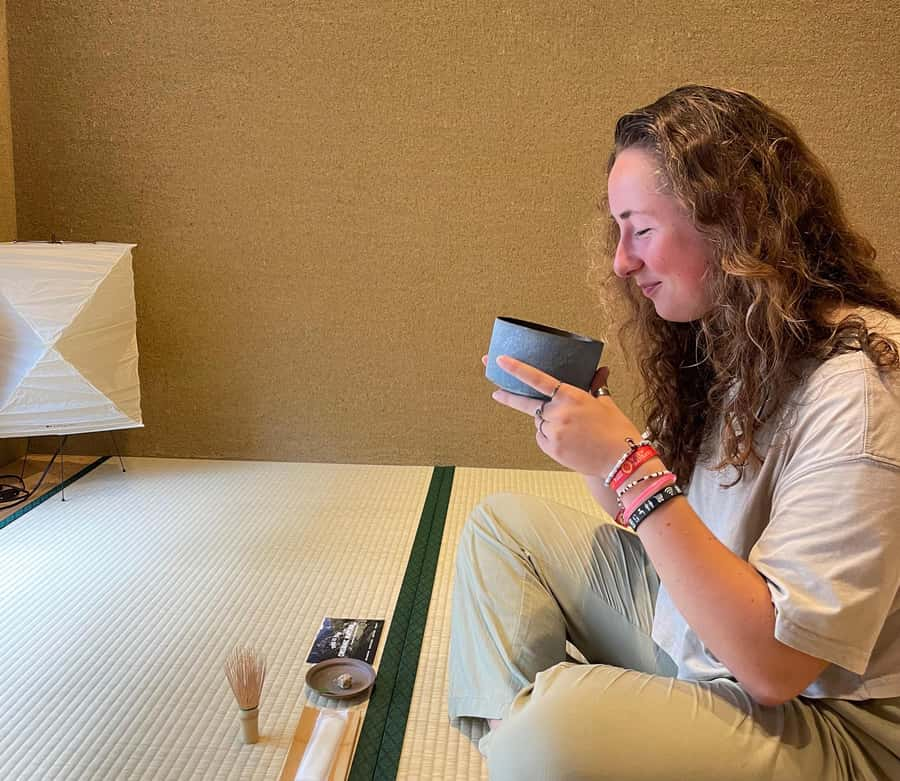
The activity includes a serving of organic matcha described as an especially rare grade, accounting for about 2 percent of the total circulation in Japan. That does not mean every visitor will taste the same style of matcha they might find in a specialist tea shop, but it does signal that the tea itself is a central part of the session, not an afterthought.
Matcha has a strong, concentrated flavor and contains caffeine. If you are sensitive to caffeine, keep that in mind before booking. The point is not to gulp the drink. You learn how to receive and drink it properly, with attention to the bowl and the setting.
The tea comes with traditional Japanese sweets from a long-established wagashi shop with more than 200 years of history. Wagashi helps balance matcha’s bitter edge, and the pairing makes the tasting easier to understand. The sweet is not just a snack added to the ticket. It shows how Japanese tea service considers the relationship between flavor, timing, and presentation.
The taste of matcha can vary from person to person. Some people love its fresh, grassy character, while others find it intense. If you already enjoy green tea, this is likely to be one of the strongest parts of the visit. If you normally add milk or sugar to tea, you may want to approach the first bowl with an open mind.
Same trip, a completely different kind of day:
- 1-Day Tokyo Bus Tour
★ 5.0 · 14,250 reviews - Tokyo: TOKYO SKYTREE® Admission ticket
★ 4.5 · 11,192 reviews - Tokyo: teamLab Planets TOKYO Digital Art Museum Entry Ticket
★ 4.6 · 9,779 reviews - Tokyo: Sumo Show Experience with Chicken Hot Pot and a Photo
★ 4.8 · 6,678 reviews
Watching the formal preparation
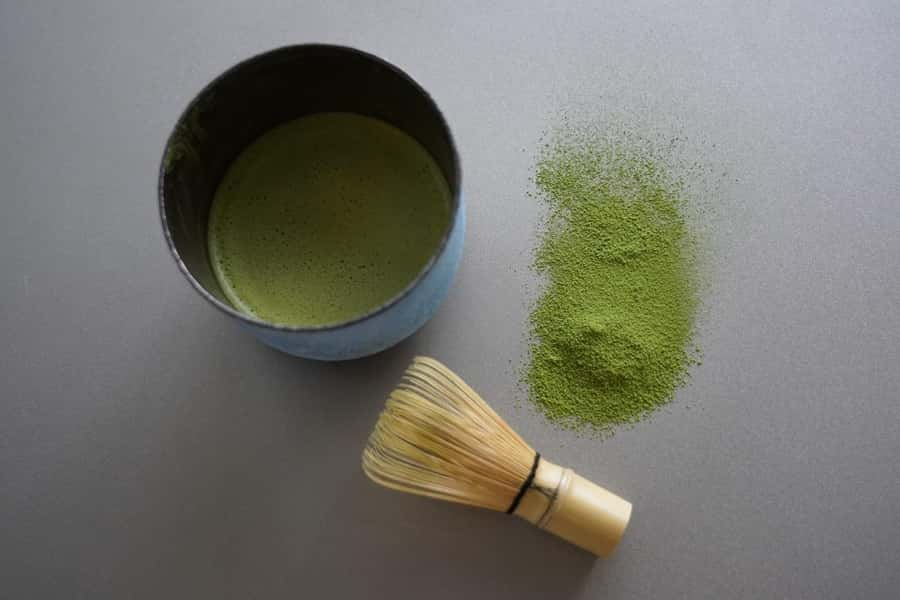
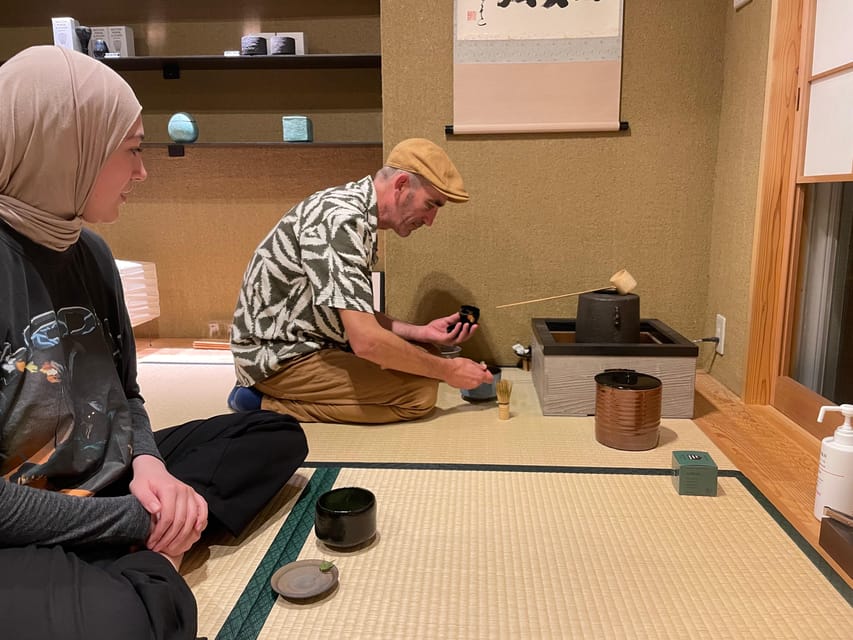
After the introductory explanation, the host prepares matcha in the formal tea ceremony style. This demonstration gives you a chance to watch before you try anything yourself.
Pay attention to the small details: the handling of the tea utensils, the measured movement of the whisk, and the way the bowl is presented. The ceremony is not meant to be rushed. The calm atmosphere comes partly from the setting, but also from the repeated, exact actions.
The host explains the proper way to drink the tea and the respect shown to the objects used. You do not need previous knowledge of tea ceremony etiquette. The instruction is designed to guide you through the process, and the host can answer questions as you go.
This demonstration is valuable for another reason. It turns an unfamiliar custom into something you can follow. Instead of watching a ritual from a distance, you learn the basic logic behind it, then put that lesson into practice.
Making your own bowl of matcha
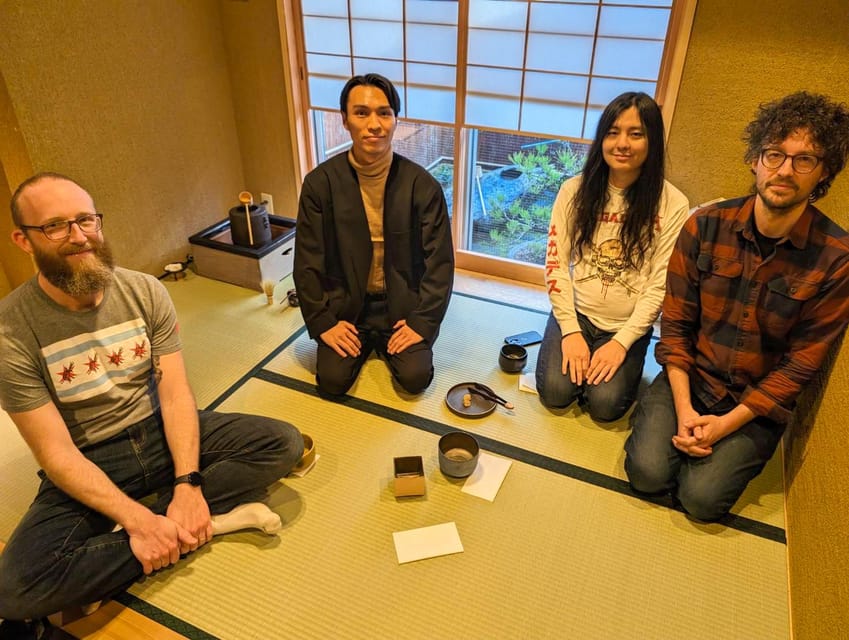
The hands-on session is the most practical part of the visit. After watching the host, you prepare your own matcha with guidance. The host shows you the techniques and makes sure you understand what you are doing.
Do not worry about producing a perfect bowl on the first attempt. The point is to feel the whisk move through the tea and water, notice the change in texture, and understand how much care goes into a simple serving. The host is described as patient and professional, which is useful here because beginners may need a second explanation or a little help with the whisking motion.
This part also gives the activity a better balance. A demonstration alone can leave you with pleasant photographs but little practical memory. Making your own tea gives you something to remember and a skill you can repeat at home if you later buy matcha and a whisk.
The session is presented in a small-group format, so you should have more direct contact with the host than you would in a large cultural show. That makes it easier to ask why the tea looks different from another bowl, how matcha is produced, or how ceremony customs change in different settings.
Why the location works, and where it does not
Shibuya is a strong choice for this activity because you can pair a quiet cultural stop with some of Tokyo’s most famous sights. You might visit the Hachiko Statue and Scramble Crossing before the ceremony, then spend time in the tea room away from the noise. Meiji Shrine and the Pokémon Center are also nearby in the wider Shibuya area.
The location is convenient, but it does not create a traditional rural setting. You will not be looking over a tea field or entering an old countryside residence. The tea room is in an apartment building in central Tokyo. That tradeoff is clear: you get easy access and a private atmosphere, but not a historic garden setting.
I think this works best for a first tea ceremony in Japan. You can learn the basics without giving up most of your day or making a long journey. If you already have extensive tea ceremony experience, you may want a more formal or specialized school instead.
What the $30 price gives you
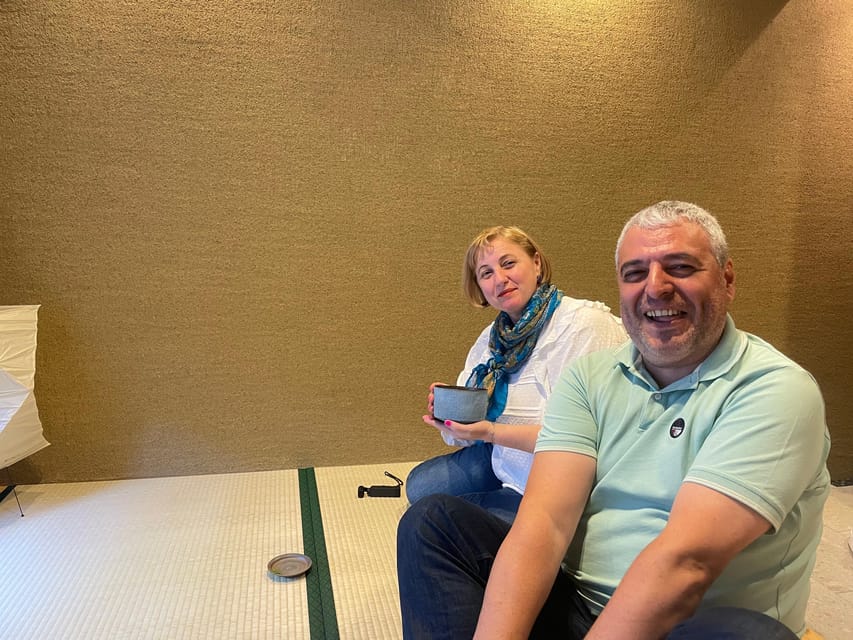
At $30 per person, the price is reasonable for a central Tokyo cultural activity that includes premium organic matcha, traditional sweets, a formal demonstration, hands-on practice, and an English-speaking guide.
The value comes from the personal teaching. You are paying for more than a drink. You receive an explanation of matcha production, an introduction to ceremony manners, a prepared serving, a sweet pairing, and the chance to make tea yourself. A separate tea and sweet in Tokyo might cost less, but it would not include the instruction or private room.
The organic matcha is also a meaningful part of the price. The tea is presented as a rare, high-grade product, and the host can explain differences in matcha quality and production. If you care about tea, that information may make this a better value than a shorter photo opportunity.
You can also buy organic matcha and original tea tools as souvenirs after the session. There is no pressure to buy anything, and the option is useful if you want to continue the practice at home.
Who will enjoy this most
I would recommend this to you if you want a relaxed introduction to Japanese culture, especially if you like tea, food traditions, or small personal activities. It also suits couples, solo visitors, and adults who prefer a quiet hour or session over a crowded group attraction.
The experience is not suitable for children under 10, babies under one year, or pregnant women, according to the stated restrictions. Assistance dogs are allowed, but other pets are not.
You should also consider the caffeine. Matcha is concentrated, and the activity specifically notes that it contains caffeine. If you have a sensitivity, ask yourself if the tasting fits your plans for the day.
This is less suitable if you want a broad tour of Shibuya, a garden, a large historic venue, or a meal. It focuses tightly on matcha and ceremony practice. That narrow focus is a benefit if tea interests you, but a limitation if you want many different activities in one booking.
Practical details before you book
Meet outside The OneFive Tokyo Shibuya hotel and look for the TEA ROOM KAKOI sign. The guide may contact you beforehand, so check your messages and arrive with enough time to find the meeting point.
Use a toilet before entering the tea room. There is no toilet inside, and the room is small, so this is not a detail to ignore.
Wear something that lets you sit comfortably and move your hands freely. The supplied information does not state a dress code, so you do not need to plan a formal outfit. The important thing is to be ready to sit quietly, listen, and take part.
The activity is offered in English and Japanese. You can reserve now and pay later, which keeps your plans flexible. Cancellation is free up to 24 hours before the activity for a full refund.
Should you book TEA ROOM KAKOI?
Book it if you want a calm, focused introduction to matcha close to Shibuya Station. The private room, personal instruction from Tatsu or Tatsuya, rare organic tea, traditional sweets, and hands-on preparation make the $30 price easy to justify.
Skip it if you want a large tea house, a garden, a longer cultural tour, or a caffeine-free activity. For most first-time visitors who want to understand the ceremony rather than only photograph it, this is a practical and memorable choice.
FAQ
Where does the tea ceremony meet?
The meeting point is in front of The OneFive Tokyo Shibuya hotel at 1-8-11, Jinnan, Shibuya-ku, Tokyo, 150-0041. The guide holds a sign marked TEA ROOM KAKOI.
How far is the tea room from Shibuya Station?
The tea room is about an eight-minute walk from Shibuya Station.
What is included in the price?
The experience includes premium organic matcha, traditional Japanese sweets, the tea ceremony, a matcha-making session, and the materials needed for the activity.
Is the activity offered in English?
Yes. The activity is available in English and Japanese.
Is there a toilet in the tea room?
No. Use a toilet before entering the tea room.
Can children attend?
Children under 10 are not suitable for this activity. Babies under one year are also not suitable.
Can I cancel for a full refund?
Yes. You can cancel up to 24 hours in advance for a full refund.
Just added around Tokyo
- Kawagoe Japanese Food Tour : Unagi Kaiseki and Sake near Tokyo★ 5.0 · 30 reviews
- Kawagoe 4hr Private Tour with Licensed Guide (Kawagoe Dep)★ 5.0 · 13 reviews
- Little EDO Sushi Making workshop in Kawagoe★ 5.0 · 18 reviews
- 【R34】Tokyo:Private Daikoku tour in Modified R34★ 4.9 · 92 reviews
- :Tokyo,Shibuya/ Pro Photography in Kimono / English-Friendly★ 5.0 · 26 reviews
- Tokyo:Celebrate Unique Japanese New Year Tradition Festivity★ 3.9 · 20 reviews
- Tokyo: Allstar Food Tour★ 4.7 · 29 reviews
- Tokyo: West-Side Cycling and Food Tour with Guide★ 5.0 · 37 reviews
Tea Ceremony Experiences, compared.

Tea Ceremony in a Traditional Tea House in Kiyomizu
Our verdict →


World Heritage Kyoto & Nara Uji Authentic Matcha Experience
Our verdict →

Arashiyama Bamboo Forest, Monkeys, Matcha & Temple Tour
Our verdict →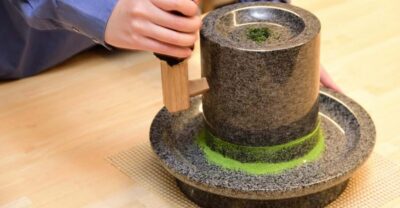
Browse the lists this tour appears in