
Reviewed · WALKING TOURS
Osaka: Main Sights and Hidden Spots Guided Walking Tour
Osaka’s story unfolds best as a city of sharp contrasts, and this tour packs them into four hours. You move from the grand stone walls of Osaka Castle to Korea Town, a department-store food hall, old Shinsekai, and the neon signs of Dotonbori. It is less a single sightseeing walk than a guided cross-section of the city.
I like the mix of famous sights and ordinary streets, especially Tsuruhashi’s narrow alleys and Doguyasuji’s giant kitchenware. I also like the guides’ practical help. Kevin has helped visitors order ramen from a vending machine, while Bryan and other guides have offered useful advice on transport, food, and local customs. The drawback is pace: this is an active half-day with several train rides and potentially more than 10,000 steps.
Key points to know before booking
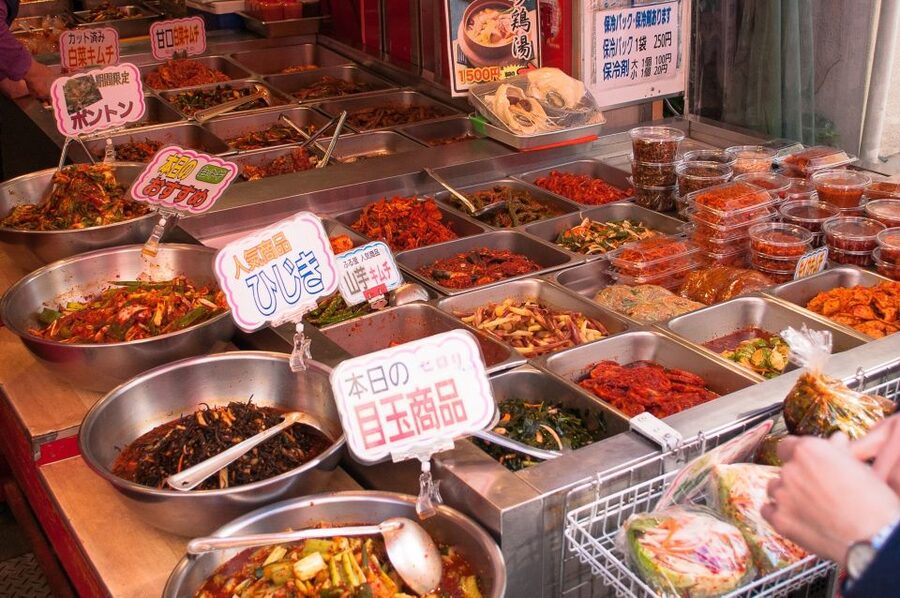
- Osaka Castle is viewed from outside: You explore the park and learn its history, but you do not enter the castle.
- Tsuruhashi adds a real neighborhood feel: The Korea Town section runs through narrow streets and pre-war commercial lanes.
- The route crosses old and new Osaka: Harukas, Shinsekai, Namba, Dotonbori, Kuromon Market, and Doguyasuji each show a different side of the city.
- Your guide is the main attraction: Guides including Kevin, Ferdinand, Oisin, Bryan, and Jamie are praised for history, cultural context, photos, and food advice.
- You pay transport and food costs separately: Bring a subway day pass, comfortable shoes, and money for snacks or market purchases.
- The tour works best early in your Osaka stay: You finish with a better sense of where to eat, shop, and continue exploring.
Why this four-hour route works
Osaka is easy to enjoy on the surface. You can follow the bright signs in Dotonbori, take photographs at the castle, and eat your way through Namba without much planning. What is harder is understanding how these places fit together.
This tour gives you that framework. It explains Osaka as a merchant city with a long urban past, a strong food identity, and neighborhoods shaped by migration, entertainment, shopping, and trade. You do not simply look at a castle, a market, or a tower. You hear how each place fits into the city’s story.
The route also makes sensible use of public transport. Instead of spending four hours walking between distant districts, you take quick train or subway rides and then explore on foot. That lets you cover a lot of ground in half a day, though it also means you need to keep moving.
The tour costs $59 per person. That is fair value if you are new to Osaka and want a guide to connect several districts in one outing. Your fee covers the guide and walking tour, but not trains, food, drinks, or hotel pickup. A subway day pass is specifically recommended, so add that cost when planning your budget.
More Walking Tours in Osaka
- Osaka: Hotspots & Hidden Gems Walking Tour Private or Group
★ 4.9 · 1,300 reviews - Osaka Local Foodie Walking Tour in Dotonbori and Shinsekai
★ 5.0 · 985 reviews - Osaka Bar Hopping Night Walking Tour in Namba (3 bars, 6 tastes)
★ 5.0 · 958 reviews
Osaka Castle Park and the city’s power struggle
The meeting point is above ground at Exit 2 of Tanimachiyonchome Station. If you arrive by taxi, use the intersection name Tanimachi 3-chome, written 谷3交差点. Take a moment to get your bearings before the tour begins, since the route quickly moves into the city.
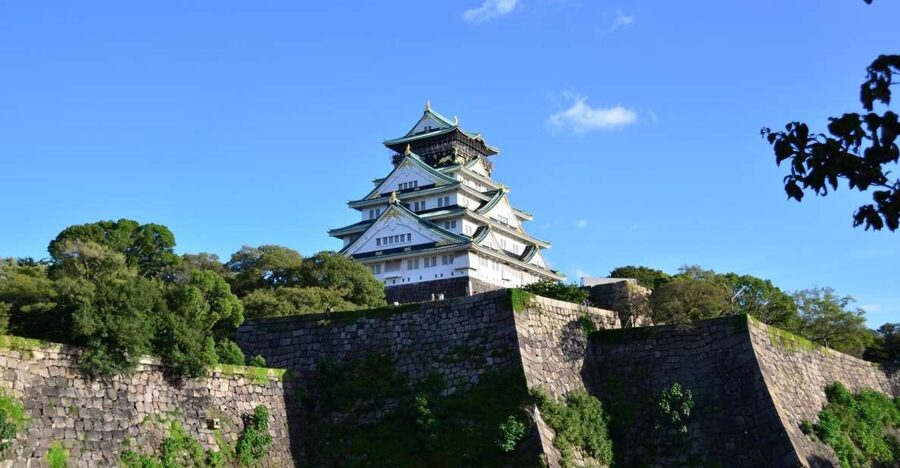
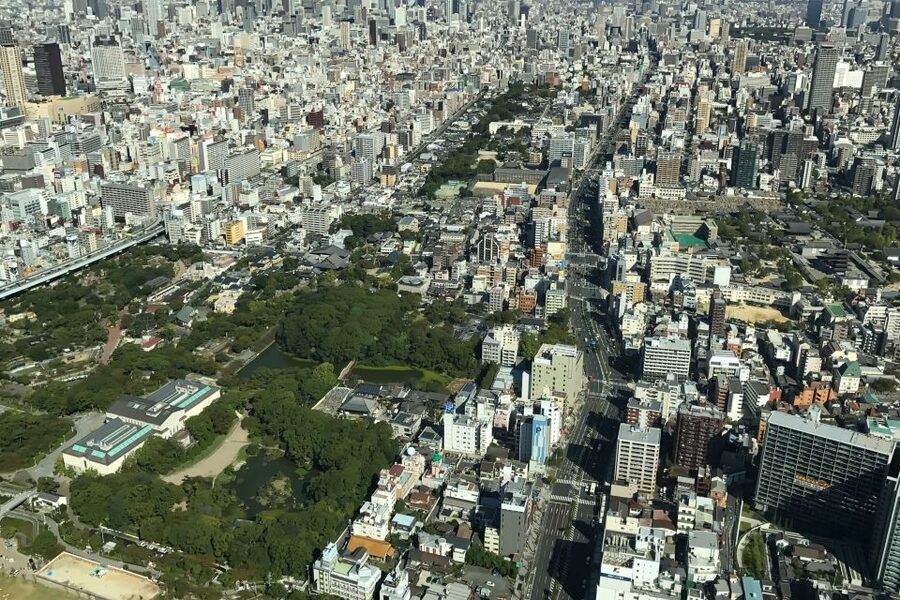
The first stop is Osaka Castle Park, with about 75 minutes devoted to the area. The castle’s exterior is grand and imposing, with broad grounds that give you room to appreciate its scale. You do not go inside the castle, so book this tour for the setting and the explanation rather than for an interior museum visit.
This is where the guide supplies the historical backbone. You learn about Osaka’s role during the shogun period and how the city was nearly taken from Japan about 400 years ago. Ferdinand, in particular, has been praised for turning this period into a clear story rather than a pile of dates.
The park is a good first stop because it gives you space after the meeting point and a strong visual introduction to Osaka. It is also the part of the route most likely to appeal to anyone who wants photographs of a major Japanese landmark.
The tradeoff is that 75 minutes is not a long time for such a large site. You are getting an overview, not an exhaustive castle visit. If entering Osaka Castle is a priority, plan a separate visit.
Tsuruhashi Korea Town and Osaka’s layered identity
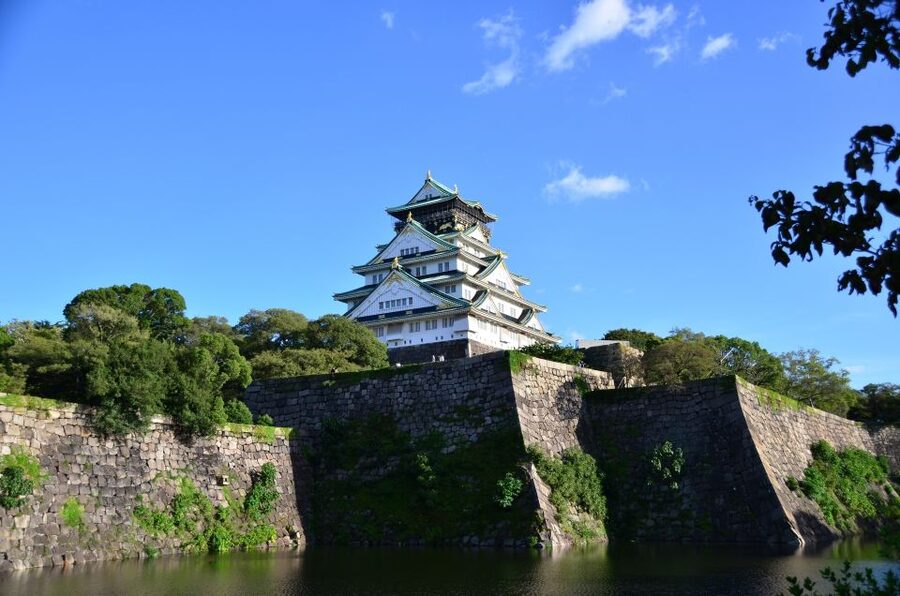
A quick train ride takes you to Tsuruhashi, where the tone changes completely. You leave the formal park and enter a maze of narrow streets and alleys in a pre-war commercial district.
The guide explains the history and culture of Osaka’s Korean community while leading you through the neighborhood. This adds social context that is easy to miss when you visit only the city’s major attractions. You might see food shops, small businesses, and busy lanes, but the value here comes from understanding why this district developed as it did.
Tsuruhashi also gives the tour some of its best street-level character. It is not arranged for sightseeing in the polished way of a major landmark. You are looking into a working neighborhood, where the interest comes from the shops, food, signs, and narrow passageways.
Allow yourself to be curious and ask questions. Several guides, including Kevin and Oisin, are praised for explaining cultural differences and answering questions in detail. Kevin has also been singled out for explaining how different cultures interact in Japan, a useful subject in this part of Osaka.
This stop may be less comfortable for people who prefer broad paths and a slow, open-air stroll. The streets and transit changes require attention, and the group has to stay together.
Harukas 300 and the department-store food hall
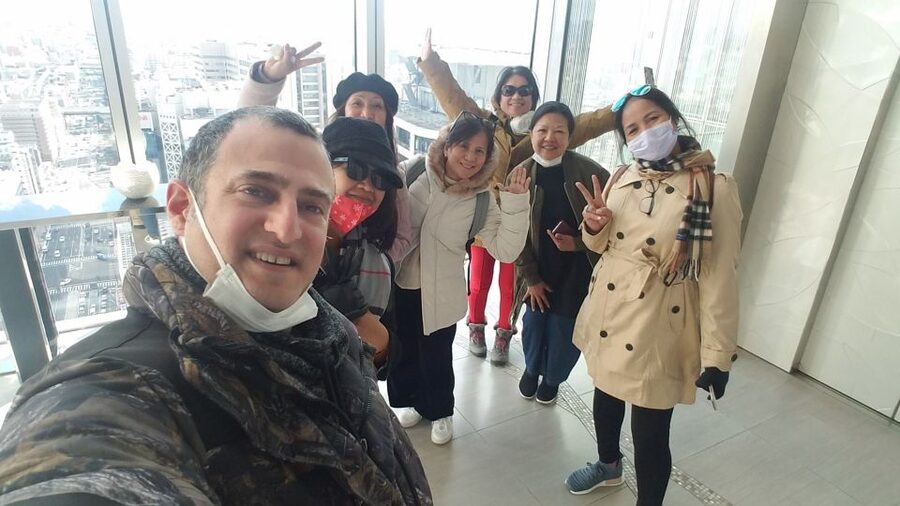
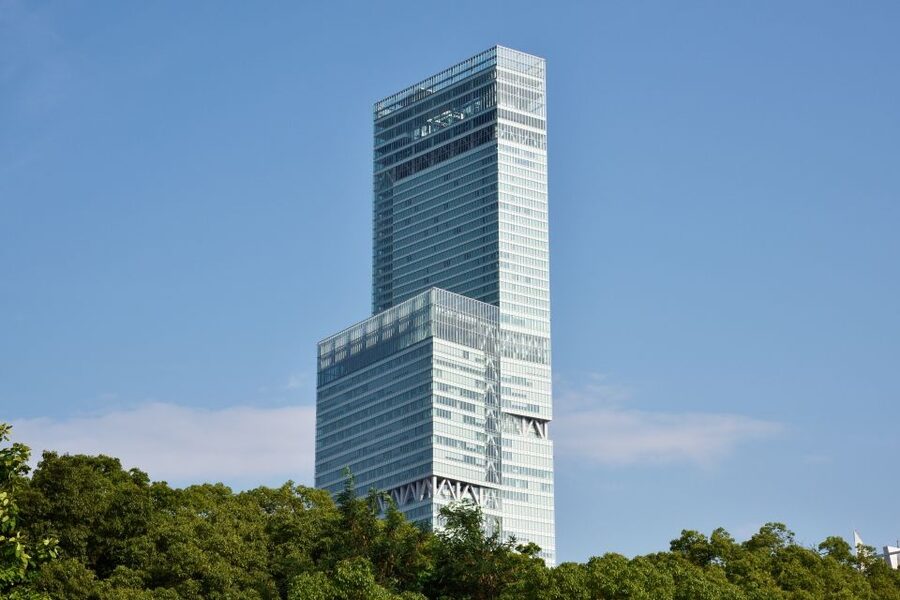
The next public transport ride takes you to Abeno Harukas, one of Osaka’s most recognizable modern towers. The stop lasts about 30 minutes and gives you a high view over the city from one of the building’s upper floors.
The point is not a long observation-deck visit. Instead, you get a quick sense of Osaka’s size and layout before returning to street level. After the view, the tour goes underground into the department store food hall.
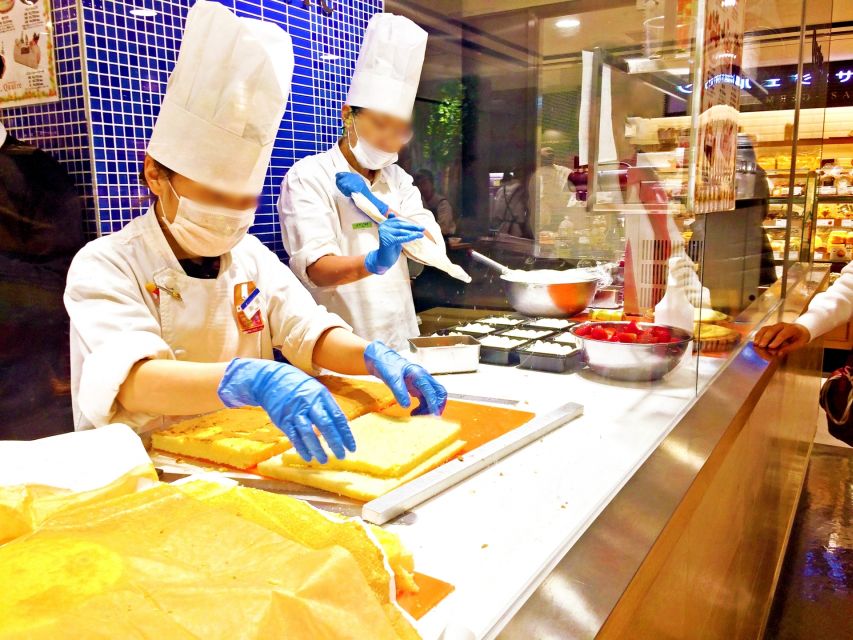
This is one of the more unusual parts of the route. You can see premium Japanese ingredients and prepared foods, including puffer fish and Kobe beef. Even if you do not buy anything, the food hall shows how much care and visual polish goes into Japanese food retail.
It is also a useful place to ask questions about food customs and regional specialties. The tour does not include a formal food stop, but you may have opportunities to buy snacks along the way. If you arrive hungry, do not assume the itinerary includes lunch.
The Harukas section works well as a change of rhythm. After the castle and Tsuruhashi streets, you get a modern skyline and a close look at high-end food culture. The limitation is time. You will see the view and food hall, but you will not have a long stay at either.
Same trip, a completely different kind of day:
- Osaka Go Karting Tour with Funny Costume
★ 5.0 · 2,658 reviews - Osaka Castle: Museum and Tower Entry Ticket
★ 4.5 · 2,380 reviews - Osaka: Shinsekai Food Tour with 13-15 Dishes at 5 Eateries
★ 4.8 · 2,204 reviews - Osaka Food Tour: 13 Dishes at 5 Local Eateries
★ 5.0 · 2,149 reviews
Shinsekai, where old Osaka remains visible
Not far from Harukas is Shinsekai, a traditional entertainment district with an aged, slightly worn appearance. The guide points out local sights and explains how the area fits into Osaka’s past.
Shinsekai is valuable because it does not look like a carefully polished postcard. Its older buildings, signs, and local atmosphere offer a different kind of visual interest from Osaka Castle or Dotonbori. You get a sense of a neighborhood that has retained much of its earlier character while the city around it changed.
One traveler described this part of Osaka through its former leisure and entertainment culture. The area’s history includes associations with nightlife and subcultures, subjects that make the city feel more complicated than a simple food-and-shopping destination.
The tour gives Shinsekai about 30 minutes, enough for an introduction but not enough to explore every side street. If you become interested in the district, note where you are and return later with more time.
Namba, Dotonbori, and Osaka after dark
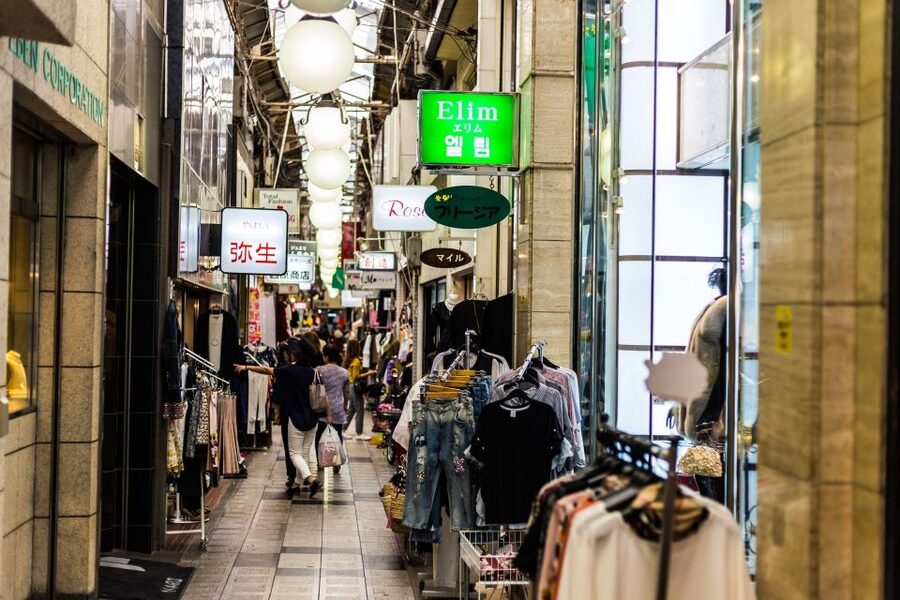
The route then heads to Namba, the center of Osaka’s present-day shopping, dining, and entertainment life. This is where the city becomes louder, brighter, and more theatrical.
Dotonbori is often compared with Times Square because of its huge signs and concentrated energy. The comparison is useful for scale, but Dotonbori feels distinctly Osaka. Its appeal comes from the combination of restaurants, canalside views, elaborate signs, and compact side streets.
Your guide helps you look beyond the obvious photo points. The back streets have their own character, with small businesses and surprises that are easy to miss when you follow the main pedestrian flow. Guides also point out good places for photographs and can help you decide where to spend the rest of your evening.
This is a strong finish because the tour ends in the part of Osaka many people most want to experience. You finish at 1-chōme-4-2 Nanba, Chūō-ku, within easy reach of Namba’s restaurants and shopping streets.
The drawback is that Dotonbori can feel crowded and intense, especially after several hours on foot. If you dislike noise or packed streets, enjoy the guide’s explanation, then move to a quieter lane or return another day at a calmer hour.
Kuromon Market and Doguyasuji’s giant kitchenware
Kuromon Ichiba is a fresh fish market with more than 150 years of importance to Osaka’s food culture. The tour uses it to explain the city’s relationship with seafood, shopping, and eating.
You can look at fresh products and food displays, and you may find something to snack on. Still, this is not a market-food tour. Food and drinks are not included, and there are no planned food stops. Bring cash or a payment method suitable for small purchases if you want to taste something.
The final area is Doguyasuji, a kitchen and cooking district. This is a fun place to see the tools behind Osaka’s restaurant culture. Look for wax food models, Japanese noren curtains, and huge pottery pieces. The shops cater to restaurants, but the displays also make good browsing for curious visitors.
Doguyasuji adds a practical, slightly quirky ending. Instead of finishing with another grand monument, the route ends among the objects that help restaurants function. It is a reminder that Osaka’s food identity is not only about eating. It is also about presentation, equipment, craft, and trade.
Guides, group size, and the real pace
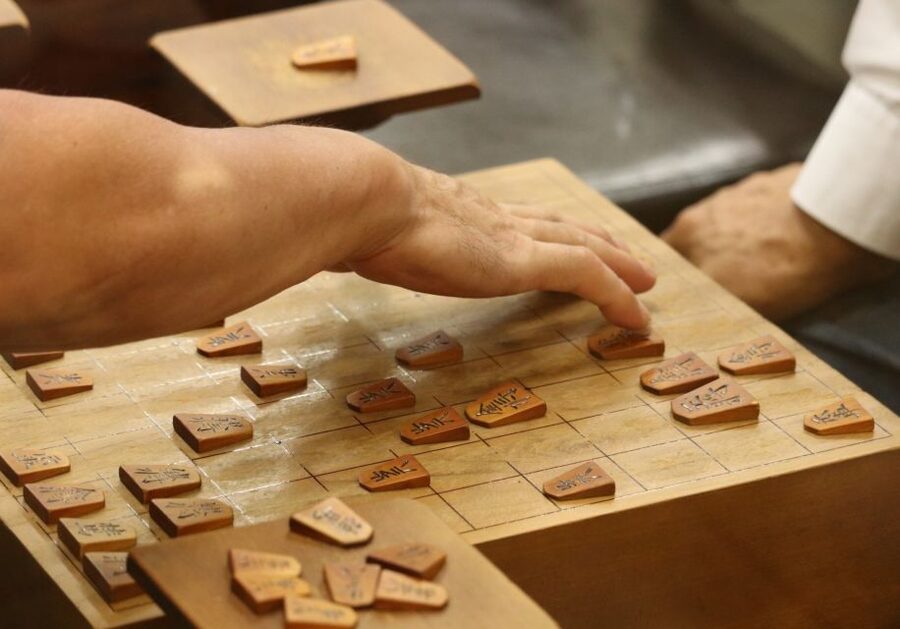
The activity offers English, French, and Spanish-speaking guides. Named guides associated with the experience include Kevin, Ferdinand, Oisin, Bryan, Jamie, Joshua, Hugo, Ethan, Andrew, and Lito. The tone can vary by guide, but the strongest qualities repeatedly reported are clear explanations, good storytelling, cultural background, and practical help.
Ferdinand is particularly strong on Osaka Castle and Japanese history. Kevin is known for broad cultural explanations, patience with families, photo help, and food suggestions. Oisin is praised for keeping the big picture clear without getting lost in small details. Bryan has helped visitors who arrived late and engaged teenagers during the tour.
The activity can be arranged as a private or small-group experience. That matters here because questions improve the tour. Ask about language, religion, food customs, social changes, or the districts you plan to visit next.
The pace is described as relaxed by some participants, but relaxed does not mean effortless. You walk through several districts, use public transport, and cover a lot in four hours. Wear comfortable shoes, carry water, and expect the tour to take place rain or shine.
There is some mixed information around accessibility. The activity is marked wheelchair accessible, but it is also listed as unsuitable for people with mobility impairments. Since the route includes extended walking, station transfers, narrow streets, and changing surfaces, contact the operator before booking if you have mobility needs.
Practical details that affect your decision
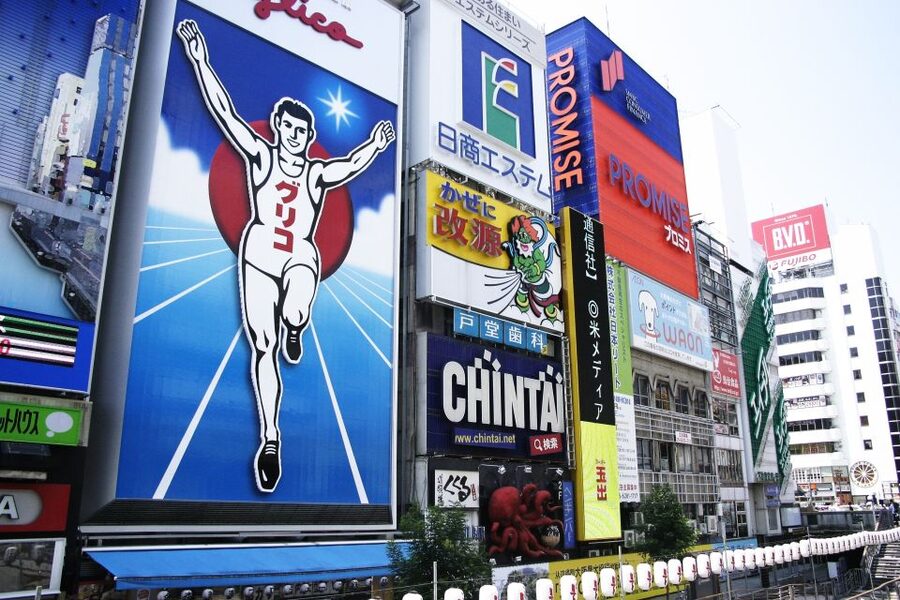
The meeting point is not a hotel pickup location. You need to reach Tanimachiyonchome Station Exit 2 yourself. A subway day pass is recommended for getting to the meeting point and moving around during the tour.
Hotel pickup in central Osaka and pickup at the Tempozan Ferris wheel can be arranged for an additional 5,000 yen. That fee is paid in cash to the guide on the day or through a secure payment link.
The tour runs in all weather. Bring comfortable shoes and dress for the forecast. Since there are no set meal breaks, eat beforehand or be ready to buy snacks along the way.
The tour normally needs at least two participants. If you book alone and the minimum is not reached, you may be offered another date, a 4,000-yen solo supplement, or a full refund. Cancellation is free up to 24 hours before the start, and you can reserve now and pay later.
Who should book this Osaka tour?
I would choose this tour for a first visit, especially if you have only one full day in Osaka or want an orientation near the start of your stay. The route introduces the city’s major contrasts quickly, and the guide’s advice can help shape the rest of your trip.
It suits adults, families, and curious teenagers who can handle a full half-day of walking and public transport. Families may especially value the photo help and patient explanations offered by guides such as Kevin and Bryan.
I would not choose it if you want long visits inside attractions, a dedicated food crawl, or a slow neighborhood walk. You also need to budget for transport and snacks, and you should be comfortable with a fairly active route.
Should you book it?
Book it if you want Osaka explained through its neighborhoods, not just photographed from its landmarks. The mix of Osaka Castle, Tsuruhashi, Harukas, Shinsekai, Dotonbori, Kuromon Market, and Doguyasuji gives you an unusually broad introduction for $59.
Skip it if your priority is entering Osaka Castle, spending hours at one market, or following a gentle route with few transfers. For most first-time visitors who want history, food culture, skyline views, local streets, and practical city advice in one half-day, this is a strong use of your time.
FAQ
How long does the Osaka walking tour last?
The tour lasts four hours, including walking, sightseeing, and public transport between districts.
Where does the tour begin?
It begins above ground at Exit 2 of Tanimachiyonchome Station. Taxi passengers can use the intersection name Tanimachi 3-chome, written 谷3交差点.
Does the tour go inside Osaka Castle?
No. You visit Osaka Castle Park, admire the castle exterior, and learn about its history, but interior entry is not included.
Does the tour include transportation?
No. Transportation is not included in the price. You are asked to buy a subway day pass for reaching the meeting point and getting around during the tour.
Is food included?
No. Food and drinks are not included, and there are no formal food stops. You have opportunities to buy snacks during the route.
Which languages are available?
Live guides are available in English, French, and Spanish.
Is hotel pickup available?
Hotel pickup in central Osaka and pickup at the Tempozan Ferris wheel are available for an additional 5,000 yen. The fee is paid in cash to the guide or through a secure payment link.
What happens if I book alone and the tour does not reach two participants?
You may be offered an alternate date, asked to pay a 4,000-yen solo supplement, or given a full refund.
Is the tour suitable for people with mobility impairments?
The activity information marks it as wheelchair accessible but also says it is not suitable for people with mobility impairments. Because it includes extended walking, public transport, narrow streets, and station transfers, confirm your needs with the operator before booking.
Can I cancel the tour?
Yes. You can cancel up to 24 hours in advance for a full refund.
Just added around Osaka
- Exclusive Sushi Making Experience with a Master Chef – Osaka Area★ 5.0 · 25 reviews
- Private Home-Style Cooking Class in Osaka with Local Mom Yoshiko★ 5.0 · 46 reviews
- Hidden Osaka – Yukaku Red Light Tour & Culinary Adventure★ 4.8 · 96 reviews
- Osaka: Walking Tour and Top Highlights★ 4.8 · 104 reviews
- Osaka: Private Ceramic Painting Workshop★ 5.0 · 13 reviews
- Pickleball in Osaka, Kobe & Kyoto with Locals!★ 4.7 · 80 reviews
- Eat Like a Local in Osaka – Private Custom Street Food Tour★ 4.3 · 33 reviews
- Osaka:SUMO BEATS SHOWCASE: Taiko Drum and Wagyu burger!★ 4.2 · 37 reviews
Walking Tours, compared.

Kyoto Geisha Walking Tour: Gion District & Hidden Gems
Our verdict →
Imperial Palace and Shogun Historical Walking Tour
Our verdict →
Shinjuku Local Bar and Izakaya Guided Walking Tour
Our verdict →

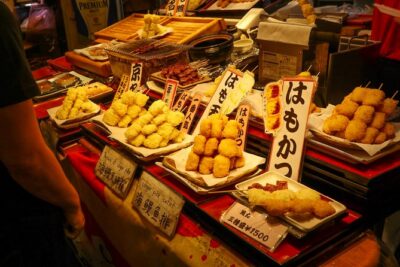
Nishiki Market Brunch Walking Tour (7 Tastings + Brunch)
Our verdict →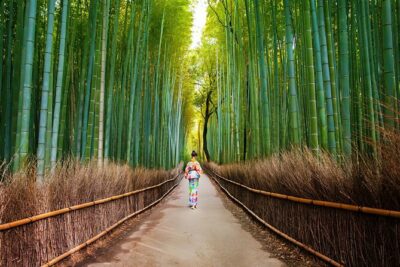
Kyoto Arashiyama Walking Tour: Bamboo, Monkeys, Gardens & Secrets
Our verdict →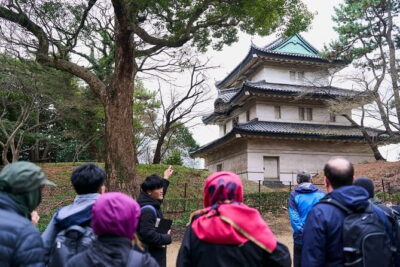
Tokyo Castle & Imperial PalaceーShogun Walking Tour
Our verdict →Browse the lists this tour appears in