
Reviewed · TEMPLES & SHRINES
Nara: Essential Private Tour with Deer Park and Temples
Nara’s appeal comes from the way sacred temples and free-roaming deer share the same old city. This private walk takes you from Kintetsu Nara Station through shopping streets, shrine grounds, gardens, and Tōdai-ji, Japan’s great wooden temple.
I like the balance between major sights and quieter stops, especially Himuro Shrine and Yoshikien Garden. I also like the personal help from guide Masa, who has been praised for clear English, patient explanations, translation help, and even showing visitors how to feed the deer without getting mobbed.
The main drawback is the pace: three hours is enough for a strong introduction, but not a slow, detailed visit to every site. You’ll also want comfortable shoes, sun protection, and a willingness to walk outdoors.
Key points to know before you book
- A private route through six major stops: You visit Higashimuki Shopping Street, Kōfuku-ji, Nara Park, Himuro Shrine, Tōdai-ji, and Yoshikien Garden.
- Guide Masa adds practical help: He can explain temple statues, answer detailed questions, assist with translation, and help you navigate shops and ATMs when needed.
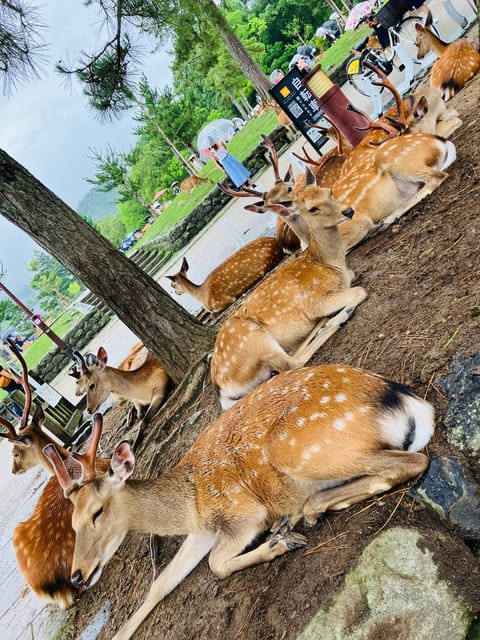
- The deer are part of the experience: You receive guidance on feeding and approaching them, which matters when several animals gather around you.
- Tōdai-ji gets the most time: The one-hour visit lets you spend more than a quick few minutes at Nara’s best-known temple.
- You finish back at Kintetsu Nara Station: The route begins and ends in a useful transport hub, with no hotel transfer included.
- It suits independent-minded visitors: You get a private English-language guide without joining a large group, but the tour still follows a compact three-hour schedule.
Why this three-hour Nara route works
Nara was Japan’s first permanent capital, and its historic center gives you a clear look at early Japanese Buddhism, court culture, and religious art. You do not need a long lecture to appreciate the city, but a good guide helps connect the buildings, statues, gardens, and customs.
That connection is the best reason to book a private tour here. On your own, you can walk into a temple, take photographs, and feed a deer. With Masa, you can ask why a site matters, what a statue represents, or how to behave around the animals. The route feels more like a guided orientation than a rushed checklist.
The private format also gives you room to ask questions. If you want more detail about temple architecture, Japanese customs, or the deer, you can ask as you go. If you need help finding an ATM or translating at a shop, that practical assistance can be useful too.
Still, three hours goes quickly. The listed stops fill the time, and the route includes several outdoor sections. I would treat this as a focused introduction to Nara, not a complete day of sightseeing.
More Temple & Shrine Tours in Nara
- Kyoto/Osaka: Nara, Fushimi Inari Taisha, Arashiyama Bus Tour
★ 4.7 · 1,275 reviews - Osaka/Kyoto: Arashiyama, Nara & Fushimi Inari Shrine w/Lunch
★ 4.4 · 754 reviews - Kyoto/Osaka: Kinkakuji, Bamboo Forest, and Nara Deer Park
★ 4.4 · 265 reviews
Meeting Masa at Kintetsu Nara Station
The meeting point is easy to identify if you follow the instructions carefully. Exit through the East Gate at Kintetsu Nara Station, then head toward Exit 3. Near Exit 3, look for the tourist information center. Your guide waits nearby with a Get Your Guide sign.
Beginning at this station makes sense. You avoid wasting time on hotel transfers, and the tour ends at the same transport hub. That is convenient if you plan to continue to Kyoto, Osaka, or another part of Nara afterward.
Masa has received especially strong praise for being patient, friendly, prepared, and easy to talk with. His English is described as excellent, and he has provided written material in a visitor’s native language, including Korean. He has also helped with translation in shops and adjusted his assistance to what people needed during the day.
That personal attention is important on a private tour. You are not simply following a guide from one site to another. You can get help with small travel problems that often eat up time in an unfamiliar city.
Higashimuki Shopping Street: a practical start
The first stop is Higashimuki Shopping Street, with about 20 minutes of guided time. This gives you an easy introduction to the city before the route turns toward temples and parkland.
A shopping street may seem less important than a major temple, but it helps you understand how Nara works as a living city. You can get your bearings, see local shops, and ask your guide about food, souvenirs, or places to return later.
Do not expect a long shopping session. Twenty minutes is enough for an introduction, not for browsing every storefront. If you already know you want to buy something, tell Masa early so he can help you use the time well.
One visitor was guided to a good soba restaurant during the day. That does not mean a restaurant meal is part of the tour, but it shows the value of asking Masa for food suggestions when the tour ends or when you plan a later meal.
Kōfuku-ji and the first temple lesson
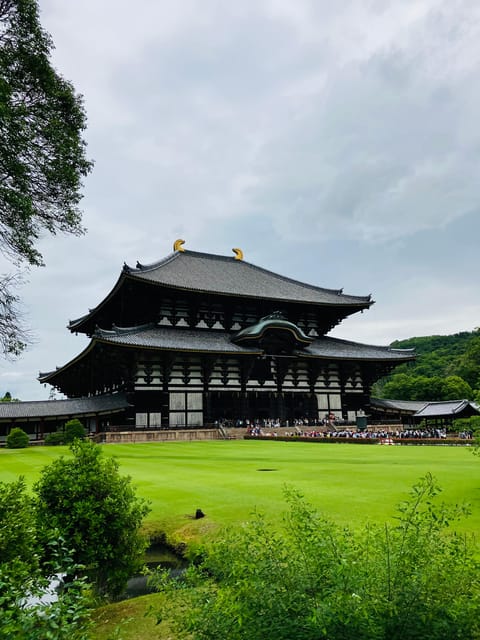
Kōfuku-ji receives about 30 minutes. This is your first major temple stop, so it provides a useful setting for learning how religious buildings, statues, and Nara’s early capital period fit together.
The value here is context. A quick photograph does not tell you why a temple matters or what you are seeing inside. Masa can explain the site and answer questions about the statues, which several people have found especially helpful at the temples.
Thirty minutes is a sensible amount of time for a first visit. You can listen, look around, and take photographs without using most of the tour on a single complex. If you are passionate about Buddhist art or temple architecture, you may wish you had longer, but Tōdai-ji receives the biggest block later.
Remember that temple grounds are places of worship, not just sightseeing stops. Keep your voice low, follow any posted rules, and avoid flash photography. The tour information specifically lists flash photography as not allowed.
Same trip, a completely different kind of day:
- World Heritage Kyoto & Nara Uji Authentic Matcha Experience
★ 5.0 · 1,573 reviews - Nara Half Day Trip Walking Tour (Private Option Available)
★ 5.0 · 937 reviews - Nara Early Morning Tour (Kyoto or Osaka Departure Available)
★ 5.0 · 676 reviews - Kyoto and Nara Day Trip from Kyoto
★ 4.5 · 445 reviews
Nara Park and the deer
Nara Park is the most playful part of the route, but the deer deserve respect. You receive around 30 minutes here, enough to see the animals, learn the basic etiquette, and enjoy the setting without letting the deer take over the entire tour.
Masa’s advice about feeding is useful. Deer can gather quickly once food appears, so you should keep your movements calm and follow his instructions. The goal is to interact with them safely and thoughtfully, not to wave food around and hope for the best.
Bring a camera, but remember that flash photography is not permitted. A hat and sunscreen are also sensible because this section takes place outdoors. People with animal allergies should not book this experience, and the tour is not suitable for pregnant women or wheelchair users.
The deer are not a trained performance. Their behavior can change from one moment to the next. That unpredictability is part of the charm, but it also means you should not treat them like ordinary park animals. Let Masa show you how to approach the experience.
Himuro Shrine, a quieter pause
Himuro Shrine receives about 20 minutes. After the open space and activity around Nara Park, this smaller stop gives the route a calmer rhythm.
I like the inclusion of a shrine that is not simply another headline attraction. You get a chance to look at a different kind of sacred site and compare shrine customs with what you have seen at the Buddhist temples.
The time is brief, so listen closely while Masa explains what you are seeing. This is a good place to ask questions about the difference between Shinto shrines and Buddhist temples, or about the customs you have noticed so far.
As with the other religious sites, respectful behavior matters. Avoid smoking, follow any signs, and keep the visit focused. The point is not to rush through a photo stop, but to understand how the site fits into Nara’s cultural life.
Tōdai-ji: the main event
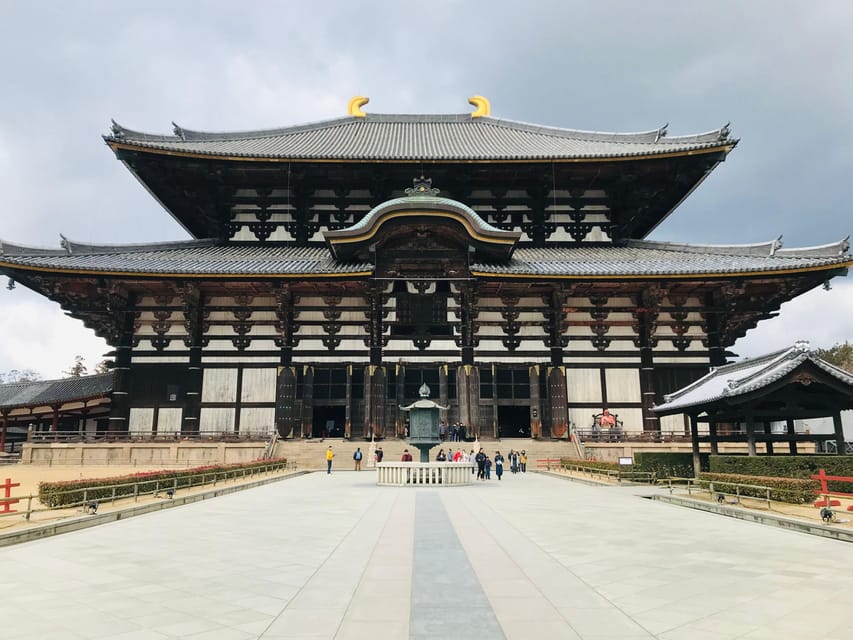
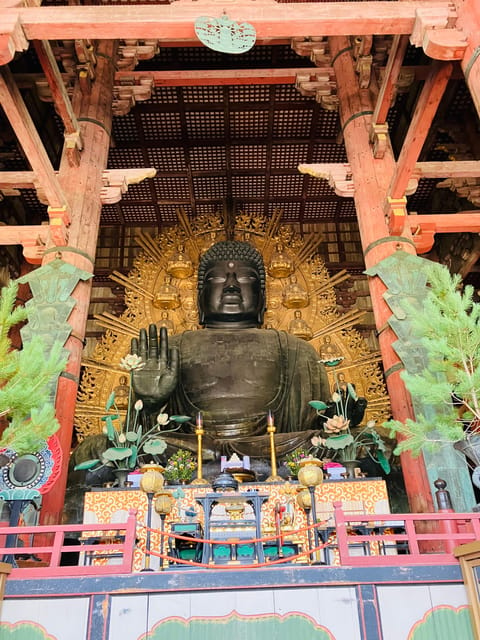
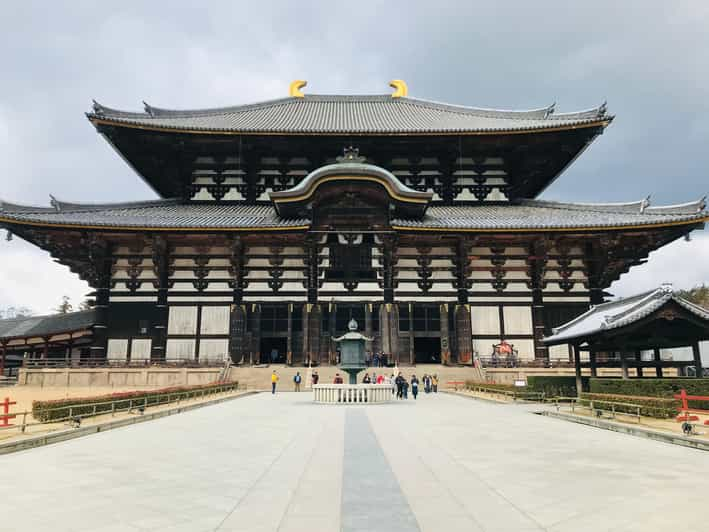
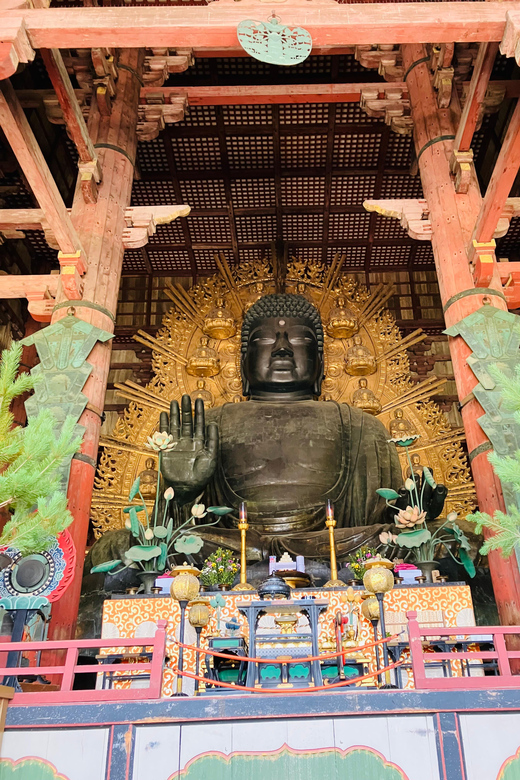
Tōdai-ji receives one hour, making it the centerpiece of the tour. This is the stop where the extra explanation from a private guide pays off most clearly.
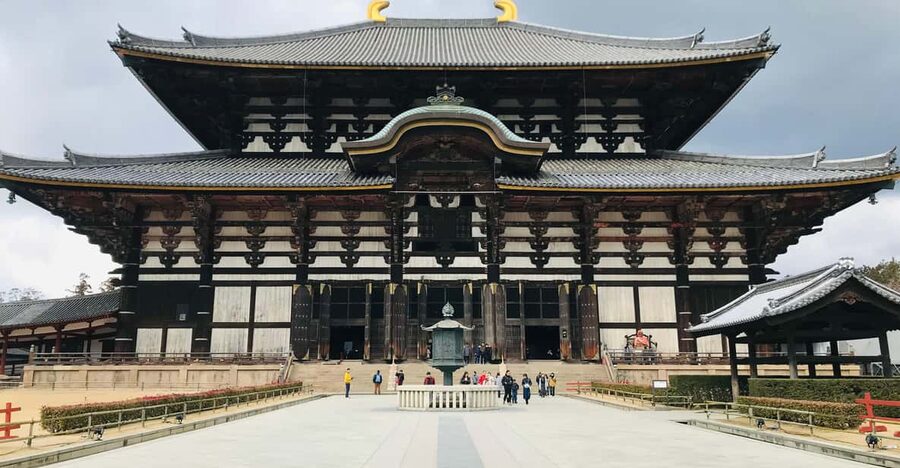
Tōdai-ji is famous for its great wooden temple and enormous Buddhist statue, but scale alone does not explain the place. You want time to take in the building, look closely at the religious art, and ask questions about the statues and the role of the temple.
The hour gives you a proper visit rather than a quick exterior stop. It is still not enough for every corner of the wider temple area, but it lets you slow down at the most important site on the route.
Masa’s strength, according to the information available about his guiding, is his patience and detailed knowledge of the temples and statues. That is useful here. If you are curious about symbolism, construction, or the history behind what you see, this is the best part of the tour to make your questions count.
Tōdai-ji can also be the busiest stop, so do not expect complete solitude. The private group format helps because you can stay with your guide and avoid the confusion of a large tour, but the site itself remains a major attraction.
Yoshikien Garden and the walk back
The final stop is Yoshikien Garden, with about 20 minutes before you return to Kintetsu Nara Station. This ending changes the mood again, moving from grand religious architecture to a quieter garden setting.
The garden gives you a softer finish. After the deer and Tōdai-ji, you can look at the careful design of a traditional Japanese garden and let the day’s information settle. Twenty minutes is enough for a taste, though garden lovers may want to return independently if time allows.
Ending at the station keeps the day practical. You do not need to arrange a separate return transfer, and you can continue with your own plans from a familiar location.
The route is compact, but it includes several stops and outdoor walking. Wear comfortable shoes, bring water or money to buy drinks, and use sunscreen in sunny weather. Personal purchases, drinks, and souvenirs are not included in the price.
Is $126 per person good value?
At $126 per person, this is not the cheapest way to walk around Nara. You can visit many public areas on your own for much less. The price makes more sense if you value private attention, temple explanations, English guidance, and help with the practical details of a first visit.
You are paying for three hours with a guide, not for transportation or a meal. Hotel pickup and drop-off are not included, but the central station meeting point keeps the logistics simple. Temple and park admission is included, which removes some small costs and avoids confusion at the entrances.
The strongest value comes when you have limited time. If Nara is a day trip from Kyoto or Osaka, you may not want to spend the first hour figuring out the station, the deer, and the temple layout. A guide can give you a clear route and explain the key sights before you continue on your own.
The value is weaker for visitors who enjoy researching temples, reading signs, and wandering without a schedule. You may prefer to pay for individual admissions and explore at your own pace. You also need to be comfortable with the fixed three-hour route.
Who should book this private Nara tour?
I would recommend it to first-time visitors who want the main sights explained clearly. It also suits couples, families who prefer a private guide, and people who want help with translation or local navigation.
It is a good fit if you want a mix of culture and nature rather than a day spent only inside temples. The route includes shopping, deer, a shrine, major Buddhist sites, and a garden, so the scenery and subject matter keep changing.
Masa’s patient manner may appeal to you if you want a relaxed pace and plenty of questions. He has also been praised for bringing an extra umbrella when needed, preparing material in other languages, and helping with an ATM or shop translation. Those details matter most when you are unfamiliar with Japan and want a guide who notices practical needs.
I would be cautious if you have animal allergies, are pregnant, or use a wheelchair. The tour is not suitable for those groups according to the supplied activity information. I would also reconsider it if you want a long, specialist visit to each temple, since the three-hour schedule must keep moving.
Booking is flexible: you can cancel up to 24 hours before the start for a full refund, and you can reserve now and pay later. An optional gratuity is not included, but you may leave one if you feel Masa provided especially helpful service.
FAQ
Where does the tour begin?
The meeting point is Kintetsu Nara Station. After using the East Gate, head toward Exit 3 and look near the tourist information center for a guide holding a Get Your Guide sign.
Where does the tour finish?
The tour returns to Kintetsu Nara Station.
How long does the tour last?
The tour lasts three hours.
Is the tour private?
Yes. It is offered as a private group experience.
What language does the guide speak?
The live guide speaks English. The guide has also prepared information in other languages for some visitors, including Korean, but English is the stated tour language.
Are temple and park admissions included?
Yes. Admission to the temples and parks is included in the price.
Is hotel pickup included?
No. Hotel pickup and drop-off are not included. You meet the guide at Kintetsu Nara Station.
What should I bring?
Bring comfortable shoes, a hat, a camera, and sunscreen. Personal expenses such as drinks and souvenirs are not included. Smoking and flash photography are not allowed.
My call: a strong introduction to Nara
Book this tour if you want Nara’s major sights explained by a patient private guide, especially if you have only a few hours. The combination of Kōfuku-ji, Nara Park, Himuro Shrine, Tōdai-ji, and Yoshikien Garden gives you a well-rounded first look at the city.
The best reason to choose it is Masa’s personal help. His clear English, temple explanations, deer-feeding advice, translation assistance, and practical support can save time and reduce the small stresses of exploring an unfamiliar place.
Skip it if you prefer complete freedom, need an accessible route, or want to spend a full day at each temple. For most first-time visitors who want a focused private walk, $126 buys useful context and a much easier start in Nara.
Just added around Nara
- Private Kyoto Tour by Car with Optional Nara or Osaka Add-Ons★ 5.0 · 36 reviews
- Kyoto, Osaka, Nara Private Tour by Car English Driver Guide★ 4.0 · 63 reviews
- Nara Todaiji Kasuga Taisha Private Full Day Tour From Kyoto★ 5.0 · 13 reviews
- From Kyoto: Nara History Guided Half Day Bus Tour with lunch★ 5.0 · 23 reviews
- Nara 8hr Private Tour – Kyoto DEP. with Licensed Guide★ 5.0 · 115 reviews
- Arashiyama & Nara Highlights: One-Day Private Tour Adventure★ 5.0 · 16 reviews
- Kyoto Private Car Tour – Full Day with Local Guide & Nara Option★ 5.0 · 169 reviews
- Kyoto & Nara Private Tour from Osaka Kyoto Hotel Pick-up★ 4.5 · 32 reviews
Temples & Shrines, compared.

Tea Ceremony in a Traditional Tea House in Kiyomizu
Our verdict →
Meiji Shrine, Asakusa, Skytree Bus Tour and Cruise
Our verdict →
Fushimi Inari Hidden Hiking Tour (Private Option Available)
Our verdict →
Osaka/Kyoto:Kinkakuji,Arashiyama,FushimiInariShrine,NaraPark
Our verdict →
Nikko: Kegon Falls, Lake Chuzenji & Toshogu Temple
Our verdict →
Kamakura & Enoshima Day Trip including Temple Tickets
Our verdict →Browse the lists this tour appears in