
Reviewed · TEA CEREMONY EXPERIENCES
Traditional Tea Ceremony with Matcha and Sweets in Kyoto
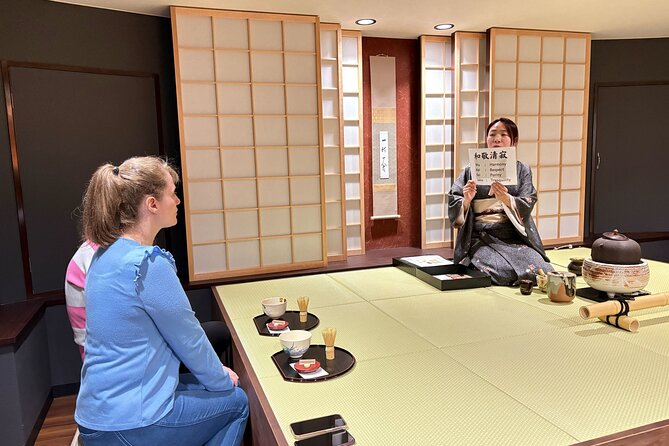
Kyoto’s tea ceremony can look stiff and mysterious from the outside. This one-hour session makes it understandable. You sit on chairs, watch a tea master prepare matcha up close, then whisk your own bowl and taste traditional sweets from long-established makers. I like the comfortable seating and the clear, welcoming teaching style. I also like that the session explains Zen, hospitality, and tea culture instead of treating the ceremony as a photo opportunity.
The main consideration is time. At about one hour, this is a compact introduction, not a full afternoon study of chanoyu. That short format suits a busy Kyoto schedule, but anyone seeking a lengthy, highly formal ceremony may find it brisk.
Key points at a glance
- Chair seating in Gion: You can take part without sitting on the floor, which helps if you are unfamiliar with seiza or have limited mobility.
- A tea master’s demonstration: Watch the precise movements of chanoyu before trying the process yourself.
- Your own bowl of matcha: You whisk premium tea sourced from a family-run farm.
- Traditional Kyoto sweets: The sweets are selected from long-established artisans and help balance matcha’s bitter edge.
- A small group setting: The maximum group size is 13, making it easier to see the demonstration and ask questions.
- A short cultural lesson: The session covers tea’s history, Zen influence, and omotenashi, or Japanese hospitality.
Meeting a tea master in Kyoto’s Gion district
The experience begins at 1 Yamatocho, Gion Tanakaya Building, in Kyoto’s Higashiyama Ward, postal code 605-0802. The address puts you in the historic Gion area, close to public transportation and many of Kyoto’s best-known traditional streets.
That location matters. A tea ceremony makes more sense when it is part of a day spent seeing Kyoto’s old neighborhoods, rather than an isolated activity in a modern conference room. You can pair it with time in Gion before or after the session, though the tea event itself returns to the same meeting point.
The setting is designed to feel calm and traditional without demanding strict physical formality. You sit on chairs rather than the floor. For many people, this is a major advantage. Floor seating can be uncomfortable, especially if you have knee, hip, or back concerns. Chair seating also lets first-time visitors focus on the ceremony instead of worrying about how long they can hold an unfamiliar posture.
This does not mean the experience throws away tradition. You still see the measured movements, careful preparation, and quiet attention associated with chanoyu. The difference is that the format removes one barrier and lets you concentrate on what the gestures mean.
More Sweets & Dessert Tours in Kyoto
- Kyoto: Japanese Traditional Sweets Making and Tea Ceremony
★ 4.4 · 314 reviews - Kyoto Wagashi(Japanese sweets) Cooking Class near Fushimiinari
★ 5.0 · 60 reviews - Kyoto: Wagashi (Japanese sweets) Cooking near Fushimiinari
★ 5.0 · 40 reviews
The opening lesson: tea, Zen, and omotenashi
The first part explains how tea developed in Japan and how Zen ideas shaped the ceremony. You are not simply shown a bowl of green tea and told to copy a few motions. You get a basic framework for understanding why the ceremony values calm, care, and attention to the present moment.
The discussion of omotenashi, or hospitality, is especially useful. In a Japanese tea gathering, hospitality is not just about serving a drink. It includes the way the room is prepared, the order of the actions, the handling of utensils, and the effort made to put the other person at ease.
Zen also helps explain the ceremony’s quiet rhythm. The point is not speed or showmanship. Each movement has a place, and the preparation asks you to pay attention to details that daily life often makes easy to miss. You do not need a background in Buddhism or Japanese history to follow the explanation. The session is aimed at beginners and gives you enough context to understand what you are seeing.
The teaching style appears to be one of the strongest parts of the experience. Instructor Mitsune is noted for making the lesson informative and friendly. Yuki is particularly associated with explaining the ceremony’s philosophy and showing a personal connection to its ideas. Since the exact instructor can vary, you should treat those names as examples rather than a guarantee of who will lead your session.
Watching the formal preparation up close
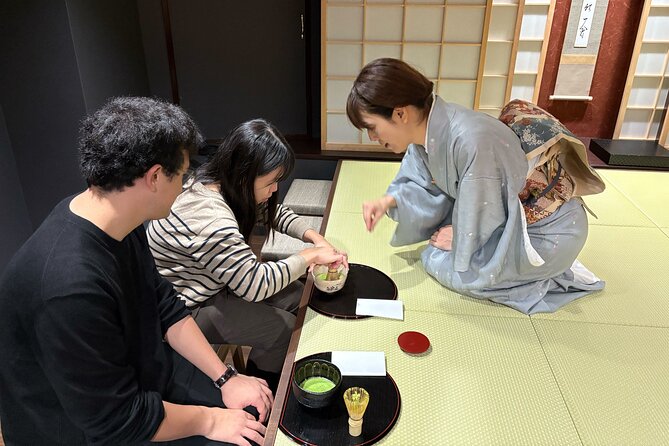
After the introduction, the tea master demonstrates the ceremony. This is the part to watch closely. Matcha preparation can seem simple when reduced to pouring hot water into a bowl, but the ceremony gives meaning to the order and manner of each step.
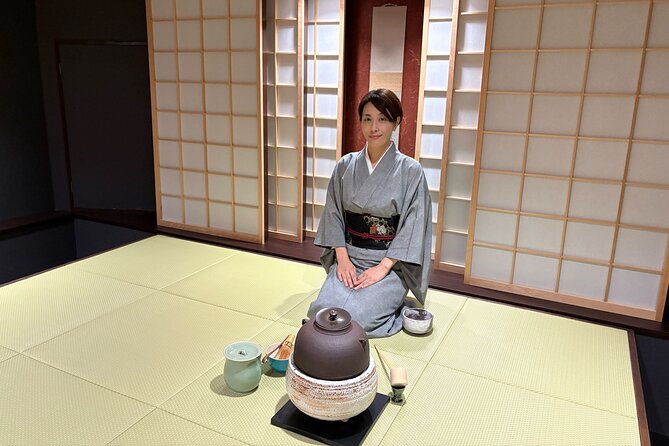
You will see the tea master handle the tools with care and perform the preparation at a measured pace. The close setting helps because you can observe small actions that might disappear in a large group. With a maximum of 13 people, the demonstration should remain easy to follow from your seat.
The atmosphere is described as harmonious and inspiring, but it is also practical. The instructor explains what is happening rather than expecting you to understand every movement on instinct. That balance makes the session suitable for someone who wants cultural substance but does not want an intimidating lesson in etiquette.
This is also where you get a sense of the difference between watching a tea ceremony online and being present in the room. The movements are not only visual. The pace, silence, and attention given to each object are part of the experience. The session cannot recreate every aspect of a private tea gathering, but it gives you a clear view of the ceremony’s formal side before asking you to participate.
Tasting sweets from established Kyoto artisans
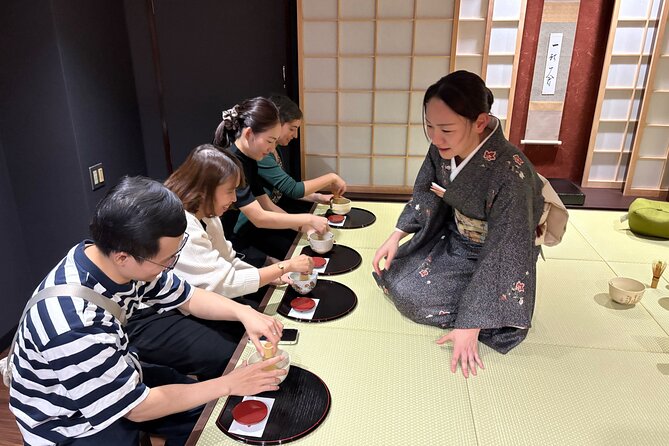
The second half includes traditional Japanese sweets selected from long-established artisans. These sweets are not a random snack added to the ticket. They serve a purpose in the tea tradition, offering sweetness against the strong, grassy bitterness of matcha.
For a first-time drinker, this pairing can make a real difference. Matcha has a distinct flavor, and some people find it more intense than expected. Eating the sweet first helps prepare your palate and makes the tea taste more balanced.
The sweets also connect the activity to Kyoto’s broader food culture. The experience does not provide a full meal, so you should plan lunch or dinner separately. Still, this small tasting gives you another way to notice how Japanese traditions pay attention to season, texture, appearance, and the order in which food is served.
The exact sweets are not specified, so do not book this expecting one particular confection. The important point is that they come from established artisan makers and are chosen to accompany the tea.
More Tea Ceremony Experiences in Kyoto
- Kyoto: Tea Ceremony in a Traditional Tea House in Kiyomizu
★ 4.9 · 3,519 reviews - Kyoto: Tea Ceremony Ju-An at Jotokuji Temple
★ 4.9 · 3,207 reviews - Kyoto: 45-Minute Tea Ceremony Lesson Experience
★ 4.3 · 2,378 reviews - Kyoto: Table-Style Tea Ceremony at a Kyo-Machiya
★ 4.9 · 1,211 reviews
Whisking your own bowl of matcha
The hands-on portion is the most useful part for many first-time visitors. After watching the tea master, you prepare your own bowl of matcha using premium tea sourced from a family-run farm.
You will learn by doing, not just by observing. Whisking matcha looks easy until you try to create the right texture. The experience gives you a chance to handle the whisk, work with the tea, and understand the care involved in preparing a bowl.
This is not presented as a test. You do not need a steady hand or prior experience. The tea master guides you through the process, and the point is to take part in the ritual rather than produce a perfect bowl for formal evaluation.
The use of tea from a family-run farm adds a useful sense of place. You are not merely tasting an anonymous powder. You are trying matcha selected for the activity and linked to a small producer. The supplied information does not identify the farm or describe the particular cultivar, so I would not assume you will receive a detailed agricultural presentation. Still, the source gives the tea a stronger connection to Japanese production than a generic beverage demonstration would.
The matcha itself has been praised as delicious, but taste is personal. If you already enjoy green tea, you may appreciate the depth and bitterness. If you usually prefer sweet drinks, use the traditional confection to soften the first sip.
A question period that makes the hour worthwhile
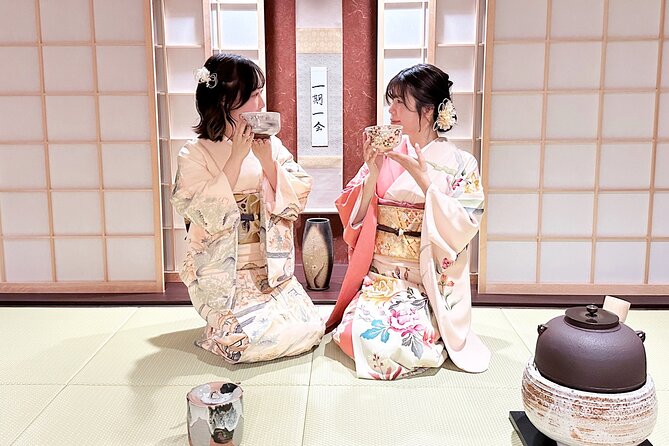
The session ends with time for questions. That final conversation is valuable because tea ceremony raises practical questions that a scripted demonstration may not answer.
You can use the opportunity to ask about the utensils, the meaning of particular actions, the role of Zen, or how the formal ceremony differs from the shortened version you have just seen. The supplied information does not promise a private question period, so expect to share the time with the rest of the group.
The maximum of 13 people is helpful here. It is small enough for the instructor to address individual curiosity, while still large enough to give the room a social feel. If you have one or two specific questions, think of them before you arrive. A short session passes quickly, and a prepared question can help you get more from the final minutes.
Why the one-hour format works, and where it falls short
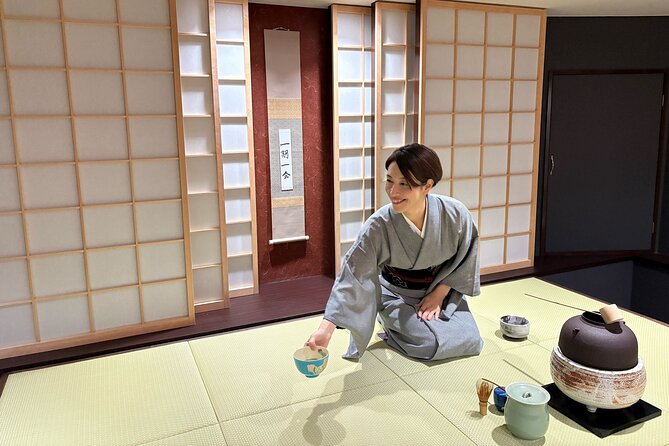
At approximately one hour, this is a compact introduction. I see that as a strength for many Kyoto itineraries. You can fit it between sightseeing stops, and the experience does not require you to give up half a day.
The short format also keeps the focus clear. You learn the basic background, watch the ceremony, taste sweets, make matcha, and ask questions. There is little risk of the lesson becoming a long lecture.
The trade-off is depth. A formal tea gathering can involve more preparation, etiquette, seasonal details, and quiet time than this introduction allows. If you want to study the full sequence of chanoyu or spend hours with a tea school, this is not the right format.
I would describe it as a well-shaped first step. You leave with enough understanding to notice tea culture elsewhere in Japan. You also get a practical memory of making your own matcha, which is more lasting than simply watching a demonstration.
What the $22.86 price really covers
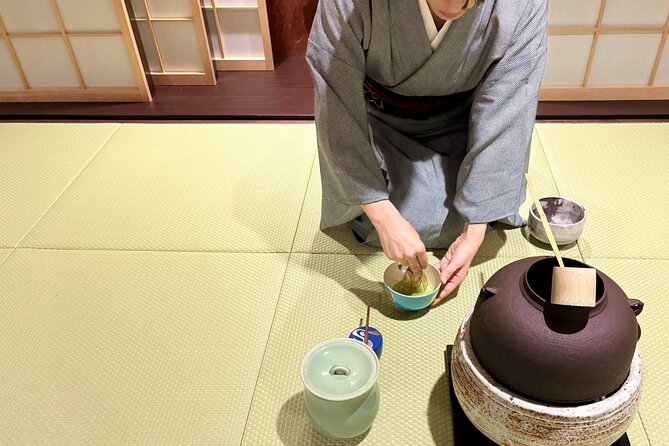
At $22.86 per person, the experience offers good value if you want three things in one short visit: cultural explanation, a formal demonstration, and hands-on preparation.
The price includes more than a drink. You receive instruction on tea history and Zen, watch a tea master work, taste traditional sweets, prepare your own bowl, and take part in a question period. The tea comes from a family-run farm, and the sweets are selected from established artisans.
The value is strongest for first-time visitors who might otherwise struggle to understand what they are seeing at a more formal tea house. You get a guided explanation in a setting designed to be approachable.
It is less compelling if you only want to drink matcha or take a quick photograph. Kyoto offers many places to order tea for less money. This price pays for interpretation and participation, not just the beverage.
A mobile ticket makes entry simple, and confirmation is provided when you book. Free cancellation is available if you cancel at least 24 hours before the start time. Changes or cancellations made within 24 hours are not accepted for a refund, so keep the local cut-off time in mind when planning a tight itinerary.
Who will get the most from this experience
I would recommend this activity to anyone curious about Japanese culture but unsure how to approach a formal tea ceremony. The explanations are intended to be welcoming, and the hands-on portion gives you something concrete to remember.
It is especially suitable for:
- First-time visitors to Japan who want a clear introduction to chanoyu
- People interested in Zen, hospitality, and Japanese customs
- Couples, families, or small groups looking for a calm cultural activity
- Anyone who prefers chair seating to floor seating
- Visitors with a busy schedule who can spare about an hour
- Matcha fans who want to prepare the drink themselves
It may be less suitable if you want an elaborate, highly ceremonial event lasting several hours. It may also disappoint anyone looking for a full meal, since the sweets are a tasting element rather than a substitute for lunch or dinner.
Because the session is capped at 13 people, it offers more personal attention than a large performance-style activity. Still, it is a shared group experience, not a private ceremony.
Practical planning in Gion
Wear something that lets you sit comfortably and handle a bowl and whisk without fuss. Since you use chairs, you do not need to plan around floor seating, but modest, comfortable clothing is still sensible for a traditional cultural setting.
Arrive at the stated meeting point in the Gion Tanakaya Building, at 1 Yamatocho in Higashiyama Ward. The activity ends there, so you can easily continue exploring Gion afterward or use public transportation for your next stop.
The meeting point is near public transportation, but the supplied details do not name a specific station or provide walking times. Check the route from your hotel before leaving, especially if you have a timed reservation.
The experience has a mobile ticket and confirmation at booking. Keep the ticket available on your phone. Since the event is only about an hour, late arrival could cost you a noticeable part of the lesson.
Should you book this Kyoto tea ceremony?
Book it if you want an affordable, well-paced introduction that lets you watch and participate. The strongest features are the chair seating, the close tea master demonstration, the chance to whisk premium matcha yourself, and the thoughtful explanation of Zen and omotenashi.
Skip it if you are seeking a long, highly formal tea-school ceremony or a substantial food experience. For most visitors, though, the $22.86 price makes sense: you receive instruction, sweets, tea, and hands-on practice in Gion without giving up half a day.
If you have only one tea-related activity in Kyoto, this is a practical choice for learning the basics. Go in expecting a concise introduction, not a complete course in chanoyu, and you should leave with a clearer understanding of why this quiet ritual matters.
FAQ
Where does the tea ceremony take place?
It takes place at Japan, 605-0802 Kyoto, Higashiyama Ward, Yamatocho, 1, Gion Tanakaya Building, in Kyoto’s Gion district.
How long does the experience last?
The tea ceremony lasts approximately one hour.
Does the activity include matcha preparation?
Yes. You will make your own bowl of matcha using premium tea sourced from a family-run farm.
Are traditional sweets included?
Yes. The experience includes traditional sweets selected from long-established artisans.
Do I have to sit on the floor?
No. The experience uses chairs, making it easier for people who are unfamiliar with floor seating or have limited mobility.
How many people can join the activity?
The maximum group size is 13 travelers.
Is the activity near public transportation?
Yes. The meeting point is described as being near public transportation.
Can I cancel for a full refund?
Yes. You can cancel at least 24 hours before the experience start time for a full refund. Cancellations or changes made less than 24 hours before the start time are not accepted for a refund.
Just added around Kyoto
- Sekka Cotton Furoshiki Class★ 5.0 · 19 reviews
- Secret Eastern Kyoto Biking Adventure★ 5.0 · 44 reviews
- Kyoto Sword Experience – includes Museum Ticket/Ninja Experience★ 4.5 · 149 reviews
- Scenic Green Tea Fields of Hidden Kyoto & Local Tea Exp (Private)★ 5.0 · 32 reviews
- Private Sake Tasting in Central Kyoto with Sake Sommelier★ 5.0 · 32 reviews
- Samurai School in Kyoto: Samurai for a Day★ 5.0 · 202 reviews
- SHIRAKAWA Japanese Culture Experiences with private English staff★ 5.0 · 16 reviews
- A Privately Guided Photoshoot in Beautiful Kyoto by a Pro★ 5.0 · 18 reviews
Tea Ceremony Experiences, compared.

Tea Ceremony in a Traditional Tea House in Kiyomizu
Our verdict →


World Heritage Kyoto & Nara Uji Authentic Matcha Experience
Our verdict →

Arashiyama Bamboo Forest, Monkeys, Matcha & Temple Tour
Our verdict →
Browse the lists this tour appears in