
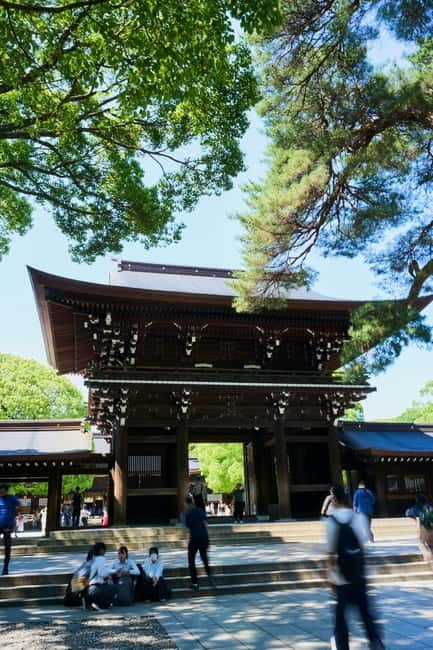
Reviewed · TEMPLES & SHRINES
Tokyo: Meiji Shrine Walking Tour — Shinto & Imperial System
Meiji Shrine gives you a rare Tokyo reset: within minutes of Harajuku Station, the city noise fades behind a forest of roughly 100,000 trees. I especially like the quiet approach and the practical shrine instruction. Guides such as Keiko, Yuuka, Ayaka, and Yuki explain where to walk, how to pray, and how to read the shrine’s customs without making the visit feel like a classroom.
I also like the small group size, capped at 10, and the way the walk connects Shinto with Emperor Meiji’s role in Japan’s move from samurai rule to a modern state. The main consideration is that this is an English-only walking tour, and the shaded paths, torii gates, and shrine grounds require a fair amount of standing and walking.
What makes this Meiji Shrine tour worth your time
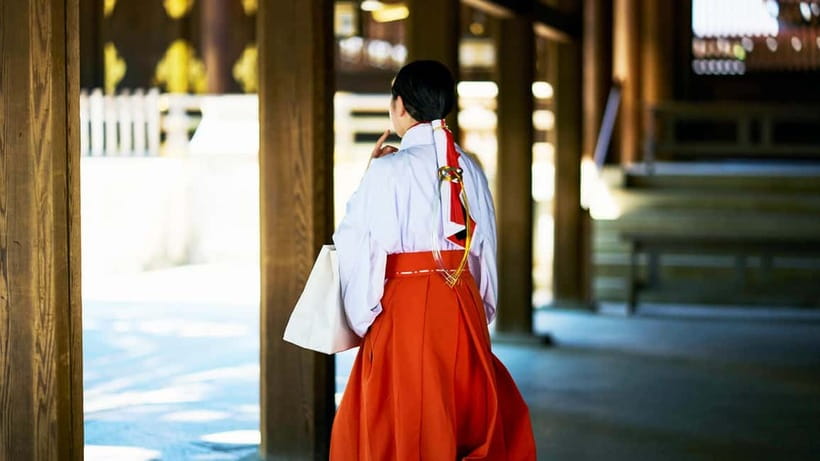
- The city disappears inside a forest of about 100,000 trees, creating a calm start in the middle of Tokyo.
- The 12-meter Big Torii is made from 1,500-year-old Taiwanese cypress, giving the entrance real visual weight.
- You learn shrine etiquette as you go, including why you should avoid the center of the path.
- The tour links Shinto and the imperial system with Japan’s change from the samurai era to modern government.
- Omigokoro fortunes contain poems by Emperor Meiji and Empress Shoken, with English translations available.
- The group is limited to 10 people, so questions and help with shrine customs are realistic.
From Harajuku Station into the quiet forest
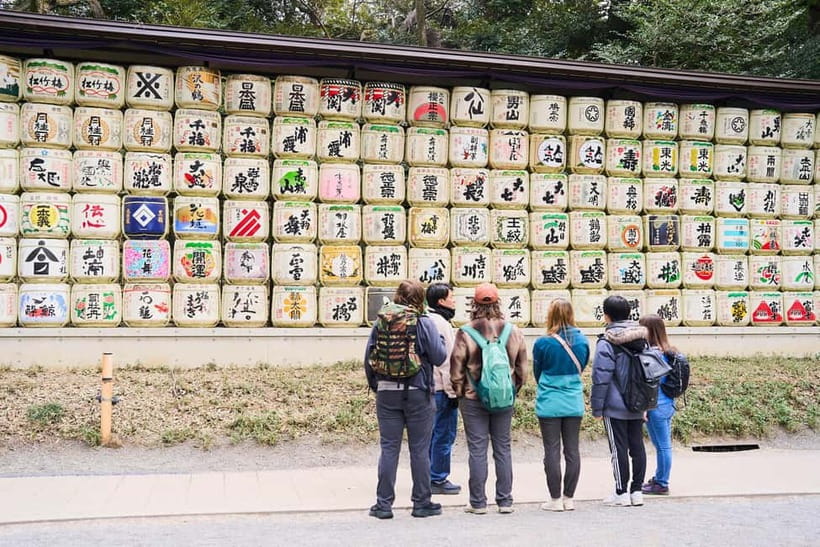
The meeting point is near Harajuku Station, with the exact starting spot depending on the option you book. That location makes the tour easy to pair with other Harajuku sights, but it also means you begin in one of Tokyo’s busiest areas.
Then the mood changes quickly. The path toward Meiji Jingu leads under tall trees, and the sound of traffic gives way to birdsong and footsteps. I like this contrast because it helps you understand why the shrine feels important to Tokyo residents. It is not an isolated country temple. It is a major spiritual place set inside one of the world’s largest cities.
Your guide can also help you get your bearings early. Several guides, including Yuuka and Ayaka, have helped visitors understand the route, customs, and key points without rushing from one photo stop to the next. If your group is small, you should have a good chance to ask about details that catch your eye.
The walk is not difficult in a technical sense, but it is not a seated sightseeing experience. You will be outside for most of the 90 to 135 minutes, with time spent walking, listening, taking photos, and standing at the shrine.
More Temple & Shrine Tours in Tokyo
- Tokyo: Meiji Shrine, Asakusa, Skytree Bus Tour and Cruise
★ 4.7 · 1,986 reviews - Tokyo: Asakusa Walking Tour with Sensoji Temple Visit
★ 4.8 · 1,583 reviews - Tokyo Panoramic 1 Day: Meiji Shrine, Asakusa, Odaiba and SKYTREE®
★ 4.5 · 1,222 reviews
The first torii and the correct way to enter
The first stop is Meiji Jingu’s Ichino Torii, the main entrance from the Harajuku side. This is where the guide begins explaining the difference between ordinary city space and a Shinto shrine precinct.
One useful custom is simple but easy to miss: walk along the side of the approach rather than straight down the middle. The center, called seichu, is traditionally reserved for the deities. You do not need to treat the rule as a test, but knowing it helps you move through the grounds with respect.
This early explanation is one of the tour’s strongest features. Without guidance, you can see the gates and forest but miss the meaning behind your actions. Guides also explain how Shinto differs from Buddhism, a subject that can otherwise be confusing during a first trip to Japan.
The tour is conducted in English only. English ability varies by guide, but the guide team includes people such as Keiko, Ayaka, Yuuka, Yuki, Nonoka, and Nono, who have been praised for clear explanations and friendly help. Japanese-language support is not provided, so this experience is best for people comfortable listening and asking questions in English.
Sake barrels, wine barrels, and a modern shrine tradition
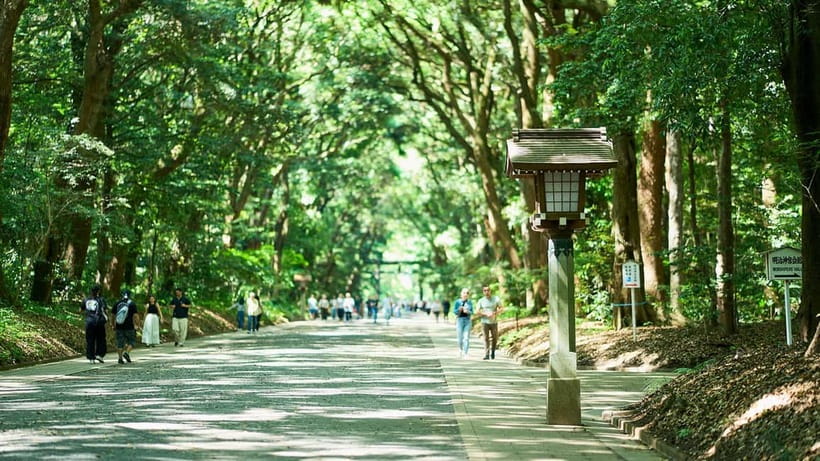
Along the approach, you stop at the consecrated wine barrels and sake barrels. The barrels are among Meiji Shrine’s most photographed details, but a guide gives them more meaning than a quick snapshot can provide.
They represent offerings connected with the shrine and show how religious practice can include both Japanese and international traditions. The wine barrels are a visual reminder that Meiji Shrine’s story belongs to a period when Japan was changing its relationship with the outside world.
The stop is brief, roughly five to ten minutes, but it breaks up the walk and gives you a useful visual marker. Guides have also used old photographs to show what the area looked like before the shrine was built. That kind of comparison helps you picture the scale of the change around Meiji Shrine.
You should have time for photographs, though this is still a guided walk rather than a photo-only outing. If you want long, quiet sessions with a camera, you may prefer returning on your own after the tour.
The 12-meter Big Torii
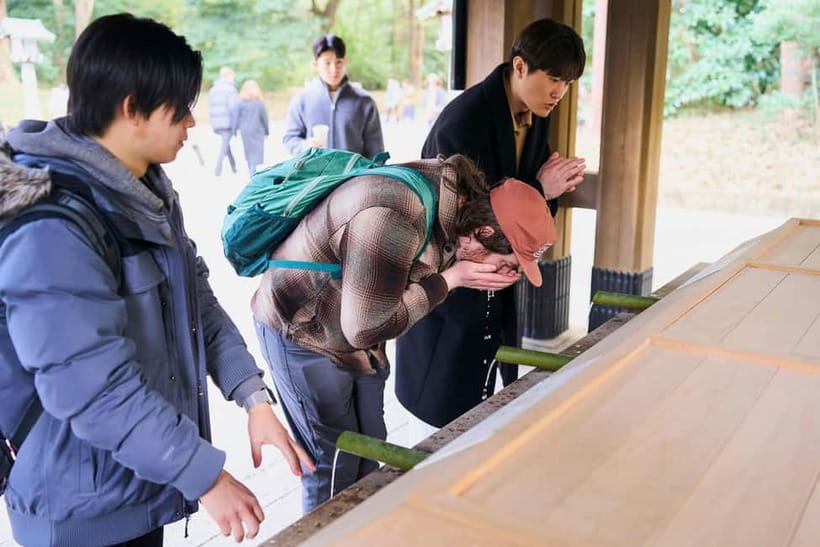
The Big Torii is the visual centerpiece of the approach. It rises about 12 meters and was made from a 1,500-year-old Taiwanese cypress. The wood, height, and simple form give it a powerful presence without the ornament you might expect from a grand city landmark.
Your guide explains how to pass through the gate and again reminds you to keep to the side of the route. This is a good place to slow down and look upward. The gate marks more than an entrance to a famous sight. It signals a change in atmosphere and asks you to pay attention to the space around you.
The torii is also one of the easiest places to appreciate the tour’s balance of nature and history. The forest does much of the visual work, while the guide supplies the cultural context. I find this more rewarding than simply arriving at the main building and taking a few pictures.
More Walking Tours in Tokyo
- Tokyo Tsukiji Fish Market Food and Culture Walking Tour
★ 5.0 · 3,184 reviews - Tokyo: Imperial Palace and Shogun Historical Walking Tour
★ 5.0 · 2,251 reviews - Tokyo: Shinjuku Local Bar and Izakaya Guided Walking Tour
★ 4.9 · 1,794 reviews - Tokyo: Tsukiji Fish Market Food and Walking tour
★ 5.0 · 1,724 reviews
Emperor Meiji, Empress Shoken, and Japan’s great transition
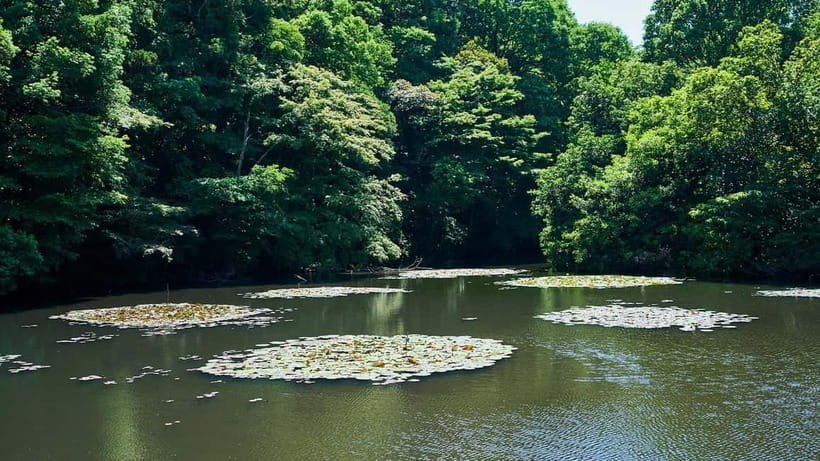
The shrine is dedicated to Emperor Meiji and Empress Shoken. The tour uses their story to explain Japan’s move from a samurai-led political order toward a modern imperial state.
This is where the experience becomes more than a shrine etiquette lesson. You learn why Meiji Shrine exists, how it relates to the Meiji period, and why the imperial system still matters when discussing Japan’s national identity.
The subject can be complicated. Japan’s imperial system has a long history, and the phrase 2,600-year-old imperial system points to the traditional length of the imperial line rather than a simple, uninterrupted political structure. A good guide helps separate legend, tradition, and modern history instead of presenting the subject as one neat story.
Guides including Yuki, Nonoka, and Yuuki have been especially praised for connecting the shrine with wider Japanese history. Some explain the change from samurai society to modern Japan in broad, accessible terms. Others use personal examples and old photographs to make the subject easier to follow.
You will also hear about waka poetry, particularly the imperial poems associated with the shrine. These poems appear in the Omigokoro fortune, with English translations that make the custom more approachable for people who cannot read Japanese.
Inside Meiji Shrine: prayer, fortunes, and protective charms
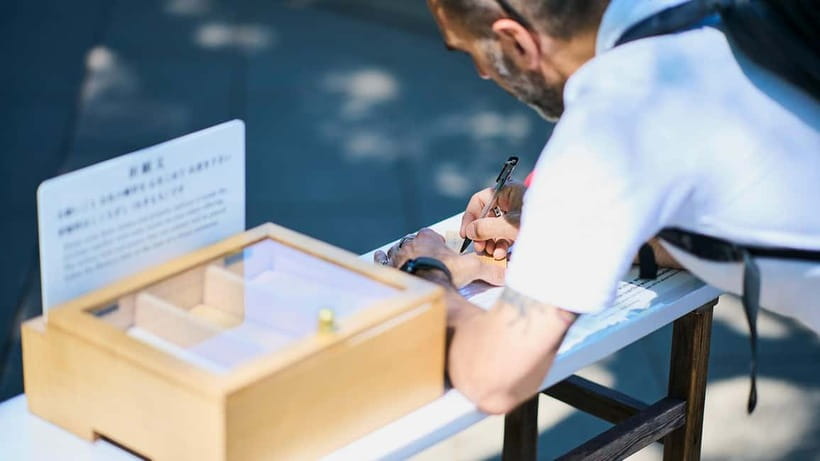
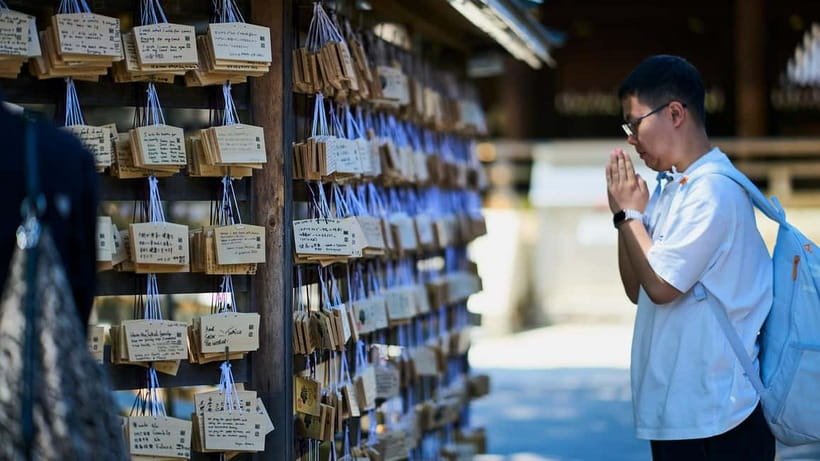
The main shrine stop lasts about 45 minutes, giving you the most time to look around, ask questions, and take part in shrine activities. This is the heart of the experience.
Your guide explains how to approach the shrine respectfully and how to make an offering. One guide even supplied coins when a participant did not have any, a small but helpful gesture that kept the ritual simple. You can also ask for help with wishes, fortunes, and amulets.
Omamori are protective charms sold at the shrine. They make practical souvenirs because they have a connection to a specific hope or concern rather than being generic merchandise. The Omigokoro fortune is another distinctive choice. It features a poem by Emperor Meiji or Empress Shoken, followed by an English translation.
You may see traditional ceremonies or a wedding during your visit, although the tour cannot promise that one will take place. The shrine remains an active religious site, not just a historical attraction. That is why the etiquette guidance matters. Your guide helps you take part without treating the customs as a performance.
There is free time here, but do not expect the entire 45 minutes to be unstructured. The guide still explains details and remains available for questions. If you want to buy charms, read a fortune, pray, and take photos, this portion gives you room to do so.
Finishing at Forest Terrace Meiji Jingu
The tour ends at Forest Terrace Meiji Jingu, with a break at Café Mori no Terrace. You can enjoy Japanese tea and light snacks while looking out at the surrounding greenery.
This finish works well because the shrine walk involves plenty of information. A pause lets you process what you have seen instead of rushing straight back into Harajuku. The café is also a useful place to ask a final question or compare notes with your guide.
The nearby gift shop sells items such as eco-blocks made from fragrant Japanese camphor and miniature barrels of sacred sake. These are more connected to the setting than ordinary souvenir-shop items, though you should treat shopping as an optional extra rather than part of the tour price.
The activity returns to Harajuku Station, with two possible drop-off locations shown when you book. Since the start and finish are both tied to the station area, the tour fits neatly into a morning or afternoon plan.
What the $23 price really buys you
At $23 per person, this is a reasonable price if you want cultural guidance rather than just access to the shrine grounds. Meiji Shrine itself can be visited independently, so you are paying mainly for the English explanation, route planning, etiquette help, and chance to ask questions.
The value improves when the group is close to the 10-person limit or smaller. A guide can answer more questions and help with photos or shrine customs. Some departures may be especially personal if only a few people book, while a full group will feel less flexible.
The duration ranges from 90 to 135 minutes, so check the specific start time and length before booking. The longer version gives you more breathing room at the main shrine and café. If you have a tight schedule, the shorter departure may still cover the important sights, but you should not expect a slow, photography-focused visit.
Cancellation up to 24 hours before the tour allows a full refund, and you can reserve while paying later. Those terms are useful if your Tokyo plans are still shifting.
Who will enjoy this walk most
I would recommend this tour to a first-time visitor who wants to understand what a shrine visit means, not just photograph a gate. It is also a strong first-day activity because it introduces Shinto, Japanese history, imperial tradition, and basic etiquette in one manageable outing.
Families and couples may like the personal help with prayers, fortunes, and photographs. Solo visitors can benefit even more from the small group format, especially if they want someone to explain customs or take a picture.
This is also a good choice if you have already seen Meiji Shrine but felt you missed the point. A guide can draw your attention to the route, the sake barrels, the imperial poems, and the connection between the shrine and modern Japan.
You may want to skip it if you prefer exploring alone, dislike scheduled walking tours, or need Japanese-language support. The café stop is modest, and the tour does not include a long visit to every corner of the shrine grounds.
Should you book the Meiji Shrine walking tour?
I would book it if you want a clear introduction to Shinto and the Meiji period for $23. The best parts are the quiet forest approach, the practical instruction on shrine behavior, and the explanation of how Japan changed from samurai rule to modern life.
Choose an early departure if you want a calmer start. A 9 a.m. option can work particularly well before the Harajuku area fills with activity. Ask questions, use the free time at the main shrine, and consider choosing an Omigokoro fortune or omamori as a personal reminder of the visit.
If you already know Japanese shrine customs and prefer complete independence, you can see the grounds without a guide. For most first-time visitors, though, the small group and English explanations add enough meaning to justify the modest cost.
FAQ
How long does the Meiji Shrine walking tour last?
The tour lasts between 90 and 135 minutes, depending on the departure option you choose.
How much does the tour cost?
The listed price is $23 per person.
Is the tour conducted in English?
Yes. The live guide and tour information are in English only. Japanese-language support is not available.
How large is the group?
The tour is limited to 10 participants.
Where does the tour start?
There are two possible starting options connected with Harajuku Station. The exact meeting point can vary depending on the option booked.
What are the main stops?
The route includes Meiji Jingu’s first torii, consecrated wine and sake barrels, the Big Torii, imperial poetry connected with Emperor Meiji, the main Meiji Shrine grounds, and Café Mori no Terrace.
Can I buy charms or fortunes?
Yes. At the shrine, you can purchase omamori protective charms and the Omigokoro fortune, which includes poems by Emperor Meiji and Empress Shoken with English translations.
Can I cancel for a full refund?
You can cancel up to 24 hours in advance for a full refund. The activity also offers a reserve-now, pay-later option.
Just added around Tokyo
- Kawagoe Japanese Food Tour : Unagi Kaiseki and Sake near Tokyo★ 5.0 · 30 reviews
- Kawagoe 4hr Private Tour with Licensed Guide (Kawagoe Dep)★ 5.0 · 13 reviews
- Little EDO Sushi Making workshop in Kawagoe★ 5.0 · 18 reviews
- 【R34】Tokyo:Private Daikoku tour in Modified R34★ 4.9 · 92 reviews
- :Tokyo,Shibuya/ Pro Photography in Kimono / English-Friendly★ 5.0 · 26 reviews
- Tokyo:Celebrate Unique Japanese New Year Tradition Festivity★ 3.9 · 20 reviews
- Tokyo: Allstar Food Tour★ 4.7 · 29 reviews
- Tokyo: West-Side Cycling and Food Tour with Guide★ 5.0 · 37 reviews
Temples & Shrines, compared.

Tea Ceremony in a Traditional Tea House in Kiyomizu
Our verdict →

Meiji Shrine, Asakusa, Skytree Bus Tour and Cruise
Our verdict →
Fushimi Inari Hidden Hiking Tour (Private Option Available)
Our verdict →
Osaka/Kyoto:Kinkakuji,Arashiyama,FushimiInariShrine,NaraPark
Our verdict →
Nikko: Kegon Falls, Lake Chuzenji & Toshogu Temple
Our verdict →
Kamakura & Enoshima Day Trip including Temple Tickets
Our verdict →Browse the lists this tour appears in