

Reviewed · FISH MARKET TOURS
Tokyo: Guided Walking Tour of Tsukiji Market with Breakfast
Tsukiji is best understood through your stomach. This 150-minute walking tour leads you from the striking Tsukiji Hongwanji Temple into the crowded Outer Market, where you taste seven breakfast specialties and watch wholesalers, cooks, and shopkeepers at close range. I like the mix of food and context, especially the explanation of how Japanese religion and cuisine connect. I also like the small groups, which make translation and food choices much easier.
The tour costs $85 per person, a fair price if you want a guide to handle ordering, explain unfamiliar foods, and keep you moving through a maze of stalls. The main drawback is that the market can be very crowded, and one English-speaking guide was occasionally hard for a participant to understand. Bring comfortable shoes, and arrive hungry.
Key points to know before you book
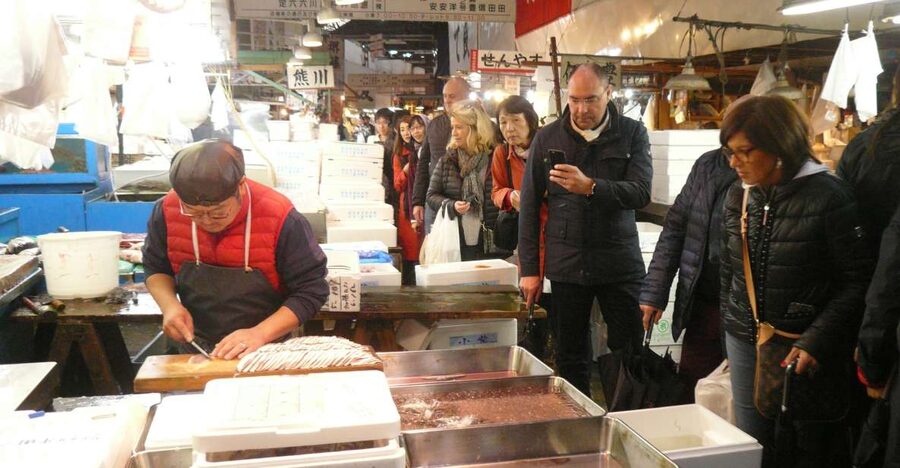
- Seven tastings make this a full breakfast: Expect grilled seafood or beef, Japanese omelette, tuna sandwiches, fish paste, tea, dashi, and a drink.
- The tour begins at Tsukiji Hongwanji Temple: Meet outside the main gate, just 50 meters from Tsukiji Station Exit A1.
- Small groups help in a busy market: The tour is limited to 10 people, though some departures may be much smaller or even private.
- Guides can adjust the food: Guides have offered alternatives for picky eaters and skipped items that participants did not want.
- You see the working side of Tsukiji: This is not only a food crawl. You also watch expert wholesalers and local businesses at work.
- The timing leaves room for more market time: The tour ends after two and a half hours, giving you time to continue exploring on your own.
Starting beneath the unusual Tsukiji Hongwanji Temple
The meeting point is simple to find. From Tsukiji Station on the Hibiya Line, take Exit A1, turn left, and walk about 50 meters to the temple entrance. Meet your guide in front of Tsukiji Hongwanji Temple, not inside it.
The temple is worth a few minutes before the food begins. Its exterior has an unusual Indian-inspired Buddhist design, quite different from the traditional wooden temple image many visitors expect in Tokyo. The tour views the building from the outside, so do not expect an extended temple visit or a formal interior tour.
That brief stop gives the walk some shape. You are not simply being led from snack to snack. You begin with a place tied to Japanese religious life, then move into a market where food, trade, and daily routine come together.
Guides named in the tour feedback include Yumi, Nori, Minoko, Rico, and others. The experience can vary by guide, but the strongest pattern is clear: the guide handles questions, helps with vendors, and explains what you are seeing. That matters at Tsukiji, where a short explanation can turn an unfamiliar item into an appealing one.
More Market Tours in Tokyo
- Tokyo Tsukiji Fish Market Food and Culture Walking Tour
★ 5.0 · 3,184 reviews - Tokyo: Tsukiji Fish Market Food and Walking tour
★ 5.0 · 1,724 reviews - Tokyo: Tsukiji Fish Market Guided Walking Tour
★ 4.9 · 1,397 reviews
Entering Tsukiji Outer Market with a local guide
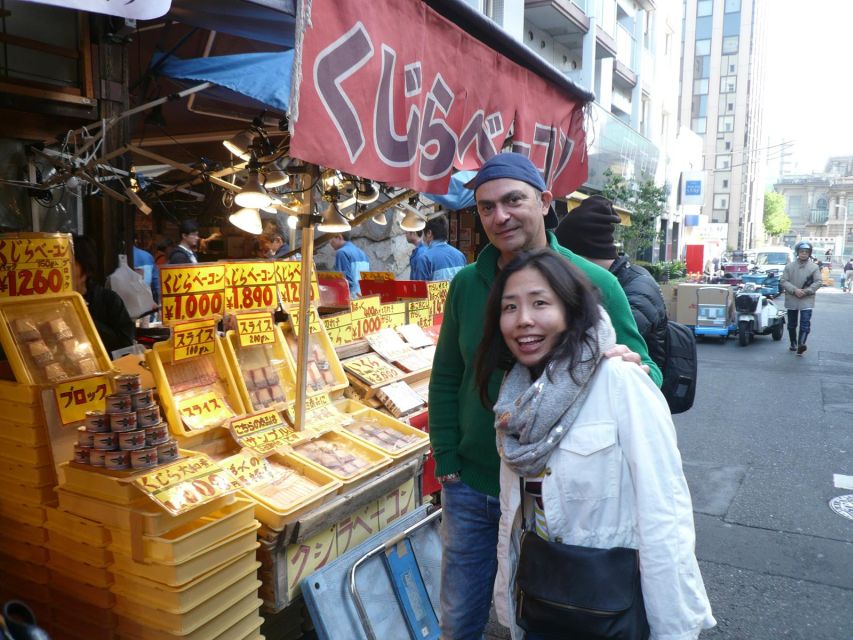
Tsukiji Outer Market is the public-facing part of the larger Tsukiji food district. You pass restaurants, small shops, food stalls, and businesses selling unusual ingredients and prepared foods. The market is lively and crowded, with many people focused on buying, selling, cooking, and moving goods.
I like that this tour does not treat Tsukiji as a simple photo stop. You get to watch expert wholesalers at work, which gives the market a practical feel. This is a place where food is handled as a trade, not only displayed for sightseers.
The guide helps you move through narrow, busy streets without wasting too much time deciding where to stop. That is useful for a first visit. On your own, you could easily spend much of your morning comparing stalls, guessing at menus, or trying to work out how to order.
Small groups are a real advantage here. The stated maximum is 10 participants, and some departures have had only two people or one family. That does not guarantee a private tour, but it means the guide can often answer individual questions and adjust the pace more easily than on a large group outing.
You should still expect people around you. This is a working market as well as a sightseeing area, so you will need to stay close to the guide and pay attention to where you walk. Comfortable shoes are important, especially since you will be standing, walking, and stopping at food counters for most of the 150 minutes.
Seven breakfast tastings, from skewers to dashi
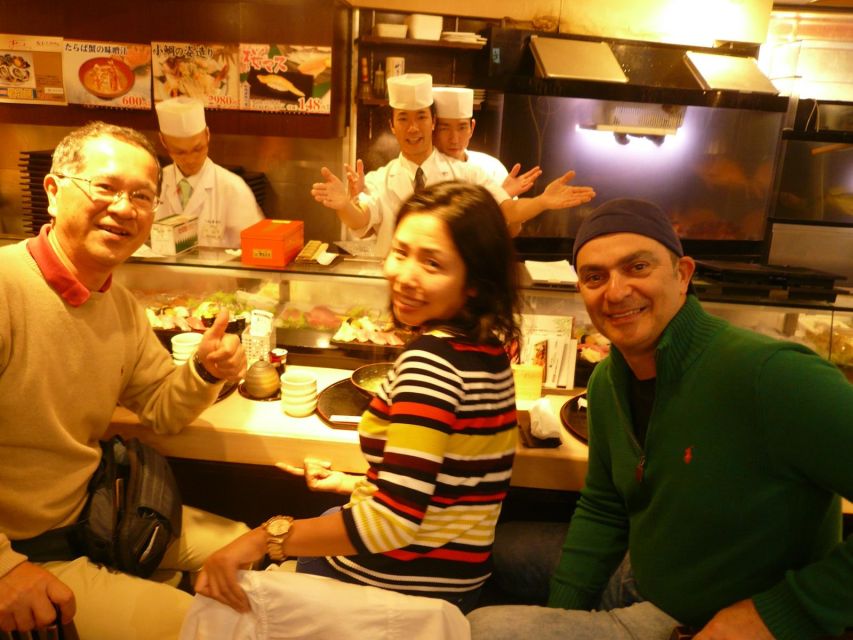
Food is the main reason to book this experience. The package includes seven local tastings, and the exact order may depend on the market and the guide. The planned selection includes:
- Grilled seafood or beef skewers, which may include wagyu
- Japanese-style omelette
- Tuna sandwiches
- Fried fish paste skewers
- A drink
- Japanese tea
- Dashi soup stock
That is a substantial breakfast, not a token sample. One participant advised arriving hungry, and that is sound advice. You are sampling meat, seafood, egg, bread, tea, and soup stock within a fairly short period.
The skewers offer the most immediate market flavor. Grilled seafood gives you a direct taste of Tsukiji’s identity, while wagyu beef adds a richer meat option. The Japanese omelette introduces a gentler, sweeter style of egg preparation. Tuna sandwiches may sound less traditional than other items, but they show how a Japanese market can blend familiar formats with local ingredients.
Fried fish paste skewers are useful for people who want to try something less obvious. The texture may be unfamiliar, but the small portion makes it easier to sample without committing to a full meal.
The tea and dashi are important parts of the tour because they slow the food crawl down. Dashi is a foundation of Japanese cooking, and tasting it on its own helps you understand the savory flavor that appears in soups, sauces, and many other dishes. Tea gives you a simple break between richer items.
The guides have also served foods such as barbecue, mochi, onigiri, and Japanese tea on particular outings. The published tasting list is the best guide to what is included, but market conditions and the guide’s choices can affect the precise foods served. The safest expectation is seven tastings built around seafood, meat, egg, tea, and soup stock, rather than a fixed restaurant-style menu.
Food choices are handled with welcome flexibility
This is one of the tour’s most useful features. If you do not want to eat a particular item, tell your guide early. The guides have adjusted tastings for people with strong preferences and offered alternatives when a participant did not want to try something.
That flexibility is especially helpful for families. One family found that the guides worked around a teenager’s picky eating while still keeping the market experience intact. You can see the stalls, ask questions, and taste foods that suit you without feeling pressured to accept every item.
The tour also helps if you want to buy extra food or products. Guides can speak with vendors and translate questions, which is useful when you want to know what something is, how it is prepared, or what you are purchasing. One outing even included help finding a later tour and getting back to a hotel.
You should not expect the guide to control every part of the market. Lines, stall availability, and crowd levels can affect the route. Still, having someone who can communicate with vendors adds real value, especially if you do not speak Japanese.
More Walking Tours in Tokyo
- Tokyo: Imperial Palace and Shogun Historical Walking Tour
★ 5.0 · 2,251 reviews - Tokyo: Shinjuku Local Bar and Izakaya Guided Walking Tour
★ 4.9 · 1,794 reviews - Tokyo: Asakusa Walking Tour with Sensoji Temple Visit
★ 4.8 · 1,583 reviews - Tokyo Castle & Imperial PalaceーShogun Walking Tour
★ 4.7 · 1,068 reviews
The cultural explanation is more than background decoration
The temple and market pairing gives the tour a useful theme. Japanese food is not separate from culture and religion. The guide explains connections between religious practice, traditional ingredients, and the role food plays in daily life.
The cultural material is not described as a long formal lecture. Instead, it comes while you walk, pause at the temple, and taste items. That format suits Tsukiji. You learn a little, see the place connected to the explanation, then taste something that makes the subject concrete.
I would choose this tour if you want a first introduction to Japanese food customs without committing to a full cooking class or a formal cultural program. It gives you enough background to make later meals more interesting, while keeping the focus on the market itself.
If you already know Tsukiji well, the value depends on how much help you want with ordering and translation. You may recognize some of the foods and shops, but the guide can still save time and point out details you could miss while wandering alone.
Is $85 a fair price for 150 minutes?

At $85, this is not the cheapest way to eat breakfast in Tokyo. You are paying more than the cost of buying a few market snacks yourself. The question is what the extra money does for you.
The price includes the guide and seven tastings. It also buys you a planned route, help with communication, explanations of the market, and the chance to sample foods without having to choose every stall on your own. For first-time visitors, those services make the fee easier to justify.
The value is strongest if you are curious but unsure how Tsukiji works. You get food, orientation, cultural context, and practical assistance in one short outing. It is also useful if someone in your group is a cautious eater, since the guides have shown flexibility with substitutions.
The value is weaker if you are an experienced Tokyo food explorer who enjoys ordering independently and already knows the market. In that case, you may prefer to spend $85 across several self-guided meals and snacks.
The tour’s schedule also has a practical advantage. It finishes early enough for you to continue exploring Tsukiji on your own. That means you can use the guided portion to learn the layout and then return to stalls that caught your eye.
Who will enjoy this Tsukiji tour most?
I would recommend it for first-time visitors to Tokyo, food-focused couples, families, and anyone who wants a gentle introduction to Japanese specialties. The small group format suits people who like to ask questions, and the food adjustments help if your tastes are selective.
It also works well as an early Tokyo activity. The breakfast tastings give you a strong start to the day, and the guide can offer suggestions for what to see or eat afterward. The tour ends soon enough that you do not lose the rest of your morning.
You may want to skip it if you dislike crowded markets, have strict dietary needs that are not covered by the listed foods, or prefer a quiet sit-down breakfast. The experience centers on walking, standing, tasting, and moving through busy streets.
The English level may vary by guide. Most participants found communication easy and the guides friendly, but one person found an English-speaking guide difficult to understand at times. If detailed spoken explanations are essential for you, keep that small risk in mind.
The tour is listed as wheelchair accessible, but the market’s busy streets and food stops may still require patience. Contact the provider before booking if you need specific access arrangements beyond the general accessibility listing.
Booking details that matter on the day
Plan to reach the temple meeting point before the start time. One participant missed the tour after arriving late, so do not rely on finding the group once the walk has begun. Tsukiji Station Exit A1 is the simplest route.
Wear comfortable shoes and bring an appetite. You may also want room in your morning schedule for extra browsing after the official tour ends.
The tour is offered in English with a live guide. It lasts 150 minutes, accepts up to 10 participants, and allows free cancellation up to 24 hours before the start for a full refund. You can also reserve and pay later, which helps if your Tokyo plans are still changing.
Should you book it?
Book this tour if you want more than a quick look at Tsukiji. The strongest reasons are the seven substantial tastings, the guide’s help with vendors, and the small-group setting. You get a practical introduction to foods that might be hard to identify or order on your own.
Skip it if you prefer complete freedom, dislike crowded food streets, or want to build your own breakfast route. For most first-time visitors, though, $85 is reasonable for a guided food morning that combines the market, temple architecture, local customs, and plenty to eat.
FAQ
Where does the Tsukiji market tour meet?
Meet in front of Tsukiji Hongwanji Temple. From Tsukiji Station on the Hibiya Line, take Exit A1, turn left, and walk about 50 meters to the temple entrance.
How long does the experience last?
The tour lasts 150 minutes, or two and a half hours.
What food is included?
The seven tastings include grilled seafood or beef skewers, a Japanese-style omelette, tuna sandwiches, fried fish paste skewers, a drink, Japanese tea, and dashi soup stock.
Is the tour conducted in English?
Yes. It includes a live English-speaking guide.
How many people are in the group?
The small group is limited to 10 participants. Some departures may have fewer people, depending on bookings.
Is the tour suitable for wheelchair users?
The activity is listed as wheelchair accessible.
What should I bring?
Bring comfortable shoes because the experience involves walking through the market and standing at food stops.
Can I cancel the booking?
You can cancel up to 24 hours in advance for a full refund. The activity also offers a reserve-now, pay-later option.
More Fish Market Walks in Tokyo
- Tokyo Sushi Making Class in Tsukiji with Professional Chef
★ 5.0 · 1,177 reviews - Tsukiji Fish Market Guided Tour and Sushi Making with Pro Chef
★ 5.0 · 775 reviews - Tokyo: Tsukiji Fish Market Food and Culture Walking Tour
★ 4.7 · 757 reviews - Tsukiji Fish Market: Street Food & Culture Walking Tour
★ 5.0 · 669 reviews
Just added around Tokyo
- Kawagoe Japanese Food Tour : Unagi Kaiseki and Sake near Tokyo★ 5.0 · 30 reviews
- Kawagoe 4hr Private Tour with Licensed Guide (Kawagoe Dep)★ 5.0 · 13 reviews
- Little EDO Sushi Making workshop in Kawagoe★ 5.0 · 18 reviews
- 【R34】Tokyo:Private Daikoku tour in Modified R34★ 4.9 · 92 reviews
- :Tokyo,Shibuya/ Pro Photography in Kimono / English-Friendly★ 5.0 · 26 reviews
- Tokyo:Celebrate Unique Japanese New Year Tradition Festivity★ 3.9 · 20 reviews
- Tokyo: Allstar Food Tour★ 4.7 · 29 reviews
- Tokyo:Calligraphy &Make your original folding fan in Asakusa★ 5.0 · 62 reviews
Fish Market Tours, compared.
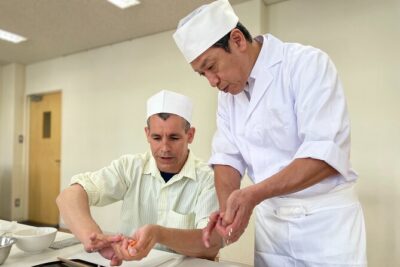
Tokyo Sushi Making Class in Tsukiji with Professional Chef
Our verdict →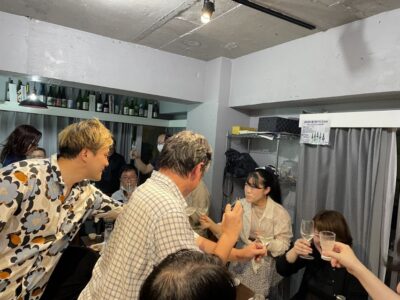

Wakayama Cat Train, Seafood market, Hot Springs Tour
Our verdict →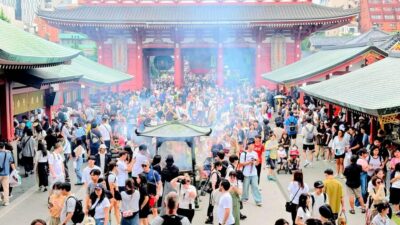
Awesome Private Tour: Tsukiji, Asakusa, Shinjuku, Shibuya
Our verdict →Browse the lists this tour appears in