
Reviewed · TEMPLES & SHRINES
Tokyo: Asakusa Temple & Shrine Walking Tour with Local Guide
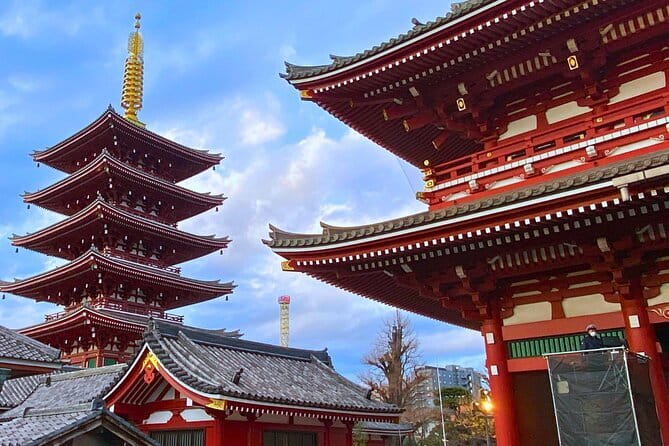
Asakusa’s famous temples are easy to photograph, but harder to understand. This two-hour walk helps you read the place: why the 700-kilogram lantern hangs at Kaminarimon, how Buddhist and Shinto customs sit side by side, and what locals are doing when they wash their hands, burn incense, or draw a fortune.
I like the small group, capped at eight, and the choice of viewpoints before you reach Sensoji. I also like the relaxed guides, including Nicolas, Erik, Lino, Nana, and others who have helped families, solo visitors, and first-time Tokyo guests. The main drawback is the walking: the route is not suited to wheelchair users, people with mobility impairments, or anyone with low fitness, and Asakusa can be crowded and hot.
Key points to know before you book
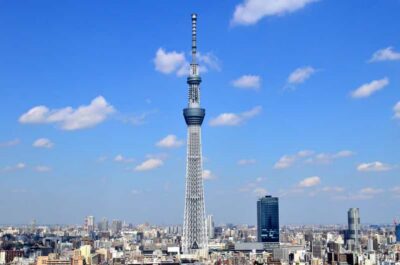
- Start with two useful views: See Tokyo Skytree from Azuma Bridge, then look over the Sensoji grounds from the Asakusa Culture Tourist Information Center.
- Learn the rituals by doing them: Your guide explains temizu hand washing, incense, omikuji fortunes, Buddhist prayer, and Shinto prayer.
- Visit both major faith sites: Sensoji Temple and nearby Asakusa Shrine show how Buddhism and Shinto share this old Tokyo neighborhood.
- Keep the group personal: The tour is limited to eight people, making questions and photo help easy.
- Expect a full two hours on foot: Wear comfortable shoes, carry water, and dress for the weather.
- Get more than temple facts: Guides can help with food, souvenirs, translations, photos, and nearby plans after the walk.
Why this Asakusa walk is more than a Sensoji photo stop
Many people arrive in Asakusa, take a picture beneath the giant red lantern, walk down Nakamise shopping street, and leave. You can do that in less than an hour. The value of this tour is the explanation around those famous sights, plus the smaller religious sites that are easy to pass without noticing.
The guide does not simply point out old buildings. You learn how to behave at them. That matters in Japan, where a small action, such as washing your hands or bowing at the right point, carries meaning. You also see that Shinto and Buddhism are not presented as sealed-off traditions. In Asakusa, they share the same neighborhood and often sit close together.
At $30 per person, the price is modest for a two-hour guided walk in central Tokyo. You are paying less for entry tickets, since the main stops are religious sites and public areas, and more for interpretation, local direction, and the chance to ask questions. If you would otherwise walk through Sensoji without understanding the customs, the price makes good sense.
More Temple & Shrine Tours in Tokyo
- Tokyo: Meiji Shrine, Asakusa, Skytree Bus Tour and Cruise
★ 4.7 · 1,986 reviews - Tokyo: Asakusa Walking Tour with Sensoji Temple Visit
★ 4.8 · 1,583 reviews - Tokyo Panoramic 1 Day: Meiji Shrine, Asakusa, Odaiba and SKYTREE®
★ 4.5 · 1,222 reviews
Beginning at Azuma Bridge with Skytree in view
The meeting point is at the Burger King Asakusa Azumabashi area, though the exact meeting arrangement can depend on the option booked. From there, the route begins at Azuma Bridge, beside the Sumida River.
This is a smart opening. You get a clear view toward Tokyo Skytree and the unusual golden object on the Asahi building, which locals nickname the golden poop. It is a light, funny start before the tour turns toward religion and history. The riverfront also gives you a wider sense of Asakusa, rather than dropping you straight into the dense temple precinct.
The stop lasts about 10 minutes. That is enough for photographs and a short explanation, but not enough for a long riverside walk. If you want extensive time along the river, plan to return on your own.
The Tourist Information Center’s high view
The next stop is the Asakusa Culture Tourist Information Center. Your guide takes you to its upper level for a less obvious view across the temple area.
This is one of the best practical choices on the route. From ground level, Sensoji can feel like a maze of gates, stalls, roofs, and crowds. From above, you can see how the approach works, with Kaminarimon, Nakamise, Hozomon Gate, and the main temple arranged in sequence.
You get about 15 minutes here for photographs and orientation. I would pay attention to the explanation before taking pictures, since it helps the rest of the walk make sense. The view is also useful for anyone trying to get a clean overall image of the temple grounds.
Kaminarimon and the meaning of the Thunder Gate
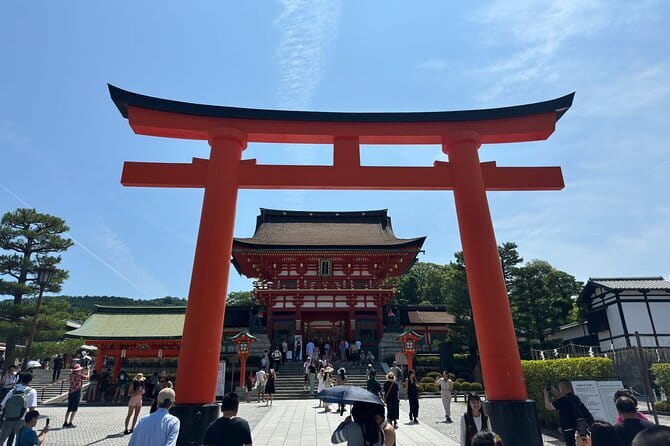
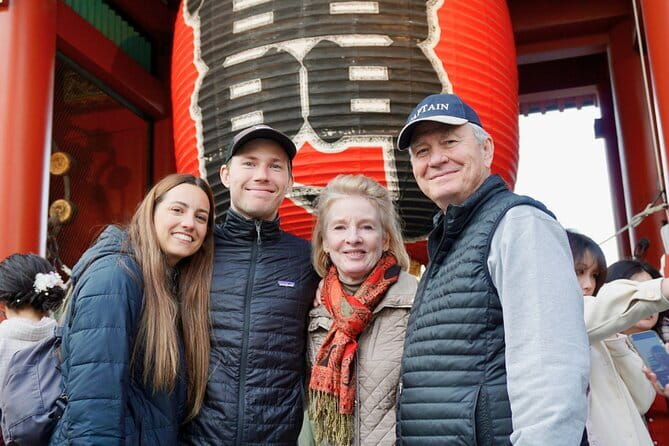
Kaminarimon is the famous entrance to Sensoji, marked by its giant red lantern. The tour explains the gate’s name, which means Thunder Gate, and the story behind the lantern’s extraordinary weight of roughly 700 kilograms.
This is where the tour shifts from broad orientation to details you might miss on your own. The gate is not just a dramatic entrance for photographs. It introduces the religious figures, protective symbols, and layered traditions associated with the temple grounds.
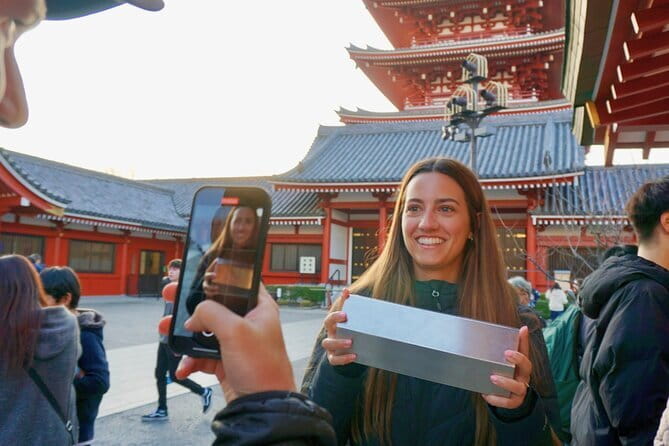
Expect about 10 minutes here. Since Kaminarimon is one of Asakusa’s busiest photo spots, your guide’s help can make a difference. You can ask for the best angle or for someone to take your picture. The group size also helps, since eight people are easier to gather than a large tour party.
More Walking Tours in Tokyo
- Tokyo Tsukiji Fish Market Food and Culture Walking Tour
★ 5.0 · 3,184 reviews - Tokyo: Imperial Palace and Shogun Historical Walking Tour
★ 5.0 · 2,251 reviews - Tokyo: Shinjuku Local Bar and Izakaya Guided Walking Tour
★ 4.9 · 1,794 reviews - Tokyo: Tsukiji Fish Market Food and Walking tour
★ 5.0 · 1,724 reviews
Nakamise Shopping Street, with help choosing what matters
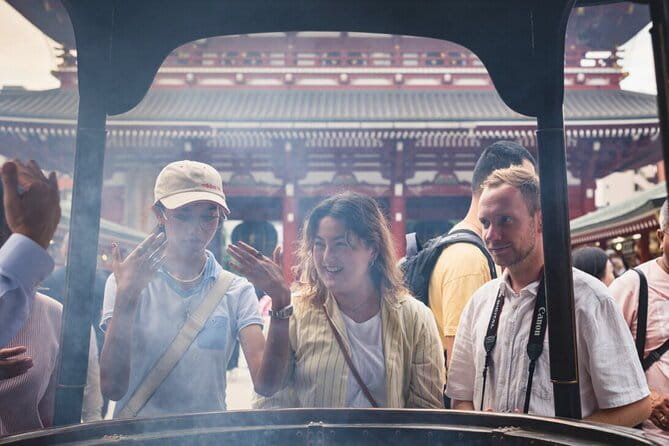
From Kaminarimon, you walk along Nakamise, the shopping street leading toward Sensoji. It is lined with snacks, small gifts, traditional-style goods, and souvenirs.
The useful part is not simply being shown the street. Your guide explains the cultural background of the treats and items, and can point you toward better choices. If you need help reading a label or translating a question, you can ask.
The stop is scheduled for about 15 minutes, so this is not a dedicated shopping trip. You may have time to look and perhaps buy a snack, but serious souvenir shopping should happen after the tour. Personal purchases are not included in the $30 price.
I like this stop because food and shopping are part of the Asakusa experience, not a distraction from it. You see how the temple approach has long combined worship, local commerce, and small pleasures. Just keep your group moving, especially when the street is crowded.
Hozomon Gate and the quieter corners nearby
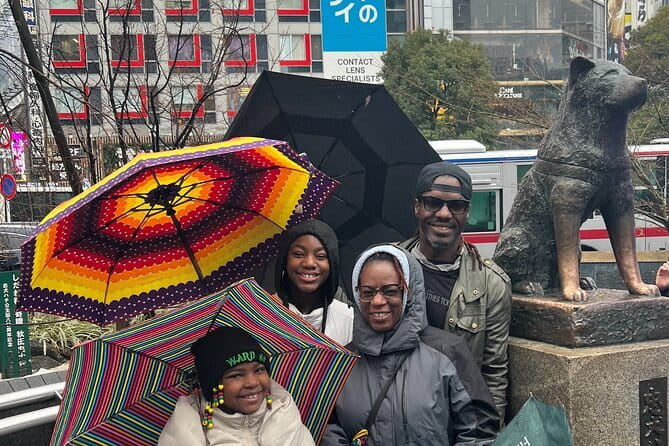
Hozomon Gate marks another important point on the approach to Sensoji. The tour allows around 10 minutes here, with time for photos and an explanation of the gate’s place in the temple grounds.
The route also includes smaller temples and shrine sites that are not fully named in the schedule. That is a strength. Sensoji draws most of the attention, but the surrounding religious spaces give you a better idea of how Asakusa functions as an old neighborhood rather than a single attraction.
These stops may feel less dramatic than Kaminarimon or the main hall. I would treat them as the part of the walk that rewards attention. Your guide can explain what is happening at each place and show you details you might otherwise pass without a second look.
Sensoji Temple and the rituals you can try
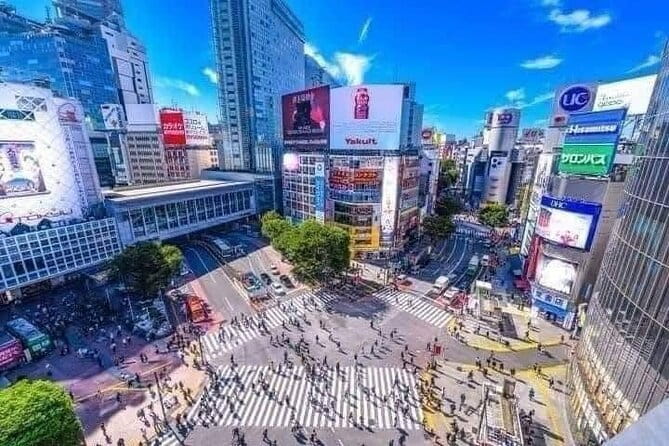
The tour spends about 30 minutes at Sensoji, the main sight and the oldest temple in Tokyo. This is the longest stop, rightly so.
You learn how to approach and pray in the Buddhist style. The guide also explains the proper way to bow, where to walk, and what the different actions mean. You are not just watching a ceremony from the side. The tour encourages you to take part in simple rituals as a cultural experience.
One is temizu, the hand-washing practice used before prayer. Another is incense, where you can bring the smoke toward yourself for physical and mental healing. You can also learn about omikuji, the fortune-telling slips available at the temple.
These activities are approachable for first-time visitors because the guide explains each step. You do not need prior knowledge, special clothing, or religious commitment. You are learning how the site works and showing respect while you are there.
Sensoji can be crowded, especially around the main approach. Past visitors have found that guides such as Nicolas and Joe were able to adjust the pace, answer questions, and keep the walk enjoyable even in heat, rain, or during a festival. That flexibility is important. A rigid script would be less useful here.
Asakusa Shrine and the meeting of Shinto and Buddhism
The final major stop is Asakusa Shrine, with about 15 minutes for a visit and explanation. It sits near Sensoji but follows Shinto customs rather than Buddhist ones.
This contrast is one of the tour’s strongest teaching points. At Sensoji, you learn the Buddhist prayer process. At Asakusa Shrine, you see the different Shinto approach and learn how to behave around a torii gate. The guide explains details such as walking on the appropriate side and the different pattern of bowing and clapping.
You do not need to memorize every rule. The point is to recognize that Japanese religious practice has several forms, often close together. After this tour, you will be better prepared for other temples and shrines across Japan.
This is also a good place to ask questions. The guides are encouraged to talk about Tokyo beyond the planned stops. Several guides, including Nicolas, Erik, and Nana, have helped people with family questions, restaurant suggestions, nearby shopping, and onward plans.
What the small group changes
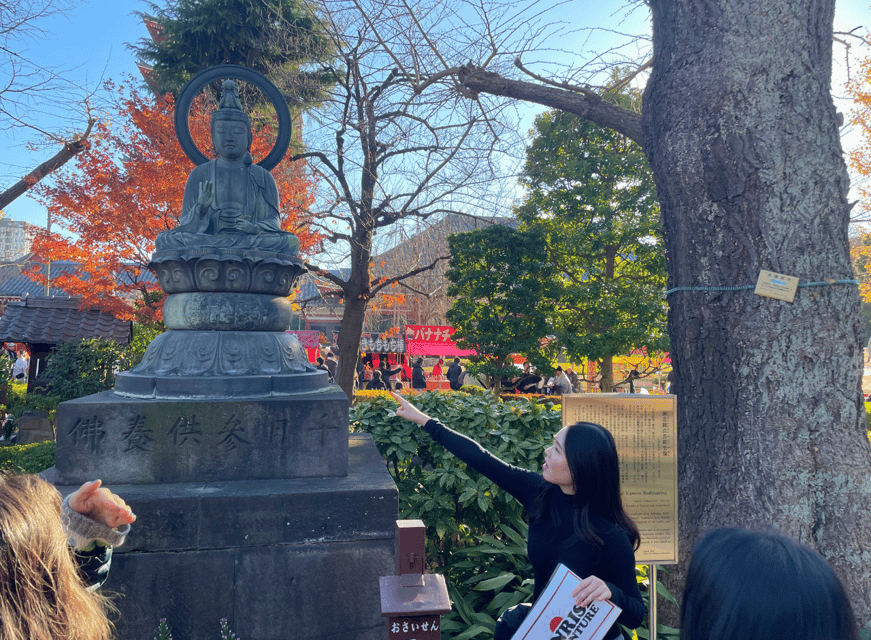
The group limit is eight people, though some departures may be smaller. Several bookings have ended up with just one person or a very small party, which can make the walk feel almost private.
You should not assume you will have a private guide, but the small size is still useful. It is easier to hear explanations beside the temple, easier to stop for a photo, and easier to ask about something that catches your eye.
The friendly, flexible style seems to be a major part of the experience. Guides named in past bookings include Nicolas, Erik, Lino, Nana, Diane, Ayaka, Arief, Ariel, Joe, and Somi. The staff can vary, so the exact personality and emphasis will depend on who leads your walk. English and French are offered.
Families can do well here. Nana, for example, was praised for making the subject understandable for children aged five and eight. Solo visitors also get a natural way to explore the area without having to manage every custom alone.
Heat, rain, crowds, and the practical side
This is a walking tour in an active part of Tokyo. You should expect uneven pacing, people around the major gates, and weather exposure. The walk goes ahead in rain or shine, so check the forecast and dress for the conditions.
Wear comfortable shoes. Bring water, especially in hot weather, though vending machines are available along the way. The experience lasts two hours, which is manageable for most people who are used to walking, but it is not a good choice if you need a wheelchair-accessible route or have a mobility limitation.
There is no dress code, and tattoos are welcome. Smoking, drones, alcohol, and drugs are not allowed. If you are interested in wearing a kimono, the operator can advise you about a partner rental shop roughly two minutes from the meeting point.
The tour finishes back near the Burger King Asakusa Azumabashi area. The exact starting and ending point can vary by booking option, so check your confirmation before setting out.
Is $30 a fair price for two hours?
I think the price is fair, especially for a first visit to Tokyo. You receive a small-group guide, a city orientation, explanations of Buddhist and Shinto customs, photo help, and practical advice about food and shopping.
The tour does not include snacks, souvenirs, or any paid personal purchases. It also does not promise a long temple lecture or a full-day neighborhood tour. You are buying a focused introduction to Asakusa, not a complete Tokyo sightseeing package.
The best value comes if you are new to Japan or unsure how to behave at shrines and temples. If you already know the rituals and only want photographs, you can explore Asakusa independently for less. If you want context and the freedom to ask questions, $30 is a reasonable trade.
Free cancellation is available up to 24 hours before the tour, and you can reserve now and pay later. Those terms help if your Tokyo schedule is still shifting.
Who should book this Asakusa tour?
I would choose this walk for a first Tokyo visit, a solo trip, a couple wanting an easy cultural introduction, or a family that prefers short explanations over a long formal lecture. It is also useful early in a Japan itinerary, since the etiquette you learn at Sensoji and Asakusa Shrine can help at later temple and shrine visits.
You should book it if you want to understand what you are seeing, not just take pictures. You should also book it if food stalls, local shopping, and small religious sites sound as appealing as the main temple itself.
I would skip it if you have difficulty walking for two hours, need an accessible route, or prefer to explore entirely at your own pace. You may also find the busy temple grounds frustrating if you want quiet photography.
For most first-time visitors, I would book this early in the Tokyo stay. You get the major sights, a clear lesson in local customs, and a guide you can question about the rest of your trip. If you can, ask for photo help and mention any plans for Kappabashi Street, nearby restaurants, or kimono rental. The tour can then become a useful starting point rather than a two-hour loop that ends at the temple.
FAQ
How long does the Asakusa walking tour last?
The tour lasts two hours.
How much does the tour cost?
The listed price is $30 per person.
What languages are available?
Live guiding is available in English and French.
How many people can join the group?
The group is limited to eight participants.
Which major sites are included?
The route includes Azuma Bridge, the Asakusa Culture Tourist Information Center, Kaminarimon, Nakamise Shopping Street, Hozomon Gate, Sensoji Temple, Asakusa Shrine, and smaller temple or shrine sites.
Will I visit both a Buddhist temple and a Shinto shrine?
Yes. You visit Sensoji Temple and Asakusa Shrine, and the guide explains the differences between Buddhist and Shinto customs.
Can I take part in temple and shrine rituals?
Yes. The tour includes explanations and participation in temizu hand washing, omikuji fortune telling, incense rituals, Buddhist prayer, and Shinto prayer customs.
Is there a dress code?
No. There is no dress code, and tattoos are welcome. You should still dress for the weather and wear comfortable shoes.
Is the tour suitable for wheelchair users?
No. The activity is not suitable for wheelchair users or people with mobility impairments.
Can I cancel the booking?
You can cancel up to 24 hours in advance for a full refund. Reserve now and pay later is also available.
Just added around Tokyo
- Kawagoe Japanese Food Tour : Unagi Kaiseki and Sake near Tokyo★ 5.0 · 30 reviews
- Kawagoe 4hr Private Tour with Licensed Guide (Kawagoe Dep)★ 5.0 · 13 reviews
- Little EDO Sushi Making workshop in Kawagoe★ 5.0 · 18 reviews
- 【R34】Tokyo:Private Daikoku tour in Modified R34★ 4.9 · 92 reviews
- :Tokyo,Shibuya/ Pro Photography in Kimono / English-Friendly★ 5.0 · 26 reviews
- Tokyo:Celebrate Unique Japanese New Year Tradition Festivity★ 3.9 · 20 reviews
- Tokyo: Allstar Food Tour★ 4.7 · 29 reviews
- Tokyo: West-Side Cycling and Food Tour with Guide★ 5.0 · 37 reviews
Temples & Shrines, compared.

Tea Ceremony in a Traditional Tea House in Kiyomizu
Our verdict →
Meiji Shrine, Asakusa, Skytree Bus Tour and Cruise
Our verdict →
Fushimi Inari Hidden Hiking Tour (Private Option Available)
Our verdict →
Osaka/Kyoto:Kinkakuji,Arashiyama,FushimiInariShrine,NaraPark
Our verdict →
Nikko: Kegon Falls, Lake Chuzenji & Toshogu Temple
Our verdict →
Kamakura & Enoshima Day Trip including Temple Tickets
Our verdict →Browse the lists this tour appears in