
Reviewed · KYOTO TOURS
The right way to know Kyoto
Kyoto is easiest to appreciate when someone else handles the trains, buses, walking route, and temple choices. This private outing links major sights such as Fushimi Inari, the Bamboo Forest, Kinkaku-ji, and Ginkaku-ji with the flexible pace of a local guide.
I like the private format, which lets you ask questions and change the plan as the day unfolds. I also like the practical help with public transportation. Several guides, including Tom, Jose, Esteban, Laura, and Peter, have adjusted routes for families, older visitors, and people making a one-day trip from Tokyo.
The main drawback is simple: six hours cannot comfortably cover every famous Kyoto sight. Transportation and entrance fees cost extra, and this is a walking day, often with crowded trains or buses and plenty of time on your feet.
Key points before you book
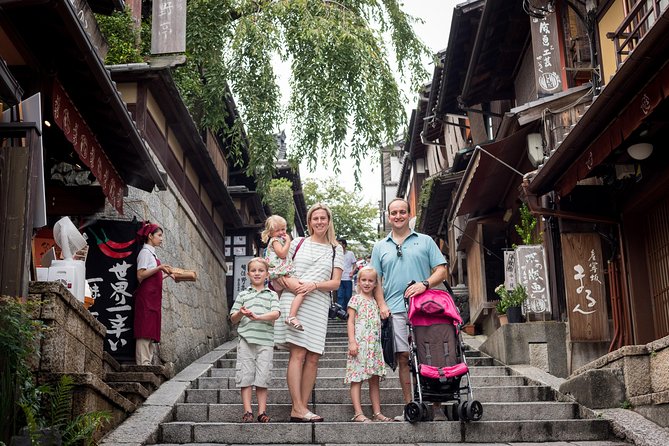
- Private group of up to six: You get personal attention rather than a fixed group route.
- Four major Kyoto areas may be included: Fushimi Inari, Arashiyama, Kinkaku-ji, and Ginkaku-ji are suggested stops, not a guaranteed checklist.
- Public transportation is part of the experience: Trains and buses are not included, but guides can show you how to use them.
- The route can change: Guides have adapted days for children, seniors, special interests, and tight train schedules.
- Allow extra money for entry fees: Kinkaku-ji and Ginkaku-ji charge admission, while Fushimi Inari and the Bamboo Forest are free.
- Expect a full day on your feet: One family reported walking close to 28,000 steps, so comfortable shoes matter.
Why a private Kyoto day can be worth the price
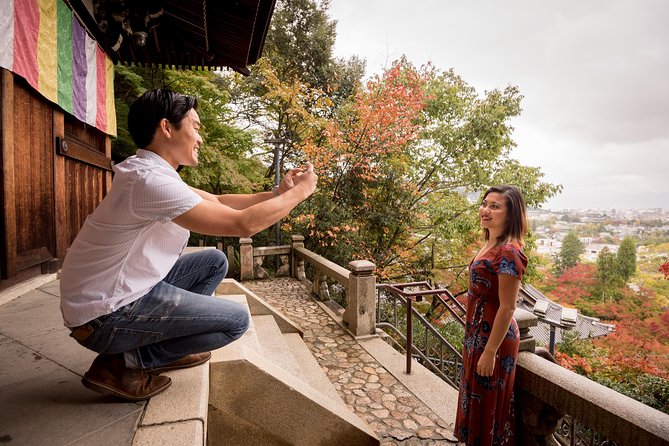
The price is $371.41 per group, with as many as six people included. That works out to about $62 per person for six people, before entrance fees and transportation. For two people, the same price feels much steeper, so value depends heavily on your group size and how much help you want.
I see the strongest value in the guide’s time-saving role. Kyoto’s main sights sit in different parts of the city. Fushimi Inari is south of central Kyoto, Arashiyama is west, and Kinkaku-ji and Ginkaku-ji sit in separate northern areas. You can visit them independently, but planning the order, checking transit, and finding the right station exits can eat into a short stay.
A private guide also gives you room to ask basic questions without slowing down anyone else. You can ask about shrine customs, Buddhist and Shinto practice, Japanese ceremonies, local food streets, or daily life. The best guides turn a string of photo stops into a more useful lesson about how Kyoto works.
The group limit matters. Six people can stay together more easily than a large bus group, and your guide can adjust walking speed or pause for photographs. Tom was praised for keeping a suitable pace for a 77-year-old parent, while other guides kept teenagers interested by connecting Kyoto’s past with manga and modern Japanese life.
Still, I would not call this a cheap sightseeing option. You pay separately for trains, buses, taxis, meals, and temple admission. If you already know Kyoto well and enjoy planning transit, you may prefer to spend the money on a few private taxis or a longer meal. If this is your first visit, the extra cost buys confidence and structure.
A few more Kyoto half-days worth comparing
- PERFECT KYOTO 1-Day Bus Tour
★ 5.0 · 13,518 reviews - Kyoto: Fushimi Inari, Kinkakuji, Bamboo Grove 1 Day Bus Tour
★ 4.8 · 4,316 reviews - Kyoto: Tea Ceremony in a Traditional Tea House in Kiyomizu
★ 4.9 · 3,519 reviews
Fushimi Inari and its orange torii gates
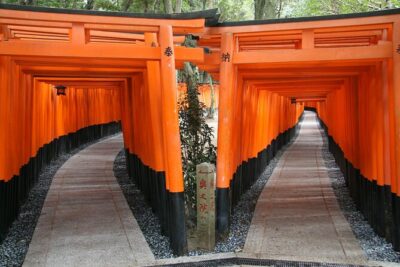
Fushimi Inari-taisha is one of Kyoto’s most recognizable sights. Its long route of orange torii gates climbs into the wooded hills behind the shrine. The first section is the busiest and easiest to reach, while the path continues much farther uphill.
The suggested stop allows about one hour. That is enough to see the shrine grounds and walk through a memorable section of gates, but not enough for a long hike to the upper mountain. If you want to walk farther, tell your guide early, since a longer climb affects the rest of the day.
This is also a good place for cultural explanation. Esteban, for example, explained Shinto practices and helped his group take part in a shrine offering. A guide can show you how to behave respectfully at a shrine, rather than leaving you to copy the nearest person.
The shrine itself is free, which helps keep costs down. The challenge is crowding, especially at the most photographed lower gates. A guide may steer you beyond the first packed section or suggest quieter timing, but no private tour can remove the popularity of Fushimi Inari.
Arashiyama and the Bamboo Forest Trail
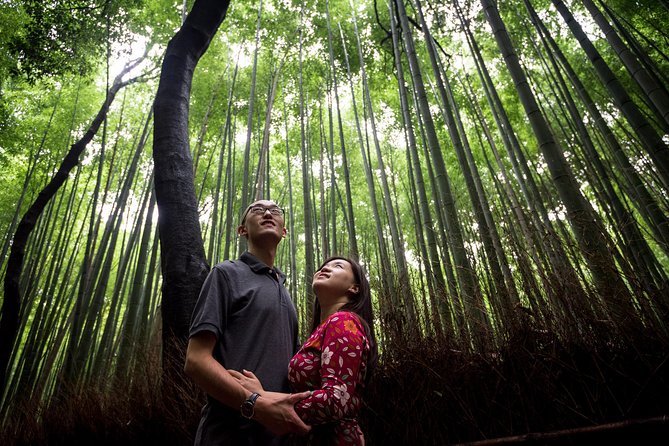
The Bamboo Forest Trail usually receives about 45 minutes. Tall bamboo rises on both sides of the path, creating a cool, striking setting that feels very different from Kyoto’s temple districts.
The short time here is practical, since Arashiyama has much more to offer than the grove. Depending on your interests and schedule, a guide may include nearby places such as Nonomiya Shrine, Togetsukyo Bridge, Okochi Sanso Garden, Horin-ji Temple, or Monkey Park. These additions are not guaranteed, but they show how the private format can work.
Okochi Sanso Garden has a small entry fee and was specifically valued for its tea and garden setting. Monkey Park requires a climb, so it may not suit every group. If you want Arashiyama to be the main focus, say so before the day begins rather than expecting the standard route to fit everything.
The Bamboo Forest is free, but its popularity means you should not picture a quiet walk at every hour. You might find the path crowded with people taking photographs. A guide helps with orientation and nearby choices, but the grove remains a short public path, not a private nature walk.
Kinkaku-ji, Kyoto’s Golden Pavilion
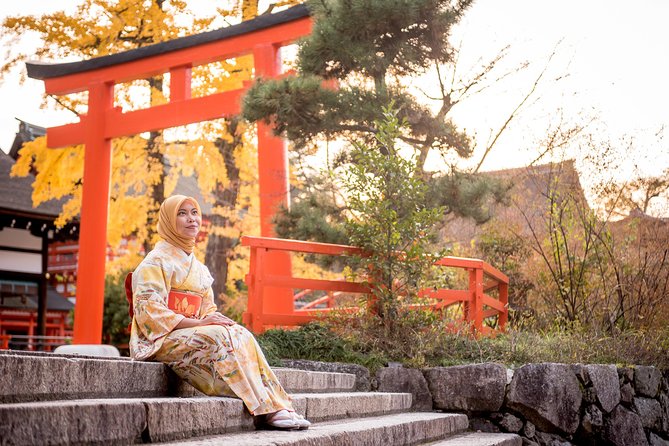
Kinkaku-ji is the famous Golden Pavilion, reflected in a pond within a temple garden. The building is visually powerful, and even a short visit gives you one of Kyoto’s classic sights.
The planned stop is about one hour, with admission extra. That hour includes the approach, viewing area, photographs, and a walk through the grounds. It does not allow unlimited time for every corner of the complex, especially if the route is already running late.
Kinkaku-ji is a place where a guide adds context. Without explanation, you may mainly remember the gold exterior and pond. With a guide, you can better understand the site’s place in Japanese religious and political history, as well as the design choices in the garden.
The drawback is that Kinkaku-ji is not a slow, private garden visit. The main viewing point can be busy, and the stop has a set flow. I would treat it as a major visual highlight, then let your guide spend more time at a quieter temple or garden if that better suits your interests.
Same trip, a completely different kind of day:
- Kyoto Geisha Walking Tour: Gion District & Hidden Gems
★ 4.7 · 3,273 reviews - Kyoto: Tea Ceremony Ju-An at Jotokuji Temple
★ 4.9 · 3,207 reviews - Kyoto: Gion Magical Night Walking Tour with Geisha Trivia
★ 4.9 · 2,393 reviews - Kyoto: 45-Minute Tea Ceremony Lesson Experience
★ 4.3 · 2,378 reviews
Ginkaku-ji and the calm of the Silver Pavilion
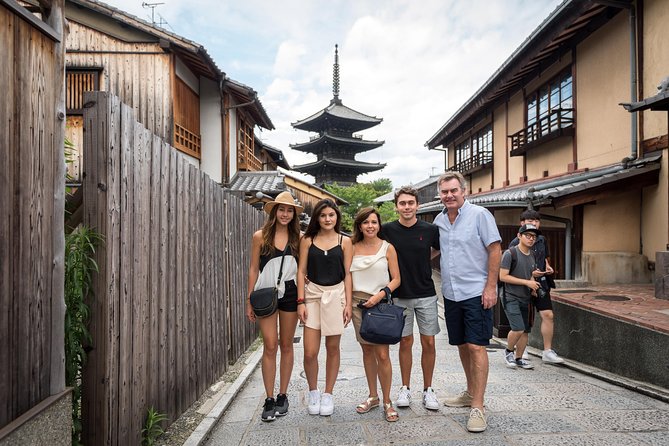
Ginkaku-ji, or the Silver Pavilion, is a different experience. Despite its name, the pavilion is not covered in silver. Its appeal comes from restrained design, moss, carefully shaped sand, and the quiet quality associated with wabi-sabi.
The suggested visit lasts about an hour, and admission costs extra. I find this stop more rewarding for people who enjoy gardens and atmosphere than for anyone seeking a dramatic single building. Ask your guide to explain the garden details, because they can be easy to overlook while walking through.
Ginkaku-ji also pairs well with a discussion of Japanese aesthetics. The site shows how beauty can come from age, simplicity, texture, and empty space. That balance makes it a useful counterpoint to the glitter of Kinkaku-ji.
Because the two temples lie in different parts of Kyoto, fitting both into one six-hour day can force quick visits elsewhere. This is where the private format helps, but it does not defeat city traffic or transit times. You may need to choose between a fuller visit at Ginkaku-ji and another stop such as Arashiyama.
What your guide actually adds
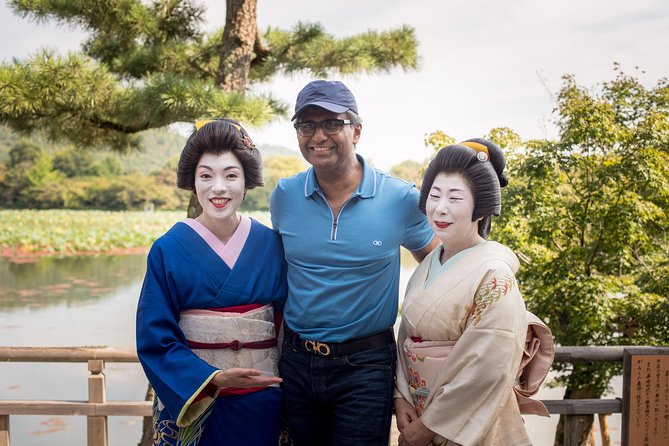
The quality of this experience depends heavily on the individual guide. The guide team includes people with different backgrounds and styles, and you cannot assume you will receive a particular person unless that is arranged directly.
Tom has handled family groups well, including a day with two teenage boys and another with a 77-year-old mother. His approach included history, public transportation, and pacing. Laura has shaped days around a visitor’s interest in Kyoto’s past, while Peter has been praised for thoughtful planning and changes during the day.
Jose and Jose David have guided groups through popular temples, quieter gardens, and public transit routes. Esteban has adapted schedules for visitors arriving by Shinkansen from Tokyo and needing to return the same evening. Maki, a Kyoto native, has led an Arashiyama-focused day.
Paco and Adrian have also taken groups away from the standard sights. That does not mean every departure from the main route will be available, but it is worth telling your guide what you have already seen and what you do not want to repeat.
Language and explanation style can vary. One past assessment found a guide pleasant but harder to understand because of an accent and lighter commentary. I would treat that as a reminder to state your expectations clearly: ask for historical detail, cultural explanation, photography help, or a slower pace at the start.
Walking, trains, and the real pace of the day
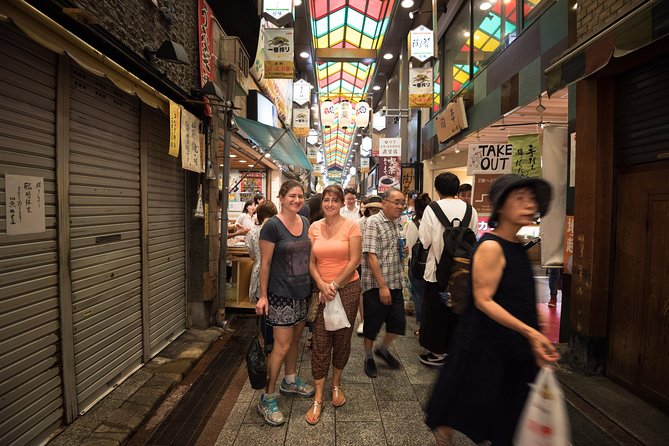
This is sold as a walking experience, but it is not a day spent walking from one end of Kyoto to another. You will walk between sights and use local trains, buses, or possibly taxis to cross the city.
Transportation is not included in the price. Your guide can help you navigate, but you pay the fares. Several people found this particularly useful because they learned how to use Kyoto’s public system for the rest of their stay.
Expect crowded public transportation at times. You may stand, wait for a connection, or walk farther than expected between a station and a temple. One group covered nearly 28,000 steps, which gives you a useful warning about the possible pace.
Wear comfortable shoes and bring water. If you have a senior in your group, a child, or anyone with limited stamina, say so before the route begins. The private setup allows a slower rhythm, local taxis, and fewer stops, but the day still involves hills, temple paths, and station stairs.
Who will get the most from this tour
I think this suits a first visit to Kyoto, especially if you have only one day. It also works well for families who want someone to keep children or teenagers interested while handling the transit details.
It is a strong choice for anyone who wants history and culture rather than a simple photo tour. Ask for a guide who will explain shrine manners, Buddhist customs, Japanese aesthetics, ceremonies, and daily life. You can also request gardens, markets, quieter temples, manga-related interests, or a focus on Arashiyama.
Older visitors can benefit from the adjustable pace, but you should be realistic about the amount of walking. The route is not a seated bus tour. A group with mobility limits should discuss transport and site choices before booking.
I would be more cautious if you want to see every major sight in Kyoto. The suggested sites cover a wide area, and six hours is not enough for long visits at all four, plus extra shrines, markets, and gardens. Decide what matters most, then build the day around those priorities.
Meeting point, timing, and extra costs
The published hours are 9:00 a.m. to 3:00 p.m., for about six hours. The stated starting point is Kyoto Station, and the activity ends back at the meeting point. Pickup is offered in the general description, so confirm whether your hotel pickup is available and how it changes the starting plan.
The price includes the guide only. Entrance tickets, transportation, and meals are separate. Fushimi Inari and the Bamboo Forest do not require admission, while Kinkaku-ji and Ginkaku-ji do.
You receive confirmation when booking, and the activity is private for your group alone. Cancellation is free up to 24 hours before the start time. After that point, the payment is not refunded and last-minute changes are not accepted.
Should you book this Kyoto experience?
Book it if you want a flexible first-day introduction, have a group of four to six, or feel uneasy about Kyoto’s size and transit system. The strongest results come when you tell the guide your priorities before the day begins and accept that four major districts cannot all receive equal time.
I would choose this for families, first-time visitors, short stays, and anyone who wants cultural explanation along with the sights. I would skip it if you prefer slow independent wandering, already know Kyoto’s transit system, or want to spend a full morning at one temple.
For the best value, ask for a clear priority list: perhaps Fushimi Inari, one major temple, Arashiyama, and a quieter garden. That gives your guide room to make smart choices instead of racing through Kyoto with a checklist.
FAQ
How long does the private Kyoto tour last?
The advertised duration is approximately six hours, with operating hours from 9:00 a.m. to 3:00 p.m.
How many people can join the tour?
The private tour accepts up to six people per group.
Is hotel pickup included?
Pickup is offered, but the stated meeting point is Kyoto Station. Confirm the exact pickup arrangement for your hotel before the tour.
Are entrance fees included?
No. Entrance tickets are separate. Fushimi Inari and the Bamboo Forest are free, while Kinkaku-ji and Ginkaku-ji require admission.
Is transportation included?
No. The tour uses walking and may use public trains, buses, or taxis, but transportation costs are not included.
Can I cancel for a full refund?
Yes, if you cancel at least 24 hours before the experience begins. Cancellations or changes made less than 24 hours before the start time are not accepted for a refund.
Just added around Kyoto
- Sekka Cotton Furoshiki Class★ 5.0 · 19 reviews
- Secret Eastern Kyoto Biking Adventure★ 5.0 · 44 reviews
- Kyoto Sword Experience – includes Museum Ticket/Ninja Experience★ 4.5 · 149 reviews
- Scenic Green Tea Fields of Hidden Kyoto & Local Tea Exp (Private)★ 5.0 · 32 reviews
- Private Sake Tasting in Central Kyoto with Sake Sommelier★ 5.0 · 32 reviews
- Samurai School in Kyoto: Samurai for a Day★ 5.0 · 202 reviews
- SHIRAKAWA Japanese Culture Experiences with private English staff★ 5.0 · 16 reviews
- A Privately Guided Photoshoot in Beautiful Kyoto by a Pro★ 5.0 · 18 reviews
Kyoto Tours, compared.

Tea Ceremony in a Traditional Tea House in Kiyomizu
Our verdict →
Kyoto Geisha Walking Tour: Gion District & Hidden Gems
Our verdict →



Fushimi Inari Hidden Hiking Tour (Private Option Available)
Our verdict →