Reviewed · PRIVATE
Private Tour to Monkey Park and Arashiyama Highlights
Arashiyama’s best moments come together here: Japanese macaques at Iwatayama, Kyoto views from the hill, and the famous bamboo path below. You also visit Tenryuji Temple and Togetsukyo Bridge, so this is more than a quick animal stop.
I like the private format and the guide’s personal touch. Masa, also called Masahiko, keeps the pace steady, explains monkey behavior and Kyoto customs, and takes photos at good spots. I also like that admissions and the monkey feeding fee are included. The main catch is the uphill walk, which takes about 20 minutes and may feel tough in warm weather.
- Feed monkeys safely: You hand over food from inside the park rest area, while the macaques roam nearby.
- Earn the Kyoto view: The climb to Iwatayama gives you a broad look over Kyoto and the surrounding mountains.
- Pair nature with culture: Tenryuji Temple and its Zen garden balance the more playful monkey visit.
- Walk the famous bamboo path: The forest is free and open from 9:00 to 17:00.
- Meet at the right station: Your guide waits outside the ticket gates at Hankyu-Arashiyama Station, not Randen or JR.
- Check the boat detail: A boat trip appears among the highlights, but no boat admission or clear boat timing is listed.
Why This Three-Hour Arashiyama Tour Works
Arashiyama can feel scattered. The monkey park is uphill on one side of the Oi River, while Tenryuji, the bamboo grove, and Togetsukyo Bridge spread through the district below. A private guide helps turn those separate sights into one sensible outing.
The strongest part is the mix. You get wildlife, a Zen temple, a famous walking path, and a river view without spending a full day on a formal sightseeing program. At $38 per person, the price is especially attractive if you value a private English-speaking guide and want the main admissions handled for you.
The timing deserves a careful look. The activity is advertised as three hours, yet the detailed plan describes one hour at the monkey park followed by three hours for Arashiyama highlights. That is not a realistic three-hour total if every stop receives a full visit. Ask for the exact schedule when booking, particularly if you hope to include the temple, bamboo grove, bridge, and boat ride.
Meeting Masa at Hankyu-Arashiyama Station
The meeting point is outside the ticket gates at Hankyu-Arashiyama Station. Your guide holds a sign with your name in the station plaza. This detail matters because Arashiyama has several rail stations with similar names. Do not head to Randen-Arashiyama or JR Saga-Arashiyama by mistake.
The station is a practical starting point for the district. From there, the tour can move toward the monkey park and then continue through the central sights. Transportation to and from the attractions is not included, so the experience relies on walking and any local transport you arrange yourself.
This is a private group, which gives you more control than a large coach tour. Masa has been praised for keeping a steady pace, answering questions about daily life in Japan, and taking pictures for couples and families. That kind of help is useful in Arashiyama, where a guide can point out the next stop while you focus on the view.
A few more Kyoto half-days worth comparing
- PERFECT KYOTO 1-Day Bus Tour
★ 5.0 · 13,518 reviews - Kyoto: Fushimi Inari, Kinkakuji, Bamboo Grove 1 Day Bus Tour
★ 4.8 · 4,316 reviews - Kyoto: Tea Ceremony in a Traditional Tea House in Kiyomizu
★ 4.9 · 3,519 reviews
The Uphill Walk to Iwatayama Monkey Park
The monkey park begins with a climb. You should expect about 20 minutes of uphill walking to reach the main viewing and feeding area. The path offers views along the way, but it is not a flat stroll through a zoo.
That climb is the tour’s clearest physical test. Wear walking shoes, bring water, and avoid high heels. The activity is not suited to people with low fitness, mobility impairments, wheelchair users, pregnant women, people over 75, or those afraid of heights. Strollers and electric wheelchairs are not allowed.
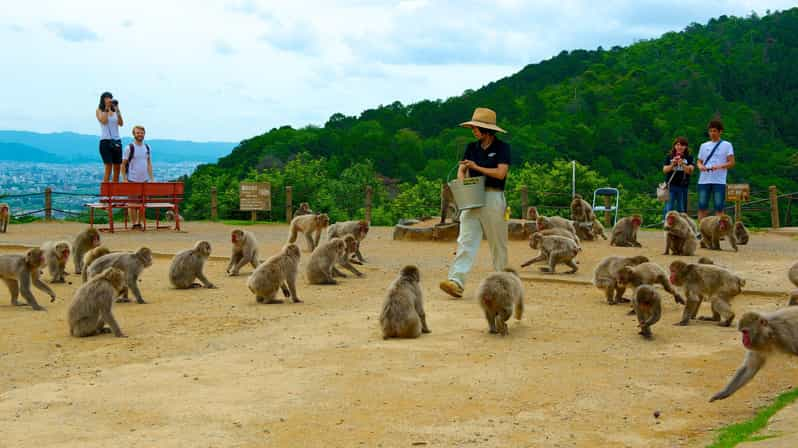
Once you reach the park, Japanese macaques move freely around the area. You may see them walking close by, climbing through the hut and trees, or interacting with one another. This is more interesting than watching animals behind a simple barrier, but it also means you must follow the rules carefully.
Your guide explains macaque behavior and social life along the way. Masa has used quizzes to keep the climb engaging, a small touch that helps children stay interested before reaching the top.
Feeding the Macaques from Inside the Rest Area
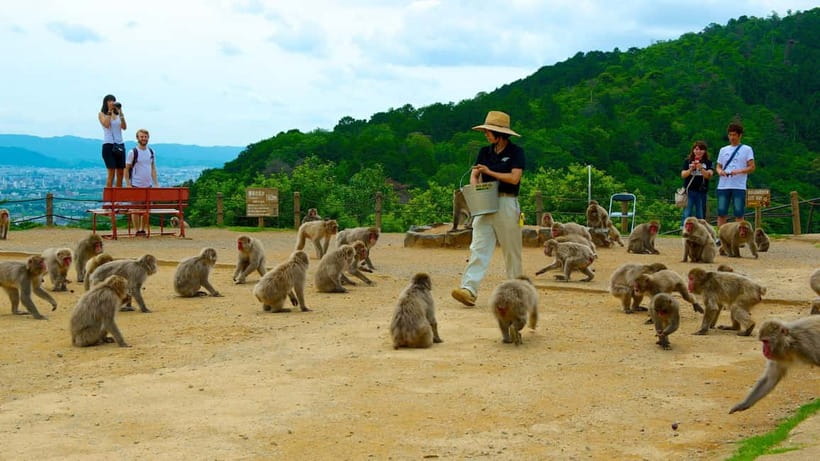
Feeding is done from inside a protected rest area. You do not walk up to a monkey with food in your hand. Instead, you offer pieces through the opening from inside the hut, while the monkeys remain on the other side.
This arrangement gives you a close view without encouraging direct contact. The monkeys may come right up to the building, so you can watch their faces and hands at close range. You should not touch them, chase them, or bring outside food into the rest area.
The feeding fee is included, although one practical detail is worth knowing: small food bags cost 100 yen according to the tour information and direct experience on the outing. Bring a few 100-yen coins. The food has included pieces such as apple and coconut.
The park is a highlight for animal lovers, but keep your expectations sensible. You are observing wild macaques in a managed park, not meeting tame pets. Follow the staff and guide’s instructions, and keep your attention on the animals rather than trying to force a photograph.
At the top, you get a broad view toward Kyoto and the surrounding mountains. After the climb, the panorama gives you a good reason to pause before heading back down.
Tenryuji Temple and Its Zen Garden
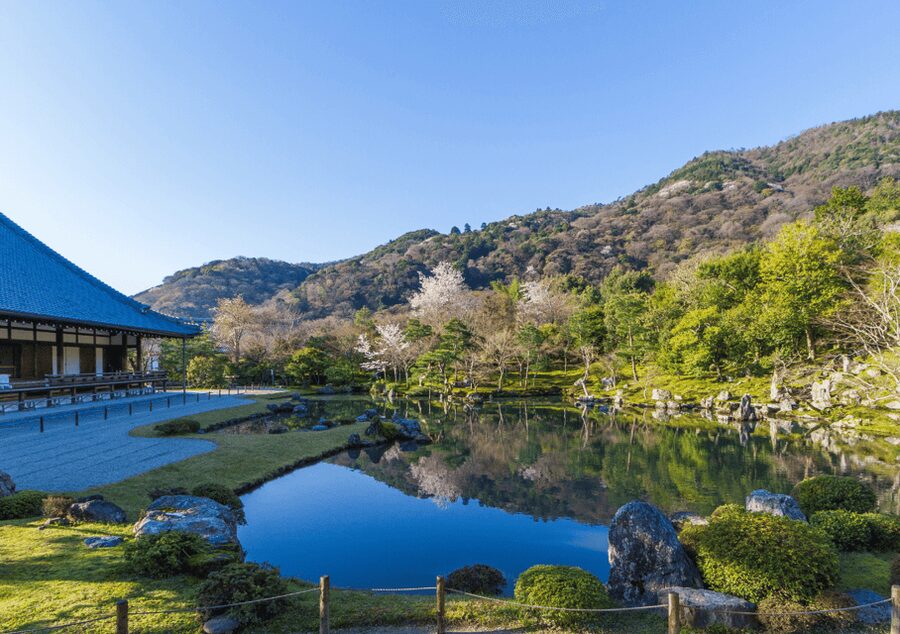
Tenryuji is one of Arashiyama’s essential cultural stops. The temple is a UNESCO World Heritage Site and one of Kyoto’s major Zen temples. Admission is included, which improves the value of the tour.
The garden is the star for many people. Its design joins ponds, trees, rocks, and the mountains behind it, creating a calm setting after the active monkey park. This contrast is one of the best features of the route: you move from macaques calling and climbing to a quieter place shaped for reflection.
Masa explains the temple’s history, architecture, and Zen ideas in clear English. He also connects the site to broader aspects of life in Kyoto and Japan. That makes the visit more useful than simply walking through, especially if you are new to Japanese temple design.
Allow yourself time to look beyond the most photographed garden views. The temple grounds reward a slower pace, but the available time may be limited if the three-hour tour is strictly enforced. If Tenryuji matters most to you, ask how long the group will spend inside.
More Private-Only Departures in Kyoto:
- Fushimi Inari Hidden Hiking Tour (Private Option Available)
★ 5.0 · 1,750 reviews - Private Kyoto Tour with a Local, Highlights & Hidden Gems, Personalised
★ 5.0 · 1,543 reviews - Kyoto 6hr Private Tour with Government-Licensed Guide
★ 5.0 · 1,369 reviews - 10 Must-see Spots in Kyoto One Day Private Tour (up to 7 people)
★ 5.0 · 1,108 reviews
Walking the Arashiyama Bamboo Grove
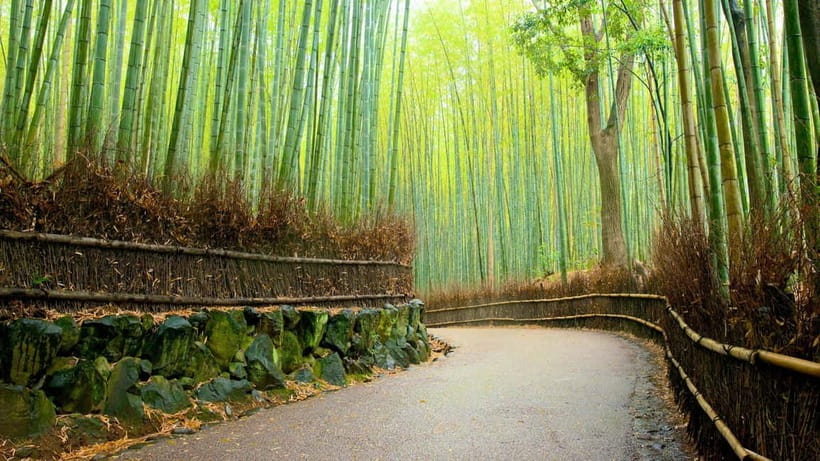
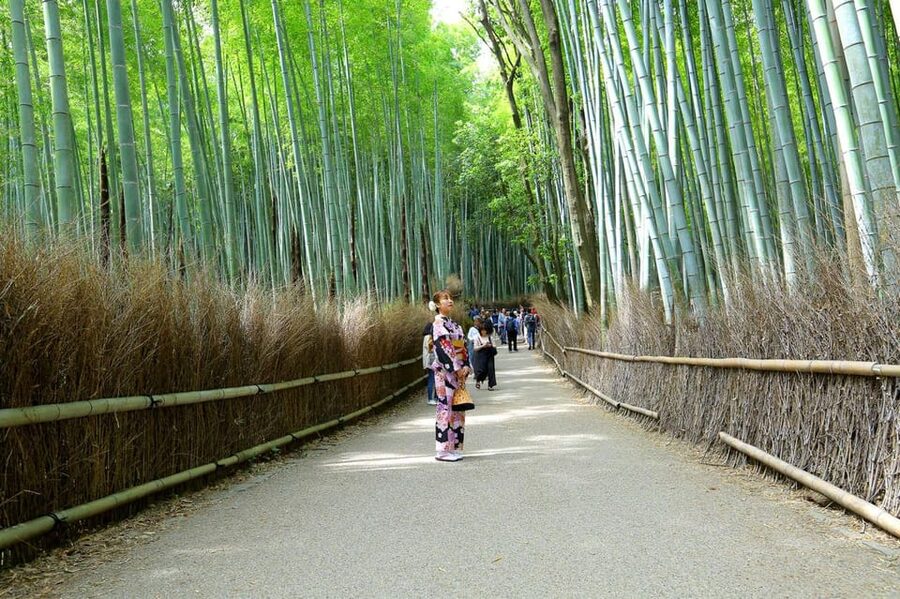
The bamboo path is free and open from 9:00 to 17:00. Towering bamboo rises on both sides of the walkway, filtering the daylight and giving the route its familiar soft green appearance.
The path is visually striking, but it is not a private woodland walk. It is one of Arashiyama’s best-known sights, so the experience depends greatly on timing and crowd levels. A guide cannot remove the crowds, but Masa can help you move through the area without losing your way and can take photos at suitable spots.
The forest walk is fairly gentle compared with the monkey park climb. Still, comfortable shoes remain the right choice because the complete outing involves substantial walking. Touching plants is not allowed, and you should keep to the permitted path.
I like the way this stop follows the temple. Tenryuji gives you a place to slow down, while the bamboo grove provides a short, memorable walk with strong photo appeal. If you want a long, quiet forest hike, this tour is not designed for that. It is a focused visit to the main path.
Togetsukyo Bridge Over the Oi River
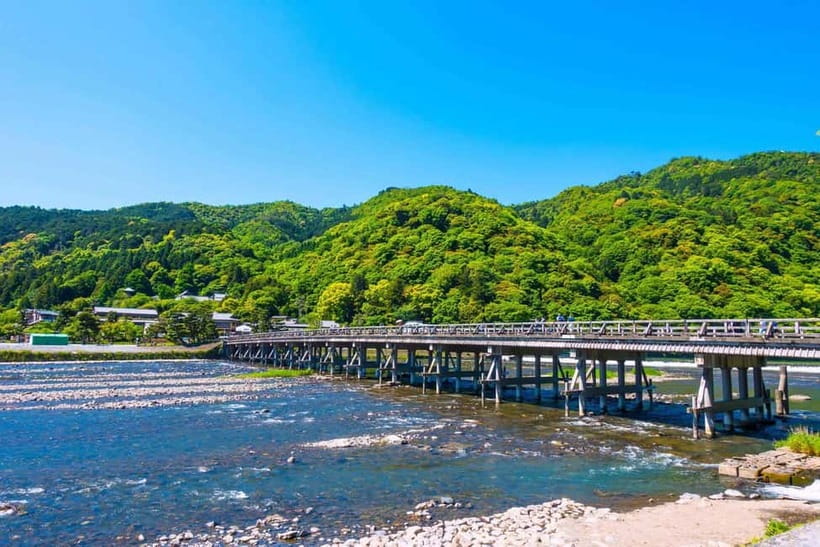
Togetsukyo Bridge is Arashiyama’s visual anchor. It crosses the leisurely flowing Oi River and frames views toward the surrounding hills. Seasonal changes add much of the appeal: cherry blossoms are associated with spring, while autumn brings colorful leaves.
You get free time here to take photos, enjoy the river, or sit for a while. This is a welcome pause after the climb, temple visit, and bamboo walk. The bridge area also helps you understand Arashiyama as a river district, rather than a collection of unrelated attractions.
The tour description includes a leisurely boat trip on the Oi River among its highlights. However, the included list names the monkey park, bamboo grove, Tenryuji, and monkey food, while transportation and personal expenses are excluded. No separate boat price or firm boat schedule is provided.
Treat the boat ride as something to confirm, not as a guaranteed part of the $38 package. Ask the provider whether it is available on your date, where it starts, how long it lasts, and whether you pay separately. This is the one point that needs clarification before booking.
What the $38 Price Really Covers
At $38 per person, this is a good-value introduction to Arashiyama if you want a private guide. The price includes entry to Iwatayama Monkey Park, Tenryuji Temple, the bamboo forest experience, and the supervised monkey feeding fee. You are paying for a guide who can translate, explain, pace the walk, and help with photographs.
The private setup is most valuable for a couple, family, or small group that wants a flexible pace. Masa has adjusted the walking speed for guests who needed to avoid exhaustion, and he can offer food suggestions and local advice after the main route.
The price does not cover transportation to and from the attractions or personal spending. You should also clarify the boat ride, because the headline information presents it differently from the included items. Bring water, snacks, rain gear, and 100-yen coins for food bags.
There is also an unusual restriction for people with lactose intolerance. The tour lists it among conditions for which the activity is not suitable, although the listed monkey food and walking program do not explain why. If that applies to you, ask the provider for a clear explanation before reserving.
Who Should Book This Experience
I would choose this tour if you have one morning or afternoon for Arashiyama and want a guide rather than a self-guided checklist. It suits animal lovers, first-time Kyoto visitors, families with older children, and anyone who wants cultural context at Tenryuji.
It is also a strong choice for visitors who appreciate practical help. Masa can take photos, keep the pace manageable, explain the sights in English, and suggest food or other local stops. Several people have praised his friendly manner and clear explanations, which are useful qualities in a private tour.
I would be cautious if you dislike hills, have limited mobility, or want a slow, extended visit at every stop. The monkey park requires a sustained uphill walk, and the short overall duration may force quick visits if the temple, bamboo grove, bridge, and boat are all included.
You should also bring rain gear. The park and river sights are outdoor experiences, and the tour does not promise shelter beyond the monkey feeding rest area and temple buildings.
Booking Advice for a Smooth Visit
Meet at Hankyu-Arashiyama Station and double-check the station name before leaving. Wear shoes with good support, carry water, and keep your camera ready, since the guide may offer to take photos at scenic points.
Do not bring food into the monkey rest area. Buy the approved food there and feed only under supervision. Keep your hands and belongings in line with park instructions, and do not touch the plants or animals.
The tour allows free cancellation up to 24 hours in advance, and you can reserve now and pay later. That flexibility helps if your Kyoto schedule is still changing, but it does not remove the need to confirm the boat detail and total timing.
Should You Book the Monkey Park and Arashiyama Tour?
Book it if you want the main Arashiyama sights with a private English-speaking guide, especially at a low per-person price. The combination of macaques, Kyoto views, Tenryuji, bamboo, and the river gives you a satisfying snapshot of the district.
Skip it if the uphill climb is a concern, if you need wheelchair access, or if you want a leisurely boat-centered outing. Before paying, ask for the exact three-hour schedule and whether the Oi River boat ride is included or arranged separately. With those points settled, the tour offers a practical and friendly way to see Arashiyama without sorting out every stop alone.
FAQ
Where does the tour meet?
The meeting point is outside the ticket gates at Hankyu-Arashiyama Station. The guide holds a sign with your name in the station plaza. Do not go to Randen-Arashiyama or JR-Arashiyama Station.
How long does the tour last?
The activity is listed as three hours. The detailed schedule describes about one hour at the monkey park and additional time for Arashiyama sights, so confirm the exact timing if you want to visit every listed stop.
Is the tour private?
Yes. This is a private group experience with a live English-speaking guide.
Who is the guide?
The guide is Masahiko, also called Masa. He speaks English, explains the sights and monkey behavior, helps set a steady walking pace, and can take photos during the tour.
How difficult is the walk to the monkey park?
You should expect about a 20-minute uphill walk to reach Iwatayama Monkey Park. Comfortable walking shoes and water are recommended.
Can I feed the monkeys?
Yes. Supervised feeding is included, and you feed the monkeys only from inside the park’s rest area. Do not bring food into the rest area.
Is monkey food included?
The feeding fee is included. The tour information also advises bringing 100-yen coins for food bags.
Is transportation included?
No. Transportation to and from the attractions is not included. Personal expenses are also separate.
Is the boat trip on the Oi River included?
The boat trip appears among the tour highlights, but the included items do not give a boat price or clear schedule. Confirm with the provider whether it is available and whether you pay separately.
Just added around Kyoto
- Sekka Cotton Furoshiki Class★ 5.0 · 19 reviews
- Kyoto Sword Experience – includes Museum Ticket/Ninja Experience★ 4.5 · 149 reviews
- Scenic Green Tea Fields of Hidden Kyoto & Local Tea Exp (Private)★ 5.0 · 32 reviews
- Secret Eastern Kyoto Biking Adventure★ 5.0 · 44 reviews
- Private Sake Tasting in Central Kyoto with Sake Sommelier★ 5.0 · 32 reviews
- Samurai School in Kyoto: Samurai for a Day★ 5.0 · 202 reviews
- SHIRAKAWA Japanese Culture Experiences with private English staff★ 5.0 · 16 reviews
- A Privately Guided Photoshoot in Beautiful Kyoto by a Pro★ 5.0 · 18 reviews
Private, compared.
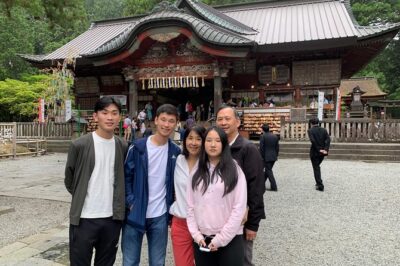
Private Tour to Mt. Fuji and Hakone (Fully Licenced Operator)
Our verdict →
Fushimi Inari Hidden Hiking Tour (Private Option Available)
Our verdict →
Private Kyoto Tour with a Local, Highlights & Hidden Gems, Personalised
Our verdict →
Tokyo Customized Private Tour (Must See Places in 1 Day)
Our verdict →
Tokyo 4hr Private Tour with Government-Licensed Guide
Our verdict →
Tokyo, Shaped Around You: A Private Experience with a Local
Our verdict →