
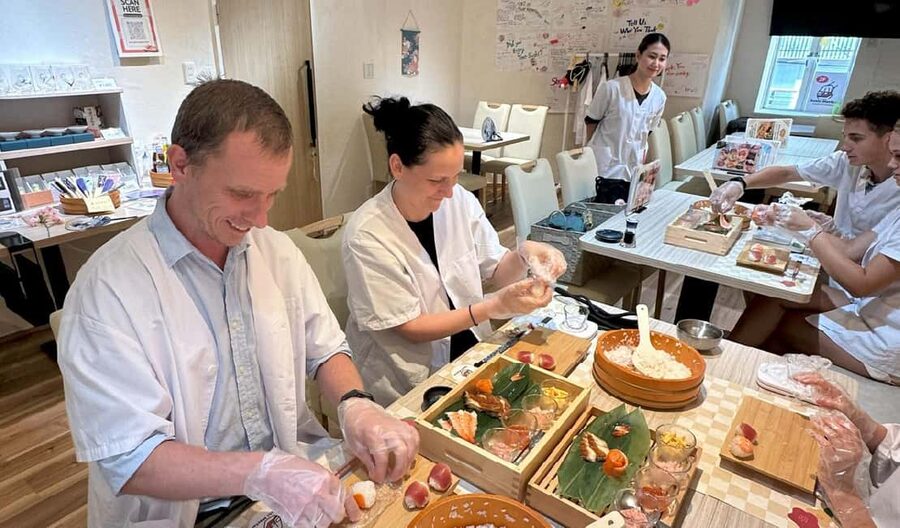
Reviewed · SUSHI EXPERIENCES
Osaka: Sushi Making in Spacious Studio (SAME-DAY OK!)
Making sushi yourself turns a familiar Japanese meal into a hands-on lesson in rice, texture, and balance. In this 90-minute class near Namba, an English-speaking instructor guides you through the basics, then you eat the sushi you made instead of watching a chef do all the work.
I like the friendly, personal teaching style, especially from instructors such as Naho, Matsuri, Aki, Seina, and Tsuki. I also like the practical extras: a sushi certificate and small Japanese souvenir. The main consideration is that the class focuses on approachable sushi basics, not advanced knife skills or professional chef training.
Key points at a glance
- Three minutes from Namba Station: The central location makes this easy to fit between sightseeing, shopping, and dinner.
- English-speaking instruction: You get clear guidance on sushi rice and hand assembly, with time to ask questions.
- Eight or 10 pieces to eat: The standard course includes 8 pieces, while the premium course includes 10.
- Several sushi styles: Classes may cover basics such as nigiri and gunkan, with some sessions also featuring rolls or temari sushi.
- Vegetarian substitutions available: Fish toppings can be replaced with vegetable-based ingredients if you contact the provider in advance.
- A cheerful finish: You leave with your handmade meal, a Sushi Master Certificate, and a small souvenir.
What the 90-minute Namba class is really like
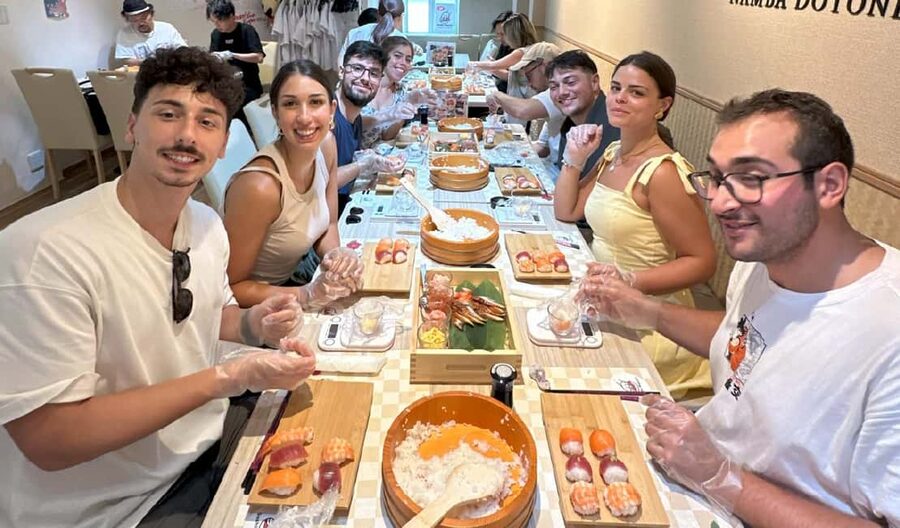
This is a compact food experience built around participation. You are not sitting through a long cooking lecture, and you are not expected to arrive with sushi-making skills. The instructor welcomes you, explains some Japanese food culture in English, and gets you working with the ingredients.
The class takes place on the second floor of a narrow orange building in Namba. The room is described as spacious, which matters in a hands-on class where everyone needs room for plates, rice, seaweed, and toppings. Find Sushi Master Namba on Google Maps, but allow a little extra time because the map pin may be slightly off. The practical clue is the orange building and the second-floor location.
The session lasts 90 minutes. That is long enough to explain the basics, assemble your sushi, take a few photos, and sit down to eat, but short enough to fit into a busy Osaka day. I would allow a little time before the start to find the building, especially if you are coming from the crowded Namba streets.
More Sushi Experiences in Osaka
- Sushi Making Osaka Roll and Authentic Japanese Sushi Class
★ 5.0 · 1,220 reviews - Osaka Sushi Making Experience
★ 5.0 · 400 reviews - Osaka Sushi Making Class – Hands-On Nigiri & Rolls (Same-Day OK)
★ 5.0 · 352 reviews
A warm introduction to Japanese sushi culture
The class begins with a welcome and an introduction to Japanese food culture. Some sessions use an informative video at the start, which gives you context before the hands-on work begins.
This opening is useful because sushi is more than fish placed on rice. The class helps you understand the role of seasoned rice, the importance of shaping, and how different toppings and forms create different kinds of sushi. You do not need a long historical lecture, but a short cultural explanation makes the meal feel more meaningful.
English is one of the strongest practical advantages here. The instructors are described as fluent and easy to follow, and names that come up include Naho, Matsuri, Aki, Seina, and Tsuki. The teaching style appears to be relaxed and personal. You can ask questions as you go, rather than trying to copy a demonstration from across a large room.
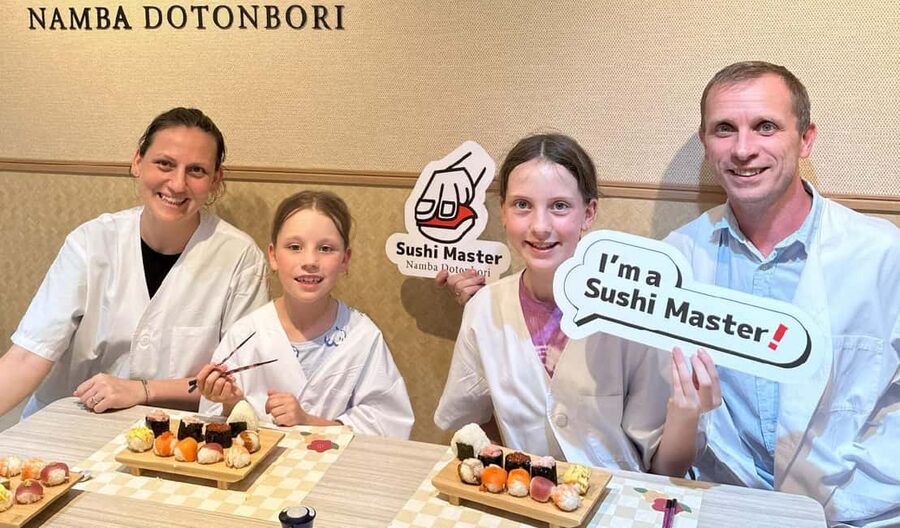
If you are traveling alone, that personal attention can make a difference. One solo participant found the setting comfortable and easy to join. Families and couples also fit naturally into the format, since the work is simple enough for beginners and active enough to keep children engaged.
The rice lesson matters more than it sounds
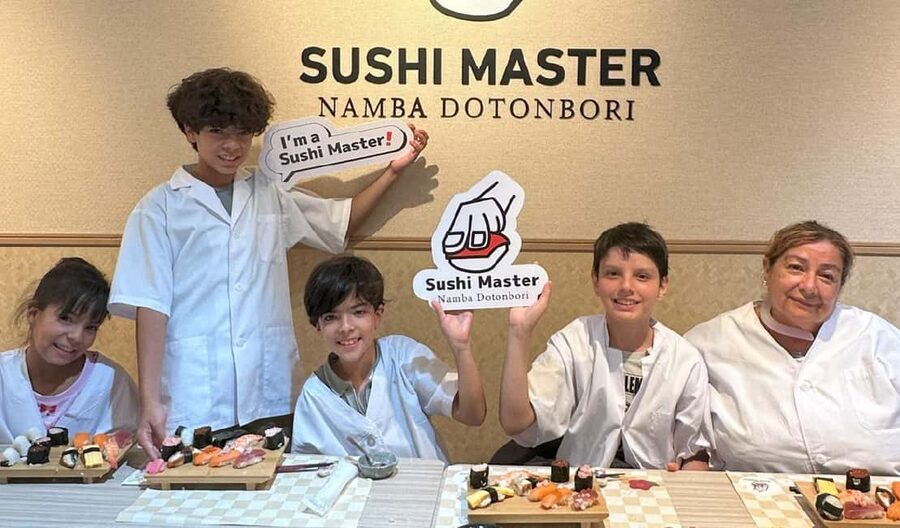
The class places clear attention on sushi rice. That is a good choice. At home, people often think the topping is the hard part, but the rice controls the shape, taste, and texture of the finished piece.
You learn the basics of making or handling sushi rice, including cooling it before assembly. In some sessions, the rice and other ingredients are prepared in advance, so you are not spending the entire class washing rice, cooking fish, or handling complicated kitchen equipment. This keeps the focus on the part you can repeat at home: shaping and assembling sushi properly.
That approach has both a benefit and a limit. You get more time for the enjoyable part, and the class stays manageable within 90 minutes. On the other hand, you should not book this expecting a full professional lesson in rice cooking, fish butchery, or knife technique. It is a beginner-friendly sushi assembly class with useful instruction about rice, not chef school.
Making nigiri, gunkan, and other basic forms
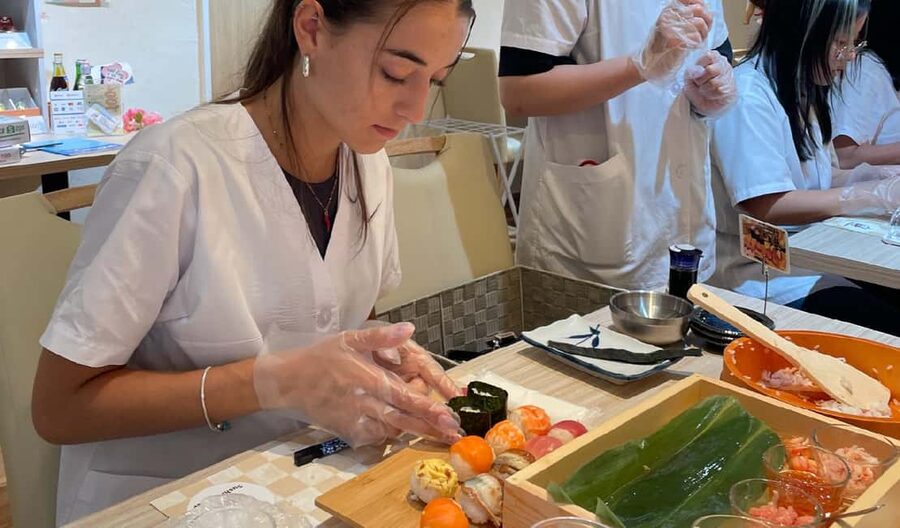
The exact selection can vary, but the class covers approachable sushi forms. Nigiri and gunkan are among the basic styles used in the experience. Some sessions also include rolls and temari sushi, the small rounded style that can be especially fun for first-timers.
Nigiri gives you the classic exercise: place and shape the rice, then add a topping with the right amount of pressure. Gunkan uses a strip of seaweed around the rice, creating a small cup for its topping. These forms look simple, but they teach you how much hand pressure is enough and how to keep the rice from falling apart.
Temari sushi offers a different challenge. Its rounded shape is less formal than classic nigiri and can be visually appealing. It also gives the class a playful element, which helps explain why families and groups tend to enjoy the experience.
You are not left to guess. The instructor demonstrates each step and helps when a piece looks loose, too large, or uneven. The goal is not perfect restaurant presentation. The goal is to understand the basic movements and end up with food you are pleased to eat.
Same trip, a completely different kind of day:
- Osaka Go Karting Tour with Funny Costume
★ 5.0 · 2,658 reviews - Osaka Castle: Museum and Tower Entry Ticket
★ 4.5 · 2,380 reviews - Osaka: Shinsekai Food Tour with 13-15 Dishes at 5 Eateries
★ 4.8 · 2,204 reviews - Osaka Food Tour: 13 Dishes at 5 Local Eateries
★ 5.0 · 2,149 reviews
Eight or 10 pieces, with a meal at the end
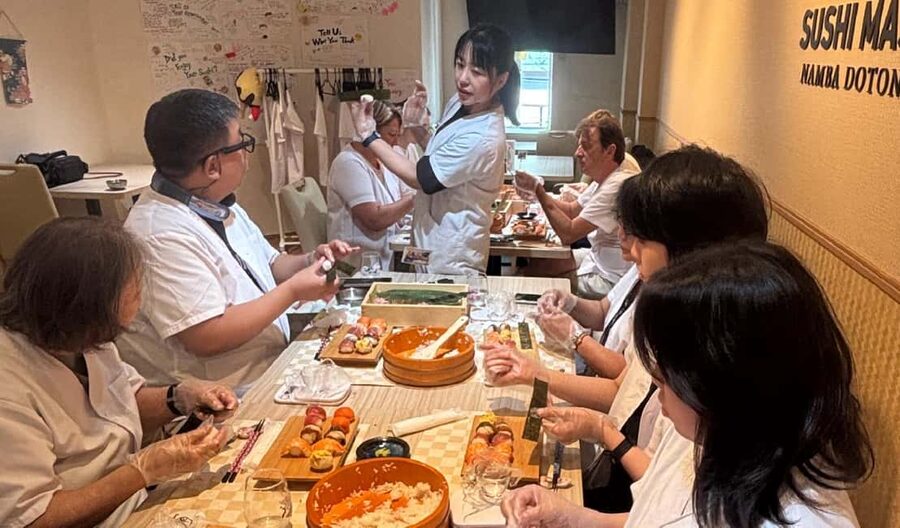
The standard sushi-making course includes 8 pieces. The premium course includes 10. That is a useful distinction when comparing the options, particularly if you are booking for a hungry adult or using the class as a light lunch.
The portions are more substantial than a quick sample. You make the sushi, then eat it on the spot, so the food functions as both lesson material and meal. Several participants found the amount satisfying, and the ingredients were described as good quality and fresh-tasting.
The meal is included in the price because you eat the sushi you prepare. Drinks are separate. You can order soft drinks or alcohol during the class, including sake if available at the session. Do not bring outside food or drinks.
I like this setup because there is no awkward question about what happens to your finished work. You make it, photograph it if you wish, and eat it while it is fresh. The only caution is to arrive ready to participate. If you want a completely passive tasting, a sushi restaurant will suit you better.
The instructors are the heart of the experience
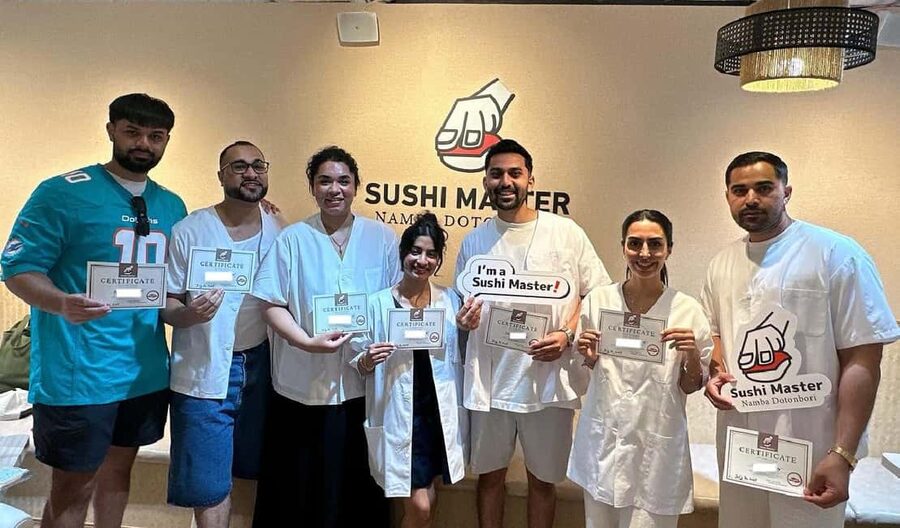
The food is important, but the teachers shape the mood. Naho is repeatedly described as kind, patient, and attentive, with a clear way of explaining each part of the process. Matsuri is also noted for a warm and enthusiastic teaching style. Aki is praised for clear communication and strong sushi knowledge, while Seina and Tsuki are described as friendly, patient, and helpful.
Those details matter more than a polished room or a long menu. Beginner cooking classes can become stressful when the teacher moves too quickly or assumes too much. Here, the repeated emphasis is on patience, simple explanations, and help at the work station.
The class also seems comfortable with photos. One instructor was happy to take pictures for participants, which is useful when you want a record of the experience but do not want to interrupt the class to manage your phone. Keep in mind that this is still a working food class, so photos should not replace attention to hygiene and instructions.
Vegetarian requests need advance notice
Vegetarian options are available, but you must contact the provider in advance. Fish toppings can be replaced with vegetable-based ingredients.
That is a useful option, but do not simply arrive and hope for a last-minute change. Send a direct message before the class and explain the needs of everyone in your group. The information provided does not list every substitute or address other dietary restrictions, so mention allergies ahead of time as well.
The class asks you to report allergies in advance. This is especially important in a food activity involving rice, seaweed, fish, egg, and other prepared ingredients. The safest approach is to be specific rather than saying only that you have some dietary concerns.
Is $25 a good value in Osaka?
At $25 per person, this is a strong value if you want more than a meal. You receive the ingredients, the instruction, 8 or 10 pieces of sushi, a certificate, and a small Japanese souvenir. The 90-minute format also gives you a cultural activity without consuming half a day.
The price works particularly well for families. Everyone gets something to do, and the finished food becomes part of the reward. It also makes sense for solo visitors, since the instructor helps you feel included rather than leaving you to work silently beside a group.
The value is less obvious if your only goal is to eat the finest sushi in Osaka. At $25, you should not compare this with a high-end sushi counter. You are paying for food plus instruction, interaction, and a memory you can partly repeat at home. If you already have several food tours and restaurant meals planned, the class may feel less essential. If you want to understand how sushi is assembled, the price is easy to justify.
The certificate and souvenir are small but useful
At the end, you receive a Sushi Master Certificate and a small Japanese souvenir. The certificate is clearly playful rather than a professional qualification, but it gives the class a satisfying finish.
For children, it turns the activity into a small achievement. For adults, it is a fun reminder of the day and a better keepsake than another generic shopping purchase. The souvenir is not described in detail, so treat it as a modest extra rather than a major part of the value.
I also like the certificate because it marks the difference between this and simply ordering sushi. You leave having learned a process, made your own food, and taken home a tangible reminder.
Who should book this class?
This is a good match for first-time sushi makers, families, couples, solo visitors, and anyone who wants a low-pressure cultural activity near central Osaka. It is also useful on a rainy day, since the experience takes place indoors and lasts only 90 minutes.
You will probably enjoy it most if you like to work with your hands and are willing to accept imperfect shapes. Your sushi may not look like a chef’s first attempt, and that is part of the fun. The instructors help you improve, but the class is not built around strict technical perfection.
I would also recommend it to visitors who have eaten plenty of sushi but have never thought about the rice or construction. The lesson gives you a better eye for why sushi holds together and why the rice is so important.
You may want to skip it if you dislike seafood, do not want to handle food, or are looking for advanced culinary training. Vegetarian substitutions are possible with notice, but the class is still centered on sushi. It is also not a private chef lesson unless your booking arrangement specifically says so.
Practical details before you go
The studio is about three minutes from Namba Station, but finding the exact entrance may take longer than expected because the map can be slightly misaligned. Search for Sushi Master Namba, then look for the narrow orange building and go to the second floor.
Smoking is not allowed. Outside food and drinks are also not allowed. Soft drinks and alcohol can be ordered during the class, but they are not included in the $25 price.
Starting times vary, so check availability for your date. Same-day booking may be possible when places remain, which is handy if the weather changes or you want to fill an open afternoon. Still, vegetarian requests and allergy information should be sent in advance.
Cancellation is flexible up to 24 hours before the activity for a full refund. You can also reserve and pay later, which helps if your Osaka schedule is still moving around.
Final decision: book it for the hands-on experience
I would book this class if you want a friendly, affordable activity that combines food, culture, and a little creative work. The best parts are the clear English instruction, the chance to ask questions, the satisfying meal you make yourself, and the warm teaching style associated with instructors such as Naho, Matsuri, and Aki.
Go in expecting sushi basics, not professional chef training. Contact the provider early for vegetarian substitutions or allergy questions, allow extra time to find the orange building, and choose the 10-piece premium course if you want a fuller meal. For a modest price and a short time commitment, this is an easy way to add a personal food memory to your Osaka stay.
FAQ
Where is the sushi-making class located?
The class is in Namba, about three minutes from Namba Station. Find Sushi Master Namba on Google Maps, then look for the second floor of a narrow orange building. The map may be slightly misaligned, so call 0664848070 if you have trouble finding it.
How long does the sushi-making experience last?
The experience lasts 90 minutes. Starting times vary, so check availability for your chosen date.
How many pieces of sushi will I make?
The standard course includes 8 pieces. The premium course includes 10 pieces.
Is the class taught in English?
Yes. Instruction is available in English and Japanese, and the sushi-making class is led by English-speaking instructors.
Are vegetarian options available?
Yes. Fish toppings can be replaced with vegetable-based ingredients, but you must contact the provider in advance. You should also report any allergies before the class.
Are drinks included in the price?
No. Soft drinks and alcohol can be ordered during the class, but drinks are not included. Outside food and drinks are not allowed.
Just added around Osaka
- Exclusive Sushi Making Experience with a Master Chef – Osaka Area★ 5.0 · 25 reviews
- Private Home-Style Cooking Class in Osaka with Local Mom Yoshiko★ 5.0 · 46 reviews
- Hidden Osaka – Yukaku Red Light Tour & Culinary Adventure★ 4.8 · 96 reviews
- Osaka: Walking Tour and Top Highlights★ 4.8 · 104 reviews
- Osaka: Private Ceramic Painting Workshop★ 5.0 · 13 reviews
- Pickleball in Osaka, Kobe & Kyoto with Locals!★ 4.7 · 80 reviews
- Eat Like a Local in Osaka – Private Custom Street Food Tour★ 4.3 · 33 reviews
- Osaka:SUMO BEATS SHOWCASE: Taiko Drum and Wagyu burger!★ 4.2 · 37 reviews
Sushi Experiences, compared.
Sushi Making Tokyo Roll and Authentic Japanese Sushi Class
Our verdict →
Sake Omakase in Tokyo: Guided Tasting by Certified Sommeliers
Our verdict →
Browse the lists this tour appears in