
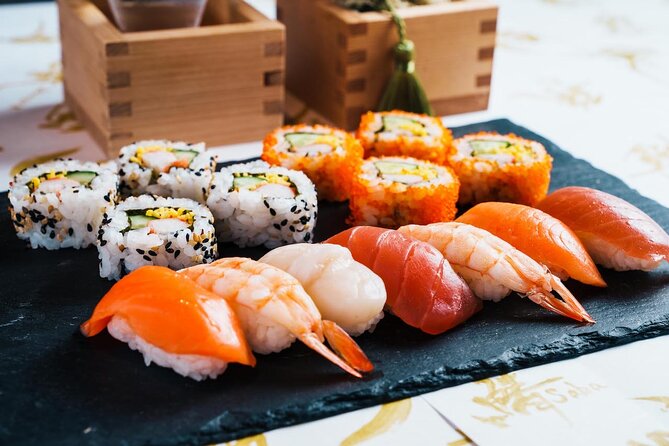
Reviewed · SUSHI EXPERIENCES
Sushi Making Osaka Roll and Authentic Japanese Sushi Class
Osaka’s best food lesson may be the one you can eat before leaving the room. In this hands-on sushi class, you learn to shape nigiri and roll maki, then sit down to eat your own work near Dotonbori. It is a tasty way to turn a restaurant meal into a skill you can try again at home.
I like the ready-prepped ingredients, which keep the class focused on technique rather than chopping and shopping. I also like the English-speaking instructors, whose names include Reika, Fuko, Aina, Arisa, Matty, Yui, and Ina, depending on the session. The main caution is timing: the class is listed at about 1 hour 40 minutes, and a few people found the eating and photo time tight.
Key points
- Make both maki and nigiri: You learn two basic sushi styles rather than only rolling one type.
- Eat a proper amount: One session can produce one maki roll and roughly four to eight pieces of nigiri, depending on your pace.
- Learn near Dotonbori: The class is at 1-chōme-16-20 Higashishinsaibashi, close to the Dotonbori and Shinsaibashi areas.
- Good for first-timers: No cooking experience is required, and children can take part with patient instruction.
- Choose your session: Morning, afternoon, and evening times make it easy to fit around sightseeing.
- Keep an eye on special diets: Vegetarian and fish options are available, but dietary requests should be included when booking.
Making sushi a meal, not just a demonstration
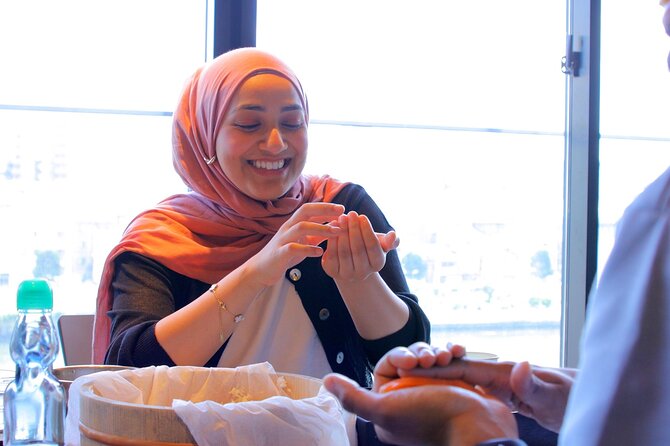
Many Japanese cooking classes ask you to watch a skilled cook work, then taste a small portion. This one puts your hands on the rice, seaweed, and toppings. That difference matters.
You are not expected to arrive with knife skills or restaurant technique. The instructor guides you through the process step by step, explains what you are doing, and helps when your rice is too loose or your roll is not quite as tidy as the example. The finished sushi may not look professional, but that is part of the fun. You see how much control goes into the neat pieces served at a sushi counter.
The class includes the ingredients and the meal, so the $31.01 price is not just an admission fee. You are paying for instruction, food, an English-speaking teacher, and a central Osaka activity that takes less than two hours. Compared with simply buying lunch, it costs more. Compared with a longer cooking workshop, it is a fairly approachable price.
I would treat it as an activity with lunch built in, not as a cheap meal. That makes the value clearer.
More Sushi Experiences in Osaka
- Osaka Sushi Making Experience
★ 5.0 · 400 reviews - Osaka Sushi Making Class – Hands-On Nigiri & Rolls (Same-Day OK)
★ 5.0 · 352 reviews - Osaka: Roll and Authentic Sushi Making Class in Dotonbori
★ 4.9 · 239 reviews
Finding the class near Dotonbori and Shinsaibashi
The meeting point is Sushi Making Osaka, at 1-chōme-16-20 Higashishinsaibashi, Chuo Ward, Osaka. It is close to Dotonbori and Shinsaibashi, two of the easiest areas to pair with a food lesson and an evening walk.
The address is near public transportation, but allow extra time to locate the entrance. One useful detail from the experience is that the classroom is on the third floor in a small room. The building location can be easy to miss, especially if you are navigating crowded streets, signs, and nearby shops.
Arrive early enough to find the correct door without cutting into your lesson. A mobile ticket is accepted, and the activity begins and ends at the same meeting point. There is no hotel pickup or drop-off, so you handle your own way there and back.
That central location is a real advantage. You can schedule the class before exploring Shinsaibashi, use it as a lunch stop between shopping and sightseeing, or book an evening session before heading into Dotonbori for more food.
What happens during the 1-hour-40-minute class
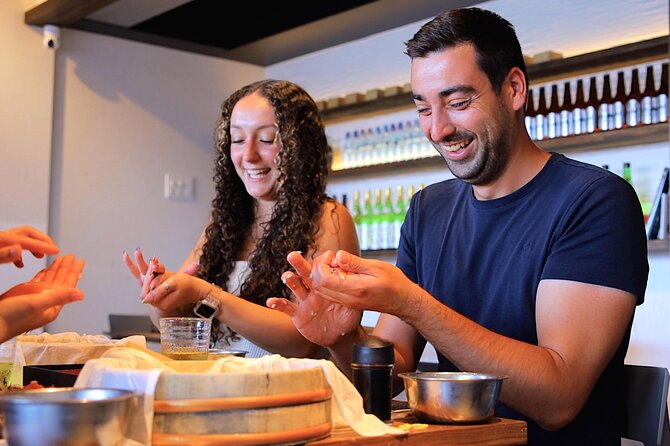
The session follows a simple pattern: introduction, instruction, practice, assembly, and eating. Ingredients are prepared before you arrive, which leaves the instructor more time to explain the techniques.
You begin with an introduction to sushi and some background on how it developed in Japan. The cultural part gives the activity more meaning than a basic roll-making lesson. You learn why sushi is shaped in different ways and how maki and nigiri differ.
The class then moves into preparation. You practice handling rice, working with nori, and arranging fillings for a maki roll. The instructor demonstrates the movements before you try them. You do not need to make perfect sushi on your first attempt, and the relaxed teaching style helps keep the class friendly rather than formal.
Next comes nigiri. This is the part many beginners find harder than expected. A small, even portion of rice must be shaped without crushing it, then paired with a topping. The instructors circulate around the table to help with hand position and shaping. You may make about four to eight nigiri pieces, depending on your speed.
Finally, you eat what you have made. That is the payoff, and it also lets you judge your work. The quantity is generally enough to function as a light lunch or meal, with one maki roll and several nigiri pieces. You are not simply decorating food for a photograph, then leaving hungry.
Maki and nigiri give you two useful skills
The class earns its title by teaching both rolled and hand-formed sushi.
Maki is the more familiar starting point. You spread rice, add fillings, and use nori to form a roll. The challenge is using enough rice without overfilling the seaweed. A roll that looks easy when made by a professional becomes a small engineering project when you try it yourself.
Nigiri teaches a different technique. Instead of wrapping the ingredients, you form rice into a compact shape and place fish or another topping over it. This looks simple, but pressure matters. Too much and the rice becomes dense. Too little and the piece falls apart.
The useful thing about learning both is that you leave with a better sense of sushi construction. You may not recreate a restaurant platter at home immediately, but you can understand the basic steps and avoid some common mistakes.
The class also offers vegetarian and fish options. If you have a dietary preference or cannot eat a particular ingredient, note it at the time of reservation. A request made during the class may not be possible to accommodate, and one person specifically found that a shrimp substitution was unavailable.
Same trip, a completely different kind of day:
- Osaka Go Karting Tour with Funny Costume
★ 5.0 · 2,658 reviews - Osaka Castle: Museum and Tower Entry Ticket
★ 4.5 · 2,380 reviews - Osaka: Shinsekai Food Tour with 13-15 Dishes at 5 Eateries
★ 4.8 · 2,204 reviews - Osaka Food Tour: 13 Dishes at 5 Local Eateries
★ 5.0 · 2,149 reviews
The instructors set the tone
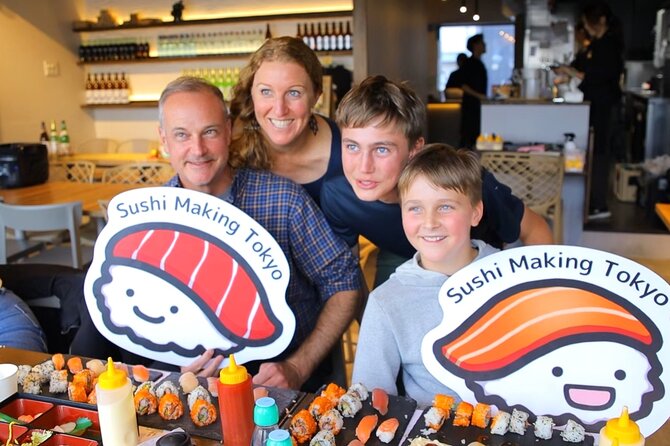
The strongest part of this experience is the teaching. Different sessions have different instructors, but the names praised most often include Reika, Fuko, Fujiko, Aina, Arisa, Matty, Yui, and Ina.
Reika has been noted for explaining sushi history while keeping the lesson easy to follow. Fuko was praised for patience, humor, and clear guidance, particularly during a first sushi class with a parent and son. Aina and Arisa have been described as warm and personable, while Matty and Yui brought an entertaining approach to the lesson.
That variety matters because a group class depends heavily on the person at the front of the room. The best instructors do more than demonstrate. They walk around the table, correct small mistakes, answer questions, and keep children involved. Families have found the class manageable even with younger participants, and teenagers can take part without being treated like spectators.
The class is conducted in English, which makes the instructions practical for international visitors. Still, an instructor’s speaking style may vary. If you miss a step, ask for it again. This is a hands-on lesson, so watching carefully and copying the motion will help as much as listening.
A good fit for families, couples, and first-time cooks
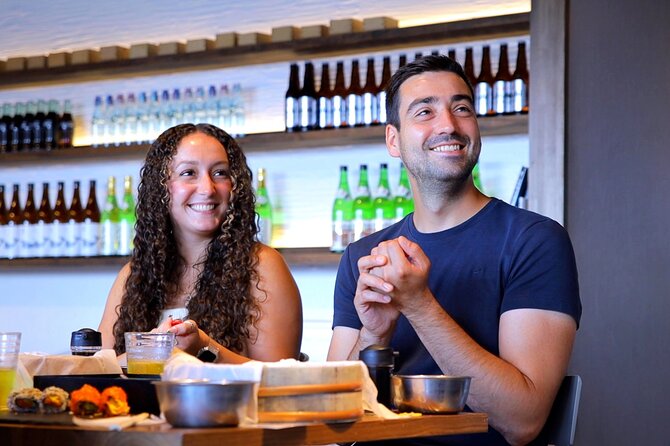
You do not need cooking experience. That makes the class useful for someone who enjoys sushi but has never tried making it, as well as for families looking for an activity beyond shopping and sightseeing.
Children can participate, though the session still requires attention and careful handling of food. Parents should expect some uneven rolls and oddly shaped nigiri. That is normal, and the instructors appear used to helping beginners without making the mistakes feel embarrassing.
Couples and small groups get a shared task rather than a meal where everyone simply sits and eats. You can compare rolls, take a few photos, and leave with a story that is more personal than another restaurant stop.
The maximum group size is 20 people. That is large enough for a social atmosphere, but it also means this is not a private lesson. The amount of individual help you receive can depend on the group and on how quickly everyone works.
Solo visitors can also fit in comfortably, especially if they enjoy meeting people during a class. The format is communal, not intimate, so choose it for interaction rather than quiet instruction.
What the food quantity and quality mean for the price
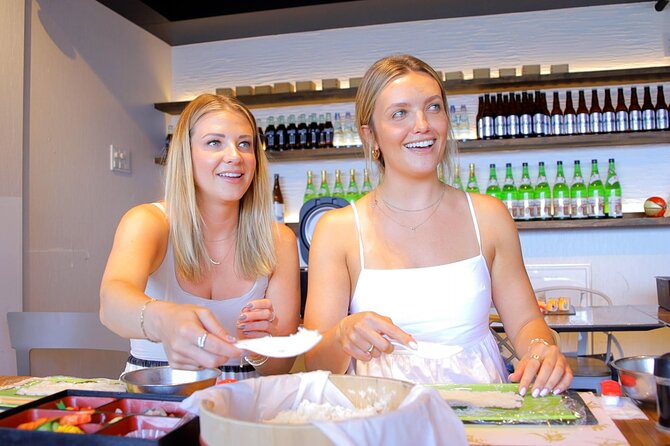
The food is more generous than a token tasting. You can expect ingredients for a maki roll and several nigiri, with one account estimating four to eight nigiri pieces depending on pace. Several sessions have been described as plentiful enough that you will not leave hungry.
That helps justify the $31.01 price. You receive an activity and a meal, and the lesson adds value if you want to repeat the process at home. The prepared ingredients also save time and keep the class moving.
Still, do not compare it with an all-you-can-eat sushi lunch. The point is to make the food yourself, and the ingredients are portioned for the lesson. If your main goal is eating the largest possible amount of sushi, a restaurant may be better value.
Food safety and presentation are worth noting. One concern raised about a session involved fish sitting at room temperature for much of the lesson, with a preference for keeping it over ice. This is not a reason to dismiss the activity, but it is a fair question if food handling is important to you. You can ask the instructor how ingredients are managed before starting.
Photo time and the pace of the room
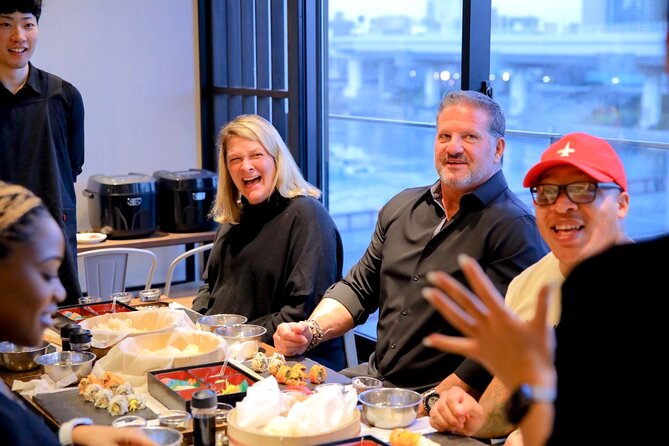
The class has a fixed schedule, and the room must be reset for the next group. Most sessions appear to finish on time, but that structure can make the last part feel hurried.
You will have opportunities to photograph your sushi, yet you should not assume you can spend a long time arranging a personal food shoot. One person felt rushed while eating and taking photos as the staff cleaned up. Others found the timing comfortable and said it left enough space to learn, eat, and enjoy the activity.
Your pace matters. If you work slowly, listen closely at the beginning and ask for help early. Waiting until the final minutes to shape every piece can leave little time to eat. If photographs matter to you, take a few during the process rather than saving everything for the end.
The room lighting may not be ideal for food photos. A dark shadow has been noted in pictures, so this is more about making sushi than producing perfect social media images.
The cultural side is brief but useful
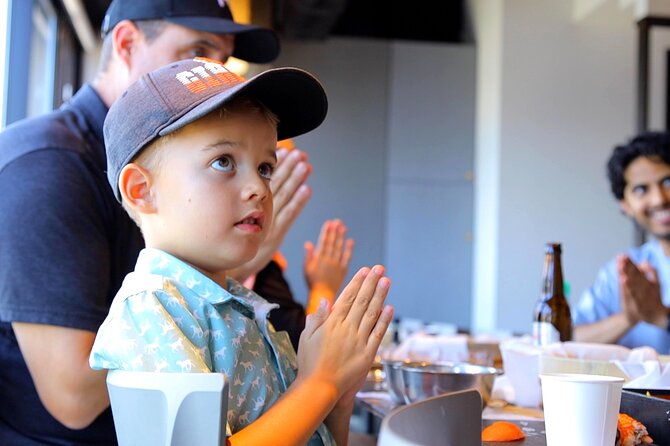
The instructor explains some sushi history and cultural context before the practical work. This gives you a better idea of why the two styles look and feel different, rather than reducing sushi to rice plus toppings.
The history portion is not the main event. One person wanted less explanation and more making and eating time. If you prefer nonstop cooking, you may find the introduction slightly long. If you like knowing where a food tradition comes from, the background improves the lesson.
I would think of the cultural material as a short primer, not a full food-history lecture. The balance generally works because the class still gives you plenty of time to prepare and eat, but the exact pace can vary with the instructor and group.
Practical details before you book
The activity is offered in the morning, afternoon, and evening. That flexibility is helpful in Osaka, where you may want to reserve your main sightseeing time for temples, markets, or shopping.
You receive confirmation when booking, and free cancellation is available until 24 hours before the start time. Cancellations or changes made inside that window are not refunded or accepted. The cutoff follows Osaka local time.
Service animals are allowed. The activity is near public transportation, and it is limited to a maximum of 20 participants. Since the tour begins and ends at the classroom, plan your own transport and allow time to find the third-floor room.
If you have vegetarian needs, fish restrictions, or allergies, include them in the reservation. Do not rely on making the request after you arrive. The ingredients are prepared ahead, so last-minute changes may not be possible.
Should you book this Osaka sushi class?
Book it if you want a friendly, practical food activity near Dotonbori and you like the idea of eating your own work. It is especially well suited to families, couples, first-time cooks, and anyone who wants more than another restaurant meal.
The class is not ideal if you want a private chef lesson, a long photography session, alcohol with your food, or a slow meal with no fixed end time. It is also worth thinking twice if you are very particular about substitutions or want detailed control over every ingredient.
For $31.01, the combination of instruction, prepared ingredients, and a filling sushi meal is fair value. The best reason to book is not that you will become a sushi chef in 100 minutes. It is that you will understand the basic techniques, laugh at the imperfect pieces, and leave Osaka with a skill you can try again.
FAQ
How long does the sushi-making class last?
The activity lasts approximately 1 hour and 40 minutes.
Where does the class meet?
It meets at Sushi Making Osaka, Cooking Class in Japan, at 1-chōme-16-20 Higashishinsaibashi, Chuo Ward, Osaka, 542-0083, Japan.
Does the class end at the same place?
Yes. The activity ends back at the meeting point.
Is the class taught in English?
Yes. An English-speaking instructor leads the session.
What types of sushi will I make?
You will learn to make maki rolls and authentic nigiri sushi.
Is cooking experience required?
No. The class is designed for beginners, and all ingredients are prepared before the session.
Can I request vegetarian or dietary options?
Vegetarian and fish options are available, but you should state dietary preferences when making the reservation. Changes may not be possible after the class begins.
Just added around Osaka
- Exclusive Sushi Making Experience with a Master Chef – Osaka Area★ 5.0 · 25 reviews
- Private Home-Style Cooking Class in Osaka with Local Mom Yoshiko★ 5.0 · 46 reviews
- Hidden Osaka – Yukaku Red Light Tour & Culinary Adventure★ 4.8 · 96 reviews
- Osaka: Walking Tour and Top Highlights★ 4.8 · 104 reviews
- Osaka: Private Ceramic Painting Workshop★ 5.0 · 13 reviews
- Pickleball in Osaka, Kobe & Kyoto with Locals!★ 4.7 · 80 reviews
- Eat Like a Local in Osaka – Private Custom Street Food Tour★ 4.3 · 33 reviews
- Osaka:SUMO BEATS SHOWCASE: Taiko Drum and Wagyu burger!★ 4.2 · 37 reviews
Sushi Experiences, compared.
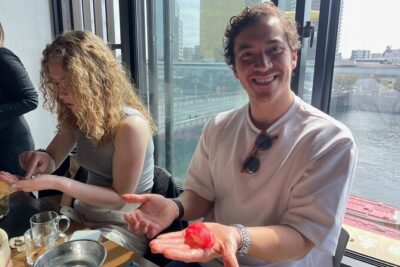
Sushi Making Tokyo Roll and Authentic Japanese Sushi Class
Our verdict →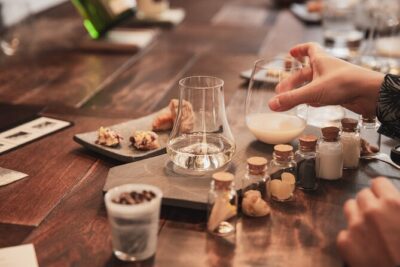
Sake Omakase in Tokyo: Guided Tasting by Certified Sommeliers
Our verdict →
Browse the lists this tour appears in