Reviewed · TEA CEREMONY EXPERIENCES
Kyoto: Tea Ceremony with Kimono and Photoshoot
Kyoto’s tea ceremony is usually quiet and precise, but this experience gives you a friendly way into that world: you put on a kimono, watch the ritual explained in English, then prepare your own matcha. The professional photos turn a short cultural lesson into a keepsake you can take home.
I like the chance to choose your kimono color and, if applicable, hair accessories. I also like that the tea master explains the meaning behind cleansing, blessing, and serving the tea rather than asking you to copy movements without context. The main drawback is the tight schedule: a late arrival of more than 10 minutes means you cannot join and will not receive a refund.
Key points at a glance
- Two Kyoto locations: Choose either Nishiki Market or Gion, then double-check the address before setting out.
- A real activity, not only dress-up: You watch an English demonstration and prepare matcha yourself.
- Three professional photos: The photographer captures your kimono experience, with images sent by email later.
- Small group setting: Numbers are limited to 10 people, which keeps the lesson more personal.
- Time to walk outside: You may stroll in your kimono after the ceremony, as long as you return it by the shop’s deadline.
- Careful planning matters: Heights and gender are needed ahead of time so the kimono can be prepared.
Putting on a Kimono in Central Kyoto
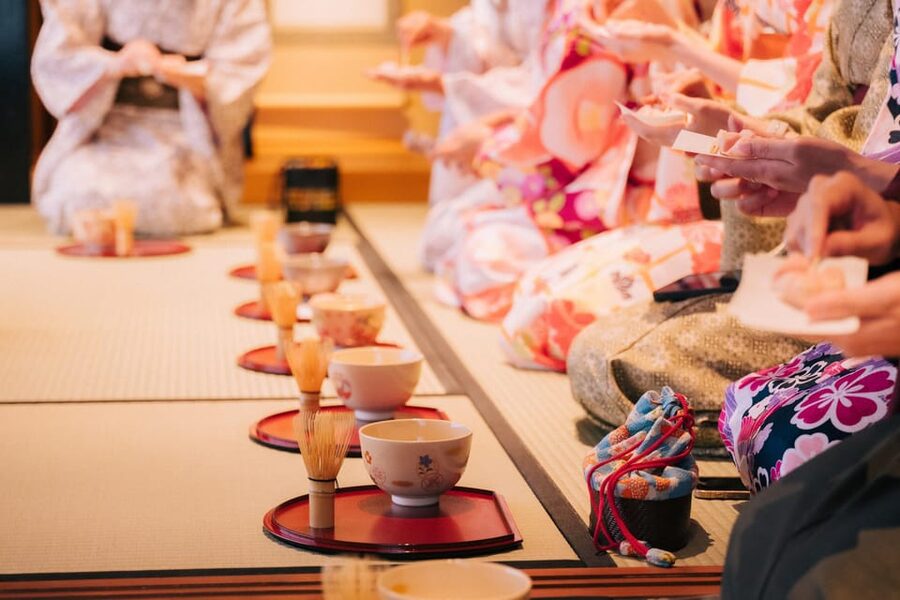
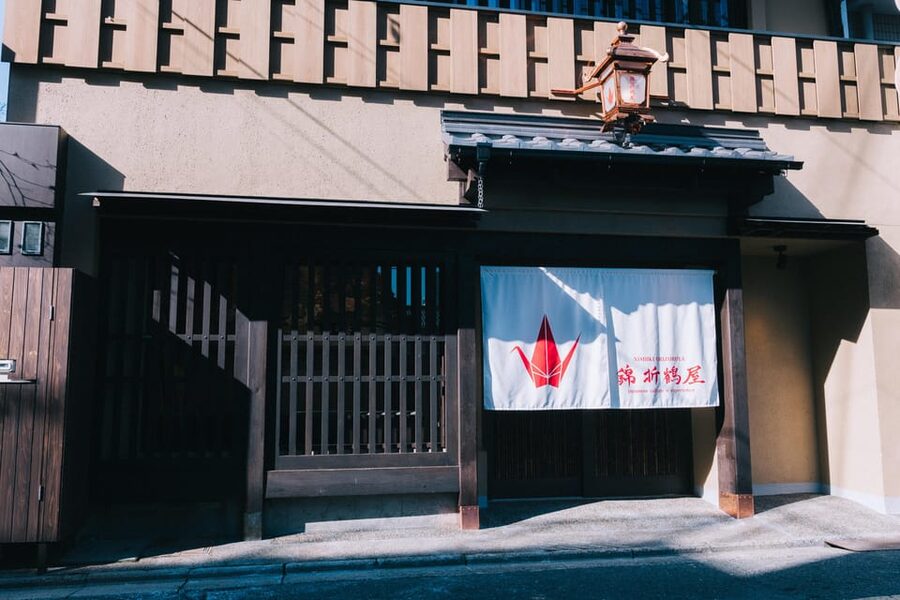
The experience begins at the shop you selected during booking. There are two choices, a Nishiki Market location and a Gion location. This is not a minor detail. You cannot arrive at the wrong shop and join another group, so check the meeting point before leaving your hotel.
At the shop, you provide the height and gender details needed for the kimono selection and dressing. The staff guide you to change and help put on the clothing. This is one of the strongest parts of the activity because you are not simply handed a costume and left to manage it alone.
You can choose the kimono color, and female participants can choose hair accessories. That choice gives the first part of the morning or afternoon a personal touch. It also means you should allow enough time to arrive calmly, rather than rushing in just before the start.
The dressing process is part of the cultural experience, but it may not suit someone seeking only a tea lesson. The activity is sold as a complete package of kimono dressing, tea ceremony, matcha, sweets, and photos. You cannot book the tea ceremony alone or the dressing alone.
Shoes are not allowed indoors, and smoking is not permitted. Wear something that makes changing easy, and expect the kimono to feel formal rather than like casual sightseeing clothes. The experience is not suitable for children under five or wheelchair users.
More Kimono Experiences in Kyoto
- Kimono Tea Ceremony at Kyoto Maikoya, NISHIKI
★ 5.0 · 911 reviews - Kyoto: Kimono Rental with Hairstyling and Accessories
★ 4.8 · 653 reviews - Kyoto: Kimono Tea Ceremony at Orizuruya Gion
★ 4.9 · 618 reviews
Why the English Tea Demonstration Matters
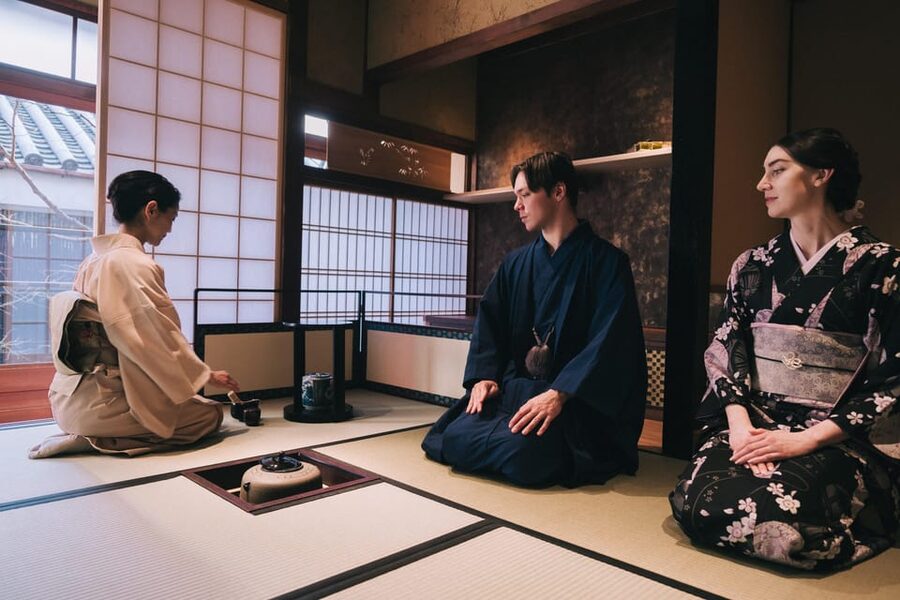
Once dressed, you enter the tea room for a demonstration in English. The tea master explains what is happening and why. This makes a real difference. Japanese tea ceremony can seem mysterious if you only watch the bowing, utensils, and careful hand movements from the side.
Here, you get the reason behind the actions. The explanation includes cleansing and blessing the tea, details that help you understand the ceremony as a practice of attention and respect. The tone is intended to be relaxed, so you do not need prior knowledge of Japanese customs.
A guide named Mami received particular praise for being kind and well informed. The wider team is also described as polite, professional, and careful with details. Since instructors can vary by session, I would treat Mami’s appearance as a possibility rather than a guarantee, but the experience is conducted in English.
The group limit is 10 people. That is small enough to make the demonstration easier to follow than a large stage presentation, though the total number can still affect how quickly the dressing and photography move. One person recorded a long wait between arrival and the ceremony, even after arriving five minutes early. I would arrive on time, but I would also avoid scheduling a train, meal, or major attraction immediately afterward.
Preparing Matcha and Eating Japanese Sweets
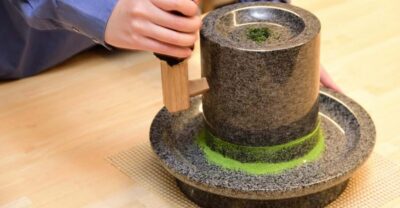
After watching the demonstration, you get to prepare your own matcha. This is the hands-on part of the lesson, and it gives you a better feel for the care involved than watching alone.
You will make the green tea and enjoy it with Japanese sweets. The sweets are included, but the exact type is not specified, so do not plan around a particular dessert. If you have food allergies, tell the provider in advance.
Matcha has a distinct taste that some people find strong or bitter. The sweet served with it helps balance the flavor, and the pairing is part of the custom rather than an extra snack added to the schedule. I like this section because it keeps the ceremony from becoming a photo session with a brief explanation attached.
You also receive guidance as you go. That matters if you are nervous about using the bowl or following the steps. The aim is not to turn you into a tea master in 90 minutes. It is to give you a respectful introduction and let you take part.
Three Photos and Time in the Kimono
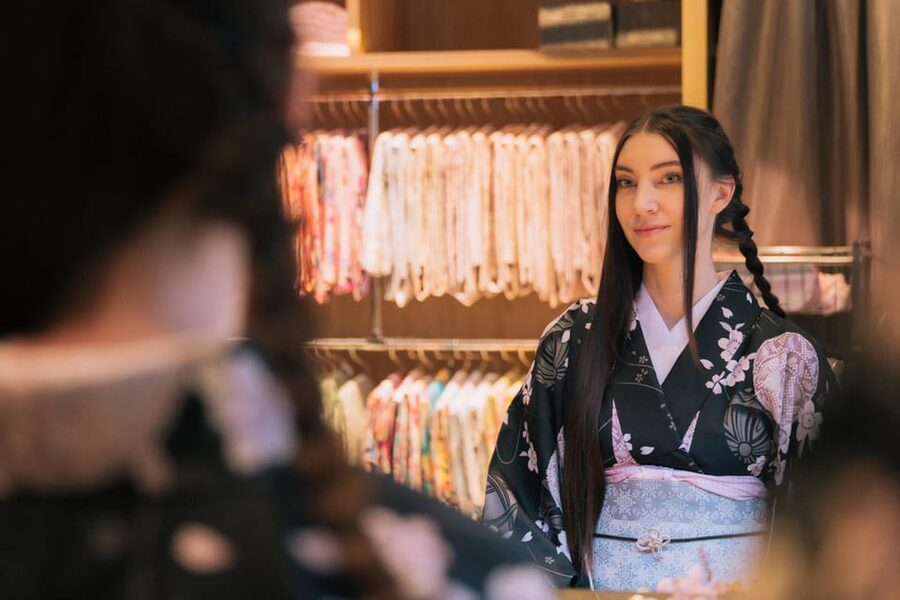
A professional photographer takes photos during the experience, and you receive three images as a memento. Several details make this more useful than relying only on quick phone photos. You get a record of the full outfit, and the photography is part of the planned session rather than something you have to arrange separately.
The photos are sent by email later, reportedly within a couple of hours in one account, although the exact delivery timing is not guaranteed in the supplied details. Make sure the email address connected with your booking is correct.
You also have time to take your own photos. After the ceremony, you may stroll around Kyoto in the kimono before returning it to the shop on the same day. This can be a nice bonus if you want more than three formal images.
The return times differ by location:
- Nishiki Market location: return the kimono by 6:00 PM
- Gion location: return the kimono by 5:00 PM
That difference affects how much time you have outside. The experience itself lasts 90 minutes, but your total outing can be longer if you plan a short walk afterward. Do not treat the later return time at Nishiki Market as permission to keep the kimono overnight. It must be returned to the same shop by the stated deadline.
More Photo Shoots in Kyoto
- Kyoto: Maiko Makeover and Photoshoot Experience
★ 4.7 · 239 reviews - Kyoto: Private Photoshoot Service
★ 5.0 · 158 reviews - Your Private Vacation Photography Session In Kyoto
★ 5.0 · 110 reviews - Kyoto: Private Gion District Photoshoot Experience
★ 5.0 · 79 reviews
Nishiki Market or Gion?
Both locations put you in central Kyoto, but your choice should be based first on convenience and timing. The meeting point varies by the option booked, and arriving at the wrong location means you cannot join.
The Nishiki Market option gives you until 6:00 PM to return the kimono. That may fit better with an afternoon session or a stroll before dinner. The Gion option has a 5:00 PM return deadline, so it gives you less time after the ceremony if you want to walk around dressed up.
The supplied details do not specify the precise walking route, nearby landmarks, or the length of the outdoor portion. I would therefore choose the location that is easiest to reach, not assume one includes a longer photo walk.
Gion is a natural area for a kimono outing because of its traditional Kyoto setting, while Nishiki Market is convenient for pairing the activity with central shopping and food stops. Those are practical area advantages, not promises that the tour includes either attraction. The tea ceremony and photo session take place at the selected venue.
Is $127 a Fair Price?
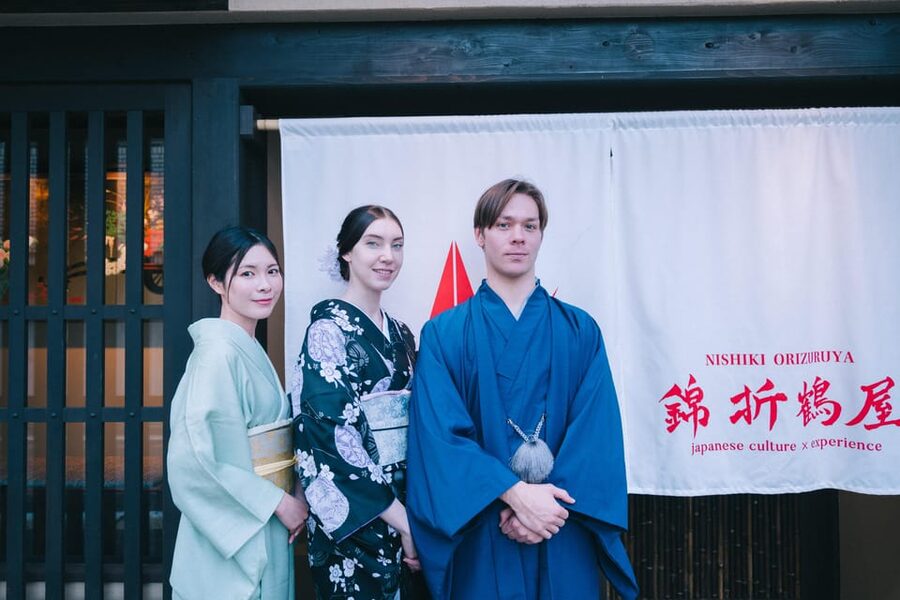
At $127 per person, this is not the cheapest way to rent a kimono in Kyoto. That comparison, however, misses what is included. You are paying for dressing assistance, a 90-minute English-language tea ceremony, matcha, sweets, professional photography, and three photos.
A basic rental may work better if your only goal is to wear traditional clothing for a few hours. This experience makes more sense if you want a cultural activity with a teacher and a finished set of images. The professional photos are especially useful for solo visitors or couples who do not want to depend on strangers to take pictures.
The price also covers the chance to prepare tea yourself. That hands-on part gives the outing more substance than a simple costume rental. On the other hand, the session is short, the group can include up to 10 people, and the three photos may not satisfy someone hoping for a full portrait package.
I see the best value here for first-time visitors who want one polished cultural activity without booking separate kimono hire, a tea lesson, and a photographer. I see weaker value for repeat Kyoto visitors who already understand tea ceremony customs or only want to wander in a kimono.
Timing, Arrival, and Practical Planning
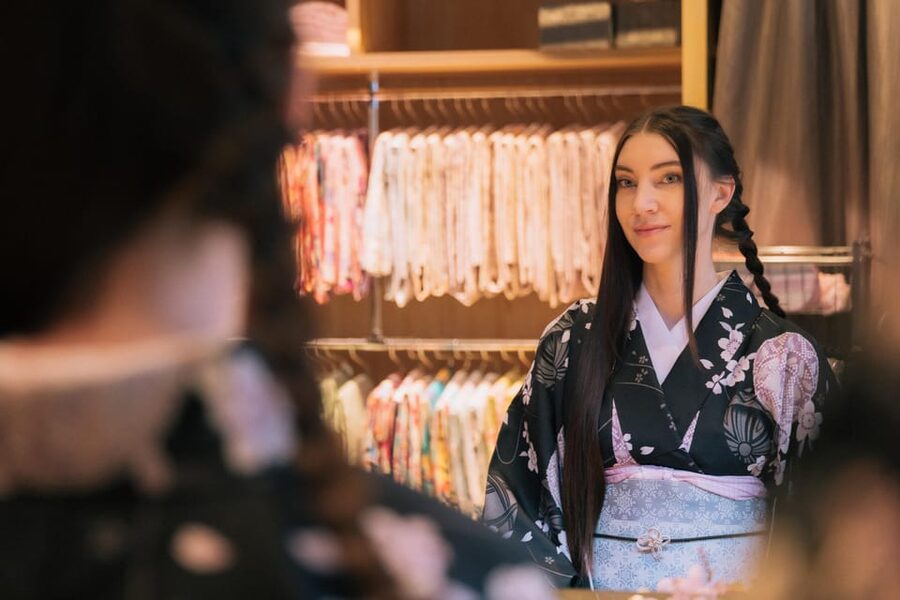
The experience lasts 90 minutes, but allow extra time for arrival, dressing, and collecting yourself afterward. The strictest rule is the 10-minute cutoff. If you arrive more than 10 minutes late, you cannot take part and there is no refund.
I would arrive at least 15 minutes early. This is not only about avoiding the penalty. The dressing process works better when you are not watching the clock, and one account described a wait before the ceremony even after arriving on time. Bring patience for the transition between changing, waiting, the tea room, and photography.
You can reserve now and pay later, which helps if your Kyoto schedule may shift. Cancellation is free up to 24 hours before the start time. After that, the supplied terms do not promise a refund, and lateness has its own no-refund rule.
Give accurate height and gender details for every participant ahead of time. These details are used to prepare the kimono set. If you are booking for a group, collect the information before completing the reservation rather than trying to send it at the last minute.
The activity is conducted in English. It is not suitable for wheelchair users, and shoes must be removed indoors. These points are simple, but they can determine if the experience works for you.
Who Will Enjoy This Most?
I would recommend this to a first-time Kyoto visitor who wants a guided cultural activity with a clear structure. You do not need to know the rules of tea ceremony, and the English explanation makes the ritual easier to follow.
It suits couples, friends, and solo visitors who want good photos without arranging a separate photographer. The small group limit also helps if you prefer a quieter setting over a large demonstration.
It is a good choice for anyone who likes learning by doing. You watch the tea master, then prepare your own matcha and eat a sweet. That sequence gives you a simple understanding of the ceremony without asking you to sit through a long formal lesson.
I would think twice if you dislike restrictive clothing, have difficulty sitting or moving in a formal kimono, or want complete control over the photo session. You should also skip it if your schedule cannot handle a firm starting time and same-day kimono return.
My Verdict on the Kyoto Tea Ceremony
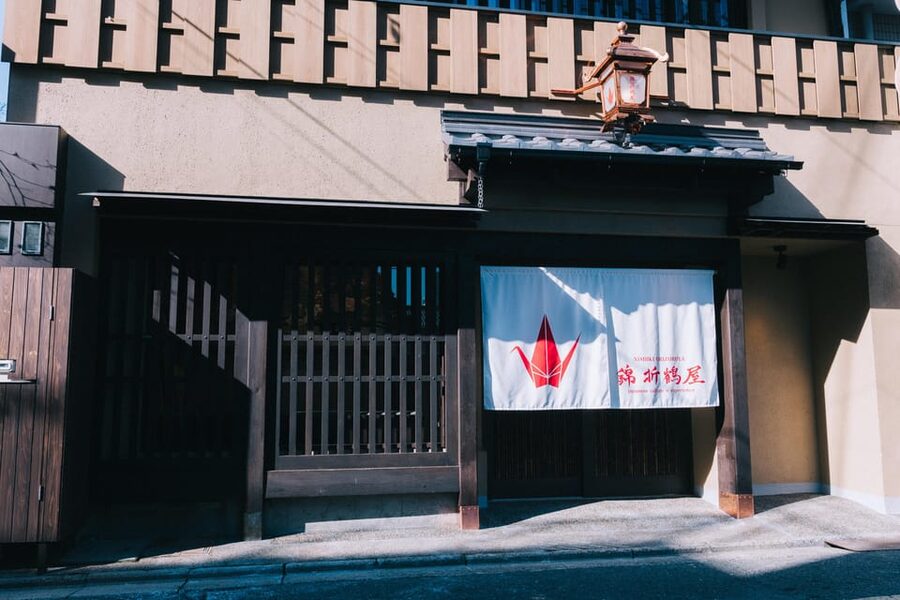
I would book this experience if you want more than a dress-up shop. The strongest features are the English explanation, the chance to prepare your own matcha, and the professional photos. The staff’s care and attention to detail are repeatedly reflected in the experience, with Mami specifically noted as a kind and well-prepared guide.
Book it for the cultural lesson and the memory of taking part, not only for the kimono. Choose your location carefully, submit height and gender details early, arrive well before the start, and leave room after the 90-minute session for photos or a short walk. At $127, it is a considered purchase, but it offers good value when you want dressing, instruction, refreshments, and photography in one Kyoto activity.
FAQ
How long does the Kyoto tea ceremony experience last?
The scheduled experience lasts 90 minutes.
What is included in the price?
The experience includes kimono dressing, an English tea ceremony demonstration, matcha green tea, Japanese sweets, and three photos taken by a professional photographer.
Can I choose the kimono color?
Yes. The experience information says you can choose the color of the kimono. Female participants may also choose hair accessories.
Can I walk around Kyoto in the kimono afterward?
Yes. You may stroll around in the kimono after the tea ceremony, but you must return it to the correct shop by the same-day deadline.
What are the kimono return times?
The return deadline is 6:00 PM for the Nishiki Market location and 5:00 PM for the Gion location.
What happens if I arrive late?
If you are more than 10 minutes late, you cannot join the experience and no refund is available.
Is the activity available for young children or wheelchair users?
Children under five and wheelchair users cannot take part in this experience.
More Tea Ceremony Experiences in Kyoto
- Kyoto: Tea Ceremony in a Traditional Tea House in Kiyomizu
★ 4.9 · 3,519 reviews - Kyoto: Tea Ceremony Ju-An at Jotokuji Temple
★ 4.9 · 3,207 reviews - Kyoto: 45-Minute Tea Ceremony Lesson Experience
★ 4.3 · 2,378 reviews - Kyoto: Table-Style Tea Ceremony at a Kyo-Machiya
★ 4.9 · 1,211 reviews
Just added around Kyoto
- Sekka Cotton Furoshiki Class★ 5.0 · 19 reviews
- Kyoto Sword Experience – includes Museum Ticket/Ninja Experience★ 4.5 · 149 reviews
- Scenic Green Tea Fields of Hidden Kyoto & Local Tea Exp (Private)★ 5.0 · 32 reviews
- Secret Eastern Kyoto Biking Adventure★ 5.0 · 44 reviews
- Private Sake Tasting in Central Kyoto with Sake Sommelier★ 5.0 · 32 reviews
- Samurai School in Kyoto: Samurai for a Day★ 5.0 · 202 reviews
- SHIRAKAWA Japanese Culture Experiences with private English staff★ 5.0 · 16 reviews
- A Privately Guided Photoshoot in Beautiful Kyoto by a Pro★ 5.0 · 18 reviews
Tea Ceremony Experiences, compared.

Tea Ceremony in a Traditional Tea House in Kiyomizu
Our verdict →


World Heritage Kyoto & Nara Uji Authentic Matcha Experience
Our verdict →


Arashiyama Bamboo Forest, Monkeys, Matcha & Temple Tour
Our verdict →