
Reviewed · TEA CEREMONY EXPERIENCES
Kyoto: Tea Ceremony Meditation – Make Matcha with Tea Master
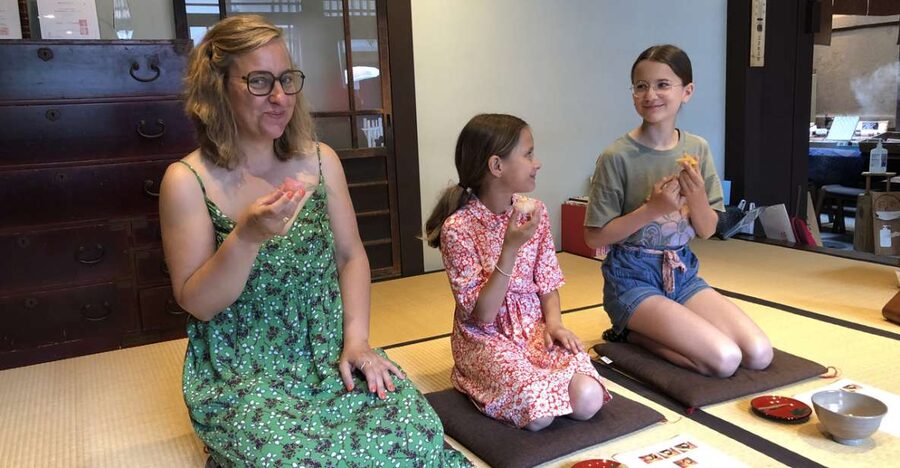
A quiet Kyoto townhouse, the scent of tatami, and the soft rhythm of a bamboo whisk give this 45-minute matcha ceremony a welcome pause from sightseeing. You watch an English-speaking tea master prepare tea in the Omotesenke tradition, then make your own bowl using proper utensils.
I like the small groups, limited to 10, and the friendly teaching style. Hosts such as Miki, Aki, Yoko, Joko, and Kiyoka have a gift for answering questions without making the ceremony feel stiff. The main consideration is time: this is a focused introduction, not a long formal tea gathering, and kimono rental is not included.
Key points to know before booking
- You make your own matcha: After the demonstration, you whisk a bowl yourself and learn the basic movements and etiquette.
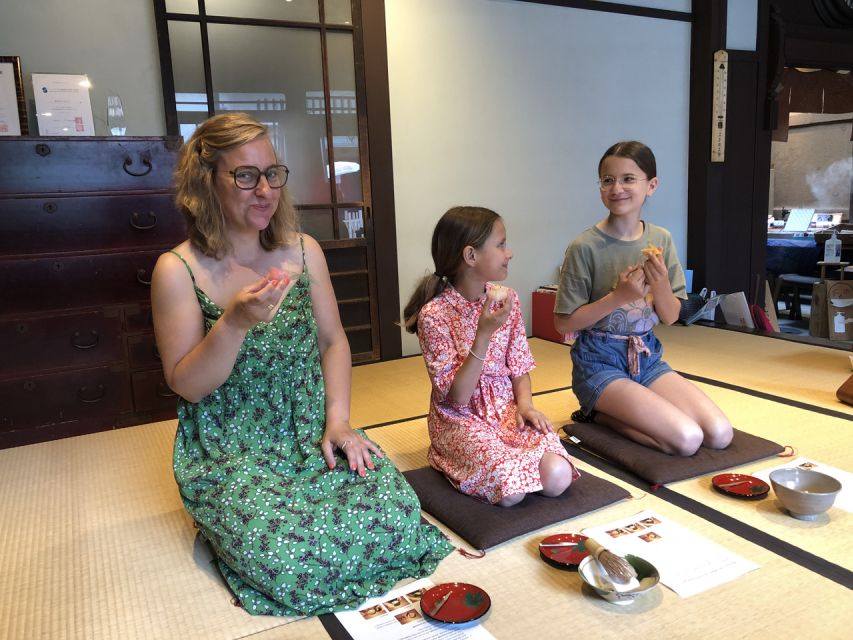
- The setting is a 100-year-old townhouse: Tatami, quiet rooms, and handcrafted utensils give the lesson a sense of place.
- English instruction is clear and welcoming: The hosts explain both what to do and why the gestures matter.
- Small groups make a difference: With no more than 10 people, you have room to ask questions and receive individual help.
- The price includes a sweet: Your $45 covers the ceremony, one bowl of matcha, and a Japanese traditional sweet.
- Plan around a few limits: Do not wear perfume or cologne, bring food or drinks, or arrive by bicycle to the venue itself.
Entering a 100-year-old Kyoto townhouse
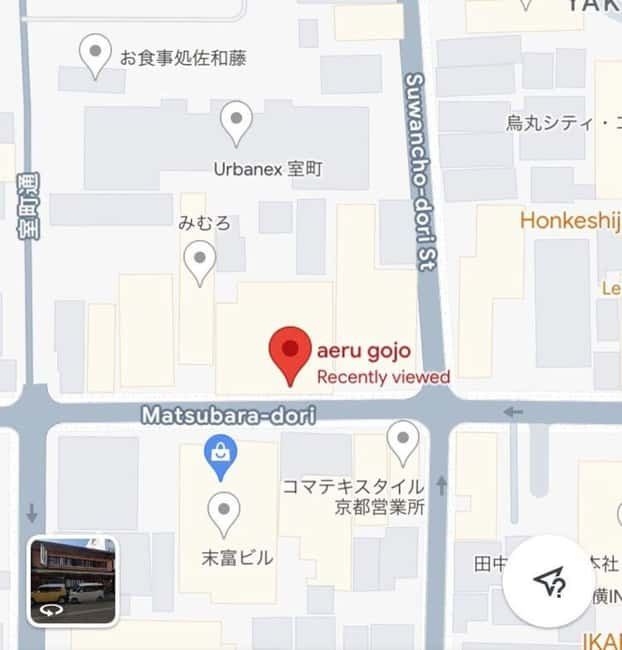
The experience begins at a traditional townhouse in central Kyoto. If you approach from Karasuma-dori Street, turn at the Family Mart corner and walk straight for one block. Look for the sign for aeru gojo, next to Only Corporation and across from Zen Kyoto.
The location is practical, but you should allow a little time to find the entrance. There is no parking lot, and bicycles are not allowed inside. If you arrive by rental bicycle, use public bicycle parking. The closest listed parking area is linked in the booking information.
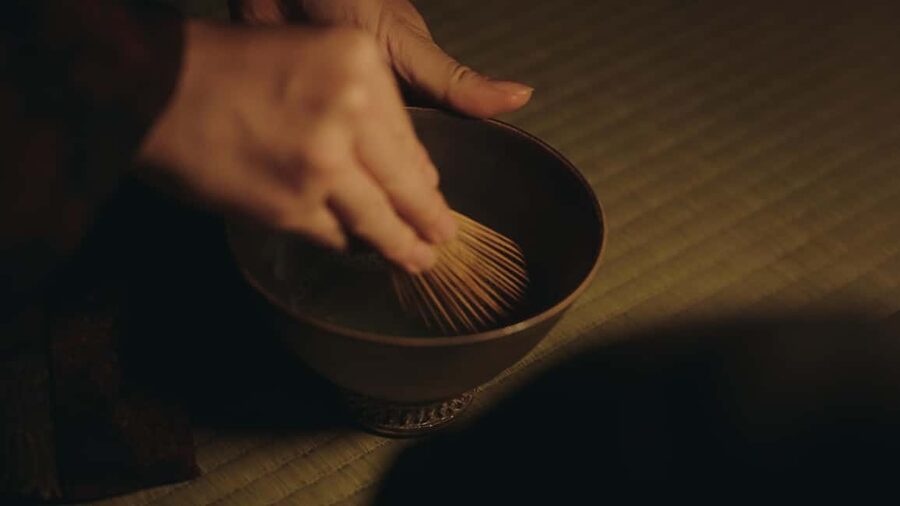
Inside, the atmosphere changes quickly. Tatami and quiet replace traffic and shopping streets. You are not stepping into a grand temple or a staged theater set. Instead, you enter a modest historic home adapted for a small cultural lesson, which helps the ceremony feel personal.
Please arrive no earlier than 10 minutes before your reserved time. The room is limited in size, and the venue is not meant for eating before or after the activity. That small rule is worth noting if you are fitting this between lunch and another appointment.
More Tea Ceremony Experiences in Kyoto
- Kyoto: Tea Ceremony in a Traditional Tea House in Kiyomizu
★ 4.9 · 3,519 reviews - Kyoto: Tea Ceremony Ju-An at Jotokuji Temple
★ 4.9 · 3,207 reviews - Kyoto: 45-Minute Tea Ceremony Lesson Experience
★ 4.3 · 2,378 reviews
What the tea master demonstrates first
Your host begins by introducing the tea ceremony and the place of matcha in Japanese culture. The instruction follows the Omotesenke tradition, one of Japan’s respected schools of tea ceremony.
You watch the host handle the bowl, whisk, scoop, and other utensils in a set order. The movements may look simple, but their meaning comes from care, attention, and respect. The host explains the purpose behind the actions rather than asking you to copy a string of gestures without context.
That approach works especially well if you have never attended a tea ceremony. You learn how the host prepares the tea, how the bowl is treated, and how the relationship between host and guest shapes the ritual. The demonstration is calm, but the teaching is not overly formal. Hosts regularly invite questions about matcha, Japanese customs, and daily life.
The English instruction is one of the activity’s strongest practical features. Miki has been praised for clear explanations and patience, while Aki, Yoko, Joko, and Kiyoka have also led sessions described as warm, open, and easy to follow. Your particular host may vary, but the format is designed for English speakers.
Making your own bowl of matcha
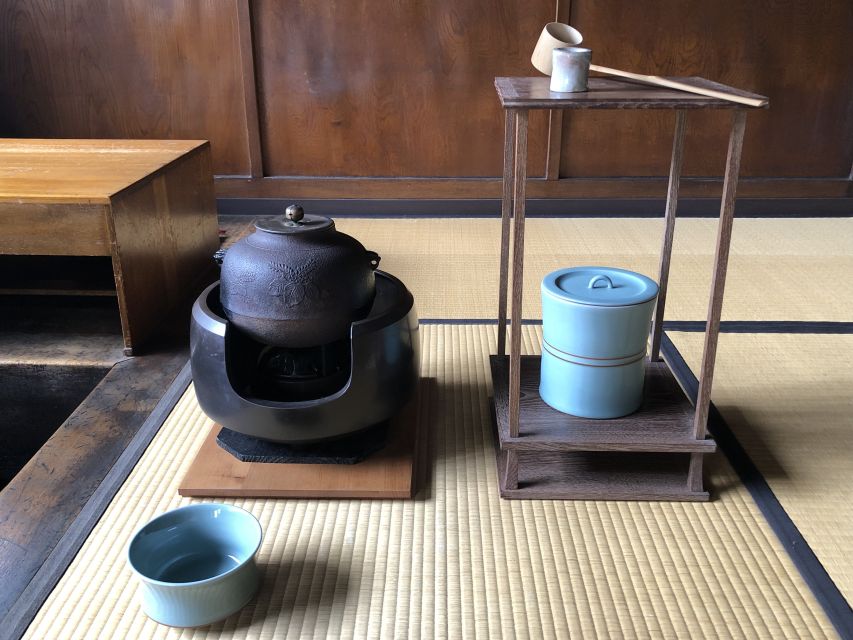
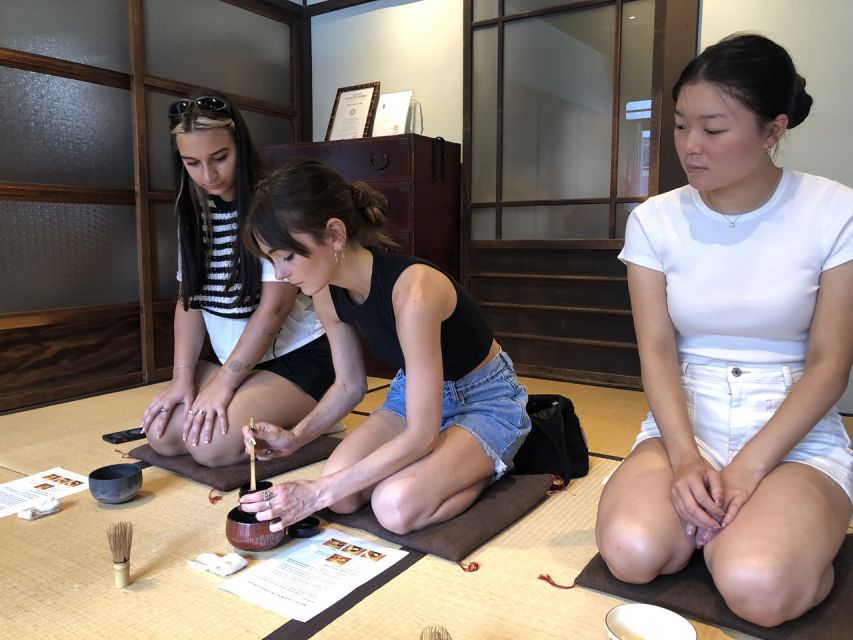
The hands-on portion is the reason to choose this experience instead of simply watching a ceremony. Once the demonstration is complete, you prepare your own matcha under guidance.
You use authentic, handcrafted utensils made by Japanese artisans. The equipment is not just decorative. Holding the bowl and whisking the tea gives you a physical sense of the process, and your host can correct your technique as you work.
The lesson is gentle rather than demanding. You do not need prior experience, Japanese language skills, or special clothing. Your host takes you through the steps, then gives you time to try them yourself.
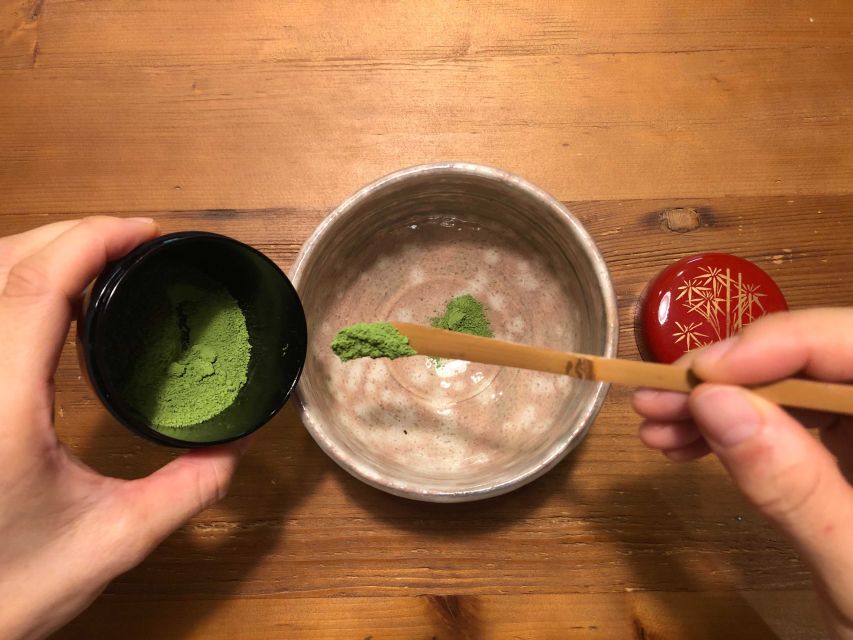
For many people, the whisking becomes the quiet center of the activity. You measure the tea, add water, and work the bamboo whisk until the powder turns into a smooth drink. The point is not to produce a perfect bowl on your first attempt. It is to understand the care involved and leave with a skill you can repeat at home.
Children can take part, too. The activity has worked well for families with children aged 8 and 10, and a host was also praised for patiently engaging with a restless toddler. Still, this is a peaceful room, so children who can listen and take part calmly will get the most from it.
Matcha and a Japanese sweet
After you prepare the tea, you drink it with a traditional Japanese sweet. The sweet balances the bitter, grassy taste of matcha and gives you a simple example of how the two are enjoyed together.
The activity includes one cup of matcha, not unlimited refills. That is easy to overlook when comparing options, especially if you are expecting a full tea service. Think of this as a cultural lesson with a tasting, not a café visit.
The quality of the matcha and dessert has been singled out as a strength. You also get a chance to ask about flavor, preparation, and the role of sweets in the ceremony. If you already drink matcha, you may appreciate the chance to compare a carefully prepared bowl with the versions commonly sold in cafés.
Same trip, a completely different kind of day:
- PERFECT KYOTO 1-Day Bus Tour
★ 5.0 · 13,518 reviews - Kyoto: Fushimi Inari, Kinkakuji, Bamboo Grove 1 Day Bus Tour
★ 4.8 · 4,316 reviews - Kyoto Geisha Walking Tour: Gion District & Hidden Gems
★ 4.7 · 3,273 reviews - Kyoto: Gion Magical Night Walking Tour with Geisha Trivia
★ 4.9 · 2,393 reviews
Why the small group matters
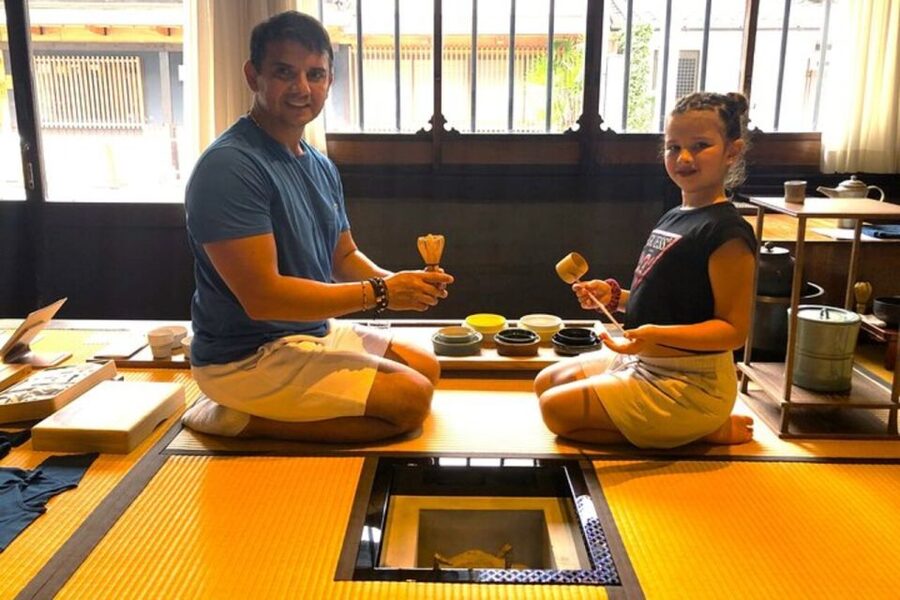
The group limit is 10 people, but sessions can be smaller. Some bookings have had only two participants, while others have brought together families, solo visitors, and couples.
That size makes the instruction more useful. You can ask a question without stopping a large presentation, and the host has time to show each person how to hold the whisk or bowl. If you are shy about participating in front of strangers, a small room is still less intimidating than a packed class.
The social side is pleasant without taking over. You may meet other international visitors and share the ceremony, but the central focus remains the tea. Solo visitors in particular can fit in comfortably, since the host guides the group and creates openings for conversation.
The small setting also supports the calm mood. One participant described leaving feeling soothed, while others appreciated the relaxed and contemporary approach. Do not expect absolute silence. Questions and conversation are encouraged, and the hosts keep the tone friendly.
A modern introduction to an old practice
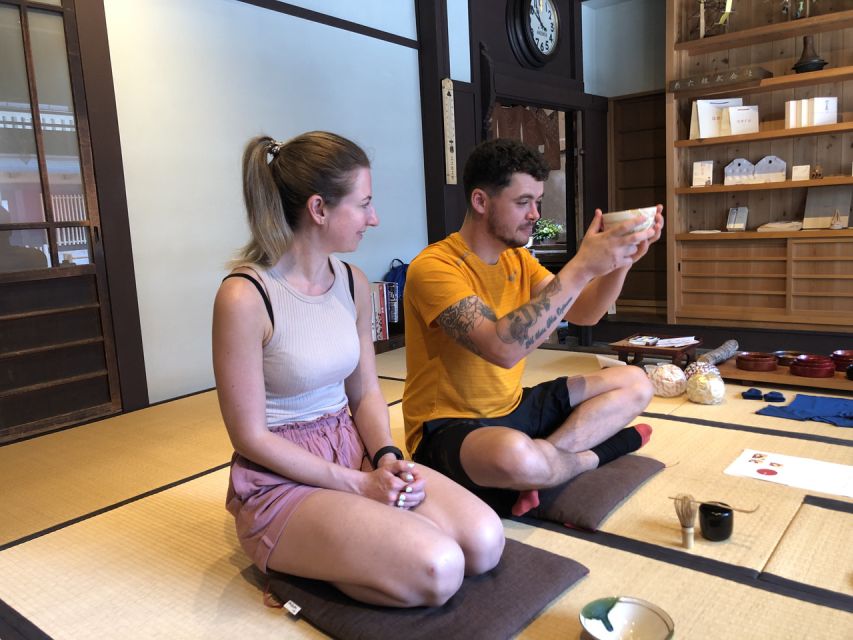
This is not a full formal tea ceremony in the most exacting sense. It is a visitor-friendly introduction that preserves key elements while explaining them in plain English.
That balance is useful. A strict ceremony can be difficult to understand if you do not know the etiquette, while a quick tourist demonstration may leave you with little sense of meaning. Here, you see the ritual, hear the background, and then practice the central skill.
The Omotesenke connection adds substance, but the experience does not assume that you know the school or its customs. The host explains each stage and welcomes questions about why certain actions are performed.
I especially like that the ceremony is not presented as a checklist of exotic gestures. The explanations connect the preparation of tea with attention, hospitality, and respect. You leave with a better understanding of why the ceremony matters, not only how to copy it for a photograph.
Browsing handcrafted souvenirs afterward
At the end, you can look at Japanese crafts and tea-related items available for purchase. The utensils used during the lesson are made by skilled artisans, and the shop area gives you a chance to see objects connected to what you have just learned.
This is a useful souvenir stop because you understand the purpose of the items before deciding if you want one. A tea bowl or whisk carries more meaning after you have held it and used it, though buying anything is optional.
The activity does not promise that every item will suit every budget, and the $45 price does not include a souvenir. Treat the browsing time as an extra opportunity, not part of the essential value of the class.
Is $45 a fair price?
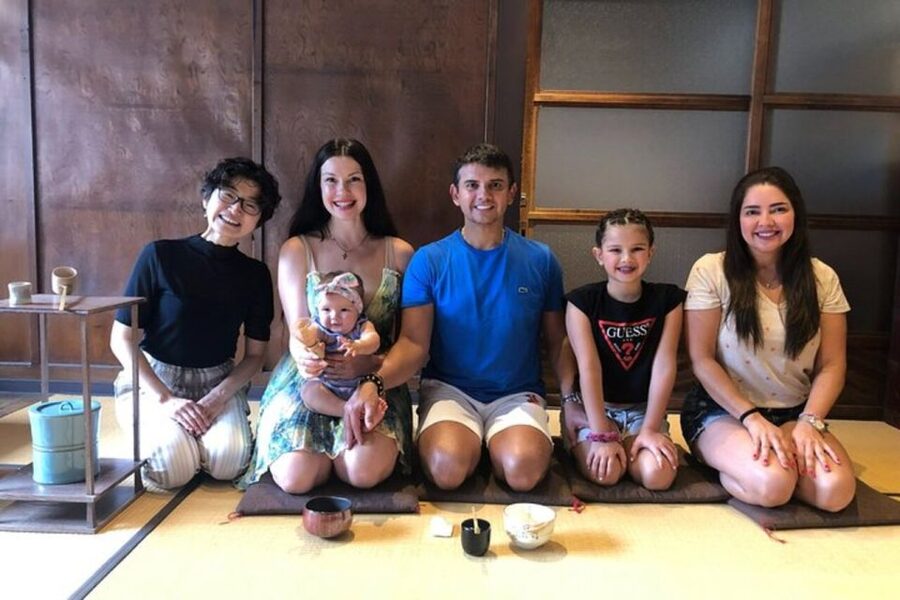
At $45 per person, this is a reasonable price for a short, hands-on cultural activity in central Kyoto. You receive a 45-minute tea ceremony, an English lesson, one bowl of matcha, a Japanese sweet, and personal instruction in a small group.
The value comes from the teaching and setting as much as from the drink. A café matcha may cost less, but it will not explain the ceremony, etiquette, tools, or cultural background. A longer formal experience may offer more ritual, but could also feel less accessible if you are new to the subject.
The duration is another advantage. Forty-five minutes is long enough to learn and participate, but short enough to fit into a busy Kyoto day. You could schedule it between sightseeing in the central city, shopping, or a meal, as long as you leave enough time to reach the townhouse.
The limitation is clear: you get one serving and a compact introduction. If your goal is a multi-course tea gathering, extended meditation, kimono dressing, or hair styling, this is not that product. Kimono and hair setting are specifically excluded.
Who will enjoy this experience most?
I would recommend it to first-time visitors who want cultural context without committing half a day. It also suits solo visitors, couples, families with older children, and anyone who prefers an interactive lesson to a passive performance.
Matcha fans will appreciate the chance to prepare the drink with proper equipment. People who know little about tea will appreciate the clear structure and friendly pace.
It is also a good choice for visitors who want an experience that feels connected to Kyoto but does not require advanced etiquette. You do not need to sit through an intimidating formal ritual or arrive in special clothing.
Families should use their judgment. Children aged 8 and 10 have enjoyed the mix of explanation and participation, and the hosts can be patient with young children. But the room is meant to feel peaceful, so very active children may find the quiet format difficult.
Perfume is another practical concern. Please avoid perfume and cologne so everyone can notice the aroma of the matcha. Food and drinks are not allowed, and the venue is not a place to bring a snack.
Accessibility and booking details
The experience is wheelchair accessible. It is taught in English, and the group is limited to 10 participants.
You can cancel up to 24 hours before the start time for a full refund. A reserve-now, pay-later option is available, which helps if you are arranging several Kyoto activities before your schedule is fixed.
The meeting point is not a hotel. You need to make your own way to the townhouse, and hotel pickup and drop-off are not included. Since there is no venue parking, public transport or walking is the simplest plan.
My booking advice
Book this tea ceremony if you want to understand matcha by making it yourself. The combination of a historic townhouse, English guidance, artisan utensils, a traditional sweet, and a small group gives you more than a quick tasting.
I would skip it only if you want a long, highly formal ceremony, several servings of tea, or a kimono photo session. For everyone else, the 45-minute length is a strong point, not a weakness. You learn the basics, ask real questions, and leave with a quiet Kyoto memory that fits neatly into a busy sightseeing day.
FAQ
How long does the tea ceremony last?
The experience lasts 45 minutes.
What is included in the price?
The booking includes the tea ceremony experience, one cup of matcha, and Japanese traditional sweets.
Is the activity taught in English?
Yes. The instructor language is English.
Can I make my own matcha?
Yes. The tea master first demonstrates the process, then guides you as you prepare your own bowl of matcha.
Is kimono rental included?
No. Kimono rental and hair setting are not included.
Can I cancel for a full refund?
Yes. You can cancel up to 24 hours before the scheduled activity for a full refund.
Just added around Kyoto
- Sekka Cotton Furoshiki Class★ 5.0 · 19 reviews
- Kyoto Sword Experience – includes Museum Ticket/Ninja Experience★ 4.5 · 149 reviews
- Scenic Green Tea Fields of Hidden Kyoto & Local Tea Exp (Private)★ 5.0 · 32 reviews
- Secret Eastern Kyoto Biking Adventure★ 5.0 · 44 reviews
- Private Sake Tasting in Central Kyoto with Sake Sommelier★ 5.0 · 32 reviews
- Samurai School in Kyoto: Samurai for a Day★ 5.0 · 202 reviews
- SHIRAKAWA Japanese Culture Experiences with private English staff★ 5.0 · 16 reviews
- A Privately Guided Photoshoot in Beautiful Kyoto by a Pro★ 5.0 · 18 reviews
Tea Ceremony Experiences, compared.

Tea Ceremony in a Traditional Tea House in Kiyomizu
Our verdict →


World Heritage Kyoto & Nara Uji Authentic Matcha Experience
Our verdict →


Arashiyama Bamboo Forest, Monkeys, Matcha & Temple Tour
Our verdict →
Browse the lists this tour appears in