
Reviewed · FOOD & DRINK
Kyoto: Replica food making experience
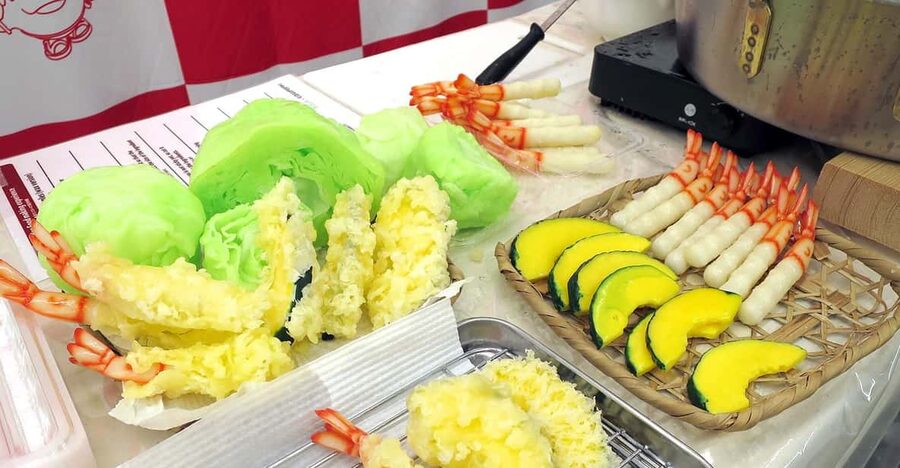
Kyoto’s restaurant displays often show food so lifelike you may need a second look. This workshop lets you make that illusion yourself, shaping melted wax into shrimp and pumpkin tempura before packing your finished pieces like a real takeaway meal. I especially like the small four-person limit and the chance to learn a little-known part of Japanese shop culture, not just buy another souvenir. The finished tempura bowl is also a practical keepsake: light, unusual, and easy to explain when you get home.
I like the friendly, patient teaching and the way the activity works for families, couples, and solo visitors. The main consideration is hot wax, so children need help and anyone under six cannot join. Your replica may not look perfect on the first try, but that is part of the fun, and the instructors give you time to practise.
Key points at a glance
- Make real-looking tempura from wax: Shape shrimp and pumpkin in hot water, then build the crisp-looking batter layer by layer.
- Learn a Japanese restaurant tradition: Replica food, or sample food, helps diners see a menu before entering.
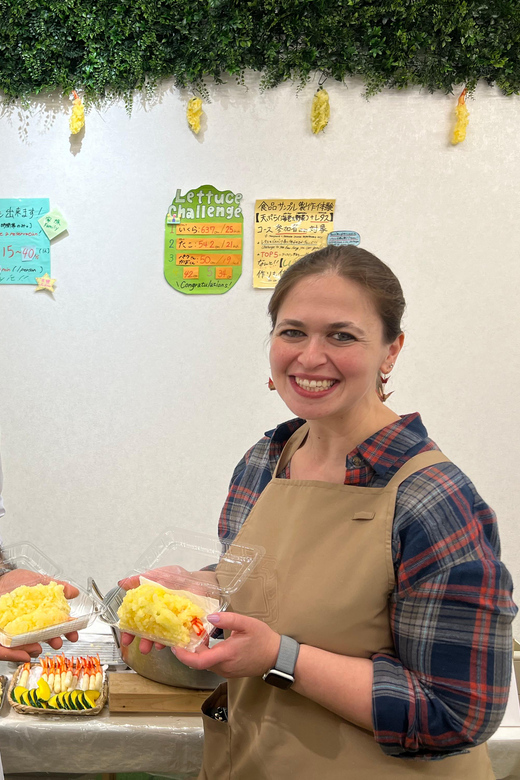
- Take home a display piece: Your finished creation is packaged in a supermarket-style container, ready for the journey home.
- Keep the group small: No more than four people means clear instruction and room to ask questions.
- Plan around hot materials: Children aged six and over can take part, but younger participants are not accepted and parents may need to assist.
- Pair it with central Kyoto: The meeting point is diagonally across from Kani Douraku, marked by its huge crab sign, in the Sanjo Meiten-gai shopping arcade.
Why Kyoto’s fake food deserves a closer look
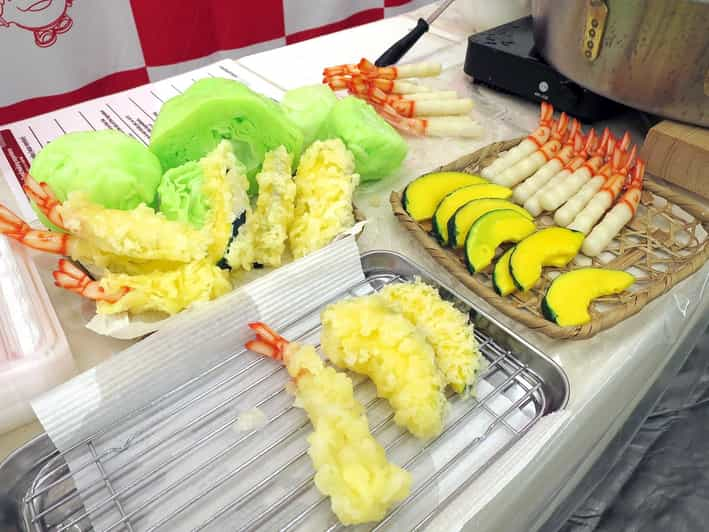
Walk past a Japanese restaurant and you may see a bowl of ramen, a plate of sushi, or a tempura set sitting in the window. These are not lunch leftovers. They are carefully made replicas that show the menu at a glance, often with astonishing detail.
That makes this more than a craft class. You get a short lesson in how Japanese restaurants communicate with customers, especially when a menu may be difficult to read. The samples show portion size, ingredients, and presentation before you sit down.
I find this kind of cultural activity useful because it explains something you have probably already noticed in Japan. Instead of simply photographing restaurant displays, you get to understand the work behind them. The workshop also keeps the focus on making, not on a long lecture. You learn by handling the wax.
The activity is described as the only place in Kyoto where you can make your own traditional replica food. That is a strong reason to consider it if you want something more distinctive than a standard craft souvenir.
More Food & Drink in Kyoto:
- Kyoto Night Foodie Tour in Gion (9+ dishes + 6 Sake tastings)
★ 5.0 · 1,762 reviews - 3-Hour Kyoto Insider Sake Brewery Tour with Tastings & Pairings
★ 5.0 · 917 reviews - Arashiyama Bamboo, Temple, Monkeys, or Secret Sake Brewery
★ 4.8 · 886 reviews
Finding the workshop beside the giant crab
The meeting point is diagonally across from Kani Douraku, the restaurant famous for its large crab signboard. That landmark is far more useful than a vague street address, especially in a busy shopping area.
The workshop is in the Sanjo Meiten-gai shopping arcade, and it is also close to Nishiki Market. That gives you an easy way to fit it into a day of central Kyoto sightseeing. You can arrange the class before or after browsing shops and food stalls, though I would leave enough time to find the meeting point rather than arriving at the last second.
The exact approach matters because the activity begins at your reserved time. The instructors explain the making process to the group all at once, so a late arrival could mean missing the opening instructions. Arrive ready to start, with your phone charged if you want photos or translation help.
The setting is practical rather than grand. You are here to work with wax, not admire an elaborate museum interior. Still, the clean, neat studio and examples of oversized replica food give the space a playful feel. One past participant noted that the large food models make good photo subjects, so you may get a few amusing pictures before or after the hands-on work.
The first stage: learning how wax becomes food
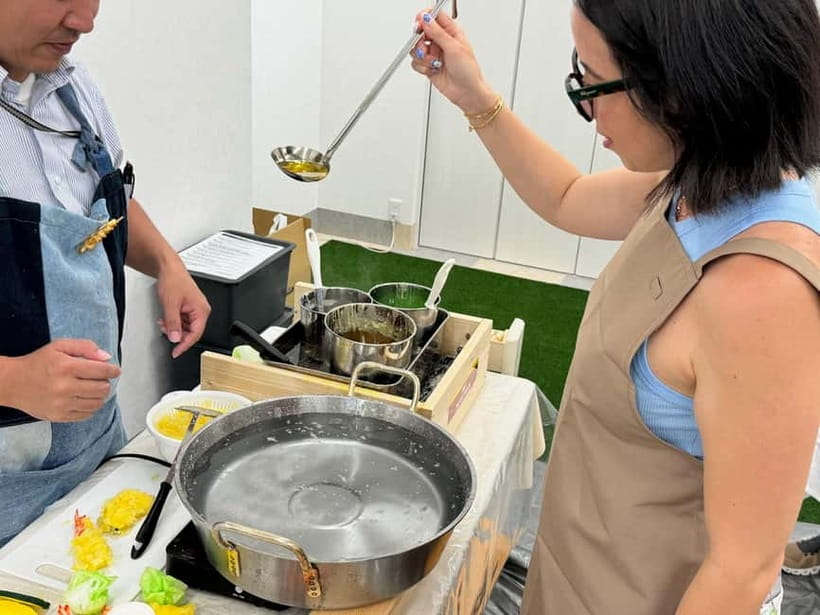
The main material is melted wax. You pour it into hot water, then shape it while it is still workable. The timing is important. Wait too long and it hardens; move too quickly and the shape may not develop as you want.
The instructor demonstrates the process and gives you a chance to practise before you make the pieces you will take home. That practice matters. You are not expected to produce a perfect shrimp or pumpkin on your first attempt.
One useful trick is changing the height from which you drop the wax into the water. A different drop height creates a different surface texture, helping produce the uneven look of fried batter. This small detail shows why replica food is a craft rather than a simple children’s activity.
English and Japanese instruction is available. The teaching is designed to be clear and hands-on, and participants have managed well even when the instructor and student did not share much spoken language. Simple demonstrations, gestures, easy directions, and translation apps can fill the gaps.
Still, do not treat the language arrangement as a private English lesson. If you need very detailed verbal explanation, you may rely on demonstration and translation. Most of the task is visual, which works in its favor.
Shaping shrimp and pumpkin tempura
The standard project is shrimp and pumpkin tempura. You first shape the food itself, then add the wax batter around it to create the familiar crisp coating.
The shrimp is a good test of patience. Its form needs to remain recognizable under the batter, but the coating should also look generous enough to suggest fried food. Pumpkin gives you a different challenge, with its broader shape and solid color.
The batter is where the finished pieces start to look convincing. Small changes in texture make a big difference. The goal is not a smooth shell. You want an irregular, crunchy surface that resembles tempura straight from a fryer.
That process is entertaining precisely because it is not fully predictable. You may create a lovely piece on the first attempt, or you may need a little correction from the instructor. The teachers are described as friendly and patient, offering tips rather than rushing you through the steps.
You can also choose to make a lettuce replica. The supplied information identifies lettuce as an option, while individual workshop choices may vary, so check what is available when you book. Other food workshops, including a melon float, have also been seen at the studio, but do not assume every design is offered at every session.
A few more Kyoto half-days worth comparing
- PERFECT KYOTO 1-Day Bus Tour
★ 5.0 · 13,518 reviews - Kyoto: Fushimi Inari, Kinkakuji, Bamboo Grove 1 Day Bus Tour
★ 4.8 · 4,316 reviews - Kyoto: Tea Ceremony in a Traditional Tea House in Kiyomizu
★ 4.9 · 3,519 reviews - Kyoto Geisha Walking Tour: Gion District & Hidden Gems
★ 4.7 · 3,273 reviews
A one-hour activity that feels hands-on
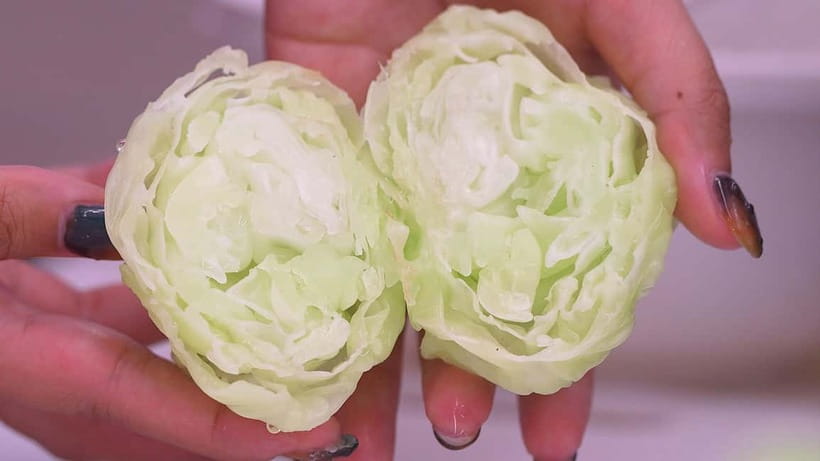
The stated duration is one hour. Some sessions may finish closer to 45 minutes, depending on the pace of the group and the amount of practice needed.
That is a useful length for a Kyoto itinerary. You get enough time to learn a technique and finish a souvenir, but you are not giving up half a day of temple visits. The workshop works well as a break from sightseeing, especially if your day already includes the shopping arcade or Nishiki Market.
The group limit is four participants. This is one of the activity’s strongest practical features. A small group gives the instructor a better chance to watch each person’s technique, answer questions, and help with the hot wax.
It also makes the class suitable for different kinds of bookings. A family can work together without being swallowed by a large crowd. A couple gets a relaxed shared activity. A solo participant is less likely to feel awkward asking for help.
The mood is light and social, but the task still requires some concentration. If you are looking for a completely passive stop, this is not it. You will be shaping, pouring, waiting, and adjusting throughout the class.
The souvenir is part of the experience
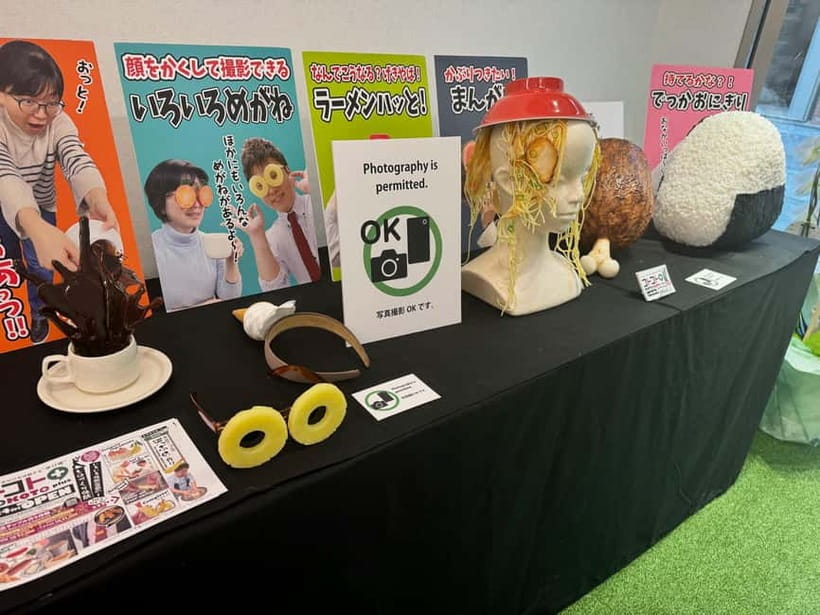
At the end, your replicas are packaged like supermarket food. That detail is more important than it first sounds. The packaging completes the illusion and makes your work feel like a finished Japanese food sample rather than a loose craft object.
You take home the food you make. A tempura bowl is compact and memorable, and it gives you a story to tell beyond the usual I bought this in Kyoto. It is also the kind of object that can fool someone for a moment when displayed in the right place.
Of course, the finished pieces are not edible. The instructors make this clear, and you should keep them away from the dinner table unless you want a very confused meal. The realistic look is the point, but it also creates the one obvious safety joke of the activity.
Think about luggage space before adding extra workshop options. The finished pieces are not described as large, but you will want to protect them from being crushed. Keeping the supermarket-style packaging intact should help, though the supplied details do not specify a special shipping service or protective case.
Who will enjoy this most
Families with children aged six and over are a natural fit. The process is visual, quick, and tactile, and the finished object gives children something concrete to remember. Parents should expect to assist when hot wax is involved, rather than treating the session as drop-off childcare.
It also suits adults. Couples can make matching or contrasting food pieces, and solo visitors get a short activity that does not require a full-day commitment. Honeymooners and people looking for an unusual keepsake may find it more personal than a mass-produced souvenir.
Food lovers will enjoy the connection to Japanese restaurant culture, even if the class is not a cooking lesson. You are not preparing something to eat, learning a recipe, or tasting tempura. You are studying the look of food and the craft of imitation.
This may not suit you if you dislike messy handwork, need a fully passive tour, or have a strong concern about working near hot wax. The class is fun, but it still involves care and attention.
What the $22 price gets you
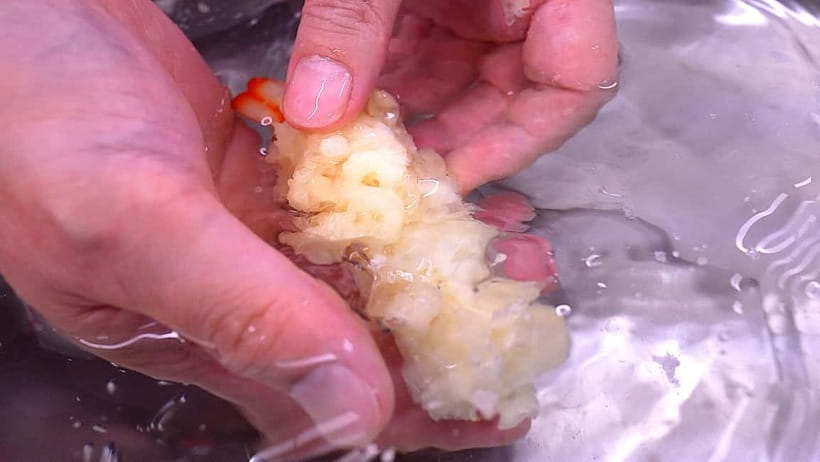
At $22 per person, the value is strong if you want a guided activity and a finished souvenir. The fee includes the making experience, all materials, and the replica food you create.
You are paying for more than a small craft object. The price also covers instruction, setup, practice, and the chance to ask questions in a tiny group. A self-guided look at restaurant displays would cost nothing, but it would not give you the technique or the take-home piece.
The value is especially clear for families. Four people can join a single small session, and everyone has a project to finish. The activity also gives you a break from temples, shopping, and long walks without taking over your day.
I would be less enthusiastic if you are only interested in high-end food or a detailed craft course. This is a short introduction, not professional training. You get a charming result and a window into Japanese visual culture, not a certificate or a full history of the industry.
Free cancellation is available up to 24 hours before the activity, and you can reserve without paying immediately. Those terms are useful if your Kyoto schedule is still shifting, but the key planning point remains simple: arrive at the reserved time.
Helpful preparation before you arrive
Wear something you do not mind getting wax on. Aprons and chef-style jackets may be available, but one participant was advised to consider a change of clothes. That is sensible advice for any activity involving melted material.
Bring patience rather than artistic confidence. Your first attempt is practice, and the instructors can help you improve the texture and shape. The best-looking replica usually comes from following the timing and dropping technique, not from trying to force the wax into perfection.
If you are travelling with children, explain beforehand that the food is decorative. Adult help may be needed, particularly around hot wax. Children under six cannot take part.
You can use a translation app if needed. English and Japanese are the stated languages, and the practical demonstrations make the workshop accessible even when conversation is limited. Still, keep your phone available without letting it distract you from the hot materials.
How it fits into a Kyoto day
The location near Kani Douraku and Nishiki Market makes this easy to combine with central Kyoto plans. You might schedule the workshop between market browsing and a meal, though be warned: making realistic tempura could leave you hungry.
The Sanjo Meiten-gai shopping arcade adds useful flexibility. If you arrive early, you can explore nearby stores. After the workshop, you can continue shopping or stop for real Japanese food, creating a funny contrast between the wax sample in your bag and the meal on your plate.
The activity is also a good rainy-day choice because the main work takes place indoors. The provided information does not specify wider accessibility details, so contact the provider if you have mobility, sensory, or other access needs.
JEUGIA Corporation provides the experience. The teaching style is warm and personal, with instructors who are described as patient, helpful, and willing to offer tips. The small format means the human side of the workshop is a major part of its appeal.
My call: book it for a souvenir with a story
I would book this if you want an inexpensive, unusual Kyoto activity that explains a visible part of Japanese everyday culture. The best reasons are the small group, the patient instruction, and the fact that you leave with something you made rather than something pulled from a shelf.
Families, couples, solo visitors, and anyone who enjoys hands-on activities should get good value from the hour. Pair it with Nishiki Market or the Sanjo shopping arcade, and it becomes an easy addition to a central Kyoto day.
Skip it if you want a food tasting, a long cultural lecture, or a completely mess-free experience. For everyone else, the $22 price buys a cheerful hour, a bit of craft skill, and a souvenir that may fool your friends until they try to eat it.
FAQ
How long does the replica food workshop last?
The stated duration is one hour. Some sessions may finish in around 45 minutes, depending on the group’s pace.
What food will I make?
The standard activity teaches you to make shrimp and pumpkin tempura replicas from melted wax. Lettuce may also be available as an option.
Can I eat the food I make?
No. The finished items are display replicas only and should not be served or eaten.
How many people can join a session?
The activity is limited to four participants, making it a small-group workshop.
Is the workshop available in English?
Yes. Instruction is offered in English and Japanese.
Can children take part?
Children aged six and over can participate. The workshop is not suitable for children under six, and parents may be asked to assist.
Where is the meeting point?
Meet diagonally across from Kani Douraku, identified by its large crab signboard. The workshop is in the Sanjo Meiten-gai shopping arcade area.
What is included in the price?
The $22 price includes the replica food-making experience, all materials, and the replica food you create as a souvenir.
Just added around Kyoto
- Sekka Cotton Furoshiki Class★ 5.0 · 19 reviews
- Kyoto Sword Experience – includes Museum Ticket/Ninja Experience★ 4.5 · 149 reviews
- Scenic Green Tea Fields of Hidden Kyoto & Local Tea Exp (Private)★ 5.0 · 32 reviews
- Secret Eastern Kyoto Biking Adventure★ 5.0 · 44 reviews
- Private Sake Tasting in Central Kyoto with Sake Sommelier★ 5.0 · 32 reviews
- Samurai School in Kyoto: Samurai for a Day★ 5.0 · 202 reviews
- SHIRAKAWA Japanese Culture Experiences with private English staff★ 5.0 · 16 reviews
- A Privately Guided Photoshoot in Beautiful Kyoto by a Pro★ 5.0 · 18 reviews
Food & Drink, compared.
Shinjuku Food Tour (13 Dishes at 4 Local Eateries)
Our verdict →
Kyoto Night Foodie Tour in Gion (9+ dishes + 6 Sake tastings)
Our verdict →
1-Day Snow Monkeys, Zenko-ji Temple & Sake in Nagano
Our verdict →
Insider Sake Brewery Tour with Sake and Food Pairing
Our verdict →
Tokyo After 5: Authentic Japanese Food & Drink Night Tour
Our verdict →
Browse the lists this tour appears in