
Reviewed · TEA CEREMONY EXPERIENCES
Kyoto Private Tea Ceremony with Tea Master at Home
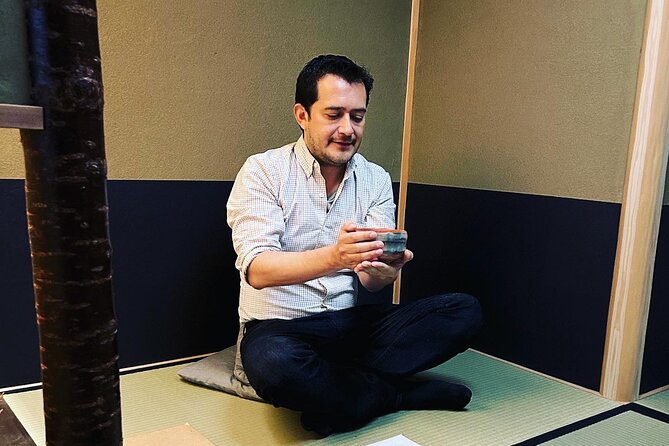
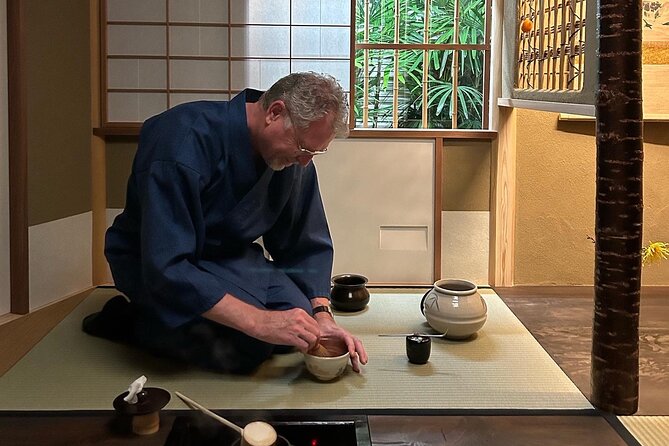
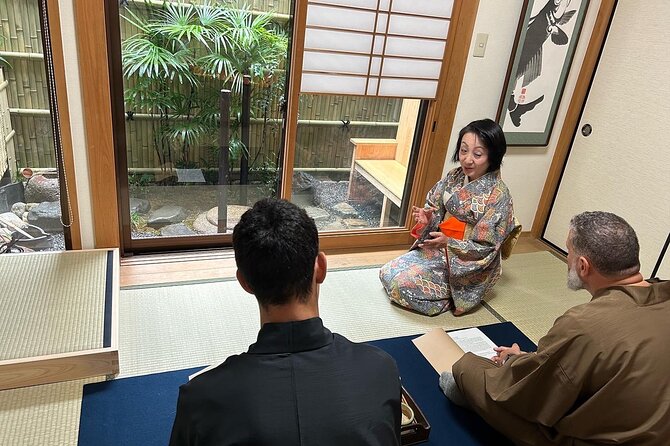
The best part of this Kyoto experience is its setting: you enter a real local home, not a large performance space, and sit in a traditional tea room with a certified tea master. Aya Ito explains the ceremony in clear English, then guides you through preparing matcha with a bamboo whisk.
I especially like the private format and the careful attention to small details, from the seasonal wagashi to the custom tea bowls and Uji matcha. The booklet you take home is another useful touch. The main drawback is that this is a quiet, etiquette-focused hour, not a costume show or casual tea tasting, and kimono rental is no longer included.
Key points to know before booking
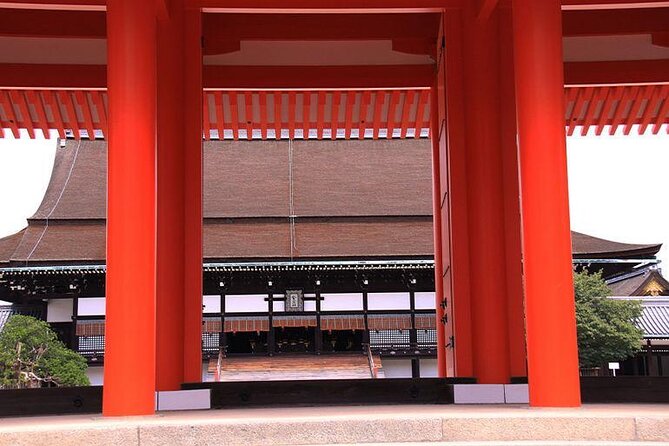
- A private home near Nijo Castle: The experience takes place at Sakura Experience Japanese Culture, close to one of Kyoto’s major sights.
- Aya Ito leads the ceremony: She teaches in English and explains both the steps and the cultural meaning behind them.
- Two bowls of Uji matcha: You watch the preparation, then make matcha yourself with a bamboo whisk.
- Three seasonal wagashi: The handcrafted sweets come from a long-established Kyoto confectioner and are gluten-free and vegan.
- Traditional rooms and tea utensils: Ceremonies take place in the Koma or Hiroma tea rooms, with bowls made by Kiyomizu and Raku potters.
- Strict arrival and clothing rules: Arrive on time, wear socks and long trousers or a long skirt, and skip perfume.
Entering a private tea room near Nijo Castle
This experience begins at Sakura Experience Japanese Culture Nijo Home, at 660 Izumicho in Kyoto’s Nakagyo Ward. The activity starts and ends at this address, which is near public transportation and within walking distance of Nijo Castle according to the information provided for the class.
The location matters. Kyoto has plenty of tea activities in hotels, shops, and purpose-built cultural centers. Here, you step into a local home and enter a tea room designed for the ceremony. That gives the hour a more personal feel, with less of the polished, high-volume atmosphere you may find in a large cultural attraction.
The home includes two traditional tea rooms, called Koma and Hiroma. The specific room used for your session may depend on the arrangement, but both are intended for quiet, formal tea practice. Sit on the tatami and expect the room itself to be part of the lesson. The space, utensils, gestures, sweets, and season all have a place in the ceremony.
You need to arrive on time. If you are more than 15 minutes late, you may not be allowed to participate, and no refund is available. I would plan to reach the neighborhood early, especially if you are coming from another part of Kyoto. This is not an activity where you can casually arrive halfway through and catch up.
More Tea Ceremony Experiences in Kyoto
- Kyoto: Tea Ceremony in a Traditional Tea House in Kiyomizu
★ 4.9 · 3,519 reviews - Kyoto: Tea Ceremony Ju-An at Jotokuji Temple
★ 4.9 · 3,207 reviews - Kyoto: 45-Minute Tea Ceremony Lesson Experience
★ 4.3 · 2,378 reviews
Aya Ito explains the meaning behind the ritual
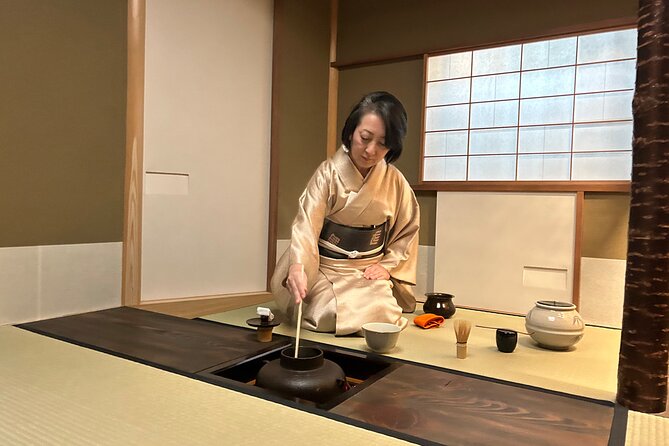
Aya Ito, referred to as Aya-sensei during the class, leads the ceremony. She is a licensed instructor and tea master, and her teaching style is central to the experience. The class is conducted in English, and the available feedback repeatedly describes her explanations as easy to follow, warm, and patient.
That matters because Japanese tea ceremony can seem mysterious if you only watch it from the outside. The formal movements are not simply decoration. They express hospitality, respect, attention, and an awareness of the particular moment. Aya explains the background and procedures so you can understand why the host handles each item in a careful order.
The hour is structured as a lesson and a ceremony. You first receive an introduction to the tradition and its etiquette. Aya then demonstrates the preparation and serving of matcha. After watching, you take part yourself, following her instructions as you use the bamboo whisk.
You do not need prior experience. In fact, the hands-on section is one of the strongest reasons to book this class. Watching a tea master prepare matcha can be beautiful, but making the tea yourself helps you notice the details: the amount of powder, the movement of the whisk, and the proper way to receive and drink the tea.
The pace is calm rather than rushed. That makes the class well suited to anyone who wants a cultural activity with room for questions. It may feel less suitable if you prefer a fast-moving tour packed with several sights.
Preparing matcha with a bamboo whisk
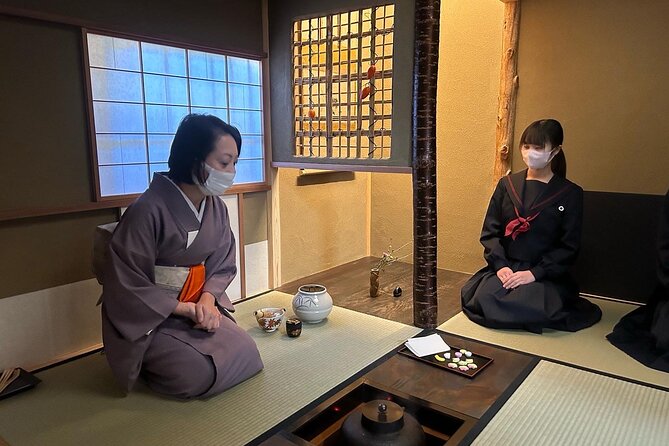
The practical center of the class is learning to prepare matcha in the traditional way. Aya demonstrates the process before guiding you through it. You use a bamboo whisk, known as a chasen, to mix the powdered tea with hot water.
The class includes two bowls of matcha made with an original blended tea from Uji. Uji, south of Kyoto, is one of Japan’s best-known tea-growing areas. Using Uji matcha gives the tasting a direct connection to the region rather than treating the tea as a generic green drink.
The two bowls also help the experience feel like more than a brief demonstration. One bowl is part of the formal lesson, while the second gives you another chance to appreciate the tea and the ritual. The class materials do not promise a particular flavor profile, and matcha can taste grassy, bitter, creamy, or slightly sweet depending on the blend and preparation.
Do not expect matcha to taste like a sweet café latte. This is powdered tea served in a traditional setting. The sweets are important because they balance the tea’s bitterness and prepare your palate for it.
Three seasonal wagashi from a Kyoto confectioner
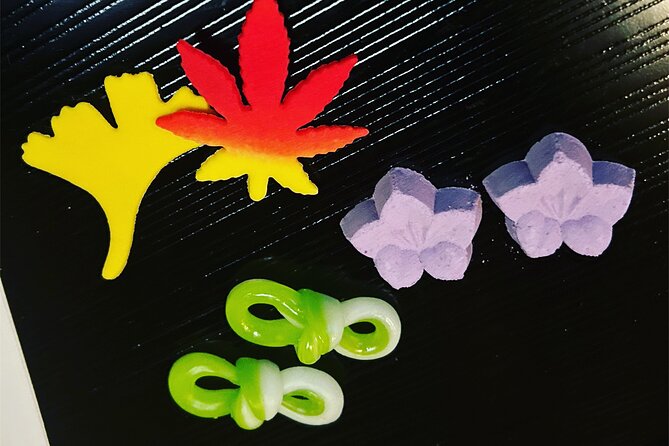
You receive three types of seasonal wagashi, or Japanese sweets. They are handcrafted by a long-established Kyoto confectioner, and the selection changes with the season.
Wagashi are not just snacks placed beside the tea. Their colors, shapes, and ingredients can reflect the time of year. A seasonal sweet gives you another way to see how Japanese hospitality connects food with the calendar. Aya can explain the sweets as part of the ceremony, so pay attention to how and when you eat them.
A practical advantage is that the sweets are gluten-free and vegan. That makes this class easier to consider if you avoid those ingredients. You should still communicate any serious allergy or dietary concern when booking, since the provided information only confirms the sweets are gluten-free and vegan.
The sweets also add value to the price. At $99.08 per person, you are paying for a private lesson, two bowls of matcha, three seasonal sweets, a tea booklet, and access to a traditional home setting. This is more expensive than simply ordering matcha in a café, but it is a fair comparison only if you want instruction and cultural context as well as the drink.
Same trip, a completely different kind of day:
- PERFECT KYOTO 1-Day Bus Tour
★ 5.0 · 13,518 reviews - Kyoto: Fushimi Inari, Kinkakuji, Bamboo Grove 1 Day Bus Tour
★ 4.8 · 4,316 reviews - Kyoto Geisha Walking Tour: Gion District & Hidden Gems
★ 4.7 · 3,273 reviews - Kyoto: Gion Magical Night Walking Tour with Geisha Trivia
★ 4.9 · 2,393 reviews
Tea bowls, craftsmanship, and the details you may miss
The utensils are not anonymous props. The experience uses custom-made tea bowls commissioned from Kiyomizu and Raku potters. Kyoto’s Kiyomizu area is known for ceramics, while Raku ware has a long connection with tea culture.
You may not become an expert in Japanese ceramics during a one-hour class, but Aya’s selection of bowls gives the lesson another layer. Look at the shape, glaze, weight, and way the bowl fits your hands. In tea ceremony, the bowl is part of the exchange between host and participant.
The same attention applies to the room and the seasonal sweets. A tea ceremony is built from many small choices, and this is where the private setting earns its keep. You can ask why an item is used, how it is held, or what a particular gesture means.
One practical note: please wear socks. Bare feet are not permitted because of hygiene and the tatami mats. If you forget, socks can be purchased on site, but bringing your own is simpler.
Wear long trousers or a long skirt and a top with sleeves. Shorts, mini skirts, and sleeveless tops are not permitted. Avoid perfume, including strong musk-based scents. Fragrance can interfere with the quiet atmosphere of the tea room, and you may be asked to remove it before entering.
A one-hour activity with real cultural depth
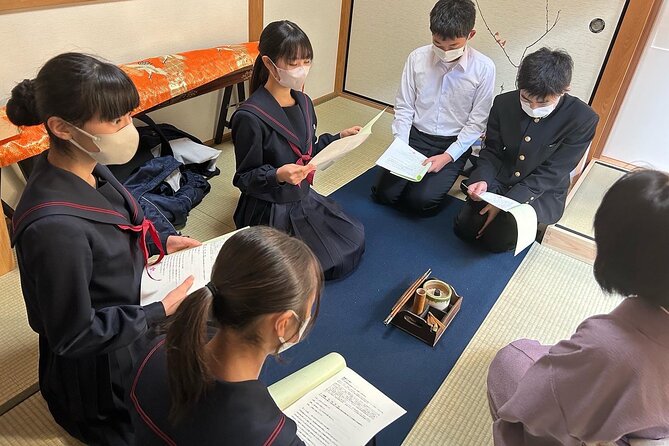
One hour is enough to learn the main sequence and prepare your own matcha, but it is not enough for a full study of tea ceremony. That is not a flaw as long as you book it with the right expectation.
I see this as an excellent introduction. You get the story, the etiquette, the demonstration, the hands-on practice, the sweets, and two bowls of tea without giving up most of your morning or afternoon. It fits neatly before or after a visit to Nijo Castle.
The short duration also makes it practical during a busy Kyoto schedule. Many visitors fill their days with temples and shrines, then discover that they have little time left for a slower cultural activity. This class gives you one concentrated hour of quiet attention.
The tradeoff is that the session may leave you wanting more. The ceremony has centuries of practice behind it, and you will only see a small portion of that tradition. If you already study tea ceremony or want a long formal sitting, this introductory class may feel limited.
What the private format changes
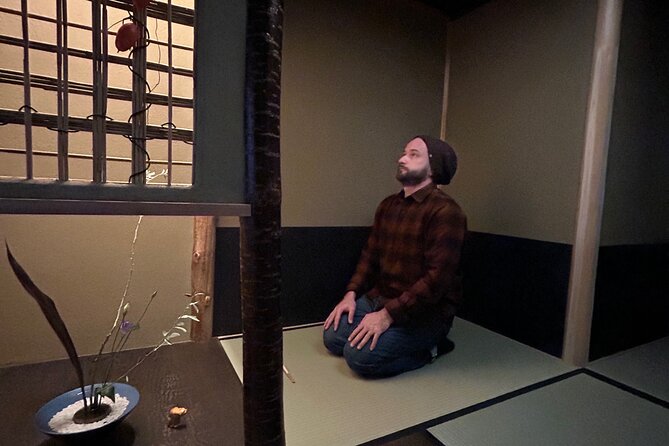
Only your own group participates. That is a major advantage over a large class. You can ask questions without waiting for a crowd, and Aya can adjust her explanation to your level of interest.
A private session also feels more appropriate for people who are shy about making a mistake. Tea etiquette has many details, but Aya guides you through the process rather than expecting you to know the rules. The goal is to pay attention and participate respectfully, not to perform perfectly.
The private format suits couples, families with older teenagers, and small groups of friends. Children 13 and under cannot attend, so this is not a choice for families traveling with younger children. The age rule is firm: arriving with a child without prior notice means you cannot join and will not receive a refund.
Small chairs are available for anyone who needs them. Tell the provider in advance so the seating can be arranged. The experience is conducted on tatami, so this detail is worth handling before the day of your visit.
The class can also be a good choice for a special occasion. The intimate setting, carefully selected sweets, and artistic utensils give it a sense of ceremony without requiring a full-day commitment.
Photos and communication before the class
Aya has used WhatsApp to communicate with some participants before arrival, and her clear directions have helped people find the home. You should still rely on the official meeting instructions and allow extra time.
One couple also received photographs taken during the session by Aya’s husband. That may be available depending on the day and the household, but it should not be treated as a guaranteed inclusion. If photographs matter to you, ask in advance rather than assuming someone will document the ceremony.
The possibility of photos is useful because you may prefer to put your phone away during the ritual. Still, the tea room is a place for quiet attention. Follow the host’s guidance about photography and avoid turning the ceremony into a photo session.
Value at $99.08 per person
At $99.08 per person, this is a premium cultural activity, but the price is easier to justify than it may first appear. The booking includes a private tea ceremony, instruction from a licensed tea master, hands-on matcha preparation, two bowls of Uji matcha, three handmade seasonal wagashi, and a booklet.
You are also paying for the small-group setting and the home environment. A cheaper public tea demonstration may show you the basic movements, but it may not offer the same chance to ask questions or prepare the tea yourself.
Group discounts are available, which can improve the value for a small party. The experience has received a 5 out of 5 rating from 58 reviews, with 100 percent recommending it. Those figures suggest very strong satisfaction, though you should still match the format to your interests.
The price is not a bargain if you only want to taste matcha. Kyoto cafés can provide that for far less. It becomes good value if you want a guided lesson, cultural explanation, traditional sweets, and a private setting that feels connected to everyday Japanese life.
Who should book, and who should skip it
I would recommend this experience to you if you want to understand the ritual rather than simply watch it. It is especially suitable if you appreciate traditional etiquette, quiet spaces, handmade objects, and food tied to the seasons.
It works well for first-time visitors who want an accessible introduction to Japanese culture. Aya’s English explanations and patient teaching make the class approachable, while the traditional room and utensils keep it from feeling like a simplified tourist demonstration.
This is also a good choice for couples and small groups. The private format gives you time to talk with the instructor and take part without a crowd around you.
You may want to skip it if you dislike sitting on tatami, cannot follow the clothing and fragrance rules, or want to wear a kimono. Kimono rental is not included, and the class no longer offers it as part of the program.
I would also choose another activity if your schedule is so tight that you may arrive late. The 15-minute cutoff is strict. This is a class that rewards planning and attention, not a drop-in stop between unrelated sights.
Should you book this Kyoto tea ceremony?
Book it if you want a personal introduction to tea ceremony in a real Kyoto home, with clear English instruction and time to prepare matcha yourself. The combination of Aya Ito’s teaching, two bowls of Uji tea, seasonal wagashi, traditional rooms, and a small private group gives the hour real substance.
Skip it if you are mainly looking for a kimono photo opportunity, a sweet café drink, or a large theatrical show. For the right person, $99.08 buys much more than tea: it buys a focused lesson in hospitality, etiquette, craftsmanship, and seasonal Japanese taste.
FAQ
Where does the tea ceremony take place?
It takes place at Sakura Experience Japanese Culture Nijo Home, located at 660 Izumicho in Kyoto’s Nakagyo Ward, near Nijo Castle and public transportation.
How long does the experience last?
The tea ceremony lasts approximately one hour.
Who leads the tea ceremony?
Aya Ito, also called Aya-sensei during the class, leads the session as a licensed tea instructor and tea master.
Is the activity private?
Yes. Only your own group participates in the activity.
How much does the experience cost?
The listed price is $99.08 per person. Group discounts are available.
What is included in the booking?
You receive three seasonal types of wagashi, a tea ceremony booklet, a demonstration and hands-on matcha lesson, and two bowls of matcha made with an original Uji blend.
Are the Japanese sweets suitable for vegan and gluten-free diets?
The included wagashi are described as gluten-free and vegan.
Is kimono rental included?
No. Kimono rental is not included.
Can children attend?
Children aged 13 and under are not permitted to join this class.
What should I wear?
Wear socks, long trousers or a long skirt, and a top with sleeves. Shorts, mini skirts, sleeveless tops, and strong perfume are not permitted.
What happens if I arrive late?
You must arrive on time. If you arrive more than 15 minutes after the start, you may not be allowed to participate and no refund will be provided.
Are chairs available?
Small chairs are available for people who need them. You should inform the provider in advance.
Can I cancel for a refund?
You can cancel at least 24 hours before the start time for a full refund. Cancellations and changes made less than 24 hours before the activity are not accepted.
Just added around Kyoto
- Sekka Cotton Furoshiki Class★ 5.0 · 19 reviews
- Secret Eastern Kyoto Biking Adventure★ 5.0 · 44 reviews
- Kyoto Sword Experience – includes Museum Ticket/Ninja Experience★ 4.5 · 149 reviews
- Scenic Green Tea Fields of Hidden Kyoto & Local Tea Exp (Private)★ 5.0 · 32 reviews
- Private Sake Tasting in Central Kyoto with Sake Sommelier★ 5.0 · 32 reviews
- Samurai School in Kyoto: Samurai for a Day★ 5.0 · 202 reviews
- SHIRAKAWA Japanese Culture Experiences with private English staff★ 5.0 · 16 reviews
- A Privately Guided Photoshoot in Beautiful Kyoto by a Pro★ 5.0 · 18 reviews
Tea Ceremony Experiences, compared.

Tea Ceremony in a Traditional Tea House in Kiyomizu
Our verdict →


World Heritage Kyoto & Nara Uji Authentic Matcha Experience
Our verdict →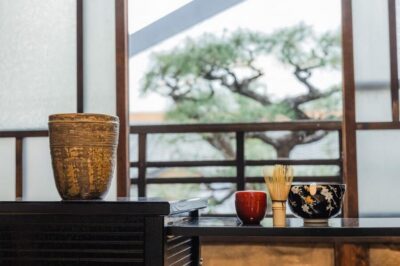


Arashiyama Bamboo Forest, Monkeys, Matcha & Temple Tour
Our verdict →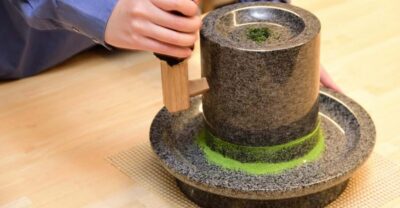
Browse the lists this tour appears in