
Reviewed · TEA CEREMONY EXPERIENCES
Kyoto: Private Tea Ceremony at local home with tea master
A tea ceremony in a local home near Nijo Castle gives you something a formal sightseeing stop cannot: a calm hour focused on small actions. You will learn why the cloth is folded a certain way, how to turn the tea bowl, and what the whisk, scoop, and bowl mean. The host may be Aya-san, a Kyoto-born tea master named by a recent participant, and the tone is welcoming rather than stiff.
I like the private setting and the chance to prepare matcha yourself. I also like the use of Uji tea and two made-to-order seasonal sweets, which turn the lesson into a tasting as well as a cultural class. The main drawback is the tight one-hour schedule. One participant found the ending rushed when another booking was due, so this is a focused introduction, not a long ceremonial retreat.
Key points to know before booking
- Three minutes from Nijo Castle: The tea room is close to Nijojo-mae subway station and Kyoto city bus stop, making it easy to pair with central Kyoto sightseeing.
- A private one-hour lesson: You receive personal attention instead of sharing the room with a large crowd.
- Two cups of Uji matcha: You watch the tea being prepared and make matcha yourself.
- Seasonal sweets made to order: Two types of traditional Japanese dried sweets balance the tea and add a visual touch.
- A practical introduction to etiquette: You learn how to handle the bowl, use the utensils, and appreciate the ceremony without needing prior experience.
- Dress rules matter: Wear long trousers or a long skirt and socks. Shorts, bare feet, strong perfume, hats, and indoor shoes are not allowed.
A quiet tea room three minutes from Nijo Castle
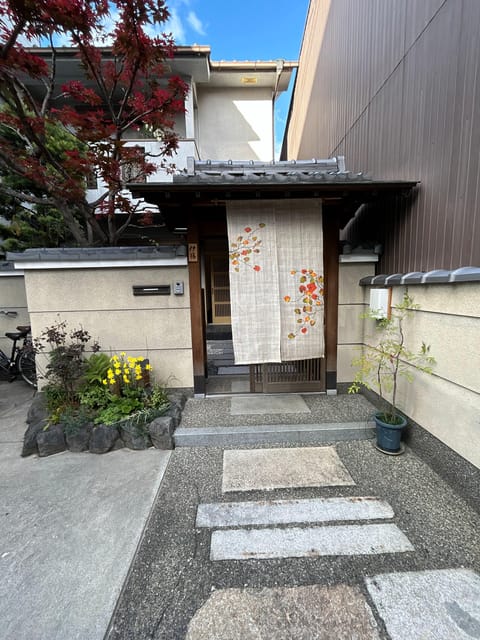
The experience begins at Sakura Japanese Cultural Experience, a local home close to Nijo Castle and the Kyoto Imperial Palace. From Nijojo-mae subway station, you can walk there in about three minutes. The same walk applies from the Kyoto city bus stop, while Shijo Station is about 15 minutes away on foot.
That location makes this easy to fit into a day of central Kyoto sightseeing. You could visit Nijo Castle before the class, then walk over while the castle’s grand rooms and gardens are still fresh in your mind. A taxi from Kyoto Station takes about 10 minutes, which is useful if you are carrying luggage or arriving after a train ride.
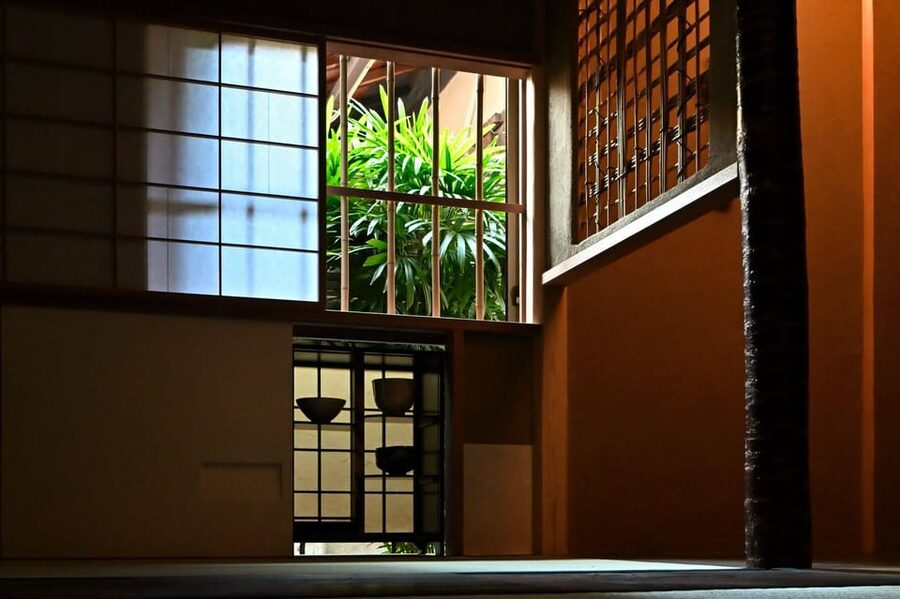
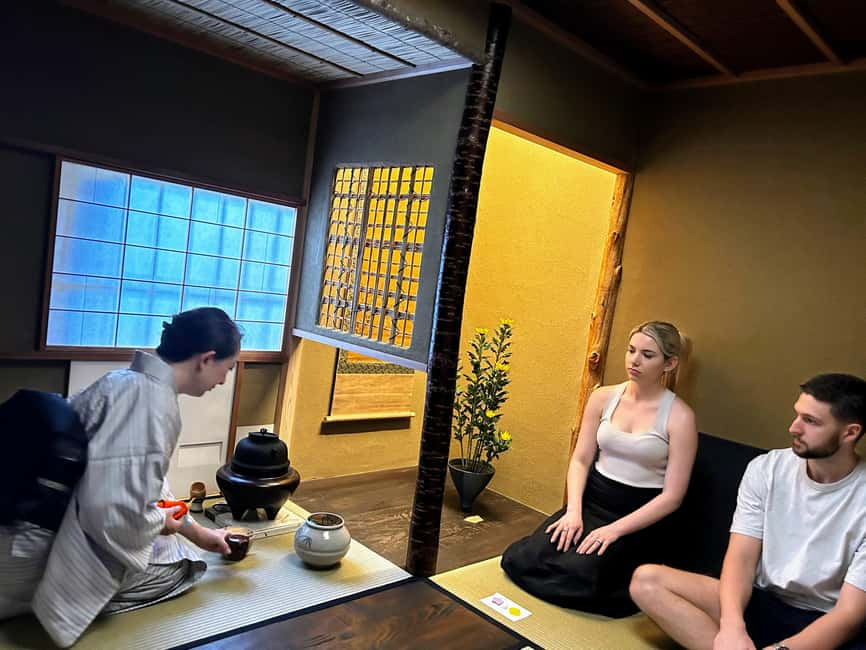
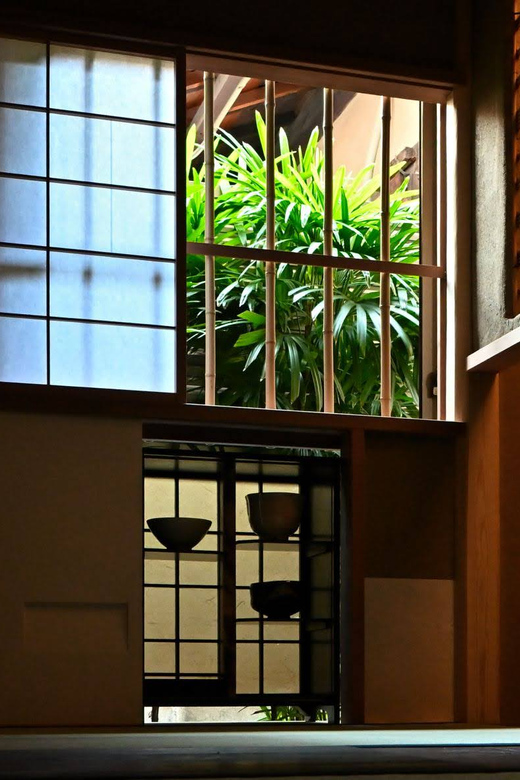
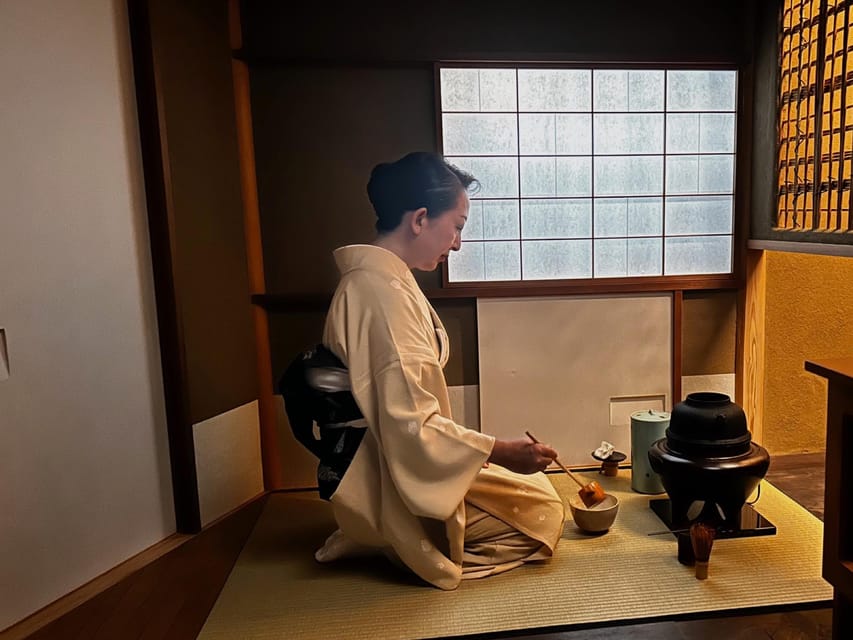
This is not a stage show in a temple hall. You enter a private home and sit in an authentic tea room, where the limited space is part of the experience. The room asks you to slow down and pay attention to objects that can look ordinary at first: a bowl, a bamboo scoop, a whisk, and a folded cloth.
The setting also explains the strict clothing rules. Tea rooms traditionally involve careful movement and sitting close to the floor. Long trousers or a long skirt and socks are required, while shorts and short skirts can be uncomfortable or unsuitable. You must remove your shoes, and you should leave jewelry, hats, perfume, and strong fragrances at home.
More Tea Ceremony Experiences in Kyoto
- Kyoto: Tea Ceremony in a Traditional Tea House in Kiyomizu
★ 4.9 · 3,519 reviews - Kyoto: Tea Ceremony Ju-An at Jotokuji Temple
★ 4.9 · 3,207 reviews - Kyoto: 45-Minute Tea Ceremony Lesson Experience
★ 4.3 · 2,378 reviews
The opening lesson: tea ceremony without the mystery
Before the formal preparation begins, the tea master explains the background of Japanese tea ceremony. This introduction covers how the practice developed, how it was passed down, and why respect, attention, and hospitality matter so much.
I find this opening useful because it gives the gestures a purpose. Without an explanation, folding a cloth or turning a bowl can look like a set of beautiful but puzzling movements. With context, you begin to see the ceremony as a way of showing care through precise actions.
The class is designed for beginners. Terms are explained in plain language, and the instructor breaks the process into manageable steps. You do not need to know Japanese customs beforehand, and you are not expected to perform perfectly.
English and Japanese instruction is available. The tea master is certified, Kyoto-born, and has lived in Kyoto, which gives the lesson a strong local connection. One recent participant specifically praised Aya-san’s welcome and the careful explanation of Kyoto and tea traditions.
The private format matters here. You can ask why a tool is used or repeat a movement without worrying about holding up a large group. The class is still structured, but it has room for questions and personal attention.
The tools: bowl, whisk, scoop, and folded cloth
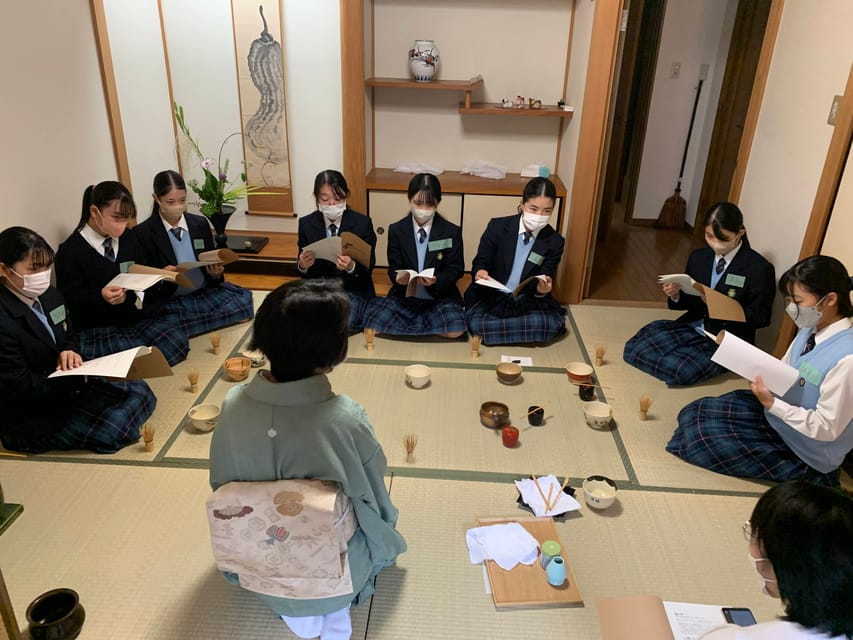
The tea utensils receive their own explanation, and this is one of the most practical parts of the class. You learn about the chawan, or tea bowl, the chasen, or bamboo whisk, and the chashaku, or tea scoop.
The tea bowl is not simply a cup. You learn how to hold it and how to appreciate it as part of the ceremony. The whisk is used to mix the matcha into a smooth drink, while the scoop measures the powdered tea. The cloth has a ceremonial role and is folded and handled with care.
You also receive guidance on using and caring for the utensils. That makes the lesson more useful after you leave Kyoto. Even if you never own a tea bowl or whisk, you will understand why Japanese tea preparation gives so much attention to maintenance, cleanliness, and order.
The demonstration shows the full sequence before you try it yourself. Watch the instructor’s hands closely. The value is not speed. It is the controlled pace, the clean movements, and the sense that each action has been considered in advance.
Two cups of Uji matcha and seasonal Japanese sweets
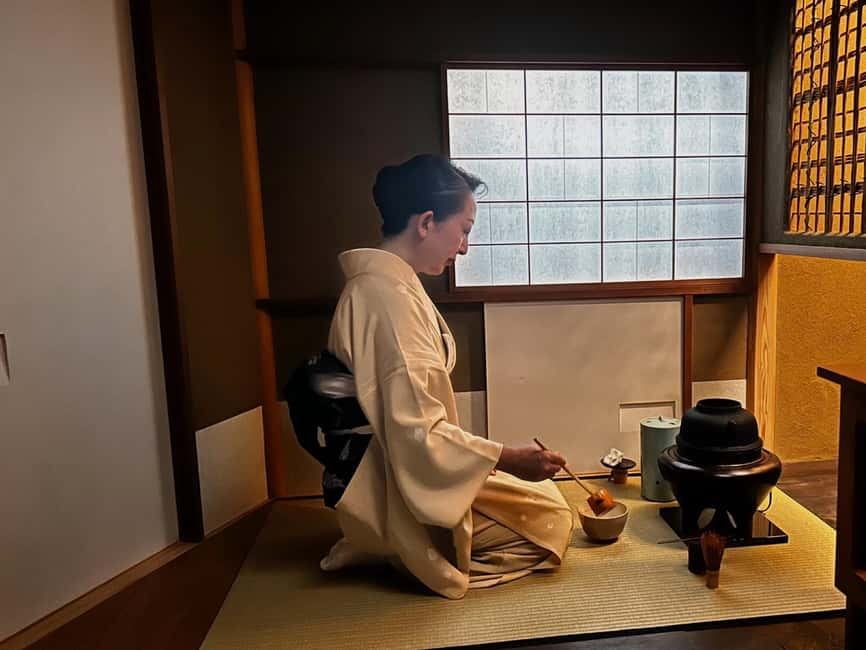
The tea is made with matcha sourced from Uji in Kyoto, one of Japan’s best-known tea-producing areas. Uji is close enough to Kyoto that the ingredient connects the class directly to the region rather than treating matcha as a generic souvenir drink.
You receive two cups of matcha. The first helps you understand the flavor and texture of properly prepared powdered tea. Matcha is stronger and more concentrated than ordinary steeped green tea, with a fine texture and a distinct bitterness that works well with sweets.
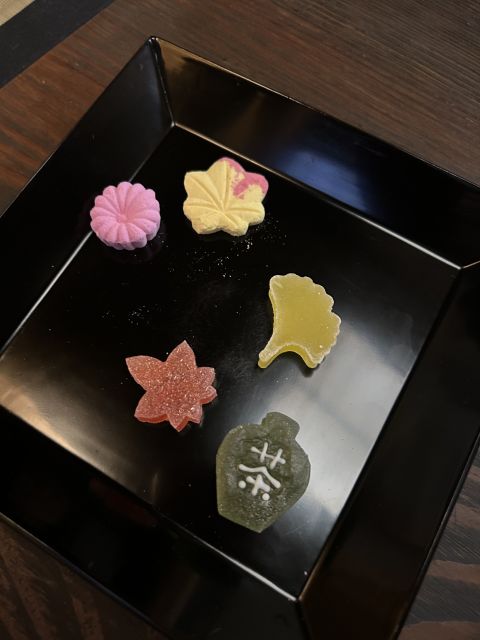
The sweets are not an afterthought. You receive two types of traditional Japanese dried sweets, made to order and shaped with seasonal inspiration. Their sweetness balances the tea, while their appearance adds another piece of Japanese craftsmanship to the experience.
The exact sweets can change with the season, so you should not expect a fixed menu. That change is part of the point. Japanese hospitality often pays attention to the time of year, and the sweets help you notice that idea in an edible form.
If you have dietary needs, tell the provider in advance. The experience accommodates LGBTQ participants, Halal requirements, vegan diets, and various allergies. The supplied details do not specify every ingredient or substitution, so advance notice is the sensible approach.
Same trip, a completely different kind of day:
- PERFECT KYOTO 1-Day Bus Tour
★ 5.0 · 13,518 reviews - Kyoto: Fushimi Inari, Kinkakuji, Bamboo Grove 1 Day Bus Tour
★ 4.8 · 4,316 reviews - Kyoto Geisha Walking Tour: Gion District & Hidden Gems
★ 4.7 · 3,273 reviews - Kyoto: Gion Magical Night Walking Tour with Geisha Trivia
★ 4.9 · 2,393 reviews
Preparing your own matcha
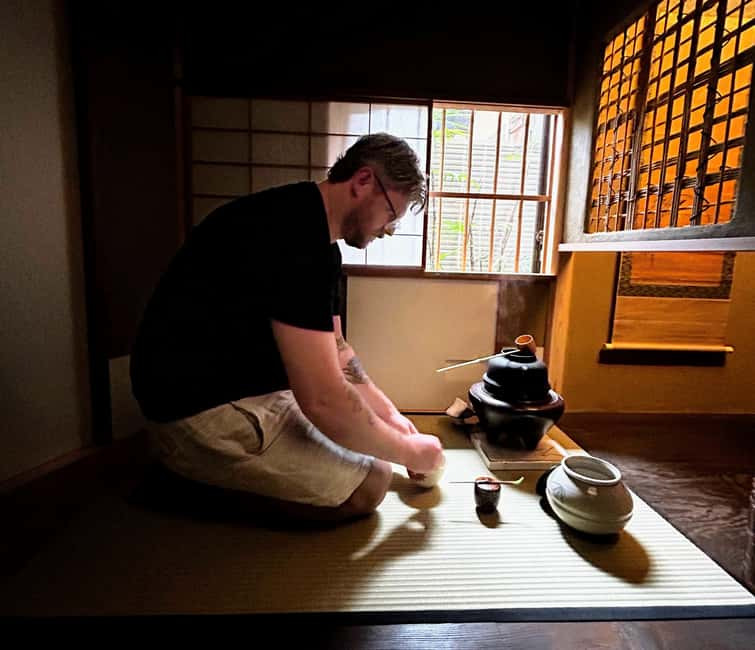
The hands-on section is where the class shifts from watching to doing. After the demonstration, you prepare matcha yourself under the tea master’s direction.
You learn how to measure the powder, add water, and whisk it properly. The goal is not to turn you into a tea master in one hour. The goal is to let you feel the rhythm of the process and understand why the ceremony values patience and control.
This practical step is especially useful if you have only seen tea ceremony performed from a distance. Your hands begin to understand the sequence. You may notice how easy it is to whisk too quickly, hold the bowl awkwardly, or focus so hard on the instructions that you forget to enjoy the moment.
The tea master also explains the etiquette for drinking. You learn how to hold and turn the bowl, how to receive the tea, and how to show appreciation. These customs are taught as part of Japanese manners, not as a test you can fail.
You should expect a respectful atmosphere, but not a tense one. The class is aimed at first-time participants, and the instructions are simplified so you can take part without prior training.
A private class, but one hour goes quickly
The private group format is a major advantage. You are not competing with a busload of people for the instructor’s attention, and the tea master can respond to your questions. This works particularly well for couples, families with older teenagers, or small groups with a shared interest in Japanese culture.
The limit is time. One hour sounds generous when you are booking, but the class includes an introduction, history, utensil explanation, demonstration, hands-on preparation, two cups of tea, sweets, etiquette, questions, and reflection.
I would arrive ready to begin rather than treating the first few minutes as spare time. The tea room is close to public transport, so plan your route before you set out. If you arrive late, you may miss the history or tool explanation, and the final question period can feel compressed when another appointment follows.
One participant praised the calm setting, beautiful bowls, clear explanations, and perfect host, but found the ending a little rushed as another booking approached. That is a fair warning. You should view this as a carefully packed introduction, not an unhurried half-day study session.
Video and audio recording are not allowed. This may disappoint anyone hoping to capture the movements for later, but it also protects the quiet of the room. Put your phone away and concentrate on the demonstration.
What to wear and what to leave behind
The dress requirements are more important here than on many casual cultural activities. Wear comfortable clothing that allows you to sit and move without trouble. Long trousers or a long skirt are required, and you must wear socks.
Shorts, short skirts, sleeveless shirts, hats, and bare feet are not allowed. Shoes are removed indoors, so socks are essential. If you forget them, socks are available for purchase, but bringing your own is easier.
Do not wear perfume or strong fragrance. Tea ceremony depends on scent as well as taste, and heavy fragrance can interfere with the tea and sweets. Jewelry is also not allowed, so keep accessories simple.
Smoking and vaping are prohibited, as are alcohol and drugs. These rules are straightforward, but it helps to read them before leaving your hotel. You want to arrive relaxed, not scrambling to change clothes or remove accessories at the door.
Who will get the most from this experience
This class suits you if you want cultural context rather than a quick photo stop. The instructor explains the history, philosophy, tools, and manners, then lets you take part. It is a good fit for first-time visitors who want a gentle introduction to one of Japan’s most recognizable traditions.
It also works well for people who enjoy craft and detail. You will spend time looking at bowls, learning how utensils are handled, and noticing how small movements create a sense of order. The session rewards attention more than background knowledge.
The private format makes it a good choice for couples and small groups who prefer a personal class. It is also suitable for visitors seeking an activity that is not centered on walking or sightseeing outdoors. The venue is wheelchair accessible, though the supplied information does not explain the exact seating arrangement inside the tea room, so ask ahead if you need specific access details.
Children under 13 are not accepted. Older children and teenagers who can follow quiet instructions may find it worthwhile, especially if they have an interest in Japanese food, design, or customs.
This is less suitable if you want a long, highly formal ceremony with no teaching pauses. The instructor explains each stage and makes the class accessible, so the experience feels educational as well as ceremonial. That is a strength for beginners, but a repeat student may prefer a longer or more advanced session.
Is $101 per person a fair price?
At $101 per person, this is not the cheapest way to drink matcha in Kyoto. You can find tea in many cafés and experience Japanese sweets for far less. The price makes sense only if you value the private setting, certified instruction, hands-on preparation, and cultural explanation.
You receive two cups of matcha, two kinds of traditional dried sweets, and a certification from the tea master. The certificate will not replace formal training, but it makes a pleasant keepsake of the class.
The main value is the access to a local home and a private instructor. A café can serve you matcha, but it will not usually explain the history of the ceremony, demonstrate the utensils, guide your own preparation, and answer questions in the same concentrated hour.
The location adds practical value. You can pair the class with Nijo Castle and the Kyoto Imperial Palace without crossing the city. For a short Kyoto visit, that efficient central location helps you fit a cultural activity into a busy day.
I would book it if you want to understand what you are seeing when tea ceremony appears elsewhere in Japan. I would skip it if your main goal is simply to taste matcha or if $101 feels high for a one-hour activity.
Booking details that affect your day
The meeting point is three minutes from Nijojo-mae subway station and the nearby Kyoto city bus stop. It is about 15 minutes on foot from Shijo Station and approximately 10 minutes by taxi from JR Kyoto Station.
The class is offered in English and Japanese. It is a private group activity, and the duration is one hour. You can reserve now and pay later, which helps if you are still arranging your Kyoto schedule.
Cancellation is free up to 24 hours before the activity for a full refund. Check the available starting times when you book, since the short duration does not mean the class runs continuously throughout the day.
The provider welcomes LGBTQ participants and can accommodate Halal, vegan, and various allergy needs. Contact the provider before the class so the tea and sweets can be prepared appropriately.
Should you book this Kyoto tea ceremony?
Book it if you want a personal, beginner-friendly lesson in a real local home, close to Nijo Castle. The strongest reasons are the certified tea master, the calm private setting, the chance to prepare your own Uji matcha, and the explanation of etiquette that makes the ceremony easier to understand.
Go in with realistic expectations. You will not master tea ceremony in one hour, and the schedule may feel brisk near the end. Wear the right clothing, arrive on time, avoid perfume, and treat the session as a focused cultural introduction.
For first-time visitors to Kyoto, I think the experience earns its price when you care about the meaning behind Japanese customs. If you only want a sweet and a cup of green tea, spend less at a café. If you want to slow down, handle the tools, and learn why the ritual works as it does, this private class is a strong choice.
FAQ
Where does the tea ceremony take place?
It takes place at Sakura Japanese Cultural Experience, a local home near Nijo Castle and the Kyoto Imperial Palace.
How long is the activity?
The tea ceremony lasts one hour.
How close is the meeting point to public transportation?
The venue is about three minutes from Nijojo-mae subway station and three minutes from the Kyoto city bus stop. It is about 15 minutes on foot from Shijo Station and approximately 10 minutes by taxi from JR Kyoto Station.
What is included in the experience?
You receive two cups of matcha, two kinds of traditional Japanese dried sweets, and a certification from the tea master.
What should I wear?
Wear comfortable clothing, long trousers or a long skirt, and socks. Shorts, short skirts, bare feet, hats, sleeveless shirts, jewelry, shoes indoors, and strong fragrances are not allowed.
Can people with dietary needs take part?
The experience accommodates LGBTQ participants, Halal requirements, vegan diets, and various allergies. Contact the provider in advance with your specific needs.
Just added around Kyoto
- Sekka Cotton Furoshiki Class★ 5.0 · 19 reviews
- Kyoto Sword Experience – includes Museum Ticket/Ninja Experience★ 4.5 · 149 reviews
- Scenic Green Tea Fields of Hidden Kyoto & Local Tea Exp (Private)★ 5.0 · 32 reviews
- Secret Eastern Kyoto Biking Adventure★ 5.0 · 44 reviews
- Private Sake Tasting in Central Kyoto with Sake Sommelier★ 5.0 · 32 reviews
- Samurai School in Kyoto: Samurai for a Day★ 5.0 · 202 reviews
- SHIRAKAWA Japanese Culture Experiences with private English staff★ 5.0 · 16 reviews
- A Privately Guided Photoshoot in Beautiful Kyoto by a Pro★ 5.0 · 18 reviews
Tea Ceremony Experiences, compared.

Tea Ceremony in a Traditional Tea House in Kiyomizu
Our verdict →


World Heritage Kyoto & Nara Uji Authentic Matcha Experience
Our verdict →

Arashiyama Bamboo Forest, Monkeys, Matcha & Temple Tour
Our verdict →
Browse the lists this tour appears in