
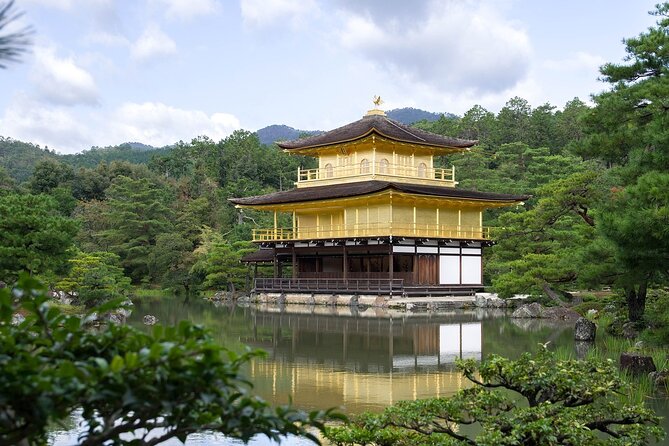
Reviewed · 3-HOUR EXPERIENCES
Kyoto: Private Flexible 3 hours tour with a local guide
Kyoto is easier to enjoy when you can choose the sights that matter most to you. This private, flexible tour lets your group shape a short route around places such as Fushimi Inari, Kiyomizu-dera, Gion, Arashiyama, a market, or a favorite food stop. Your guide handles the route and adds local context along the way.
I like the freedom to build a useful itinerary instead of being locked into a fixed schedule. I also like the personal attention: guides such as Steven, Toshiki, Teppei, Nanako, and Kyoichi have adjusted walks for children, heat, food interests, religious visits, and very limited time.
The main catch is that transportation is extra, and the standard tour does not include a private car or driver. In two or three hours, you also need to choose carefully. Kyoto has too much to see for an ambitious everything-in-one-go plan.
Key points to know before booking
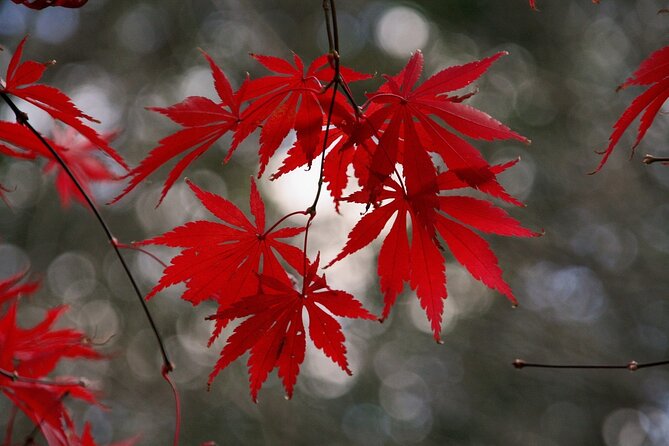
- Choose one to three Kyoto sights: Possible stops include Fushimi Inari Taisha, Kiyomizu-dera, Gion, Arashiyama Bamboo Forest, markets, temples, and shrines.
- Your group stays private: You do not share the guide with another booking.
- The guide can help beyond sightseeing: Support may include booking a taxi, buying a SIM card, and explaining local customs.
- Expect a walking and public-transit outing: A private car and driver are not part of the standard price, and transportation fees are separate.
- Families can shape the pace: Guides have adjusted routes and train rides for children aged 8 and 11.
- The short duration demands focus: One to three locations can fit the time, but not every major Kyoto sight.
A private Kyoto plan instead of a fixed sightseeing march
The best thing about this experience is control. You tell the guide what you want to see, and the route can be built around your interests rather than around a standard checklist.
That matters in Kyoto. The city’s major sights are spread out, and each has a different feel. Fushimi Inari is in the south, Kiyomizu-dera and Gion sit in the eastern part of the city, and Arashiyama is farther west. A guide can help you decide what works together and what is better saved for another outing.
The experience is designed for your own party only. That makes it easier to ask questions, pause for photographs, alter the pace, or change direction when a planned stop no longer feels right. A private format is also useful for families, couples, and groups with mixed interests.
The tour lasts approximately two to three hours. The advertised price is $131.38 per person, with group discounts offered. That is not the cheapest way to walk around Kyoto, but the value depends on how much help you need. If you are comfortable planning train routes, shrine etiquette, and neighborhood connections yourself, you may prefer a self-guided day. If you have only a few hours, want clear explanations, or are uneasy navigating an unfamiliar city, the guide can make that short window far more productive.
More 3-Hour Experiences in Kyoto:
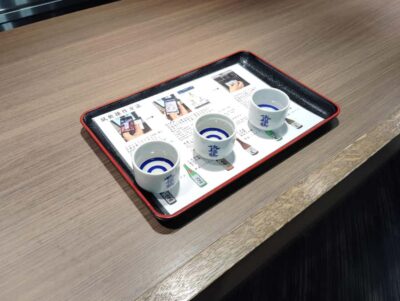
- 3-Hour Kyoto Insider Sake Brewery Tour with Tastings & Pairings
★ 5.0 · 917 reviews - Kyoto: 3-Hour Fushimi Inari Shrine Hidden Hiking Tour
★ 4.9 · 270 reviews - Kyoto Imperial Palace & Nijo Castle Guided Walking Tour – 3 Hours
★ 4.5 · 106 reviews
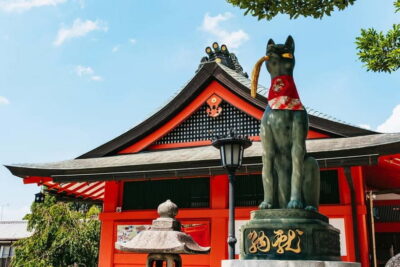
Fushimi Inari and its thousands of red gates
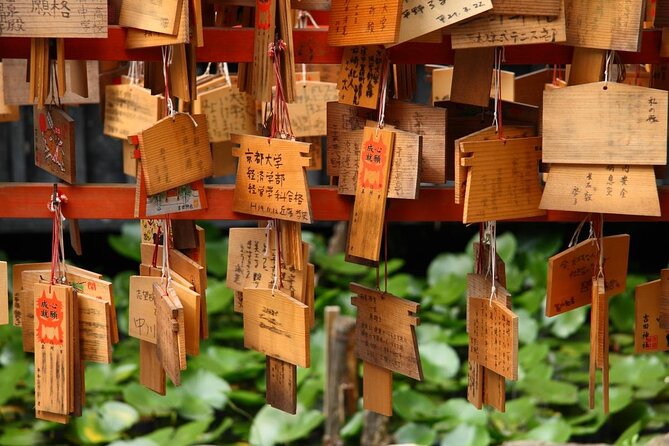
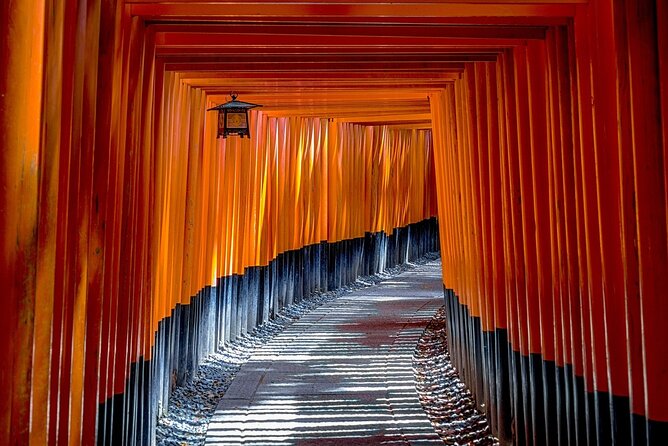
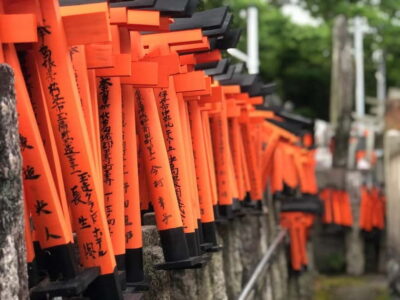
Fushimi Inari Taisha is one of the possible stops, and it is the most physically demanding choice among the three main sights described here. The shrine climbs a mountainside, with a long route passing beneath thousands of red torii gates.
You can expect a walk rather than a quick photo stop. The first section is especially popular, and the guide can explain what you are seeing while helping you decide how far to continue. With only about an hour allocated to the stop, you are unlikely to cover every path on the mountain. That is not necessarily a problem. The point is to experience the famous gate tunnels without turning a short Kyoto visit into an exhausting hike.
This is a good choice if you want a strong visual introduction to Kyoto and do not mind hills or stairs. It is less suitable if your group needs a flat route or wants to spend the same two hours visiting several temples.
A guide adds value here by explaining shrine customs and helping with the practical details of moving through a very popular site. You can also ask questions about Shinto practice, the meaning of the gates, and how the shrine fits into Kyoto’s religious life.
Kiyomizu-dera for temple views and old Kyoto streets
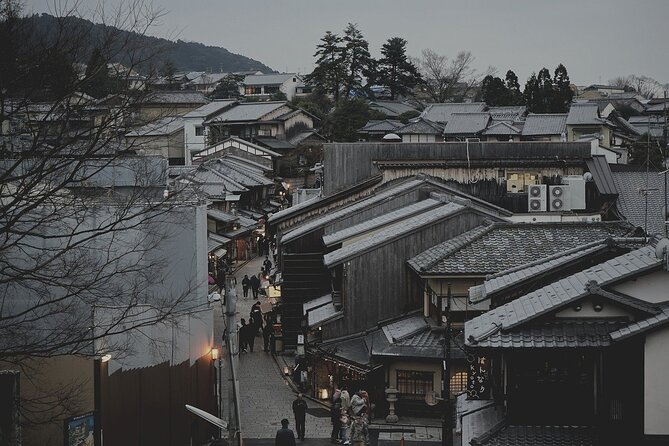
Kiyomizu-dera is another possible one-hour stop. The temple is known for its large wooden structure and views over Kyoto, but the surrounding streets are part of the appeal. You can walk before or after the temple through an area filled with traditional buildings and shops.
Admission is not included, so allow for that additional cost. The tour information does not specify the current admission price, and it is sensible to confirm it before setting out.
I would choose Kiyomizu-dera if you want a classic Kyoto scene with architecture, city views, and an old-fashioned shopping district in one compact area. It also gives the guide plenty to explain, from temple customs to the way the surrounding neighborhood developed.
The drawback is crowding. The eastern Kyoto temple area can be busy, and a short visit may feel rushed if you want to linger inside the temple and browse the streets. Tell your guide what matters most. If the view is the priority, spend less time shopping. If you want photographs and small shops, the temple visit may need to be shorter.
Gion, where the walk is as important as the destination
Gion offers a very different experience. Instead of a mountain shrine or a large temple compound, you walk through one of Kyoto’s oldest districts, looking at traditional buildings, shops, and narrow streets.
This is one of the easiest choices for a short tour because the experience comes from simply moving through the neighborhood and noticing details. Your guide can point out local customs, explain the character of the district, and help you understand what you are seeing without turning the walk into a lecture.
Gion works especially well with Fushimi Inari for a first taste of Kyoto. Fushimi gives you the dramatic gates and religious setting. Gion gives you traditional streets and everyday city atmosphere. One is active and uphill, the other is slower and more observational.
Be respectful with photography, especially around people and private entrances. The tour information promises traditional buildings, shops, and photo opportunities, but it does not promise access to private places or encounters with geisha. Treat Gion as a living neighborhood, not a stage set.
A few more Kyoto half-days worth comparing
- PERFECT KYOTO 1-Day Bus Tour
★ 5.0 · 13,518 reviews - Kyoto: Fushimi Inari, Kinkakuji, Bamboo Grove 1 Day Bus Tour
★ 4.8 · 4,316 reviews - Kyoto: Tea Ceremony in a Traditional Tea House in Kiyomizu
★ 4.9 · 3,519 reviews - Kyoto Geisha Walking Tour: Gion District & Hidden Gems
★ 4.7 · 3,273 reviews
Arashiyama, markets, food, and other custom choices
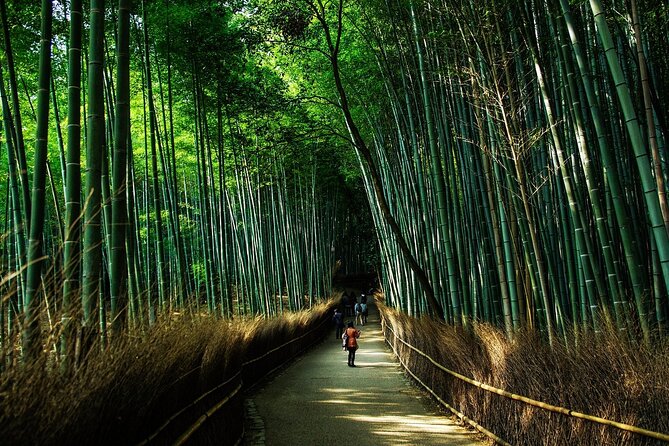
The tour can also be arranged around Arashiyama Bamboo Forest, a market, food, or other temples and shrines. Several experiences described by past participants included local markets and ramen or other food stops, but food is not included in the price. You should expect to pay separately for anything you eat or drink.
Arashiyama is a major choice, but it requires careful planning because it is away from central and eastern Kyoto. If you select it, it may make sense to focus the whole outing there rather than trying to connect it with Fushimi Inari and Gion in the same short window.
The same principle applies to markets and food. A guide can help you find something suited to your group and explain unfamiliar dishes. One guide was praised for selecting food that was interesting without being so unusual that it became difficult to enjoy. That is the kind of practical judgment that can be useful when you want to eat locally but are unsure what to order.
You can also request less typical stops. One guide joined a visitor at a church service, while other outings included temples, shrines, a bamboo forest, a local market, and traditional areas. The activity is not limited to the three sample stops, but your request needs to fit the time available.
What the guides add to the outing
The strongest reason to book is the guide, not simply the route. The locations are easy to find online. The useful part is having someone who can connect them to local customs, answer personal questions, and adjust the plan as the day develops.
Steven is repeatedly singled out for being friendly, patient, flexible, and able to explain Kyoto’s culture and history. He has worked with families, adjusted routes to limited time, included food, and helped groups see major sights such as Fushimi Inari and Kinkaku-ji.
Toshiki is another frequently praised guide. He has built outings around major shrines and temples, traditional neighborhoods, markets, and personal interests. His support has included answering questions before and during the tour, helping with local customs, assisting with photographs and translation, and making visitors feel comfortable.
Teppei is described as warm and professional, while Nanako led a straightforward walking tour of key Kyoto sights. Kyoichi, also called Mark, handled a very hot day with practical care, even bringing cooling wipes for a visitor facing temperatures of 98 degrees with a heat index of 103.
These details point to the tour’s real strength: human adjustment. A good guide can shorten the walk for a child, switch the order of stops, help with a train connection, suggest a meal, or explain a custom at the moment you need it.
There is also one important warning. One very poor experience involved missed trains and a tour that felt more like planning than guiding. That tells you to confirm the meeting plan, preferred sights, and transportation approach before the start. The strong experiences were highly personal, but the quality of a flexible tour depends heavily on the individual guide and on clear communication.
Walking, trains, and the real cost of getting around
The standard experience does not include a private car or driver. Transportation fees are also excluded. In practical terms, you should expect to pay separately for trains, buses, taxis, or other local transport used during the outing.
That is not unusual for a private city tour, but it changes the budget. The $131.38 per-person price covers the guide and customization, not the whole day’s spending. Add admission to Kiyomizu-dera, food, drinks, and transportation.
A private vehicle option was selected by at least one participant, but the supplied tour details clearly say that a private car and driver are not included in the standard arrangement. If a car is important to you, ask about the exact price and availability before booking rather than assuming it is part of the package.
Public transportation can be a good fit for Kyoto because it lets you move between districts without paying for a full vehicle. Still, train and bus connections take time. A guide can help you avoid getting lost, but no guide can make distant sights close together. For a two to three hour booking, choose stops that make geographic sense.
Is three hours enough for Kyoto?
Three hours is enough for a useful introduction, not a full Kyoto tour. The suggested structure gives about one hour each to Fushimi Inari, Kiyomizu-dera, and Gion, but that does not account for every transfer, photo pause, meal, or ticket purchase.
I would pick one of these approaches:
- Fushimi Inari plus Gion: A strong contrast between shrine gates and traditional streets.
- Kiyomizu-dera plus Gion: A compact eastern Kyoto outing with temple views and neighborhood walking.
- One main sight plus food: Better for a family or for anyone who wants time to ask questions and eat without rushing.
- Arashiyama as the focus: Sensible if the bamboo forest is your top priority.
- A custom route for a special interest: Markets, local food, religious sites, or traditional architecture can shape the outing.
Do not ask to see everything simply because the route is private. One participant wanted to see all of Kyoto and found that the time could not support it. The guide packed in as much as possible, but the city still required another visit.
That is a useful lesson. A flexible tour gives you control over priorities, not extra hours in the day.
Who will get the most from this experience?
I would recommend this tour to first-time visitors who have a short stay, families who need an adjustable pace, and anyone who wants to ask questions that a guidebook cannot answer. It also suits visitors who feel uneasy with Kyoto’s train and bus system or who want help choosing between temples, shrines, markets, and food.
It is a good match for couples and small private groups who dislike large organized tours. You can stop for photographs, change the balance between walking and sightseeing, and shape the visit around your own interests.
Independent planners may not find the price worthwhile. If you already know how to get to Fushimi Inari, understand shrine etiquette, and have a carefully planned route, you can visit the same places for much less. The guide’s value comes from time saved, local explanation, and personal help.
The physical side matters too. Fushimi Inari involves a mountain walk, while the other options also require walking. The activity information says most people can participate and that service animals are allowed, but it does not promise a fully accessible route. If anyone in your party has mobility concerns, discuss the exact plan in advance.
Booking details and cancellation
Pickup is offered, but the supplied information gives Kyoto, Japan as the start and ticket redemption location rather than a single named hotel or station. Confirm the exact meeting point when you book.
You receive confirmation at booking unless you reserve within one day of departure. In that case, confirmation comes as soon as possible and depends on availability.
Free cancellation is available up to 24 hours before the start time for a full refund. Cancellations or changes made inside 24 hours are not accepted for a refund. The cut-off follows Kyoto local time, so check the timing carefully if you are booking from another country.
Should you book this private Kyoto tour?
Book it if you want a short, private introduction shaped around your priorities, especially if you are traveling with children, have limited time, or want help with local customs and transportation. The high 4.8 rating from 18 ratings and 94 percent recommendation figure support the idea that the experience usually works well when the guide and the group communicate clearly.
Before paying, decide on one main goal. Fushimi Inari for shrine gates, Kiyomizu-dera for temple views, Gion for traditional streets, Arashiyama for bamboo, or a food and market route. Share that priority in advance, and ask who your guide will be, how transportation will work, and whether any private vehicle is available at an additional cost.
Skip it if you want a low-cost sightseeing walk or prefer to plan every train, ticket, and stop yourself. Kyoto is easy to research. The reason to spend $131.38 per person is the guide’s personal help, local explanation, and ability to make a tight schedule feel manageable.
FAQ
How long does the private Kyoto tour last?
The experience lasts approximately two to three hours.
Which places can I visit?
Possible locations include Fushimi Inari Taisha Shrine, Kiyomizu-dera Temple, Gion, Arashiyama Bamboo Forest, temples, shrines, markets, and food stops. The route can include one to three locations, depending on your choices and available time.
Is this a shared group tour?
No. It is a private activity for your party only.
Is transportation included?
No. Transportation fees are separate, and a private car and driver are not included in the standard experience.
Are admission tickets and food included?
No. Kiyomizu-dera admission is not included, and food and beverages are also separate.
Can I cancel for a full refund?
Yes. You can receive a full refund if you cancel at least 24 hours before the experience start time. Cancellations and changes made less than 24 hours before the start time are not accepted for a refund.
Just added around Kyoto
- Sekka Cotton Furoshiki Class★ 5.0 · 19 reviews
- Kyoto Sword Experience – includes Museum Ticket/Ninja Experience★ 4.5 · 149 reviews
- Scenic Green Tea Fields of Hidden Kyoto & Local Tea Exp (Private)★ 5.0 · 32 reviews
- Secret Eastern Kyoto Biking Adventure★ 5.0 · 44 reviews
- Private Sake Tasting in Central Kyoto with Sake Sommelier★ 5.0 · 32 reviews
- Samurai School in Kyoto: Samurai for a Day★ 5.0 · 202 reviews
- SHIRAKAWA Japanese Culture Experiences with private English staff★ 5.0 · 16 reviews
- A Privately Guided Photoshoot in Beautiful Kyoto by a Pro★ 5.0 · 18 reviews
3-Hour Experiences, compared.
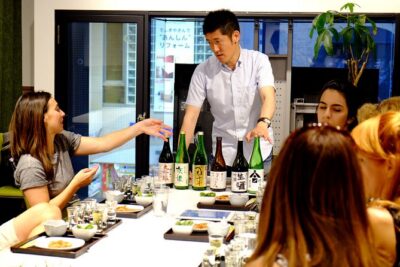
3-Hour Kyoto Insider Sake Brewery Tour with Tastings & Pairings
Our verdict →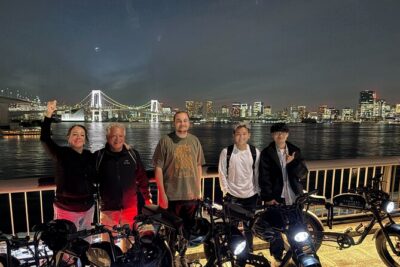
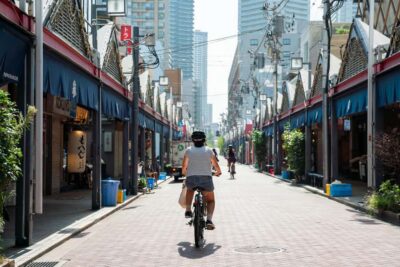
3-hour Guided E-Bike Tour of the City’s Hidden Gems
Our verdict →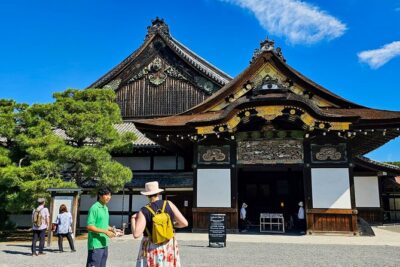
Kyoto Imperial Palace & Nijo Castle Guided Walking Tour – 3 Hours
Our verdict →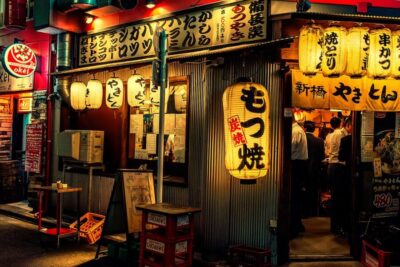
Browse the lists this tour appears in