
Reviewed · TEA CEREMONY EXPERIENCES
Kyoto: Mindful Tea Ceremony in 100-Year-Old Teahouse
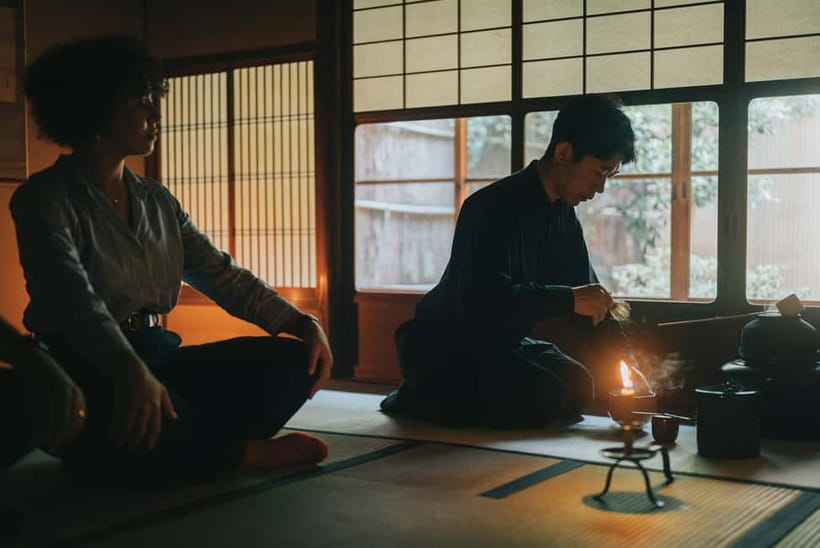
Kyoto’s best tea ceremony may be the one that asks the least of you. At Oboro, candlelight, a garden view, the sound of warming water, and the faint scent of matcha do the work. You watch the host prepare each bowl, then sip slowly without having to memorize a long list of rules. Taku and Naoki are among the hosts who have led sessions, explaining the meaning behind each gesture in clear English.
I like the 100-year-old teahouse and the small group of no more than eight people. I also like the gentle approach: you can ask questions, watch in silence, or simply let the room settle you after a noisy day in Kyoto. The main consideration is that this is a quiet, seated experience lasting only 45 minutes, so it may not suit children under six, wheelchair users, or anyone with back problems.
Key points at a glance

- Candlelit 100-year-old teahouse: Minimal decoration and a garden view keep your attention on the tea, water, and small movements.
- English guidance without stiff rules: You learn the purpose of the ceremony while being encouraged to relax rather than perform perfectly.
- Small group of up to eight: The limited size makes it easier to see the preparation and ask questions.
- A three-part sense of arrival: Welcome tea and sweets lead into the main tearoom, followed by a quiet closing moment and a handmade candle.
- Seasonal matcha details: In summer, the ceremony uses chilled water and ice instead of serving the tea in the usual warm style.
- Practical preparation matters: Arrive 10 minutes early, wear socks, and leave your shoes at the entrance.
Why this Kyoto tea ceremony feels different
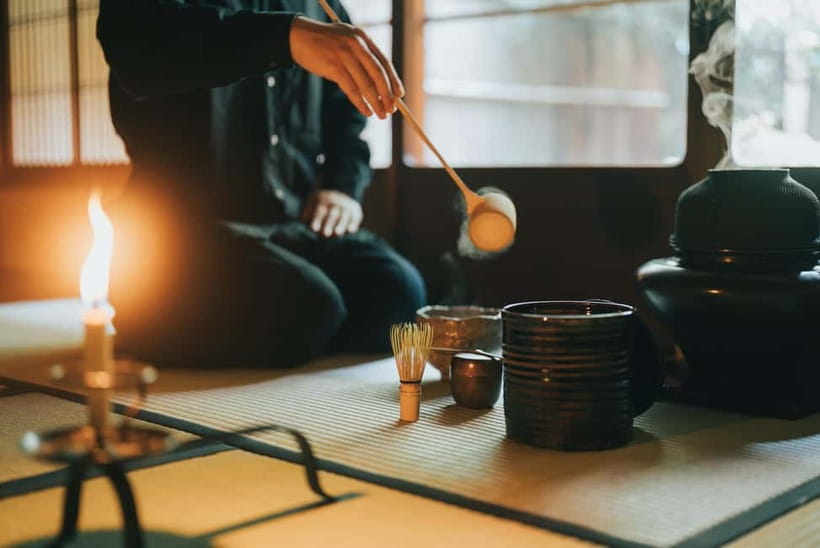
Many visitors picture a tea ceremony as a formal performance where one wrong movement ruins the experience. Oboro takes a friendlier path. The ceremony keeps its traditional shape, but the host explains what is happening and does not expect you to know the etiquette in advance.
That balance matters. You still see the careful purification of the utensils, the measured whisking of matcha, and the graceful presentation of each bowl. At the same time, you are not left guessing when to bow, how to hold the bowl, or why a particular movement matters.
The candlelight changes the pace of the room. Harsh overhead lighting is absent, and the simple setting gives small things more weight: the sound of water heating, the aroma of green tea, the warmth of the bowl, and the texture of the seasonal sweet. I like that the calm comes from the setting and the pace, not from a long lecture about mindfulness.
The atmosphere is peaceful, but it is not empty. Your host may explain the origins and purpose of tea ceremony, discuss matcha quality, and answer questions about preparation and etiquette. Sessions have been led by hosts including Taku and Naoki, and Naoki has been especially praised for bringing a warm, reflective spirit to the presentation.
More Tea Ceremony Experiences in Kyoto
- Kyoto: Tea Ceremony in a Traditional Tea House in Kiyomizu
★ 4.9 · 3,519 reviews - Kyoto: Tea Ceremony Ju-An at Jotokuji Temple
★ 4.9 · 3,207 reviews - Kyoto: 45-Minute Tea Ceremony Lesson Experience
★ 4.3 · 2,378 reviews
Arriving at Oboro and settling in
Oboro is in Kyoto on Honshu, and the easiest way to find the meeting point is to search for Oboro: Mindful Tea Ceremony on Google Maps. Hotel pickup and drop-off are not included, so plan your own way to the teahouse.
Arrive 10 minutes early. This is not just a suggestion for punctuality. Shoes must be removed, belongings may need to be stored, and the room works best when everyone enters before the quiet portion begins. Wear socks, even in warm weather, and choose comfortable clothing that allows you to sit at ease.
If you arrive more than 10 minutes late, you will not be allowed into the session. That rule is understandable in a quiet ceremony, since opening the door after the host has begun would disturb the whole room. Build in extra time, especially if you are coming from another Kyoto sight.
On arrival, the host greets you and gives a short explanation of the flow. The first room helps you make the shift from city sightseeing to a slower frame of mind. You can store belongings if needed, settle into a comfortable seat, and listen without worrying about doing anything correctly yet.
Welcome tea, seasonal sweets, and an easy introduction
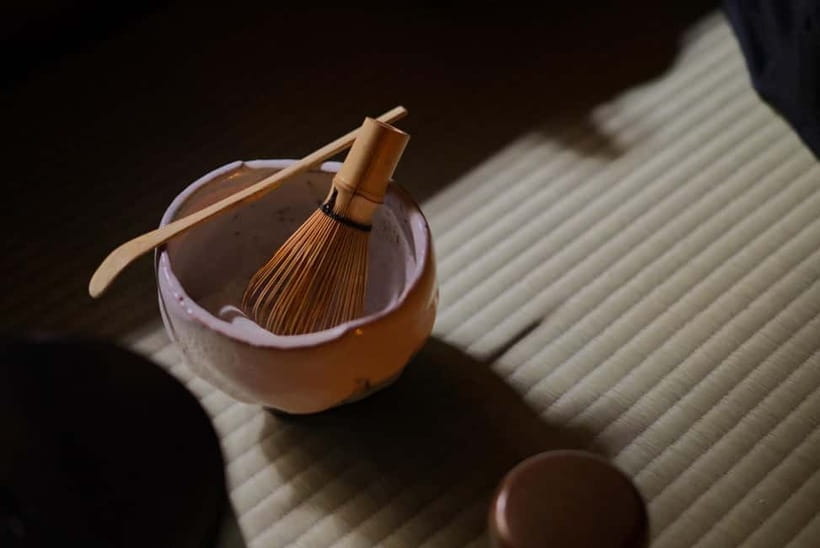
The experience begins with a welcome tea and a small sweet. This opening is useful because it gives you a gentle introduction before the main ceremony. You have time to settle, taste something unfamiliar, and get a sense of the host’s teaching style.
The sweet is not simply a snack. In Japanese tea practice, food and tea are considered together, and the sweetness prepares your palate for the sharper, more savory taste of matcha. One welcome drink described by a participant was a smooth chilled green tea, paired with an unusual snack. The exact seasonal offering can vary, but you should expect a small accompaniment rather than a meal.
Do not come hungry expecting lunch. Meals are not included, and the sweets are there to complement the tea. For $45, that distinction is important. You are paying for instruction, setting, equipment, and a carefully arranged cultural experience, not for food.
This first stage also makes the activity approachable for people who do not normally enjoy matcha. Matcha can taste grassy or bitter when prepared poorly or consumed too quickly. Here, the ceremony gives you time to notice its texture and flavor alongside the sweet.
The main tearoom and the view into the garden
You then move to the main tearoom, where the design is deliberately spare. The room minimizes distractions so that the ceremony becomes easier to follow. A garden seen through the window adds interest without turning the session into a sightseeing stop.
The building is one of the strongest reasons to book. A traditional Japanese house gives the ceremony a sense of place that a modern hotel room could not match. The age of the teahouse is part of the experience, too. You are not just hearing about an old custom in a new event space. You are sitting in a setting that connects the activity to Kyoto’s older domestic architecture.
The room’s simplicity may not suit everyone. If you want a large demonstration, extensive history, or a busy schedule of hands-on activities, this will feel restrained. The value here comes from attention, not volume. You hear the water simmering. You notice the bowl being turned. You watch the host’s hands. Silence is part of the program.
Photography is allowed without flash, but you should be ready to put your phone away for much of the session. Smoking is not allowed, and the quiet environment calls for low voices. That can feel strict if you are hoping for constant conversation, but it protects the atmosphere that makes the experience worthwhile.
Same trip, a completely different kind of day:
- PERFECT KYOTO 1-Day Bus Tour
★ 5.0 · 13,518 reviews - Kyoto: Fushimi Inari, Kinkakuji, Bamboo Grove 1 Day Bus Tour
★ 4.8 · 4,316 reviews - Kyoto Geisha Walking Tour: Gion District & Hidden Gems
★ 4.7 · 3,273 reviews - Kyoto: Gion Magical Night Walking Tour with Geisha Trivia
★ 4.9 · 2,393 reviews
Watching the matcha preparation
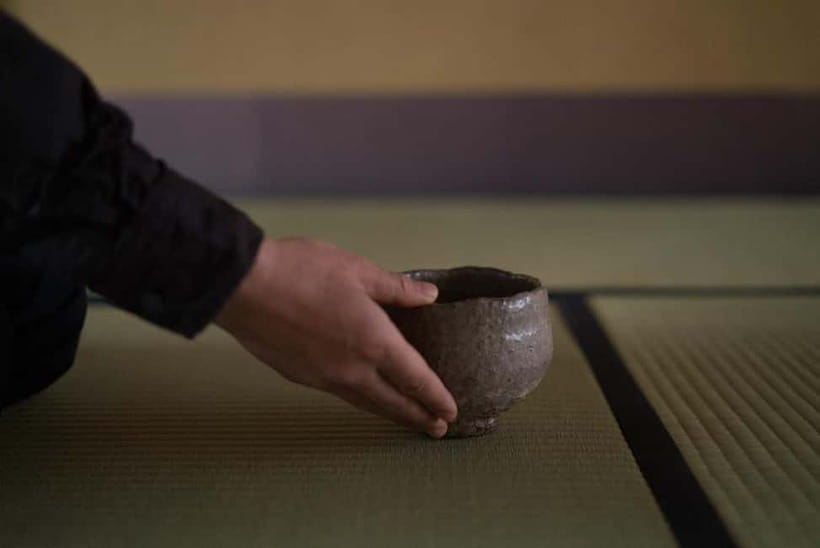
The host first purifies the utensils, then measures and whisks the tea before presenting the bowl with a bow. Each action has a purpose, and the English explanation helps you see the ceremony as more than a sequence of graceful movements.
You may learn about the tools, the preparation method, and the etiquette for receiving the bowl. You do not need previous experience. The host shows you how to lift the bowl gently and enjoy the tea without making the ceremony feel like an examination.
This is where Oboro’s relaxed format earns its price. Strict formal ceremonies can be fascinating, but they can also leave first-time visitors worried about making a mistake. Here, the ceremonial roots remain visible while the instruction stays friendly. You are invited to ask questions or remain quiet, depending on what you want from the session.
The guides also discuss the tea itself. You can learn how matcha quality affects taste and why preparation changes the final drink. The focus remains practical rather than academic. You leave with a better idea of what you are tasting and why the bowl in front of you differs from an everyday cup of green tea.
Drinking the tea at a mindful pace
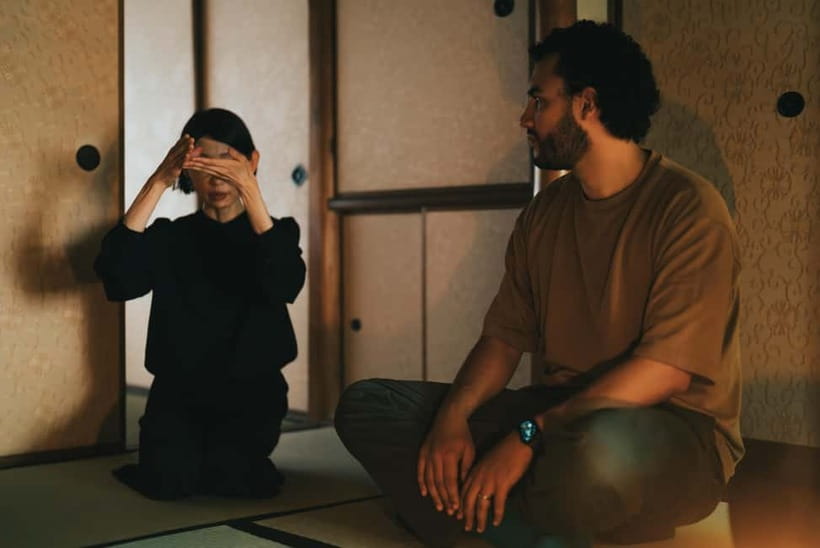
When the bowl reaches you, the experience becomes personal. You hold the warm vessel, notice its weight, and taste the matcha slowly. The point is not to finish quickly. The ceremony encourages you to pause between movements and pay attention to the moment.
I like this part because it gives the activity a clear purpose without making grand claims. You do not need to meditate perfectly. You can simply notice the tea’s flavor, the warmth in your hands, and the quiet around you. After a day of temples, buses, shopping streets, and navigation, that change of pace can be genuinely useful.
The tea may not suit every palate. Matcha has a distinct grassy flavor, and even well-prepared tea can seem strong if you normally drink sweetened beverages. The seasonal format changes in summer, when the ceremony uses chilled water and ice. That makes the experience more refreshing in hot weather, but it also means the tea may not have the warmth some people expect from a traditional ceremony.
The bowl is paired with a sweet to soften the tea’s sharper notes. Take your time with both rather than treating the sweet as an afterthought. The contrast is part of the design.
A closing moment and a candle to take home
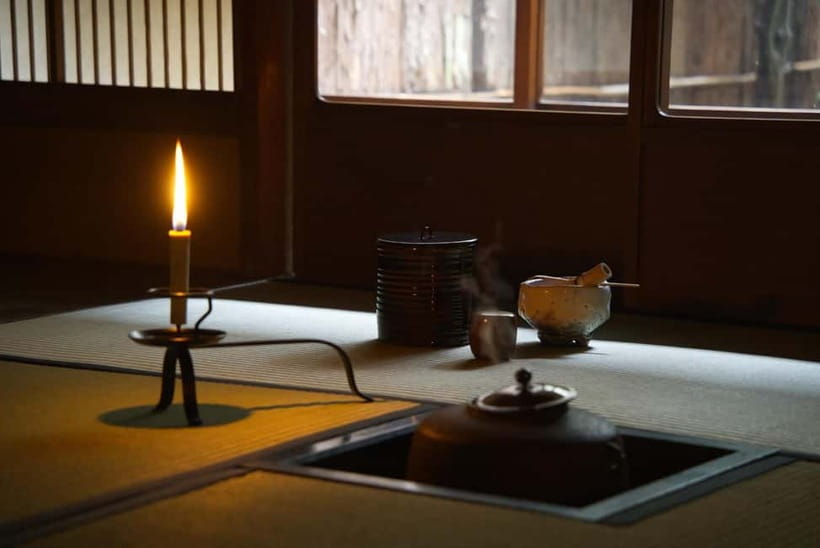
The ceremony ends with a small handmade candle for you to bring home. It is a simple parting gift, but it fits the experience better than a standard souvenir. Light it later and you can recall the darker room, the garden view, and the slow rhythm of the preparation.
The closing is also a useful reason not to schedule another activity immediately afterward. The session is only 45 minutes, but the quiet mood can take a little time to leave. One participant had to depart before the class ended because of a time constraint and found the hosts understanding after being told in advance. Even so, I would plan to stay until the final moment if you can.
The activity is not a formal meditation class, and it does not promise a long retreat. Its strength is more modest. For three quarters of an hour, you give your attention to one drink and the people preparing it. That can be enough.
Who will get the most from the $45 price
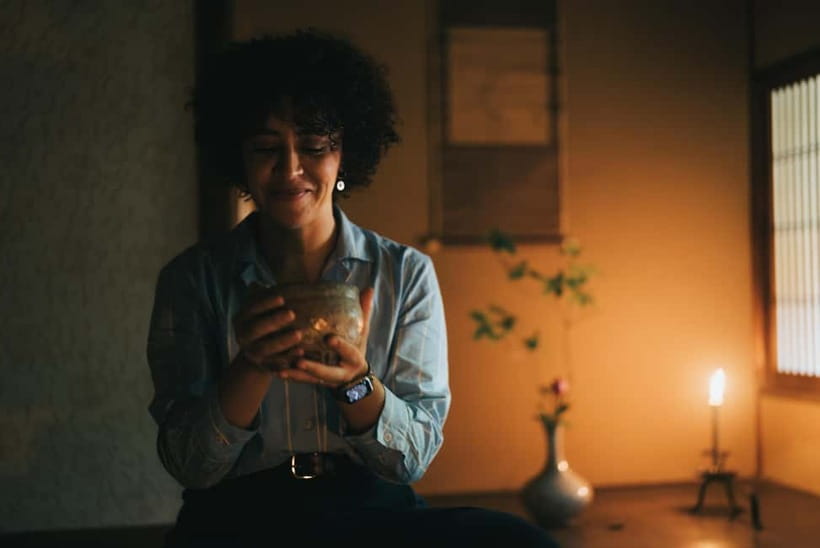
At $45 per person, Oboro is a good value if you want context, a distinctive setting, and a small group rather than just a quick cup of matcha. The English instruction is included, along with the tea equipment, seasonal sweets, and candlelight setting. You also receive a cultural explanation that helps you understand what you are seeing.
The price is less attractive if you mainly want to taste matcha or take photographs. You can find tea elsewhere in Kyoto for less. This experience earns its fee through the 100-year-old house, the limited group size, the host’s explanations, and the deliberate setting.
I would recommend it to:
- First-time visitors who want an approachable introduction to Japanese tea ceremony.
- Couples looking for a calm activity away from busy sightseeing.
- Solo visitors who enjoy quiet observation and thoughtful instruction.
- People curious about matcha preparation, utensils, and etiquette.
- Anyone with a crowded Kyoto itinerary who needs a short reset.
I would think twice if you have back problems, since the activity involves seated participation. Wheelchair users cannot take part, and children under six are not permitted. If you need to leave early, tell the host beforehand and make the arrangement clear.
The group is limited to eight people, which is small enough for the host to keep the presentation personal. It also means silence has more impact. If one person talks loudly or arrives late, the whole room feels it, so come prepared to share the calm.
Simple preparation for a better visit
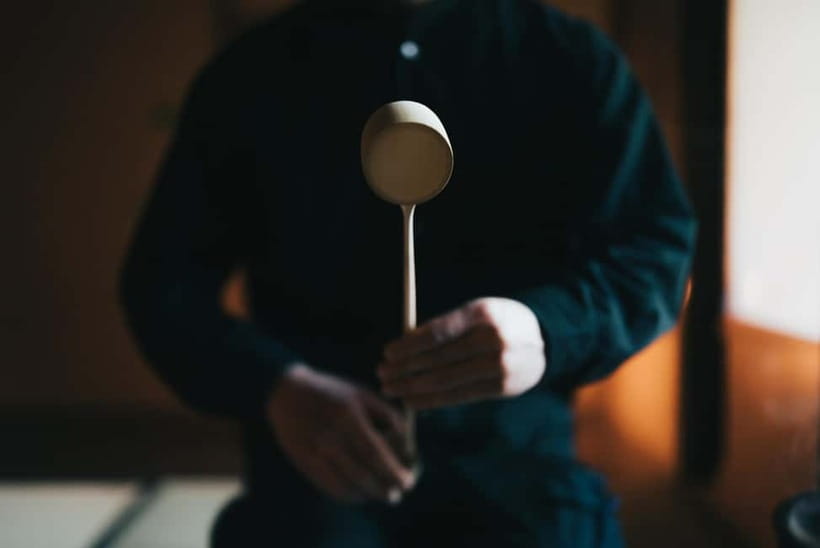
Wear socks and comfortable clothes. Since shoes come off, this is not the time for footwear that is difficult to remove or clothing that makes sitting awkward.
Arrive 10 minutes early and search the exact name on Google Maps if you are unsure of the address. Do not count on hotel transfers, and do not arrive at the last second. A late arrival of more than 10 minutes means you will be refused entry.
Keep your phone quiet and leave flash photography turned off. You can take photographs without flash, but the best memories may come from paying attention to the sound of the water and the movement of the whisk.
Free cancellation is available up to 24 hours before the start time, and you can reserve now and pay later. Those terms are helpful if your Kyoto schedule is still shifting, though they do not replace checking the exact start time when you book.
Should you book Oboro?
Book this tea ceremony if you want a quiet, well-explained introduction to matcha in a traditional setting. The candlelit room, garden view, small group, and thoughtful hosts give it more substance than a quick tea tasting.
Skip it if you need an active outing, a full meal, or an accessible venue. For everyone else, especially after a day in crowded central Kyoto, 45 minutes at Oboro offers a rare chance to stop moving and notice something simple. That is the real value: not just drinking tea, but learning how much atmosphere and attention can change the experience.
FAQ
How long does the Kyoto tea ceremony last?
The experience lasts 45 minutes.
How much does the tea ceremony cost?
The price is $45 per person.
Is the activity conducted in English?
Yes. Expert instruction is provided in English, and the listed instructor language is English.
How many people can join the ceremony?
The group is limited to eight participants.
What should I bring?
Wear comfortable clothes and socks. Shoes must be removed before entering the session.
Can I take photographs?
Yes, photography is allowed without flash. Flash photography is not allowed.
What happens if I arrive late?
You should arrive 10 minutes early. You will not be allowed to enter if you are more than 10 minutes late.
Just added around Kyoto
- Sekka Cotton Furoshiki Class★ 5.0 · 19 reviews
- Kyoto Sword Experience – includes Museum Ticket/Ninja Experience★ 4.5 · 149 reviews
- Scenic Green Tea Fields of Hidden Kyoto & Local Tea Exp (Private)★ 5.0 · 32 reviews
- Secret Eastern Kyoto Biking Adventure★ 5.0 · 44 reviews
- Private Sake Tasting in Central Kyoto with Sake Sommelier★ 5.0 · 32 reviews
- Samurai School in Kyoto: Samurai for a Day★ 5.0 · 202 reviews
- Samurai Performance and Casual Experience: Kyoto Ticket★ 4.5 · 115 reviews
- SHIRAKAWA Japanese Culture Experiences with private English staff★ 5.0 · 16 reviews
Tea Ceremony Experiences, compared.

Tea Ceremony in a Traditional Tea House in Kiyomizu
Our verdict →


World Heritage Kyoto & Nara Uji Authentic Matcha Experience
Our verdict →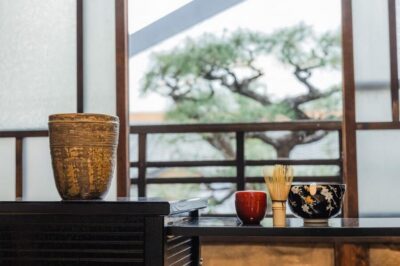

Arashiyama Bamboo Forest, Monkeys, Matcha & Temple Tour
Our verdict →
Browse the lists this tour appears in