
Reviewed · TEA CEREMONY EXPERIENCES
Kyoto: Kimono Rental and Matcha Experience
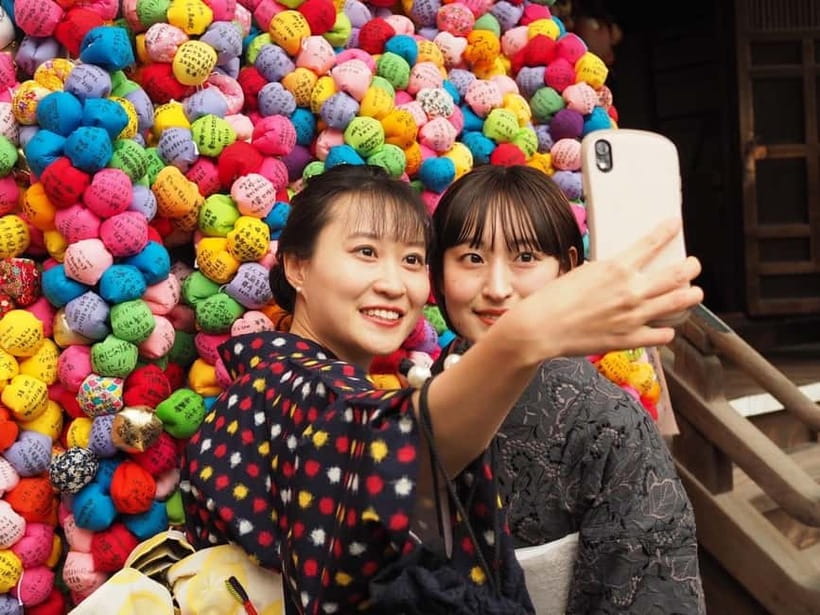
Kyoto’s best moments often come when you slow down. This experience pairs a kimono fitting near Kyoto Station with a short tea lesson in a tatami room, then sends you into the old streets near Kiyomizu-dera for photos and a relaxed walk.
I like the easy starting point, just one minute from the station, and the private taxi to the Kiyomizu area. I also like that you make your own bowl of frothy matcha instead of only watching a demonstration. The main drawback is timing: the kimono return deadline can limit how long you linger in the old streets.
Key Points at a Glance
- Start one minute from Kyoto Station: MK Kimono Rental Mimosa is near the Hachijo exit, with free luggage storage.
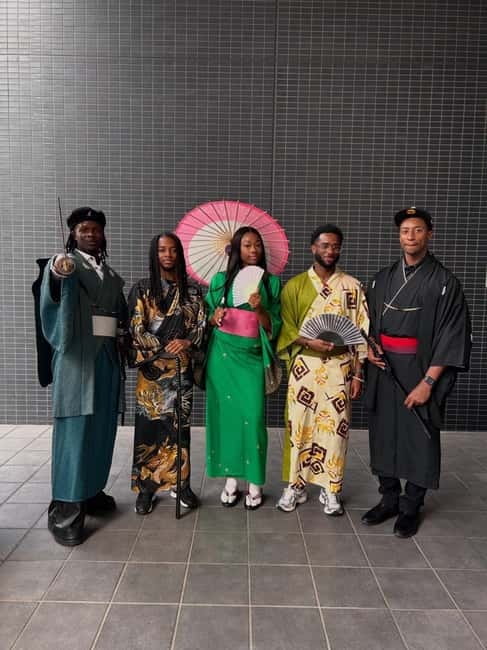
- Traditional clothing is supplied: The standard set includes kimono or summer yukata, obi belt, socks, shoes, bag, and innerwear. Men receive a haori jacket in winter.
- Learn by doing: At Ichinenzaka 362 Café, English-speaking staff show you the tea ritual before you whisk your own matcha.
- Ride directly to the historic district: A private, one-way taxi from Kyoto Station to the Kiyomizu area is included.
- Keep your afternoon flexible: After tea, you can explore the streets in kimono and take photos at your own pace.
- Watch the return clock: Normal kimono return is by 5:30 pm, with next-day return available for an extra fee.
Why This Kyoto Experience Works
This is a good choice if you want more than a quick costume rental. The clothing gives you a visual connection to Kyoto, while the tea portion adds a quiet, hands-on activity. You are not simply dressed and sent away. You get a short introduction to matcha preparation, make your own tea, and then have time to use the historic Kiyomizu area as your backdrop.
The plan also solves a common Kyoto problem: getting from the station to the eastern temple district. The included private taxi takes you from the rental shop to the café near Kodaiji Temple. After that, you can walk around the Kiyomizu streets without needing to arrange another ride immediately.
At $50 per person, the value depends on what you want from a kimono rental. If you only want clothing for a short photo session, a basic rental might cost less. Here, your price also covers the tea experience, the full clothing set, luggage storage, and one-way taxi service. For many visitors, that makes the package a practical way to combine several small Kyoto activities.
It is a private group experience, which matters if you prefer not to be fitted or taught alongside a large crowd. English-speaking staff are available throughout, making the process easier for first-time visitors.
More Kimono Experiences in Kyoto
- Kimono Tea Ceremony at Kyoto Maikoya, NISHIKI
★ 5.0 · 911 reviews - Kyoto: Kimono Rental with Hairstyling and Accessories
★ 4.8 · 653 reviews - Kyoto: Kimono Tea Ceremony at Orizuruya Gion
★ 4.9 · 618 reviews
Starting Near Kyoto Station at 9:00 am to 3:00 pm
You begin at MK Kimono Rental Mimosa Hachijo-guchi Store, near the Hachijo exit of Kyoto Station. The shop is only about one minute from the station, a useful detail if you arrive with luggage or are still getting your bearings in Kyoto’s large transport hub.
The shop’s normal hours are 9:00 am to 6:00 pm. The last check-in is 3:00 pm, and the standard return time is 5:30 pm. In practical terms, an early or late morning start gives you much more time in the Kiyomizu area. A late check-in may leave you with a shorter photo walk before you need to return the clothing.
Free luggage storage is included at the rental shop. That is especially helpful because a kimono, obi, traditional shoes, and a bag are more pleasant to wear when you are not also carrying a suitcase or large daypack.
Make sure you go to the Hachijo-guchi shop near Kyoto Station. The instructions specifically identify this as the starting point, so do not assume that any kimono rental branch in Kyoto is the correct one.
Choosing the Kimono, Yukata, and Accessories
The normal plan includes the full basic outfit:
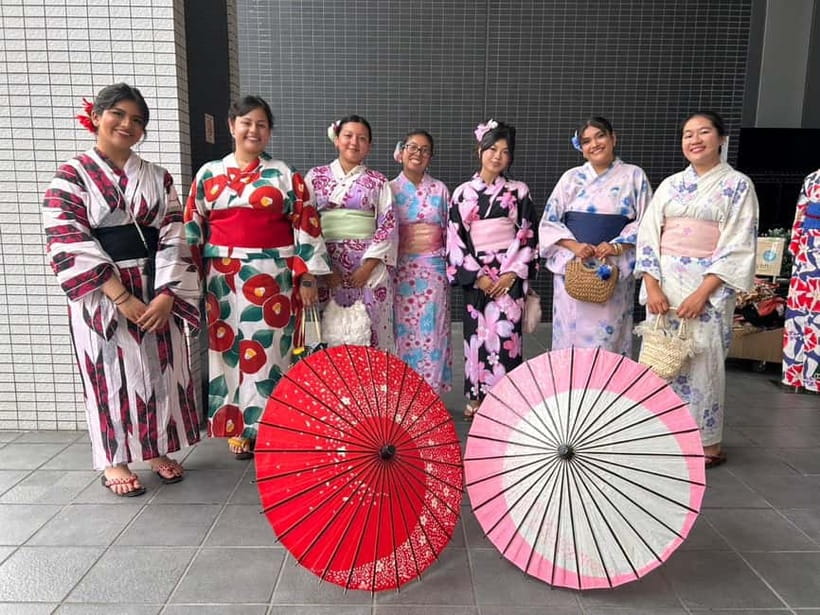
- Kimono, or yukata in summer
- Obi belt
- Socks
- Traditional shoes
- Bag
- Innerwear
- Haori jacket for men in winter
The clothing is not an optional extra added after you arrive. It is part of the $50 package, so you can budget without guessing about the basic outfit cost.
A summer yukata is lighter than a formal kimono and suited to warm weather. In cooler months, the clothing plan includes a kimono, and men receive a haori jacket in winter. The supplied details do not promise particular colors, patterns, hair arrangements, or footwear styles, so treat those as choices to confirm at the shop rather than guaranteed features.
One recent booking included a beautiful hairstyle for the woman in the group. That suggests hair styling may be available in some arrangements, but it is not listed among the standard inclusions. If a hairstyle is important to you, ask before booking rather than assuming it is part of the $50 price.
Getting dressed is an important part of the experience, not just a quick change before the main event. The obi and layers alter how you walk and sit, which gives you a small sense of the care involved in traditional Japanese dress. At the same time, you should expect the clothing to feel different from ordinary sightseeing clothes. Keep your plans manageable and avoid scheduling a long, rushed day across Kyoto.
The Taxi Ride to Ichinenzaka 362 Café
Once you are dressed, a private taxi takes you from the Kyoto Station area to Ichinenzaka 362 Café near Kodaiji Temple. The transport time is listed as about 20 minutes, and the one-way ride is included.
This is one of the strongest practical features of the package. The eastern side of Kyoto, including the Kodaiji and Kiyomizu areas, can be awkward to reach at busy times. Riding directly to the café saves you from working out a bus connection while wearing traditional shoes.
The taxi is one-way only. Transportation after the experience is not included, and returning to Kyoto Station is also not included in the price. You can change clothes at the location where you enjoyed the tea, or return to the station and change there, but the trip back is your responsibility.
That arrangement gives you a choice. If you want more time among the old streets, change near the café and continue your day in the eastern part of Kyoto. If you have luggage, a train reservation, or another activity near the station, returning there may be simpler, but you need to allow for the extra transport cost and time.
More Tea Ceremony Experiences in Kyoto
- Kyoto: Tea Ceremony in a Traditional Tea House in Kiyomizu
★ 4.9 · 3,519 reviews - Kyoto: Tea Ceremony Ju-An at Jotokuji Temple
★ 4.9 · 3,207 reviews - Kyoto: 45-Minute Tea Ceremony Lesson Experience
★ 4.3 · 2,378 reviews - Kyoto: Table-Style Tea Ceremony at a Kyo-Machiya
★ 4.9 · 1,211 reviews
A Short Tea Ceremony in a Renovated Townhouse
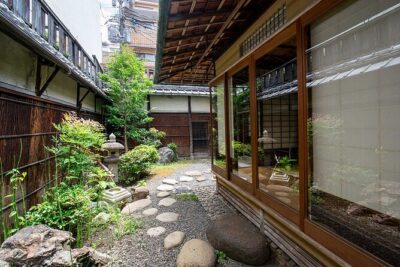
Ichinenzaka 362 Café offers a traditional setting for the matcha portion. The tea takes place in a tatami room inside a renovated townhouse near Kodaiji Temple. This setting gives the activity more character than a modern café table would, while keeping the lesson manageable for someone who has never attended a tea ceremony.
You first watch a short preparation demonstration. Then an English-speaking instructor guides you as you whisk your own bowl of matcha and enjoy it. The activity lasts about 30 minutes, so it is focused rather than an extended formal ceremony.
That length is part of the appeal. You get the key gestures and the chance to participate without giving up most of your afternoon. The experience is also approachable for first-time visitors because you are not expected to know the rules in advance.
Matcha has a strong, grassy taste that may surprise you if you are used to sweetened tea. The point here is not simply to drink something familiar. It is to notice the careful preparation, the frothy texture, and the quiet rhythm of the room. The tea portion gives the kimono rental a cultural center instead of making the outing only about photographs.
The setting also helps you slow down after the taxi ride. Kyoto sightseeing can become a string of temples, buses, and crowded lanes. Thirty minutes on a tatami floor creates a small pause before you head into the streets.
Walking the Kiyomizu Streets in Traditional Dress
After the tea, you can explore the streets around Kiyomizu-dera while still wearing the kimono. The area is known for traditional shops, wooden buildings, and lanes leading toward the temple district. It is the natural place to take photographs in clothing that fits the surroundings.
You are not confined to a quick photograph at the café. The plan allows time to walk through the old streets after the tea, so you can stop for pictures and look at the shopfronts at your own pace. The exact amount of free time depends on when you check in and how quickly you complete the fitting.
This is where an early start pays off. The rental shop requires you to return the kimono by 5:30 pm, so a morning appointment leaves room for tea, photos, and a little wandering. A late arrival still works, but you will need to keep an eye on the clock.
Traditional shoes may also affect how far you want to walk. The experience is best for a focused visit around Ichinenzaka, Ninenzaka, Kodaiji, and the Kiyomizu area rather than a full-day trek across Kyoto. You can enjoy the atmosphere without turning the outing into a test of endurance.
The clothing can make ordinary street scenes feel more special in photographs. Wooden houses, stone lanes, and traditional storefronts provide a strong setting, but remember that this is a public neighborhood. Be respectful around shops and avoid blocking narrow paths while taking pictures.
Returning the Kimono and Planning the Rest of Your Day
You have two return options. You can change near the café, or go back to the Kyoto Station location and change there. The information provided does not include transportation after the tea, so plan your route before you set off.
The standard kimono return is by 5:30 pm. If you keep the outfit until the next day, the extra fee is 1,100 yen for return between 9:00 am and 10:00 am, or 2,200 yen for return between 10:00 am and 6:00 pm.
Next-day return can be useful if you want to spend the evening in the Kiyomizu area, but it changes the price and leaves you responsible for keeping the clothing in good condition overnight. For most people, same-day return is simpler.
The café’s hours are 10:00 am to 6:00 pm, with last order at 5:30 pm. That makes a morning or early afternoon start the safest choice. It also avoids a situation where you arrive at the rental shop in time but have too little time left for the tea and street walk.
Who Will Get the Most From This Experience
I would recommend this for couples, friends, and solo visitors who want a polished Kyoto memory without arranging every part themselves. The private group format is useful if you want a more personal pace, and the English-speaking staff remove much of the uncertainty around the clothing and tea steps.
It is especially suited to you if:
- You want photographs in Kyoto’s traditional eastern districts.
- You are curious about matcha but have never made it.
- You prefer a short cultural activity rather than a long formal ceremony.
- You are arriving through Kyoto Station and want a simple starting point.
- You value included luggage storage and a direct taxi to the historic area.
It may be less suitable if you dislike restrictive clothing, cannot comfortably walk in traditional shoes, or want an all-day kimono rental with transport back to the station included. Pregnant women and people over 95 are not considered suitable for this activity.
The plan also does not allow pets, and alcohol or drugs are not permitted. Those rules are straightforward, but they matter if you are organizing a mixed group with special needs.
Is the $50 Price Fair?
I see the $50 price as fair for someone who wants several connected experiences in one booking. You receive the kimono set, the matcha session, the English guidance, luggage storage, and the one-way taxi. Booking each part separately could take more time and make the transportation less clear.
The value is weaker if you only care about wearing a kimono for a few photographs. In that case, compare the cost and rental period with a basic clothing-only option. Here, the tea lesson is a meaningful part of the package, so you should want both the outfit and the matcha activity.
The free cancellation period also reduces some planning risk. You can cancel up to 24 hours in advance for a full refund, and you can reserve now and pay later. Check the available start times before committing, since the day’s usefulness depends heavily on how much time remains before the 5:30 pm clothing return.
My Recommendation
Book this if you want an easy, well-organized introduction to two recognizable parts of Japanese culture: traditional dress and matcha preparation. The best features are the station-side start, English-speaking help, private taxi, and free time for photographs around Kiyomizu.
Choose a morning appointment if you can. You will have more breathing room, and you can continue exploring Kyoto after changing clothes. At $50 per person, this is a sensible package for couples and small private groups who want a cultural activity with a clear structure, but it is not the right pick for anyone seeking a simple rental with no fixed schedule.
FAQ
Where does the kimono experience begin?
It begins at MK Kimono Rental Mimosa Hachijo-guchi Store near the Hachijo exit of Kyoto Station. The shop is about one minute from the station.
What time is the latest check-in?
The latest kimono rental check-in is 3:00 pm. The shop is open from 9:00 am to 6:00 pm.
What is included in the kimono set?
The normal plan includes a kimono or summer yukata, obi belt, socks, shoes, bag, and innerwear. Men also receive a haori jacket in winter.
Is luggage storage available?
Yes. Free luggage storage is available at the kimono rental shop.
Is the taxi ride included?
Yes. A one-way private taxi from the Kyoto Station area to the Kiyomizu area is included. Transportation after the experience is not included.
Where does the matcha activity take place?
It takes place at Ichinenzaka 362 Café near Kodaiji Temple, in a tatami room inside a renovated townhouse.
How long does the tea ceremony take?
The tea ceremony and matcha activity take about 30 minutes. You watch a short demonstration and then whisk your own matcha.
When must the kimono be returned?
The normal return deadline is 5:30 pm. Next-day return costs 1,100 yen for return from 9:00 am to 10:00 am, or 2,200 yen for return from 10:00 am to 6:00 pm.
Can I cancel the booking?
Yes. You can cancel up to 24 hours in advance for a full refund. You can also reserve now and pay later.
Just added around Kyoto
- Sekka Cotton Furoshiki Class★ 5.0 · 19 reviews
- Kyoto Sword Experience – includes Museum Ticket/Ninja Experience★ 4.5 · 149 reviews
- Scenic Green Tea Fields of Hidden Kyoto & Local Tea Exp (Private)★ 5.0 · 32 reviews
- Secret Eastern Kyoto Biking Adventure★ 5.0 · 44 reviews
- Private Sake Tasting in Central Kyoto with Sake Sommelier★ 5.0 · 32 reviews
- Samurai School in Kyoto: Samurai for a Day★ 5.0 · 202 reviews
- A Privately Guided Photoshoot in Beautiful Kyoto by a Pro★ 5.0 · 18 reviews
- Samurai Performance and Casual Experience: Kyoto Ticket★ 4.5 · 115 reviews
Tea Ceremony Experiences, compared.

Tea Ceremony in a Traditional Tea House in Kiyomizu
Our verdict →


World Heritage Kyoto & Nara Uji Authentic Matcha Experience
Our verdict →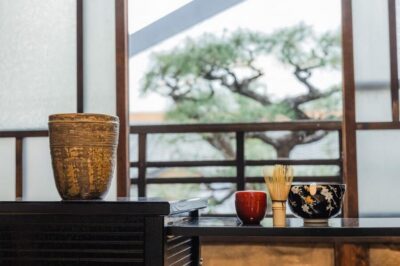
Arashiyama Bamboo Forest, Monkeys, Matcha & Temple Tour
Our verdict →
Browse the lists this tour appears in