
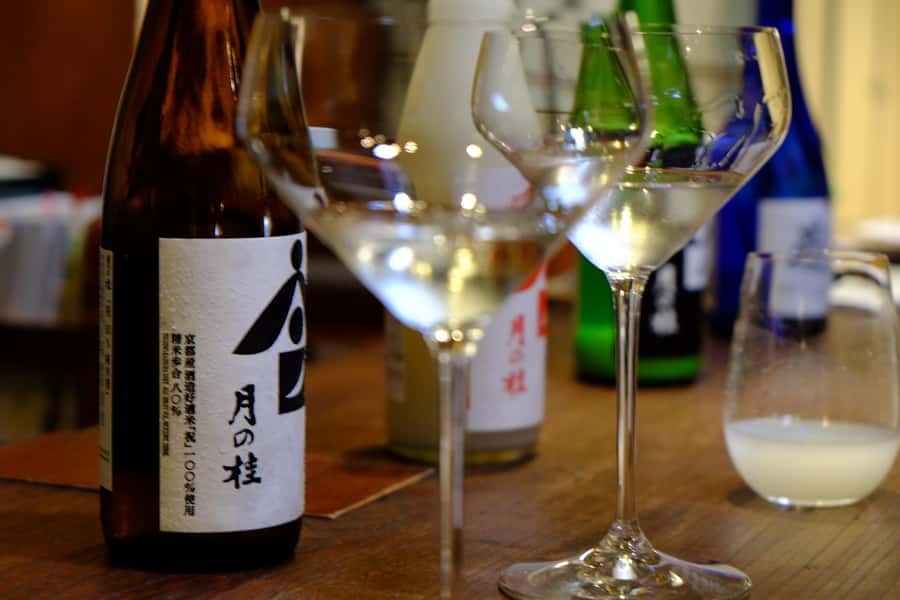
Reviewed · SAKE TASTING
Kyoto: Beyond the Insider Sake Tasting Experience
Kyoto’s sake story gets much more interesting when you move beyond familiar bottles. This tasting focuses on 10 unusual varieties, including sake made with old brewing methods, microorganisms, and local wood that gives the drink a regional character. I like the private tasting room and the fact that a certified sake sommelier explains each glass rather than simply pouring it. I also like that beginners get the basics while experienced drinkers meet styles rarely found overseas.
The main consideration is focus. This is a serious sake session, not a food tour or brewery-hopping outing. Food pairing is not included, transportation is your responsibility, and anyone arriving by car or bicycle cannot drink alcohol. Arrive early, too, since more than 10 minutes late means cancellation without a refund.
Key points at a glance
- Ten hard-to-find sakes: Taste bottles selected to show unusual brewing ideas and styles not often sold abroad.
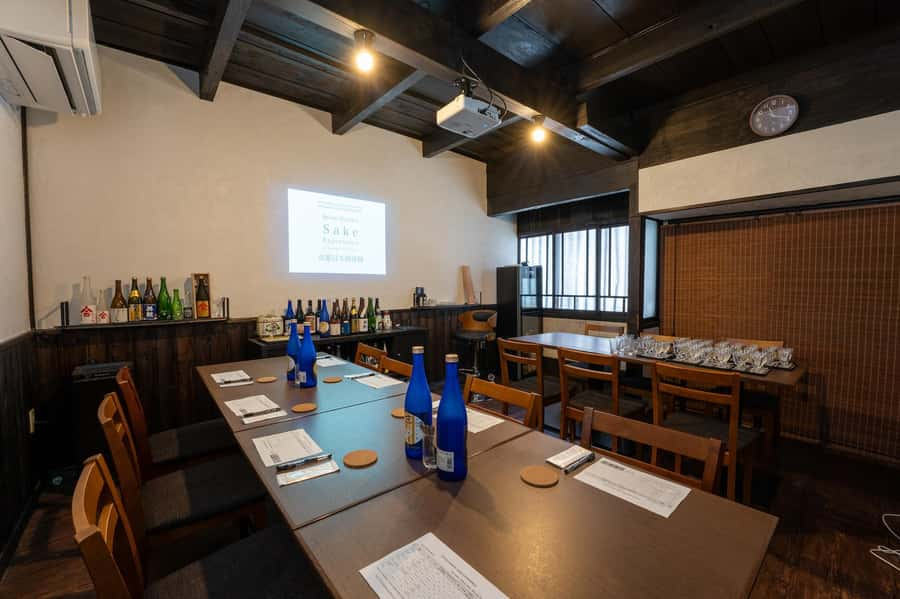
- A private tasting room: The setting gives the sommelier room to explain production and answer questions clearly.
- Ancient and experimental methods: Compare traditional techniques with sake made using microorganisms and local wood.
- Good for mixed experience levels: You receive an introduction to ingredients and sake categories before the more unusual pours.
- English-speaking certified sommelier: The guide leads the tasting and provides a tasting note for reference.
- A focused $66 experience: The price covers 10 tastings and instruction, but not food, transport, or hotel pickup.
Ten glasses that show sake’s wider world
The clever part of this Kyoto experience is its selection. Instead of building the tasting around only familiar sake categories, the session moves toward bottles that reveal how much room there is for experimentation.
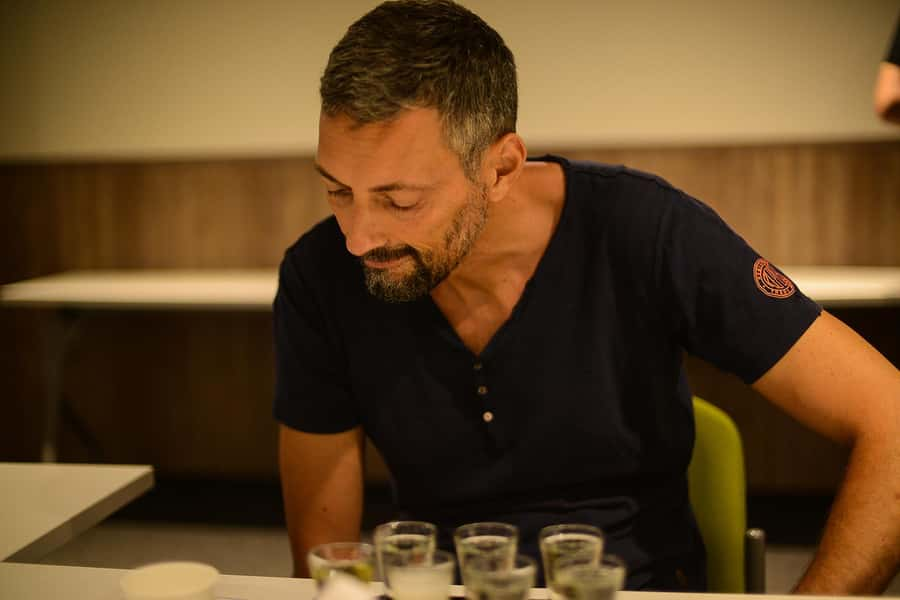
You taste 10 varieties chosen by the sake sommelier. The goal is not simply to count glasses. Each pour helps show how ingredients, brewing methods, and local materials can alter the final drink. That makes the tasting useful for someone who has only tried sake at a Japanese restaurant, but also worthwhile for a seasoned drinker who wants fresh comparisons.
Some of the sake uses ancient brewing methods that differ from modern production. That matters because the method is not a footnote. It can shape aroma, texture, strength, and the overall feel of the drink. You may find that a traditional process produces something far removed from the clean, familiar sake often served overseas.
Other pours explore newer ideas. One type uses the characteristics of microorganisms in the brewing process. Another is made with local wood, giving it a taste connected to the area where it is produced. These examples help you see sake as a living craft rather than a single uniform drink.
The exact brands and order of the pours are not specified, so you should expect the sommelier to determine the selection. That is a reasonable approach for a specialist tasting. It also means the experience is about learning through contrast, not checking off a fixed list of famous labels.
More Drinking Tours in Kyoto
- Kyoto Night Foodie Tour in Gion (9+ dishes + 6 Sake tastings)
★ 5.0 · 1,762 reviews - 3-Hour Kyoto Insider Sake Brewery Tour with Tastings & Pairings
★ 5.0 · 917 reviews - Arashiyama Bamboo, Temple, Monkeys, or Secret Sake Brewery
★ 4.8 · 886 reviews
The private room makes the lesson easier to follow
A dedicated private sake tasting room is a practical advantage. Sake has plenty of small details to explain, and the setting gives the guide a better chance to keep the tasting organized and clear.
You can expect the session to begin with the foundations of sake production and its main categories. That opening is important even if you already know the difference between some styles. It gives beginners the vocabulary they need and gives experienced drinkers a common framework for comparing the unusual bottles that follow.
The guide is a certified sake sommelier and conducts the experience in English. The teaching seems to be a major part of the appeal. The tasting is not just a row of samples with labels placed in front of you. You are given context about the ingredients and production choices, then asked to notice how those choices appear in the glass.
I would bring your curiosity and a few questions. Ask why a certain brewing method changes the flavor, what role the wood plays, or how the microorganism-based style differs from more familiar sake. The information provided does not promise a formal question-and-answer period, but the expert-led format is clearly designed to explain the drinks, not rush you through them.
Why the basic introduction still matters

The word beyond might make this sound like an advanced-only session. It is not. The course also covers the basics of production and sake categories, so you do not need previous experience.
That makes this a good choice for a couple or group with mixed interests. One person can arrive knowing very little, while another may already have a favorite style. Both can gain something from the same tasting because the unusual bottles are difficult to understand without a simple foundation.
You will likely get more from the experience if you pay attention to how each drink is made rather than deciding too quickly which one tastes best. Sake can be subtle, and the point here is to notice differences in process. The tasting note included with the experience should help you remember what you sampled and organize your impressions afterward.
The written note is especially useful if you plan to buy sake later in Japan. It gives you something to consult after the alcohol has worn off, when names, categories, and production details are easier to forget.
Ancient methods, microorganisms, and local wood
The most distinctive material in this experience comes from the sake styles themselves. Three ideas deserve special attention.
Ancient brewing methods offer a look at techniques that differ from modern production. This is valuable because many international drinkers know sake mainly through contemporary versions served chilled or warm in restaurants. Older methods can present a less familiar side of the drink and show how brewing traditions influence taste.
Microorganism-based brewing points to the role of living organisms in sake production. The description does not specify the exact microorganism or process, so the guide’s explanation will be important. You can expect this part to focus on how the method uses microbial characteristics to create a new type of sake.
Local wood connects the drink to its place of production. Wood can affect aroma and taste, giving the sake a character that is not simply a result of rice and water. This is one of the most regional elements in the tasting and may be particularly interesting if you want a drink that reflects its setting.
Together, these examples show why sake cannot be reduced to a single flavor profile. The ingredients matter, but so do tools, methods, microbes, and local materials.
More Sake Tastings in Kyoto
- Kyoto: Insider Sake Brewery Tour with Sake and Food Pairing
★ 5.0 · 704 reviews - Kyoto Sake Brewery & Tasting Walking Tour
★ 5.0 · 623 reviews - 1.5-Hour Kyoto Insider Sake Experience with 7 Tastings & Pairings
★ 5.0 · 297 reviews - Kyoto: Insider Sake Experience with 7 Tastings and Snacks
★ 5.0 · 266 reviews
What the price includes at $66
At $66 per person, this is best judged as a guided education with 10 tastings, not as a cheap drinking stop. You are paying for the selection, the certified sommelier, the private room, and the explanations that connect the glasses.
If you bought 10 unusual sake samples separately, you would still need to know what to compare and why. Here, the instructional structure does much of that work. The value is strongest for someone who wants to understand sake and not merely consume it.
The price is less attractive if you mainly want a casual drink or a full meal. Food pairing is not included, and the experience does not cover transportation to or from the meeting point. You should budget separately for both if needed.
There is also no hotel pickup or drop-off. The activity begins and ends at the Kyoto Insider Sake Experience meeting point. Since the precise duration is not provided, check the booking details before arranging a tight evening schedule.
Who will get the most from this tasting
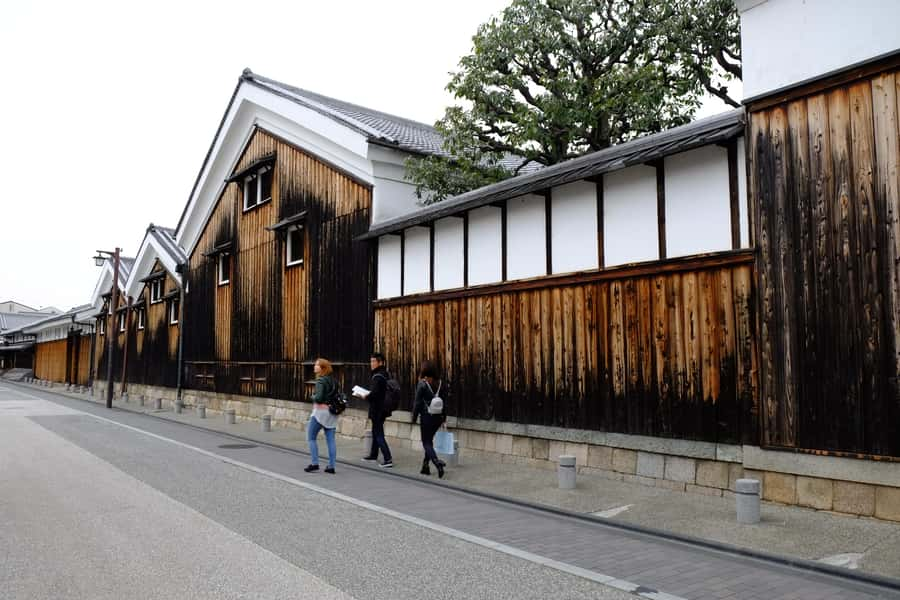
I would recommend this experience to several kinds of visitors:
- A beginner who wants an organized introduction rather than choosing random bottles at a bar.
- A sake fan who has already completed a basic tasting and wants less familiar styles.
- A Japan visitor interested in craft, ingredients, and regional production.
- A small group with different levels of sake experience.
- Anyone who prefers a calm indoor lesson to a busy sightseeing activity.
The experience may be less suitable if you want a brewery visit, a meal, or a broad tour of Kyoto. No production-site transportation is included, and there is no food pairing. It is also not designed for children or pregnant participants.
The alcohol rules deserve attention. Japan’s legal drinking age is 20, and anyone under 20 receives only non-alcoholic drinks. The activity information also lists the experience as unsuitable for people under 19. If age is a concern, confirm eligibility before booking rather than assuming a non-drinking companion can simply attend.
Practical rules that can affect your visit
You need a reservation to join. People without reservations, including children and non-drinkers, cannot be added at the door. That rule matters if you are arranging a group outing and someone decides to come along at the last minute.
Do not arrive by car or bicycle if you plan to taste alcohol. For safety and legal reasons, alcohol will not be served to those arriving by either method. Non-alcoholic drinks are available, but there is no refund if you cannot take part in the sake tasting.
Plan to reach the meeting point with time to spare. Arriving more than 10 minutes late results in cancellation, and the information states that no refund is available in that situation. This is particularly important in Kyoto, where navigating unfamiliar streets or transit connections can take longer than expected.
You can cancel up to seven days in advance for a full refund. That gives you some flexibility, but last-minute changes are risky.
How this compares with a basic sake course
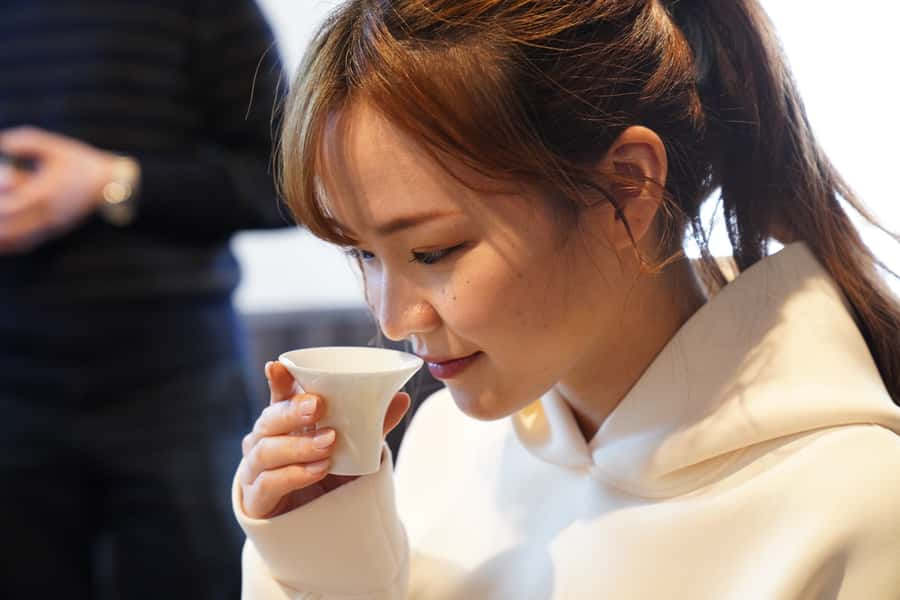
If you are choosing between a beginner course and this session, the best sequence may be to start with the basic experience and return for this one. The advanced course still covers fundamentals, but its purpose is to show how far sake can move from the styles most people first encounter.
A first tasting can teach you the broad categories and basic production steps. This experience then gives those ideas a tougher test. You can compare a more unusual brewing process with what you already know and ask better questions about why the taste changes.
That said, you do not have to complete a basic course first. The introductory material makes this session accessible from the start. The difference is that beginners may spend part of the time learning the vocabulary, while experienced drinkers can focus more closely on the rare styles.
The choice comes down to your travel plan. If you have time for only one sake activity and know almost nothing about sake, a basic course may be the gentler first step. If you already understand the broad categories, this session promises more discovery.
The strongest part is the guide’s explanation

The sake itself is unusual, but the guide turns the tasting into something useful. A bottle made with local wood is interesting on its own. It becomes more memorable when you understand what the wood contributes and how that differs from other production choices.
The same is true of the ancient and microorganism-based styles. Without explanation, they might seem like novelty pours. With a certified sommelier leading the session, you can place them in the wider story of sake making.
The clearest praise for this experience centers on the presentation, the explanation of production, the range of sake, and the guide’s friendly approach. That matches the structure of the activity: the value depends heavily on how well the sommelier connects the technical details to what you are tasting.
You should not expect a scripted sightseeing performance. This is a focused educational tasting. The reward comes from paying attention, comparing the pours, and letting the guide explain what makes each one different.
Should you book the Kyoto Beyond the Insider Sake Tasting?
Book it if you want 10 uncommon sake styles, clear explanations, and a private setting. The $66 price is fair for a specialist tasting that includes a certified sommelier, a tasting note, and access to bottles you may not easily find overseas.
Skip it if your priority is food, transportation, or a relaxed drink without instruction. You will need to arrange your own way to the meeting point, and no meal is included.
For most sake-curious visitors, this is a strong Kyoto choice. Beginners can follow the opening basics, while experienced drinkers get the more unusual material they are seeking. Arrive early, keep the evening free of rushed connections, and treat the tasting as a lesson as much as a set of drinks.
FAQ
How many kinds of sake are included?
The experience includes 10 kinds of sake selected by a certified sake sommelier.
Is the tasting suitable for beginners?
Yes. The session covers basic sake production and sake categories, so no previous sake experience is required.
Is this experience suitable for experienced sake drinkers?
Yes. The tasting focuses on unusual sake, including bottles made with ancient methods, microorganisms, and local wood.
Is the guide certified?
Yes. The experience is led by a certified sake sommelier.
Is the tasting held in a private room?
Yes. A dedicated private sake tasting room is included.
Is food included?
No. Food pairing is not included in the price.
Is transportation included?
No. Transportation to and from attractions is not included, and there is no hotel pickup or drop-off.
Can someone under 20 drink sake?
No. Japan’s legal drinking age is 20. Customers under 20 are served only non-alcoholic drinks.
Can I arrive by car or bicycle and still taste sake?
No. For safety and legal reasons, alcohol is not served to guests who arrive by car or bicycle. Non-alcoholic drinks are available, but there is no refund if you cannot take part in the tasting.
What happens if I arrive late?
If you are more than 10 minutes late, the booking will be canceled. The information states that no refund is available in this situation.
More Food & Drink in Kyoto
- Kyoto Nishiki Market Food and Culture Walking Tour
★ 5.0 · 412 reviews - Kyoto: Gion Food Tour 13 Dishes at 4 Eateries
★ 5.0 · 408 reviews - Kyoto: Gion & Pontocho Food Tour with 13 Dishes
★ 4.9 · 235 reviews - Kyoto: Gion Local Food Tour (Taste 15 Dishes)
★ 5.0 · 171 reviews
Just added around Kyoto
- Sekka Cotton Furoshiki Class★ 5.0 · 19 reviews
- Kyoto Sword Experience – includes Museum Ticket/Ninja Experience★ 4.5 · 149 reviews
- Scenic Green Tea Fields of Hidden Kyoto & Local Tea Exp (Private)★ 5.0 · 32 reviews
- Secret Eastern Kyoto Biking Adventure★ 5.0 · 44 reviews
- Private Sake Tasting in Central Kyoto with Sake Sommelier★ 5.0 · 32 reviews
- Samurai School in Kyoto: Samurai for a Day★ 5.0 · 202 reviews
- SHIRAKAWA Japanese Culture Experiences with private English staff★ 5.0 · 16 reviews
- A Privately Guided Photoshoot in Beautiful Kyoto by a Pro★ 5.0 · 18 reviews
Sake Tasting, compared.
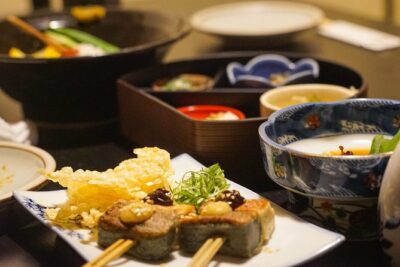
Kyoto Night Foodie Tour in Gion (9+ dishes + 6 Sake tastings)
Our verdict →
1-Day Snow Monkeys, Zenko-ji Temple & Sake in Nagano
Our verdict →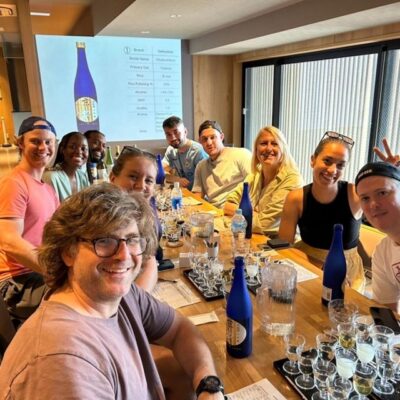
Insider Sake Brewery Tour with Sake and Food Pairing
Our verdict →
Sake Tasting Masterclass in Shinjuku (8+ Varieties with a Pro)
Our verdict →
Browse the lists this tour appears in