
Reviewed · HIDDEN GEMS TOURS
KIYOTO’s Kyoto Private Tour: Highlights & Hidden Gems
Kyoto’s biggest challenge is not finding beautiful places. It is deciding which ones deserve your limited time. This private tour tackles that problem with a guide and a long list of major sights, from the vermilion gates of Fushimi Inari to the bamboo paths of Arashiyama. You can ask questions, change the pace, and request lesser-known stops instead of following a fixed group schedule.
I like the private format, which gives your group the guide’s full attention. I also like the mix of famous sights and everyday Kyoto, including Nishiki Market, Pontocho, Gion, and small photo stops such as Tatsumi Bridge. Guides such as Yuhey, Akiyo, Paren, and Kiyoto have been praised for flexibility, photos, and useful suggestions.
The main drawback is the ambitious route. Seeing all 14 stops in one day would require brisk pacing and paid transport, while the listed duration can be as short as four hours. Entrance fees, food, drinks, and transportation are also extra, so the advertised price is only part of your final cost.
Key points to know before booking
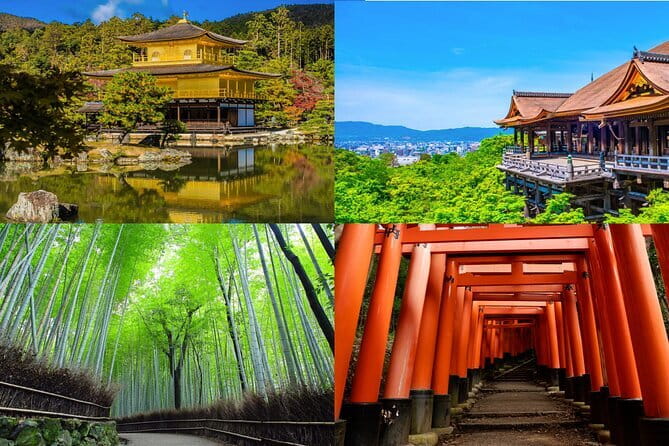
- Fourteen sights cover nearly every major Kyoto theme: shrines, temples, geisha districts, food, gardens, river views, and bamboo.
- A private guide lets you shape the day: ask for more culture, more photos, a slower pace, or a few local side streets.
- The route is very ambitious: the full list fits best into a long day, not a short four-hour outing.
- The strongest guide qualities are flexibility and photography: Yuhey, Akiyo, Paren, and Kiyoto have each received praise for personal service.
- Plan for extra costs: Kiyomizu-dera, Kinkaku-ji, and Tenryuji charge admission, while transport is not included.
- The meeting point is easy to find: the tour begins and ends at the Kyoto Tourist Information Center in Kyoto Station.
A private way to get your Kyoto bearings
This experience is best understood as a private orientation tour, not a simple walking loop. Kyoto spreads across several districts, and the route links central Kyoto with Fushimi, northern Kyoto, and Arashiyama. A guide can help you understand how these areas fit together, then point you toward places worth returning to on your own.
The private setup matters most when your group has mixed interests. You can ask about Buddhist temples, Shinto shrines, Japanese food, geisha districts, photography, or local customs without holding up a busload of people. Families can keep the pace casual, while first-time visitors can focus on the major sights.
The guide is also expected to provide photos. That is more useful than it may sound. Kyoto’s best views often involve crowded gates, narrow lanes, or carefully framed temple buildings. A guide who knows where to position you can save time and help you enjoy the moment instead of spending the whole stop managing a phone.
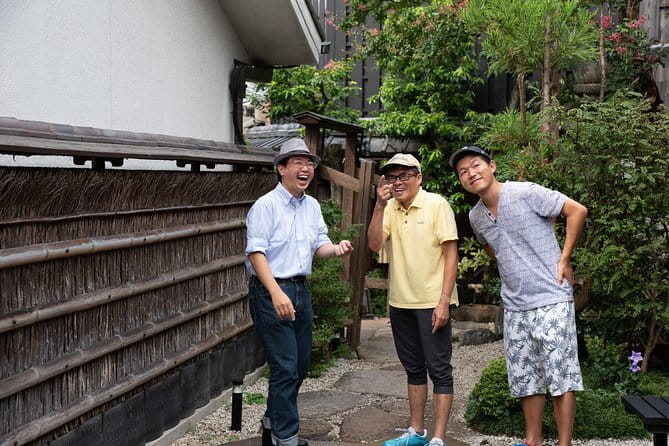
The available guide experiences vary. Yuhey has been praised for an easygoing manner, broad knowledge, flexibility, and helpful suggestions for the rest of a Kyoto stay. Akiyo has combined well-known sites with local finds and even arranged an encounter with a master potter. Paren has handled a rainy family afternoon with a relaxed, adaptable approach. Kiyoto has guided visitors over two days, adding photos and short videos.
That range is encouraging, but it also tells you to communicate clearly when booking. If you want detailed cultural explanations, say so. If you mainly want pictures and efficient sightseeing, say that too. One guide received mixed feedback because she was new to Japan, did not speak Japanese, and had limited background in local culture. Friendly service is valuable, but guide depth can vary.
More Hidden Gems Tours in Kyoto
- Kyoto Geisha Walking Tour: Gion District & Hidden Gems
★ 4.7 · 3,273 reviews - Private Kyoto Tour with a Local, Highlights & Hidden Gems, Personalised
★ 5.0 · 1,543 reviews - Arashiyama Bamboo Forest & Hidden Gems Bike Tour (Early Bird)
★ 5.0 · 613 reviews
From Pontocho to Fushimi Inari
The day begins at Pontocho, a narrow lane beside the Kamo River between Sanjo and Shijo streets. The stop is only about 10 minutes, so think of it as a quick introduction rather than a full food or nightlife visit.
Pontocho is one of Kyoto’s five geisha districts. Its traditional facades and narrow shape give you an early taste of old Kyoto, though the lane is also lined with restaurants and tea houses. I would use this stop to ask your guide how Kyoto’s entertainment districts work and how to behave respectfully around private businesses.
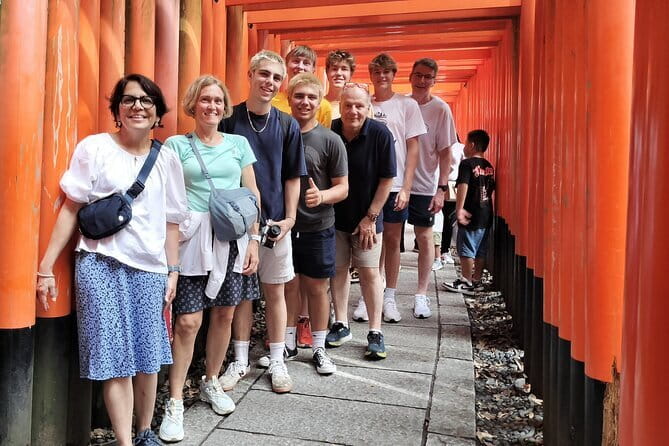
From there, the route reaches Fushimi Inari-taisha Shrine. The famous Senbon Torii, or thousand torii gates, form long orange corridors up the wooded hillside. The gates are striking, but the site is more than a photo backdrop. They were donated over time by individuals and businesses, reflecting the shrine’s importance to Inari, a Shinto deity associated with rice, commerce, and prosperity.
The planned visit lasts about an hour. That is enough to walk through part of the gates and see the main shrine area, but not enough for a full climb far up the mountain. Wear comfortable shoes and ask your guide how far the schedule allows you to go. The shrine itself has no listed admission fee, which helps keep this stop affordable.
Kiyomizu-dera and Kyoto’s old lanes
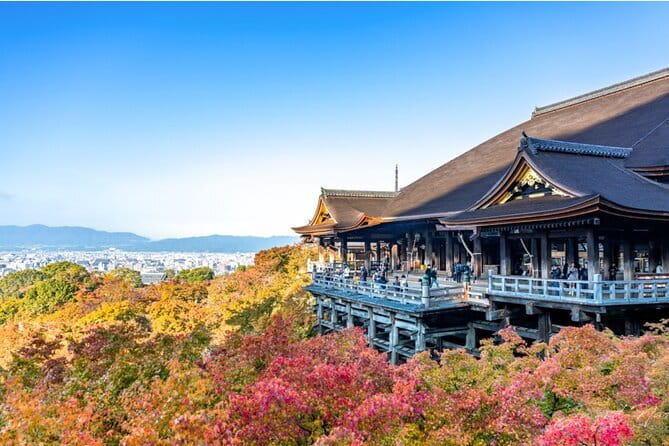
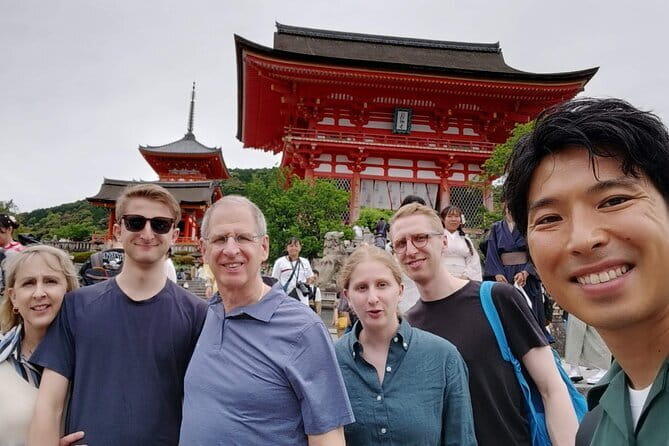
Kiyomizu-dera is one of Kyoto’s essential temple visits. Set on the slopes of Mount Otowa, it combines a large wooden stage with views over the city and wooded hills. The temple complex has centuries of religious history, and a guide can explain the meaning behind the buildings, rituals, and Otowa Water associated with the site.
The planned visit is about an hour, but admission is not included. You should budget for the ticket and expect a busy approach, especially during popular visiting hours. The temple’s hillside setting also means uneven surfaces and slopes, so comfortable shoes are a must.
After the temple, you walk through Sannenzaka and Ninenzaka. These stone-paved lanes are lined with traditional-style buildings, small shops, and food stops. They are among Kyoto’s most atmospheric streets, but they can also be crowded and slow to navigate.
I like this pairing because the temple gives you cultural context, while the lanes show how Kyoto presents its historic districts today. At the same time, you should not expect a quiet village street. The area is heavily visited, and your guide’s value comes from helping you move through it without losing sight of the details.
The five-minute stop at the machiya Starbucks is an unusual extra. The café occupies a traditional townhouse, so the interest lies in the building rather than the coffee itself. You can leave the tour if you want to stay longer, but this is not designed as a full café break.
Gion’s streets, pagoda, and river bridges
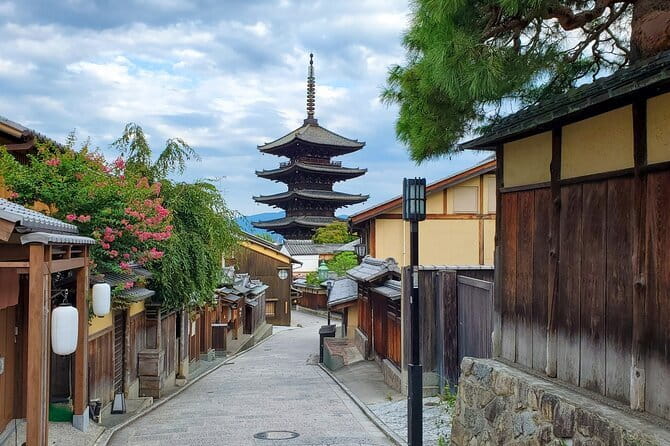
The Yasaka Pagoda, part of Hokanji Temple, provides one of Kyoto’s most recognizable street views. The five-minute photo stop is brief, but it fits naturally after Ninenzaka and Sannenzaka. The pagoda rises above the Higashiyama district and gives you a strong sense of how carefully preserved this part of the city looks.
Hanamikoji Street leads you into Gion, Kyoto’s best-known geisha district. Again, the scheduled stop is just five minutes, so you are getting an orientation and photo opportunity rather than a full explanation of geisha culture. Use the time to ask your guide about appropriate behavior. Avoid blocking doorways, entering private areas, or photographing people without permission.
Tatsumi Bridge is a quieter pause beside the Shirakawa River. The small wooden bridge and nearby water offer a change from the larger temple grounds and busy shopping streets. Ten minutes is enough for photos and a short look around.
These brief stops show both the strength and weakness of the itinerary. They let you sample several districts in one day, but they do not leave much time for slow wandering. If Gion or Higashiyama is your main interest, ask to spend longer there and remove some other stops.
Same trip, a completely different kind of day:
- PERFECT KYOTO 1-Day Bus Tour
★ 5.0 · 13,518 reviews - Kyoto: Fushimi Inari, Kinkakuji, Bamboo Grove 1 Day Bus Tour
★ 4.8 · 4,316 reviews - Kyoto: Tea Ceremony in a Traditional Tea House in Kiyomizu
★ 4.9 · 3,519 reviews - Kyoto: Tea Ceremony Ju-An at Jotokuji Temple
★ 4.9 · 3,207 reviews
Nishiki Market, Kyoto’s food center
Nishiki Market is scheduled for about an hour. Known as Kyoto’s Kitchen, it is a long food-focused arcade where you can see ingredients, snacks, pickles, seafood, sweets, and other Japanese specialties. It is a useful place to learn about local eating habits because the food is right in front of you, not hidden behind a formal restaurant menu.
This is one of the places where a private guide can make a real difference. You can ask what an unfamiliar item is, which foods are suitable for your diet, and how to eat samples properly. Food and drinks are not included, so bring money if you want to taste anything.
Nishiki can feel crowded, and the narrow passage is not ideal for lingering in large groups. I would treat the hour as a guided tasting and orientation rather than a full meal. If you want lunch here, tell the guide early so the schedule does not become even tighter.
Kinkaku-ji adds the famous gold
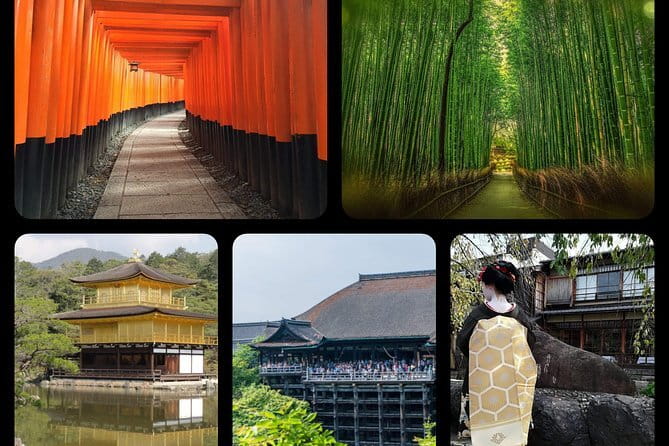
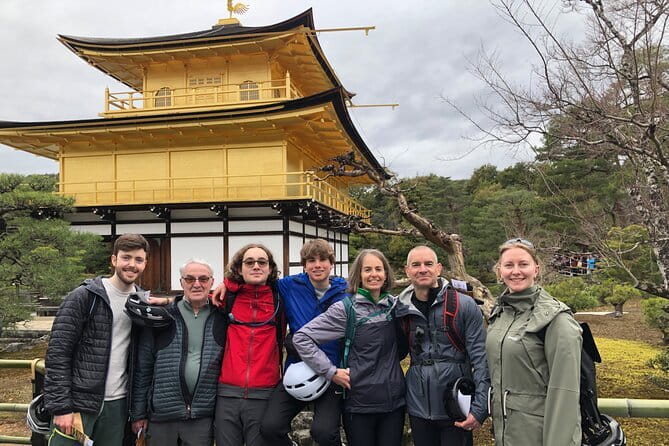
Kinkaku-ji, the Golden Pavilion, is another major Kyoto sight. The pavilion’s gold-covered upper floors reflect in the pond, creating the polished image many people associate with the city. You follow a set visitor path through the grounds, with views of the pavilion and surrounding gardens.
The scheduled visit lasts one hour, and admission is extra. That hour gives you time for photos and a walk through the grounds, though it may feel short if you want a slower look at every garden feature. The site is especially useful for first-time visitors who want Kyoto’s most famous visual icons in one day.
Kinkaku-ji is also a good example of why a guide should explain context rather than simply point at the building. Ask about its original purpose, later changes, and the role of Zen temple grounds. The tour description does not promise a specialist lecture, so your questions will help shape the depth of the visit.
Tenryuji and the Arashiyama bamboo path
Tenryuji, founded in 1339 by Ashikaga Takauji, sits in Arashiyama on the site of a former imperial villa. It was built to honor Emperor Go-Daigo and remains one of the district’s major Zen temples. The visit is listed at 30 minutes, with admission extra.
That is enough for a focused visit, but not for a leisurely exploration of every part of the grounds. If gardens and temple design matter most to you, ask for more time here and consider dropping one of the short photo stops elsewhere.
The Arashiyama Bamboo Forest follows, with about 30 minutes on the schedule. The path runs through tall bamboo and is one of Kyoto’s most photographed places. It can be beautiful, but the narrow route is popular, so you should set realistic expectations. This is not a private woodland walk.
The nearby Kimono Forest is a different kind of sight. Around 600 cylindrical pillars, each about two meters tall, display kimono textile patterns near Randen Arashiyama Station. It is an art installation rather than an old temple, and the bright fabric designs offer a modern contrast to the bamboo and religious sites.
Togetsukyo Bridge completes the Arashiyama section. The bridge crosses the Oi River for 155 meters and opens views toward the surrounding hills. The listed 10-minute stop is enough for a quick photograph and river view, but you will not have time for a long riverside walk unless the guide shortens another part of the day.
What the $177.90 price really covers
At $177.90 per person, this tour is not the budget choice for a quick temple visit. You are paying for a private guide, personal attention, route planning, flexibility, and help with photos. The value improves when several people share the experience and use the guide for questions and planning.
The price does not cover meals, drinks, attraction tickets, or transportation. Kiyomizu-dera, Kinkaku-ji, and Tenryuji list admission charges, and public transport may be used at an additional cost. You also cover the guide’s related food, drink, and transport costs, so confirm the expected amount before setting out.
The itinerary’s geography makes transport important. Fushimi Inari, central Kyoto, Kinkaku-ji, and Arashiyama are not next door to one another. A walking-only plan would be long and tiring, especially if you want to see every stop. For a four-hour version, expect a selection of highlights. For the eight-hour end of the range, you have a better chance of covering most of the route, though still at a brisk pace.
The activity begins and ends at the Kyoto Tourist Information Center, inside Kyoto Station Building on the second floor. That is a practical meeting point, especially if you are arriving by train or want to continue elsewhere afterward.
Who should book this Kyoto tour?
I would recommend it to first-time visitors who want a broad introduction without joining a large group. It also suits families and couples who want to set their own rhythm, ask many questions, and make room for photography.
It is a good match if you have limited time in Kyoto and want major sights such as Fushimi Inari, Kiyomizu-dera, Kinkaku-ji, and Arashiyama in one planned day. It is less suitable if you prefer slow temple visits, long meals, or quiet time in one neighborhood.
Before booking, decide which stops matter most. Tell the guide if you want culture over photos, markets over temples, or Arashiyama over central Kyoto. The private format gives you room to make those choices, but only if you speak up.
Should you book it?
Book this tour if you value personal attention, flexible pacing, and a guide who can connect Kyoto’s famous sights with food streets, old districts, and river views. The strongest benefits are the private setup, photo help, and the chance to adjust the day around your interests.
Skip it if you want a cheap, relaxed walk or if you dislike extra costs for transport and admissions. I would also avoid trying to force all 14 stops into four hours. For the best value, reserve the longer time window, budget for tickets and transport, and agree on your top priorities before the tour begins.
FAQ
How long does the private Kyoto tour last?
The experience lasts approximately four to eight hours. The full list of 14 stops is ambitious, so the shorter option will require selecting fewer sights or moving quickly.
Where does the tour begin and end?
The tour begins at the Kyoto Tourist Information Center Kyo-NaviJapan on the second floor of Kyoto Station Building. It ends back at the same meeting point.
Are transportation and entrance tickets included?
No. Transportation is not included, and public transport may be used at an additional cost. Admission to Kiyomizu-dera, Kinkaku-ji, and Tenryuji is also not included.
Is food included at Nishiki Market?
No. Food and drinks are not included. You can use the Nishiki Market stop to choose and purchase items yourself.
Is this a group tour?
No. This is a private activity, so only your own group participates.
Can I cancel for a full refund?
Yes. You can cancel at least 24 hours before the experience start time for a full refund. Cancellations or changes made less than 24 hours before the start time are not accepted for a refund.
Just added around Kyoto
- Sekka Cotton Furoshiki Class★ 5.0 · 19 reviews
- Kyoto Sword Experience – includes Museum Ticket/Ninja Experience★ 4.5 · 149 reviews
- Scenic Green Tea Fields of Hidden Kyoto & Local Tea Exp (Private)★ 5.0 · 32 reviews
- Secret Eastern Kyoto Biking Adventure★ 5.0 · 44 reviews
- Private Sake Tasting in Central Kyoto with Sake Sommelier★ 5.0 · 32 reviews
- Samurai School in Kyoto: Samurai for a Day★ 5.0 · 202 reviews
- SHIRAKAWA Japanese Culture Experiences with private English staff★ 5.0 · 16 reviews
- A Privately Guided Photoshoot in Beautiful Kyoto by a Pro★ 5.0 · 18 reviews
Hidden Gems Tours, compared.

Kyoto Geisha Walking Tour: Gion District & Hidden Gems
Our verdict →
Small Group, Big Flavors & Hidden Local Secrets Tour
Our verdict →Browse the lists this tour appears in