
Reviewed · TAKAYAMA TOURS
From Nagoya: Gujo, Hida Takayama, and Shirakawa-go Day Tour
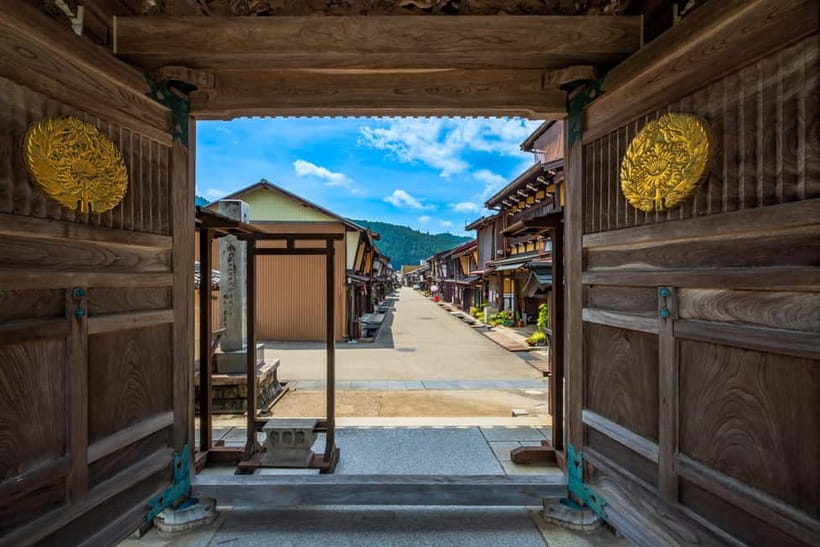
Gujo Hachiman’s old streets, Takayama’s wooden shopfronts, and Shirakawa-go’s steep thatched roofs give you three very different views of traditional Japan in one long day. The route moves from a small riverside town to a former castle town, then into mountain villages shaped by heavy snow.
I like the excellent variety and the practical convenience. You can see places that are awkward to connect by train in a single day, and the $61 price includes the coach and an English and Japanese-speaking guide. I also like the freedom at each stop: follow the guide for an introduction or head off on your own.
The tradeoff is time. Gujo gets about an hour, Takayama two hours, and Shirakawa-go about 90 minutes, with much of the day spent on the road. This is a smart sampler, not a slow village holiday.
Key points at a glance
- Three very different historic settings: Visit Gujo Hachiman, Hida Takayama, and Shirakawa-go in one 11-hour outing.
- Gujo’s waterway-lined streets: See old houses and narrow channels in a town that retains its Edo-period character.
- Takayama for food and crafts: Use your free time for Hida treats, handmade goods, sweets, and wooden streets.
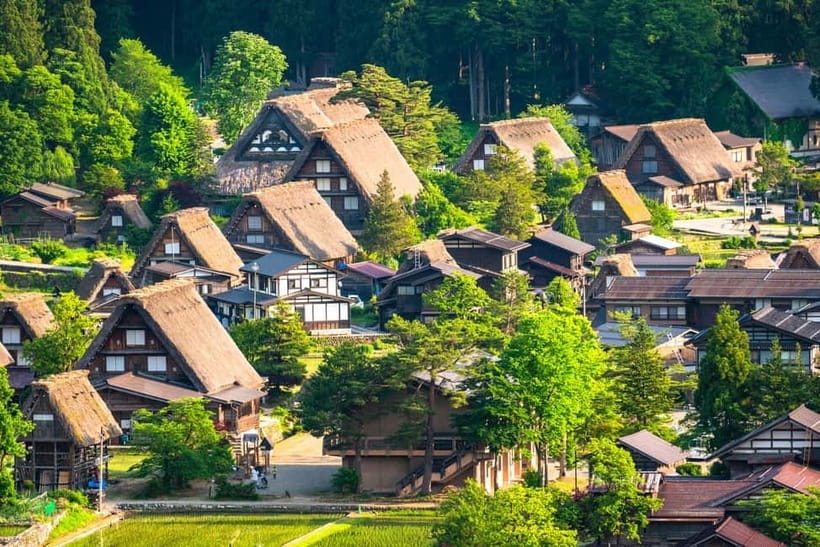
- Shirakawa-go’s gassho-zukuri houses: See the steep thatched farmhouses that earned UNESCO World Heritage status.
- A strong transport value: At $61, the coach removes the need to arrange several long journeys yourself.
- A tightly timed day: You gain breadth, but you need to watch the clock and accept a lot of bus travel.
Three historic places, one very full day
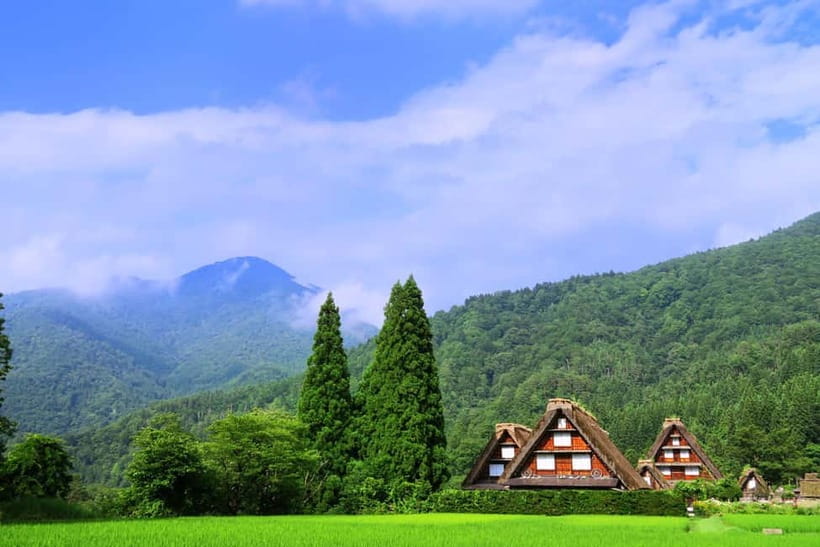
This tour is built around contrast. Gujo Hachiman feels intimate and local, with waterways running beside old homes. Hida Takayama gives you a larger old town with shops, food, and craft traditions. Shirakawa-go supplies the grand final scene, with gassho-zukuri farmhouses set against mountain scenery.
You leave Nagoya at about 8:20 in the morning and return to the same area after roughly 11 hours. The day includes about 1.5 hours to Gujo, another 1.5 hours to Takayama, one hour to Shirakawa-go, and about 2.5 hours back to Nagoya. That is a lot of sitting, but it is also what makes the three-stop plan possible.
I would choose this trip if I had limited time in Nagoya and wanted to see rural Gifu without planning a complicated route. If you prefer long meals, museum visits, or quiet photography, the schedule may feel hurried.
A few more Takayama half-days worth comparing
- World Heritage Shirakawa-go and Experience Tours from Kanazawa
★ 5.0 · 4,049 reviews - Kanazawa: World Heritage Shirakawa-go Morning Guided Tour
★ 4.9 · 988 reviews - Kanazawa: World Heritage Shirakawa-go & Two Local Experience
★ 4.9 · 274 reviews
Meeting at Nagoya Station without a wrong turn
The meeting point is in front of the Nishi Koban police box at the Taiko Exit of Nagoya Station. Look for the guide holding a blue Wonder Tours flag.
The instructions are simple, but station construction has made the area confusing for some people. From the Taiko Exit, find the taxi terminal, walk about 20 meters toward it, and look for the police box on the right. I would arrive early, especially if Nagoya Station is unfamiliar or you are carrying luggage.
The day begins with a coach ride rather than a train connection. That matters here. You do not need to work out separate tickets, transfers, or rural bus schedules, and the driver handles the mountain roads while you watch Japan change outside the window.
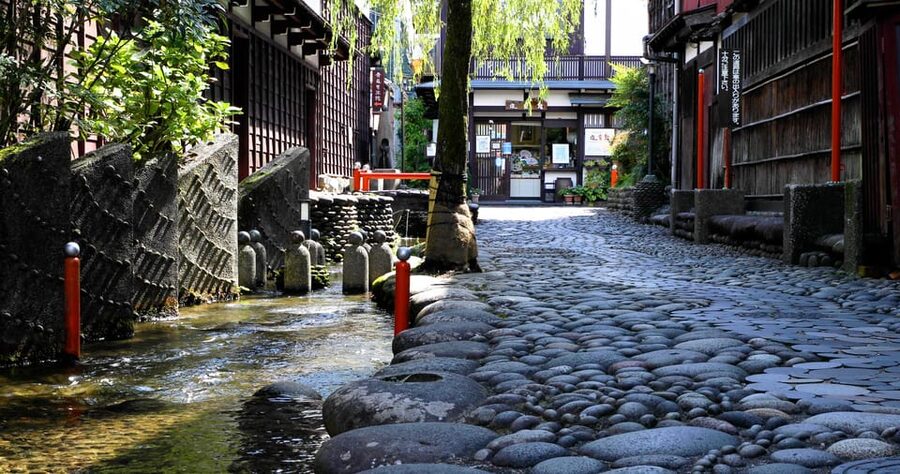
Gujo Hachiman and its water running by the houses
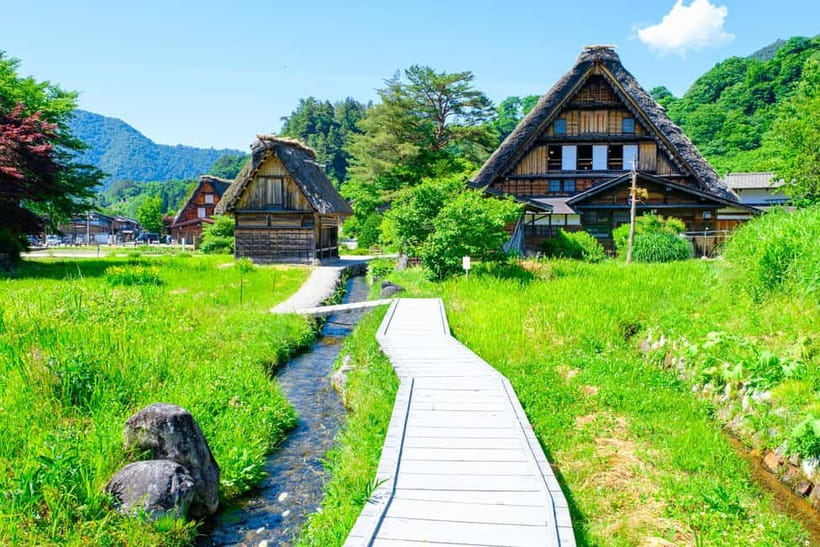
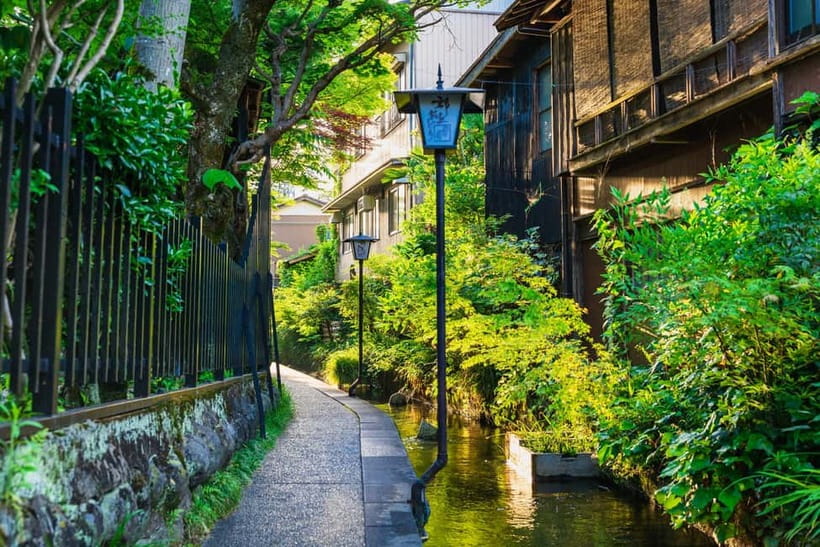
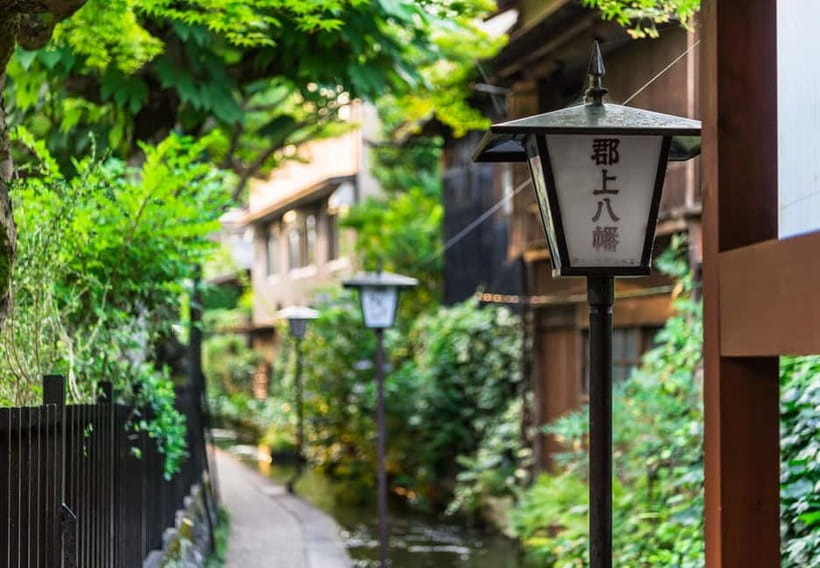
After about 1.5 hours, you reach Gujo Hachiman in Gifu Prefecture. The town is known for its Edo-period atmosphere, rows of old houses, and waterways that pass close to the eaves. The water gives the streets a special character. You are not simply looking at preserved buildings; you are seeing how homes, lanes, and water were arranged together.
The old town includes a group of buildings selected by the Japanese government as important traditional structures. That designation helps explain why the streets feel so consistent. Wooden facades, narrow lanes, and channels create a setting that rewards a slow walk, even when your schedule does not allow one.
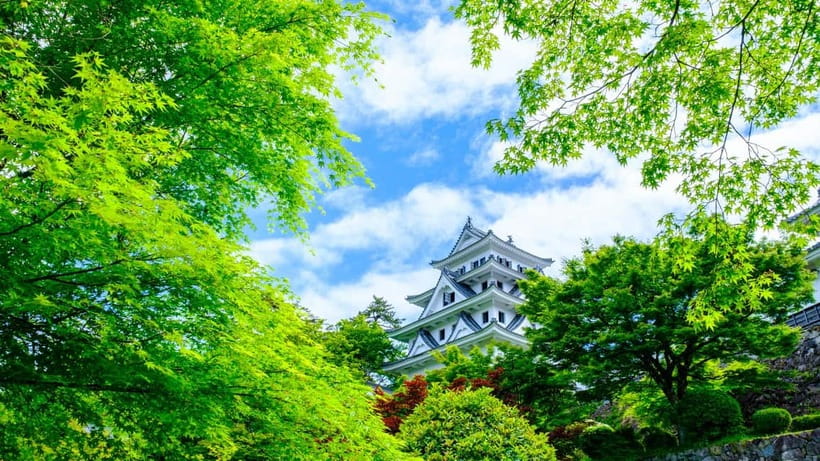
You get about one hour here. That is the main weakness of the stop. In winter, one person calculated that there was only enough time to choose between walking up toward the castle and exploring the town properly. If you want the castle, allow roughly 15 minutes up and 15 minutes back down, leaving little time for the waterways and old houses.
My advice is to decide before you step off the bus. If the town’s architecture interests you most, stay low and explore the streets. If you want a higher view, make the castle your priority and keep moving. Do not expect to do both in depth.
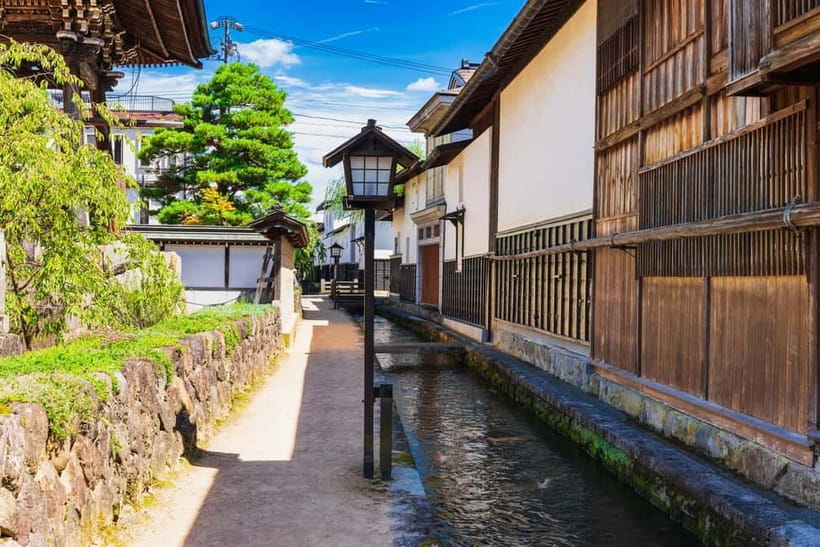
Hida Takayama for wooden streets and local food
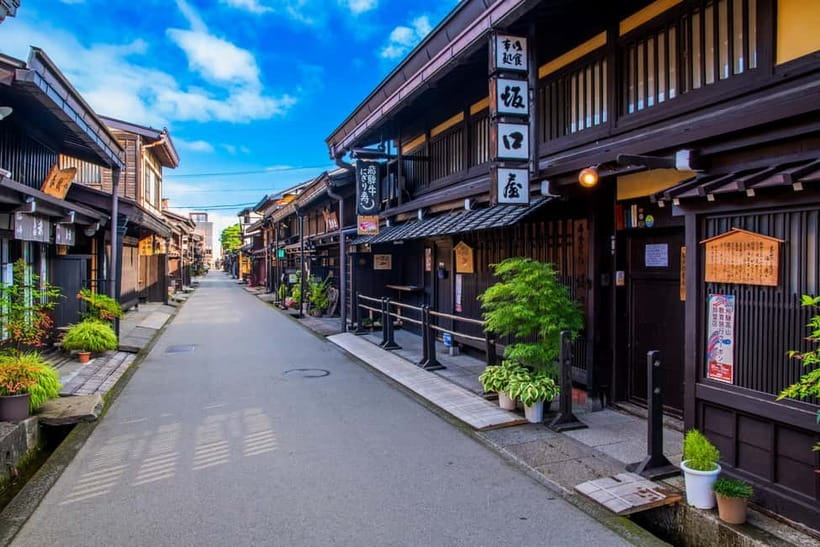
The coach then takes about 1.5 hours to Hida Takayama, a former Edo-period castle town. You have around two hours, making this the most generous stop of the day.
Takayama is the place to use your appetite. The old streets include Hida craft shops, small boutiques, candy stores, and places selling local food. You can browse wooden homes and shopfronts, then use the free time for a quick meal or snacks. Several guides, including Wang, Hao, Cici, and Kiki, have been praised for pointing people toward good food and making clear plans for the available time.
I would put Takayama near the top of your personal priorities if you enjoy food and handmade goods. It has more browsing potential than Gujo, and the two-hour pause gives you room to make choices instead of simply following a walking route.
Still, two hours goes quickly. A relaxed lunch, extended shopping, and detailed sightseeing will not all fit comfortably. Decide if you want food, shops, or streets first. If you spend the opening 30 minutes trying to choose, you will feel the pressure later.
The guided portion is intentionally light. You may walk with the guide for an introduction, then split off to explore. That arrangement suits independent people who want help getting oriented but do not want a guide beside them every minute.
Same trip, a completely different kind of day:
- From Nagoya: Hida Takayama & Shirakawa-go Tour w/Opt. Lunch
★ 4.5 · 256 reviews - 1 Day Private Charter Tour to Shirakawa-go & Takayama
★ 4.5 · 253 reviews - [One-day bus tour departing from Kanazawa Station] Shirakawa-go and Gokayama – Two World Heritage Villages Enjoyable Bus Tour
★ 5.0 · 253 reviews - World Heritage Shirakawa-go Perfect Guided Tour from Kanazawa
★ 5.0 · 220 reviews
Shirakawa-go and the famous steep roofs
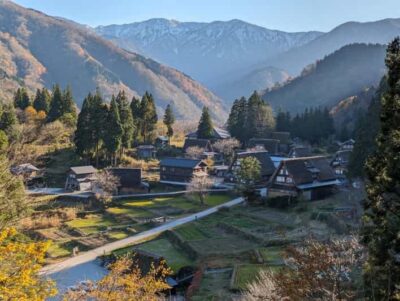
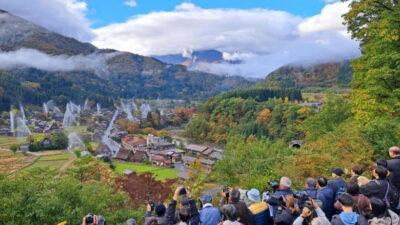
The final major stop is Shirakawa-go, reached after about an hour on the coach. You have around 90 minutes to see the village and its gassho-zukuri farmhouses.
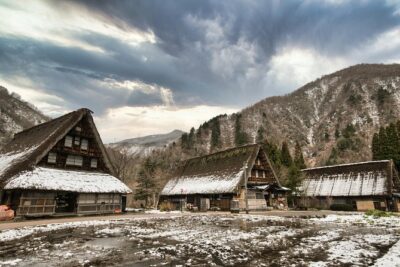
The name refers to the distinctive steep thatched roofs, designed to cope with heavy winter snow. The houses come in different sizes, and their shape is the visual reason Shirakawa-go became a UNESCO World Heritage Site. With mountains around the village, this is the stop that feels most removed from Nagoya’s city streets.
You can walk between the traditional houses, take photographs, and look inside selected buildings if you choose to pay the separate entrance fee. The cost is about 300 to 400 yen per house, so bring some yen if entering the homes matters to you. The fee supports the upkeep of these historic buildings and local communities.
Ninety minutes is enough for a clear first look, but it is not generous. You will need to choose between photographs, interior visits, food, and a longer walk. Some restaurants in the area close around 3:30 or 4:00 p.m., so do not count on finding a hot meal late in the stop. Eat earlier in the day or treat Shirakawa-go mainly as a sightseeing visit.
Winter adds another wrinkle. The village can be several degrees colder than Nagoya, with one visitor reporting temperatures around 3 degrees Celsius. Wear warm layers and shoes suitable for cold or wet ground. Snow can make the scene beautiful, but it can also slow the group and the return drive.
Traffic around Shirakawa-go can also delay the schedule. The coach has a fixed return time, so keep an eye on your watch rather than wandering until the last minute.
What the guide adds to a self-guided day
The guide provides transportation, meeting instructions, short explanations, and practical advice at each stop. This is not a full lecture tour with constant commentary. It is closer to a well-organized coach trip with guided orientation.
That distinction is important. You may hear useful background on the towns, then receive suggestions for food, shops, viewpoints, or the best way to use your free time. Guides named Wang, Kiki, Cici, Moe, Hao, Sirius, and Lilly have all been praised for clear directions and friendly help across different departures.
Some guides speak English, Japanese, and Chinese, though the standard service is listed as English and Japanese. On multilingual departures, the same information may be repeated in several languages. That can shorten the explanations, and some people have found it harder to hear when the guide speaks through the bus microphone.
If you want detailed history at every building, this may feel too brief. If you want someone to handle the route and help you avoid wasting time, the format works well. I would do a little reading before departure, then use the guide for local pointers and timing.
The coach ride is part of the bargain
The bus is comfortable, according to the practical details supplied about the trip, and some departures have USB-A charging. The driver handles a long day on the road, and breaks are included along the route.
Still, do not underestimate the travel time. The return to Nagoya alone takes about 2.5 hours, and the total day reaches 11 hours. Bring water, snacks, and something to occupy you between stops. A seat near the front may help if you find winding roads uncomfortable, though seat locations are not specified.
The large group format keeps the price down but can affect the feel of the day. One departure involved more than 50 people. You need to listen carefully to meeting instructions and return to the bus on time, because a late person affects everyone.
The upside is efficiency. Organizing Gujo, Takayama, and Shirakawa-go independently would require careful transport planning and could cost more, particularly when combining long-distance trains with local connections. At $61, the coach is a sensible deal for a first look at all three places.
Who will get the most from this trip
I would recommend this tour for:
- First-time visitors based in Nagoya
- People who want rural scenery without renting a car
- Anyone interested in traditional buildings, food, crafts, and village architecture
- Independent explorers who still want a guide for orientation
- Visitors with only one spare day for Gifu Prefecture
I would hesitate if you have already seen two of the stops and want serious time at the third. One practical alternative is to choose a shorter trip covering only Takayama and Shirakawa-go, giving you more time for lunch and walking.
Families and mixed-interest groups may appreciate the range. One person can shop in Takayama, another can photograph the roofs in Shirakawa-go, and both can rely on the same coach. People who dislike fixed schedules should think twice.
Booking details worth knowing
The price is $61 per person. Transportation and an English and Japanese-speaking guide are included, but food and optional house-entry fees are not listed as included. Plan for extra spending in Takayama and possible 300 to 400 yen charges at Shirakawa-go houses.
You can cancel up to 24 hours before departure for a full refund, and the reserve-now, pay-later option gives you some planning flexibility. The listed departure point is Nagoya Ekinishi Police Box, with the meeting time at 8:20.
The activity has a 4.4 rating from 398 ratings, which fits the experience itself: strong on access, scenery, and organization, less strong on spare time and detailed guiding. Your satisfaction will depend largely on accepting that trade.
Should you book this Nagoya day tour?
Book it if you want a low-cost, high-coverage day that connects three difficult-to-combine places. Gujo Hachiman supplies quiet old-town charm, Takayama offers the best chance for food and shopping, and Shirakawa-go delivers the most memorable architecture.
Skip it if you want to linger, eat slowly, or explore one village in depth. For most first-time visitors with just one free day, I think the convenience outweighs the rushed moments. Arrive early, wear warm and practical clothing, decide your priorities before each stop, and keep your watch visible. That is how you turn a very full day into a rewarding one.
FAQ
How long does the tour last?
The full experience lasts about 11 hours, including the coach journeys from Nagoya and back.
Where does the tour begin?
It begins at the Nishi Koban police box in front of the Taiko Exit of Nagoya Station.
What should I look for at the meeting point?
Look for a guide holding a blue Wonder Tours flag. The police box is about 20 meters beyond the taxi terminal, on the right.
Which places does the tour visit?
The tour visits Gujo Hachiman, Hida Takayama, and Shirakawa-go, including the gassho-zukuri villages associated with Shirakawa-go and Gokayama.
How much time is available at each stop?
The schedule gives about one hour in Gujo, two hours in Takayama, and 1.5 hours in Shirakawa-go.
Is transportation included?
Yes. Transportation by bus or coach is included.
What languages are available?
The listed guide languages are English and Japanese. Some guides on particular departures also speak Chinese.
Is food included in the price?
Food is not listed as included. You have free time to buy local food and meals at Takayama and other stops.
Do I have to pay to enter the houses in Shirakawa-go?
Some house interiors require a separate fee of about 300 to 400 yen per house.
Can I cancel the booking?
You can cancel up to 24 hours in advance for a full refund. The reserve-now, pay-later option is also available.
Just added around Takayama
- Takayama and Shirakawago/Photoshoot by professional photographer★ 5.0 · 67 reviews
- Shirakawago & Kanazawa from Kanazawa★ 5.0 · 51 reviews
- Private Tour of Shirakawago and Gokayama from Kanazawa★ 5.0 · 50 reviews
- Private Tour of Shirakawago from Kanazawa (Half Day)★ 5.0 · 24 reviews
- Private Tour Kanazawa, Shirakawago, Hida Furukawa,Takayama★ 5.0 · 108 reviews
- Private transfer Kanazawa to Takayama Including Shirakawago★ 5.0 · 15 reviews
- Gokayama and Shirakawago/Photoshoot by professional photographer★ 5.0 · 51 reviews
- From Kanazawa: Shirakawa-go, Gokayama and Wood Carving Village★ 5.0 · 90 reviews
Takayama Tours, compared.

Gokayama and Shirakawago/Photoshoot by professional photographer
Our verdict →Browse the lists this tour appears in