
Reviewed · TEMPLES & SHRINES
Kyoto/Osaka: Kinkakuji, Bamboo Forest, and Nara Deer Park
Kyoto’s Golden Pavilion and Arashiyama Bamboo Forest make a fine pair: one is polished, gleaming, and carefully framed by water; the other feels quieter and more natural, even when the path is crowded. Add Nara’s free-roaming deer and the huge Buddha at Todaiji, and you get three of western Japan’s essential sights in one day. I especially like the comfortable coach, the useful explanations from guides such as Eiko, Yuki, Jewel, and Hama, and the way this trip removes the headache of linking Kyoto and Nara by public transport.
The tradeoff is time. You cover a lot of ground, and Arashiyama and Nara can be crowded, so you may feel hurried at some stops. At $69 per person, the trip can be good value when your booking includes lunch and temple admissions, but check your selected option carefully. Lunch quality has pleased some people and disappointed others, and vegetarian requests must be made at least three days ahead.
Key points to know before booking
- Three major sights in one day: Arashiyama, Kinkakuji, and Nara Park are difficult to connect efficiently if you are unfamiliar with local trains and buses.
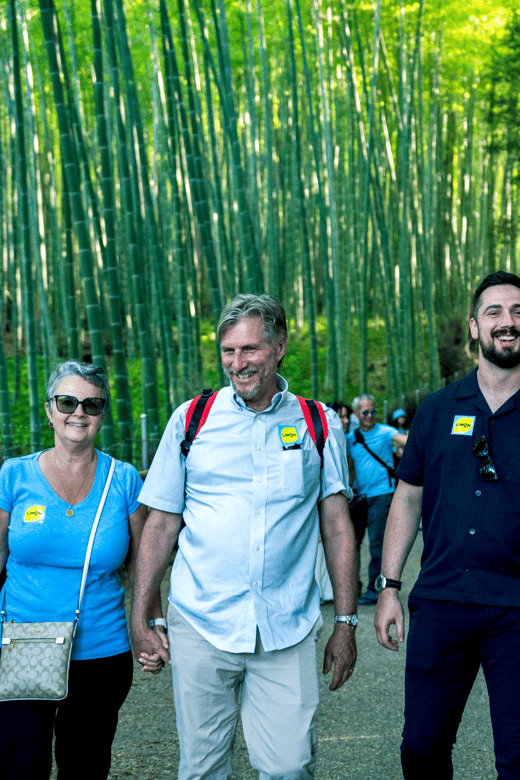
- The bamboo grove is brief but memorable: Expect a short walk through Sagano’s famous bamboo path, along with time around the Katsura River and Togetsukyo Bridge.
- Kinkakuji includes more than a photo stop: You see the gold-covered pavilion and walk through its original garden design.
- Nara’s deer are wild: Buy official shika-senbei rice crackers, feed only those crackers, and keep an eye on your belongings.
- The meeting point matters: Departures leave from Kyoto Station at 9:05 AM or Osaka’s OCAT Building at 8:50 AM, with no hotel pickup.
- This is a highlights tour: It suits first-time visitors who want structure, transport, and guidance more than long, leisurely visits.
A full western Japan day, from Kyoto or Osaka
This is a long sightseeing day built around three famous places. You can start at Kyoto Station’s Hachijo Exit Tourist Bus Parking at 9:05 AM, or at the OCAT Building in Namba at 8:50 AM. The exact route and meeting point depend on the option you book.
I would choose the departure point based on where you are sleeping. Starting in Osaka lets you handle Kyoto and Nara without arranging separate trains, while a Kyoto departure may be simpler if you are already near Kyoto Station. The Osaka option has also worked well for people who wanted to avoid sorting out several train connections in one day.
The coach has air-conditioning and Wi-Fi. That matters in Japan’s warmer months, when a day of walking between temples and park paths can be tiring. The road time also gives the guide a chance to explain local customs and outline the schedule. Guides have included Eiko, Yuki, Jewel, Hama, Maki, and others, with several praised for clear directions, humor, photo help, and care with the group.
Still, this is a group outing. You need to listen closely to the meeting instructions and return on time. At Nara Park, it is possible to lose sight of the coach or group among crowds, paths, and deer. A written plan and a guide’s phone or emergency contact are useful, so pay attention when the guide explains where to meet.
More Temple & Shrine Tours in Nara
- Kyoto/Osaka: Nara, Fushimi Inari Taisha, Arashiyama Bus Tour
★ 4.7 · 1,275 reviews - Osaka/Kyoto: Arashiyama, Nara & Fushimi Inari Shrine w/Lunch
★ 4.4 · 754 reviews - E-Bike Nara Highlights – Todaiji, Knives, Deer, Shrine
★ 4.8 · 186 reviews
Arashiyama Bamboo Forest and the Katsura River
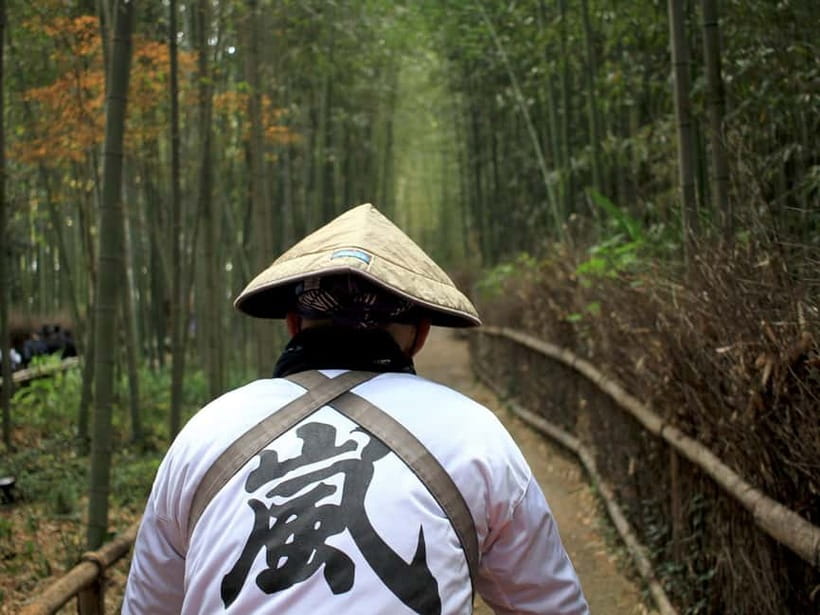
The first major stop is Arashiyama, on Kyoto’s western edge. The Sagano Bamboo Forest is famous for its tall green stalks and the soft rustle of leaves above the path. The walk is not a remote nature trek. It is a popular sightseeing route, and crowds can make the narrow path feel busy, especially when many people stop for photos.
I like this part of the day because it gives you a different side of Kyoto from its temples. The bamboo rises high on both sides, filtering the light and creating a cool, enclosed walk. You do not need a long hike to enjoy it, but comfortable shoes help because the day includes several walking sections.
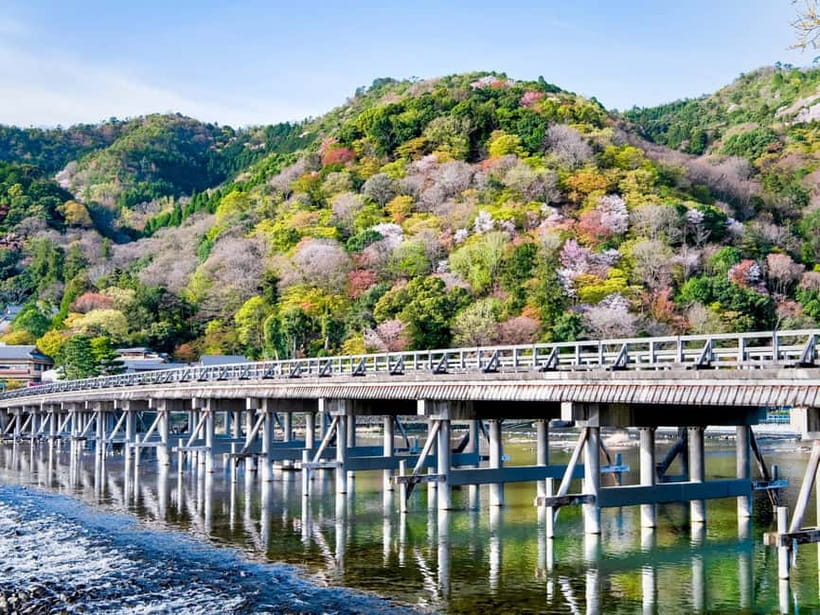
Arashiyama also offers the Togetsukyo Bridge, often translated as Moon-Crossing Bridge, over the Katsura River. The bridge and river add open views after the enclosed bamboo path. Depending on the day’s timing and crowd levels, you may have a chance to stroll around the area rather than staying only inside the grove.
The main limitation is that the bamboo path can be crowded and the visit is not designed for slow exploration. If your ideal morning involves sitting quietly under the bamboo, browsing every side street, or visiting several Arashiyama temples, this schedule will feel too short. If you want a first look at the area and a reliable photo opportunity, it works well.
Lunch in Arashiyama, with an important food warning
The lunch option includes a traditional Japanese meal with seasonal Kyoto specialties, usually served in a buffet-style setting according to the selected arrangement. Some people have found the buffet filling, varied, and convenient, while others have described the room as cramped and the food as ordinary. I would treat lunch as fuel and convenience rather than a reason to book the tour.
The biggest practical point is dietary planning. Halal and vegan lunches are not available. Vegetarian requests can be made by contacting the activity provider at least three days before departure, but you should not assume that a vegetarian meal will be arranged automatically.
Some booking choices do not include lunch, so read the option details before paying. Skipping the included meal may give you more control, but it also means arranging food during a tightly timed day. For many people, the included buffet is worth considering simply because it keeps the group moving.
Kinkakuji, Kyoto’s Golden Pavilion
After Arashiyama, the coach continues through Kyoto to Kinkakuji, also called the Golden Pavilion. The sight is immediate and theatrical: a gold-leaf-covered temple reflects in the pond in front of it, with trees and carefully shaped gardens around the water.
Kinkakuji is not just a quick stop for one photograph. The visit includes a walk through the temple grounds, whose garden design has been retained from the 14th century. I like the contrast between the bright pavilion and the restrained garden. The building catches the eye first, but the pond, paths, stones, and plantings give the scene its balance.
The pavilion is best understood as a view from outside. The main pleasure comes from seeing the building across the water and then following the garden route. You will have time to take pictures, but the stop is not intended for a long study of every garden detail.
Crowds can slow the path, especially near the best viewing points. You may need to keep moving with the group rather than wait for a completely clear photograph. The gold can also look different depending on the weather. Sunlight creates the sharpest reflection, while cloudy conditions give the scene a softer appearance.
Kinkakuji admission is included only with selected booking options, as is the Todaiji entrance later in the day. Compare the options rather than assuming every $69 booking includes every ticket.
More Bamboo Forest Tours in Nara:
- Kyoto: Fushimi Inari, Kinkakuji, Bamboo Grove 1 Day Bus Tour
★ 4.8 · 4,316 reviews - Kyoto: Arashiyama Bamboo Forest, Monkeys, Matcha & Temple Tour
★ 5.0 · 759 reviews - Kyoto Ghost Tour: Dark Tales, Urban Legends, Bamboo Forest Night
★ 5.0 · 625 reviews - Arashiyama Bamboo Forest & Hidden Gems Bike Tour (Early Bird)
★ 5.0 · 613 reviews
Nara Park and the deer
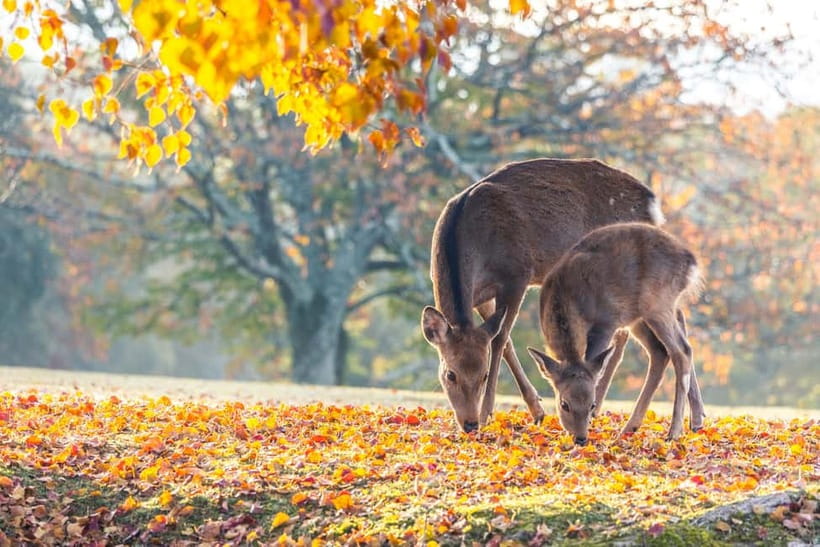
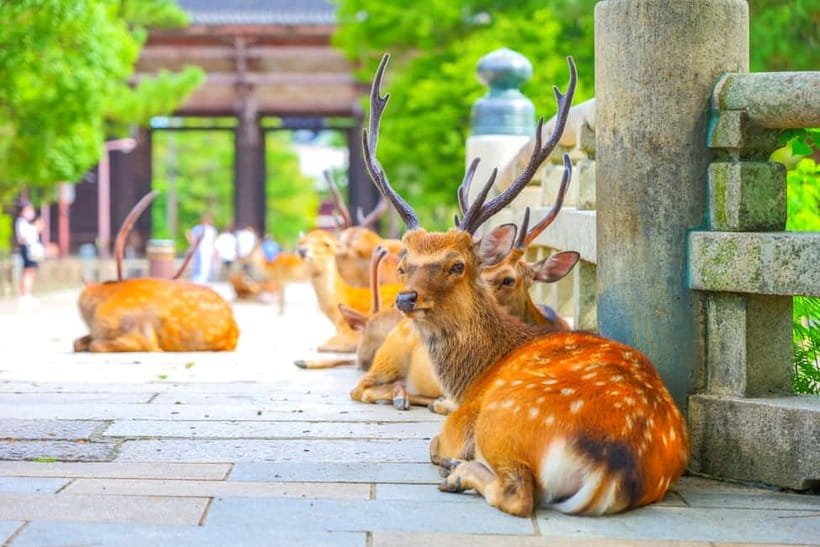
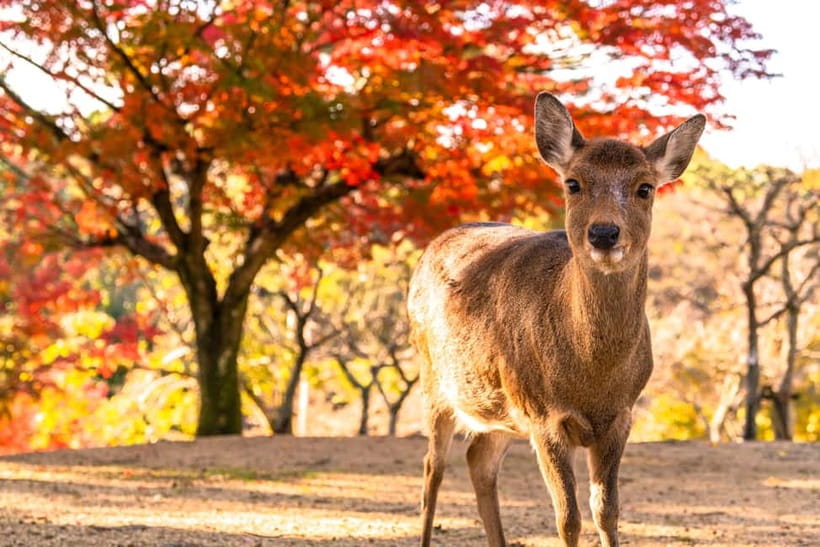
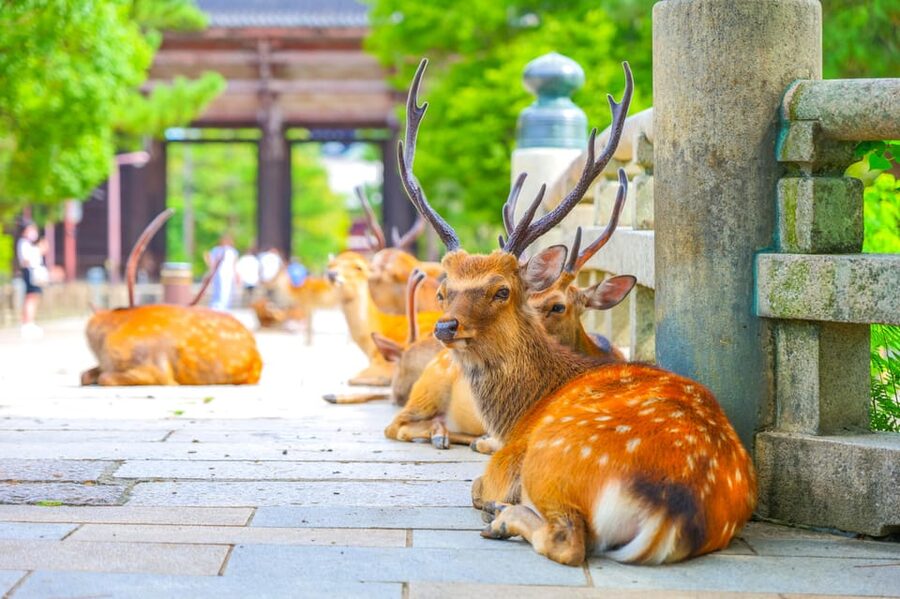
The final major area is Nara Park, a broad public park where roughly 1,200 deer live freely. The deer are one of Nara’s great attractions, but they are not tame pets. They are accustomed to people and may approach quickly when they see food.
You can buy shika-senbei, the official deer crackers, and feed them by holding out a cracker. The deer are famous for bowing, though the gesture can be more enthusiastic than graceful when several animals want food at once. Feed them only shika-senbei. Do not offer snacks, drinks, or anything else.
I recommend finishing the crackers promptly and showing empty hands. The deer may continue following you if they think you have more. Keep paper, maps, and food tucked away, and take care around younger children. The experience is fun, but the animals are still wild and unpredictable.
The timing here can affect the experience. One of the practical frustrations is that the cracker sellers may sell out later in the day. The guide may help the group find crackers, but availability is not guaranteed. If feeding the deer is a priority, buy the crackers as soon as you have a clear chance.
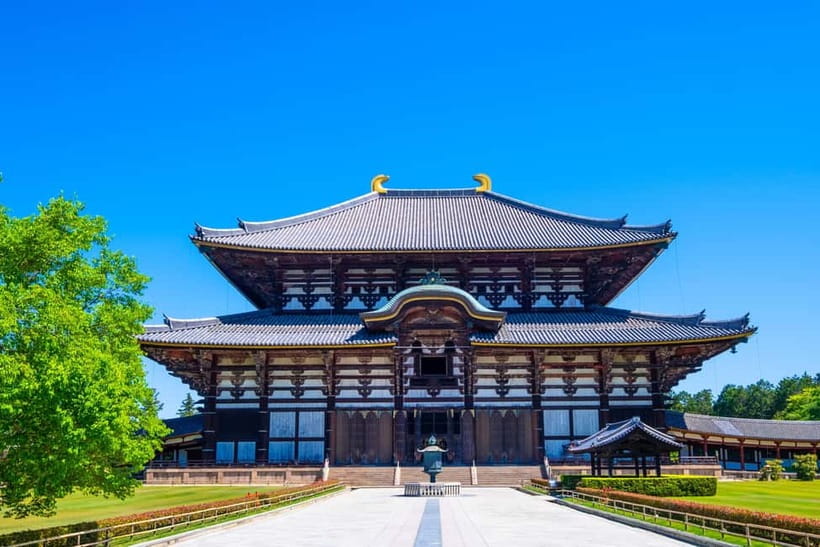
Nara Park also puts you close to Todaiji Temple, a UNESCO World Heritage site. The temple houses one of Japan’s three enormous Great Buddha statues. The scale is the point: after the small, lively deer outside, you enter a monumental religious setting with a Buddha that makes the surrounding building feel even larger.
The tour allows a short walk through the park and a visit to Todaiji when that entrance is included in your option. Nara is often the part of the day people remember most because it combines animals, open paths, and one of Japan’s most impressive temple interiors.
What the guides add to the day
A good guide matters on a tour with several stops and tight return times. The strongest part of the guiding service is not simply reciting facts. It is helping you understand where to go, how long you have, and what to notice before you split up to explore.
Eiko has been praised for local stories, photo help, and careful explanations on the bus. Yuki has been described as friendly, funny, and clear. Jewel has helped people with photos and checked on a traveler who had twisted an ankle. Hama has been praised for keeping everyone on time and explaining meeting points. Other guides, including Maki, Satoshi, Kan, Lydia, Maria, John, Joshua, Winnie, and Ikki, have also led departures.
The quality can vary because you may not know which guide will lead your date. English is the tour language. Most people should be able to follow the main instructions, though one guide has been difficult for some people to understand. If you have trouble hearing, stay near the guide during site walks and ask for the return time in writing.
Guides may also demonstrate proper prayer customs at a shrine or temple and point out local stories tied to sacred places. That small context can make the stops feel less like a checklist.
Time limits, crowds, and the value of a coach
The biggest question is not whether the sights are worthwhile. They are. The question is how much freedom you want at each one.
The schedule fits a lot into about nine hours. That means you do not need to research train routes, line up separate tickets, or work out how to reach Nara after Kyoto. The coach provides a comfortable base between stops, and the driver handles the roads while you rest.
The cost is reasonable if your selected option includes lunch, Kinkakuji admission, and Todaiji admission. It is still useful if some tickets are separate because the transport and organization save time. However, you should compare the included items before booking because the price structure changes by option.
I would not choose this tour if you want to spend half a day in Arashiyama alone, linger beside Kinkakuji, or wander Nara without watching the clock. Public transport can let you set your own pace, though it requires more planning. I would choose this tour if you have only one open day and want a clear introduction to all three areas.
Weather and traffic can change the schedule for safety. Rain may make the bamboo path and Nara Park less comfortable, but it can also reduce crowds. One departure benefited from heavy rain before reaching Nara, leaving the park quieter than expected. You cannot count on that, but flexible expectations help.
What to bring and how to avoid problems
Wear comfortable shoes. You will walk through the bamboo grove, temple grounds, garden paths, and Nara Park. Bring water, even if you plan to eat lunch.
Arrive early at the correct meeting point. Kyoto’s meeting place is Kyoto Station Hachijo Exit Tourist Bus Parking. Osaka’s is the first floor of the OCAT Building. Hotel pickup and drop-off are not included, and the activity ends back at the departure meeting point.
Do not bring oversize luggage. Pets are not allowed, and smoking is not permitted in the vehicle. Foldable strollers are allowed and are stored under the coach with the luggage. Children aged two and under travel free, but they do not receive a seat or meal and must sit on an adult’s lap.
Keep the guide’s instructions handy, especially the final meeting time in Nara. Getting separated is possible in a busy park, and the bus cannot wait indefinitely. Take a picture of the meeting location if needed, and do not wander so far that you cannot return promptly.
Who should book this Kyoto and Nara tour?
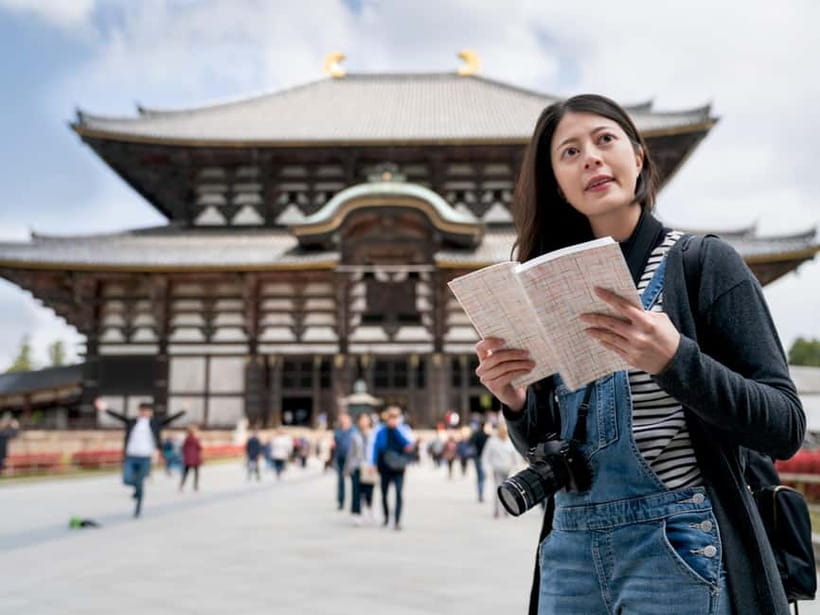
I think this is a strong choice for a first visit, a short stay, or anyone who wants Kyoto and Nara in one organized day. Families, solo visitors, and people who prefer not to manage Japanese train connections can all benefit from the coach and fixed plan.
It also suits you if you value an English-speaking guide who can explain customs, give local stories, and point out practical details. The best guides do more than lead you to the gate. They help you use your free time and avoid missing the bus.
I would hesitate if you have mobility limitations, need long rest periods, or want a slow photography day. The schedule includes substantial walking, crowds, and fixed departure times. Ask the provider about your needs before booking, since the supplied information does not describe full accessibility arrangements.
Should you book it?
Book this trip if your priority is seeing Arashiyama, Kinkakuji, Nara Park, and Todaiji without arranging the transport yourself. At $69, it offers good value when your chosen option includes the meal and entry tickets, and the air-conditioned coach makes a wide-ranging day easier.
Skip it if lunch standards matter greatly, you need halal or vegan food, or you want to linger at each sight. For everyone else, this is a practical highlights tour with excellent scenery, strong guide support on many departures, and just enough structure to keep western Japan’s famous sights within reach.
FAQ
Where does the tour depart from Kyoto?
The Kyoto departure meeting point is Kyoto Station Hachijo Exit Tourist Bus Parking. The listed meeting time is 9:05 AM.
Where does the tour depart from Osaka?
The Osaka departure point is the first floor of the OCAT Building in Namba. The listed meeting time is 8:50 AM.
Does the tour provide hotel pickup?
No. Hotel pickup and drop-off are not included. You must reach the selected meeting point yourself.
What places does the tour visit?
The itinerary includes Arashiyama’s Sagano Bamboo Forest, Kinkakuji, Nara Park, and Todaiji Temple, home to the Great Buddha Statue.
Is lunch included?
Lunch is included only if you choose an option that specifies it. The meal is described as a traditional Japanese lunch with seasonal Kyoto specialties and may be served buffet-style.
Are temple entrance tickets included?
Kinkakuji and Todaiji entrance tickets are included only with selected booking options. Check the details of your chosen option.
Can the tour provide a halal or vegan lunch?
No. Halal and vegan lunches are not available. Vegetarian requests should be sent directly to the activity provider at least three days before the tour.
Can young children join the tour?
Children aged zero to two can join free, but they do not receive a seat or meal and must sit on an adult’s lap. Only foldable strollers are allowed, and they are stored under the bus.
What should I bring?
Bring comfortable shoes and water. Do not bring oversize luggage, pets, or smoking materials for use in the vehicle.
Just added around Nara
- Private Kyoto Tour by Car with Optional Nara or Osaka Add-Ons★ 5.0 · 36 reviews
- Kyoto, Osaka, Nara Private Tour by Car English Driver Guide★ 4.0 · 63 reviews
- Nara Todaiji Kasuga Taisha Private Full Day Tour From Kyoto★ 5.0 · 13 reviews
- From Kyoto: Nara History Guided Half Day Bus Tour with lunch★ 5.0 · 23 reviews
- Nara 8hr Private Tour – Kyoto DEP. with Licensed Guide★ 5.0 · 115 reviews
- Arashiyama & Nara Highlights: One-Day Private Tour Adventure★ 5.0 · 16 reviews
- Kyoto Private Car Tour – Full Day with Local Guide & Nara Option★ 5.0 · 169 reviews
- Kyoto & Nara Private Tour from Osaka Kyoto Hotel Pick-up★ 4.5 · 32 reviews
Temples & Shrines, compared.

Tea Ceremony in a Traditional Tea House in Kiyomizu
Our verdict →
Meiji Shrine, Asakusa, Skytree Bus Tour and Cruise
Our verdict →
Fushimi Inari Hidden Hiking Tour (Private Option Available)
Our verdict →
Osaka/Kyoto:Kinkakuji,Arashiyama,FushimiInariShrine,NaraPark
Our verdict →
Nikko: Kegon Falls, Lake Chuzenji & Toshogu Temple
Our verdict →
Kamakura & Enoshima Day Trip including Temple Tickets
Our verdict →Browse the lists this tour appears in