
Reviewed · CYCLING TOURS
Cycle Kyoto’s Hidden Gems & Gion Stroll
Kyoto’s best moments are not always found on its busiest temple routes. This tour gets you onto quiet riverside roads, through university areas and residential streets, and into places many visitors would not reach on foot. I especially like the stop for natural spring water and the visit to Shimogamo Shrine, where the old forest gives the ride a calm, almost rural feel.
I also like the friendly, family-minded guiding. Mr. Go was patient with children aged nine and ten, while Benjamin, Ko, and Claire have each helped make the ride feel personal and easygoing. The main consideration is simple: you need to be comfortable on a bike, and the tour runs in rain or shine.
Key points to know before you book
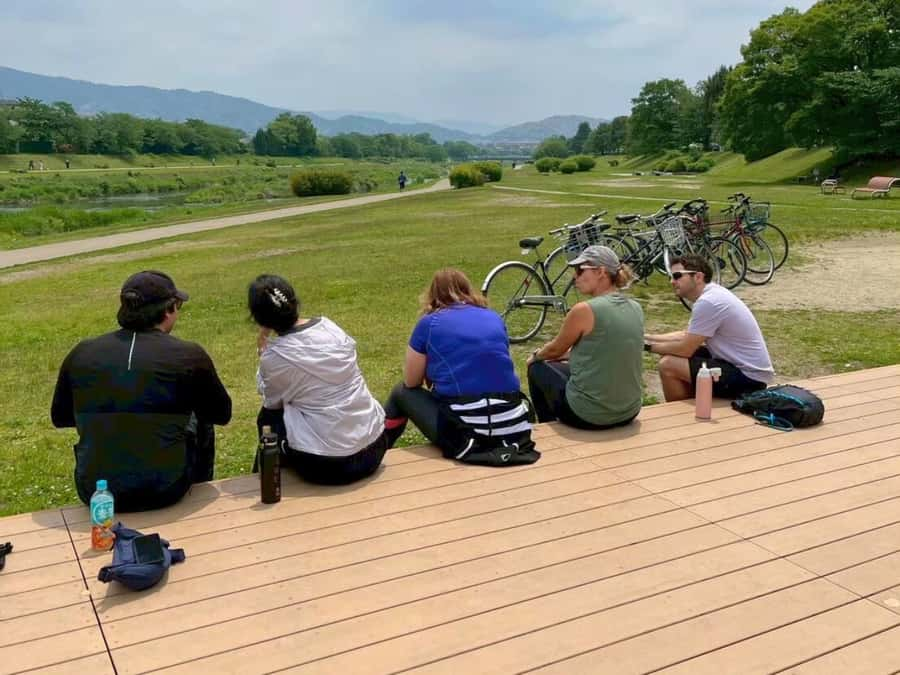
- A riverside start keeps the ride cool and relaxed, especially on a hot, humid Kyoto afternoon.
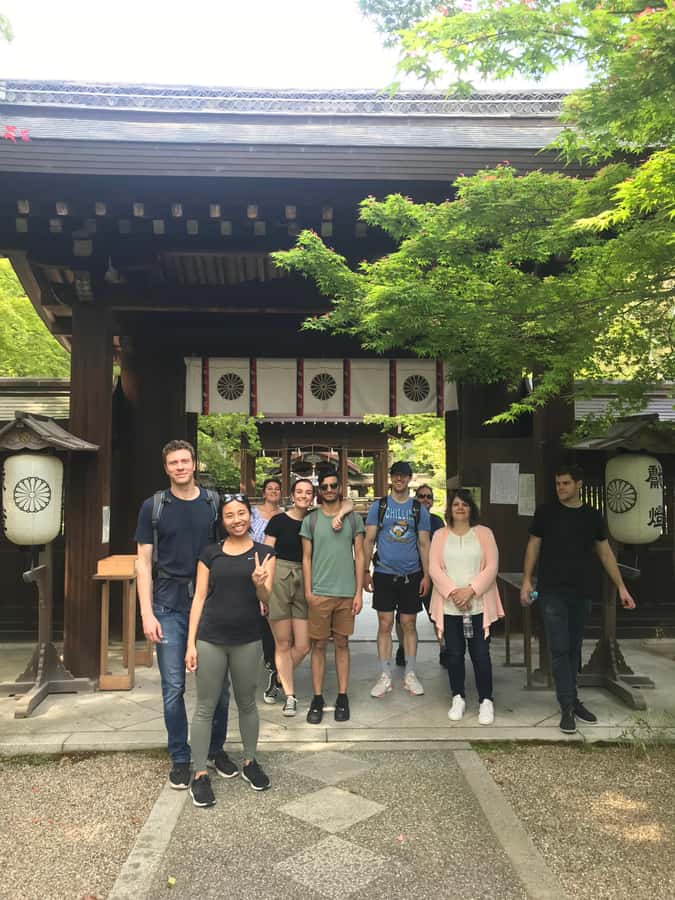
- Shimogamo Shrine brings quiet forest and grand buildings to an otherwise city-based cycling route.
- The Imperial Palace and a Zen temple add Kyoto’s famous sights without making the tour feel like a standard sightseeing circuit.
- Tea and Japanese sweets are included at a traditional snack shop.
- The final Gion or Pontocho walk explains geisha culture, with a chance of seeing a geisha in the Flower Towns.
- The $73 price includes the bike and guiding, but an electric bike costs an extra 1,000 yen.
Why cycling works so well in Kyoto
Kyoto is easy to admire and surprisingly tiring to cross. Its major sights are spread across the city, and walking between them can eat up much of your day. A bicycle gives you more range without forcing you underground onto trains or into a taxi for every short hop.
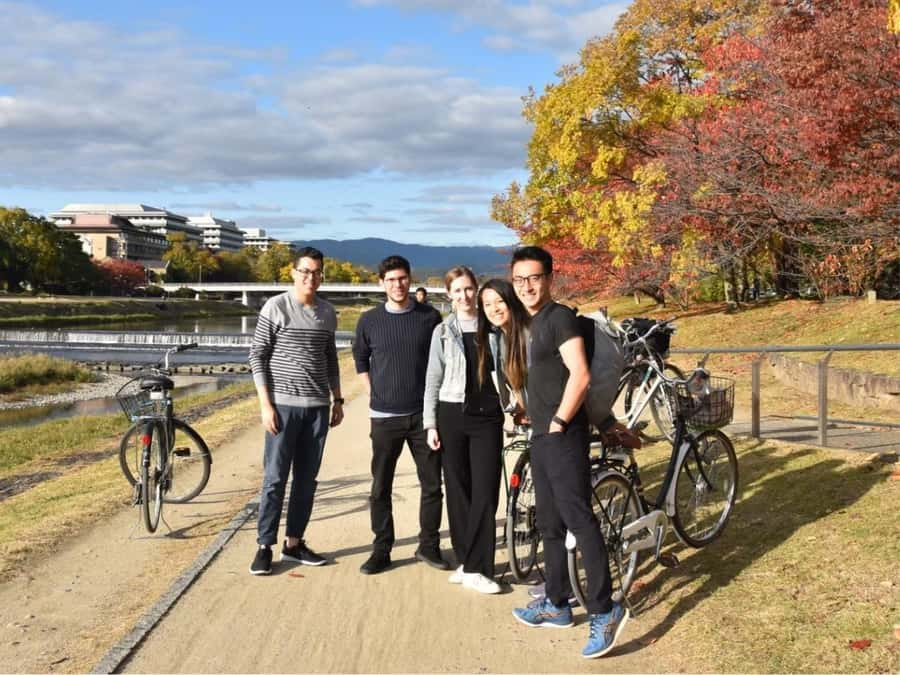
This route also makes good use of Kyoto’s rivers. You begin near Sanjo Ohashi and move along a peaceful riverside road, where open air and water provide a welcome change from crowded streets. The ride is not only about arriving at monuments. You get to see the spaces between them: quiet neighborhoods, campus areas, shrine paths, and stretches of water where the city feels less formal.
I would not treat this as a hard cycling challenge. The tone is leisurely, with regular stops and explanations. Claire’s route, for example, used a comfortable rhythm of riding and stopping, while the family experience with Mr. Go showed how well the pace can work for children who meet the minimum age.
Still, Kyoto cycling requires basic confidence. You should be able to start, stop, steer, and ride for several hours. The tour is not suitable for children under nine or for anyone who cannot ride a bike.
More Bike Tours in Kyoto
- Hidden Kyoto E-Biking tour
★ 5.0 · 1,843 reviews - Bike Tour Exploring North Kyoto plus Lunch
★ 5.0 · 1,087 reviews - Arashiyama Bamboo Forest & Hidden Gems Bike Tour (Early Bird)
★ 5.0 · 613 reviews
From Sanjo Ohashi to the natural spring
The meeting point is the kneeling man statue at the southeast corner of the Sanjo Ohashi intersection. If you come from the east end of Sanjo Ohashi Bridge, cross the street and look for the statue. Subway users should reach street level first rather than trying to navigate from underground.
Once fitted with a rental bike, you head toward the river. This is a smart opening because it lets you settle into the bicycle before the more notable stops. You can feel the air, watch the water, and get a quick sense of Kyoto beyond its main shopping streets.
One early stop is a small shrine with natural spring water. The attraction is not scale or grand architecture. It is the simple act of stopping at a local place and trying clean spring water, an experience that gives the route a more everyday Kyoto flavor.
Bring your own water as well. The included tea comes later, and a few hours on a bike can leave you thirsty, particularly during Kyoto’s hot and humid months. Comfortable shoes and weather-appropriate clothing matter more than dressing up for the evening walk.
The Imperial Palace and a Zen temple
The route then reaches the Imperial Palace, one of Kyoto’s grandest open spaces. The palace grounds give you a sense of scale that is difficult to get from a narrow temple lane. You can pause, take photographs, and hear about the site without spending the entire day inside a large historical complex.
This stop is valuable for contrast. Earlier, you are riding beside water and through smaller streets. At the palace, the setting becomes formal and expansive. You get a major Kyoto sight, but the bicycle keeps the visit from feeling like a long, fixed walking tour.
The next stop is a famous Zen temple. The supplied details do not identify the temple by name, so you should not book this expecting a particular building or garden. What you can expect is a temple visit folded into a wider city ride, rather than a separate temple-only excursion.
The route also passes through university campuses and peaceful residential areas. These sections may not be the headline attractions, but I find them useful. They show Kyoto as a lived-in city, not just a chain of postcard views. You see how quickly the mood changes when you leave the main sightseeing roads.
Shimogamo Shrine and its old forest
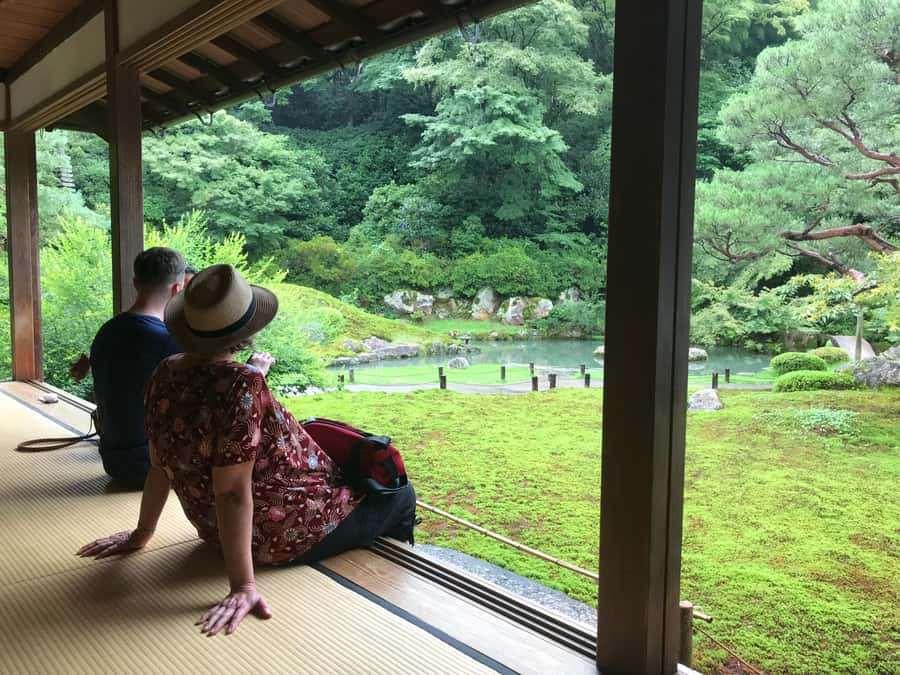
Shimogamo Shrine is one of the strongest stops on the route. It is a UNESCO World Heritage site, and the setting adds more than another impressive gate or hall. The shrine includes a primitive forest, giving you shade, quiet, and a noticeable sense of age within the city.
This is a place where the bicycle tour earns its keep. You might know Shimogamo Shrine exists, but reaching it as part of a connected route is easier than working out how to combine it with the Imperial Palace, a Zen temple, and the riverside on your own.
The buildings are beautiful, but the surrounding forest is just as important. After riding through streets and campuses, the trees create a clear change in pace. You can park the bike, walk a little, and enjoy a quieter side of Kyoto before getting back on the road.
The tour description notes that destinations can change, especially in poor weather. If rain affects the cycling plan, temple or shrine entrance fees for an alternative plan are included. That gives the experience some flexibility, although you should not assume every advertised stop will be visited in every condition.
More Hidden Gems Tours in Kyoto
- Kyoto Geisha Walking Tour: Gion District & Hidden Gems
★ 4.7 · 3,273 reviews - Private Kyoto Tour with a Local, Highlights & Hidden Gems, Personalised
★ 5.0 · 1,543 reviews - Kyoto: Hidden Gems E-Bike Tour with Local Japanese Guide
★ 4.9 · 189 reviews - Kyoto: Gion Hidden Gems & Geisha Culture Tour
★ 4.9 · 126 reviews
The river junction and the ride back
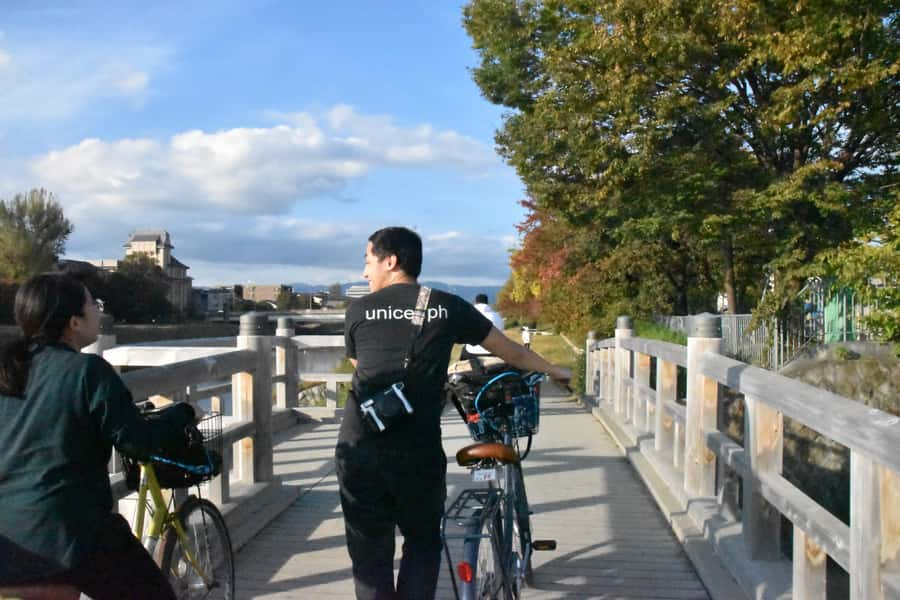
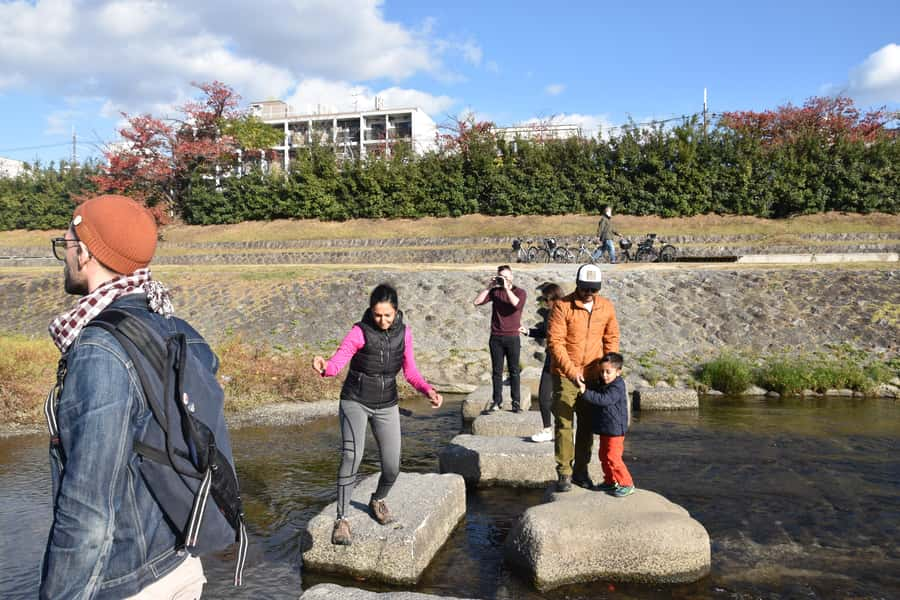
After Shimogamo Shrine, the route continues to a distinctive river junction point. The meeting of waterways is a memorable natural feature, and it gives you another reason to look beyond Kyoto’s buildings.
From there, you follow a scenic riverside route back. The route may be lighted up, according to the tour details, adding a pleasant change if your ride takes place later in the day. The main pleasure here is the open feeling: water, sky, and a steady bicycle ride instead of traffic and tight pavements.
The exact timing and conditions will shape this part of the outing. A sunny ride can feel wonderfully refreshing, but Kyoto’s summer heat is real. Rain does not automatically cancel the activity, so pack clothing that can handle changing weather and avoid bringing a large bag that could get in the way.
Tea, Japanese sweets, and the final walk
After returning the bikes, you take a 30-minute walk through either Gion or Pontocho. These are Kyoto’s famous entertainment districts, known for their traditional streets, restaurants, tea houses, and Flower Towns associated with geisha.
The walk is not just a photo stop. Your guide explains the culture and working system of geisha, which helps you read the streets with more care. If you are lucky, you may see a geisha, but that should be treated as a possibility, not a promised part of the tour.
The included visit to a traditional snack shop is a welcome bridge between the active ride and the evening. Japanese tea and sweet snacks are included, giving you a chance to sit down and taste something local without arranging a separate tea experience.
You can also ask for restaurant and bar suggestions during the walking section. This is useful because Gion and Pontocho can be confusing places to choose a meal. The guide can point you toward options that match your requests, although the tour does not include dinner or drinks.
What the $73 price gets you
At $73 per person, this is a reasonably strong value if you want a broad introduction to Kyoto rather than a single attraction. The price includes the rental bike, a guide in English, Japanese tea, sweet snacks, and entrance fees for a temple or shrine used as an alternative plan on a rainy day.
The value comes from the route design. You are combining riverside riding, the Imperial Palace, a Zen temple, Shimogamo Shrine, a river junction, and a Gion or Pontocho walk in one outing. Arranging all of this alone would take planning, local route knowledge, and time spent checking bicycle access.
The cost does not include an electric bike. If you request one, expect an additional 1,000 yen payable on the spot. For most confident riders, the standard bicycle should be enough. I would consider the electric upgrade if you are concerned about stamina, heat, or keeping up with a family group, but the decision depends on what bikes are available and how comfortable you feel.
There is no meal included, so budget separately for lunch, dinner, or drinks. The restaurant advice is useful, but it is guidance rather than a food tour.
Family suitability and practical limits
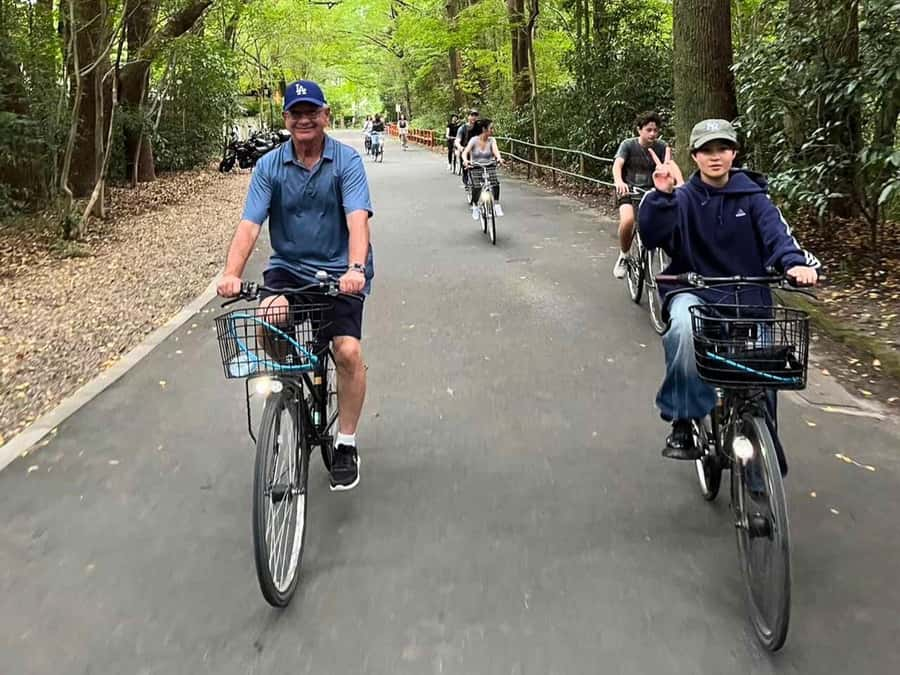
This is one of the better Kyoto bike options for families with older children. The minimum age is nine, and the guide can adjust the pace with regular stops. Mr. Go’s patient approach with two children aged nine and ten is a useful sign that the experience is designed to be encouraging rather than competitive.
The tour may also suit couples, solo visitors, and friends who want to cover ground without spending a full day in formal temples. The mix of open roads, cultural sites, and a short town walk gives you variety.
I would be cautious if anyone in your group is uneasy on a bicycle. The experience is not suitable for non-riders, and a nervous cyclist may enjoy the scenery less while concentrating on balance and traffic. The information does not specify the bike model, route difficulty, group size, or the amount of road riding, so ask the operator directly if those details matter to you.
Large bags are not allowed. Leave luggage at your accommodation, and bring only a small amount of water, your camera, and essentials that can be carried safely.
What the guides add to the day
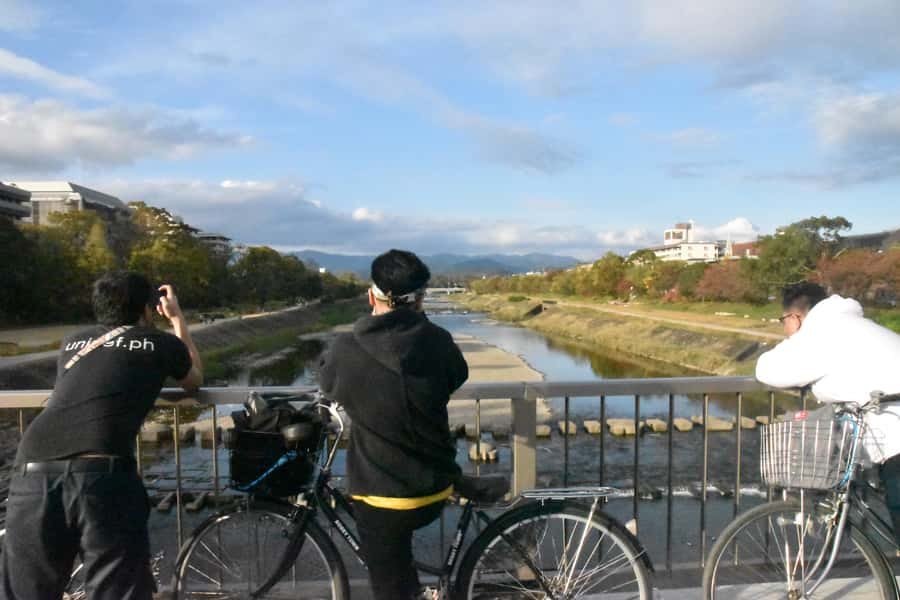
The guide is central to this experience. The route includes places that can be hard to connect on your own, and the explanations turn a pleasant bike ride into a more useful introduction to Kyoto.
Several guides are associated with the experience, including Benjamin, Ko, Claire, and Mr. Go. Benjamin is especially noted for giving restaurant suggestions and keeping the route running smoothly. Ko’s portion includes tea, sweets, and explanations at a traditional tea house. Claire is associated with a calm pace and well-timed stops, while Mr. Go worked patiently with younger riders.
The exact guide depends on your booking date, so you should not assume you will receive a particular person. What you can reasonably expect is an English-speaking guide who provides local context, handles the route, and helps you notice small shrines and quieter places along the way.
Booking advice for different kinds of visitors
Book this if you want to see more of Kyoto in one half-day and enjoy riding beside the river. It is particularly useful early in a Kyoto stay, since the guide’s restaurant suggestions and orientation can help with the rest of your visit.
It also suits repeat visitors who have already seen the main central sights and want a less obvious route. Shimogamo Shrine, the local spring, residential roads, and the river junction provide a different look at the city without abandoning the major sights completely.
You may want another activity if your priority is a long temple visit, a serious food tour, or a slow geisha-focused evening. The Gion or Pontocho walk lasts only 30 minutes, so it introduces the districts rather than giving you hours to explore them.
The experience operates rain or shine, which is helpful for fixed itineraries but means you need to prepare properly. Cancellation is free up to 24 hours before the tour, and you can reserve now and pay later, so the booking terms offer some flexibility.
Should you book Cycle Kyoto’s Hidden Gems and Gion Stroll?
I would book it if you are comfortable on a bike and want a lively but manageable half-day that mixes famous Kyoto sights with quieter roads. The strongest reasons are the riverside riding, Shimogamo Shrine’s forest, the included tea and sweets, and the chance to ask a local guide for restaurant advice.
Families with children aged nine and older should find it especially appealing, provided everyone can ride confidently. Skip it if you dislike cycling, need a fully dry-weather plan, or want a long, detailed visit inside each temple.
For $73, you get a useful route, a rental bike, English guiding, cultural explanation, and a short Gion or Pontocho walk. That is a fair deal for seeing Kyoto from several angles in one outing.
FAQ
How long is the Kyoto cycling and walking experience?
The advertised plan includes a 3.5-hour bike ride and a 30-minute walk through Gion or Pontocho.
What sights are included on the bike route?
The route includes the Imperial Palace, a famous Zen temple, Shimogamo Shrine, a natural spring-water shrine, university campuses, residential areas, and a distinctive river junction.
Is Shimogamo Shrine part of the tour?
Yes. Shimogamo Shrine is a UNESCO World Heritage site and includes a primitive forest and traditional buildings.
Is food or drink included?
Japanese tea and sweet snacks at a traditional snack shop are included. Meals, drinks beyond the included tea, and restaurant costs are not included.
Can I request an electric bike?
Yes. An electric bike costs an extra 1,000 yen, payable on the spot.
Is the tour suitable for children?
It is suitable for children aged nine and older who can ride a bike. Children under nine cannot join.
Where does the tour start and end?
It starts at the kneeling man statue at the southeast corner of the Sanjo Ohashi intersection. The activity ends back at the same meeting point.
What happens if it rains?
The experience runs rain or shine, and the destinations are examples rather than fixed in every condition. An alternative temple or shrine plan may be used, with entrance fees included.
Just added around Kyoto
- Sekka Cotton Furoshiki Class★ 5.0 · 19 reviews
- Secret Eastern Kyoto Biking Adventure★ 5.0 · 44 reviews
- Kyoto Sword Experience – includes Museum Ticket/Ninja Experience★ 4.5 · 149 reviews
- Scenic Green Tea Fields of Hidden Kyoto & Local Tea Exp (Private)★ 5.0 · 32 reviews
- Private Sake Tasting in Central Kyoto with Sake Sommelier★ 5.0 · 32 reviews
- Samurai School in Kyoto: Samurai for a Day★ 5.0 · 202 reviews
- SHIRAKAWA Japanese Culture Experiences with private English staff★ 5.0 · 16 reviews
- A Privately Guided Photoshoot in Beautiful Kyoto by a Pro★ 5.0 · 18 reviews
Cycling Tours, compared.
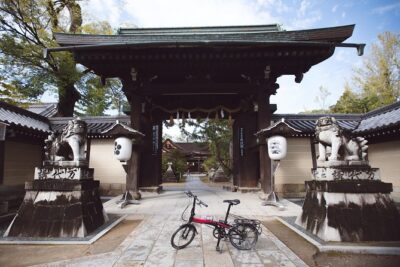
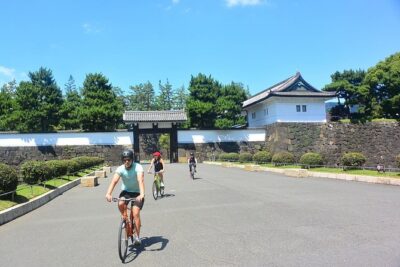
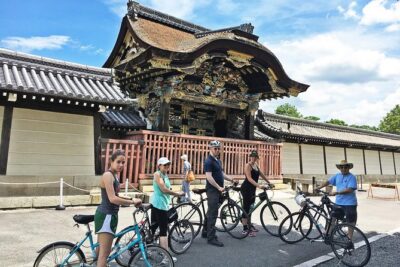
Arashiyama Bamboo Forest & Hidden Gems Bike Tour (Early Bird)
Our verdict →

Browse the lists this tour appears in