
Reviewed · TEA CEREMONY EXPERIENCES
Kyoto: Tea Museum Tickets and Matcha Grinding Experience
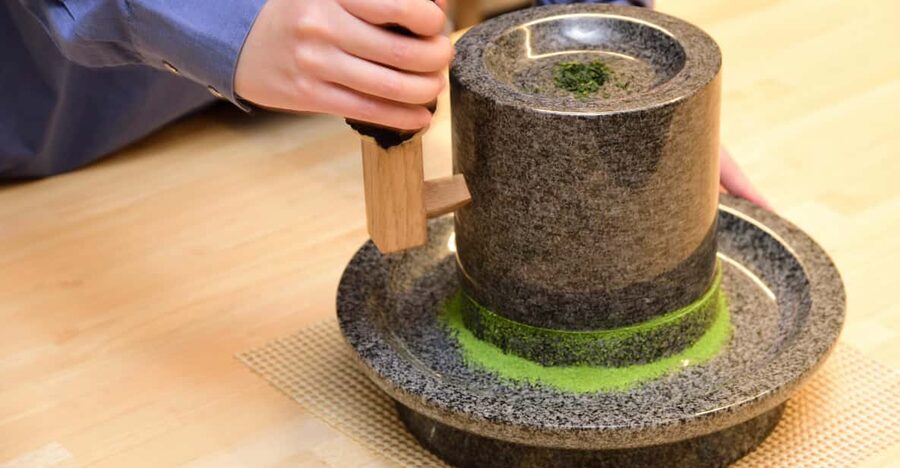
The best part of this Uji experience is that you do not simply drink matcha. You handle the leaves, turn them slowly in a tea mill, watch the powder collect, and whisk it into your own cup. The aroma of freshly ground tea makes the process feel much more real than a standard tasting.
I especially like the hands-on grinding lesson and the included Chazuna museum ticket. You also get a clear look at Uji tea production, from growing and harvesting to brewing. The main drawback is the strict timing: arrive 15 minutes early, because entry can be refused after 30 minutes and the fee is not refunded.
The session lasts only an hour, so it fits neatly into a day in Uji. Plan extra time around it for the museum, Byodoin Temple, the market street, and the short walk back to the station.
Key points to know before booking
- Grind tea from tencha leaves: Use a traditional tea mill to make the matcha powder you will whisk and drink.
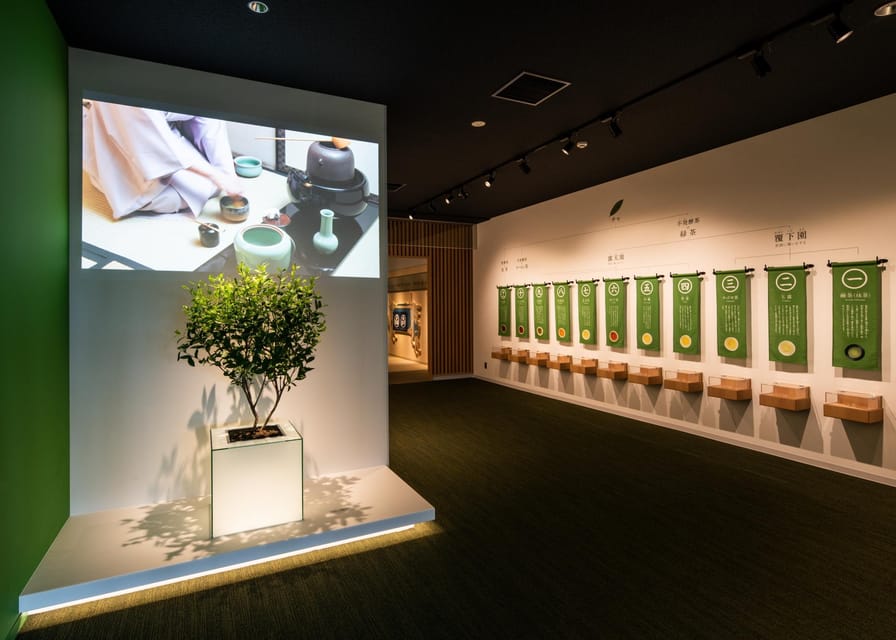
- Learn at Chazuna: The ticket includes a compact museum with touchable displays, digital films, and a large 4K screen showing Uji’s story.
- English instruction is available: Sessions are offered in Japanese or English, with instructors guiding each stage.
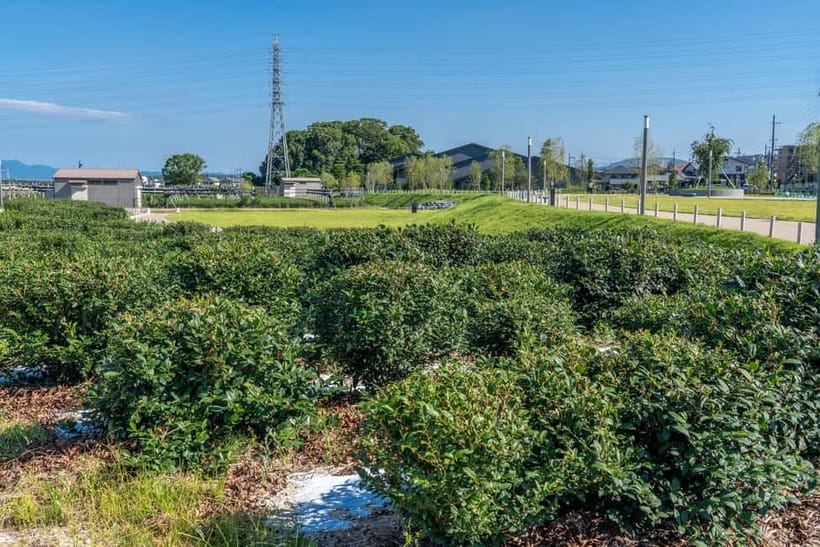
- See Uji tea in context: The center sits in a historical park with views toward tea fields and gardens.
- Allow time to arrive: Chazuna is about four minutes from Keihan Uji Station or 12 minutes from JR Uji Station.
- Summer bonus at 2:45 p.m.: The seasonal session may include matcha poured over ice cream, with the option to eat it as well as drink it.
Grinding Uji tea from leaf to cup
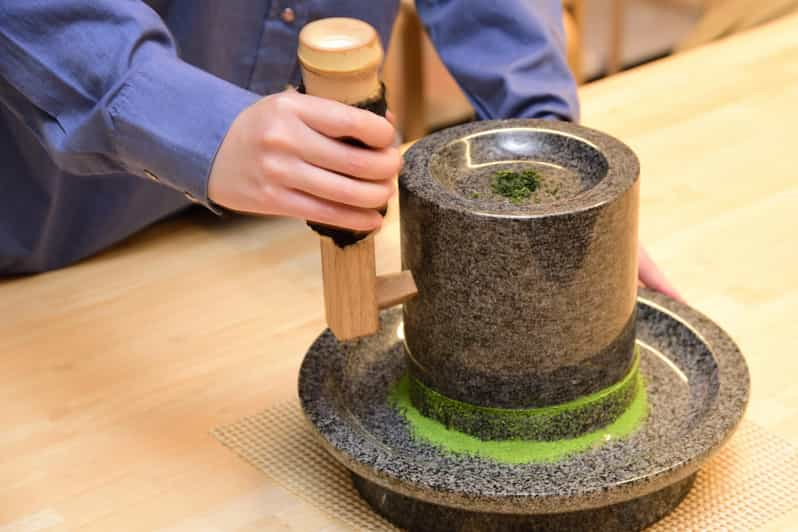
This is a small, focused activity rather than a long formal tea ceremony. You begin at Chazuna, the tea and Uji town center, then move through an introduction to Japanese tea before handling the mill yourself.
The central lesson uses tencha, the shaded tea leaf prepared for matcha. You place the leaves into the mill and turn it by hand. It is a slow process, and that is part of the point. Matcha is not made by tossing leaves into a machine and pressing a button. The powder comes from patience, careful preparation, and very fine grinding.
As the mill turns, the scent changes. Freshly ground matcha smells sweet, grassy, and more delicate than many packaged powders. You can watch the fine green powder gather, then use a portion to prepare your drink.
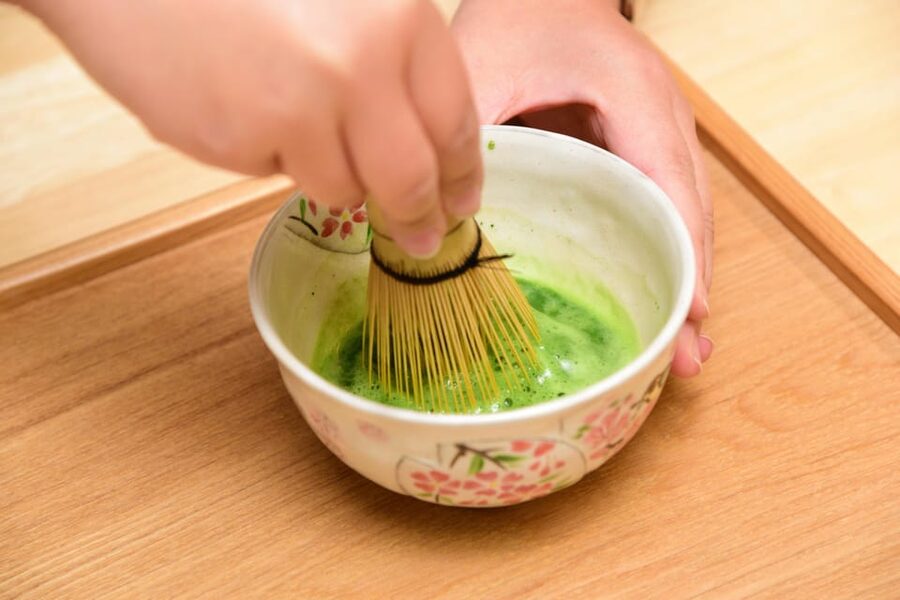
The instructor explains how to whisk the powder with hot water and demonstrates the motions. You then make your own cup and taste the result. Several instructors, including Hideko, Keiko, Yano-san, and Sukimoto, have been praised for adding humor and personal guidance to the lesson. The exact instructor can vary, but the format is built around close help rather than a distant demonstration.
You also learn the basic etiquette and steps connected with preparing matcha. This is useful if you have seen tea ceremony before but never understood what was happening. The lesson keeps the process approachable, so you do not need prior knowledge or special skill.
The drink itself can taste stronger and more earthy than sweetened matcha desserts. That is useful context. If your idea of matcha comes mainly from ice cream, cakes, or café drinks, this cup gives you a clearer sense of the tea itself.
More Museum Tours in Kyoto
- Skip the lines Basic Ticket at SAMURAI NINJA MUSEUM KYOTO
★ 4.5 · 632 reviews - Kyoto : Geiko Maiko Dance of Kyoto & Visits of Gion Museum
★ 4.6 · 415 reviews - Kyoto Sword Experience – includes Museum Ticket/Ninja Experience
★ 4.5 · 149 reviews
What makes the Chazuna museum worth your time
The museum is not huge, and you should not expect a full-day institution. Its value comes from how well it supports the workshop. After grinding and brewing tea, the displays give you a better idea of why the leaf is grown, processed, and used in different ways.
The History Room begins with a large 10-yen coin featuring Byodoin Phoenix Hall. This connects the tea story to Uji itself, rather than treating matcha as an isolated product. Uji is closely tied to tea culture, and the museum helps explain how the town developed around that identity.
Digital displays make the material easy to follow. A large 4K screen presents modernized drawings of the town, based on traditional Meisho-zue guide illustrations. Touchable exhibits let you interact with the information instead of simply reading wall panels.
That format works well for families and for anyone who finds a conventional museum tiring. The displays are visual and active, while the workshop supplies the physical experience. You can also find a photo spot where you appear to swim in matcha, a playful finish after the more serious tea lesson.
The museum is also useful if you plan to visit other cultural sites in Japan. One participant found that the tea displays added context to what they had seen at Osaka Castle Museum. You may appreciate the same connection: Japanese tea is not just a modern café trend, but part of agriculture, trade, ceremony, and daily life.
Uji tea, explained without a lecture
One strength of this activity is the way it introduces different Japanese teas without making the subject feel technical. The presentation covers three types of tea and explains how tea leaves are grown, harvested, and processed.
You learn why matcha differs from ordinary green tea and how tencha becomes the powder used for whisking. You also get an introduction to the start of Uji tea production, from the tea fields to the finished drink.
The instruction is available in English and Japanese. English delivery may vary by instructor. Most of the session uses clear guidance and a supporting text, but an instructor may rely on a script at times. That can make the presentation feel less natural, yet it also helps keep the facts organized and understandable.
The best sessions seem to balance explanation with personality. Keiko has been described as funny and precise, Hideko as warm and inviting, and Sukimoto as especially lively. Yano-san’s patient approach has also helped participants follow each stage. These details matter because the quality of a short workshop depends heavily on the person leading it.
You will not leave as a tea farmer or tea master after one hour. You will, however, understand the basic path from leaf to powder to cup, which is enough to make later tastings and tea purchases more meaningful.
A calm setting with tea fields and gardens
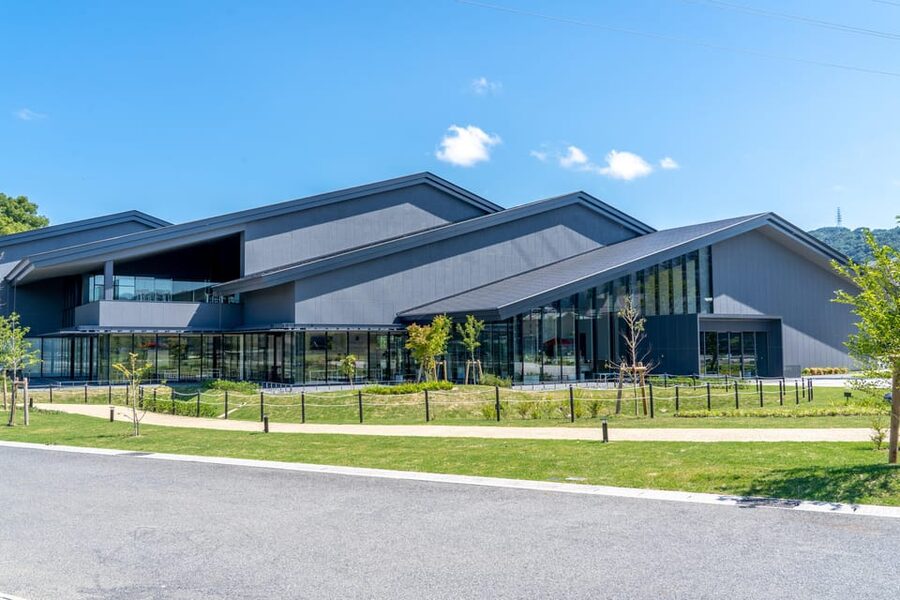
Chazuna is located in the Historical Park of Tea and Uji Town. The setting gives the activity more atmosphere than a classroom in a shopping center. You can look toward tea fields and gardens while thinking about the production process you have just learned.
The center is clean and easy to find, according to the practical experience of the activity. The workshop room is described as intimate, which suits the hands-on format. You are not simply watching a performer at the front of a large hall. You are expected to grind, whisk, ask questions, and taste.
That quiet setting also makes the activity a good pause in a busy sightseeing day. Uji can become crowded around its best-known sights, but the tea workshop gives you a slower hour. It is suitable for couples, families, solo visitors, and small groups of friends.
The activity is wheelchair accessible. Still, arriving early is essential for everyone. Go to the first-floor reception area at Chazuna at least 15 minutes before your booked start time. After 30 minutes, you can be refused entry because late arrivals interrupt the class, and the participation fee cannot be refunded.
More Tea Ceremony Experiences in Kyoto
- Kyoto: Tea Ceremony in a Traditional Tea House in Kiyomizu
★ 4.9 · 3,519 reviews - Kyoto: Tea Ceremony Ju-An at Jotokuji Temple
★ 4.9 · 3,207 reviews - Kyoto: 45-Minute Tea Ceremony Lesson Experience
★ 4.3 · 2,378 reviews - Kyoto: Table-Style Tea Ceremony at a Kyo-Machiya
★ 4.9 · 1,211 reviews
How to fit it into a Uji day
Chazuna is about a four-minute walk from Uji Station on the Keihan Uji Line. From the South Exit of JR Uji Station, allow about 12 minutes on foot. That difference is easy to underestimate, especially if you are carrying luggage, walking with children, or trying to arrive for a fixed lesson.
I would build in more time than the bare walking estimate. Arriving 15 minutes before the workshop means you should leave the station with enough room to find the center, check in, and settle down.
The experience pairs naturally with Byodoin Temple and Uji’s main market street. One hour gives you the tea lesson, but the museum may deserve extra time before or after the scheduled session. The market street is useful for matcha sweets, tea, and souvenirs, while Byodoin provides one of Uji’s major cultural stops.
A practical order is to visit the temple first, attend the workshop, then browse the museum and market. You can also do the museum before the lesson if you want the background first. Check the opening times of other attractions separately, since the tea activity itself lasts one hour and does not set the schedule for the whole town.
If driving from Osaka, use the Keiji Bypass Uji Nishi IC and take the side road toward Uji. The center is listed as about 10 minutes from that exit. From Tokyo or Nagoya, the route uses the Uji-higashi IC, with a listed drive of about three minutes after turning at the exit traffic light.
Is the $23 price good value?
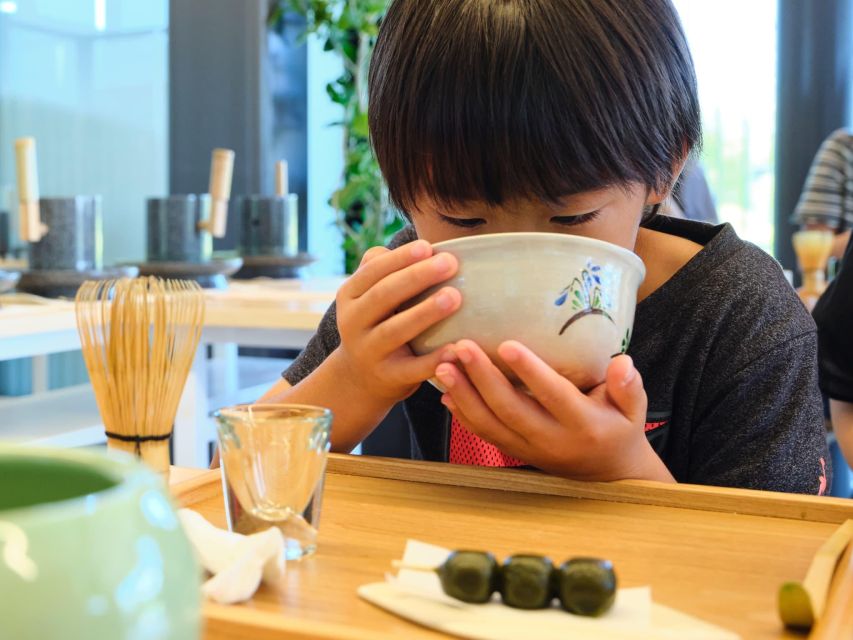
At $23 per person, the price is reasonable because it combines two different activities: an instructor-led matcha workshop and admission to the Chazuna museum. The hands-on portion alone would justify much of the cost for anyone interested in tea, but the museum makes the outing more useful as part of a wider Uji visit.
You also receive a drink you prepare yourself, rather than only watching a demonstration. Some sessions include sweets, and summer visitors may have the chance to use their freshly ground matcha with ice cream at the 2:45 p.m. session. The ice cream option is seasonal, so do not assume it applies at every time of year.
One limitation is that the matcha you grind is used during the activity. You should not book this expecting to take a large packet of your own powder home. You can purchase tea or a matcha set separately, and the center may offer other souvenirs or tea goods, but the workshop itself is about making and tasting one serving.
That is still a fair exchange. You get a guided process, cultural context, museum access, and a memorable taste for less than the cost of many major Kyoto attractions. The value is strongest if you already plan to visit Uji and want more than a quick stop at a matcha café.
Who will enjoy this matcha workshop most

I would recommend it first to matcha drinkers who want to understand the product beyond its use in sweets. Grinding the leaf yourself makes the tea feel less like a fashionable flavor and more like a carefully made agricultural product.
It is also a good choice for families. Children can interact with the displays and take part in the mill and whisking steps, while the museum adds a second activity. The one-hour length helps keep the lesson manageable.
Solo visitors should feel comfortable booking. The seating arrangement can place people together, and the practical nature of the workshop gives you an easy way to meet others without forced conversation.
The activity suits visitors who want a cultural experience but do not want a full, formal tea ceremony. You learn some ceremony-related techniques, yet the tone is friendly and instructional. It is less about perfect posture and more about understanding what you are doing.
I would be more cautious if you dislike fixed schedules, hands-on activities, or powdered green tea. The timing rules are strict, and the flavor of freshly made matcha may be bitter or intense if you prefer sweet drinks.
Booking and timing details that matter
The activity offers free cancellation up to 24 hours before the reservation, with a full refund under that condition. You can also reserve now and pay later, which helps if your Kyoto schedule is still shifting.
Schedule changes must be made through the website’s change procedure. The provider says it cannot handle these changes by phone, so do not wait until the last minute if your plans move.
Book early if you need a particular time. Uji is easy to add to a Kyoto itinerary, but the workshop has set starting times and the late-arrival rule leaves little room for transport delays.
The instructor language is Japanese or English. If clear English instruction is important to you, check the available session information when booking. The lesson has supporting material, and the instructors are used to guiding beginners, but individual speaking styles differ.
Should you book Chazuna’s matcha experience?
You should book it if you are spending time in Uji and want a practical introduction to tea rather than another passive museum visit. The strongest reasons are simple: you grind real tea leaves, prepare your own matcha, receive museum admission, and finish with a better sense of how Uji tea is made.
The experience is especially good value for matcha fans, families, and anyone already planning to visit Byodoin Temple or the market street. It also works well as a calm break from Kyoto’s busier sightseeing areas.
Skip it if you want a long ceremony, a large take-home quantity of matcha, or a completely flexible arrival time. For most visitors, though, the one-hour format, central Uji location, friendly instruction, and $23 price make this an easy activity to add to a day in town.
FAQ
Where does the matcha experience take place?
It takes place at Chazuna, in the Historical Park of Tea and Uji Town. Check in at the first-floor reception area.
How long does the activity last?
The matcha grinding and museum experience lasts one hour.
What is included in the price?
The price includes admission to the Chazuna Museum, the matcha-making experience, and an instructor.
Is the activity offered in English?
Yes. Instruction is available in Japanese and English.
How early should I arrive?
You should arrive 15 minutes before your reservation and go to the reception counter.
What happens if I arrive late?
Entry or participation can be refused after 30 minutes from the scheduled start because late arrivals disrupt the class. The participation fee is not refunded in that case.
How far is Chazuna from Uji Station?
It is about a four-minute walk from Uji Station on the Keihan Uji Line and about a 12-minute walk from the South Exit of JR Uji Station.
Is the activity wheelchair accessible?
Yes, the activity is wheelchair accessible.
Can I cancel for a refund?
You can cancel up to 24 hours in advance for a full refund.
Is the summer ice cream option available at every session?
No. The summer-only ice cream experience is offered at 2:45 p.m. only. At that session, you may pour your ground matcha over ice cream and drink it or eat it.
Just added around Kyoto
- Sekka Cotton Furoshiki Class★ 5.0 · 19 reviews
- Scenic Green Tea Fields of Hidden Kyoto & Local Tea Exp (Private)★ 5.0 · 32 reviews
- Secret Eastern Kyoto Biking Adventure★ 5.0 · 44 reviews
- Kyoto Sword Experience – includes Museum Ticket/Ninja Experience★ 4.5 · 149 reviews
- Private Sake Tasting in Central Kyoto with Sake Sommelier★ 5.0 · 32 reviews
- Samurai School in Kyoto: Samurai for a Day★ 5.0 · 202 reviews
- SHIRAKAWA Japanese Culture Experiences with private English staff★ 5.0 · 16 reviews
- A Privately Guided Photoshoot in Beautiful Kyoto by a Pro★ 5.0 · 18 reviews
Tea Ceremony Experiences, compared.

Tea Ceremony in a Traditional Tea House in Kiyomizu
Our verdict →
World Heritage Kyoto & Nara Uji Authentic Matcha Experience
Our verdict →

Arashiyama Bamboo Forest, Monkeys, Matcha & Temple Tour
Our verdict →
Tea Ceremony Meditation – Make Matcha with Tea Master
Our verdict →Browse the lists this tour appears in