
Reviewed · TEA CEREMONY EXPERIENCES
Kyoto: Tea Ceremony Experience
A Kyoto tea ceremony is less about drinking a cup of tea than learning how every movement has a purpose. In a traditional machiya in Higashiyama, your host explains the utensils, room layout, seasonal sweet, and careful gestures before showing you the ceremony.
I like the balance here: you get a calm cultural lesson, then a chance to whisk your own matcha. I also like the setting, just off Ninenzaka and within walking distance of Kiyomizu-dera and Gion. The main drawback is practical: sitting on the floor for much of the 45 minutes can trouble your knees or hips, though chairs and tables are available.
Key points to know before booking
- A hands-on matcha lesson: You do not just watch. Your host helps you whisk a frothy bowl of Kyoto matcha.
- A traditional Higashiyama setting: The teahouse sits down an alley near Ninenzaka, close to several major sights.
- A clear English explanation: The session covers tea utensils, room decoration, ceremony steps, and the three main tea schools.
- A short but focused format: Forty-five minutes gives you a useful introduction without taking over half your day.
- Seasonal sweets are included: The sweet balances matcha’s strong, pleasantly bitter taste.
- A few comfort limits: The rooms are upstairs, video recording is not allowed, and kimono rental costs extra.
What this Kyoto tea ceremony really teaches
Many short cultural activities give you a quick photo and little else. This one works better because it explains the ideas behind the ritual. You learn that the tea ceremony is shaped by attention, order, hospitality, and respect for the people sharing the room.
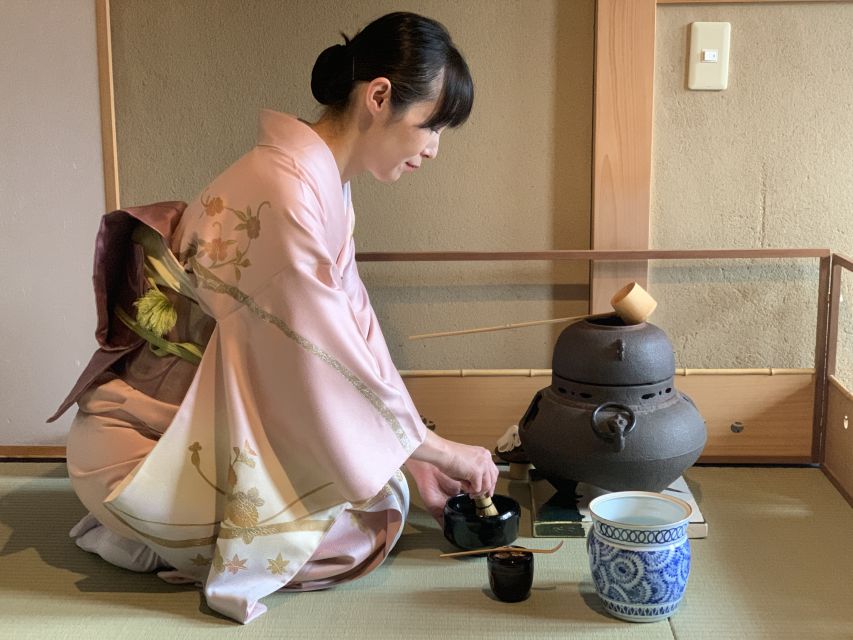
Your host begins with the basics of matcha and the ceremony itself. You see the tea bowl, whisk, scoop, and other utensils, then learn why each item matters. The room also becomes part of the lesson. Its decoration, arrangement, and seasonal details are not random background touches. They help set the mood and show care for the people attending.
That context makes the demonstration easier to follow. Instead of watching a series of mysterious hand movements, you can see how the pieces fit together. The ceremony is precise, but the teaching style is relaxed and open to questions.
You can ask about matcha production in Kyoto, Japanese customs, or the three schools of tea ceremony. The explanations are in English, and the hosts are used to introducing the ritual to international visitors. Guides such as Ikuko have been singled out for clear explanations and patient help with whisking.
More Tea Ceremony Experiences in Kyoto
- Kyoto: Tea Ceremony in a Traditional Tea House in Kiyomizu
★ 4.9 · 3,519 reviews - Kyoto: Tea Ceremony Ju-An at Jotokuji Temple
★ 4.9 · 3,207 reviews - Kyoto: 45-Minute Tea Ceremony Lesson Experience
★ 4.3 · 2,378 reviews
The 45-minute itinerary, step by step
Arriving at the machiya near Ninenzaka
The meeting point is down an alley branching from Ninenzaka in Kyoto’s Higashiyama district. This is a useful location for sightseeing, but the narrow entrance can be easy to miss if you are hurrying through the area.
The simplest landmark is the Park Hyatt hotel. Across from the hotel is a Studio Ghibli store. Look for the alley just to the left of that shop. Clear directions are sent in advance, and there is a sign at the alley. Staff also help direct you once you arrive.
Plan a little extra time for finding the door. You do not want to begin a quiet ceremony flushed from racing through the crowded lanes around Ninenzaka.
The teahouses are upstairs, so stairs are part of the standard arrangement. If you use a wheelchair, the Garden Teahouse is the accessible option. If you have mobility concerns, contact the provider when booking so the right location can be arranged.
A gentle introduction to matcha
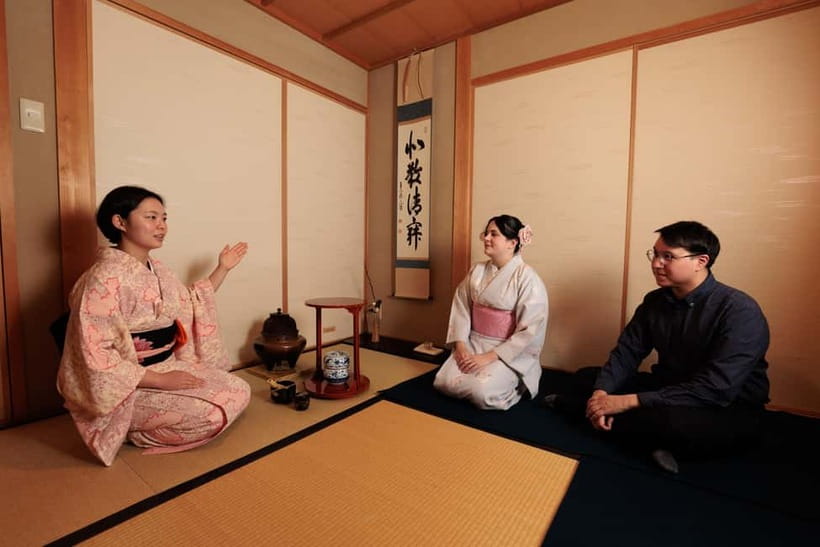
Once seated, you receive a short explanation of matcha and the setting. This opening is one of the most useful parts for first-time visitors because it gives you enough background without turning the activity into a long lecture.
You learn about the tea-making tools and the order of the ceremony. Your host also explains the room’s decorations and layout. These details help you notice what is happening during the demonstration instead of simply waiting for the tea to appear.
The lesson also gives you a better sense of Kyoto’s connection to matcha. The tea used here is grown in Kyoto, and the experience includes traditional seasonal sweets made to accompany it. Matcha can taste bold and bitter on its own. The sweet gives your palate a softer counterpoint.
The hosts speak English, and the teaching style is informal enough for questions. That matters because tea ceremony etiquette can seem intimidating at first. You are not expected to arrive with specialist knowledge or perfect manners.
Same trip, a completely different kind of day:
- PERFECT KYOTO 1-Day Bus Tour
★ 5.0 · 13,518 reviews - Kyoto: Fushimi Inari, Kinkakuji, Bamboo Grove 1 Day Bus Tour
★ 4.8 · 4,316 reviews - Kyoto Geisha Walking Tour: Gion District & Hidden Gems
★ 4.7 · 3,273 reviews - Kyoto: Gion Magical Night Walking Tour with Geisha Trivia
★ 4.9 · 2,393 reviews
Watching the formal demonstration
Your host then prepares a bowl of matcha in a formal demonstration. The ceremony takes around 10 minutes, according to the detailed timing provided during the experience. It is a quiet section, with careful movements and a strong focus on presentation.
This is the part to watch closely. Notice how the host handles each utensil, how the tea bowl is positioned, and how the preparation unfolds in a set order. The movements may look simple, but their precision is what gives the ritual its character.
You also taste the seasonal sweet with the tea. The combination is central to the experience, not an extra snack added at the end. The sweet prepares you for matcha and shows how Japanese food traditions consider balance, season, texture, and appearance.
The demonstration is peaceful, but it is not a full training course in performing an entire tea ceremony. One session lasts only 45 minutes, so you learn the meaning and basic elements rather than mastering every formal gesture. That is a fair trade for a compact activity.
Whisking your own bowl
After watching the host, you make your own matcha. You receive the tea-making utensils and guidance throughout the process, including help with whisking the powder into a smooth, frothy drink.
This hands-on part gives the experience its value. Watching a professional is beautiful, but using the whisk yourself shows how much control and technique go into a good bowl. Your first result may be less foamy than the host’s, and that is part of the fun.
You get to drink what you prepare. The flavor is distinct from sweetened green tea, with a strong vegetal taste and a pleasant bitterness. If you have never tried matcha, this is a low-pressure way to meet it.
The host can explain the process as you work, so you are not left guessing about how firmly or quickly to whisk. The activity ends with time for questions, and there may be an opportunity to buy a matcha-making set as a souvenir.
Why the Higashiyama location works well
The teahouse sits in one of Kyoto’s most useful sightseeing areas. It is a short walk from Kiyomizu-dera, Kodai-ji, Yasaka-jinja, Maruyama Park, Chion-in, and Gion.
I would pair the tea ceremony with a morning or afternoon in Higashiyama. You can visit Kiyomizu-dera, walk through the old lanes around Ninenzaka and Sannenzaka, stop for tea, then continue toward Gion. The experience gives you a quiet pause between temples and shopping streets.
The city center is reachable by bus from Higashi Oji, about 10 minutes from the teahouse. If you enjoy walking, you can reach central Kyoto in about 25 minutes through Gion. There is no hotel pickup or drop-off, so you need to make your own way to the alley.
The location is convenient once found, but convenience does not mean a large, obvious storefront. Use the Park Hyatt and Studio Ghibli shop as your landmarks. I would save the directions on your phone before leaving your hotel.
Sitting on the floor and other comfort details
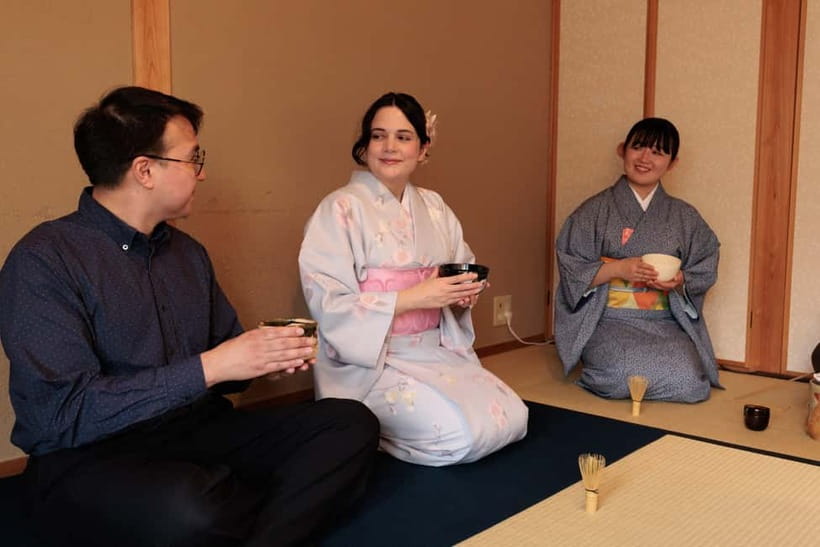
Traditional tea rooms often use floor seating, and this experience follows that custom. You may sit on the floor for about 40 minutes, which can be uncomfortable for your knees, ankles, or lower back.
You do not need to force yourself into a formal kneeling position. The hosts encourage you to make yourself comfortable, and chairs and tables are available for people who find floor seating difficult. Ask for one when you arrive rather than waiting until you are uncomfortable.
The main rooms are upstairs. The Garden Teahouse is wheelchair accessible, so it is the better choice for anyone with mobility impairments. Restrooms are available, and accompanying guides can wait in a separate waiting room with Wi-Fi and refreshments.
Photography is allowed without flash, which lets you take a few still pictures of the room or utensils. Video recording is not allowed. That rule suits the quiet nature of the ritual and keeps phones from distracting others.
If you plan to bring an interpreter, book a private ceremony. An interpreter in a small shared session could interrupt the explanations for other participants.
Families with a baby or an infant under three years old are asked to book a private ceremony at the Garden Teahouse. This is worth sorting out before you arrive.
How much value do you get for $32?
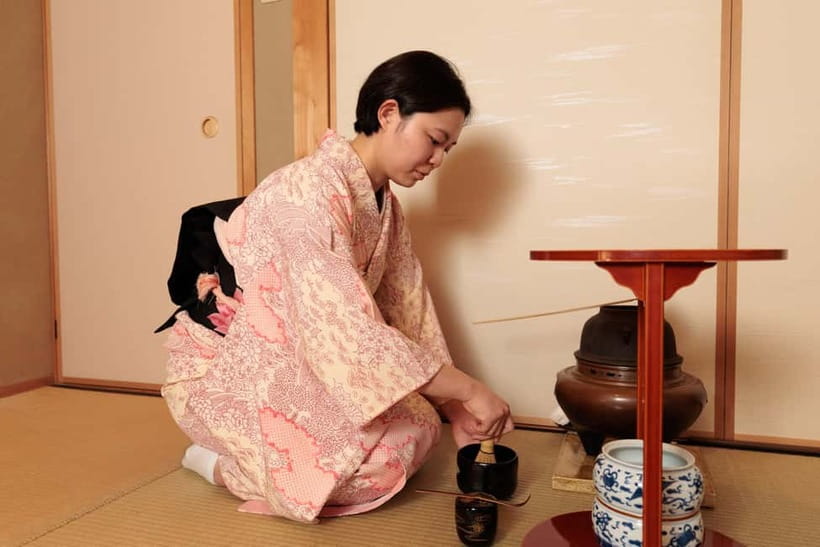
At $32 per person, this is a reasonable price for a focused Kyoto cultural activity. The fee includes matcha, a traditional seasonal sweet, tea utensils, and a personal English-speaking host or instructor.
The value comes from the combination of explanation, demonstration, and participation. A simple cup of matcha would cost far less, but it would not explain the ceremony’s objects, room design, etiquette, and history. A longer private lesson would cost more and require a larger block of your schedule.
Forty-five minutes is also a useful length. You get a real introduction without sacrificing an entire afternoon of sightseeing. It fits neatly between temple visits, particularly in Higashiyama.
Private and small-group options are available. A private session is worth considering if you want to ask many questions, need an interpreter, are bringing a young child, or want a more personal pace. A small group may offer better value if you are happy to share the demonstration.
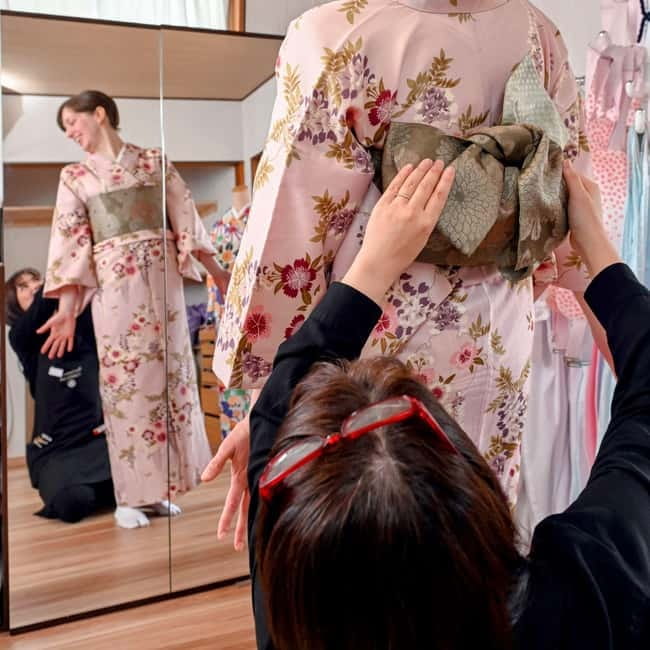
Kimono rental is not included. A nearby rental shop makes it possible to add that element, but arrange it separately and allow enough time before the ceremony. Wearing a kimono can make the occasion feel more special, though the tea lesson itself does not depend on costumes.
What makes the hosts effective
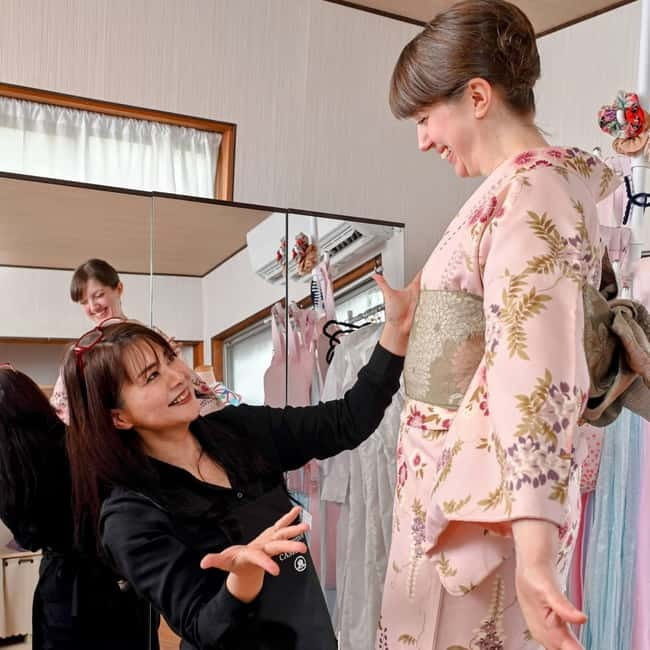
The quality of this kind of activity depends heavily on the person leading it. Here, the strongest feature is the host’s ability to explain a formal tradition in plain English.
The teaching is detailed enough to give meaning to the objects and movements, but not so long that the 45-minute format feels crowded. Hosts answer questions about Japanese culture and the different tea schools, which makes the session feel like a conversation rather than a performance.
Ikuko is one guide whose clear explanations and patient coaching have been praised in connection with the experience. Other hosts are also described as friendly, fluent in English, and good at keeping the mood relaxed.
That relaxed tone matters. Tea ceremony can seem solemn or difficult to enter from the outside. A warm instructor helps you notice the quiet beauty without worrying about making a mistake.
You should still keep your expectations realistic. This is an introduction, not certification or extensive practice. You will learn the basic process and make matcha, but you will not become a tea master in one sitting.
Who should book this experience?
I would recommend it to first-time visitors who want cultural context beyond temples and photographs. It is also a good choice for tea lovers, couples, families with older children, and anyone who wants a peaceful break from Kyoto’s busy sightseeing lanes.
It works especially well for people who learn by doing. The chance to whisk your own tea turns an abstract tradition into something you can feel in your hands.
You should think twice if you dislike floor seating, want a long private lesson, or expect to perform the entire ceremony yourself. The available chairs solve much of the comfort problem, but the session remains short and introductory.
It is also not the best fit for anyone who wants a free-flowing, casual tasting with no rules. The point is the ritual, and the ritual includes careful actions and quiet attention.
Tips for making the most of your visit
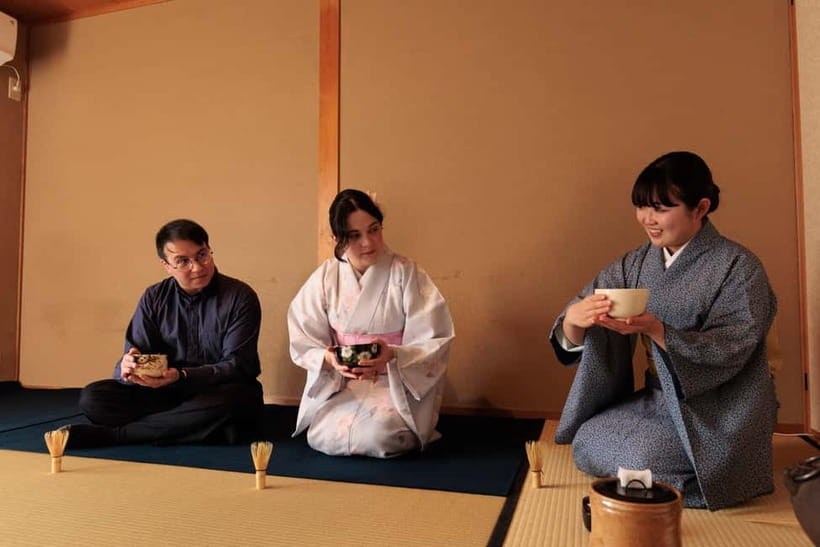
Arrive early enough to find the alley without stress. Ninenzaka is an active sightseeing area, and the entrance is beside a shop rather than on the main road.
Wear clothing that allows you to sit comfortably. If you plan to rent a kimono, do so before the ceremony and allow time for dressing and walking to the teahouse.
Keep your camera ready for still photos, but turn off the flash. Do not plan to film the demonstration.
Ask questions. The hosts can explain the tea schools, utensils, matcha, room design, and points of etiquette. The more curious you are, the more you will get from this short session.
Finally, combine it with nearby sights rather than treating it as a stand-alone trip across Kyoto. Kiyomizu-dera, Kodai-ji, Yasaka-jinja, Maruyama Park, Chion-in, and Gion are all close enough to build a full Higashiyama day.
Should you book the Camellia Tea Ceremony?
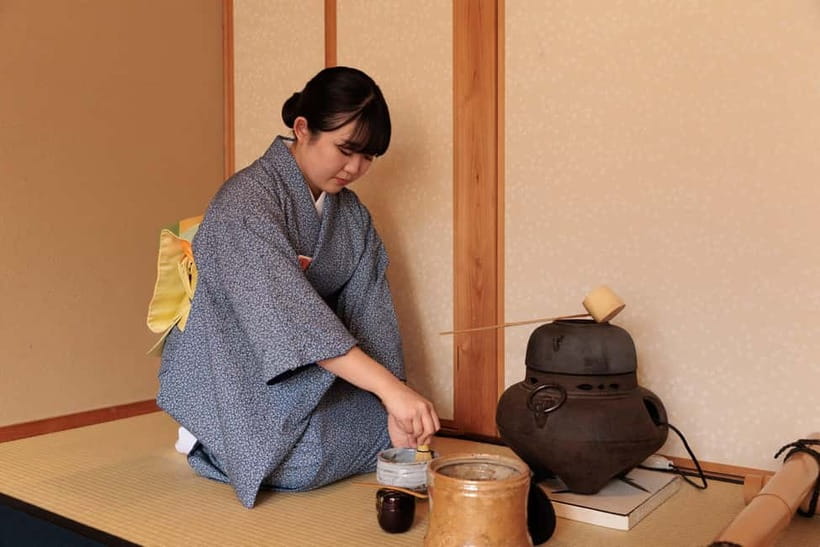
Book it if you want a short, well-structured introduction to Kyoto tea culture with a real hands-on finish. The setting is traditional, the location is excellent for sightseeing, and $32 covers both the explanation and the matcha you prepare yourself.
The main cautions are floor seating, upstairs rooms, and the fact that kimono rental costs extra. If those points work for you, this is an easy activity to fit into a Kyoto itinerary. Choose a private session for an interpreter, a baby under three, or a more personal discussion. Otherwise, the small-group format offers a calm and useful 45 minutes in one of Kyoto’s most historic districts.
FAQ
How long does the Kyoto tea ceremony experience last?
The experience lasts 45 minutes.
Where does the tea ceremony take place?
It takes place in a traditional machiya in Kyoto’s Higashiyama district, down an alley branching from Ninenzaka.
How do I find the meeting point?
Head toward the Park Hyatt hotel. Across from the hotel is a Studio Ghibli store. The alley is just to the left of the store, and a sign and staff member help direct you.
Is the tea ceremony held in English?
Yes. The instructor or host speaks English.
Do I get to make my own matcha?
Yes. After watching the host demonstrate the ceremony, you receive guidance as you whisk your own bowl of matcha.
Are food and tea included?
Matcha and traditional seasonal sweets are included. A full meal is not included.
Can I sit on a chair instead of the floor?
Yes. Chairs and tables are available for people who have difficulty sitting on the floor. The main tearooms are upstairs, while the Garden Teahouse is wheelchair accessible.
Just added around Kyoto
- Sekka Cotton Furoshiki Class★ 5.0 · 19 reviews
- Kyoto Sword Experience – includes Museum Ticket/Ninja Experience★ 4.5 · 149 reviews
- Scenic Green Tea Fields of Hidden Kyoto & Local Tea Exp (Private)★ 5.0 · 32 reviews
- Secret Eastern Kyoto Biking Adventure★ 5.0 · 44 reviews
- Private Sake Tasting in Central Kyoto with Sake Sommelier★ 5.0 · 32 reviews
- Samurai School in Kyoto: Samurai for a Day★ 5.0 · 202 reviews
- SHIRAKAWA Japanese Culture Experiences with private English staff★ 5.0 · 16 reviews
- A Privately Guided Photoshoot in Beautiful Kyoto by a Pro★ 5.0 · 18 reviews
Tea Ceremony Experiences, compared.

Tea Ceremony in a Traditional Tea House in Kiyomizu
Our verdict →


World Heritage Kyoto & Nara Uji Authentic Matcha Experience
Our verdict →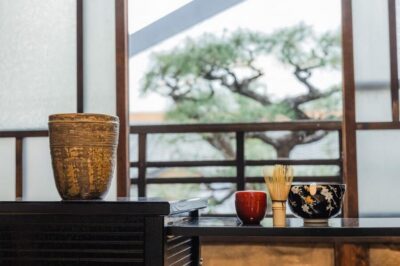

Arashiyama Bamboo Forest, Monkeys, Matcha & Temple Tour
Our verdict →
Browse the lists this tour appears in