
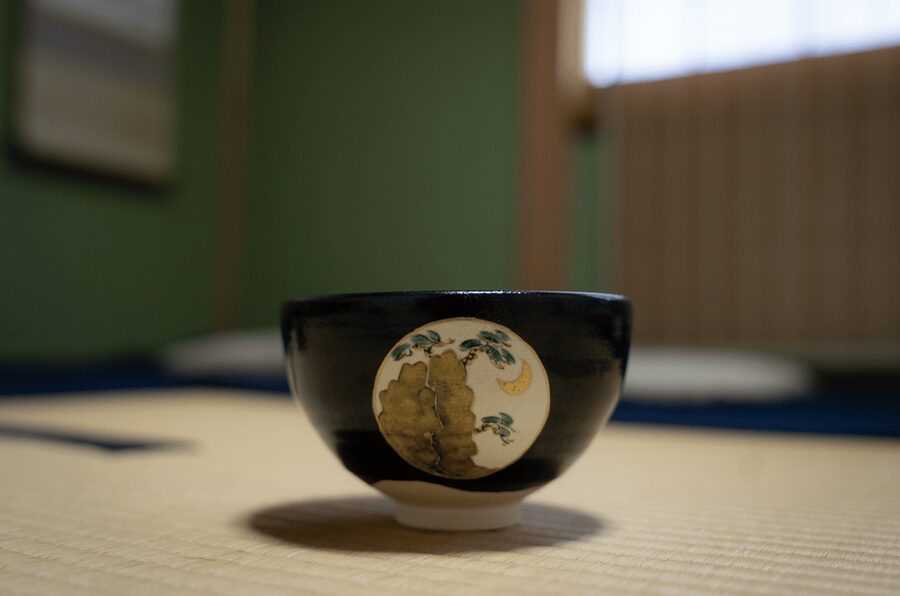
Reviewed · TEA CEREMONY EXPERIENCES
Kyoto: Tea Ceremony Experience in a Small Tea Room
The best part of this Kyoto tea ceremony is its small-group setting. Instead of watching a polished performance from the back of a crowded room, you learn close to an English-speaking teacher with 30 years of experience. Ms Yamazaki guides you through the meaning and movements of matcha in a calm, friendly way.
I like two things here: you can prepare your own tea, and the location fits neatly into a day around Kamogawa Delta and Demachiyanagi. The main consideration is the short one-hour format. You get a focused introduction, not a full study of every school and ritual in Japanese tea culture.
Key points to know before booking
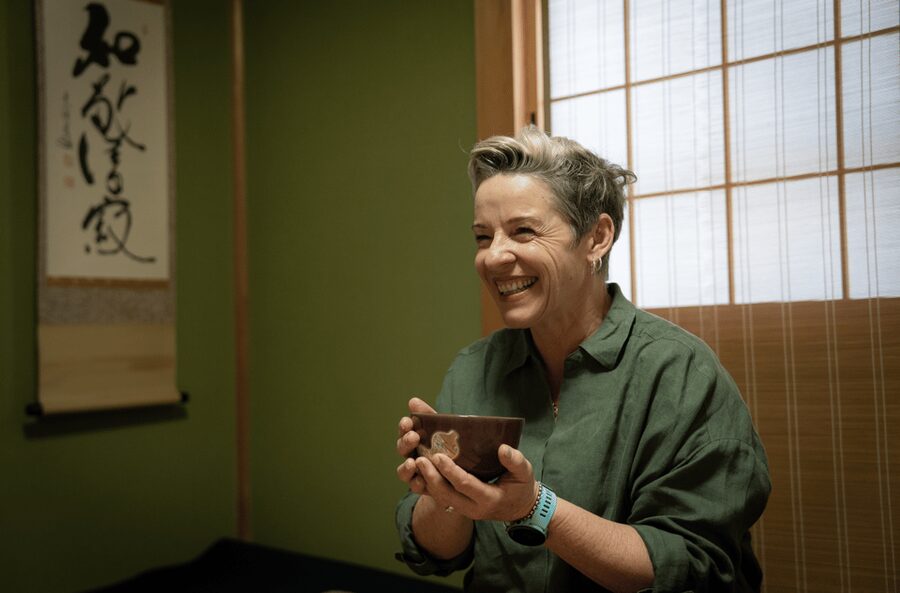
- A 30-year tea teacher leads the session: Ms Yamazaki explains the ceremony in English and welcomes complete beginners.
- You can whisk your own matcha: Take part in preparing the tea rather than only watching.
- The group is limited to six people: The small size allows for questions and personal guidance.
- The setting is near Kamogawa Delta: You can pair the ceremony with a quiet riverside walk.
- Matcha and dried sweets are included: The tasting is part of the one-hour experience.
- The price is $38 per person: That is fair for a personal cultural lesson, especially compared with larger demonstrations.
Why this tea ceremony feels personal
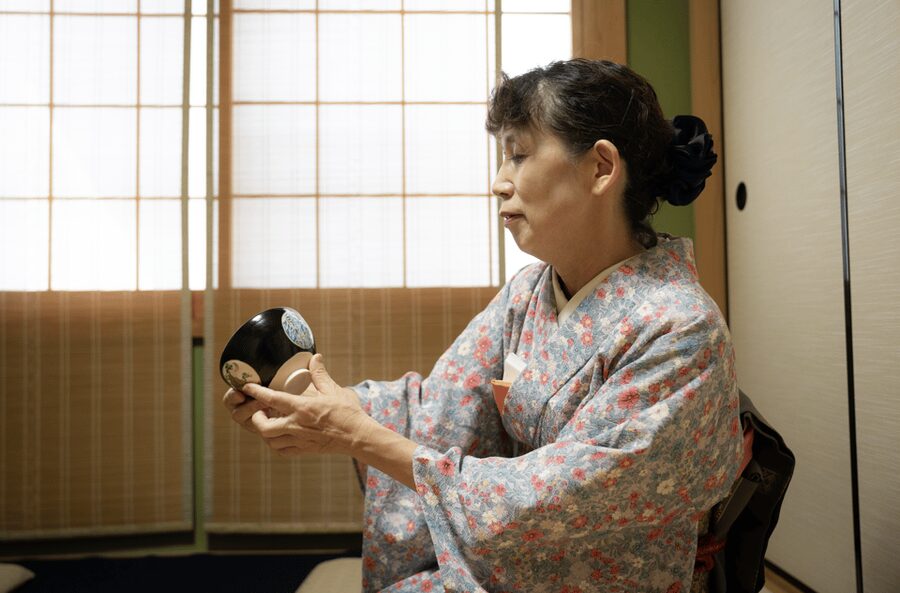
Japanese tea ceremony can look intimidating at first. There are precise gestures, special tools, and an etiquette system that may seem designed for people who already know the rules. This session takes a friendlier approach.
You are not expected to arrive with any knowledge of matcha. The teacher explains what is happening and why, then lets you take part at a comfortable pace. That matters because the value here is not just drinking green tea. It is learning how preparation, attention, and hospitality fit together.
The group limit of six is a real advantage. In a large class, you might see the teacher clearly but have little chance to ask a question or try the motions yourself. Here, the format gives the instructor room to correct you gently and explain details in plain English.
The host, Ms Yamazaki, has more than 30 years of experience with tea. That does not mean the lesson is stiff or formal. The session is designed to lower the usual barriers around tea ceremony, so you can focus on learning rather than worrying about making a mistake.
More Tea Ceremony Experiences in Kyoto
- Kyoto: Tea Ceremony in a Traditional Tea House in Kiyomizu
★ 4.9 · 3,519 reviews - Kyoto: Tea Ceremony Ju-An at Jotokuji Temple
★ 4.9 · 3,207 reviews - Kyoto: 45-Minute Tea Ceremony Lesson Experience
★ 4.3 · 2,378 reviews
Finding the small tea room near Kamogawa Delta
The tea room is in a Japanese house marked by a sign reading Tisato. That sign is the detail to remember when you arrive. Look for the house and enter through the marked location rather than assuming the meeting point will look like a large public attraction.
The location is about a 15-minute walk from the Kamogawa Delta, where the Kamogawa and Takano rivers meet. This is one of Kyoto’s pleasant places for a slow walk, with open river views and a relaxed local atmosphere. It gives you a useful way to frame the activity: spend time outdoors by the water, then move into a quiet room for a lesson in concentration.
Demachiyanagi Station is also about a 15-minute walk away. That makes the tea ceremony easy to combine with nearby sightseeing, though the activity itself does not include transportation or guided visits to other sites.
The station is a starting point for trips toward Kibune Shrine and Rurikou Temple. If you are planning a day in that direction, the tea session can serve as a gentle cultural stop before or after your outing. Check your route and timing carefully, since the ceremony lasts one hour and the nearby attractions require separate travel plans.
What happens during the one-hour session
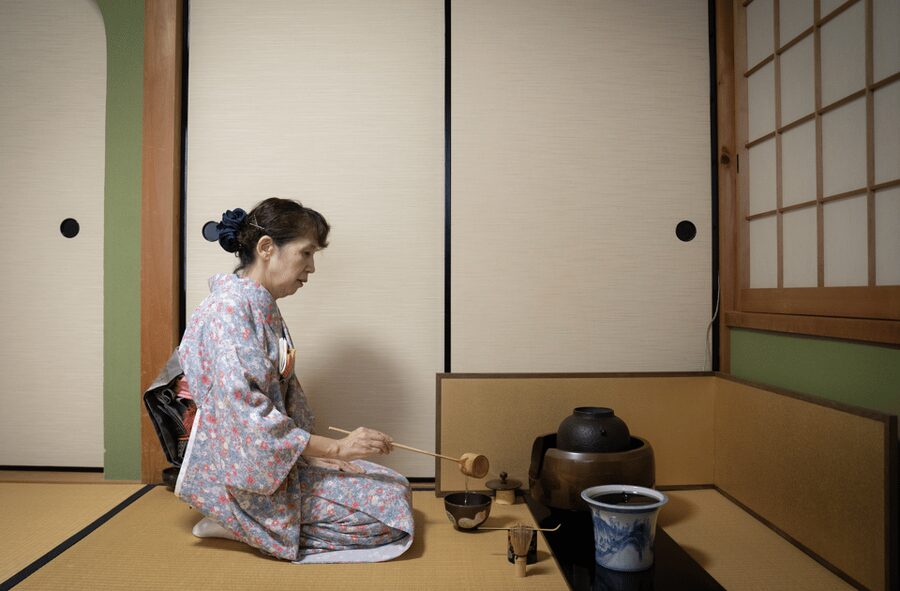
The session begins with an introduction to Japanese tea ceremony and the role of matcha. The teacher explains the tradition in English, making the lesson suitable for someone who has never seen a tea ceremony before.
Expect the instruction to focus on the ceremony’s purpose, the preparation of the tea, and the meaning behind its careful movements. This is not simply a quick cup of green tea. The teacher helps you notice the connection between the steps, the setting, and the calm pace of the ritual.
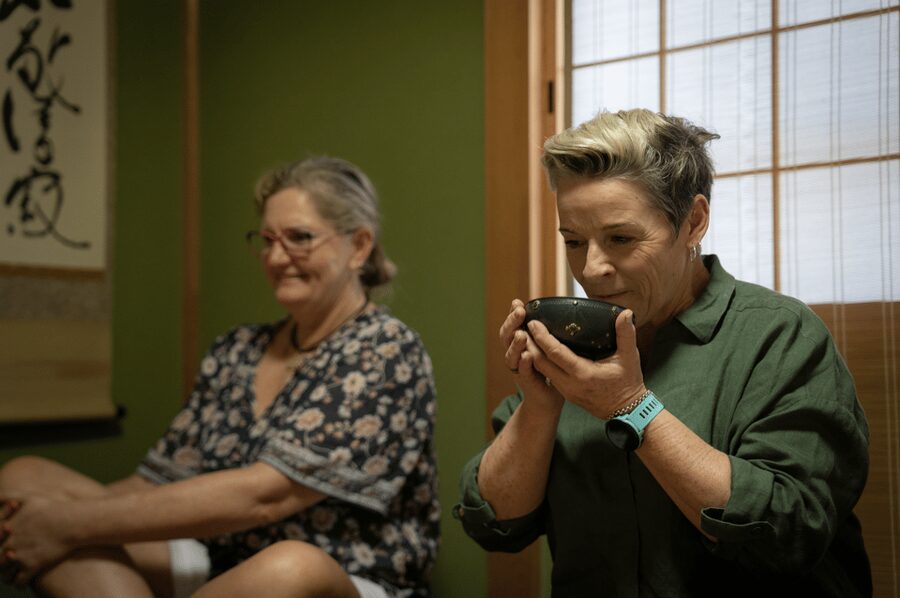
You then have the chance to make your own tea. This is the most active part of the experience. Under guidance, you whisk powdered matcha and follow the basic movements used to prepare it. If you prefer to watch, the wording of the experience makes clear that taking part is optional.
I like that choice. Some people want to try every step, while others would rather observe first. A good introduction should leave room for both approaches, especially when the customs are new.
The session includes matcha and traditional dried sweets. The sweets are not just a snack on the side. In a tea ceremony, a small sweet balances the bitterness of the tea and helps you pay attention to the flavor of the matcha itself.
Because the total time is only one hour, the lesson stays focused. You are unlikely to leave with complete mastery of tea ceremony, but you should come away with a clearer sense of what the practice involves and why the movements are deliberate.
The value of making your own matcha
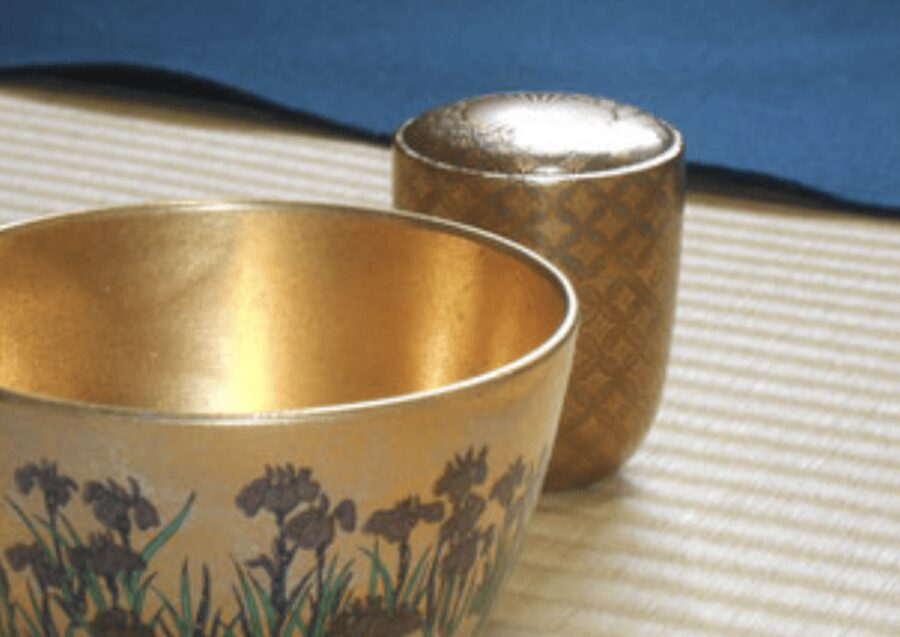
Watching a tea master can be beautiful, but doing the work yourself makes the lesson stick. When you whisk the matcha, you begin to understand that the tea is not prepared casually. The movement, rhythm, and attention all matter.
You do not need to know the correct technique in advance. The teacher guides you through the steps, which makes this a good choice for first-time visitors who might otherwise feel nervous about handling the tools.
The activity also gives you something practical to remember after you leave Kyoto. You may not reproduce the full ceremony at home, but you will know more about how matcha is prepared and why it is served in this careful way.
Do not expect a long workshop in Japanese tea schools or a detailed technical course. The experience is an introduction. For most people, that is the right level during a busy Kyoto visit. You get a meaningful encounter with the tradition without giving up half a day.
Same trip, a completely different kind of day:
- PERFECT KYOTO 1-Day Bus Tour
★ 5.0 · 13,518 reviews - Kyoto: Fushimi Inari, Kinkakuji, Bamboo Grove 1 Day Bus Tour
★ 4.8 · 4,316 reviews - Kyoto Geisha Walking Tour: Gion District & Hidden Gems
★ 4.7 · 3,273 reviews - Kyoto: Gion Magical Night Walking Tour with Geisha Trivia
★ 4.9 · 2,393 reviews
Why the English instruction matters
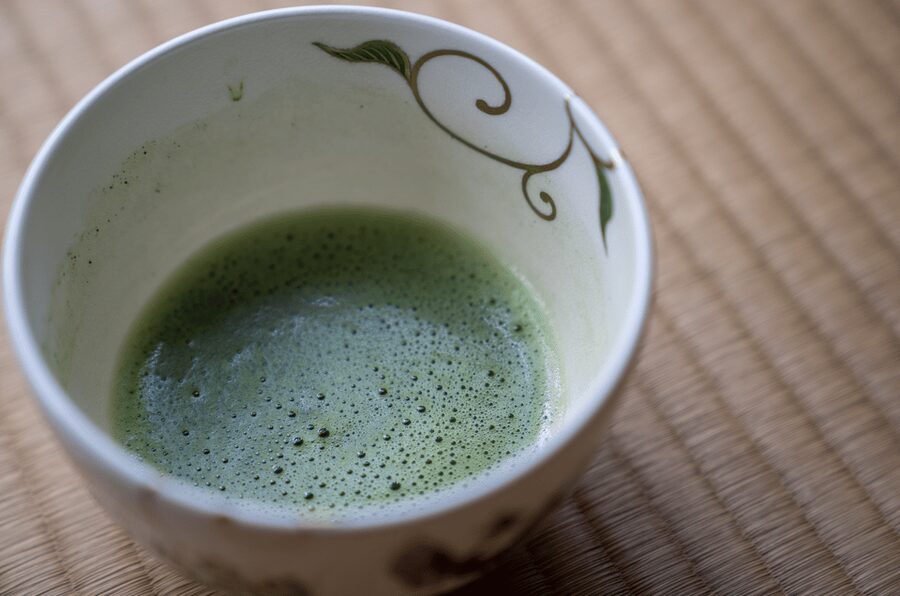
The instructor speaks English, which makes a major difference here. Tea ceremony involves details that can be easy to miss if you are relying on gestures alone. Clear explanations help you understand the reason for each part rather than simply copying a movement.
The teacher’s long experience also adds context. A newer instructor might be able to demonstrate the basic actions, but thirty years of practice can bring a wider understanding of the tradition and its tone.
The teaching style is intended to be patient and welcoming. That point is especially useful for families, first-time visitors, and anyone who worries about etiquette. The session is not built around testing you. It is built around helping you take part.
The emphasis on patience has practical value. If you have questions, or if your first attempt at whisking does not go smoothly, you have a better chance of getting help in a group of six than in a crowded demonstration.
A calm stop in a busy Kyoto itinerary
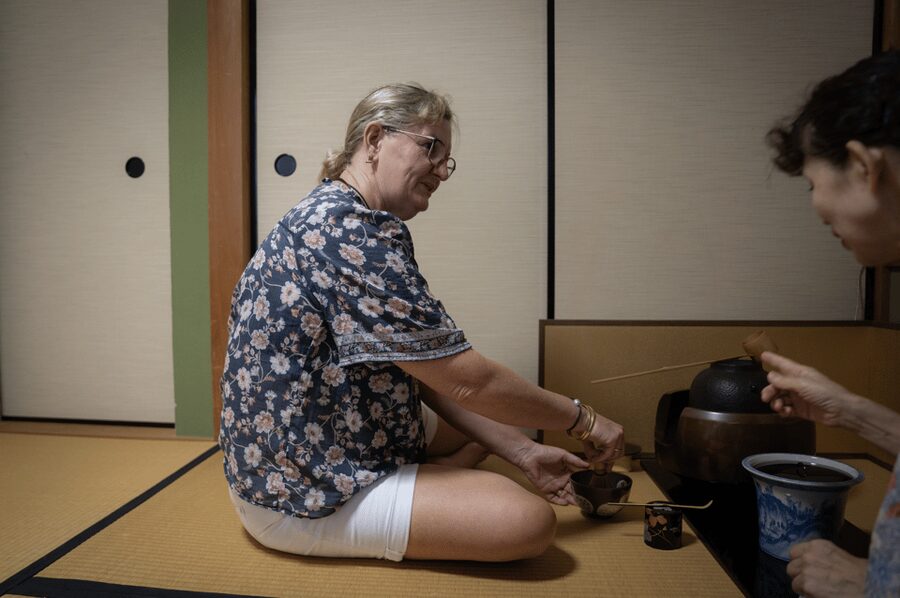
Kyoto can fill a day quickly with temples, trains, queues, and long walks. A tea ceremony offers a different rhythm. For one hour, you sit with a single subject and pay attention to small actions.
That contrast is part of the appeal. You do not need another major sightseeing stop to make the activity worthwhile. The ceremony gives you a quieter cultural experience, then lets you return to the city with a better understanding of one of Japan’s best-known traditions.
The nearby Kamogawa Delta adds to that sense of balance. You can walk beside the river before or after the session and let the change of pace sink in. The location is also practical for visitors who want to explore the northern part of central Kyoto rather than stay only around the most famous temple districts.
The activity does not promise a grand historic building or a large ceremonial hall. Its appeal is more modest: a Japanese house, a small room, an experienced teacher, and time to learn. That can be more rewarding than a staged presentation if you want direct contact with the practice.
How much value do you get for $38?
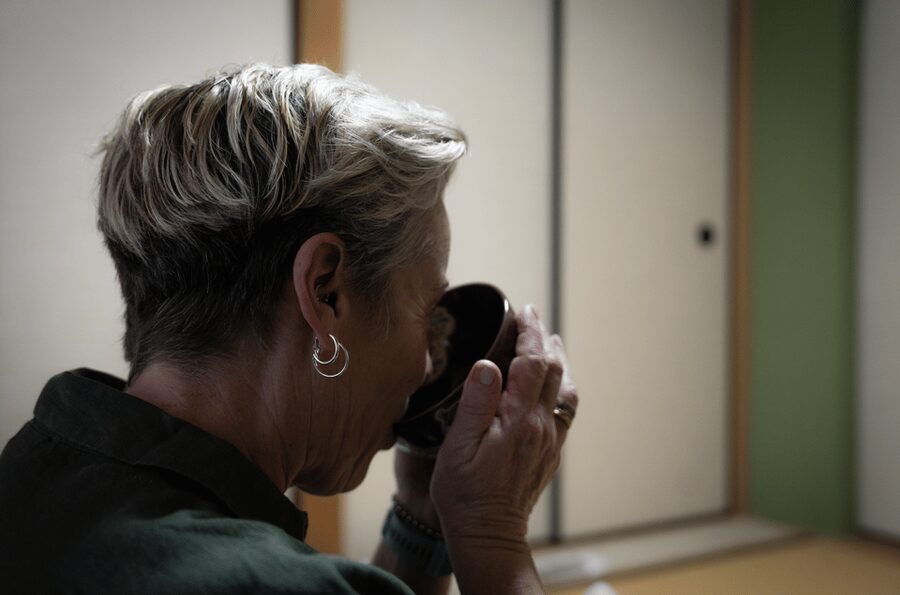
At $38 per person, this is a reasonable price for a one-hour lesson with a highly experienced instructor, especially with a group capped at six. You are paying for instruction and participation, not just a serving of matcha.
The value is strongest if you want to understand what you are seeing. A cup of tea alone is inexpensive, but learning how the ceremony works, preparing your own bowl, and asking questions gives the visit more substance.
The price may feel less appealing if you are looking only for a quick tea tasting. You could find tea elsewhere in Kyoto for less, but that would not provide the same guided cultural lesson.
The included matcha and dried sweets keep the cost straightforward. You do not need to add another tasting fee during the session. The reservation also offers free cancellation up to 24 hours before the start time, and you can reserve now and pay later, which helps if your Kyoto schedule is still shifting.
Who should book this experience?
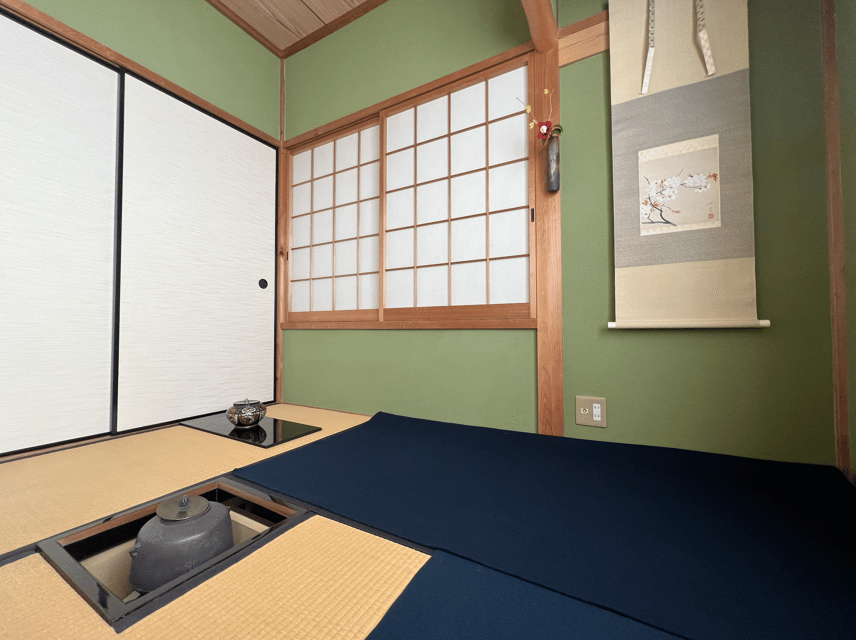
I would recommend it most strongly to first-time visitors who want a clear, approachable introduction to Japanese tea ceremony. You do not need prior experience, special knowledge, or confidence with formal customs.
It also suits anyone who prefers small groups. With no more than six people, the experience feels more like a lesson than a show. That format is useful if you want to ask questions or make your own matcha with guidance.
The session works well for couples, families, and solo visitors who enjoy calm cultural activities. It is also a smart choice for an itinerary built around Demachiyanagi, Kamogawa Delta, Kibune Shrine, or Rurikou Temple.
You may want something different if you are seeking a long, highly formal ceremony with extensive history, complex etiquette, or a full half-day program. This one-hour experience is best understood as a welcoming first step.
Practical planning for your Kyoto day
Allow extra time to find the Japanese house and the Tisato sign. The meeting point is not described as a major landmark, so arriving early is sensible.
Plan the ceremony around your other stops rather than assuming you can rush in from across Kyoto. The room is about 15 minutes on foot from both Kamogawa Delta and Demachiyanagi Station, but your overall travel time depends on where you begin.
Since starting times vary, check the available schedule before building your day. The one-hour duration makes the activity easy to fit between other plans, but Kyoto’s walking distances can add up.
Wear something that allows you to sit comfortably and follow instructions without fuss. No special clothing requirement is provided, so you do not need to arrange a formal outfit for this experience.
Should you book this Kyoto tea ceremony?
Book it if you want a personal introduction to matcha, clear English instruction, and a peaceful hour near the Kamogawa Delta. The strongest reasons are the six-person limit, the chance to prepare your own tea, and Ms Yamazaki’s three decades of experience.
Skip it if you want a long ceremonial performance or a full academic study of tea schools. For everyone else, $38 is a fair price for a thoughtful, hands-on cultural stop that fits neatly into a day around Demachiyanagi.
FAQ
How long does the tea ceremony last?
The experience lasts one hour.
How much does the experience cost?
The price is $38 per person.
Who teaches the tea ceremony?
The session is taught in English by an experienced teacher with more than 30 years of tea experience. The host is identified as Ms Yamazaki.
Is the tea ceremony suitable for beginners?
Yes. The experience is designed for people with no previous knowledge or experience, as well as those who already know something about tea ceremony.
Can I prepare my own matcha?
Yes. You can make your own tea if you wish, with guidance from the teacher.
What is included?
The booking includes the tea ceremony, instruction, matcha tea, and traditional dried sweets.
How many people are in each group?
The group is limited to six participants.
Where does the tea ceremony take place?
It takes place in a Japanese house marked with a sign reading Tisato.
How far is the tea room from Kamogawa Delta?
The tea room is about a 15-minute walk from Kamogawa Delta.
Can I cancel the booking for a refund?
Yes. You can cancel up to 24 hours in advance for a full refund. You can also reserve now and pay later.
Just added around Kyoto
- Sekka Cotton Furoshiki Class★ 5.0 · 19 reviews
- Kyoto Sword Experience – includes Museum Ticket/Ninja Experience★ 4.5 · 149 reviews
- Scenic Green Tea Fields of Hidden Kyoto & Local Tea Exp (Private)★ 5.0 · 32 reviews
- Secret Eastern Kyoto Biking Adventure★ 5.0 · 44 reviews
- Private Sake Tasting in Central Kyoto with Sake Sommelier★ 5.0 · 32 reviews
- Samurai School in Kyoto: Samurai for a Day★ 5.0 · 202 reviews
- SHIRAKAWA Japanese Culture Experiences with private English staff★ 5.0 · 16 reviews
- A Privately Guided Photoshoot in Beautiful Kyoto by a Pro★ 5.0 · 18 reviews
Tea Ceremony Experiences, compared.

Tea Ceremony in a Traditional Tea House in Kiyomizu
Our verdict →


World Heritage Kyoto & Nara Uji Authentic Matcha Experience
Our verdict →

Arashiyama Bamboo Forest, Monkeys, Matcha & Temple Tour
Our verdict →
Browse the lists this tour appears in