
Reviewed · KYOTO TOURS
Kyoto Night All-Inclusive Eats and Streets, Gion and Beyond
Kyoto after dark is a different city. Lanterns glow along Gion’s narrow lanes, Yasaka Shrine takes on a quieter beauty, and the streets around Ponto-cho shift from historic quarter to modern night out. This three-hour tour pairs that evening walk with food at two local restaurants, so you learn the setting and taste it too.
I like the six-person limit, which gives you room to ask about geisha traditions, shrine customs, food, and local etiquette. I also like the two-stop format: you get a range of small dishes and drinks rather than spending the whole evening in one dining room.
The main caution is smoking. Several stops have been described as allowing indoor smoking, and the meal can feel like shared tapas rather than a large restaurant dinner. If you avoid smoke or want a very filling meal, tell the operator in advance and set your expectations accordingly.
Key points at a glance
- Yasaka Shrine after dark: Begin with a 15-minute guided visit to one of Gion’s most atmospheric sights.
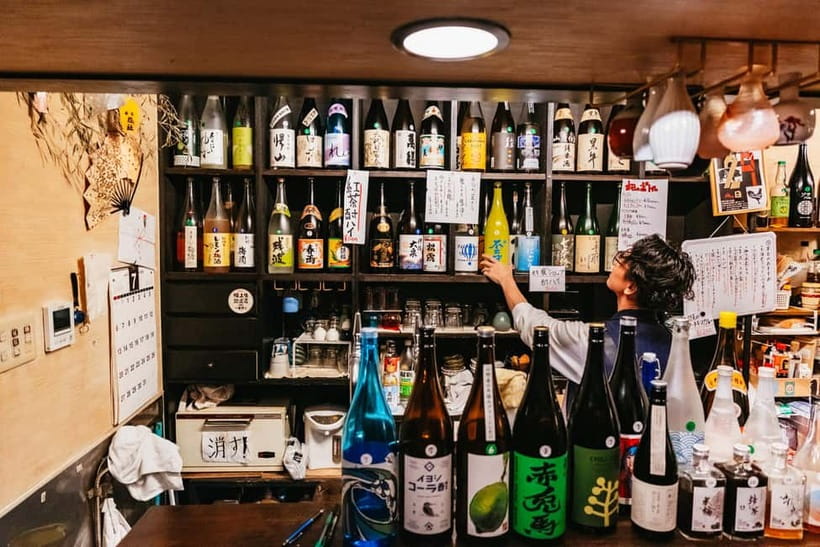
- Two different restaurant stops: Try a spread of Kyoto and Japanese dishes, with one drink at each stop.
- A useful Gion orientation: Walk through Gion, Kiyamachi, the Kamo River area, and Ponto-cho while learning how the entertainment district works.
- Small groups up to six: The size suits questions, shared plates, and easy conversation with other diners.
- Guides who shape the evening: Jamie, Laura, Hugo, Ferdinand, Lito, Maya, and others have been singled out for humor, local insight, and a relaxed pace.
- Optional Kobe beef: A Kobe beef or nearby-sourced beef choice can be arranged for bookings made at least 10 hours ahead.
Why this Kyoto night works so well
Many first evenings in Kyoto follow a familiar path: a shrine, a photo stop, and dinner in a place chosen from a guidebook. This experience connects those pieces. You see where people go out, hear how Gion developed, and eat in places your own search might not uncover.
That mix matters. Gion is not only a preserved district of wooden buildings and old customs. It is also a working entertainment area, with restaurants, bars, theaters, and narrow lanes used by residents. Your guide explains that contrast while you walk, keeping the tone friendly rather than turning the evening into a formal lecture.
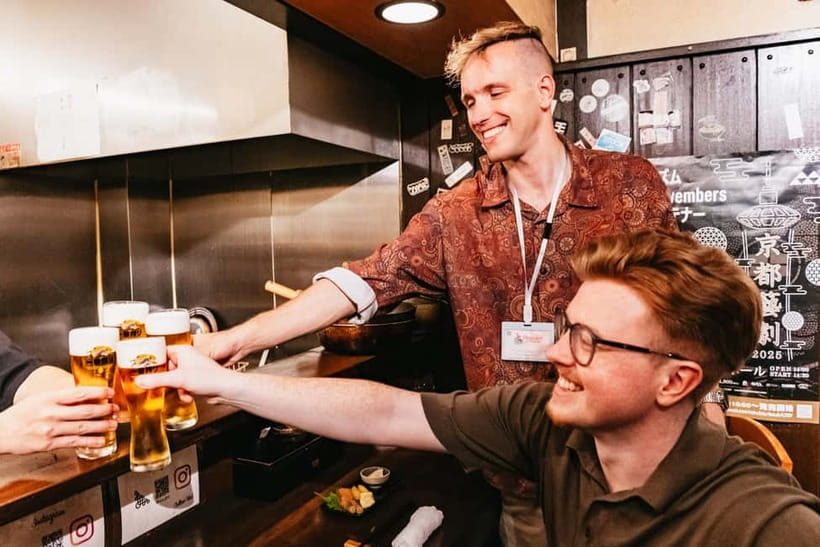
The food is served across two venues. Expect many small portions, shared around the table, with drinks included. That setup gives you more variety than a single set menu and lets you try dishes you might not order alone. It also means this is not the right choice if you want a long, quiet meal with a large main course.
At $92 per person, the cost is reasonable for a three-hour evening if you value the guide and the restaurant access. You are paying for a full dinner spread, two drinks, local interpretation, and a small group rather than simply buying a meal. Extra drinks cost more, but gratuities are included, which fits Japanese custom.
A few more Kyoto half-days worth comparing
- PERFECT KYOTO 1-Day Bus Tour
★ 5.0 · 13,518 reviews - Kyoto: Fushimi Inari, Kinkakuji, Bamboo Grove 1 Day Bus Tour
★ 4.8 · 4,316 reviews - Kyoto: Tea Ceremony in a Traditional Tea House in Kiyomizu
★ 4.9 · 3,519 reviews
Starting at Minamiza Theater
The meeting point is in front of Minamiza Theater, directly at street level by exit 6 of Gion Shijo Station. This is a practical place to begin because you can arrive by train without hunting through side streets.
The theater also sets the mood. You are starting beside one of Kyoto’s best-known traditional performance venues, then moving into the surrounding entertainment quarter. Wear comfortable shoes. The route includes several walks between sights and restaurants, and the evening is built around being on foot.
The exact start time varies, so you need to check availability for your date. The tour lasts three hours and returns to the same theater, making it easier to plan dinner afterward or continue exploring nearby.
Yasaka Shrine in the evening
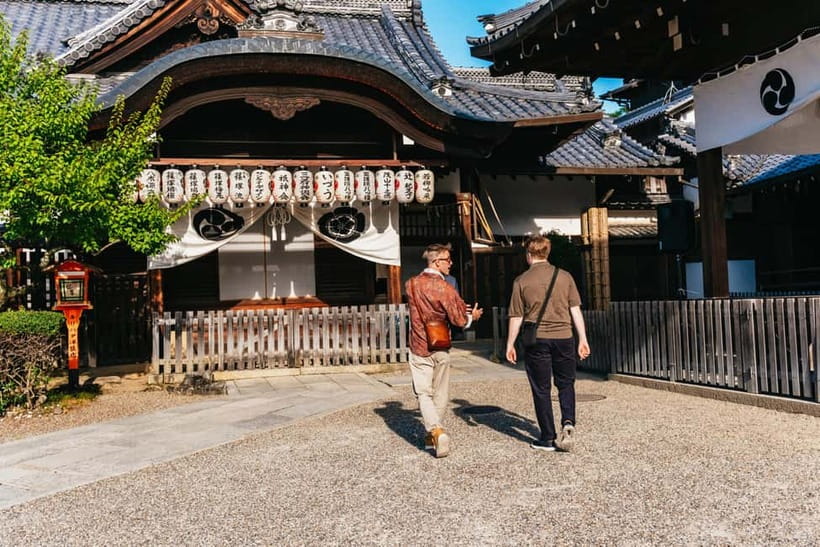
The first major stop is Yasaka Shrine, reached from the theater on foot. The guided visit lasts about 15 minutes, enough to explain the shrine and point out details you might otherwise pass without noticing.
Evening is a good time to see the shrine. The atmosphere changes after daytime crowds thin, and the lights give the grounds a different feel. Your guide can also explain Shinto customs and the relationship between the shrine and the surrounding district.
This is not a long temple tour, so do not expect an exhaustive account of every building. The value is the setting and the introduction. You get a cultural starting point before the evening turns toward restaurants and nightlife.
Several people who took the tour enjoyed the way shrine and temple traditions were explained alongside the Gion walk. That combination helps you see Kyoto as more than a collection of scenic streets. Religious sites, entertainment districts, and ordinary dining areas sit close together here.
Walking through Gion and its geisha traditions
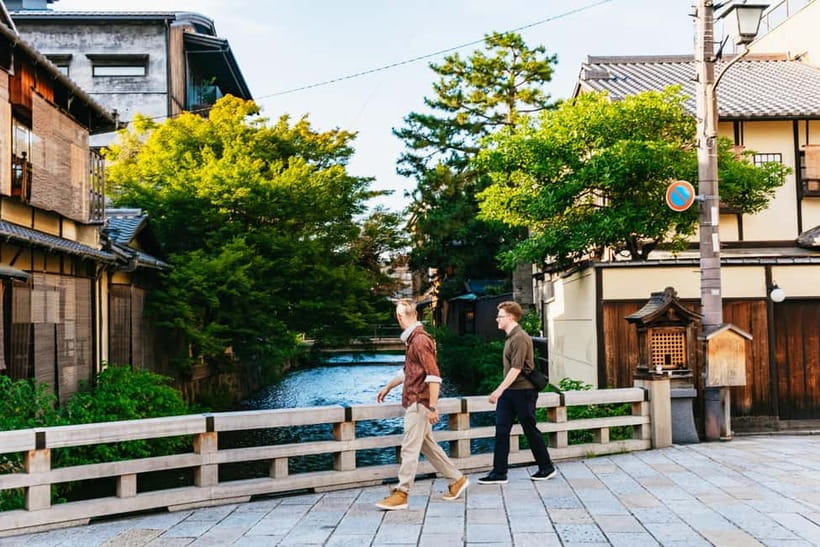
From Yasaka Shrine, the group continues through Gion for roughly 15 minutes of guided sightseeing. The guide discusses geisha culture, local customs, and the difference between public images of the district and daily life within it.
This part is especially useful if you are unsure how to behave around geisha or maiko. Gion is a place for looking carefully and respectfully, not for chasing people down narrow lanes with cameras. The tour gives you context without treating the district as a stage set.
Guides vary, but several have been praised for making this section easy to follow. Jamie has been described as strong on cultural explanation, while Laura has been appreciated for stories about Japanese traditions. Ferdinand is known for explaining the geisha area with humor and care. Those names are not a promise of a particular guide, but they show the kind of host the operator uses.
The pace is another plus. The route is not designed as a rushed checklist. You stop, hear an explanation, and continue through the streets. If you want extensive time for photographs at every corner, three hours may feel structured. If you want a clear first look at Gion before returning on your own, the pace should suit you.
Same trip, a completely different kind of day:
- Kyoto Geisha Walking Tour: Gion District & Hidden Gems
★ 4.7 · 3,273 reviews - Kyoto: Tea Ceremony Ju-An at Jotokuji Temple
★ 4.9 · 3,207 reviews - Kyoto: Gion Magical Night Walking Tour with Geisha Trivia
★ 4.9 · 2,393 reviews - Kyoto: 45-Minute Tea Ceremony Lesson Experience
★ 4.3 · 2,378 reviews
Kamo River, Kiyamachi, and the changing city
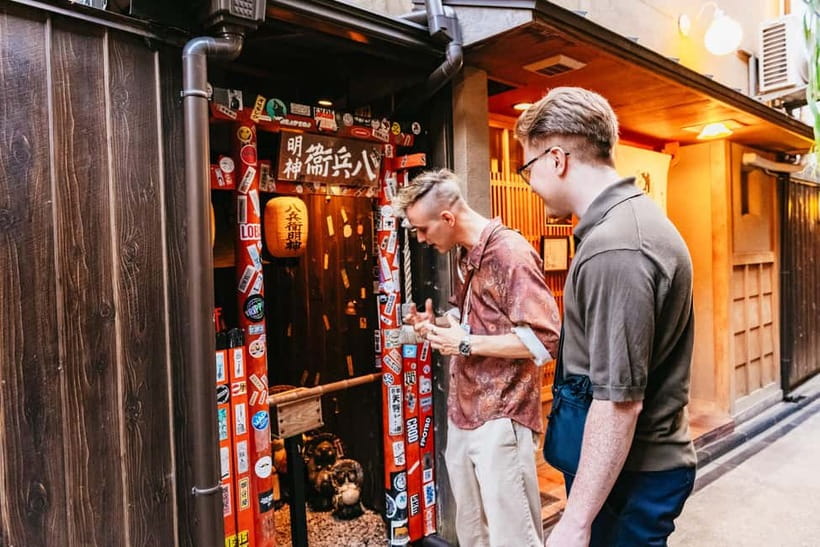
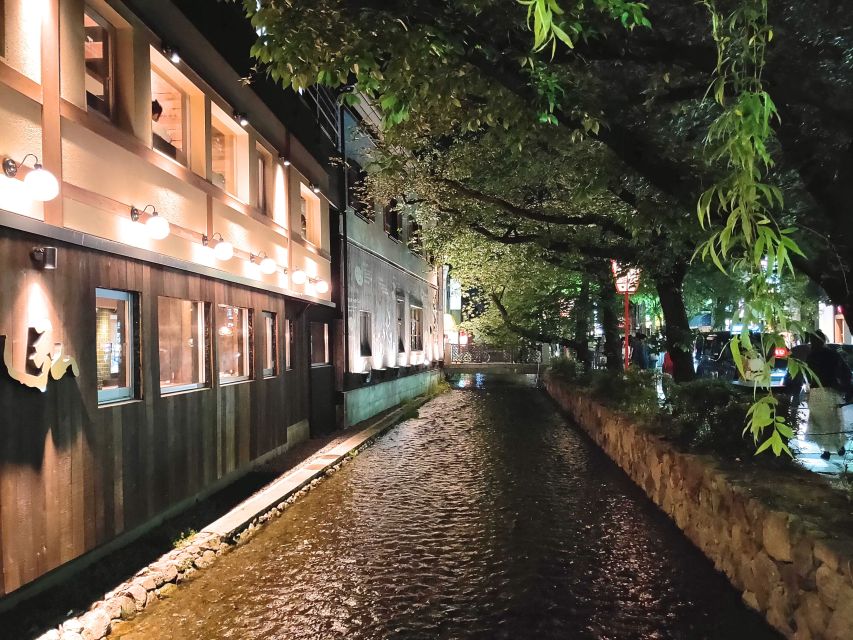
The walk continues toward the Kamo River and the Kiyamachi area. These streets show a more modern side of Kyoto, with dining and nightlife alongside older buildings and traditional lanes.
This transition is one of the best features of the evening. You are not shown only the polished version of old Kyoto. You also see how locals use the area now, and how the city’s historic identity sits beside restaurants, bars, and evening entertainment.
The river area provides a useful break between stops. It is also a chance to ask your guide about food, customs, or places to visit later in your stay. With no more than six people, conversation tends to be easier than on a large bus or crowded walking tour.
You should expect a fair amount of walking, though the route description does not give a total distance. People with mobility impairments may find the pace and street surfaces difficult. Anyone who is comfortable walking through urban neighborhoods should bring sensible shoes and avoid arriving hungry enough to rush the first food stop.
The first restaurant: small plates and a drink
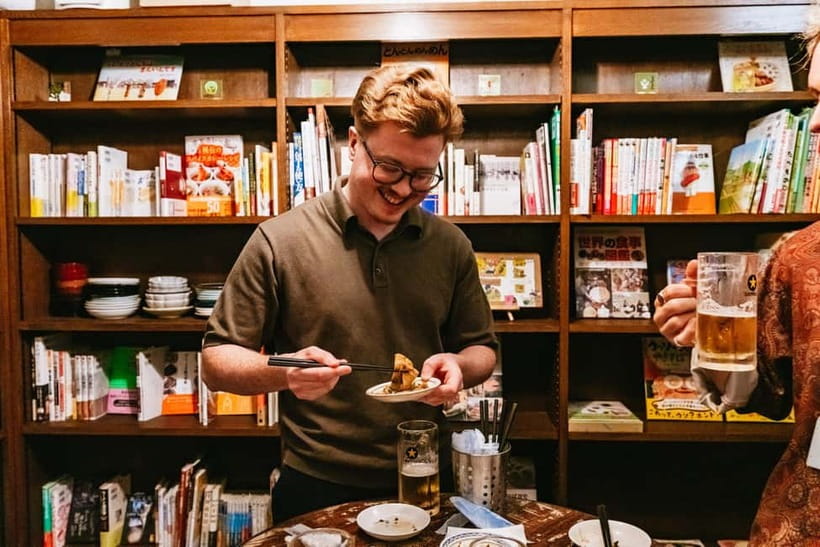
The first dining stop lasts about 45 minutes. Here you begin the shared meal, with a selection of local dishes served in small portions and one included drink.
The format is similar to Japanese izakaya dining. Instead of receiving one large plate, you sample several items. The guide helps explain what you are eating and may recommend a beer, cocktail, spirits, or non-alcoholic option. This is useful if menus are difficult to read or if you want to try something unfamiliar without ordering a full serving.
The food has been one of the most consistently praised parts of the experience. The venues are described as small and local, including places that visitors might not find on their own. Some people have found the first stop particularly fun because it feels like a neighborhood bar rather than a tourist dining room.
Portion size deserves an honest note. Some diners have found the amount generous and left full, while another described the servings as more like tapas than a complete dinner. The safest way to read this is to expect variety first, volume second. You will taste many dishes, but you should not assume each course is a full meal for one person.
Indoor smoking is the main concern at this stage or the later bar stop. Several people have specifically warned that smoke may be present. If you are pregnant, have a health condition, or simply dislike smoke, ask about the restaurant arrangements before booking.
Ponto-cho and the narrow streets of Kyoto nightlife
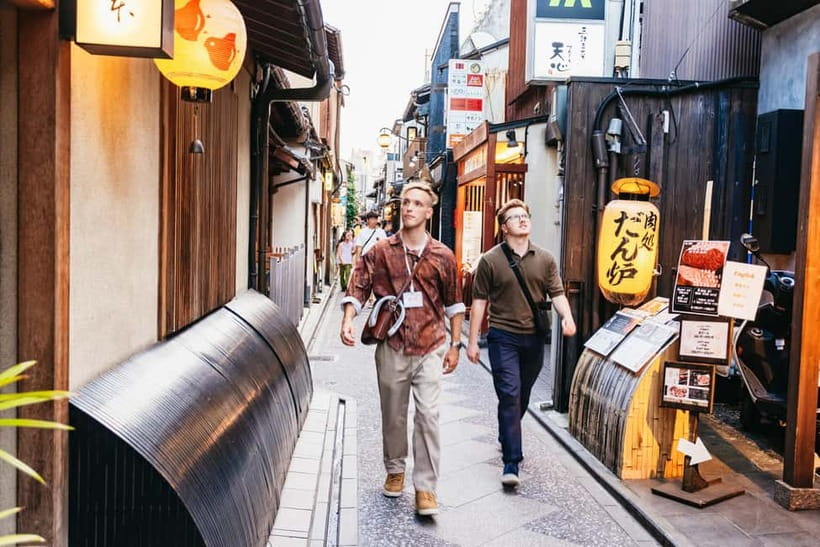
After the first restaurant, the walk continues to Ponto-cho for about 30 minutes. This is the longest sightseeing section of the evening and gives you time to see how Kyoto’s nightlife districts connect.
Ponto-cho is known for its narrow lane and concentration of dining venues. Your guide puts the street into context, explaining how this part of town differs from Gion and Kiyamachi. You get a sense of how old facades, small bars, and modern restaurants share the same tight urban space.
The route is valuable because it shows the city at the hour when Kyoto’s restaurants are beginning to fill. You are seeing the districts as working places, not only as daytime photo stops. Guides also use this walk to explain local manners, food culture, and the role of different types of establishments.
This is where a small group helps. In a group of six, you can stay together on narrow streets without the stop-and-start feel of a large tour. It also makes the evening more social. Several groups have ended up chatting easily across nationalities, which suits the casual dinner format.
The second restaurant and the final tastes
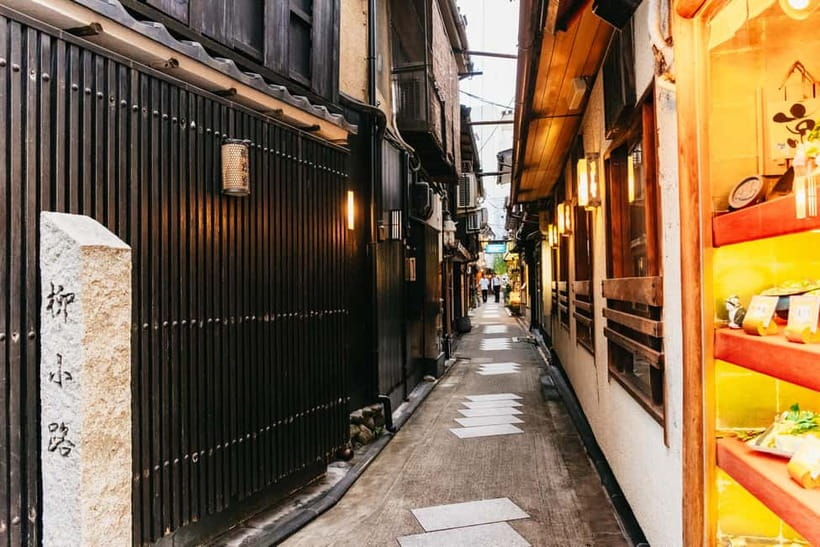
The second dining stop lasts about 30 minutes. It is usually presented as a different kind of venue from the first, giving you another set of dishes and another included drink.
The two-restaurant plan keeps the meal moving. You might begin in a small bar, then sit down somewhere more traditional, or the order may vary with restaurant availability. The exact menu is seasonal, so dishes can change. That is normal for a food tour built around local restaurants, but it means you should not book with one particular dish in mind.
Vegetarian needs have been handled successfully in at least some groups, and the guide has helped arrange alternatives. Still, you should provide dietary information ahead of time rather than waiting until you sit down. The menu is a sample, and restaurant availability can affect what appears on the table.
The second stop is also where smoking may matter most. If a smoke-free setting is essential, ask for clarification before paying. The operator includes alcoholic or non-alcoholic drinks, so you do not need to drink alcohol to take part.
A Kobe beef or nearby-sourced beef option is available as an extra for bookings made at least 10 hours in advance. The supplied information does not give the additional price, so ask before confirming if this is important to you.
The guide makes or breaks the evening
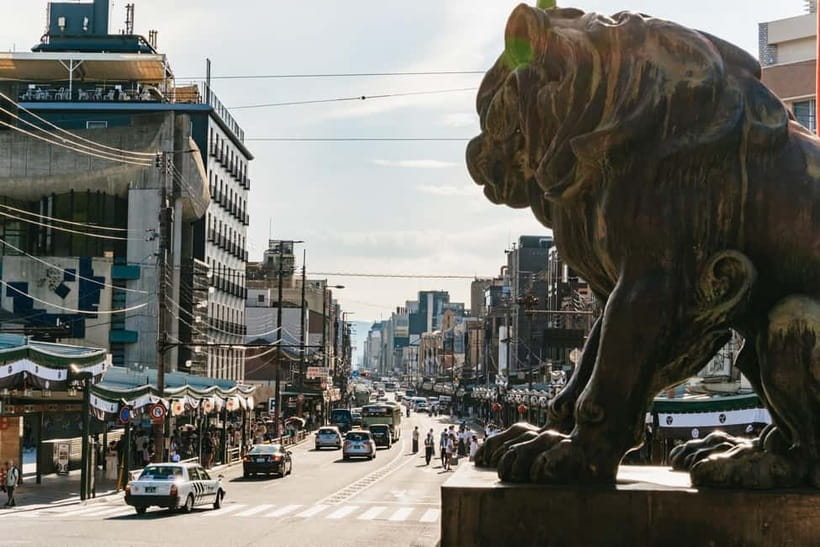
Food tours depend heavily on the person leading them. Here, the guide is not simply there to point out the next restaurant. The job includes explaining geisha traditions, shrine customs, Japanese dining habits, drinks, and the differences between Kyoto’s districts.
The strongest reports describe guides who are funny, patient, and good at drawing a group into conversation. Jamie, Laura, Hugo, Ferdinand, Lito, Maya, Andres, Brian, Damien, and others have each received warm praise for their storytelling or ability to make strangers feel comfortable.
That variety also means you should not choose the tour based on one guide’s name alone. Assignments can change. What you can reasonably expect is a guide fluent in English, French, or Spanish, with Japanese language ability and local familiarity.
A good guide is particularly helpful at the restaurants. You can ask what a dish is, how it is usually eaten, and which drink goes with it. That turns an unfamiliar menu into part of the evening rather than a test.
Who should book this experience?
I would recommend it most strongly for first-time visitors to Kyoto, especially if you are staying near Gion or want an easy first night in the city. The combination of orientation, food, and conversation gives you useful bearings for the rest of your stay.
It also suits solo visitors and couples who like meeting other people. The group size is small enough for a personal feel but large enough to create a social evening. Families with children should note that the tour is for adults age 18 and older.
You should book it if you enjoy shared plates, walking, and trying dishes chosen with local guidance. You may want a different plan if you need a guaranteed smoke-free environment, have limited mobility, or prefer one large formal dinner.
The tour is also a good early-trip choice. A guide can introduce you to foods, streets, and customs before you attempt Kyoto’s restaurants alone. If you take it late in your visit, it still works as a relaxed farewell evening, but its orientation value is greatest near the start.
Practical details before you reserve
The price is $92 per person. That includes food at two restaurants, two drinks, the walking tour, and gratuities. Extra drinks are not included, and tipping is not customary in Japan.
Free cancellation is available up to 24 hours before the tour for a full refund. You can also reserve and pay later, which is useful if your Kyoto schedule is still shifting.
The experience is available as a private or small-group booking. The standard small group has no more than six participants. A private option may suit you if your party has specific food needs or you want a more personal pace, though the supplied details do not state the private-group price.
Should you book it?
Book this tour if you want Kyoto’s evening districts explained while you eat, rather than simply visiting a restaurant and trying to decode the menu alone. The strongest reasons are the tiny group, the two different dining stops, and the chance to see Yasaka Shrine, Gion, Kamo River, Kiyamachi, and Ponto-cho in one compact evening.
I would skip it only if smoke is a firm concern, you need substantial full-size courses, or walking is difficult. For most adults who want a friendly introduction to Kyoto after dark, $92 buys a useful mix of food, drinks, neighborhood access, and local guidance.
FAQ
Where does the tour begin?
Meet in front of Minamiza Theater, at street level by exit 6 of Gion Shijo Station.
How long does the experience last?
The tour lasts three hours and returns to Minamiza Theater.
What food and drinks are included?
You receive dinner across two restaurants and two drinks. Drinks can be alcoholic or non-alcoholic. Extra drinks are not included.
Is the tour available in English?
Yes. Live guides are available in English, French, and Spanish.
Can I request Kobe beef?
A Kobe beef or nearby-sourced beef option is available as an extra when you book at least 10 hours in advance. The additional cost is not provided.
Is the tour suitable for children or people with mobility impairments?
The tour is not suitable for children under 18 or people with mobility impairments. Comfortable shoes are recommended.
Just added around Kyoto
- Sekka Cotton Furoshiki Class★ 5.0 · 19 reviews
- Kyoto Sword Experience – includes Museum Ticket/Ninja Experience★ 4.5 · 149 reviews
- Scenic Green Tea Fields of Hidden Kyoto & Local Tea Exp (Private)★ 5.0 · 32 reviews
- Secret Eastern Kyoto Biking Adventure★ 5.0 · 44 reviews
- Private Sake Tasting in Central Kyoto with Sake Sommelier★ 5.0 · 32 reviews
- Samurai School in Kyoto: Samurai for a Day★ 5.0 · 202 reviews
- SHIRAKAWA Japanese Culture Experiences with private English staff★ 5.0 · 16 reviews
- A Privately Guided Photoshoot in Beautiful Kyoto by a Pro★ 5.0 · 18 reviews
Kyoto Tours, compared.
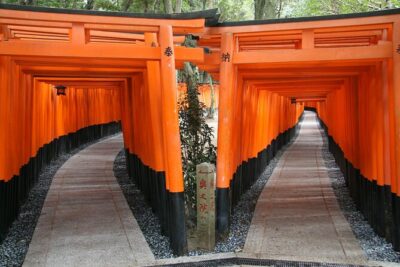

Tea Ceremony in a Traditional Tea House in Kiyomizu
Our verdict →
Kyoto Geisha Walking Tour: Gion District & Hidden Gems
Our verdict →

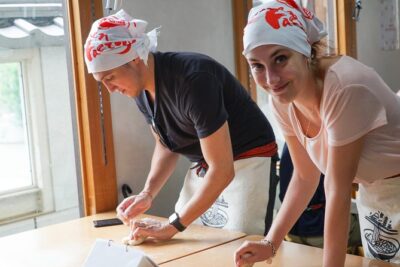

Fushimi Inari Hidden Hiking Tour (Private Option Available)
Our verdict →