
Reviewed · HIDDEN GEMS TOURS
Kyoto: Avoid the Crowds at the Hidden Gems of Arashiyama
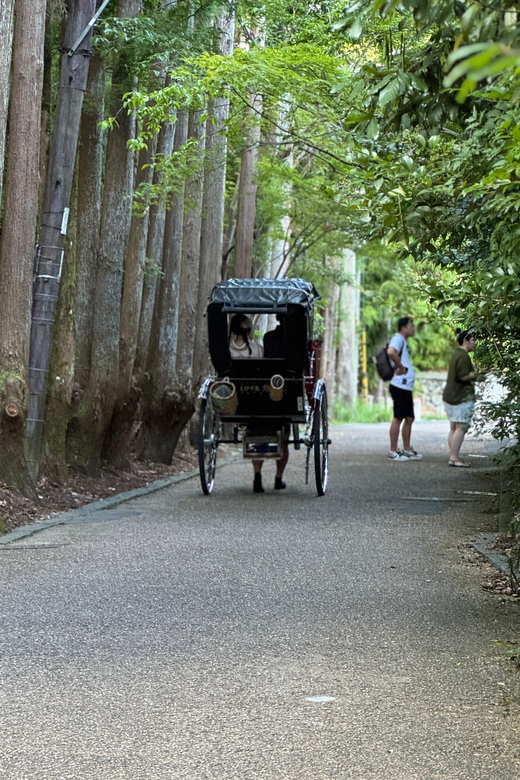
Arashiyama is famous for its bamboo, but the best part of this walk may come after you leave the main photo stop behind. This route leads you from Togetsu Bridge into Okusaga, where old lanes, small shops, and two remarkable temples offer a calmer look at western Kyoto.
I like the mix of big-name sights and less familiar places, especially the 1,200 whimsical statues at Otagi Nenbutsuji and the 8,000 stone figures at Adashino Nenbutsuji. I also like having a guide to explain Buddhist customs, local history, and the meaning behind places that can otherwise blur together. The tradeoff is simple: four hours on foot with a moderate amount of walking, and no mobility access for wheelchair users.
Key points at a glance
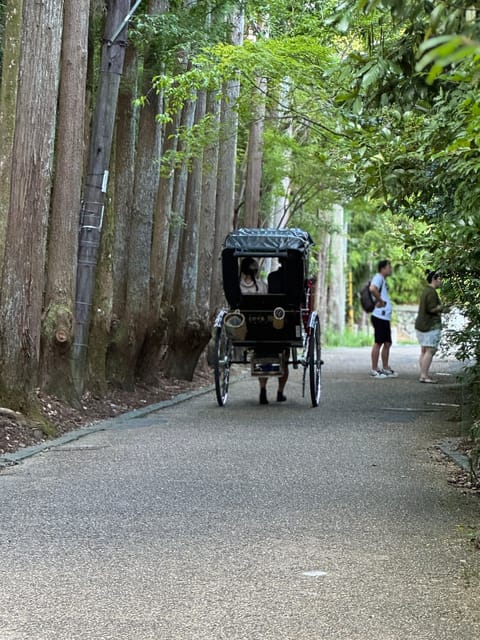
- A fuller Arashiyama walk: Start at Togetsu Bridge, see the bamboo forest, then continue into quieter Okusaga.
- Two unusual temple visits: Otagi Nenbutsuji has 1,200 playful stone statues, while Adashino Nenbutsuji has about 8,000 stone images and pagodas.
- A traditional street setting: Saga Toriimoto is lined with old Japanese houses and local shops, including a cocoon doll shop and a Washi paper shop.
- Guide-led cultural context: English and Japanese guides explain Arashiyama, Okusaga, Buddhism, local customs, and temple traditions.
- Small-group or private format: You can choose a more personal outing rather than a large group walk.
- A practical four-hour length: The tour covers a lot without taking your entire day, but comfortable shoes and water are essential.
Why this Arashiyama route feels different
The usual Arashiyama plan is easy to picture: bamboo, river views, a bridge, and a quick return to central Kyoto. This experience gives you those familiar sights, then keeps going into the older streets of Saga and Okusaga.
That matters because Arashiyama is not just one bamboo path. The area includes temple grounds, preserved streets, traditional homes, craft shops, and Buddhist sites with very different moods. A local guide helps connect those pieces instead of leaving you with a collection of attractive photographs and no clear sense of how they fit together.
The route begins in front of the ticket gate at Saga Arashiyama Station. Look for a guide holding a yellow DeepExperience sign. From there, you walk toward the river and Togetsu Bridge before turning toward the hills and temple district.
The outing lasts four hours. That is enough time for several meaningful stops, but it is not a slow, all-day temple study. Visits are generally brief, with time built in for walking, photographs, explanations, and the transition between sites.
More Hidden Gems Tours in Kyoto
- Kyoto Geisha Walking Tour: Gion District & Hidden Gems
★ 4.7 · 3,273 reviews - Private Kyoto Tour with a Local, Highlights & Hidden Gems, Personalised
★ 5.0 · 1,543 reviews - Arashiyama Bamboo Forest & Hidden Gems Bike Tour (Early Bird)
★ 5.0 · 613 reviews
Togetsu Bridge and the first river views
Togetsu Bridge is one of Kyoto’s most recognizable sights. The name is often translated as Moon Crossing Bridge, and its setting over the river gives you an immediate sense of why Arashiyama became such a popular scenic area.
The bridge visit is short, about five minutes in the stated schedule. Think of it as an orientation stop rather than a long riverside break. You can admire the bridge, take photographs, and listen as your guide places the area in its wider Arashiyama story.
The next section leads toward Arashiyama Park and its observatory. The scheduled scenic walk is about ten minutes, so you should expect a quick viewpoint rather than a long hike through the park. Still, this part gives the outing a useful change of pace. You move away from street level and gain a broader view before continuing toward the bamboo.
If you want a long pause by the river, this tour may feel brisk. If you prefer to cover several important places in one afternoon, the short first stops work well.
The bamboo forest without making it the whole tour
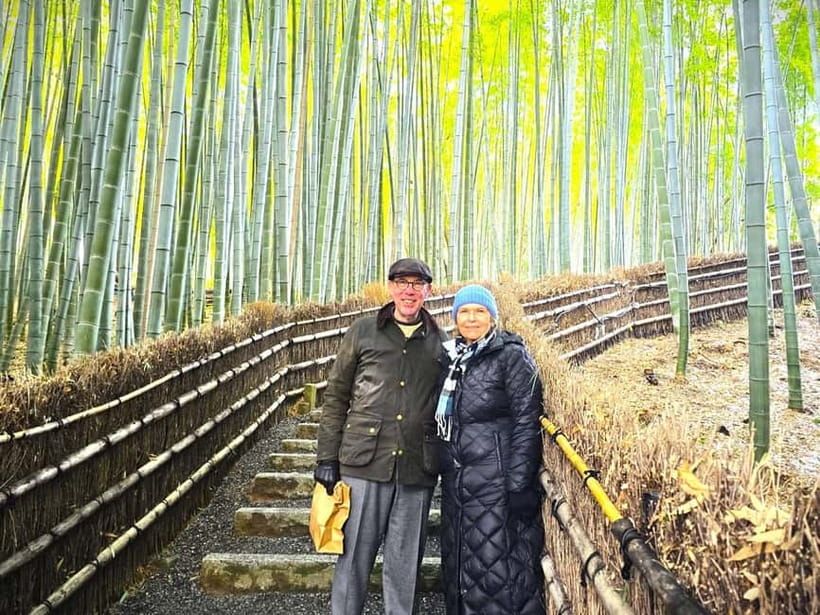
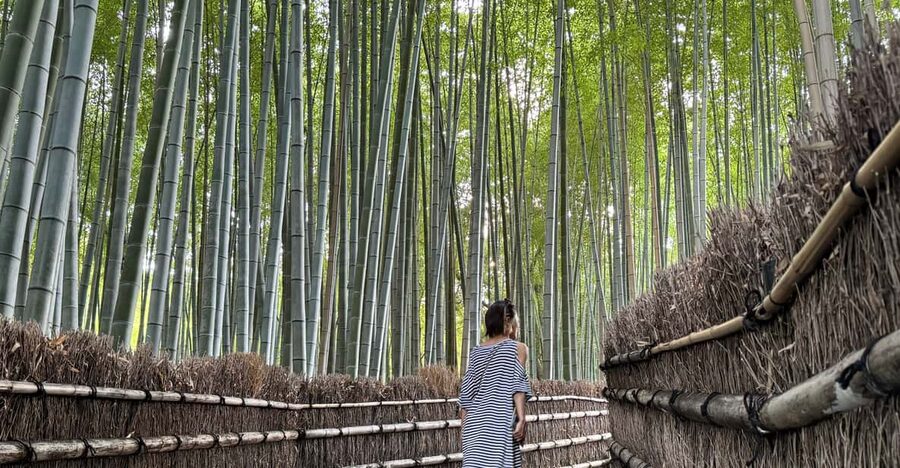
The bamboo forest receives only about five minutes as a photo stop. That may sound short, but it reflects the main strength of this experience: the bamboo is one part of the route, not the entire event.
You will have time to take a picture in front of the bamboo and enjoy the tall green stalks around the path. Your guide can also help with the practical side of the stop, such as where to stand for a photograph and when to move on.
The bamboo area is visually powerful but easy to treat as a quick backdrop. The route becomes more interesting once you continue beyond it. Instead of returning immediately to the station, you head toward Otagi Nenbutsuji and the older streets of northern Arashiyama.
That makes this a good choice if you want the classic bamboo photograph but also want a stronger sense of place. It is less suitable if your main goal is to spend a long time quietly walking through the bamboo grove.
Otagi Nenbutsuji and its 1,200 stone faces
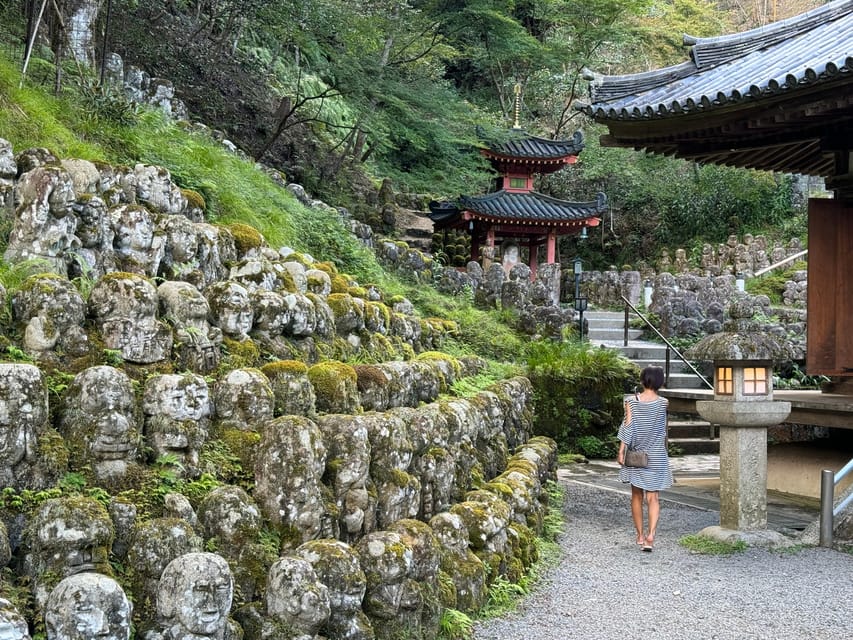
Otagi Nenbutsuji is the most playful stop on the route. Its grounds contain 1,200 stone statues, many with distinct expressions and poses. You might see faces that look cheerful, surprised, mischievous, or simply odd.
This is not the polished, formal temple image that many people picture before visiting Kyoto. The statues give the grounds a human and slightly humorous character. Each figure feels individual, which makes the visit rewarding for careful looking rather than a quick glance from the entrance.
The scheduled visit lasts about 30 minutes, and admission is included. That is useful because you can focus on the grounds and the guide’s explanation instead of handling another ticket during the walk.
A guide is especially helpful here. Without context, you may simply notice a large collection of unusual statues. With an explanation of the temple and Buddhist traditions, the site becomes easier to understand as part of Kyoto’s religious culture.
The stone figures also make this a strong stop for families and for anyone who finds standard temple visits repetitive. You can look at the statues together, compare expressions, and ask questions. The setting is still a temple, so respectful behavior matters, but the atmosphere is more approachable than solemn.
Same trip, a completely different kind of day:
- PERFECT KYOTO 1-Day Bus Tour
★ 5.0 · 13,518 reviews - Kyoto: Fushimi Inari, Kinkakuji, Bamboo Grove 1 Day Bus Tour
★ 4.8 · 4,316 reviews - Kyoto: Tea Ceremony in a Traditional Tea House in Kiyomizu
★ 4.9 · 3,519 reviews - Kyoto: Tea Ceremony Ju-An at Jotokuji Temple
★ 4.9 · 3,207 reviews
Adashino Nenbutsuji and the field of stone memorials
The next temple has a very different mood. Adashino Nenbutsuji is known for around 8,000 stone images and pagodas, creating a dense field of memorial forms across the grounds.
This is the point where the tour shifts from playful to reflective. The number of figures is difficult to grasp until you see them gathered together. Your guide can explain the religious and local meaning of the site, helping you understand why so many stone images are present.
The scheduled visit is about 30 minutes, and admission is included. That gives you enough time to walk through the grounds, take in the scale, and pause for photographs where appropriate.
The stone figures are sometimes described simply as stone heads, but the site deserves more attention than a quick unusual-photo stop. The experience works best when you slow down and let the setting change the pace of the afternoon. If your interests include Buddhist thought, memorial customs, or the way religion appears in daily Japanese culture, this is one of the most useful parts of the tour.
It is also a reason to choose this walk instead of a route focused only on the bamboo forest. The two temples show very different sides of Arashiyama.
Saga Toriimoto’s old houses and local shops
From Adashino Nenbutsuji, the walk continues through Saga Toriimoto Preserved Street. This is one of the most attractive sections for anyone who wants to see traditional Japanese architecture outside a formal temple compound.
The street is lined with traditional houses, giving you a chance to see how the older part of the district looks as a lived-in historic setting. The schedule allows about 30 minutes for a guided walk, which is enough to notice details while still keeping the outing moving.
You may visit local shops along the way, including a cocoon dolls shop and a Washi paper shop. These are small details, but they add a useful connection to local craft. Instead of treating Kyoto as a series of temple gates, you get a glimpse of objects and skills connected to the area’s everyday culture.
The shop visits are not presented as a meal break or a shopping session. Food and drinks are not included, and souvenirs are your own expense. If you enjoy browsing, you may want to bring a little extra time or money, but do not expect a long retail stop built into the four-hour plan.
The preserved street also gives your guide a natural place to explain Okusaga and Arashiyama. This is where the route feels least like a checklist and most like a neighborhood walk.
Seiryoji Temple and the return to the station
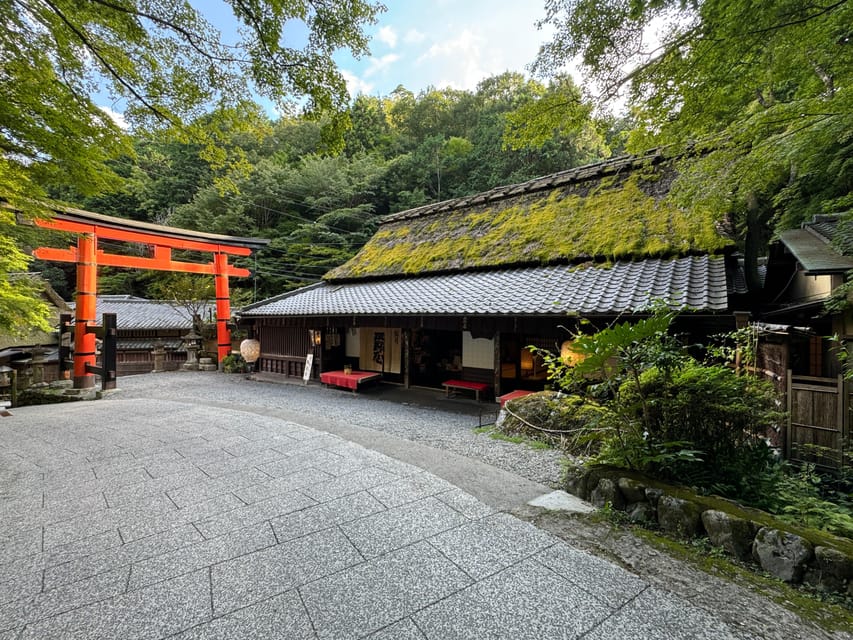
Seiryoji Temple is the final named temple stop, with about 15 minutes set aside for a visit. It comes after the older streets and shops, so it acts as a final cultural note before the walk returns to Saga Arashiyama Station.
A 15-minute visit is brief. You should not expect a detailed tour of every building or a long period for independent exploration. Instead, the stop gives you one more chance to see a temple setting and ask your guide about what you have encountered during the afternoon.
The tour finishes back at Saga Arashiyama Station. Ending where you began is practical, especially if you plan to continue sightseeing, catch a train, or meet someone elsewhere in Kyoto.
What the guides add to the walk
The guides speak English or Japanese, and the experience is available as a private or small-group tour. That format matters here because the route has many moments where a question can improve the visit.
Several guides have received particularly warm praise for their personal approach. Yoshi was noted for explaining Japanese culture and history clearly, including Buddhist philosophy and temple traditions. He also helped with a taxi recommendation and offered additional help after the tour, which suggests a useful level of local care, though extra assistance should not be treated as part of the fixed schedule.
Megumi was described as friendly, cheerful, and good company while still keeping the tour informative. Kana led a relaxed walk that connected the bamboo, river, streets, and temples, while Juraj was especially effective at explaining Buddhism, temples, and different sects in English and Japanese.
Juliette can also speak French as well as English, according to the information provided. Guide assignments can vary, so you should not assume one particular person will lead your departure. The consistent point is that the tour depends heavily on the guide’s ability to answer questions and explain the setting.
If you like to ask about customs, food, language, religion, or daily life, a small group or private format should suit you better than a large sightseeing group. If you prefer to move at your own pace and spend as long as you want at each temple, an unguided visit may give you more freedom.
Walking effort, timing, and what to bring
This is a walking tour with a moderate amount of walking. You move between the station, bridge, park, bamboo forest, temples, preserved street, and final temple. The schedule includes several short visits rather than one long stop, so you should be comfortable walking, standing, and getting back on the route after each explanation.
Wear comfortable shoes. This is the most important practical tip. Bring water and a camera, since photographs are part of the experience, especially at the bridge, park viewpoint, bamboo forest, and Otagi Nenbutsuji.
Smoking is not allowed during the activity. Food and drinks are not included, so plan separately if you need a snack or meal before or after the walk.
The tour is not suitable for people with mobility impairments or wheelchair users. The information does not provide a detailed surface description or step count, so anyone with walking concerns should ask the provider before booking rather than rely on the general four-hour duration.
Is $83 a fair price?
At $83 per person, this is not the cheapest way to see Arashiyama. The value comes from the amount packed into four hours and from the included local guide and admissions to Otagi Nenbutsuji and Adashino Nenbutsuji.
You are paying for more than a route map. The guide explains the history of Okusaga and Arashiyama, introduces the temples, and helps make sense of the statues and traditional streets. That can be worthwhile in Kyoto, where a beautiful site may offer little explanation in English.
The private or small-group option also changes the value. If your group wants to ask questions about Buddhism, customs, language, or local food, the cost may feel reasonable. A larger group would usually make those exchanges less personal, though the exact group size is not stated.
The price is less attractive if you only want the bamboo forest and Togetsu Bridge. Those sights can be visited without a four-hour guided walk. The tour earns its price through the two temple admissions, the less familiar northern route, and the cultural explanation between the headline stops.
Who should book this Arashiyama experience?
I would choose this walk if you want the famous bamboo forest but do not want your entire Arashiyama visit to revolve around one crowded photo stop. It is also a strong fit if you enjoy temples, old streets, Buddhist culture, and unusual details such as the faces at Otagi Nenbutsuji.
Families with older children and teenagers may appreciate the variety. The stone statues are easier to engage with than a long sequence of similar temple buildings, and the route includes photographs, shops, river scenery, and stories.
You should think twice if you have limited mobility, dislike walking, or want a relaxed day with long periods at each site. The schedule is active, the stops are fairly short, and the route covers several locations in four hours.
Book it if you want structure, context, and a route that goes beyond central Arashiyama. Skip it if you prefer complete independence or only need a quick visit to the bamboo forest.
FAQ
Where does the tour begin?
Meet the guide in front of the ticket gate at Saga Arashiyama Station. The guide will hold a yellow sign with the DeepExperience logo.
Where does the tour finish?
The tour finishes back at Saga Arashiyama Station.
How long does the experience last?
The tour lasts four hours.
What languages are available?
Live guiding is available in English and Japanese.
Is this a private tour or a group tour?
Private and small-group options are available.
Is admission to the temples included?
Admission to Otagi Nenbutsuji Temple and Adashino Nenbutsuji Temple is included.
Are food and drinks included?
No. Food and drinks are not included in the price.
What should I bring?
Bring comfortable walking shoes, water, and a camera.
Is the tour suitable for wheelchair users?
No. The experience is not suitable for wheelchair users or people with mobility impairments.
Can I cancel for a full refund?
You can cancel up to 24 hours in advance for a full refund.
Just added around Kyoto
- Sekka Cotton Furoshiki Class★ 5.0 · 19 reviews
- Kyoto Sword Experience – includes Museum Ticket/Ninja Experience★ 4.5 · 149 reviews
- Scenic Green Tea Fields of Hidden Kyoto & Local Tea Exp (Private)★ 5.0 · 32 reviews
- Secret Eastern Kyoto Biking Adventure★ 5.0 · 44 reviews
- Private Sake Tasting in Central Kyoto with Sake Sommelier★ 5.0 · 32 reviews
- Samurai School in Kyoto: Samurai for a Day★ 5.0 · 202 reviews
- SHIRAKAWA Japanese Culture Experiences with private English staff★ 5.0 · 16 reviews
- A Privately Guided Photoshoot in Beautiful Kyoto by a Pro★ 5.0 · 18 reviews
Hidden Gems Tours, compared.
Kyoto Geisha Walking Tour: Gion District & Hidden Gems
Our verdict →
Small Group, Big Flavors & Hidden Local Secrets Tour
Our verdict →Browse the lists this tour appears in