
Reviewed · TEA CEREMONY EXPERIENCES
Kyoto: 45-Minute Tea Ceremony Lesson Experience
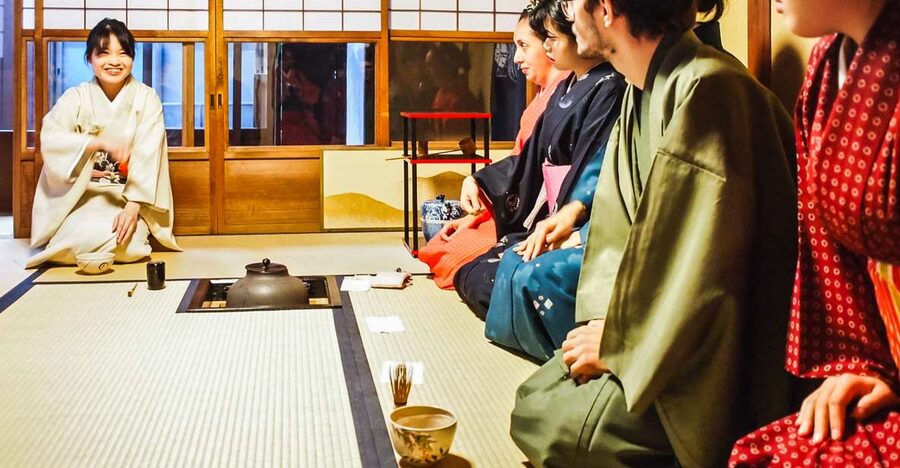
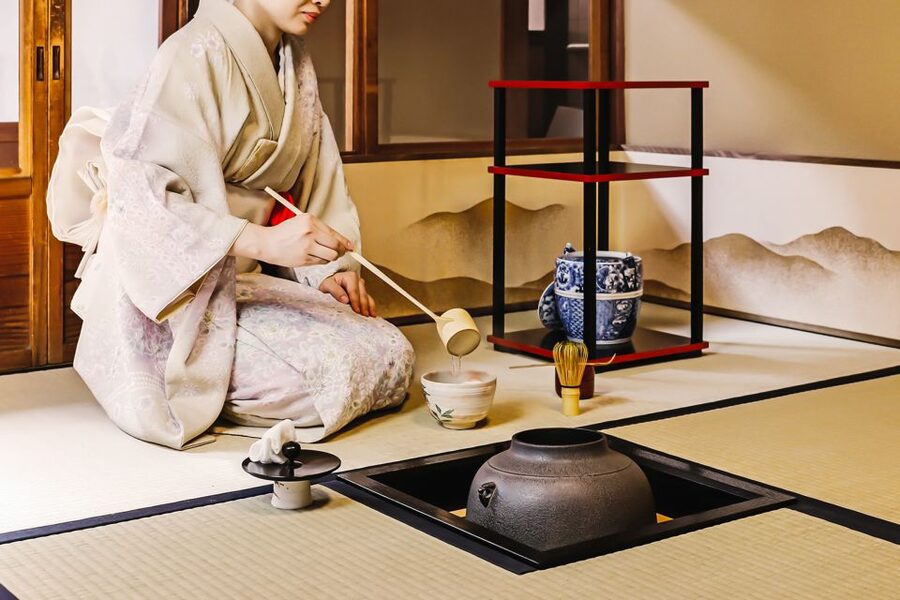
This is not a quick matcha demonstration dressed up for sightseeing. At Tea Ceremony Koto, a licensed Urasenke tea master teaches the full thin-tea ceremony, including its manners, gestures, and careful order. You sit on tatami, watch the host prepare matcha, then make tea yourself.
I like the clear cultural focus and the chance to ask about why each movement matters. I also like the setting near Kinkakuji, where you can pair the lesson with one of Kyoto’s major sights. At $22 per person, two teas, sweets, and hands-on instruction make this a strong value.
The main thing to consider is the pace. Forty-five minutes passes quickly, and the ceremony follows real rules rather than a loose tourist version. If you want a casual photo session with tea on the side, this may feel formal or rushed.
Key details before you book
- A real lesson, not just a performance: You watch the tea master, then prepare your own matcha.
- Urasenke instruction: The host comes from Japan’s largest tea ceremony school.
- Two green teas and Japanese sweets: The tasting helps you notice how preparation affects flavor.
- Near Kinkakuji: The meeting point is one minute from the temple gate and the Kinkakuji-Michi bus stop.
- Four ways to attend: Pick public, private, candlelight, or a session with a kimono add-on.
- Traditional manners matter: Video recording is not allowed, and the class expects quiet attention.
Why this Kyoto tea lesson feels different
Kyoto has no shortage of tea experiences. Some are built around dressing up, taking pictures, and sampling matcha. This one puts the ceremony itself first.
Tea Ceremony Koto explains that it teaches beginners in much the same way it teaches Japanese students. That choice shapes the whole visit. You are not simply handed a bowl and told to whisk until frothy. You learn how to sit, observe, handle the tea bowl, and follow the order of the ritual.
That makes the class more rewarding if you care about Japanese culture. It also means you need to pay attention. The ceremony has basic rules, and the provider asks you to read its short guide about what to do and what not to do before arriving. This preparation is worth your time because it helps you avoid an awkward mistake once you are on the tatami.
The tone is calm and respectful. Phones may be used for photos after the ceremony, but video recording is not allowed. I see that as a fair trade. You get a quieter room and a better chance to notice the small actions that usually disappear when everyone is filming.
More Tea Ceremony Experiences in Kyoto
- Kyoto: Tea Ceremony in a Traditional Tea House in Kiyomizu
★ 4.9 · 3,519 reviews - Kyoto: Tea Ceremony Ju-An at Jotokuji Temple
★ 4.9 · 3,207 reviews - Kyoto: Table-Style Tea Ceremony at a Kyo-Machiya
★ 4.9 · 1,211 reviews
Arriving beside Kinkakuji
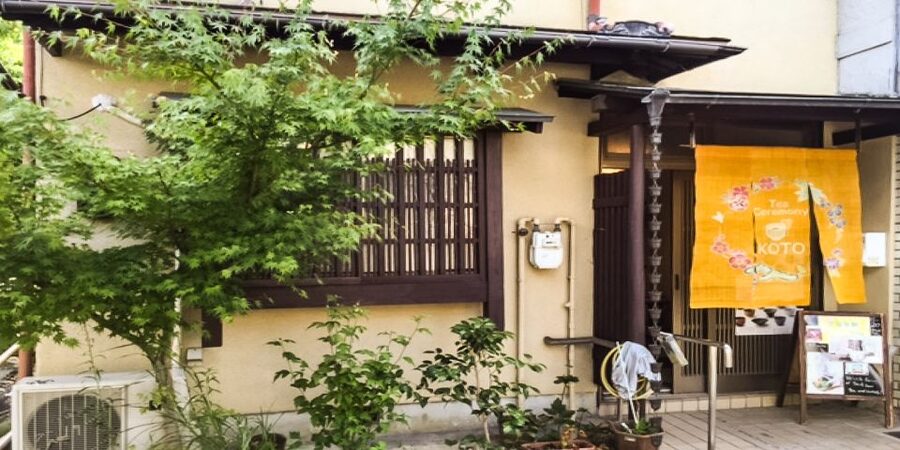
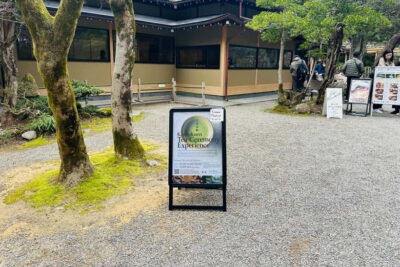
The meeting point is easy to pair with a visit to the Golden Pavilion. Enter through the sliding door marked by an orange curtain. The building is a one-minute walk from the Kinkakuji-Michi city bus stop and about one minute from the temple gate, next to the bicycle parking area.
From Kitaoji subway station or JR Enmachi, city buses 204 or 205 take roughly 10 to 15 minutes. You will need to allow time for the bus ride and for finding the entrance, especially if you are coming directly from Kinkakuji.
The location is one of the practical strengths of this activity. You can visit Kinkakuji first, then attend the tea ceremony while the details of the temple are still fresh. Or schedule tea first and use the nearby temple as your next stop. Check the exact starting time when you book, since the activity runs for only 45 minutes and does not offer hotel pick-up.
If you choose the kimono add-on, arrive 20 minutes early. It must be reserved in advance. The staff cannot reliably add it at the door, and hair setting is not included.
The first lesson on tatami
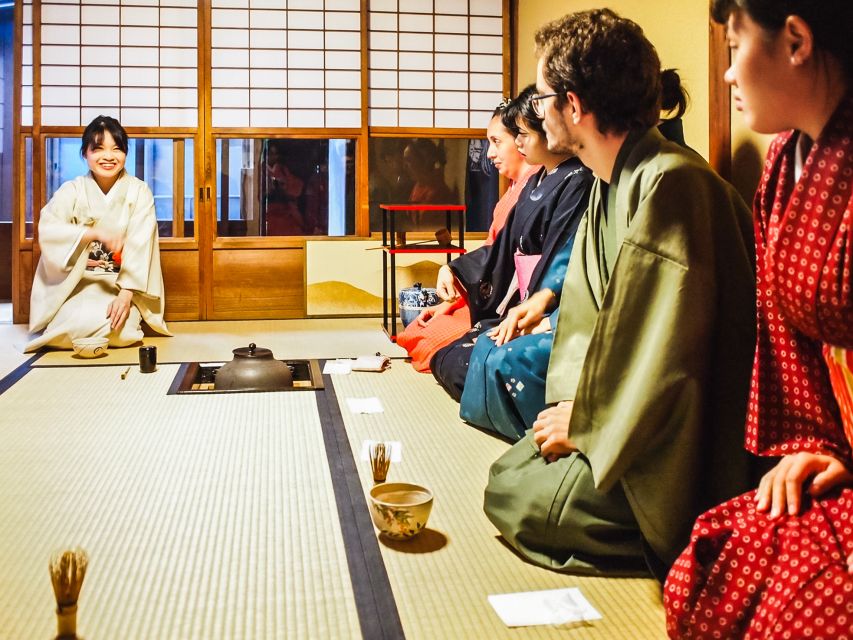
You take your place on a tatami mat and meet the English-speaking host. The instructor also speaks Japanese, and several sessions have been led by a host called Joseph. The exact instructor may vary, but the key point is that the lesson is conducted by a licensed Urasenke tea master.
First, you watch. The host prepares powdered green tea with measured movements and explains what is happening as the ceremony unfolds. This is the part where the quiet pace makes sense. The tea ceremony is not only about drinking matcha. It is about attention, hospitality, season, objects, and the relationship between the person serving and the person receiving the tea.
You will learn that each action has a place. The way the bowl is handled, the way the tea is whisked, and the way you receive it all fit into a set sequence. Some of the rules may seem fussy at first, but the instructor connects them to the spirit of the ceremony rather than presenting them as empty etiquette.
English explanations are a major part of the value. You are not expected to understand Japanese gestures by watching silently. The host explains the history and spiritual role of tea ceremony and answers questions about the tea, the bowls, and the customs around serving.
Making your own matcha
After the demonstration, you make tea yourself. This hands-on part turns the lesson from something you watch into something you practice.
The host shows you the correct method and explains how preparation changes the taste. You will notice that matcha is not simply a sweet green drink. It has a distinct bitterness and texture, and your technique affects the final bowl. The lesson includes two flavors of Japanese green tea, giving you a useful comparison rather than one isolated taste.
You also receive traditional Japanese sweets. Their sweetness works with the tea’s sharper flavor and gives you the classic balance of matcha and wagashi-style treats. If you normally avoid matcha because it tastes too bitter, this is still worth trying. The quality of the tea and the sweet pairing can make it more approachable, though you should not expect a sugary café drink.
The practical lesson is simple: follow the host closely and do not worry about getting every movement perfect. The instructor is there to guide beginners. Still, the class is more satisfying if you accept that you are learning a formal art, not rushing through a craft activity.
Same trip, a completely different kind of day:
- PERFECT KYOTO 1-Day Bus Tour
★ 5.0 · 13,518 reviews - Kyoto: Fushimi Inari, Kinkakuji, Bamboo Grove 1 Day Bus Tour
★ 4.8 · 4,316 reviews - Kyoto Geisha Walking Tour: Gion District & Hidden Gems
★ 4.7 · 3,273 reviews - Kyoto: Gion Magical Night Walking Tour with Geisha Trivia
★ 4.9 · 2,393 reviews
Two tea ceremony formats: public or private
The public option places you with a small group. This gives the lesson a social feel and lets you share the experience with other people learning the same customs. It is likely the better choice if you want the lower price and do not need personal attention at every step.
The private option is for your own group. You receive closer attention from the tea master and can take the ritual at a slower, more personal pace. Couples, families, and anyone who wants a quiet setting should look closely at this choice. The private format may also suit you if you have many questions or need a chair because sitting on the floor is difficult.
A private booking does not turn the ceremony into a casual activity. The same basic rules still apply. You are paying for space, attention, and a more intimate setting, not for a shortened or simplified ritual.
The candlelight ceremony after sunset
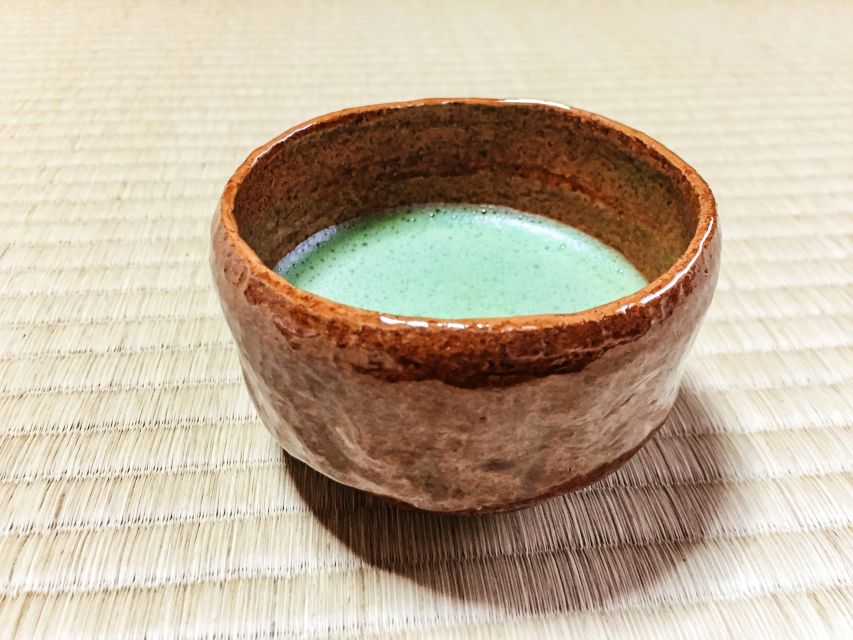
The candlelight option gives the room a different mood. Traditional candlelight creates a subdued atmosphere that recalls old Kyoto, and the ceremony becomes a suitable evening activity after sightseeing.
This option is especially appealing if you want the setting to feel special without adding another long event to your day. It is still a 45-minute lesson, so you get the same basic structure: demonstration, explanation, participation, tea, and sweets.
The candlelight session is not the best fit if you want a lively group class or bright conditions for detailed photographs. It works better for couples, families, and anyone drawn to a quiet evening ritual. If you add the kimono option, the combination makes for a more formal and memorable visit, but allow the extra arrival time.
Adding a kimono and photos
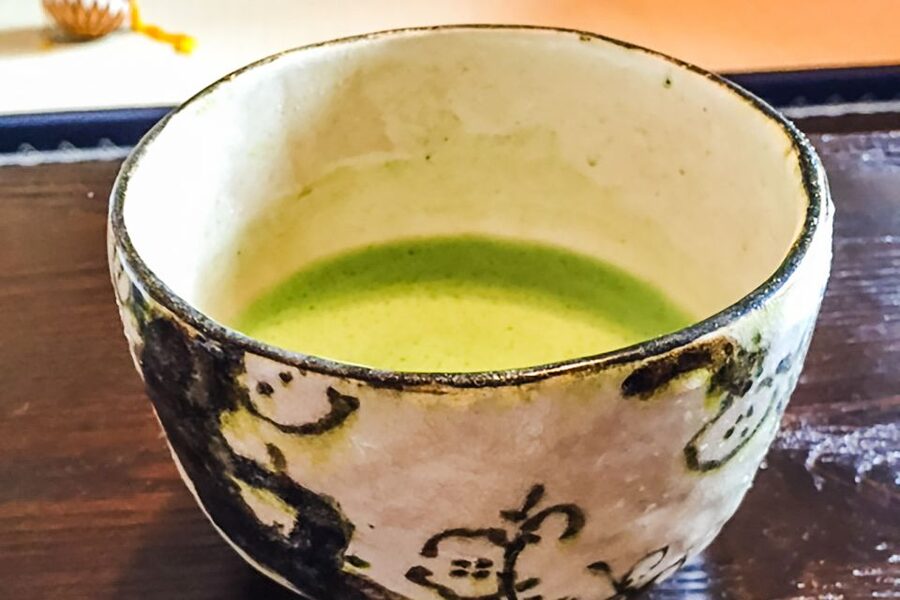
A kimono is available as an add-on, not as part of the basic $22 price. You need to reserve it when booking and arrive 20 minutes early. Hair setting is not included.
The staff helps you put on the garment, and you can take photos during the appropriate part of the visit. The kimono adds visual appeal, but it also changes the time needed before the ceremony. Do not arrive at the normal start time and expect to fit in the dressing process.
After the ceremony, you can take photographs and look at examples of kimonos and woven textiles from Kyoto’s Nishijin district. This is a nice closing moment because it connects the tea room to another local craft tradition. Just remember the important boundary: photos are allowed, but video recording is not.
If you are choosing between a plain lesson and the kimono add-on, ask yourself what you want from the visit. Choose the basic option for a focused cultural class. Add the kimono if clothing, photographs, and a more ceremonial appearance matter to you.
Sitting on the floor and other practical details
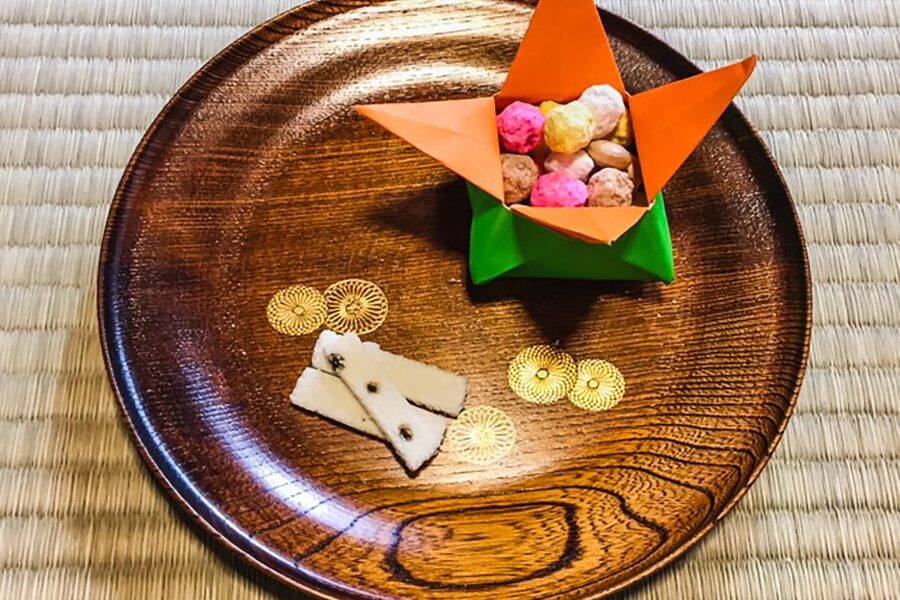
The ceremony takes place on tatami, so you should expect to sit on the floor. If this may be difficult, tell the provider in advance. Chairs can be supplied, which makes the activity more accessible without forcing you to skip it.
There is no dress code. Wear something comfortable enough for sitting and, if you choose the kimono, something that works under the garment. The tea room is a place for quiet attention, so avoid treating it like a loud photo studio.
You should also plan your departure. Calling a taxi immediately after the activity can be difficult because taxi companies may not answer at once. A large taxi stand is in front of the activity location and usually opens around 5:30 PM. If your session ends earlier, buses are the more dependable option based on the listed routes.
The provider offers free cancellation up to 24 hours before the start time and lets you reserve now and pay later. Those terms are useful if your Kyoto schedule depends on weather, temple hours, or a shifting bus plan.
Is $22 a fair price?
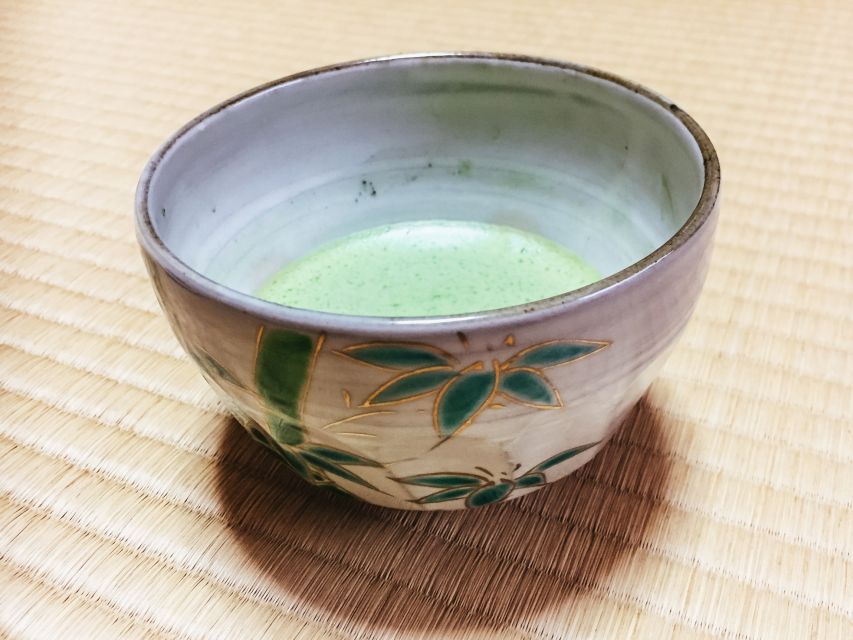
At $22 per person, this is one of the more affordable ways to receive direct instruction from a licensed tea master. The basic fee includes two types of Japanese green tea, traditional sweets, the demonstration, and the chance to prepare tea yourself.
The value comes from the teaching, not the amount of food. You are not paying for a long tasting menu or a full afternoon program. You are paying for a compact cultural lesson that fits easily into a Kyoto sightseeing day.
The 45-minute length is both a strength and a limitation. It is short enough for families and busy schedules. It is long enough to see the host perform the ritual and try the method yourself. At the same time, the final minutes can feel tight if you have many questions, want lots of photographs, or choose the kimono option.
You may find the experience excellent value if you want a real introduction without committing to a longer tea school visit. If you expect a slow, meditative ceremony lasting several hours, choose another format or ask about a private session.
Who should book this tea ceremony?
I would choose this for you if you want to understand why the tea ceremony works as it does, not just take part in a pretty ritual. It suits first-time visitors to Japan, couples, families, and anyone interested in traditional arts.
It also works well for people who are unsure about matcha. The explanation of preparation and the two tea flavors give you more context than a single cup at a café. Children may enjoy making the tea, but parents should explain beforehand that this is a quiet class with manners to follow.
The activity is less suitable if you dislike sitting on the floor, want unrestricted filming, or prefer a fast and informal attraction. You can request a chair, but the ceremony remains formal. The no-video rule is firm.
The calm style is part of the point. Most instructors are polite and clear, and several sessions have been praised for patient explanations. One or two comments describe a host as abrupt, so do not expect every teaching style to feel equally warm. The lesson depends on careful instruction and respect for the form, not constant banter.
Final verdict: a strong first tea ceremony in Kyoto
Book this Tea Ceremony Koto lesson if you want a short, authentic introduction to Japanese tea culture near Kinkakuji. The licensed Urasenke instruction, hands-on matcha preparation, sweets, and clear explanation make the $22 base price hard to fault.
Choose the private option if personal attention matters. Choose candlelight for a quieter evening mood. Add the kimono if photographs and traditional dress are central to your plan.
Skip it if you want a relaxed drink with no etiquette or if you cannot spare focused attention for 45 minutes. For everyone else, this is a thoughtful way to slow down in Kyoto and learn why a bowl of tea can carry so much meaning.
FAQ
How long does the Kyoto tea ceremony last?
The tea ceremony lesson lasts 45 minutes.
How much does the basic tea ceremony cost?
The listed price is $22 per person. A kimono is available as an additional paid option.
What is included in the experience?
The experience includes two flavors of Japanese green tea, traditional Japanese sweets, a tea ceremony demonstration, explanations from the tea master, and the chance to prepare your own matcha.
Is the ceremony conducted in English?
Yes. The instructors speak English and Japanese.
Can I choose a private ceremony?
Yes. Private group bookings are available. You can also choose a public small-group session or a candlelight session.
Can I wear a kimono?
Yes, but the kimono must be reserved as an add-on in advance. Arrive 20 minutes early if you book it. Hair setting is not included.
Are photos and videos allowed?
Photos are allowed after the ceremony and during the appropriate parts of the experience. Video recording is not allowed.
Just added around Kyoto
- Sekka Cotton Furoshiki Class★ 5.0 · 19 reviews
- Kyoto Sword Experience – includes Museum Ticket/Ninja Experience★ 4.5 · 149 reviews
- Scenic Green Tea Fields of Hidden Kyoto & Local Tea Exp (Private)★ 5.0 · 32 reviews
- Secret Eastern Kyoto Biking Adventure★ 5.0 · 44 reviews
- Private Sake Tasting in Central Kyoto with Sake Sommelier★ 5.0 · 32 reviews
- Samurai School in Kyoto: Samurai for a Day★ 5.0 · 202 reviews
- Samurai Performance and Casual Experience: Kyoto Ticket★ 4.5 · 115 reviews
- SHIRAKAWA Japanese Culture Experiences with private English staff★ 5.0 · 16 reviews
Tea Ceremony Experiences, compared.

Tea Ceremony in a Traditional Tea House in Kiyomizu
Our verdict →

World Heritage Kyoto & Nara Uji Authentic Matcha Experience
Our verdict →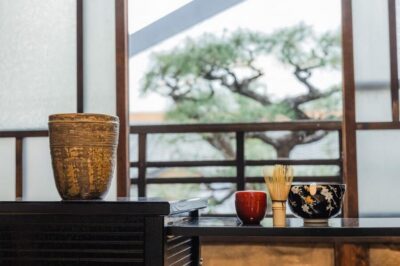


Arashiyama Bamboo Forest, Monkeys, Matcha & Temple Tour
Our verdict →
Browse the lists this tour appears in