
Reviewed · TEA CEREMONY EXPERIENCES
Kyoto: Kimono and Tea Ceremony Experience at Cultural Asset
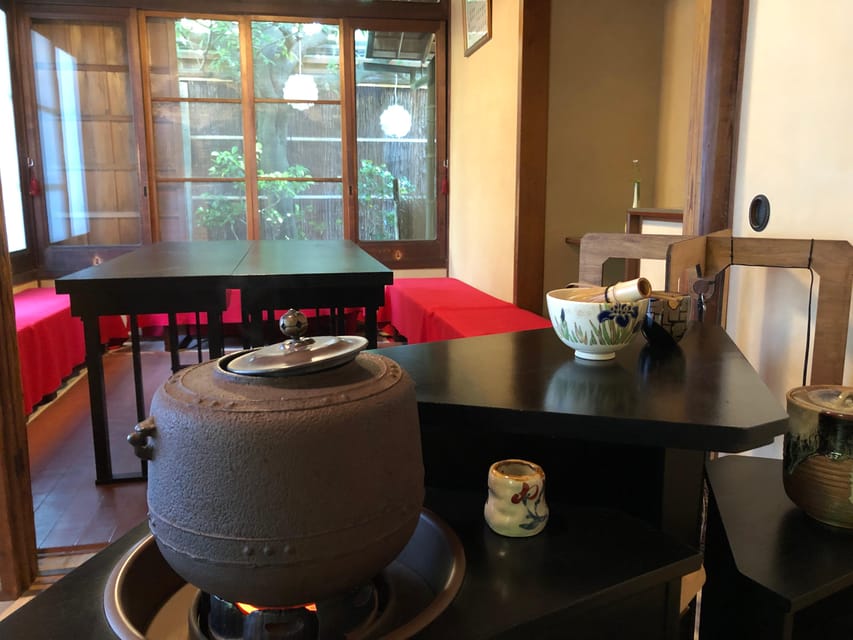
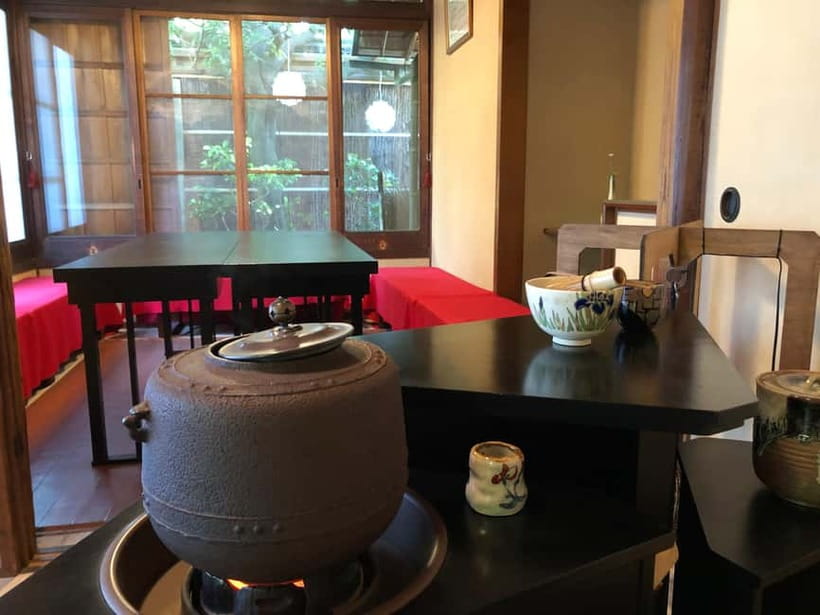
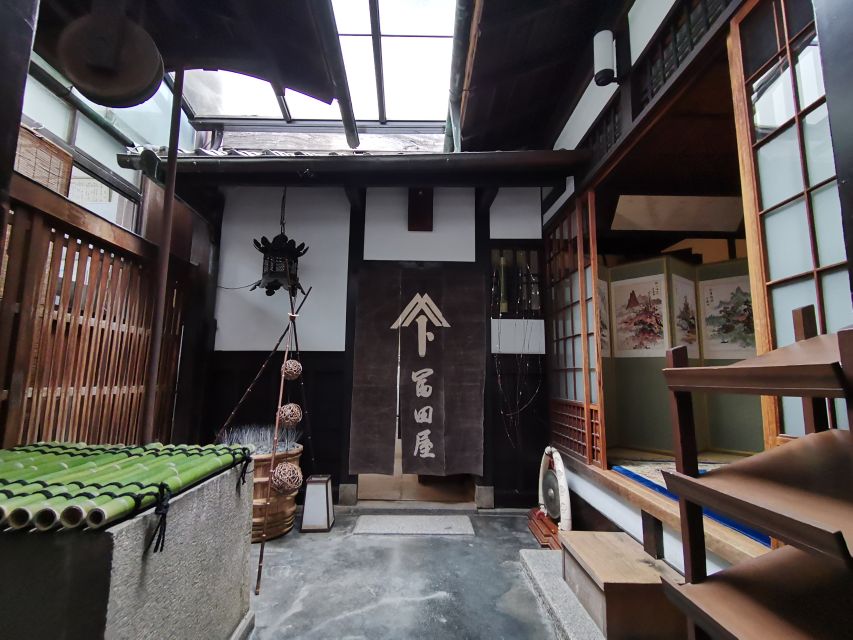
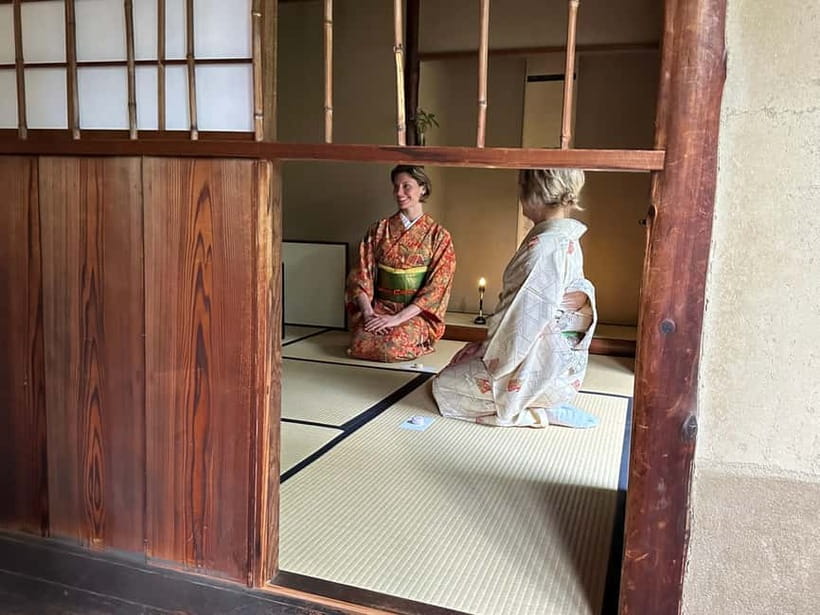
The most memorable part of this Kyoto experience is the setting: Tondaya is a 140-year-old machiya, not a modern studio dressed up for tourists. You move through old woodwork, gardens, tea rooms, and household objects before watching a tea ceremony in the same traditional building.
I like the chance to wear a proper silk kimono and the generous time for photographs. I also like that the tea ceremony is explained instead of treated as a silent show. The main catch is the group format. A crowded room, late arrivals, phone use, or limited English can take some calm out of the ceremony.
Key points to know before you book
- A real Kyoto machiya: Tondaya is a nationally registered cultural property with 140 years of history.
- Silk kimono dressing: Staff help you select and put on a high-quality kimono, though size and pattern choices may vary.
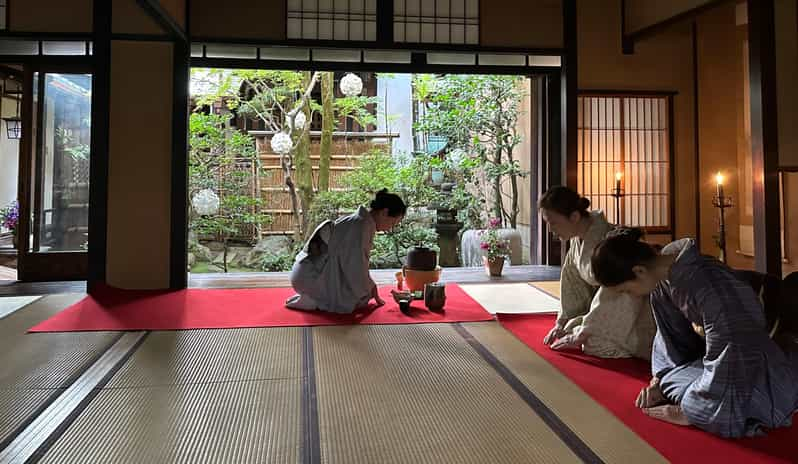
- Tea ceremony in the house: You watch an experienced tea master prepare and serve matcha in a traditional room.
- Photo-friendly setting: The house, interior gardens, woodwork, and kimono provide far better photographs than a plain rental shop.
- Group atmosphere: The standard experience may include other participants, waiting, and a less private ceremony.
- Bring socks: Bare feet are not allowed, and stockings are discouraged.
Entering Tondaya, Kyoto’s 140-year-old machiya
Tondaya is in Kyoto’s Kamigyo Ward, at 697 Ishiyakushichō. The address takes you away from the postcard version of Kyoto and into a traditional neighborhood setting. This matters because the building itself is part of the activity, not just a convenient room for changing clothes.
A machiya is a traditional Kyoto townhouse, usually long and narrow, with carefully finished wooden details and interior spaces arranged around small gardens. At Tondaya, the house contains historic objects and rooms that help explain how older Kyoto households were organized. You are not simply borrowing a costume and posing against a screen.
The house is also recognized by the Kyoto City Government as a culturally significant property. That gives the visit more weight than a standard kimono rental. You get a sense of the building’s age, craft, and continued use as a place for traditional arts.
The house tour is part of the experience, and it can be one of the quieter highlights. Guides explain the property and point out details you could easily miss on your own. English ability varies among staff, so explanations may be given in English, Japanese, or with a translation device. A little patience helps.
More Kimono Experiences in Kyoto
- Kimono Tea Ceremony at Kyoto Maikoya, NISHIKI
★ 5.0 · 911 reviews - Kyoto: Kimono Rental with Hairstyling and Accessories
★ 4.8 · 653 reviews - Kyoto: Kimono Tea Ceremony at Orizuruya Gion
★ 4.9 · 618 reviews
The kimono fitting comes first
Your visit begins in the dressing room, where staff help you choose and put on a kimono. The advertised dressing time is about five minutes, though the full arrival and preparation process can take longer depending on the number of people in your group.
This is not the same as wandering through a rental shop and choosing a look for the day. The staff dress you in a traditional style, and the finished outfit is intended to look right inside the old house. The kimono fitting is one of the most popular parts of the visit because it changes how you experience the building. A plain hallway becomes a setting for photographs, and a tea room feels more formal when you are dressed for it.
Still, expectations matter. The available size and pattern may not be identical for everyone. Taller participants have sometimes received larger kimonos in more solid colors, while smaller sizes offered more printed designs. One participant also found that the fit was not ideal. If you are tall or need a larger size, do not assume that every pattern shown in promotional photographs will be available in your fit.
Wear a loose-necked top so the kimono collar sits properly. Avoid a tight neckline, and bring a dry replacement T-shirt if your shirt is wet. Staff cannot dress you over a wet T-shirt. You must also wear socks. Bare feet are not permitted, and stockings are specifically discouraged.
Hair styling and makeup are not included. If you want a polished photo-session look, plan your own hair and makeup before arriving. The activity focuses on the kimono, the house, and the tea ceremony rather than a full beauty service.
Why the photo time is worth protecting
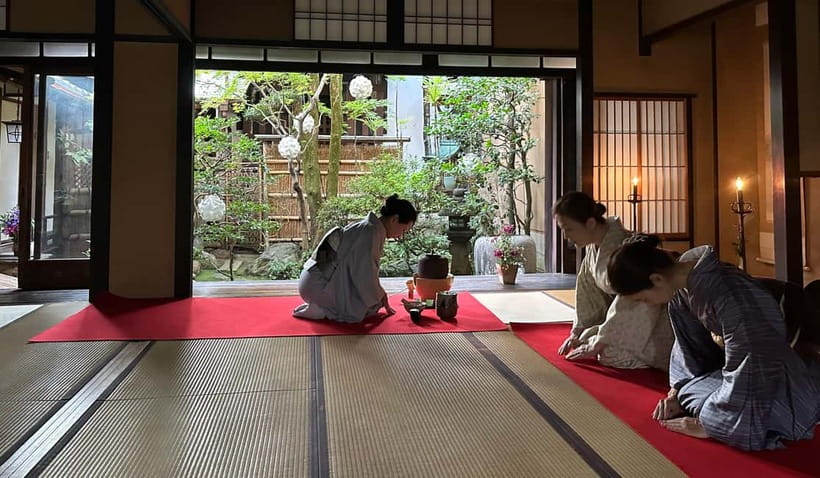
Tondaya gives you time to take your own photographs, and staff may also help take pictures. The house and small gardens provide a more natural backdrop than a rented studio. Wooden corridors, traditional rooms, garden views, and the kimono itself create variety without requiring elaborate posing.
Photos are not allowed while you are being dressed or undressed. That rule is sensible: the dressing room is a working space, and the staff need room to move. Once you are ready, you can take photographs around the property at the appropriate time.
The best approach is to resist rushing straight to the tea room. Use the photo period well. Ask someone in your party to take both full-length images and closer portraits, and make use of the house’s different angles. If the group is large, you may need to wait for a clear spot. The setting photographs as an old home first and a tourist attraction second, which is exactly its appeal.
A few people have been allowed to stay longer for photographs, but that should not be assumed. Your scheduled timing controls the visit, especially on a busy day.
Watching the tea ceremony in a traditional room
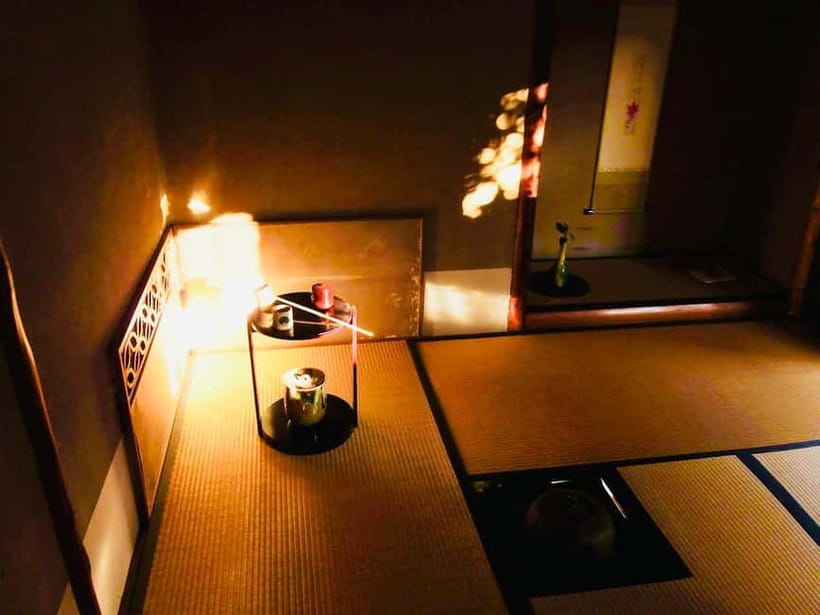
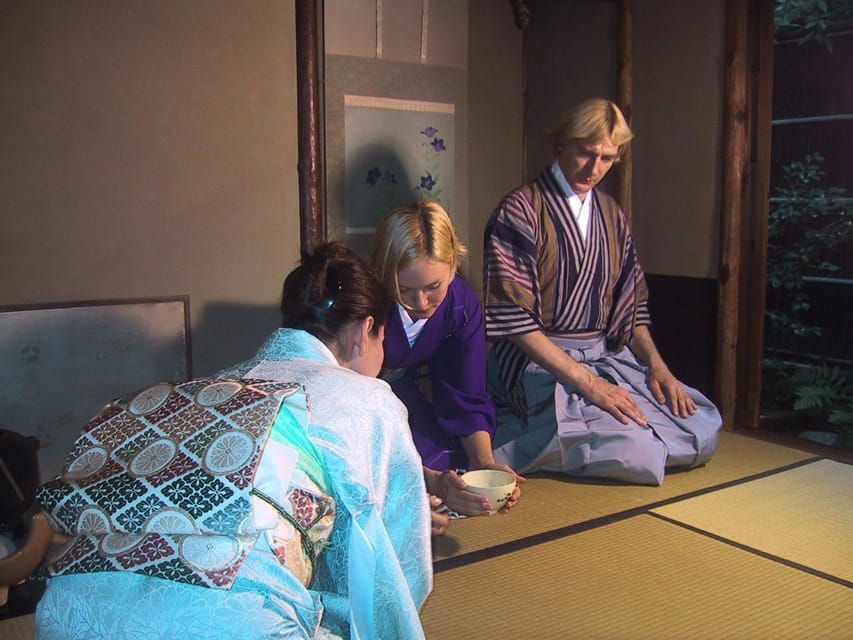
The tea ceremony is performed by an experienced tea master in the machiya. You watch the preparation, serving, gestures, and etiquette at close range. The ceremony is designed as a cultural lesson as well as a performance, so explanations cover what is happening and why.
This is where the quality of the experience depends most on the guide and the group around you. Some sessions include clear English explanations. In others, the guide’s English is limited and a translation app or device may be used. That does not make the ceremony impossible to follow, but it can make the information less detailed or slower to absorb.
You should also expect to sit on the floor for at least part of the ceremony. A small number of chairs may be available, but you should not count on a chair for everyone. If sitting on the floor is difficult, contact the provider before booking rather than arriving with an assumption that seating will be arranged.
The tea ceremony itself is relatively concise within the larger experience. That can be a benefit. You receive an introduction to the customs without committing to a long formal session. The downside is that you may want more time to ask questions or try making the tea yourself. The main activity is watching the tea master, not hands-on whisking.
Please treat this section with care. Phones, loud whispers, filming directly in front of the tea master, and late interruptions can distract everyone. The hosts ask for attention and quiet, and the ceremony is far more enjoyable when the room cooperates.
More Tea Ceremony Experiences in Kyoto
- Kyoto: Tea Ceremony in a Traditional Tea House in Kiyomizu
★ 4.9 · 3,519 reviews - Kyoto: Tea Ceremony Ju-An at Jotokuji Temple
★ 4.9 · 3,207 reviews - Kyoto: 45-Minute Tea Ceremony Lesson Experience
★ 4.3 · 2,378 reviews - Kyoto: Table-Style Tea Ceremony at a Kyo-Machiya
★ 4.9 · 1,211 reviews
The house tour adds meaning to the costume
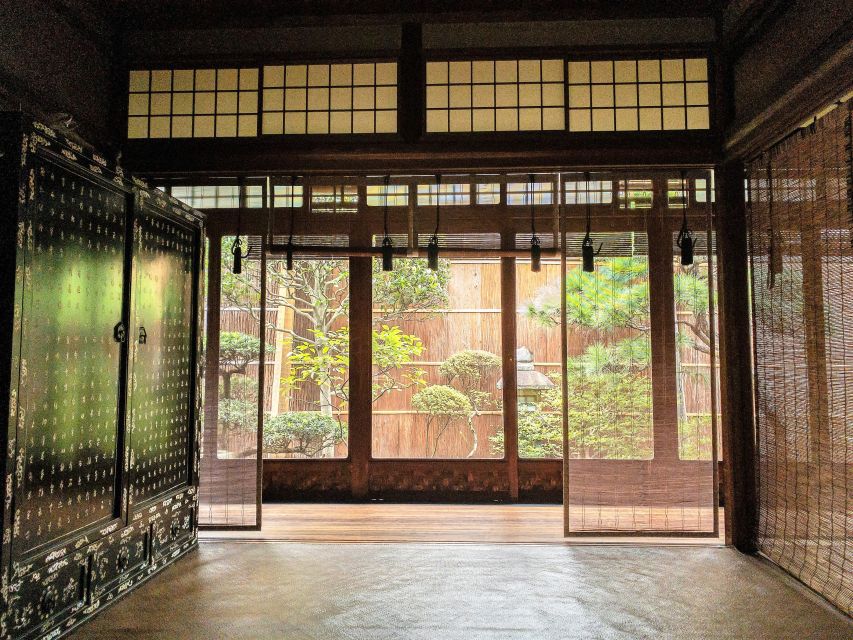
The house tour helps connect the kimono and tea ceremony to a wider part of Japanese culture. Rather than treating the kimono as a photo prop alone, the staff place it inside a traditional home with its own objects, rooms, and history.
The interior gardens are especially useful for photographs and for a pause between activities. The small scale of the house gives you a closer look at construction details than you might get in a large temple complex. Look at the woodwork, thresholds, room proportions, and garden views as you move through the property.
The amount of explanation varies. Some staff members give detailed information about the building, kimono traditions, and the tea ceremony. Others rely more on gestures and translation technology. If you want a lecture on textile history, ask questions directly and be prepared for a mixture of English and translation support.
The people working here are described as experienced in several traditional arts, including tea ceremony, calligraphy, ikebana, and kimono. That wider background helps explain why the visit feels like a cultural program rather than a simple costume change.
Group size can change the mood
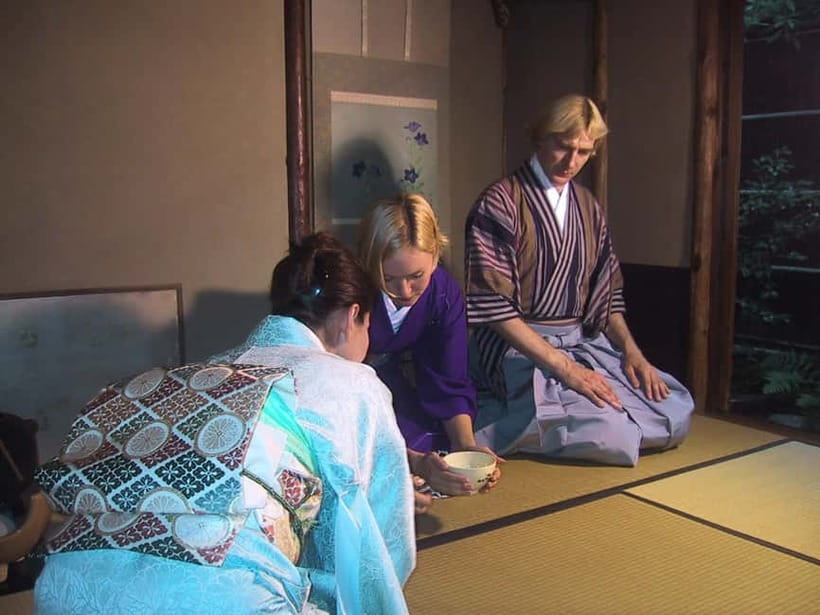
The standard experience is conducted with other participants. The exact feeling may range from a small, calm group to a crowded session with people waiting their turn. Some visitors have had a nearly private experience, while others found the house crowded and the ceremony less enjoyable because too many people were present.
That variation is important when you compare the $222 price. A private option is available, but it costs more than the standard group choice. If the tea ceremony is the main reason you are booking, the private option may offer better value because you can ask questions, see the tea master more clearly, and avoid waiting for a large party.
A group session can still work well if you mainly want the kimono, house, and photographs. You will likely spend less time worrying about a perfectly quiet ceremony because the visual setting carries much of the experience. But if you want a slow, personal introduction to tea culture, privacy is worth serious thought.
Arrive on time. An early arrival may give you more preparation time, but do not expect an early arrival to guarantee an early start. The activity may run from 90 minutes to as long as four hours depending on the chosen format, group arrangements, and timing. Check the starting time and plan the rest of your day with some space around it.
Is $222 a fair price?
At $222 per person, this is an expensive short activity. You are paying for several elements at once: admission to a significant historic property, kimono dressing, use of the house for photographs, a guided property visit, and the tea ceremony.
The price makes more sense if you value the building and the personal photographs as much as the tea. A standard kimono rental may cost less, but it will not necessarily include access to a 140-year-old machiya or a tea ceremony in that setting. You are also paying for staff assistance with the dressing, which is useful if you have never worn a kimono.
The value is weaker if you want only a quick costume photo or a long, detailed tea lesson. The session may feel commercialized when the property is crowded, and the available kimono patterns may not match the most appealing examples in photographs. Language limits can also reduce the educational side of the visit.
The overall rating is 4.3 out of 5 from 306 ratings, which fits the experience’s profile: the setting, staff kindness, kimono dressing, photographs, and tea ceremony are usually the strongest parts. Crowding, uneven English explanations, fit, and group behavior account for most of the reservations.
Free cancellation up to 24 hours before the start and reserve-now, pay-later booking reduce the financial risk. They do not change the basic question: are you paying for a quiet tea lesson, or for a full cultural setting with costume and photographs?
Who will enjoy Tondaya most?
I would recommend this experience to couples, friends, families with older children, and first-time visitors who want one concentrated introduction to several Japanese traditions. It works particularly well if you want memorable photographs but prefer an old home to a modern rental studio.
It is also a good choice for anyone who values atmosphere. The house gives the visit a sense of place that a temporary tea room cannot easily match. The staff’s warmth and willingness to help with photographs add to that appeal.
You may want another option if you dislike group activities, need precise English instruction, cannot sit on the floor, or expect extensive hands-on tea preparation. The private version is the better choice for a quieter visit, but confirm the details and price before booking.
This activity also requires respectful behavior. You will be inside a historic house, handling a traditional garment, and watching a formal ceremony. Put the phone away during the tea service, follow staff instructions, and save the main photo session for the time provided.
Practical details for a smoother visit
The meeting point is Tondaya, Nishijin Japanese Cultural Experience Museum, at 697 Ishiyakushichō, Kamigyo Ward, Kyoto.
Wear comfortable clothing beneath the kimono. Avoid tight necklines and bring a dry T-shirt if there is any chance your shirt may be damp. Pack socks, not stockings, and do not arrive barefoot.
English and Japanese are available, but not every staff member speaks fluent English. A translation device may be used. If a specific cultural question matters to you, ask it clearly and allow extra time for the answer.
The activity includes the entrance fee, tea ceremony, and kimono dressing. Hair styling, makeup, and socks are not included. The experience provider is Tondaya, Co., Ltd.
Should you book this Kyoto experience?
Book it if you want the combination of a historic machiya, silk kimono, photographs, and tea ceremony in one visit. The setting is the real reason to choose Tondaya, and the friendly staff can make the experience feel personal even when the session is busy.
Think twice if you are paying $222 mainly for a detailed tea lesson or a guaranteed quiet room. In that case, select the private option if available and confirm the language support. For the standard session, arrive prepared for some waiting, changing explanations, and a group atmosphere.
My practical choice would be the private format for couples or anyone especially interested in tea culture. For everyone else, Tondaya offers a memorable old-Kyoto setting, but you should book it for the whole package rather than for the tea ceremony alone.
FAQ
Where does the kimono and tea ceremony experience take place?
It takes place at Tondaya, Nishijin Japanese Cultural Experience Museum, at 697 Ishiyakushichō, Kamigyo Ward, Kyoto, Japan.
How long does the experience last?
The stated duration is 90 minutes to four hours. Starting times and the final length depend on availability and the experience option you select.
Is the experience private?
The standard experience is conducted with other participants. A private experience option is available for those who prefer a more personal setting.
What is included in the price?
The price includes entrance to Tondaya, kimono dressing, and the tea ceremony.
What should I bring?
Bring your own socks. Bare feet are not allowed, and stockings are discouraged.
Are hair styling and makeup included?
No. Hair styling and makeup are not included in the activity.
Is the experience available in English?
English and Japanese are listed as available languages. Not all staff members speak English fluently, so a translation device may be used when needed.
Just added around Kyoto
- Sekka Cotton Furoshiki Class★ 5.0 · 19 reviews
- Secret Eastern Kyoto Biking Adventure★ 5.0 · 44 reviews
- Kyoto Sword Experience – includes Museum Ticket/Ninja Experience★ 4.5 · 149 reviews
- Scenic Green Tea Fields of Hidden Kyoto & Local Tea Exp (Private)★ 5.0 · 32 reviews
- Private Sake Tasting in Central Kyoto with Sake Sommelier★ 5.0 · 32 reviews
- Samurai School in Kyoto: Samurai for a Day★ 5.0 · 202 reviews
- SHIRAKAWA Japanese Culture Experiences with private English staff★ 5.0 · 16 reviews
- A Privately Guided Photoshoot in Beautiful Kyoto by a Pro★ 5.0 · 18 reviews
Tea Ceremony Experiences, compared.

Tea Ceremony in a Traditional Tea House in Kiyomizu
Our verdict →


World Heritage Kyoto & Nara Uji Authentic Matcha Experience
Our verdict →

Arashiyama Bamboo Forest, Monkeys, Matcha & Temple Tour
Our verdict →
Browse the lists this tour appears in