Reviewed · PRIVATE
Tokyo, Shaped Around You: A Private Experience with a Local
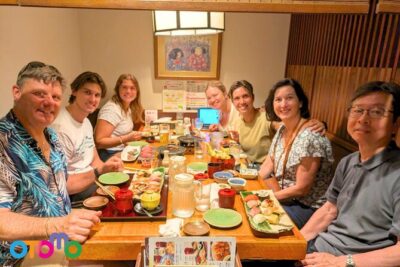
Tokyo is easiest to understand when you stop trying to see all of it. This private City Unscripted experience lets you build a day around your own interests, with a local host such as Shoko, Toshi, Apy, Amir, or Ayaka guiding you through temples, markets, food stops, shopping streets, or the city’s maze-like rail system. I especially like the pre-tour questionnaire and direct contact with your host. You can say you want old Tokyo, anime, gardens, local food, or help using trains, and the route can change to match.
I also like the private format. Your group sets the pace, so a guide can pause for photos, explain a shrine, help order lunch, or make extra stops without waiting for strangers. The main drawback is that this is not a fixed sightseeing circuit. If you want guaranteed entry to specific attractions, a private vehicle, or a complete list of included costs, this may feel too open-ended.
Key points to know before booking
- A private route built around you: Choose temples, markets, food, shopping, neighborhoods, trains, or cultural questions.
- Strong guide involvement before arrival: Your host contacts you after a short questionnaire and helps shape the outing.
- Good first-day choice: Guides such as Lauren and Hiroko have helped visitors learn the rail system, buy tickets, and get oriented.
- A walking tour with flexible transport: You may use trains or taxis between areas, but those costs are extra.
- Tokyo’s many faces in one booking: Possible areas include Shibuya, Asakusa, Yanaka, Harajuku, Shinjuku, Ginza, Kappabashi, and the Tokyo Skytree district.
- A high satisfaction record, with one important caveat: The experience is rated 4.9 from 1,177 reviews and recommended by 97 percent, though guide quality and language ability can vary.
A private Tokyo day instead of a standard route
The best thing about this experience is its flexibility. You are not handed a rigid schedule that forces you through the same five stops as every other group. Before the outing, you complete a short questionnaire and communicate directly with your host. That gives you a chance to explain your interests, walking pace, food preferences, must-see places, and any practical concerns.
This matters in Tokyo because the city is too large for a single sensible route. A family with young children may want the Pokémon Center, animal cafés, and help with trains. A first-time visitor may prefer Meiji Shrine, Asakusa, and a food market. Someone returning to Tokyo may want Yanaka, small shops, and quieter streets.
The experience lasts about two to five hours. That is enough time for a focused neighborhood walk or a short route linking two nearby areas. A five-hour booking can cover more ground, but it will still involve choices. Tokyo rewards a thoughtful plan more than a frantic checklist.
The supplied price is $107.62 per person. The value depends on your group size and how much help you need. You are paying for a private host, planning before the walk, personal attention, and local guidance rather than a bundle of attraction tickets. Food, drinks, admission fees, and transport are not included, so keep extra money available.
A few more Tokyo half-days worth comparing
- 1-Day Tokyo Bus Tour
★ 5.0 · 14,250 reviews - Tokyo: TOKYO SKYTREE® Admission ticket
★ 4.5 · 11,192 reviews - Tokyo: teamLab Planets TOKYO Digital Art Museum Entry Ticket
★ 4.6 · 9,779 reviews
Meeting your host near Harajuku
The listed meeting point is NewDays Harajuku, near the Omotesando Exit, at 1-chome 18-20 Jingumae in Shibuya. The experience ends back at the meeting point. If you are staying in a central accommodation, your host may be able to meet you there instead, which can save time and reduce the stress of finding a busy station entrance.
The exact meeting plan should be confirmed with your host after booking. Tokyo station names and exits can be confusing, especially when several streets and buildings share similar names. If you are new to Japan, ask your host to make the meeting instructions very clear.
Harajuku is also a useful starting area. From here, you can reach Meiji Shrine, Takeshita Street, Omotesando, Shibuya, and other western Tokyo sights. That makes the location practical for a first introduction, though the route may move elsewhere depending on your answers.
Shibuya, where Tokyo turns up the volume
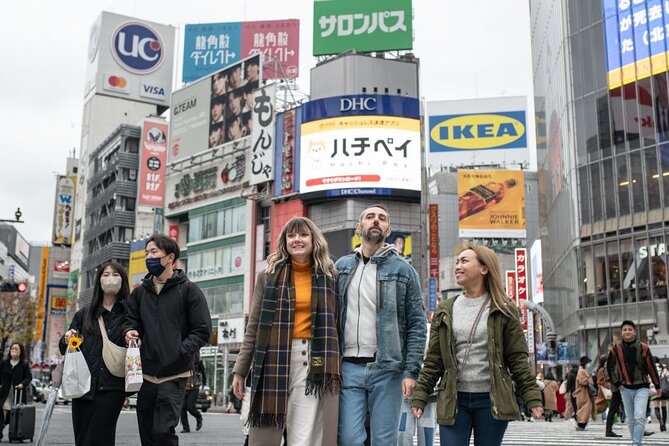
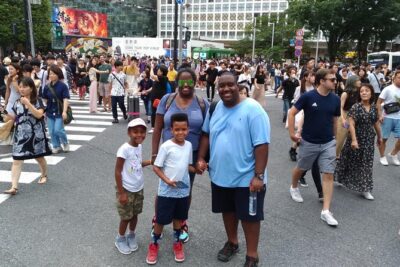
Shibuya Crossing is the obvious draw. When the lights change, people move across the intersection from every direction, surrounded by giant screens, department stores, cafés, and neon. It is a quick visual lesson in modern Tokyo, but the area offers more than a photograph from above.
A local host can help you understand the streets around the crossing and decide how much time to spend there. You might focus on shopping, food, youth culture, or the contrast between the polished main roads and smaller side streets. The area can be loud and crowded, so it is not the best choice if you want a slow, quiet walk.
Shibuya works well for visitors who want Tokyo energy right away. It also pairs naturally with Harajuku, although fitting both into a short booking can leave little time for temples or traditional neighborhoods.
Asakusa and Sensō-ji, Tokyo’s old-style center
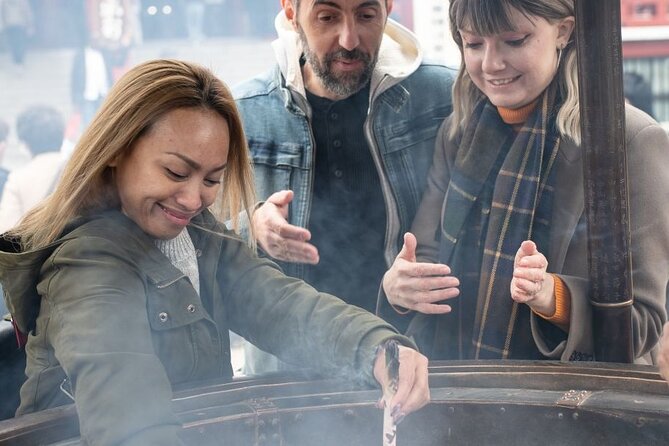
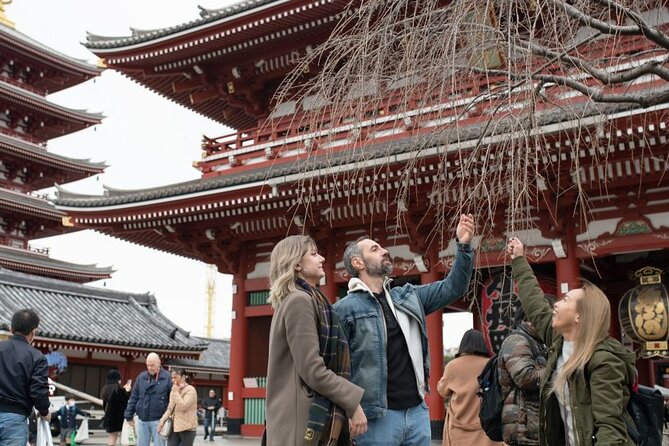
Asakusa gives you a very different feel. Sensō-ji Temple, with its large entrance gate and busy approach, is one of Tokyo’s best-known cultural sights. The surrounding streets offer traditional snacks, souvenir shops, and older-looking lanes.
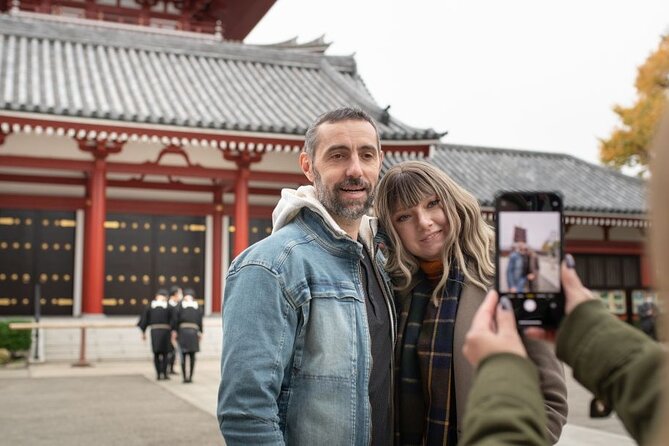
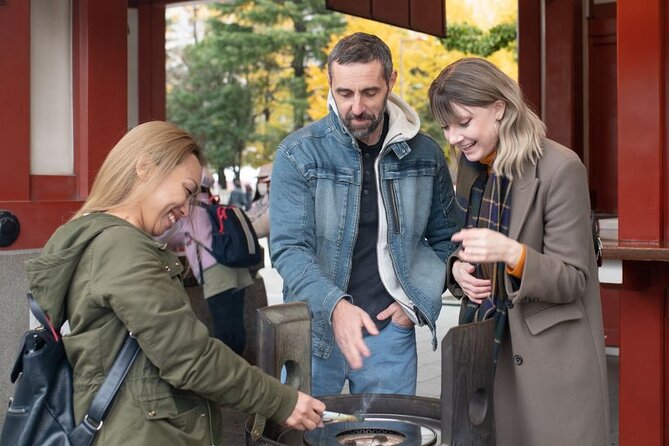
Your host can add context about temple customs and guide you away from the busiest stretch for a look at nearby backstreets. That personal explanation is useful because a temple visit can otherwise become a quick photo stop. You can ask about worship, architecture, local traditions, and how the district fits into Tokyo today.
The limitation is simple: Asakusa is popular. If you visit during a busy period, the main approach may feel crowded. A private guide cannot remove the crowds, but can adjust the route and help you spend more time in quieter nearby areas.
More Private-Only Departures in Tokyo:
- Tokyo 6hr Private Tour with Government-Licensed Guide
★ 5.0 · 3,902 reviews - Tokyo Customized Private Tour (Must See Places in 1 Day)
★ 5.0 · 1,499 reviews - Tokyo: Private City Highlights Tour with Local Guide
★ 4.8 · 1,433 reviews - Private Custom Tour: Tokyo in a Day
★ 5.0 · 1,432 reviews
Kappabashi and the practical side of Japanese food
Kappabashi Street is an excellent choice if you like cooking, design, or unusual souvenirs. It is known as a shopping area for restaurant supplies, including handcrafted knives, ceramics, utensils, and Japan’s famous plastic food displays.
This is not just another shopping street. It shows you the working side of the food business, where chefs and restaurants find tools and supplies. A guide can help explain what you are seeing and point out items that make sense for your interests.
Remember that purchases are your responsibility. The tour price does not include shopping, food, or drinks. If you are considering a knife or ceramic piece, ask about packing and transport before buying. Kappabashi also takes time to appreciate, so it may be a better choice for a focused outing than one stop on an overloaded itinerary.
The Tokyo Skytree district and neighborhood views
The area around Tokyo Skytree offers another possible route. The tower is a major landmark, while the surrounding district provides a chance to see a less central side of the city. You may find a mix of local streets, shops, and views connected to the tower.
The experience does not guarantee a Skytree ticket or observation-deck entry. Admission costs are separate, and the route depends on your preferences and available time. If the tower is a must-see, tell your host before the day so the plan can allow for it.
This option suits you if you want a major landmark but prefer to add neighborhood context instead of simply arriving, taking a photo, and leaving.
Yanaka, quiet lanes and old wooden homes
Yanaka is one of the strongest choices for a slower walk. Traditional wooden houses, small temples, and family-run cafés give the district a calmer mood than Shibuya or Shinjuku. It is a good place to see how older residential Tokyo can feel.
The appeal is in the details. You might notice small religious sites, modest storefronts, and streets that encourage you to walk without rushing. A host can explain what makes the neighborhood different and suggest where to stop for a drink or snack.
Yanaka is not ideal if your main goal is Tokyo’s biggest landmarks. It also takes time to reach from western Tokyo, so it works best with a longer booking or as the main focus of the afternoon.
Ginza, from department stores to specialty shops
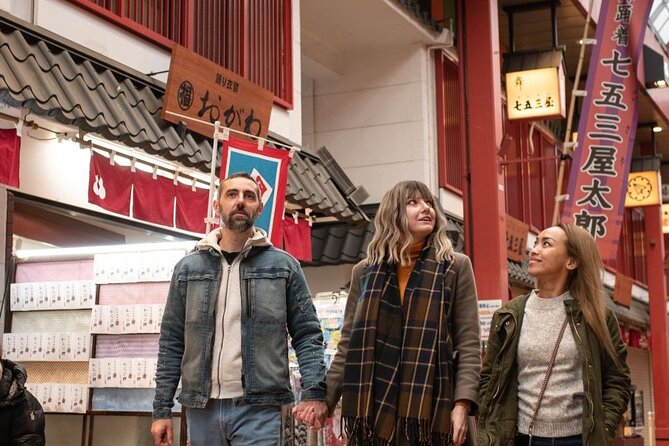
Ginza offers Tokyo’s polished side. Broad streets, department stores, luxury boutiques, and traditional specialty shops sit close together. It is a useful place to see how old retail traditions and modern luxury share the same district.
Your host can help you decide whether Ginza is best for shopping, architecture, food, or simply a walk through one of Tokyo’s most famous commercial areas. The district can feel formal and expensive, so it may not suit you if your main interest is low-cost local food or residential streets.
Still, Ginza can add balance to a Tokyo itinerary. After seeing temples and markets, you get a look at the city’s refined, high-end face.
Harajuku, from Takeshita Street to Meiji Shrine
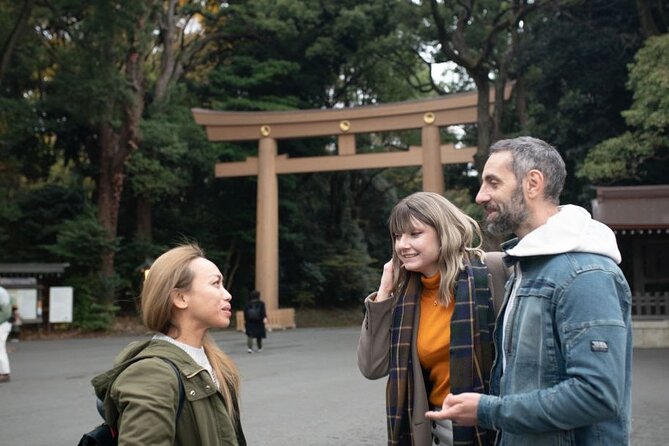
Harajuku packs several different experiences into a small area. Takeshita Street is known for youthful fashion, colorful shops, and pop culture. A short distance away, the wooded approach to Meiji Shrine feels much quieter.
That contrast is the reason to visit with a guide. You can move from a crowded shopping street to a major shrine and discuss how tradition and current style exist side by side. A host can also help you decide how much time to give each area.
The listed meeting point makes Harajuku especially convenient. Still, Takeshita Street can be tight and busy, and the experience is primarily on foot. Wear shoes you can walk in and be ready for a quick change of pace.
Shinjuku, skyscrapers and late-night alleyways
Shinjuku offers a sharp change from temple districts. You may visit an observation deck, walk among tall buildings, or explore narrow streets with small izakayas and older signs. The area shifts quickly from modern business center to nostalgic side street.
A guide is useful here because the district can be disorienting. If you want a panoramic view, tell your host early. If you are more interested in food and local atmosphere, ask for an alley-based route instead. Entry fees and food costs are extra.
Shinjuku can easily fill a two to five hour outing by itself. Trying to combine it with Asakusa or Yanaka in a short booking could mean spending too much time on trains.
What the best guide matches have in common
The strongest part of this experience is not a particular attraction. It is the human help around the attraction. Guides have tailored routes for first-day visitors, families, older visitors, food-focused groups, and people who wanted a broad introduction to Japanese culture.
Tomo helped a family balance famous sights with less familiar areas and assisted with hotel pickup, IC card setup, train navigation, and dinner ideas. Hiroko built a family day around the train system, the Pokémon Center, and animal cafés. She even provided a Japanese script to help with a child’s nut allergy.
Lauren helped with the metro and stayed long enough to make sure her group boarded the correct train. Apy helped with a marriage proposal by suggesting a suitable place and taking photographs. These details show where a private guide can be most useful: not only explaining sights, but also smoothing out the small problems that can consume a first day.
Other hosts, including Chiara, Noah, Amir, Toshi, Chisato, Nobu, Taka, Kay, and Kieran, were praised for cultural explanations, warm conversation, food suggestions, and route planning. The experience can feel like a friendly walk rather than a formal lecture, which is exactly what many people want.
There is one caution. One two-hour outing around Omotesando and Meiji Shrine did not provide the level of English or historical explanation expected. That is a reminder to communicate clearly before the tour. Tell your host how much history you want, what language level you need, and whether you prefer facts, food, shopping, or casual conversation.
Walking, trains, and the real cost of getting around
This is a walking experience. A private car is not included. Depending on the route, you may use public transport or a local taxi between areas, with those costs paid separately.
That is not a flaw in Tokyo. Trains are often the practical way to cross this huge city, and learning the system can be one of the most useful parts of the day. If you are nervous about stations, ask for a first-day orientation. Your host may help with an IC card, local trains, or Shinkansen tickets, as happened on one family outing.
The walking can be tiring. One older couple enjoyed the experience but described a full day as demanding, even with a good pace. Ask for regular breaks if needed. The private format makes this easier, but you should still choose a route that matches your energy.
Who will get the most from this experience
I would recommend this outing most strongly in these situations:
- You are visiting Tokyo for the first time and want help getting oriented.
- You have only one full day and need someone to organize sensible priorities.
- You want a mix of major sights and less familiar neighborhoods.
- You are traveling with children and need a flexible plan.
- You want food suggestions, help ordering, or assistance with local transport.
- You prefer conversation and personal attention over a large group tour.
- You have a specific interest, such as knives, temples, fashion, anime, cafés, gardens, or Japanese customs.
It is less suitable if you want a fixed sightseeing list with guaranteed attractions. It is also not the best match for someone who dislikes walking, unless you agree on a gentle plan with frequent rests.
The booking includes free cancellation up to 24 hours before the start time. Changes or cancellations inside that window are not refunded. Service animals are allowed, and most people can participate, but you should discuss mobility needs with your host in advance.
Should you book the Tokyo experience?
Book it if you want Tokyo to fit your interests rather than the other way around. The private format, pre-tour planning, and help with trains can be worth the price, especially on your first day or during a short stay.
Choose a longer booking if you want to connect two or three districts. Choose two hours if you want one focused neighborhood, such as Asakusa, Harajuku, or Shibuya. Before paying, write a short list of must-sees, preferred walking pace, food needs, and the amount of historical detail you want.
I would not book it expecting a fixed package of tickets or a private car. I would book it for a flexible local introduction, practical city help, and the chance to spend your limited Tokyo time on places that genuinely interest you.
FAQ
How long does the private Tokyo experience last?
The experience lasts approximately two to five hours. The length and route should match your interests, pace, and chosen areas.
Is the itinerary fixed?
No. The route is personalized after you complete a pre-experience questionnaire and communicate with your local host. There is no guaranteed list of attractions.
Can the host meet me at my accommodation?
The host can meet you at your accommodation if it is centrally located. Otherwise, the listed start point is NewDays Harajuku near the Omotesando Exit.
Are food, entrance fees, and transportation included?
No. Food, drinks, attraction entry fees, and transportation costs are not included. You may use public transport or local taxis during the outing, with the exact costs discussed with your host.
Is this a private tour?
Yes. Only your group participates. The activity is designed as a private walking experience with flexible pacing.
What is the cancellation policy?
You can cancel for a full refund up to 24 hours before the experience start time. Cancellations or changes made less than 24 hours before the start time are not accepted for a refund.
Just added around Tokyo
- Kawagoe Japanese Food Tour : Unagi Kaiseki and Sake near Tokyo★ 5.0 · 30 reviews
- Kawagoe 4hr Private Tour with Licensed Guide (Kawagoe Dep)★ 5.0 · 13 reviews
- Little EDO Sushi Making workshop in Kawagoe★ 5.0 · 18 reviews
- 【R34】Tokyo:Private Daikoku tour in Modified R34★ 4.9 · 92 reviews
- :Tokyo,Shibuya/ Pro Photography in Kimono / English-Friendly★ 5.0 · 26 reviews
- Tokyo:Celebrate Unique Japanese New Year Tradition Festivity★ 3.9 · 20 reviews
- Tokyo: Allstar Food Tour★ 4.7 · 29 reviews
- Tokyo: West-Side Cycling and Food Tour with Guide★ 5.0 · 37 reviews
Private, compared.
Private Tour to Mt. Fuji and Hakone (Fully Licenced Operator)
Our verdict →
Fushimi Inari Hidden Hiking Tour (Private Option Available)
Our verdict →
Private Kyoto Tour with a Local, Highlights & Hidden Gems, Personalised
Our verdict →
Tokyo Customized Private Tour (Must See Places in 1 Day)
Our verdict →
Tokyo 4hr Private Tour with Government-Licensed Guide
Our verdict →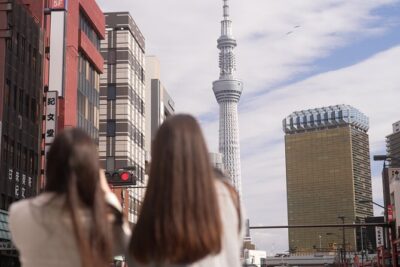
Tokyo Private Sightseeing Tour by Car- English speaking chauffeur
Our verdict →