Reviewed · TOKYO TOURS
Kabukicho Macabre Tour – the Real Tokyo Vice
Kabukicho looks like a wall of neon, restaurants, bars, and giant signs. This tour takes you past the places where the district’s darker stories actually unfolded, including murder sites, mafia disputes, murder-suicides, accidents, and areas linked with ghost lore. Vivian’s detailed storytelling gives the streets a very different feel.
I like the tiny group size, limited to four, and the chance to ask direct questions about Japanese nightlife and night work. I also like that the walk ends at a shrine, rather than simply leaving you with a collection of grim tales. The main consideration is the subject matter: this is for adults and older teens who can handle stories about violent crime, tragedy, and the sex industry.
Key points to know before booking
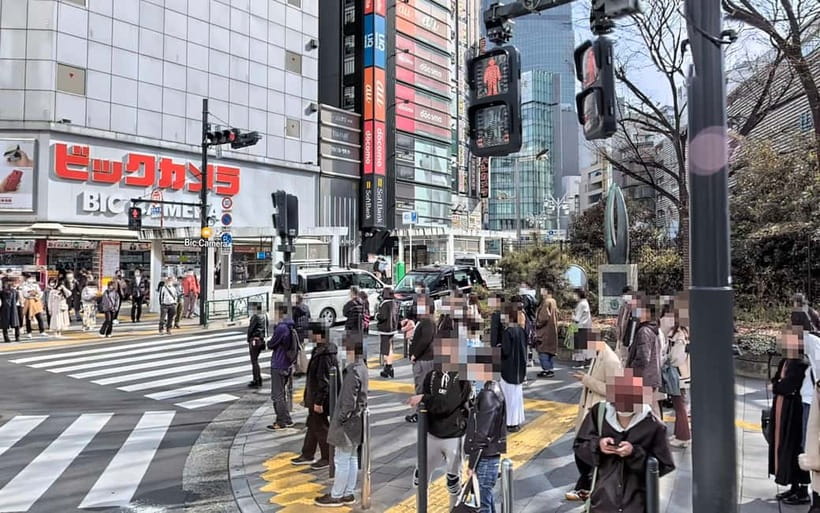
- Real locations, not a general ghost walk: You pass sites connected with documented crimes, unsolved killings, accidents, and mafia violence.
- Vivian is the main draw: She has an academic background in Japanese nightlife and night work, and brings illustrations to help explain some cases.
- Only four people per group: You can hear clearly, ask questions, and move through narrow streets without a crowd.
- Kabukicho beyond the neon: The walk explains red-light district culture, love hotels, nightlife work, and social issues alongside the crime stories.
- Pop-culture connections: The route can include places associated with the Yakuza video game series and the HBO series Tokyo Vice.
- A quiet ending: The final shrine visit offers a thoughtful pause after two hours of unsettling material.
What this Kabukicho walk is really about
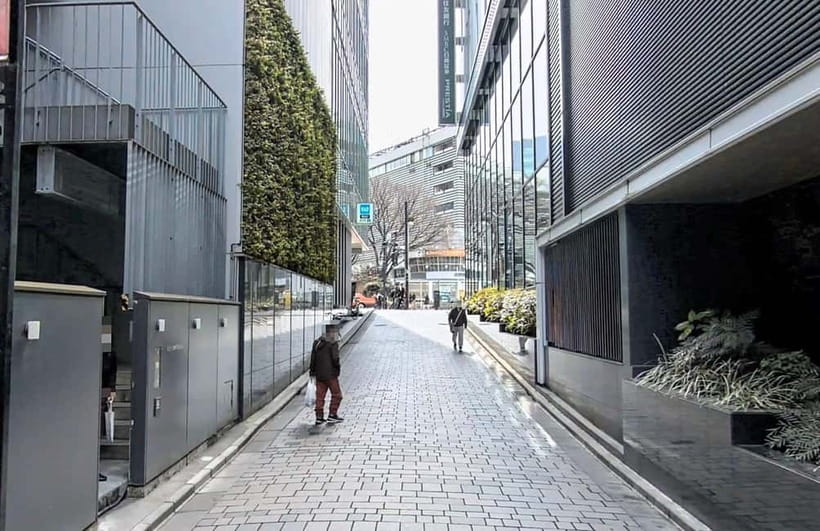
This is not a standard sightseeing tour of Shinjuku. You will not spend two hours ticking off famous buildings or receiving a quick introduction to Tokyo nightlife. Instead, you walk through Kabukicho while Vivian explains how real incidents fit into the area’s history and culture.
The stories cover roughly the past 43 years. They include terrorist attacks, gang disputes, mafia murders, murder-suicides, accidents, unsolved serial killings, and tragic relationships involving jilted lovers. The tour also touches on the strange reputation of love hotels, the workings of the red-light district, and the social problems that sit behind the bright signs.
That mix matters. Crime stories alone can become a string of shocks with little meaning. Here, the aim is to understand the place around them. You hear about the streets, businesses, nightlife, and customs as well as the events that made certain corners notorious.
The tone is eerie, but the walk is also educational. You are looking at present-day Kabukicho while learning what happened there before. The ordinary setting is part of the effect: a busy street, a restaurant entrance, or a row of signs can take on a different meaning once you know its past.
A few more Tokyo half-days worth comparing
- 1-Day Tokyo Bus Tour
★ 5.0 · 14,250 reviews - Tokyo: TOKYO SKYTREE® Admission ticket
★ 4.5 · 11,192 reviews - Tokyo: teamLab Planets TOKYO Digital Art Museum Entry Ticket
★ 4.6 · 9,779 reviews
Meeting at Kabukicho Tower
The starting point is in front of the Starbucks at Kabukicho Tower, on the stairs. Use the supplied Google Maps pin carefully, since Kabukicho has many large signs and several possible meeting spots.
Arrive with enough time to identify the correct stairs. In a group limited to four, a late arrival is especially noticeable, and the tour depends on keeping a steady walking rhythm through the district.
The area is easy to reach within Shinjuku, but the meeting point is not a quiet plaza. Kabukicho is filled with signs, entrances, and people moving in different directions. Save the location pin before you go and keep your phone available for navigation.
The tour is wheelchair accessible, and it is conducted in English. It lasts two hours, with no transport included because this is a walk-and-talk experience.
Walking through the red-light district
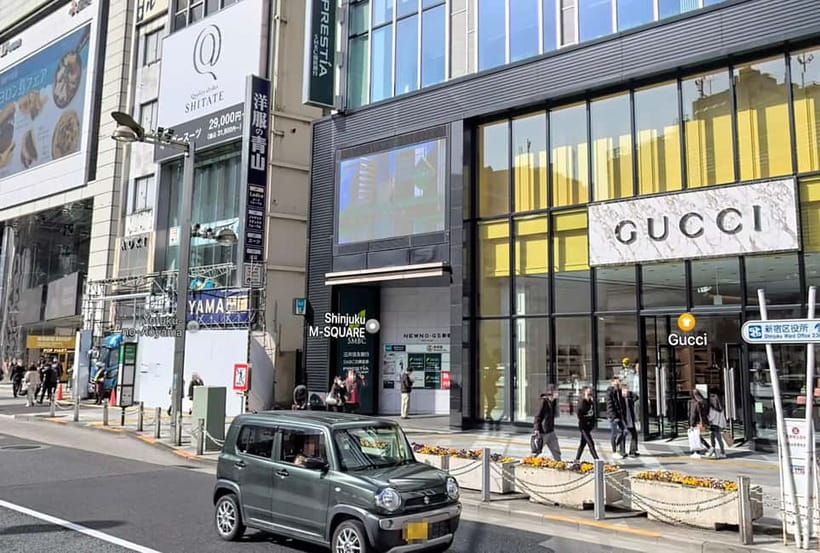
The first part sets up Kabukicho as a place of work, entertainment, risk, and changing public attitudes. Vivian explains how the red-light district functions and discusses cultural issues connected with nightlife and night work.
This background is one of the most useful parts for first-time visitors. Without it, Kabukicho can look like a wall of advertising aimed at separating you from your money. With some context, you begin to see how different businesses, workers, customers, and forms of entertainment fit into the district.
You can also ask questions about Japanese nightlife during the walk. Vivian wrote her graduating thesis on nightlife and night work in Japan, so the tour is not limited to crime trivia. That academic focus gives you a way to ask about the systems behind the signs and venues.
The small group helps here. With up to four people, Vivian can respond to individual questions rather than giving a fixed speech to a large crowd. If you want to understand the cultural side of Kabukicho, this is a major advantage.
The downside is that some subject matter may feel uncomfortable. The tour discusses the red-light district plainly, and it is not designed to make Kabukicho look polished or family-friendly. Children under 15 cannot join, and that age limit is sensible.
Visiting crime scenes and places with a dark reputation
The central portion of the walk takes you past actual locations connected with murders, shootings, mafia conflicts, accidents, and other serious incidents. The value is in the setting. You are not just hearing about an address in a book. You are standing in the district and seeing how close these events were to the restaurants, hotels, bars, and streets around them.
Some cases have been solved. Others remain mysteries, including serial killings that were never resolved. The tour also includes stories of murder-suicides and jilted lovers, so not every account is about organized crime. The range keeps the walk from becoming a simple yakuza tour.
Vivian uses illustrations to explain some cases. That is a practical touch, especially when several people, dates, or locations are involved. Visual material can also help you follow the story without interrupting the walk to search for information on your phone.
You will hear about places associated with haunted activity as well. The supernatural side does not replace the real crime stories. Instead, it adds another layer to the way certain locations are remembered. You can decide for yourself how much weight to give the ghost stories, but they help explain why some corners carry an especially uneasy reputation.
The walk does not appear to involve entering crime scenes, businesses, hotels, or private buildings. Expect to pass locations and hear the context from the street. That keeps the experience respectful and practical, though anyone expecting access to secret interiors should adjust expectations.
Same trip, a completely different kind of day:
- Tokyo: Sumo Show Experience with Chicken Hot Pot and a Photo
★ 4.8 · 6,678 reviews - Tokyo: Shinjuku Food Tour (13 Dishes at 4 Local Eateries)
★ 5.0 · 6,603 reviews - Flagship 2-Hours Official Street Go-Kart Tour – Tokyo Bay Shop
★ 5.0 · 4,974 reviews - Tokyo: Hop-On Hop-Off Sightseeing Bus Ticket
★ 3.9 · 4,207 reviews
Love hotels, unsolved cases, and the human cost
Kabukicho’s love hotels are not treated simply as colorful photo stops. They form part of the discussion about privacy, relationships, nightlife, and the incidents that have occurred around the district.
The tour also includes tragic personal stories. Tales of rejected lovers, murder-suicides, and unexplained deaths give the area a human scale. You are not only hearing about gang names and sensational headlines. You are also hearing about people caught in painful situations.
That balance is important. A tour built only around mafia legends can make violence feel like entertainment. The personal stories are harder to hear, but they give the walk more weight. Vivian’s style, based on the available descriptions of the tour, combines factual detail with a strong interest in the people and culture behind each event.
You should still approach the experience as true-crime entertainment with a serious edge. The material is designed to intrigue and unsettle. It is not a memorial tour, police briefing, or formal academic lecture.
Yakuza game and Tokyo Vice connections
If you know the Yakuza video games, you will recognize the appeal of seeing real places that helped shape their fictional world. The tour can pass locations connected with the games, adding a playful layer to the darker history.
The same applies to the HBO series Tokyo Vice. You may pass places used for filming, which helps connect the real district with the version presented on screen.
These references are an extra, not the main point. You do not need to know either title to enjoy the tour. If you are a fan, though, the connections give you something specific to watch for and make Kabukicho’s streets easier to place.
I would treat the pop-culture material as seasoning rather than the meal. The strongest part of the walk is the combination of real sites, local context, and Vivian’s explanations. The games and series are useful points of reference, but they do not turn the experience into a film-location tour.
Why the four-person limit matters
A maximum of four participants is unusually small for a walking tour. That changes the feel of the experience.
You can hear the guide in narrow streets without standing directly beside her. You can ask about a case, a nightlife custom, or something you notice on the way. The group can also move more easily through Kabukicho than a large guided crowd.
The small size is especially useful for this subject. Crime stories often involve names, timelines, and connections that are difficult to follow when a guide is speaking to 20 or 30 people. Here, you can pause for clarification.
There is one trade-off. A tiny tour can feel more personal, which means you should be comfortable discussing mature topics with strangers. If you prefer to listen quietly at the back of a large group, this format may feel more exposed.
The English-language guiding is another strong point. Vivian is a native English speaker, according to one description, and the tour is built for questions and discussion. That helps with sensitive cultural subjects where a quick translation would miss the nuance.
A shrine at the end
The tour finishes with a shrine visit. After two hours of violent cases, ghost stories, and nightlife culture, the change of mood is welcome.
The shrine gives you a place to pause and think about the stories rather than rushing straight back into the neon streets. It also connects with the spiritual side of the tour without requiring you to accept every haunted claim as fact.
One guide has given participants a protective ward against ghosts after the walk. Treat that as a personal touch rather than a guaranteed feature of every departure, but it shows how the ending can be lighthearted as well as solemn.
The shrine stop also prevents the tour from ending on a sensational note. Kabukicho is not only a setting for crime stories. It is a lived-in district with its own beliefs, customs, businesses, and daily routines.
How much value you get for $56
At $56 per person, this is not the cheapest way to walk around Shinjuku. You can explore Kabukicho on your own for nothing. You can also read about Tokyo crime cases before arriving.
The price makes more sense if you want three things at once: access to specific locations, a guide who has researched the cases, and a chance to ask questions about nightlife culture. Vivian’s illustrations, personal research, and academic work add value that a self-guided walk would not provide.
The four-person limit is also part of the price. You are paying for a focused experience rather than a mass tour. If the group fills, you receive more direct attention and a better chance of hearing every detail.
I would not recommend paying $56 simply to see neon streets. Kabukicho is easy to visit independently. I would consider it good value if true crime, Japanese subcultures, the Yakuza games, Tokyo Vice, or the social history of nightlife are central interests.
Free cancellation up to 24 hours before the tour and the option to reserve now and pay later make the booking less rigid. The price does not include food, drinks, or transport, so plan those separately.
Timing, comfort, and practical advice
Wear comfortable shoes. The tour lasts two hours and takes place outdoors, so you should be ready to keep walking through streets and alleys.
Use the restroom before meeting the group. There is no stated restroom stop, and one participant’s delay caused the group to lose time. That is a small but useful warning for a tightly scheduled walk.
Weather can affect comfort. The tour has continued in poor conditions, including heavy snow and biting wind, but you should still dress for the forecast. A wet or cold evening may make it harder to focus on long stories.
Kabukicho is a nightlife district, so expect a busy urban setting and mature surroundings. The tour is wheelchair accessible, but you should still confirm any personal mobility needs when booking, since the route includes streets and alleys.
The walk is offered in English and begins at a fixed location. Check the available start times when booking, since the exact departure schedule is not provided here.
Who should take this tour
You are a strong match if you enjoy true crime, urban legends, Japanese subcultures, or stories that reveal the less polished side of a famous city.
It also suits people who have already visited Kabukicho. The streets may look familiar, but the explanations can give them a new context. One participant had stayed in Kabukicho many times and still found new details in the district’s past.
Fans of the Yakuza game series and Tokyo Vice have an extra reason to book. You can connect fictional scenes with real streets, while still learning about events and cultural issues that go beyond entertainment.
The tour is also a good choice after seeing Tokyo’s temples, gardens, department stores, and highly ordered public spaces. It shows a rougher, more complicated side of the city. That contrast can make your understanding of Tokyo feel more complete.
Skip it if you dislike violent crime stories, sexual themes, ghost lore, or walking outdoors at night. It is not suitable for children under 15, and it may be too grim for anyone looking for a light evening activity.
Should you book the Kabukicho Macabre Tour?
Book it if you want a small, serious, and unusual look at Shinjuku’s red-light district. The best reasons are Vivian’s focused presentation, the real locations, the chance to ask direct questions, and the careful mix of crime, nightlife culture, pop culture, and spiritual tradition.
Do not book it just because the word macabre sounds exciting. The tour deals with murder, suicide, violence, accidents, and personal tragedy. Its value comes from context and storytelling, not cheap shock.
For true-crime fans, Yakuza game players, Tokyo Vice viewers, and curious repeat visitors to Tokyo, $56 is a fair price for a two-hour experience limited to four people. Bring comfortable shoes, use the restroom first, and arrive ready for a very different view of Kabukicho.
FAQ
How long is the Kabukicho Macabre Tour?
The tour lasts two hours.
How much does the tour cost?
The listed price is $56 per person.
Where does the tour meet?
Meet in front of the Starbucks at Kabukicho Tower, on the stairs. A Google Maps pin is provided with the booking information.
What language is the tour conducted in?
The tour is conducted in English.
How many people can join the group?
The group is limited to four participants.
Is the tour suitable for children?
No. Children under 15 are not permitted to join.
Is the tour wheelchair accessible?
Yes, the activity is listed as wheelchair accessible.
What does the tour include?
It includes a guided walk through Kabukicho with explanations of crime locations, haunted areas, red-light district culture, nightlife issues, and related history. The route may also include locations connected with the Yakuza games and Tokyo Vice, and it ends with a shrine visit.
Just added around Tokyo
- Kawagoe Japanese Food Tour : Unagi Kaiseki and Sake near Tokyo★ 5.0 · 30 reviews
- Kawagoe 4hr Private Tour with Licensed Guide (Kawagoe Dep)★ 5.0 · 13 reviews
- Little EDO Sushi Making workshop in Kawagoe★ 5.0 · 18 reviews
- 【R34】Tokyo:Private Daikoku tour in Modified R34★ 4.9 · 92 reviews
- :Tokyo,Shibuya/ Pro Photography in Kimono / English-Friendly★ 5.0 · 26 reviews
- Tokyo:Celebrate Unique Japanese New Year Tradition Festivity★ 3.9 · 20 reviews
- Tokyo: Allstar Food Tour★ 4.7 · 29 reviews
- Tokyo: West-Side Cycling and Food Tour with Guide★ 5.0 · 37 reviews
Tokyo Tours, compared.
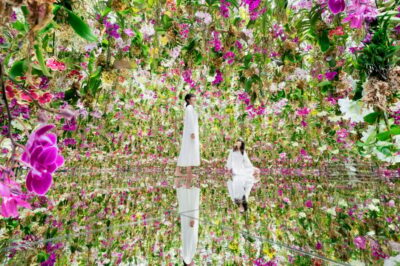
teamLab Planets TOKYO Digital Art Museum Entry Ticket
Our verdict →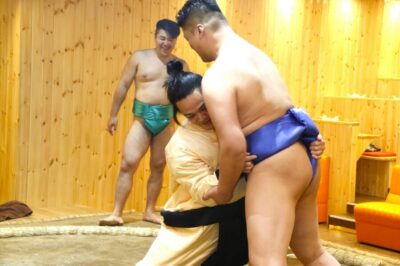
Sumo Show Experience with Chicken Hot Pot and a Photo
Our verdict →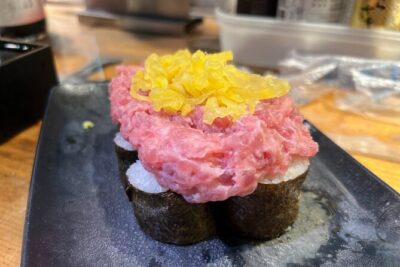
Shinjuku Food Tour (13 Dishes at 4 Local Eateries)
Our verdict →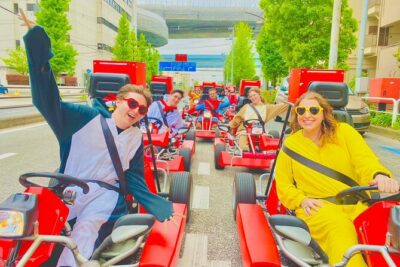
Flagship 2-Hours Official Street Go-Kart Tour – Tokyo Bay Shop
Our verdict →
Sushi Making Tokyo Roll and Authentic Japanese Sushi Class
Our verdict →