
Reviewed · DESSERT TOURS
Japanese Traditional Sweets making
The clever part of this class is that you turn Kyoto bean paste into edible art. In 65 minutes, you shape two seasonal nerikiri sweets, photograph them, then eat your work on the spot. I like the use of real paste from long-established Kyoto shops, and I like the low $11 price for a hands-on activity rather than a quick demonstration. The main catch is pace: some people may find the steps rushed, especially in a large classroom.
I also like that the sweets change with the season, so the finished shapes are not just generic souvenirs. The class suits solo participants as well as groups, and the social setting can be a pleasant break from sightseeing. Still, you should arrive early, since late arrivals are not held, and English support is provided only as much as possible.
Key points to know before booking
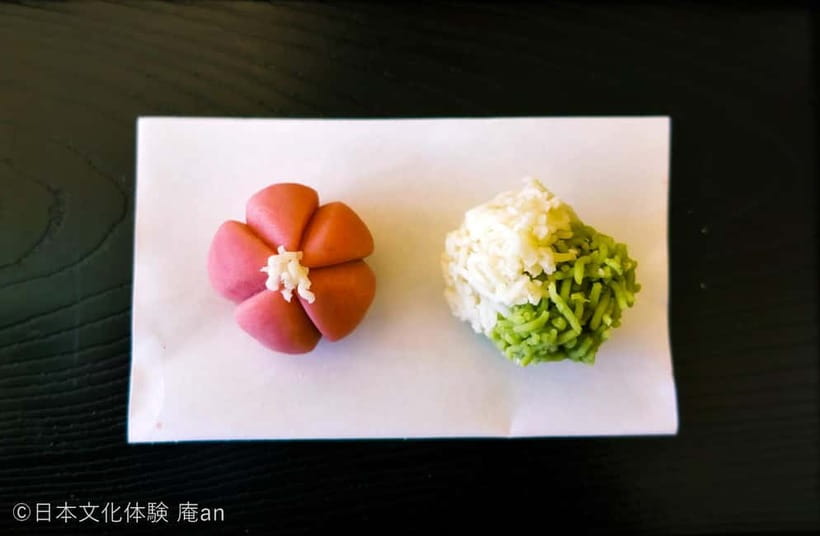
- Two seasonal nerikiri sweets: You make a flower-shaped sweet and a kinton-style sweet.
- Kyoto-sourced ingredients: The white and red bean paste comes from long-established Kyoto shops.
- A 65-minute activity: The schedule includes instruction, making, photos, eating, and room departure.
- Strong value at $11: The basic price includes the full nerikiri-making set.
- Japanese-led instruction: English translation is provided as much as possible, but it is not listed as the main language.
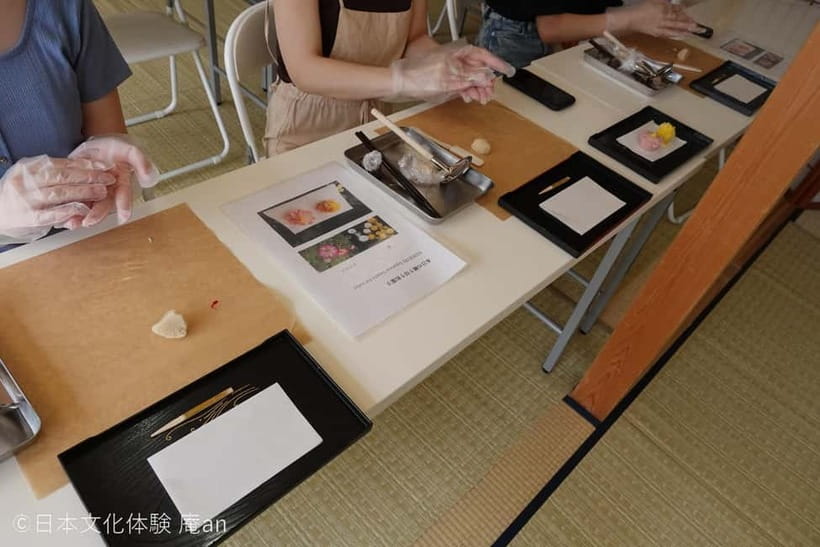
- Bring patience, not just an appetite: The class can feel rushed, and a large room may make demonstrations harder to see from the back.
Turning Kyoto bean paste into edible art
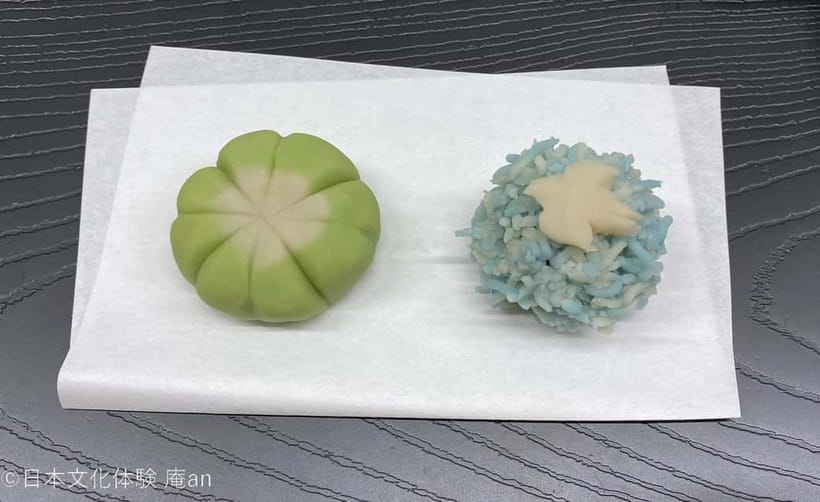
Japanese wagashi are traditional sweets made for taste, appearance, and the season. Nerikiri is one of the most decorative types. Its soft bean-paste dough can be molded into flowers, leaves, seasonal colors, and other small designs.
This class gives you a chance to handle the ingredients yourself. That matters because nerikiri can look simple when finished, but the shaping requires care. You are not merely watching someone make a perfect sweet behind a counter. You are pressing, forming, arranging, and deciding how your own piece should look.
The paste comes from established shops in Kyoto, which gives the activity a useful food connection. Kyoto is closely associated with wagashi culture, tea, and seasonal presentation. You do not need a lecture on Japanese confectionery to enjoy the class, but the ingredients add more meaning than a basic craft kit would.
The finished sweets are small, carefully shaped, and made to be eaten. That combination is part of the appeal. You get the satisfaction of making something attractive, but you do not need to carry it around all day or worry about breaking it in your luggage.
More Sweets & Dessert Tours in Tokyo
- Matcha Making Class in Tokyo with Authentic Japanese Sweets Set
★ 5.0 · 744 reviews - Tokyo: Matcha Making Experience with Mochi Sweets in Asakusa
★ 4.9 · 388 reviews - Make Traditional Nerikiri Sweets & Matcha experience in Shibuya
★ 5.0 · 130 reviews
The 65-minute schedule, step by step
The experience begins with an explanation of traditional Japanese sweets. This opening sets the scene, but you should expect a practical introduction rather than a long cultural talk. The instructor explains what you are working with and how the process will unfold.
Next comes the flower-shaped nerikiri. This is the most immediately recognizable design in the schedule. The seasonal theme gives the class its changing character, since the colors and final appearance can match the time of year.
After that, you make a kinton nerikiri. Kinton styles often have a more textured appearance, so this second sweet gives you a different task rather than repeating the first design. Making two types in one session lets you compare shapes and techniques.
The official timetable allows about 55 minutes before the eating portion, with the full visit ending at 65 minutes. It includes picture time before you eat. Take advantage of that pause. Once you have tasted the sweets, the display is gone, and the small details are harder to appreciate.
The final part is eating time. You can try both sweets at the venue, which keeps the experience simple. If you want to take them away, a box costs 100 JPY. The extra box is worth considering if you want photographs at your hotel or if you prefer to eat slowly later, but the sweets are designed to be enjoyed fresh.
What makes the ingredients worth noticing
The use of white and red bean paste from long-established Kyoto shops is one of the best details here. Bean paste is not just filling. It provides the body, sweetness, color, and texture of the finished nerikiri.
White bean paste tends to provide a smooth, pale base that can take on delicate seasonal colors. Red bean paste gives a deeper flavor and a familiar Japanese sweetness. The exact balance of flavors is not specified, so you should not book expecting a particular recipe or tasting menu.
What you can count on is a real ingredient-based activity rather than a plastic molding exercise. Your sweets are edible, and the class includes time to taste them. For many people, that makes the $11 cost feel fair, especially compared with sightseeing activities that offer no physical keepsake or food component.
There is also a nice lesson in presentation. Japanese sweets are often made to look like a small part of nature or a seasonal scene. When you place your two pieces on a plate, the result becomes more than a snack. It is a temporary piece of food art, with the sensible Japanese ending of eating it.
The main issue is speed
The clearest caution is the tempo. One detailed account describes each task as allowing only about 30 to 40 seconds before the instructor moves on. That may be fine if you enjoy quick instructions and can copy the demonstration at once. It can be frustrating if you need a second look.
The class is described as a large room that can hold around 30 people. If you sit at the back, seeing the demonstration may be difficult. Try to position yourself where the instructor’s hands are easy to watch, if seating arrangements allow it.
The same feedback describes the welcome and eating period as brisk. The schedule is tight, so the class is built for steady movement rather than leisurely conversation. You may not have much time to perfect every ridge and petal.
I would not treat this as a quiet private lesson. It is better understood as a short group workshop. If you enjoy making things with clear time limits, the pace may keep the activity lively. If you want detailed coaching or several attempts at each shape, this format could feel too compressed.
The language setup adds another point to consider. The instructor is Japanese, and English translation is provided as much as possible. Japanese is the listed language. You should be prepared to learn partly by watching the demonstration and copying the hand movements, rather than relying on a full English explanation at every stage.
Same trip, a completely different kind of day:
- 1-Day Tokyo Bus Tour
★ 5.0 · 14,250 reviews - Tokyo: TOKYO SKYTREE® Admission ticket
★ 4.5 · 11,192 reviews - Tokyo: teamLab Planets TOKYO Digital Art Museum Entry Ticket
★ 4.6 · 9,779 reviews - Tokyo: Sumo Show Experience with Chicken Hot Pot and a Photo
★ 4.8 · 6,678 reviews
A good activity for solo visitors and small groups
The format works well for a solo participant because the activity gives you something to do right away. You are not simply sitting through a talk. You are using your hands, following a shared task, and taking photographs of the finished sweets.
It can also be a pleasant group activity. Friends or family members can compare their flower shapes and kinton designs, and each person creates a slightly different result from the same ingredients. The basic set is included for every participant, so the $11 price is easy to understand.
The experience may suit children who can follow timed instructions, but the supplied information only specifically states that children under two who sit on a parent’s lap are free. That does not confirm other child policies, so check before booking if you are arranging a family visit.
The class also works as a lighter stop between larger attractions. Sixty-five minutes is short enough to fit into a busy Tokyo day, yet long enough to give you a real task. Do not arrive assuming you can wander in late after another appointment. The class will not be held for delays, regardless of the reason.
Value at $11, with a few small extras
At $11 per person, this is an inexpensive cultural activity. The price includes the nerikiri-making experience, the ingredients, the instruction, photo time, and the chance to eat the sweets at the venue.
That is good value if you want a hands-on introduction to wagashi without committing to a long workshop. The food itself is part of the activity, and the seasonal designs give it more character than a fixed craft lesson.
Budget 100 JPY for a take-out box if you want one. A completion certificate costs 300 JPY. If you want a named certificate, you need to provide the names in advance. Otherwise, the name space will be left blank.
The certificate is optional and does not add much practical value unless you collect activity mementos or want a small souvenir for a child. The box is more useful, particularly if you want to photograph the sweets outside the classroom or save them for later.
The price does not cover travel to the venue. If you miss the session, the operator does not compensate travel expenses. That makes punctuality especially important when you are working around train connections or another timed booking.
Getting to AN TOKYO and planning your arrival
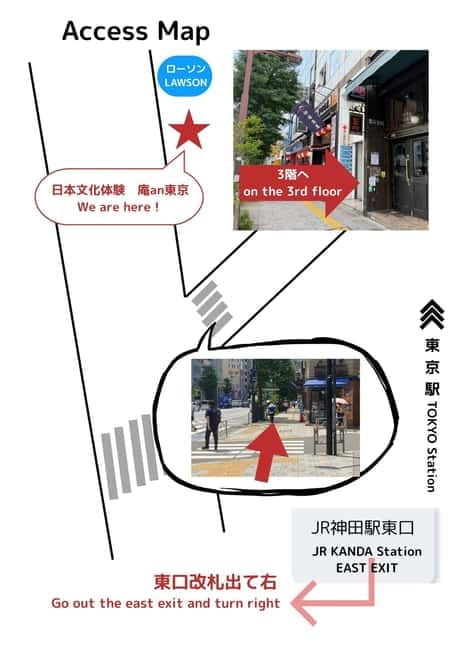
The meeting point is AN TOKYO Japanese Culture Experience, at coordinates 35.6916541, 139.7715022. Use the exact meeting-point information when planning your route, since the supplied details do not include a fuller street address or directions from a station.
The listed operating hours are 10:00 to 17:00. Reservations received after 17:00 are processed the next day. That processing detail matters if you are booking late in the evening for a next-day activity.
Give yourself enough time to find the venue, check in, and settle before the start. The class does not wait for late arrivals. You should also know that coat storage may be limited. One detailed account describes coats and bags being placed on the floor because there was nowhere to hang them.
That is a small comfort issue, but it can matter in colder months. Travel light if possible, and avoid bringing a bulky coat or large shopping bag. The class involves hands-on work, so keeping your belongings out of the way will make the session easier.
Free cancellation is available up to 24 hours in advance for a full refund. After the cancellation fee takes effect, changing the date or time can also bring a specified charge. Read the current cancellation terms carefully, especially if your Tokyo schedule is still moving around.
What kind of experience should you expect?
You should expect a group class, not a private appointment. The activity is organized around a fixed sequence: explanation, flower-shaped nerikiri, kinton nerikiri, photographs, eating, and departure.
You should also expect your results to look handmade. That is part of the fun. The possibility of making a perfect professional-style sweet is less important than seeing how the paste changes under your hands.
The activity has earned praise for its fun, informative character, friendly staff, good value, and social quality for solo participants. The food itself has also received very positive attention. At the same time, the overall rating is 4.1 from 19 ratings, which fits the mixed picture: strong value and enjoyable results, but uneven comfort with the pace and instruction.
If you are happy to watch closely and move quickly, you may leave with two attractive sweets and a better sense of how Japanese confectionery is shaped. If you need repeated explanations, a slower pace, or spacious personal storage, choose with care.
Who should book this nerikiri class?
I would recommend it to you if you want a short, affordable cultural activity with something edible at the end. It is especially suitable for solo participants, friends, families with older children, and anyone curious about traditional Japanese sweets.
It is also a smart choice for a rainy-day plan or a break from temple visits, shopping, and long walks. The seasonal designs give the session a link to the time of year, while the tasting keeps the experience grounded in food rather than theory.
I would be cautious if you are booking for someone who dislikes group classes or becomes stressed by quick instructions. You should also think twice if English-only teaching is essential, since English translation is offered as much as possible rather than guaranteed as the sole teaching language.
Should you book Japanese Traditional Sweets Making?
Book it if the $11 price, Kyoto-sourced bean paste, seasonal designs, and hands-on format appeal to you. The chance to make and eat two nerikiri sweets in about an hour is a good deal, and the activity gives solo participants and groups an easy shared focus.
Skip it if you want a slow, highly personal lesson with plenty of time for questions. Arrive early, travel light, sit where you can see the demonstration, and consider adding the 100 JPY take-out box. With those expectations, AN TOKYO’s nerikiri class can be a sweet little break in Tokyo, provided you are ready to keep up.
FAQ
How long does the Japanese sweets class last?
The full experience lasts 65 minutes. The schedule includes explanations, two sweets, picture time, eating time, and room departure.
What sweets will I make?
You will make two seasonal nerikiri sweets: one flower-shaped sweet and one kinton nerikiri.
Can I eat the sweets at the venue?
Yes. Eating time is included after the making and picture portions, and you can eat the sweets on the spot.
Are the ingredients traditional?
The class uses white and red bean paste produced by long-established shops in Kyoto.
Is English instruction available?
The instructor is Japanese, and English translation will be provided as much as possible. Japanese is the listed language for the activity.
Can I take the sweets home?
A sweets take-out box is available for 100 JPY. The box is not included in the basic price.
What is the cancellation policy?
You can cancel up to 24 hours in advance for a full refund. After a cancellation fee has been incurred, changing the date or time may also carry a specified fee.
Just added around Tokyo
- Kawagoe Japanese Food Tour : Unagi Kaiseki and Sake near Tokyo★ 5.0 · 30 reviews
- Kawagoe 4hr Private Tour with Licensed Guide (Kawagoe Dep)★ 5.0 · 13 reviews
- Little EDO Sushi Making workshop in Kawagoe★ 5.0 · 18 reviews
- 【R34】Tokyo:Private Daikoku tour in Modified R34★ 4.9 · 92 reviews
- :Tokyo,Shibuya/ Pro Photography in Kimono / English-Friendly★ 5.0 · 26 reviews
- Tokyo:Celebrate Unique Japanese New Year Tradition Festivity★ 3.9 · 20 reviews
- Tokyo: Allstar Food Tour★ 4.7 · 29 reviews
- Tokyo: West-Side Cycling and Food Tour with Guide★ 5.0 · 37 reviews
Dessert Tours, compared.

Matcha Making Class in Tokyo with Authentic Japanese Sweets Set
Our verdict →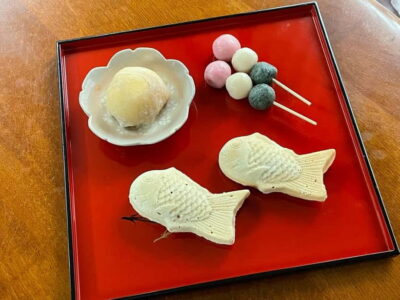

Browse the lists this tour appears in