
Reviewed · COOKING CLASSES
Private Kyoto Cooking Class with Aki in a Beautiful Wooden House
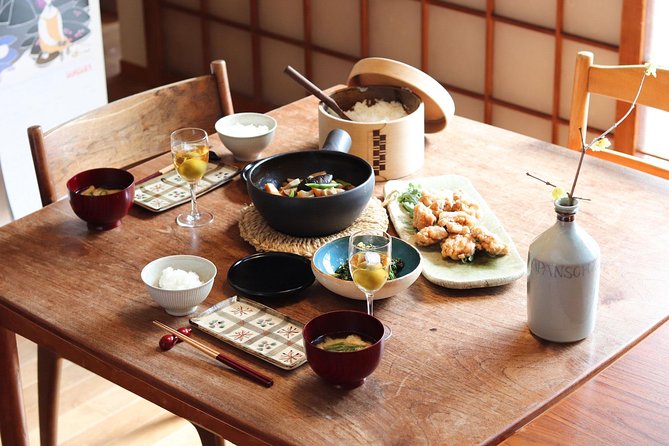
The best part of this Kyoto cooking class is its setting: you cook with Aki in a beautiful wooden house, not in a crowded studio built for tour groups. You prepare seasonal home dishes, ask questions whenever you like, and then eat what you made together.
I like the private format, which gives you room to work at your own pace, and the chance to learn dishes rarely found on restaurant menus. The main consideration is the firm cancellation policy, plus a small detail worth confirming: the description mentions alcoholic drinks, while the included-items section lists non-alcoholic beverages.
Key points to know
- Aki hosts in her own Kyoto home, creating a personal setting rather than a standard demonstration class.
- The cooking is hands-on, with about one hour spent preparing several seasonal dishes.
- Recipes are provided in English, including family methods and tips for familiar foods such as miso soup.
- The menu changes with the season, with possible dishes including chikuzenni and braised burdock root.
- Your group has the class privately, so you can stop often for questions and cooking advice.
- The $95 price includes the class, meal, beverages, taxes, and fees, but hotel transport is not included.
Cooking in Aki’s wooden Kyoto home
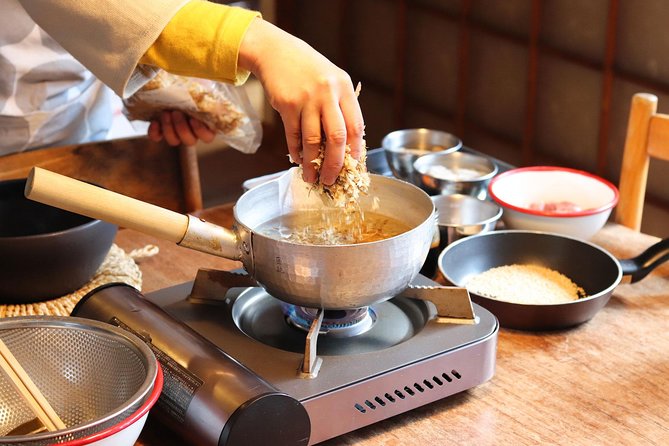
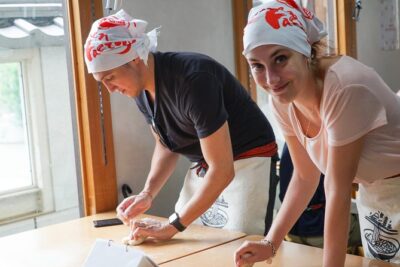
Aki’s kitchen gives this experience its character. You are not simply watching a chef work behind a counter while trying to keep up with a dozen other people. You take part in the preparation, then share the finished meal in the same home.
That difference matters. Japanese cooking is full of small decisions that can be missed in a large class: how vegetables are cut, when seasoning is added, how a broth is balanced, or how a familiar dish is handled at home rather than presented in a restaurant. A private class gives you a better chance to ask about those details.
The atmosphere also suits people who prefer a calm morning activity. The class begins at 10:30 a.m. and lasts about three hours, so you should have much of the afternoon left for Kyoto sightseeing. You finish back at the meeting point rather than being dropped at a second location.
More Cooking Classes in Kyoto
- Ramen Cooking Class at Ramen Factory in Kyoto
★ 5.0 · 1,937 reviews - Kyoto: Ramen Cooking Class at a Ramen Factory with Souvenir
★ 4.9 · 532 reviews - Kyoto: Ramen, Gyoza, and Onigiri Cooking Class
★ 5.0 · 445 reviews
What you actually cook during the three hours
The cooking section lasts about an hour, followed by the meal. That may sound brief, but the point is not to master an entire Japanese cookbook in one sitting. It is to prepare a group of home-style dishes, understand the basic methods, and see how those dishes fit together as a meal.
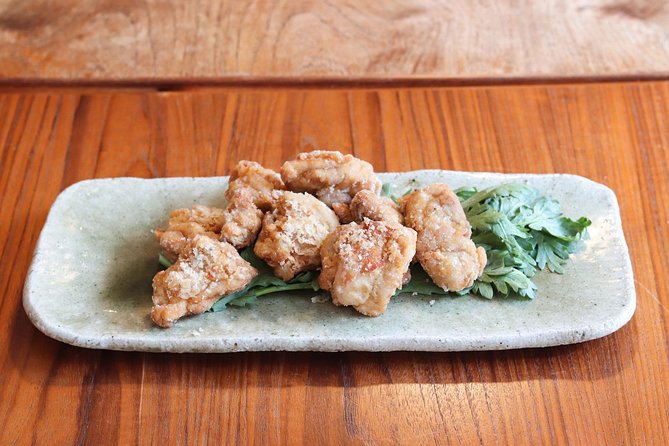
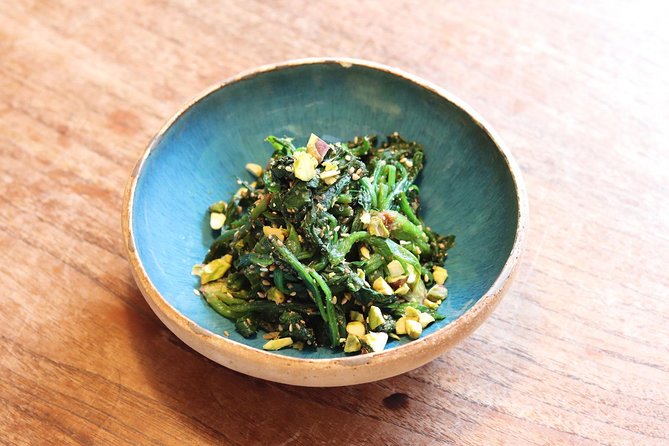
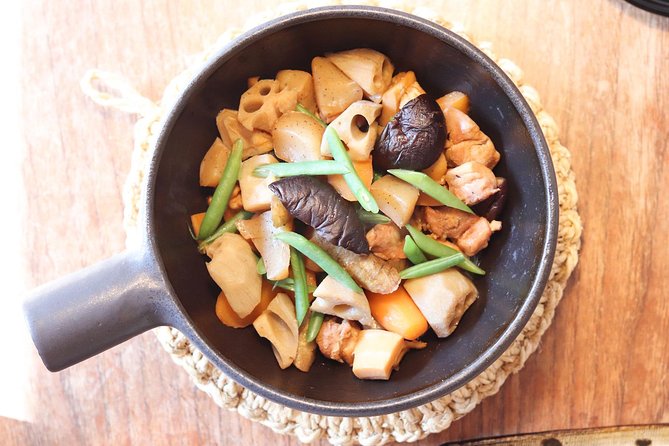
The menu changes by season. Possible dishes include chikuzenni, a braised combination of chicken and vegetables, braised burdock root, and miso soup. These are useful choices for a cooking class because they show different parts of Japanese home cooking: simmering, seasoning, working with root vegetables, and building a soup from a simple base.
You may also prepare other seasonal dishes. Since the menu is not fixed year-round, you should think of the class as a chance to learn what Aki and her family cook at that time of year, rather than as a guaranteed lesson in one exact set of recipes.
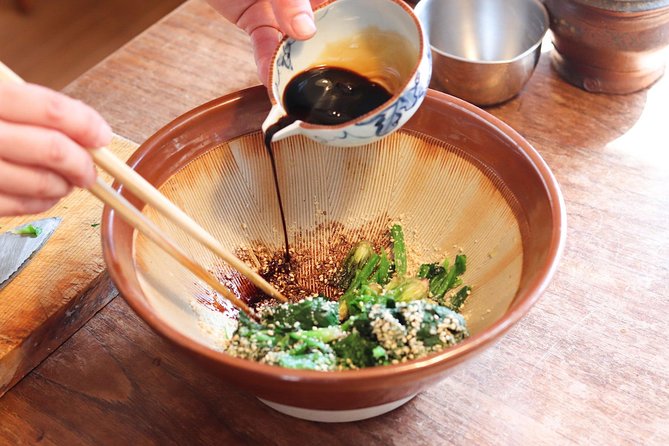
Aki provides the recipes in English and guides you through the steps. The class is designed to be hands-on, so you should expect to help with the preparation and cooking. That makes the experience more useful after you return home. You are not just tasting Japanese food. You are learning enough about the process to try parts of it in your own kitchen.
The value of a private class
At $95 per person, this is not the cheapest meal in Kyoto. It is also not simply a restaurant lunch with a short cooking demonstration attached. Your price covers a private class, the food you prepare, the meal afterward, beverages, and all listed taxes and handling charges.
The value depends on what you want from a food experience. If you are looking only for a quick meal, you can spend much less at a Kyoto restaurant. If you want a polished professional cooking school with a long technical lesson, this may not be the right format either, since the cooking portion is about one hour.
I see the strongest value in the personal access. Your group does not share the lesson with strangers, and you can interrupt to ask why a step matters or how to adapt it at home. The class also combines instruction and lunch, which makes the three-hour schedule efficient for a sightseeing trip.
The private setup is especially useful for couples, families, or friends with different levels of cooking experience. A confident cook can ask more detailed questions, while a beginner can slow down without feeling watched by a large group.
Why home dishes matter in Kyoto
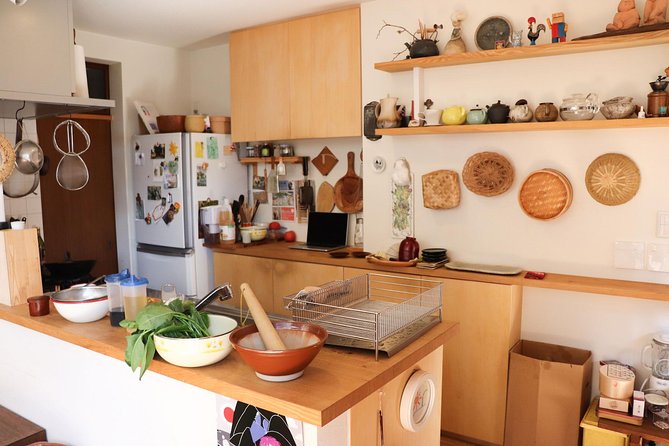
Kyoto has no shortage of restaurants, food markets, and refined traditional dishes. Yet restaurant menus do not always show what people cook at home. This class focuses on that quieter side of Japanese food culture.
A dish such as chikuzenni can tell you more about everyday cooking than a highly arranged restaurant plate. Braised vegetables and miso soup also help you understand how Japanese meals are built around balance, seasonality, and careful use of familiar ingredients.
Aki also shares techniques passed down through her family. That does not mean you should expect a formal history lecture or a long culinary course. Instead, you get practical food knowledge as you cook: the sort of family advice that can be difficult to find in a guidebook or restaurant menu.
I like this because it gives the meal a clear purpose. You are not just checking Japanese cuisine off a list. You are learning how a local cook approaches ordinary dishes, then eating the result in the place where the instruction happened.
Same trip, a completely different kind of day:
- PERFECT KYOTO 1-Day Bus Tour
★ 5.0 · 13,518 reviews - Kyoto: Fushimi Inari, Kinkakuji, Bamboo Grove 1 Day Bus Tour
★ 4.8 · 4,316 reviews - Kyoto: Tea Ceremony in a Traditional Tea House in Kiyomizu
★ 4.9 · 3,519 reviews - Kyoto Geisha Walking Tour: Gion District & Hidden Gems
★ 4.7 · 3,273 reviews
A calm morning rather than a rushed food stop
The 10:30 a.m. start works well for a morning in Kyoto. You can arrive, cook, and eat before spending the rest of the day at temples, museums, or other sights. Because the full experience takes about three hours, you should protect the late morning and early afternoon on your schedule.
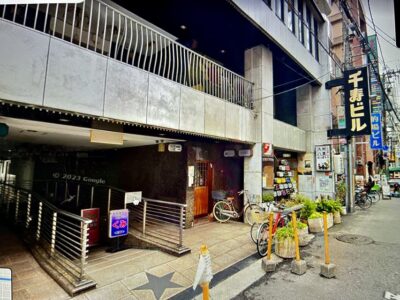
The meeting point is listed at Ipponmatsu, Shimogamo Matsunokicho, in Sakyo Ward. The experience is near public transportation, but hotel pickup and drop-off are not included. You need to plan your own route to the meeting point and allow enough time to arrive without rushing into the class.
The return to the meeting point is simple, but it also means this is not a transport tour. You do not get a ride between sightseeing stops. The benefit is that you remain in control of what you do next.
Mobile ticketing is included, and confirmation is sent within 48 hours of booking, subject to availability. Since the experience averages being booked 38 days ahead, I would not leave it until the last minute if the date matters to you.
Food restrictions and menu planning
Tell the provider about allergies, dietary restrictions, and cooking preferences when you book. A vegetarian option is available if requested in advance. This is important because the menu changes with the season, and the host needs time to plan a suitable meal.
Do not assume that every possible dietary need can be handled without advance notice. The information specifically confirms vegetarian options and asks you to provide restrictions at booking. If you have several allergies or a strict medical diet, state them clearly before paying and confirm that the planned dishes are suitable.
The menu may include chicken and other ingredients that are not vegetarian, so do not wait until you arrive to mention your preference. The private format may make adjustments easier, but the available details do not promise every type of substitution.
Service animals are allowed, and the meeting point is near public transportation. Beyond those points, the supplied information does not describe kitchen layout, seating, or step-free access, so ask directly if those details matter to you.
What the meal adds to the experience
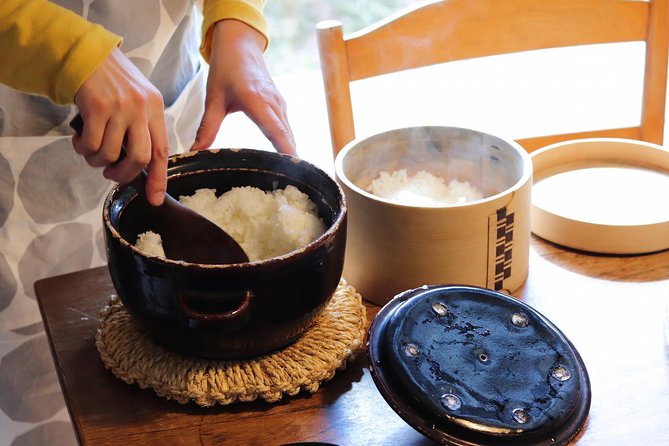
After about an hour of preparation, you sit down to eat the dishes you helped make. This meal is more than a convenient finish. It lets you see how the separate recipes work together and gives you time to ask follow-up questions once the cooking has slowed down.
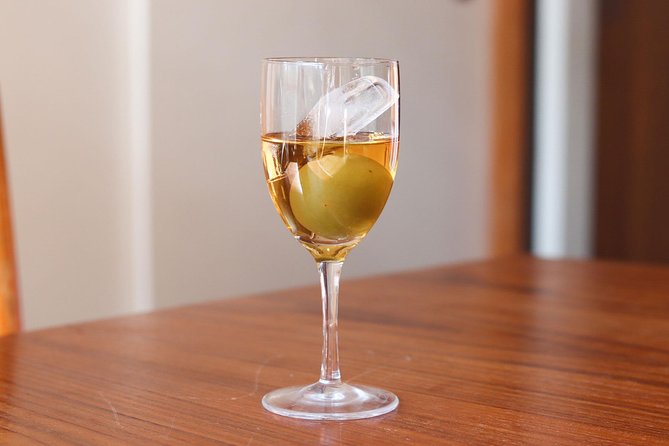
The experience includes non-alcoholic beverages. The overview also describes alcoholic drinks as included, but the formal included-items list specifies non-alcoholic beverages. I would confirm this point before booking if a drink with your meal is important to you.
The food portion may also be generous. The available comments describe making enough food for substantial leftovers. That will depend on the menu and group, so I would not treat leftovers as guaranteed, but it suggests the meal is intended to be a full home-cooked lunch rather than a small tasting plate.
Aki’s English is another practical advantage. The experience is conducted with English recipes and English guidance, and the available feedback describes her as speaking English well. That should make it easier to follow instructions and ask questions about ingredients or technique.
Who will enjoy this Kyoto cooking class most
I would recommend this experience to you if you want a personal introduction to Japanese food and prefer participation over observation. It suits people who enjoy home cooking, small-group activities, and learning a few dishes they can attempt after returning home.
It is also a good fit for anyone who has already visited Kyoto’s restaurants and wants a different view of local food. The class reaches beyond dishes prepared for visitors and focuses on recipes that may not appear on restaurant menus.
Families and groups of friends can benefit from the private arrangement. Everyone can take part, and the setting is less intimidating than a large public class. Aki’s patient approach, noted in the available feedback, should help beginners feel comfortable with unfamiliar ingredients and methods.
I would be more cautious if you want a long, technical cooking school session, a fixed menu, or hotel transportation. The cooking portion is about one hour, the menu changes seasonally, and you must make your own way to the meeting point.
Booking details worth checking first
The cost is $95 per person, and the activity is private, so only your group participates. Taxes, fees, handling charges, the class, the home-cooked meal, and beverages are included in the listed price. Hotel pickup and drop-off are not.
The cancellation terms require special attention. This experience is described as non-refundable and unchangeable, even though another part of the information refers to a two-week cancellation policy. Because those statements do not fully match, confirm the exact cancellation terms before booking and do not assume you can receive a refund later.
You should also confirm beverage details, dietary arrangements, and the current seasonal menu if any of those points affect your decision. These are small checks, but they prevent avoidable surprises.
Should you book Aki’s Kyoto cooking class?
Book it if you want a private, friendly food experience in a real Kyoto home, with enough time to ask questions and take part in the cooking. The strongest reasons to choose it are Aki’s patient English guidance, the family-style recipes, the wooden house setting, and the full meal after the preparation.
Skip it if your priority is the lowest-cost lunch, a large professional kitchen, or a highly structured lesson that guarantees one particular menu. Also be careful with the strict cancellation rules and confirm the beverage policy before paying.
For most visitors who want to connect food with daily life in Kyoto, this is a thoughtful use of three hours and a more personal choice than a crowded cooking class.
FAQ
How long does the Kyoto cooking class last?
The experience lasts approximately three hours. The cooking portion takes about one hour, followed by the meal you helped prepare.
What time does the activity start?
The class starts at 10:30 a.m.
Where does the cooking class meet?
The meeting point is at Ipponmatsu, Shimogamo Matsunokicho, Sakyo Ward, Kyoto, 606-0816, Japan.
Is hotel pickup included?
No. Hotel pickup and drop-off are not included. The experience ends back at the meeting point.
Is the class private?
Yes. Only your group participates in this private activity.
Can vegetarian guests join?
Yes. A vegetarian option is available, but you must request it when booking. You should also report allergies, dietary restrictions, and cooking preferences at that time.
What food might be prepared?
The seasonal menu can vary. Possible dishes include chikuzenni, braised burdock root, and miso soup. Recipes are provided in English.
Just added around Kyoto
- Sekka Cotton Furoshiki Class★ 5.0 · 19 reviews
- Kyoto Sword Experience – includes Museum Ticket/Ninja Experience★ 4.5 · 149 reviews
- Scenic Green Tea Fields of Hidden Kyoto & Local Tea Exp (Private)★ 5.0 · 32 reviews
- Secret Eastern Kyoto Biking Adventure★ 5.0 · 44 reviews
- Private Sake Tasting in Central Kyoto with Sake Sommelier★ 5.0 · 32 reviews
- Samurai School in Kyoto: Samurai for a Day★ 5.0 · 202 reviews
- SHIRAKAWA Japanese Culture Experiences with private English staff★ 5.0 · 16 reviews
- A Privately Guided Photoshoot in Beautiful Kyoto by a Pro★ 5.0 · 18 reviews
Cooking Classes, compared.
Browse the lists this tour appears in