
Reviewed · TEA CEREMONY EXPERIENCES
Matcha Grinding Experience and Walking Tour in Uji Kyoto
Uji gives you two classic Kyoto pleasures in one morning: Byodo-in Temple, the graceful building shown on Japan’s 10-yen coin, and a hands-on matcha workshop where you grind tea leaves with a traditional stone mill. I like that this is not just a temple walk. You learn how Uji tea fits into local life, then drink the result you helped make.
I also like the small maximum of six people, which gives the guide room to answer questions and adjust the pace. Vincent has earned special praise for explaining Uji’s temples, shrines, and local past in a friendly way. The main drawback is practical: you must meet at Kyoto Station, arrange your own way there, wear a mask during the workshop, and have WhatsApp ready for contact.
Key points at a glance
- Fresh matcha made by hand: Grind tea leaves on a traditional stone mill, then drink the powder you produced.
- Byodo-in included: See the UNESCO-listed temple whose image appears on the 10-yen coin, with admission covered.
- Three cultural stops: Visit Byodo-in, Uji Shrine, and Fukujuen Ujicha Kobo during a four-hour morning.
- Small English guided group: The tour accepts no more than six people, and Vincent may lead the walk.
- A sweet with your tea: Choose between a Japanese snack and matcha ice cream after the workshop.
- Easy return point: Begin and finish at the same meeting place near JR Kyoto Station.
Why Uji makes a good half-day from Kyoto
Uji is a useful change of pace from central Kyoto. The town is closely tied to high-quality Japanese green tea, so the tea lesson here has a clear sense of place. You are not simply stopping at a café for a cup of matcha. You are learning about the local product, working it by hand, and tasting the finished tea.
The tour lasts about four hours and begins at 9:30 a.m. That timing matters. You get a full cultural outing without giving up your whole day in Kyoto. After returning to the station meeting point, you still have time for another sight, a meal, or a quiet afternoon.
The experience is walking-based, with stops at Byodo-in Temple, Uji Shrine, and Fukujuen Ujicha Kobo. The supplied details do not give a walking distance or a precise order beyond those three stops, so you should expect a morning on foot rather than a vehicle-based tour.
The group limit of six is one of the strongest practical features. A small group usually makes a temple explanation easier to follow, and it gives you a better chance to ask about tea, local customs, or the places you pass. If only a few people book, the outing may feel close to a private tour. That happened on one occasion with Vincent, allowing the group to move with more freedom.
More Tea Ceremony Experiences in Kyoto
- Kyoto: Tea Ceremony in a Traditional Tea House in Kiyomizu
★ 4.9 · 3,519 reviews - Kyoto: Tea Ceremony Ju-An at Jotokuji Temple
★ 4.9 · 3,207 reviews - Kyoto: 45-Minute Tea Ceremony Lesson Experience
★ 4.3 · 2,378 reviews
Meeting at Kyoto Station at 9:30
Your start point is Shinshindo at the central bus ticket center inside the area by Kyoto Station’s central exit. The address is in Higashishiokoji, Shimogyo Ward, Kyoto. Hotel pickup is not included, so you need to reach the station yourself.
This is simple if your Kyoto plans already include the station, but it is still worth allowing time to find the exact meeting spot. Kyoto Station is large, and a 9:30 start leaves little room for getting lost. Keep the meeting details on your phone and make sure you can receive messages before the tour.
WhatsApp is specifically required for easy communication with the guide. Set it up before the morning of the activity and check that your phone can use it in Japan. This is a small detail, but it can prevent a stressful start if the guide needs to clarify the meeting point.
The tour ends back at the same meeting point. That return arrangement is useful because you do not need to plan a second pickup location or guess where the morning will finish.
Byodo-in and the 10-yen coin connection
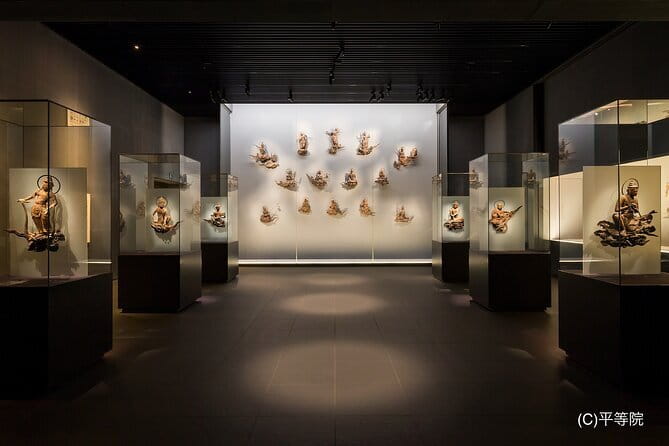
Byodo-in is the headline sight, and admission is included in the price. The temple is a UNESCO World Heritage Site and is famous throughout Japan for its appearance on the 10-yen coin. That familiar coin gives you a fun way to look at the building: once you notice the design, you will recognize why the temple is such a strong symbol of Japanese architecture.
The visit gives the guide a chance to explain more than the basic photo stop. You can connect the building to Uji’s place in Japanese culture and to the town’s long association with tea. The tour information does not specify how long you stay inside the temple grounds or which areas are covered, so do not plan around a guaranteed visit to every part of the complex.
I like that temple admission is built into the cost. You do not need to handle another payment during the morning, and the cultural portion feels like a real part of the experience rather than an optional add-on.
There is one thing to keep in mind. Byodo-in is a major attraction, so this stop may feel more scheduled than the tea workshop. You will have a guide and a set tour length, not an unlimited amount of time to wander alone. If your top priority is slow photography or a long private visit, a self-guided stop may suit you better.
Uji Shrine and the town beyond one famous temple
Uji Shrine adds a second religious site to the morning. That helps keep the experience from becoming only a temple visit followed by a food activity. The guide can place the shrine within the wider story of Uji and point out how the town’s religious sites sit alongside its tea culture.
The information provided does not list specific shrine buildings or rituals included in the visit, so I would treat this as a guided stop rather than a specialist shrine study. You will benefit most if you enjoy hearing how places connect, why they matter, and how a local area developed around them.
This is also where a small group can help. With six people or fewer, you can ask Vincent to explain something you do not understand or spend a little more time on a point that catches your interest. His approach has been praised for covering several temples and shrines while keeping the tone friendly.
The tour is a good match for you if you want context, not just a checklist of sights. It is less suitable if you prefer to move independently with headphones and a map.
More Walking Tours in Kyoto
- Kyoto Geisha Walking Tour: Gion District & Hidden Gems
★ 4.7 · 3,273 reviews - Kyoto: Gion Magical Night Walking Tour with Geisha Trivia
★ 4.9 · 2,393 reviews - Kyoto: Gion Geisha District Walking Tour – Stories of Geisha
★ 4.7 · 2,187 reviews - Night Walk in Gion: Kyoto’s Geisha District
★ 4.5 · 2,003 reviews
Grinding tea at Fukujuen Ujicha Kobo

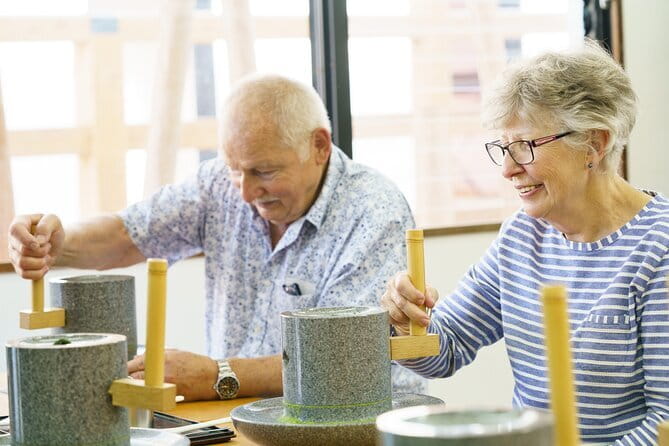
The most distinctive part of the morning is the matcha-making class at Fukujuen Ujicha Kobo. You use a traditional stone mill to grind tea leaves into fine matcha powder. This is the part that turns a standard tea tasting into an activity you take part in yourself.
Grinding tea by hand also slows the pace. You can see that matcha is not simply green powder scooped from a container. The workshop gives you a basic feel for the work behind the drink and a better sense of why Uji is known for prized green tea.
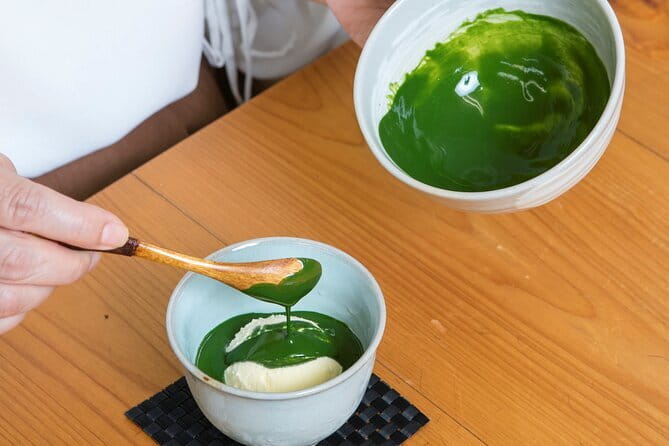
After grinding, you drink the matcha you made. You also receive your choice of a Japanese snack or matcha ice cream. That choice makes the finish flexible: select the snack if you want a more traditional pairing, or choose the ice cream if you prefer a cool, sweet treat.
The workshop requires a mask. Bring one and be ready to wear it during this part of the experience. The supplied details do not explain the exact process, the amount of tea you grind, or whether you make the tea entirely yourself, so keep expectations practical. You are getting a guided introduction to stone-ground matcha, not a professional tea-school course.
This is the strongest reason to choose this tour over a basic Uji sightseeing walk. You leave with a taste and a memory tied to your own actions. You also have a better basis for comparing the matcha drinks you try later in Kyoto.
What the English guide adds
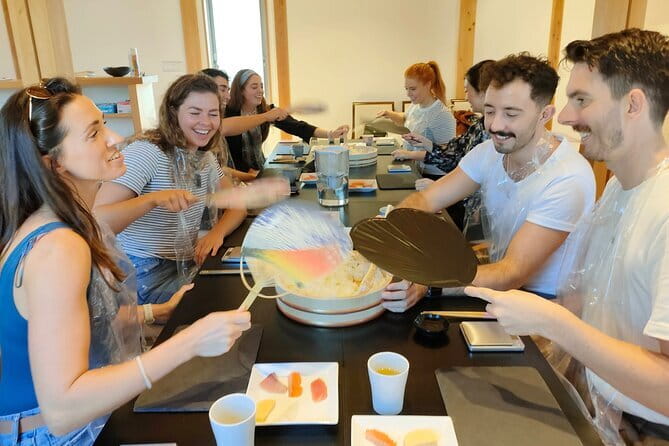
The tour is conducted in English, and Vincent is the guide named in the experience details. His role matters because the morning includes several layers: temple architecture, shrine culture, tea production, and the workshop itself.
The feedback about Vincent is especially consistent on two points. He is described as friendly, and he explains the places along the route clearly. One group found that he showed them several temples and shrines while also walking them through the matcha-making process. Another said they learned a great deal about Uji and its local past.
That tells you what kind of guide-led experience to expect. You are not booking silent transportation between attractions. You are booking interpretation, questions, and a human connection to the town. If the group is small, the guide can also let the morning breathe a little instead of treating every minute as fixed.
The provider is Tomodachi Tours. Since the tour has a maximum of six people, the overall feel should be more personal than a large bus excursion. Still, guide assignments can vary, so Vincent should not be treated as guaranteed unless your confirmation names him.
Is $130.46 a fair price?
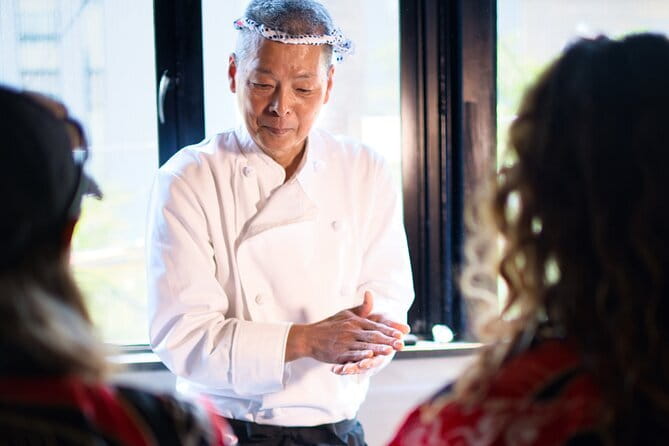
At $130.46 per person, this is not the cheapest way to see Uji. You are paying for a guide, a four-hour organized outing, admission to Byodo-in, the matcha class, and a Japanese snack or matcha ice cream. You are also paying for the convenience of combining the main sights and tea activity in one booking.
The value is strongest if you would otherwise struggle to plan Uji yourself or want someone to explain the cultural links between the stops. The small group limit improves the price calculation, since you are not sharing the experience with dozens of people.
The value is weaker if you only want to see Byodo-in and drink a matcha dessert. You could visit sights independently and choose a café, but that would not give you the stone-grinding activity or the same guided structure. The key question is not simply how much tea you receive. It is how much you value the teaching, the local context, and the ease of having the morning arranged.
Admission and refreshments are included, but hotel pickup is not. Factor in your own transport to the Kyoto Station meeting point. Since the activity begins and ends there, you do not have to pay for a separate return transfer arranged by the provider.
Who will enjoy this Uji morning most?

I would recommend this for a first visit to Uji, especially if you want the town explained rather than simply photographed. It suits matcha fans, couples, families with an interest in Japanese food culture, and anyone who likes a modest hands-on activity paired with major sights.
It is also a good choice for a short Kyoto stay. Four hours gives you a focused introduction without taking over the day. The 9:30 start leaves the afternoon open for other plans.
The experience may not suit you if you dislike guided walking, cannot wear a mask during the workshop, or want a long, unhurried temple visit. It also does not include hotel pickup, so the Kyoto Station start needs to fit your plans.
Because the tour requires a minimum number of participants, it can be canceled if that number is not met. In that case, you are offered another date or experience, or a full refund. For your own booking, free cancellation is available up to 24 hours before the start time. Changes or cancellations within 24 hours are not accepted for a refund.
Should you book the Matcha Grinding Experience in Uji?
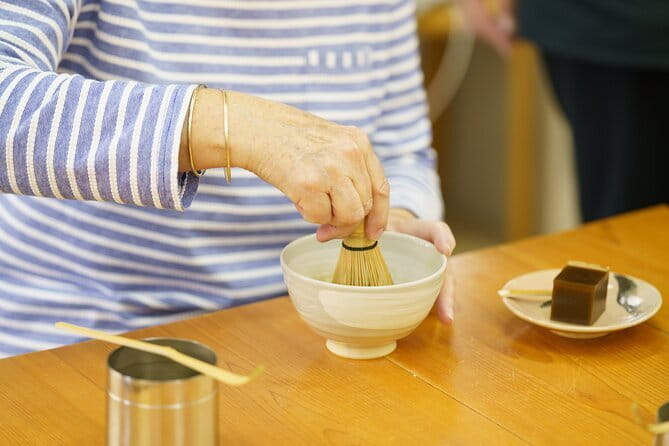
Book it if you want Uji’s major cultural sights and a real tea activity in one compact morning. The stone mill is the feature that gives this tour its edge, while Byodo-in provides the famous visual anchor. A small group and a friendly guide such as Vincent make it a stronger option than a large, rushed sightseeing outing.
Skip it if you prefer to set your own pace, already know Uji well, or only want a quick temple visit. For everyone else, the $130.46 price is reasonable when you value the included admission, guided explanations, hands-on workshop, and snack. Just arrive at the Kyoto Station meeting point prepared, set up WhatsApp, and bring a mask.
FAQ
How long does the Matcha Grinding Experience and Walking Tour last?
The experience lasts approximately four hours.
What time does the tour begin?
The tour starts at 9:30 a.m.
Where does the tour meet?
You meet at Shinshindo, inside the central bus ticket center near the central exit of JR Kyoto Station in Kyoto’s Shimogyo Ward.
Where does the tour end?
The activity ends back at the same meeting point.
Is hotel pickup included?
No. Hotel pickup is not included, so you must make your own way to the Kyoto Station meeting point.
Which places are included in the walking tour?
The route includes Byodo-in Temple, Uji Shrine, and Fukujuen Ujicha Kobo.
What is included in the price?
The price includes admission to Byodo-in Temple, the matcha-making class, and your choice of a Japanese snack or matcha ice cream.
Do I need WhatsApp or a mask?
Yes. WhatsApp should be available before the tour so the guide can contact you. You must also wear a mask during the matcha-making workshop.
Just added around Kyoto
- Sekka Cotton Furoshiki Class★ 5.0 · 19 reviews
- Kyoto Sword Experience – includes Museum Ticket/Ninja Experience★ 4.5 · 149 reviews
- Scenic Green Tea Fields of Hidden Kyoto & Local Tea Exp (Private)★ 5.0 · 32 reviews
- Secret Eastern Kyoto Biking Adventure★ 5.0 · 44 reviews
- Private Sake Tasting in Central Kyoto with Sake Sommelier★ 5.0 · 32 reviews
- Samurai School in Kyoto: Samurai for a Day★ 5.0 · 202 reviews
- SHIRAKAWA Japanese Culture Experiences with private English staff★ 5.0 · 16 reviews
- A Privately Guided Photoshoot in Beautiful Kyoto by a Pro★ 5.0 · 18 reviews
Tea Ceremony Experiences, compared.

Tea Ceremony in a Traditional Tea House in Kiyomizu
Our verdict →


World Heritage Kyoto & Nara Uji Authentic Matcha Experience
Our verdict →

Arashiyama Bamboo Forest, Monkeys, Matcha & Temple Tour
Our verdict →
Browse the lists this tour appears in