
Reviewed · GARDEN TOURS IN KYOTO
Kyoto: Zen Garden, Zen Mind (Private)
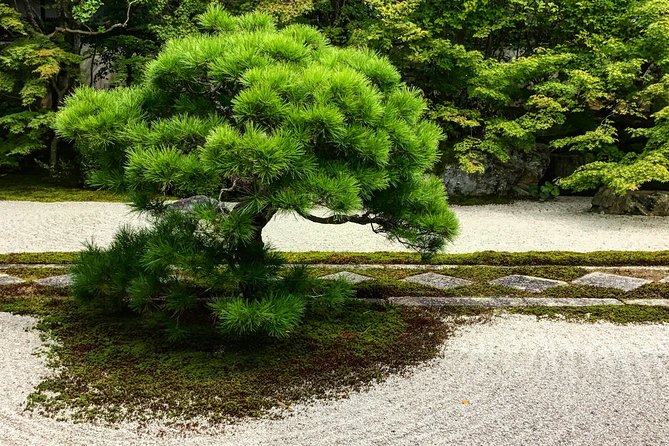
Kyoto’s Zen gardens can look simple at first: rocks, gravel, moss, clipped plants, and empty space. The trick is learning how to read them. On this private walk, landscape designer Andrew explains why each element is placed where it is, then connects garden design with Zen thought, Buddhism, Shinto, history, and modern Kyoto.
I like two things right away. First, you visit three important temple sites in the Nanzen-ji area rather than stopping at one famous garden. Second, Andrew’s background in landscape architecture gives the tour a practical eye. He can discuss both the spiritual meaning of a garden and the way it was built. The main consideration is price: $380 covers your private group of up to four, but the ¥1,600-per-person temple admission is extra.
Key points to know before you book
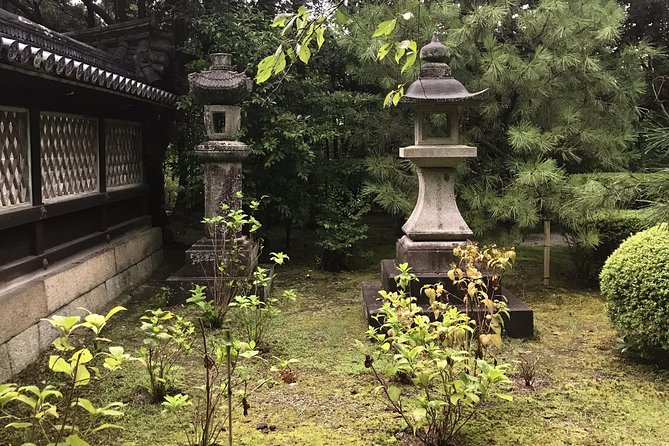
- Three gardens in one walking route: Visit Konchi-in, Tenjuan, and Nanzen-ji on foot.
- Andrew leads the tour: Your guide is a landscape designer with 15 years of experience and a master’s degree in landscape architecture.
- The meaning matters as much as the view: Expect discussion of Zen philosophy, Buddhism, Shinto, Japanese aesthetics, and garden construction.
- A private experience: Only your group participates, so the pace and conversation can fit your interests.
- Plan for extra costs: The advertised group price does not include ¥1,600 per person in temple tickets.
- Good weather is needed: The tour can be moved or refunded if poor weather forces cancellation.
Why a garden guide changes the way you see Kyoto
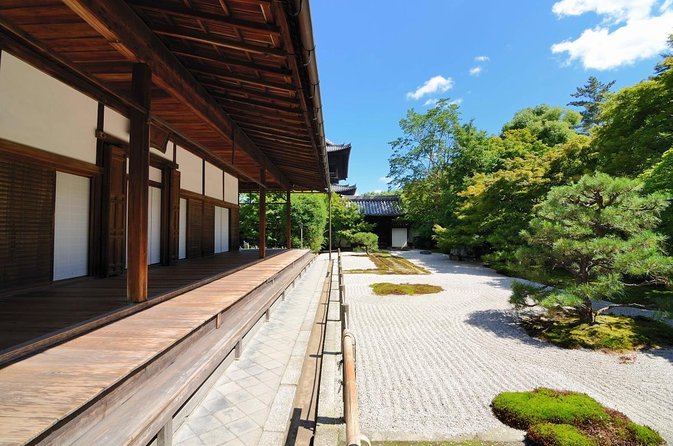
A Zen garden is not simply a pretty patch of gravel beside a temple. Its arrangement can suggest mountains, islands, water, distance, emptiness, or a larger natural world. Without context, you may admire the calm setting and move on. With Andrew’s help, you can ask better questions: Why this rock? Why this amount of empty space? Why are some views framed while others are hidden?
That makes this experience different from a standard temple stop. You are not just collecting photographs. You are learning a way to look.
Andrew brings a useful mix of subjects to the walk. His professional training covers the structure and construction of gardens. His interest in spiritual traditions gives the design a wider setting. He also discusses Japanese history and contemporary life in Kyoto, so the tour is not limited to technical garden terms.
I especially like that the experience does not treat Zen gardens as isolated works of art. Japanese gardens sit within religious compounds, and their meaning is tied to the buildings, rituals, ideas, and people around them. The tour gives you a chance to understand those links.
The private format helps here. With only your own group, you can ask about a particular rock arrangement, compare two gardens, or steer the conversation toward religion, history, gardening, or Japanese aesthetics. The guide can also adjust the discussion to suit your interests.
More Garden Tours in Kyoto
- Kyoto Arashiyama Walking Tour: Bamboo, Monkeys, Gardens & Secrets
★ 5.0 · 1,216 reviews - Kyoto Zen Meditation & Garden Tour at a Zen Temple with Lunch
★ 5.0 · 441 reviews - Kyoto Arashiyama Bamboo forest & Garden Half-Day Walking Tour
★ 5.0 · 413 reviews
Starting at Keage Station and walking into the temple district
The meeting point is near Keage Station at Higashikomonozacho in Kyoto’s Higashiyama Ward. The route ends in front of Nanzen-ji in Sakyo Ward, so you should not expect to return to the starting point with the guide.
That one-way plan is useful. You begin near public transportation and finish at one of Kyoto’s major temple areas. It also means you see the district on foot, using a route that cars and buses cannot follow in the same way. You can plan your next stop from Nanzen-ji rather than doubling back.
The walk lasts about three and a half hours. The three listed temple visits each receive about an hour, with the remaining time used for walking, transitions, and discussion. This is not a quick photo stop. Set aside a solid half-day and wear shoes you can walk in comfortably.
The route includes temple grounds and gardens, so the experience works best when you are ready to move at a relaxed but steady pace. The tour is described as suitable for most participants, and it is near public transportation. Still, anyone who finds extended walking difficult should consider the length before booking.
Konchi-in: begin with the details of Zen design
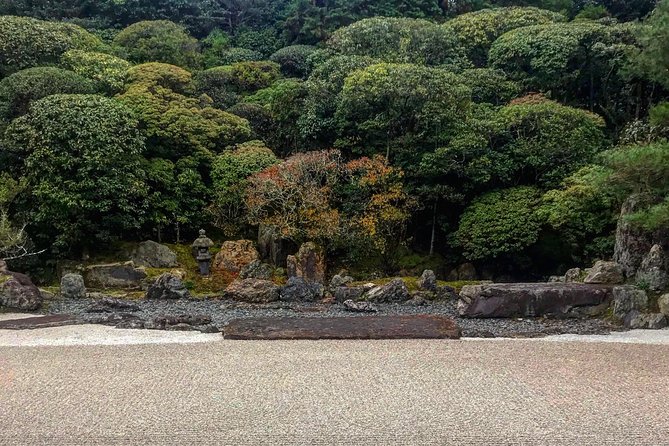
The first stop is Konchi-in, a sub-temple of Nanzen-ji. You have about an hour here, which gives Andrew time to explain the garden rather than rush you through it.
This is where his training as a designer should be most helpful. He can point out the basic building blocks of a Japanese garden and explain how they work together. You may begin by seeing rocks and gravel as separate objects. The guide can help you consider the full arrangement, the balance of open and occupied space, and the way the garden shapes your attention.
Konchi-in is also a good first stop because it sets up ideas that return throughout the walk. You can start noticing the relationship between built space and nature, the use of suggestion instead of literal scenery, and the role of restraint in Japanese aesthetics.
I would not treat the first garden as a lesson you must memorize. Listen for the main ideas, then watch how those ideas appear again at Tenjuan and Nanzen-ji. Seeing several sites makes comparison possible. A single garden can seem mysterious; three gardens let you notice different choices.
The one-hour timing is a strength for anyone who wants substance. It may feel slow if you only want a quick look at the grounds. This tour is designed for attention, not speed.
Tenjuan: compare another sub-temple garden
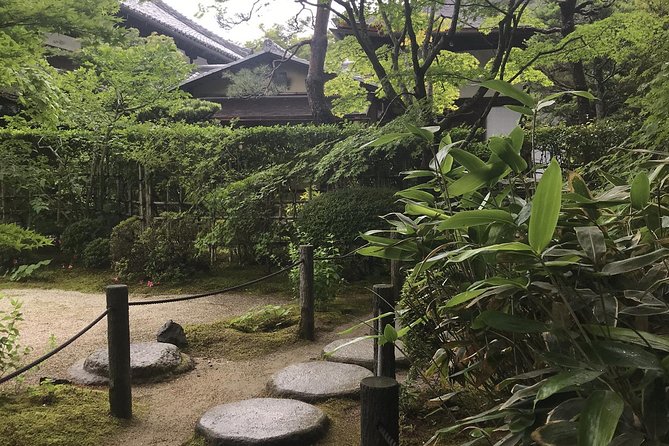
Tenjuan is another sub-temple of Nanzen-ji, and the tour allows roughly an hour here. Visiting two smaller temple sites gives you a more focused view of the Nanzen-ji complex before reaching the head temple itself.
This middle stop is important because it helps you compare. Andrew can explain how garden choices differ from one site to another, then discuss the ideas that connect them. You may begin to see that Zen garden design is not one fixed formula. Rocks, plants, paths, water references, open areas, and framed views can be handled in different ways.
The setting also offers a quieter part of the experience. The tour is built around peaceful garden observation, and Tenjuan provides another place to slow down and study what is in front of you. If you enjoy photography, you will have plenty to examine, but the real value comes from knowing what you are looking at.
Andrew’s explanations extend beyond garden construction. He discusses Buddhist and Shinto traditions and the way those beliefs appear in Japanese places of worship. That wider context matters because Kyoto’s temples and shrines are not just decorative backdrops. They reflect long-running religious and cultural practices.
As at Konchi-in, the extra hour can be a drawback for people who prefer a short sightseeing circuit. For anyone interested in design, religion, or Japanese culture, the time gives the conversation room to develop.
Same trip, a completely different kind of day:
- PERFECT KYOTO 1-Day Bus Tour
★ 5.0 · 13,518 reviews - Kyoto: Fushimi Inari, Kinkakuji, Bamboo Grove 1 Day Bus Tour
★ 4.8 · 4,316 reviews - Kyoto: Tea Ceremony in a Traditional Tea House in Kiyomizu
★ 4.9 · 3,519 reviews - Kyoto Geisha Walking Tour: Gion District & Hidden Gems
★ 4.7 · 3,273 reviews
Nanzen-ji: finish at the head temple
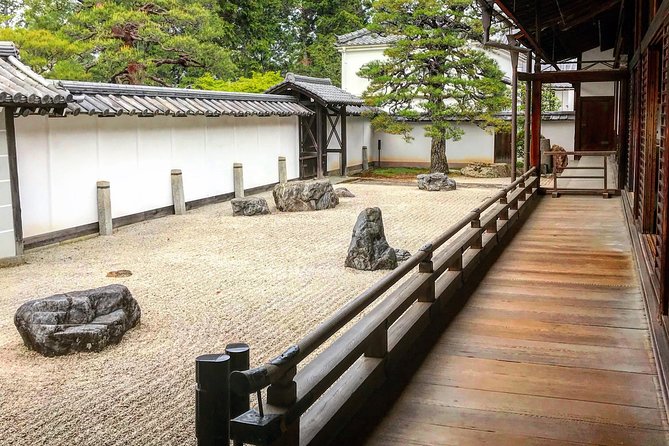
The final stop is Nanzen-ji, the head temple of the Nanzen-ji Zen monastery. The tour ends in front of Nanzen-ji, which makes the location easy to identify and gives the walk a clear finish.
After seeing two sub-temples, arriving at the main temple helps place the earlier gardens within a larger religious setting. Andrew can bring together the subjects covered along the way: design principles, Zen philosophy, Japanese history, Shinto, Buddhism, and the role of gardens in Kyoto.
Nanzen-ji is also a practical ending point. You are left near a major Kyoto sight rather than at an isolated meeting point. The tour information does not promise additional guiding after the finish, so plan your onward route in advance if you have a timed reservation elsewhere.
The hour at Nanzen-ji completes the three-part structure. Konchi-in introduces the design ideas. Tenjuan lets you compare them. Nanzen-ji gives them a wider setting. That progression is more useful than visiting unrelated gardens across the city.
Andrew’s teaching style and what you can ask
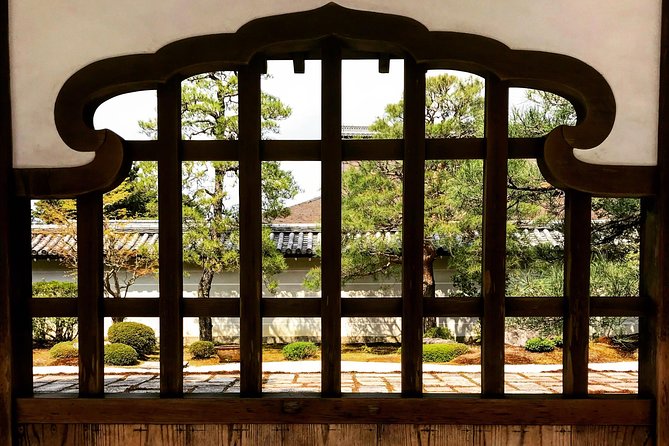
Andrew is the key reason to choose this tour over visiting the same sites alone. His qualifications include 15 years of experience as a landscape designer and a master’s degree in landscape architecture. He also brings a personal interest in the philosophical and spiritual side of the gardens.
You can expect more than dates and names. The guiding approach connects visible details with larger ideas. A rock arrangement can lead to a discussion of symbolism. A temple garden can open a conversation about Buddhism, Shinto, social life, or the way Kyoto has changed.
The tour suits an active conversation. If you have questions about Japanese religion, garden construction, aesthetics, or history, this is the right setting to ask them. The private group format means you do not have to hold back for a large crowd.
The supplied information describes Andrew as someone who can customize the tour to the group’s interests. That is worth using. Before you arrive, decide what you most want from the walk. You might focus on design, spiritual meaning, Japanese culture, or the practical methods used to create and maintain gardens.
Do not expect a formal class with technical drawings or a printed study guide. The value is in looking closely at real places while the guide explains them. You will get the most from it if you stay curious and give yourself time to observe.
What the $380 private price really buys

The cost is $380 per group of up to four people. Temple admission is separate, at ¥1,600 per person for the three sites. For one person, the group price is expensive. For four people, the cost works out to $95 each before admission, which makes the private format easier to justify.
You are paying for a personal guide, a three-and-a-half-hour walking route, and a subject specialist rather than a general city overview. That value is strongest if you would otherwise wander through gardens without understanding their design or religious setting.
This is not the best choice for a budget visitor who only wants to see temple grounds. You can save money by visiting independently, though you will lose the focused explanations and the chance to ask questions throughout the route.
It is a better buy for a small family, a couple who shares an interest in gardens, or a group of friends who want one thoughtful cultural experience. Four people can share the guide fee, while still keeping the tour private.
The admission cost is easy to overlook, so include it in your budget. The tour price also does not include anything beyond the walking tour and the guide’s narration.
Who will enjoy this walk most
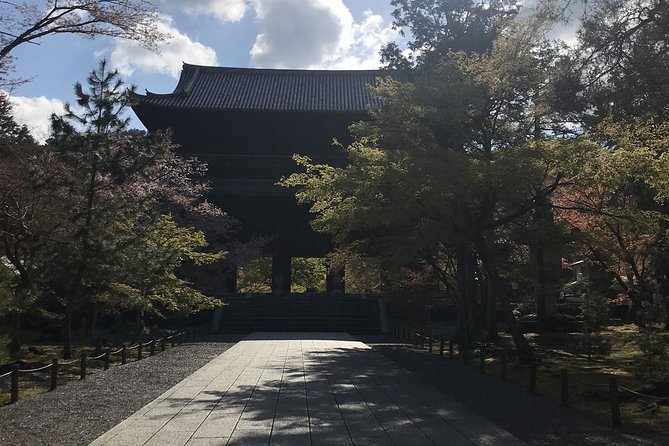
I would recommend it most to people who want context. You do not need a background in Buddhism, Japanese design, or garden architecture. You only need an interest in understanding why Kyoto’s gardens look the way they do.
It is especially suitable for:
- Garden designers, gardeners, and architecture students
- Visitors interested in Japanese aesthetics
- People curious about Zen, Buddhism, and Shinto
- First-time Kyoto visitors who want an informed introduction
- Repeat visitors who have already seen the main sights
- Small groups that prefer private discussion
The tour may be less suitable if your priority is speed. Three and a half hours is a serious commitment, and each stop receives about an hour. It is also not the right pick if you want a broad tour of Kyoto’s food, shopping, or famous city streets. The subject is focused: Zen gardens and the ideas around them.
Because the tour requires good weather, keep a little flexibility in your Kyoto schedule. If poor weather cancels it, you can receive a full refund or arrange another date. You can also cancel for a full refund up to 24 hours before the start time. Changes or cancellations inside that window are not accepted.
Small details that make the experience work
Start by checking the route from your accommodation to Keage Station. The meeting point is near public transportation, but the start and finish are in different areas. Since you end at Nanzen-ji, think about what you want to do next.
Allow enough time to arrive at the meeting point. A private tour depends on the group being ready at the agreed start time, and rushing into the first garden would undercut the calm pace.
Wear comfortable walking shoes. The tour is on foot, and the three-hour-plus duration is long enough for poor footwear to become a problem. Bring the usual weather protection as well, since cancellation depends on conditions and the walk takes place outdoors.
Use the private format well. Tell Andrew at the beginning if you care most about garden construction, Zen philosophy, Japanese history, religion, or contemporary Kyoto. A focused question can make the explanations more useful than a general lecture.
Finally, resist the urge to photograph every view immediately. Look first. Andrew’s teaching is built around noticing relationships, empty space, placement, and symbolism. A few quiet minutes can help the garden make sense.
Should you book Zen Garden, Zen Mind?
Book this tour if you want Kyoto’s gardens to become more than beautiful places to pass through. Andrew’s design background and interest in Zen thought give you a clear way to understand what you see at Konchi-in, Tenjuan, and Nanzen-ji.
I would choose it for a small group that values conversation and has room in the schedule for a slow, focused walk. The price is fairer when shared by four people, but the extra ¥1,600 per person in admission should be part of your calculation.
Skip it if you want a cheap, fast sightseeing stop or a general tour of Kyoto. Choose it if you want to look closely, ask questions, and leave with a new understanding of Japanese gardens.
FAQ
How long is the Kyoto Zen garden tour?
The tour lasts approximately 3 hours and 30 minutes.
How many people can join the private tour?
The price covers one private group of up to four people. Only your group participates.
Which places are included in the walking route?
The route visits Konchi-in, Tenjuan Temple, and Nanzen-ji Temple.
Where does the tour begin?
It begins near Keage Station at Higashikomonozacho in Kyoto’s Higashiyama Ward.
Where does the tour end?
The tour ends in front of Nanzen-ji in Nanzenji Fukuchicho, Sakyo Ward.
Are temple admission fees included?
No. Admission costs ¥1,600 per person for the three temples.
Who guides the experience?
Andrew leads the tour. He is a landscape designer with 15 years of experience and a master’s degree in landscape architecture.
What subjects does the guide discuss?
The tour covers Zen garden design, Japanese aesthetics, Buddhism, Shinto, Japanese history, contemporary life in Kyoto, and the spiritual meaning of gardens.
Can I cancel for a full refund?
Yes. You can cancel at least 24 hours before the start time for a full refund. If poor weather cancels the tour, you will be offered another date or a full refund.
Just added around Kyoto
- Sekka Cotton Furoshiki Class★ 5.0 · 19 reviews
- Kyoto Sword Experience – includes Museum Ticket/Ninja Experience★ 4.5 · 149 reviews
- Scenic Green Tea Fields of Hidden Kyoto & Local Tea Exp (Private)★ 5.0 · 32 reviews
- Secret Eastern Kyoto Biking Adventure★ 5.0 · 44 reviews
- Private Sake Tasting in Central Kyoto with Sake Sommelier★ 5.0 · 32 reviews
- Samurai School in Kyoto: Samurai for a Day★ 5.0 · 202 reviews
- SHIRAKAWA Japanese Culture Experiences with private English staff★ 5.0 · 16 reviews
- A Privately Guided Photoshoot in Beautiful Kyoto by a Pro★ 5.0 · 18 reviews
Garden Tours in Kyoto, compared.
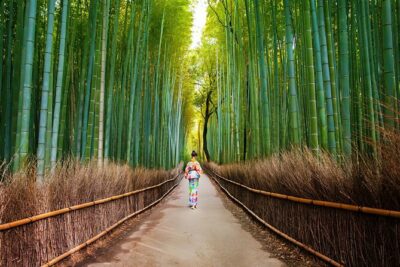
Kyoto Arashiyama Walking Tour: Bamboo, Monkeys, Gardens & Secrets
Our verdict →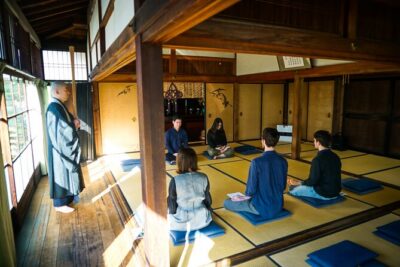
Kyoto Zen Meditation & Garden Tour at a Zen Temple with Lunch
Our verdict →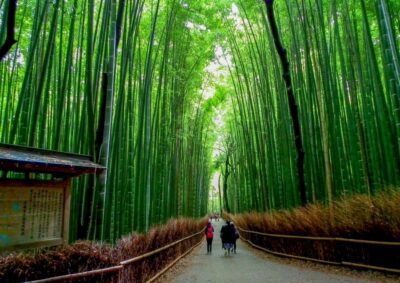
Browse the lists this tour appears in