
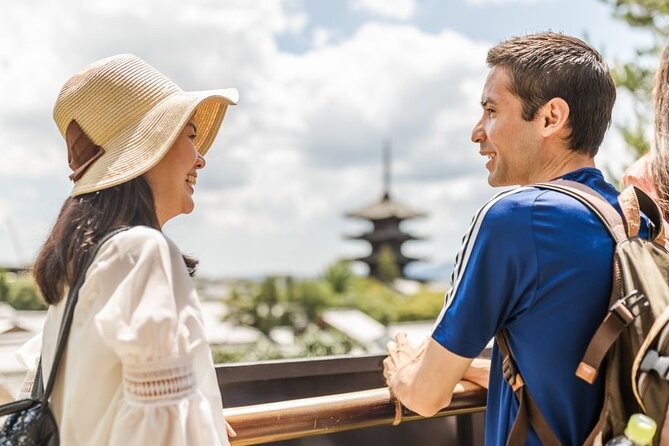
Reviewed · HIDDEN GEMS TOURS
Private Kyoto Tour with a Local, Highlights & Hidden Gems, Personalised
Kyoto is best understood on foot, one old street and temple courtyard at a time. This private tour lets you shape the day around what matters to you, from Gion tea-house streets and temple art to food, customs, photography, or simply finding quieter corners away from the main flow.
I like the pre-tour questionnaire, which gives your host a useful starting point, and the relaxed private format. Guides such as Amy, Alex, Miki, Hiro, and Kokoro have helped visitors fit major sights into short visits while adding restaurant advice, transport help, and even photos along the way.
The main catch is that this is not a fixed sightseeing circuit. Entry fees, meals, and transport cost extra, and a two-hour booking cannot sensibly cover every place listed. You need to tell your host what matters most and accept that the final route may change.
Key things to know before booking
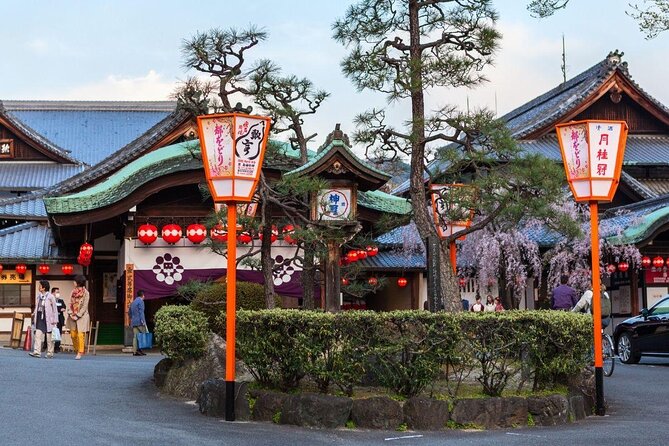
- Your route is built around you: Choose history, food, temples, local customs, photography, quiet streets, or a mix.
- The tour lasts 2 to 5 hours: A short booking suits one district, while a longer one can link several areas.
- You walk between sights: Public transport or a taxi may be used, but those costs are extra.
- You can start at your accommodation when accessible: The standard meeting point is Starbucks Coffee by Sanjo-ohashi Bridge.
- The guides add practical help: Expect advice on trains, buses, restaurants, shrine etiquette, and places to visit later.
- The price is $102.03 per person: That can be good value for a private introduction, especially for a small group sharing the attention.
A private start at Sanjo-ohashi Bridge
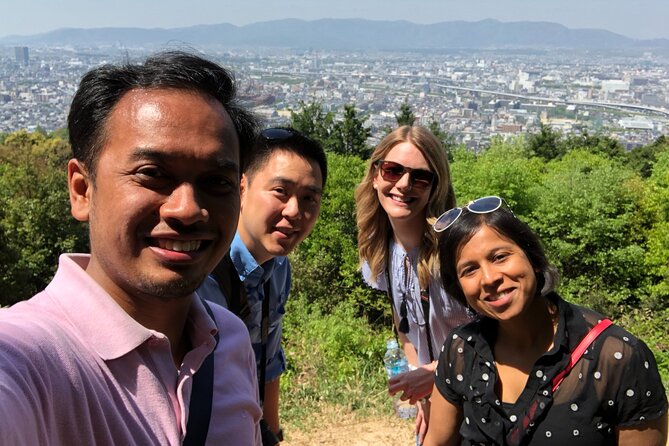
The listed meeting point is Starbucks Coffee at Sanjo-ohashi Bridge in central Kyoto. If accessible, your host can instead meet you at your accommodation or another convenient central location. That flexibility matters when you are arriving tired, traveling with children, or trying to make good use of a short stay.
After booking, you complete a short questionnaire about your interests and must-sees. Use it carefully. Do not simply write temples and food. Tell your host if you care about Japanese history, religious customs, gardens, shopping, traditional crafts, street photography, family-friendly stops, or avoiding steep walks.
The host then contacts you before the experience. This is one of the most useful parts of the arrangement because you can agree on a sensible plan rather than trying to cram all of Kyoto into one afternoon.
Your starting point does not guarantee a particular guide. The team includes hosts such as Amy, Alex, Miki, Hiro, Kenta, Kokoro, Emi, and others. The strongest pattern in the feedback is personal attention, not a single standard script. Several guides have adjusted routes for limited time, used public transport, helped with onward plans, and shared restaurant suggestions after the walk.
More Hidden Gems Tours in Kyoto
- Kyoto Geisha Walking Tour: Gion District & Hidden Gems
★ 4.7 · 3,273 reviews - Arashiyama Bamboo Forest & Hidden Gems Bike Tour (Early Bird)
★ 5.0 · 613 reviews - Kyoto: Hidden Gems E-Bike Tour with Local Japanese Guide
★ 4.9 · 189 reviews
Gion, Pontocho, and the old wooden streets
For a first look at central Kyoto, the Gion and Pontocho area makes a fine core route. Pontocho Alley is a narrow, car-free lane lined with traditional wooden buildings and small restaurants. It is especially atmospheric, though its intimate dining spots can be expensive and some are not easy to enter without advance planning.
Gion adds more room to explore. Hanami-koji Street, Tatsumi Bridge, and the Shimbashi area offer wooden townhouses, tea houses, canals, and a sense of older Kyoto. Your host can explain how the district functions today and help you look past the surface. This is a place for slow walking and careful observation, not a quick checklist stop.
Yasaka Shrine sits at the eastern edge of Gion. Its long religious history and connection with the Gion Matsuri festival make it a useful stop for understanding Kyoto’s seasonal traditions. The shrine is also easy to combine with Maruyama Park, which gives you a break from the hard surfaces and narrow streets.
I would choose this central route for a first afternoon, especially if you have only two or three hours. It keeps travel time down and gives you temples, old streets, religion, food suggestions, and local orientation in one area.
Kennin-ji and the meaning behind temple art
Kennin-ji, often described as Kyoto’s oldest Zen temple, offers a quieter and more focused stop than the busiest major sights. Its twin dragon mural and gilded screens depicting the wind and thunder gods provide clear talking points for a guide.
The value here is not just seeing the artwork. A good host can explain what you are looking at and connect it to Japanese religious and artistic traditions. Several people who have used this service wanted more than basic guidebook facts, including help understanding Japanese perspectives on history and present-day culture. That kind of conversation is where a private tour earns its keep.
Temple interiors and grounds may have entry fees, which are not included. Your host can help decide if a paid stop fits your priorities and budget. If you would rather spend the time walking through Gion or finding a small food stop, the flexible format allows that too.
Kiyomizu-dera, Sannenzaka, and Ninenzaka
Kiyomizu-dera is one of Kyoto’s essential sights, with a large wooden stage looking over the hills and city. The Otowa Waterfall is another familiar feature, associated with blessings for longevity, success, and love.
The approach through Sannenzaka and Ninenzaka is part of the experience. These narrow lanes are lined with wooden buildings, sweets shops, pottery sellers, craft stores, and other traditional goods. They are attractive but can be crowded, and the sloping streets are not ideal for anyone who needs an entirely flat route.
A private host can help you judge how much time to spend here. You might focus on the temple and the view, browse for ceramics and sweets, or use the area as a bridge between Gion and other eastern Kyoto sights. I would not try to combine every eastern district stop with Fushimi Inari in a short booking. You will spend too much of your paid time moving around.
Same trip, a completely different kind of day:
- PERFECT KYOTO 1-Day Bus Tour
★ 5.0 · 13,518 reviews - Kyoto: Fushimi Inari, Kinkakuji, Bamboo Grove 1 Day Bus Tour
★ 4.8 · 4,316 reviews - Kyoto: Tea Ceremony in a Traditional Tea House in Kiyomizu
★ 4.9 · 3,519 reviews - Kyoto: Tea Ceremony Ju-An at Jotokuji Temple
★ 4.9 · 3,207 reviews
Fushimi Inari and the choice between a shrine visit and a hike
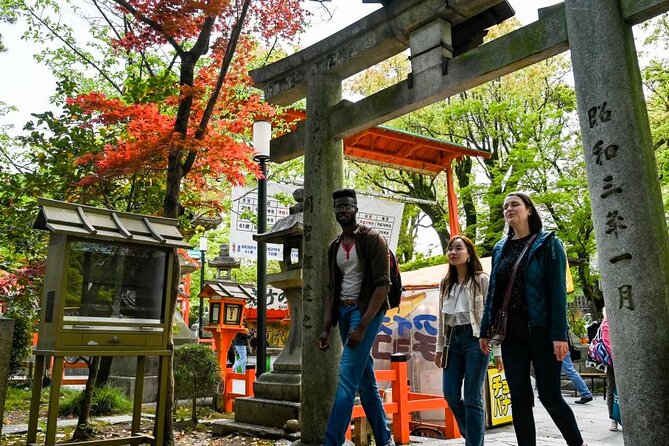
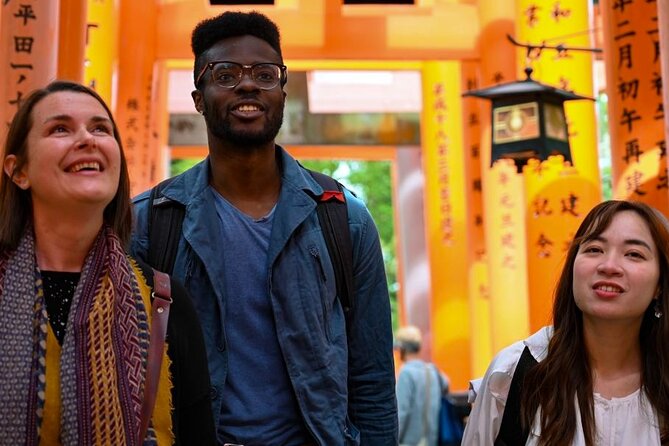
Fushimi Inari-taisha is known for its long rows of vermilion torii gates and fox statues. It can be added to the route if the shrine is high on your list. You and your host can decide whether to walk partway up the mountain for views or stay closer to the main shrine area.
That choice makes this stop more adaptable than it first appears. A visitor with limited time or energy can see the most recognizable sections without treating the entire mountain path as a test of endurance. Someone who wants a more active outing can spend longer on the route.
Fushimi Inari is not next door to Gion or Kiyomizu-dera, so transport may be needed. Public transport is not included, and the exact cost can be discussed with your host after booking. For a three-hour tour, I would pair Fushimi Inari with one nearby focus rather than several distant sights.
One useful example comes from a short booking that managed to include Fushimi Inari and Kiyomizu-dera for a visitor catching a flight. That shows what an efficient host can do, but it should not be treated as a promise for every group. Your pace, transport, crowd levels, and chosen stops will shape the day.
Maruyama Park and quieter temple choices
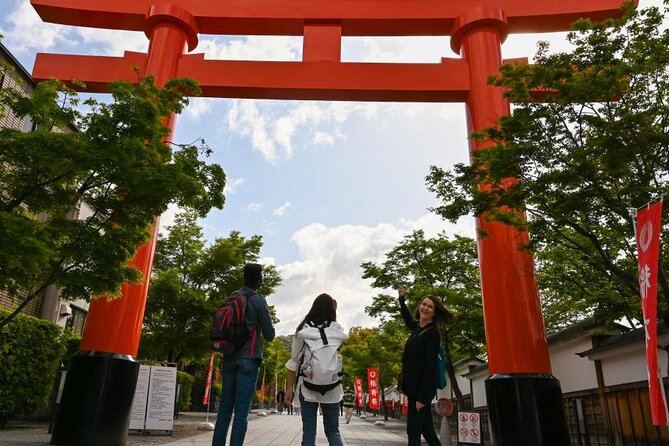
Maruyama Park gives the eastern route a little breathing room. It is known for spring cherry blossoms, but the park remains a pleasant pause at other times of year. If you want gardens, trees, and a slower rhythm, it can balance a busy temple-heavy walk.
You can also ask to see lesser-known temples or quieter areas. Kokoro, for example, has been praised for combining the Golden Temple with less crowded temple visits, while other hosts have taken people to places they would not have found alone. The useful point is not the promise of a secret location. It is that you can ask for less famous sights instead of accepting only the usual list.
This is where the private format gives you an advantage over a large group. You can stop for questions, change direction, or linger when a garden or street catches your interest. You are not waiting for twenty people to take photos or trying to hear a guide over a crowd.
What the guides add beyond sightseeing
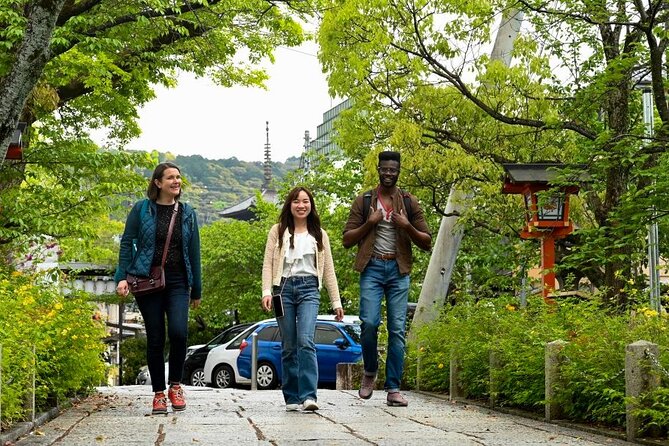
The best use of this experience is as a Kyoto orientation with a human voice. Amy has helped visitors understand history, culture, local life, and shrine rituals while riding public transport. Emi has explained trains and daily customs. Kenta Suzuki has led detailed visits to Fushimi Inari and Arashiyama’s bamboo grove, with strong English and careful planning.
Miki has been especially useful for first-day visitors who want a grounding in Kyoto before exploring on their own. Hiro has built easygoing routes with unusual cultural stops, including a matcha tea visit connected with a shogun’s wife and an art gallery. These examples show how varied the experience can be.
Several guides have also taken photos and videos during the day. Do not assume every host will act as a photographer, but it is reasonable to ask in advance if that matters to you. Restaurant tips and help reaching your next stop are other practical touches that can save time later.
Families may appreciate the private pace. Ceci has kept children engaged while adding lesser-known places and restaurant advice. Another family found a relaxed four-hour route with enough variety for an 11-year-old. Still, tell your host about ages, walking limits, and attention spans before the tour.
Timing, walking, and transport
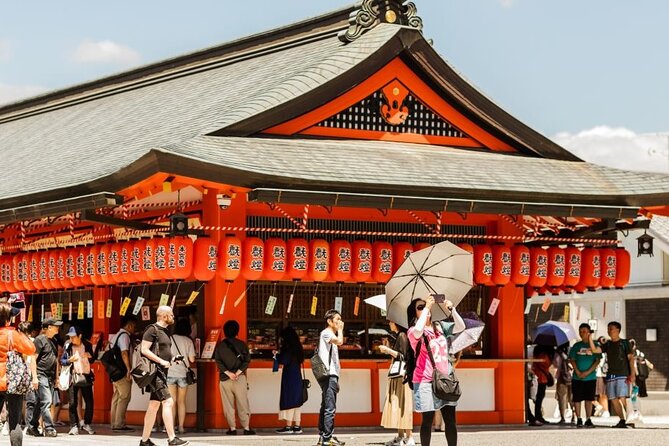
The advertised duration is about two to five hours. Two hours is enough for a compact district walk, such as Gion, Pontocho, Yasaka Shrine, and part of Maruyama Park. Three hours can cover a stronger introduction with one major temple. Four or five hours gives you room for several districts, a meal break, or a longer shrine visit.
This is primarily a walking experience. Wear shoes that handle pavement, slopes, and temple approaches. Sannenzaka, Ninenzaka, and the climb at Fushimi Inari may feel demanding, particularly if you try to cover too much.
Buses, trains, or local taxis may be used between distant sights. Those fares are extra, and food, drinks, and admission fees are also paid separately. That makes the $102.03 per-person price easier to understand: you are paying for private planning, company, local explanation, and flexibility, not an all-inclusive day out.
For a couple or small family, the price can compare well with a private guide elsewhere, especially when the host helps you avoid wasted time. For a solo visitor, it is a bigger spend, but it may still be worthwhile on a first day when transport and cultural details feel confusing.
Value, limitations, and who should book
A 4.9 rating from 1,544 ratings and a 96 percent recommendation rate point to strong satisfaction, especially with guide warmth, flexibility, English communication, history, and practical city help. The praise is not limited to famous sights. People value being shown how to use Kyoto’s trains and buses, where to eat, how shrine rituals work, and what to visit next.
The limitation is the lack of a guaranteed route. If you want a precise schedule with every admission arranged, this may feel too loose. You also need to budget for tickets and transport. A host can suggest stops, but the final plan is shaped with you.
Free cancellation is available up to 24 hours before the start time for a full refund. Changes or cancellations inside that window are not accepted for a refund.
Should you book this Kyoto walk?
Book it if you want a private first look at Kyoto and prefer conversation over a fixed script. It is particularly useful for first-time visitors, families, people with only a few hours, and anyone who wants help with customs, transport, food, or quieter temple choices.
I would choose three to five hours if Kyoto is new to you, then name two priorities and one flexible wish in the questionnaire. For example: Gion and Kiyomizu-dera are essential, Fushimi Inari would be a bonus, and please include local food advice.
Skip it if you already know Kyoto well, want a fully planned historical lecture, or dislike paying extra for admissions and transport. For everyone else, the combination of private pacing, local guidance, and an adjustable route makes this a sensible way to get your bearings without turning the city into a rushed checklist.
FAQ
How long does the private Kyoto tour last?
The experience lasts approximately two to five hours, depending on the option selected and the route created with your host.
What sights can be included?
Possible stops include Pontocho Alley, Kennin-ji, Gion, Yasaka Shrine, Maruyama Park, Sannenzaka, Ninenzaka, Kiyomizu-dera, Fushimi Inari-taisha, and Kiyamachi Street. The final route is flexible and not guaranteed.
Where does the tour start?
The standard meeting point is Starbucks Coffee at Kyoto Sanjo-ohashi Bridge, 113 Nakajimacho, Nakagyo Ward, Kyoto. Your host may meet you at your accommodation or another convenient central location where accessible.
Does the tour include transportation?
The experience is mainly on foot. Public transport or local taxis may be used between sites, but transportation costs are not included.
Are admission fees included?
No. Entry fees, food, and drinks are not included. You and your host can decide together which paid stops or meals to add.
Is this a private activity?
Yes. Only your group participates, and the route and pace are adjusted around your interests.
What happens after booking?
You receive a short online questionnaire about your interests, preferences, and must-see places. Your City Unscripted host then contacts you to help shape the experience.
Can I cancel for a full refund?
Yes, if you cancel at least 24 hours before the experience start time. Cancellations or changes made less than 24 hours before the start time are not eligible for a refund.
Just added around Kyoto
- Sekka Cotton Furoshiki Class★ 5.0 · 19 reviews
- Kyoto Sword Experience – includes Museum Ticket/Ninja Experience★ 4.5 · 149 reviews
- Scenic Green Tea Fields of Hidden Kyoto & Local Tea Exp (Private)★ 5.0 · 32 reviews
- Secret Eastern Kyoto Biking Adventure★ 5.0 · 44 reviews
- Private Sake Tasting in Central Kyoto with Sake Sommelier★ 5.0 · 32 reviews
- Samurai School in Kyoto: Samurai for a Day★ 5.0 · 202 reviews
- A Privately Guided Photoshoot in Beautiful Kyoto by a Pro★ 5.0 · 18 reviews
- Samurai Performance and Casual Experience: Kyoto Ticket★ 4.5 · 115 reviews
Hidden Gems Tours, compared.

Kyoto Geisha Walking Tour: Gion District & Hidden Gems
Our verdict →
Small Group, Big Flavors & Hidden Local Secrets Tour
Our verdict →Browse the lists this tour appears in