Reviewed · KYOTO TOURS
Kyoto Afternoon Tour from Kyoto or Osaka
Fushimi Inari’s red torii gates, Sanjusangendo’s hall of 1,001 Kannon statues, and Kiyomizu-dera’s view over Kyoto give this afternoon tour a strong three-part shape. I like the air-conditioned transport between sites and the fact that entry fees are already covered. I also like the mix of Shinto and Buddhist places, which gives you more than a string of similar temples.
The catch is time. Kiyomizu-dera can come late in the day, sometimes around dusk, and each stop may feel brief. If you want quiet temple time, long walks through shrine grounds, or plenty of shopping, explore Kyoto independently. If you have one afternoon and want help with the city’s logistics, this tour makes a sensible first look.
Key points to know before booking
- Three major sights in one afternoon: Fushimi Inari, Sanjusangendo, and Kiyomizu-dera.
- About 4 hours 40 minutes: The schedule is efficient, but not leisurely.
- English-speaking guide included: Guides such as Yoshi, Momo, Jessie, Amy, and Donna-San have led past departures.
- Transport and admission included: You do not need to arrange local connections between the stops or buy temple tickets separately.
- Expect walking: The approach to Fushimi Inari takes about 15 minutes each way from the parking area, and Kiyomizu-dera involves an uphill climb.
- Best for a short Kyoto stay: It gives you a useful introduction without taking a full day.
Three Kyoto icons, packed into one afternoon
This tour works because the sights are different. Fushimi Inari is a Shinto shrine known for its rows of red torii gates. Sanjusangendo is a Buddhist temple famous for its long wooden hall and statues. Kiyomizu-dera brings together a historic temple, hillside views, and a traditional shopping street.
That variety helps you understand Kyoto as more than a collection of pretty buildings. You see how Shinto shrine worship differs from Buddhist temple life, then finish at one of the city’s most famous viewpoints.
The tour begins in the afternoon at the Avanti Tour Desk near Kyoto Station. The office can be hard to locate because it is in the basement of a large building, so allow time to find it. Kyoto Station is big, and being dropped at the wrong side of the complex can add an unwelcome scramble before the tour even begins.
Transportation and admission fees are included. Food and drinks are not, and there is no hotel pickup or drop-off. The group may have up to 40 people, although some past departures have been larger. That matters most when the guide is explaining something in a noisy courtyard or crowded street.
A few more Kyoto half-days worth comparing
- PERFECT KYOTO 1-Day Bus Tour
★ 5.0 · 13,518 reviews - Kyoto: Fushimi Inari, Kinkakuji, Bamboo Grove 1 Day Bus Tour
★ 4.8 · 4,316 reviews - Kyoto: Tea Ceremony in a Traditional Tea House in Kiyomizu
★ 4.9 · 3,519 reviews
Fushimi Inari and the famous red torii gates
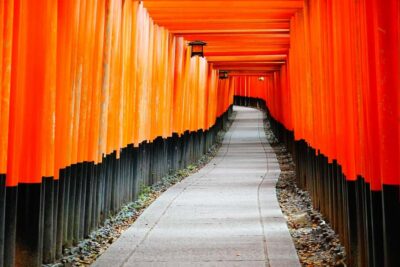
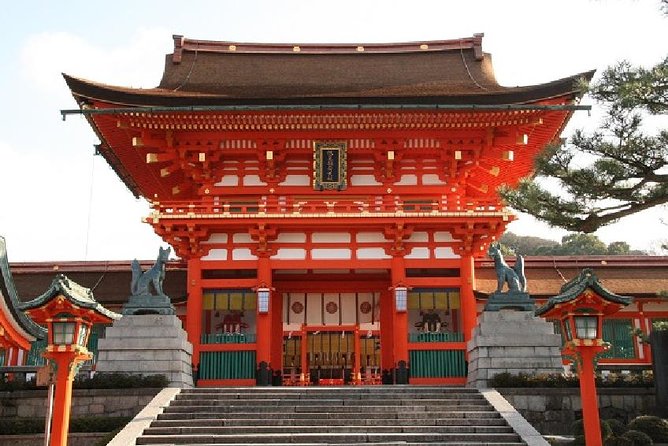
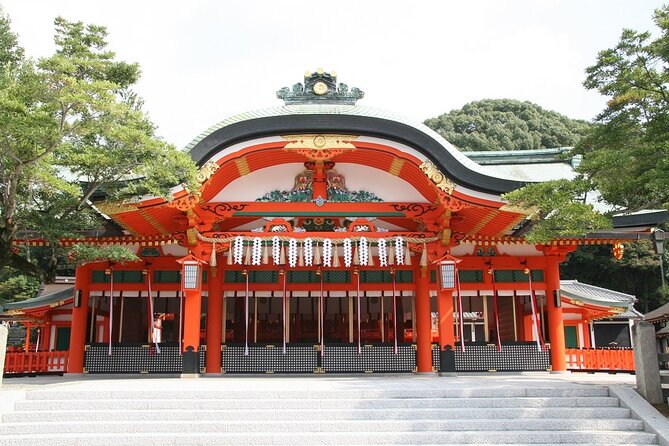
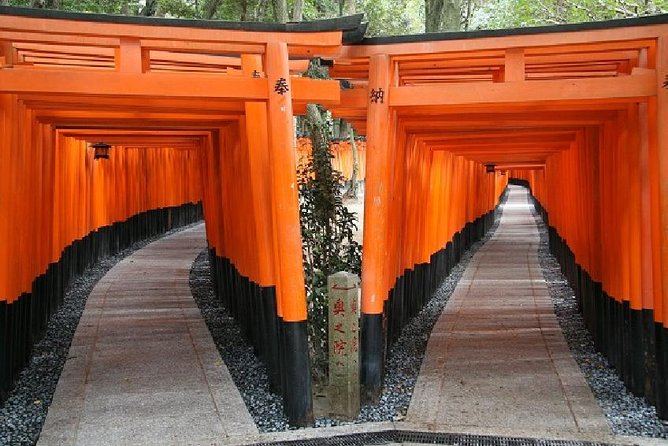
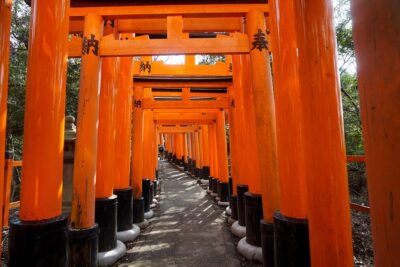
Your first major sight is Fushimi Inari Taisha, the head shrine of roughly 40,000 Inari shrines across Japan. It is one of Kyoto’s most recognizable places, thanks to the Senbon Torii, or Thousand Torii gates, which form bright-red corridors up the wooded hillside.
The gate-lined paths make excellent photographs, but the real value is seeing how the shrine continues to function as a religious site. Inari is associated with rice, agriculture, business, and prosperity, and fox figures appear around the grounds as messengers of the deity.
The tour allows about 30 minutes at the shrine itself. You also walk about 15 minutes each way from the parking area, so this is not a bus-to-the-front-door stop. Wear shoes you can walk in, especially if the weather is hot or humid.
Thirty minutes is enough for an introduction and a short look at the torii gates. It is not enough to walk far up the mountain. If you have seen photographs of long, nearly empty tunnels of gates, remember that the lower section can be crowded. Your guide can help you understand what you are seeing, but you will need to stay aware of the meeting point and time.
One detail to note: the tour does not enter the shrine’s Shin-en garden. That keeps the stop focused, but it also means you are not seeing every part of the complex.
Sanjusangendo and 1,001 Kannon figures
Sanjusangendo offers a very different mood. The temple’s name refers to the 33 spaces between its columns, and the main hall stretches about 120 meters, making it Japan’s longest wooden structure.
Inside are 1,001 life-size statues of Kannon, the Buddhist bodhisattva of compassion. The arrangement is powerful because the figures fill the long hall in disciplined rows. Even visitors who are not usually drawn to religious art often remember this stop for its scale and stillness.
The temple dates from the 13th century, though the building has been rebuilt over time. The guide’s explanation is useful here because the hall can appear simple from the outside. The meaning is inside, in the repeated statues, the details of their faces and hands, and the sense of order across the enormous room.
The planned visit lasts about 30 minutes. That is enough to walk through the hall and hear the central points, but it is a short visit if you want to examine each statue or linger in the grounds. Several people found this the most intense part of the afternoon, which makes sense: unlike Fushimi Inari, this is not mainly about a famous photograph. It is an encounter with a remarkable interior.
Photography rules and temple customs matter here. Follow your guide’s instructions and be respectful inside the hall. The experience is strongest when you slow down mentally, even if the timetable does not give you much physical time.
Kiyomizu-dera and the view across Kyoto
Kiyomizu-dera is the tour’s longest stop, with about 1 hour and 10 minutes scheduled. It is also the stop that demands the most from your legs.
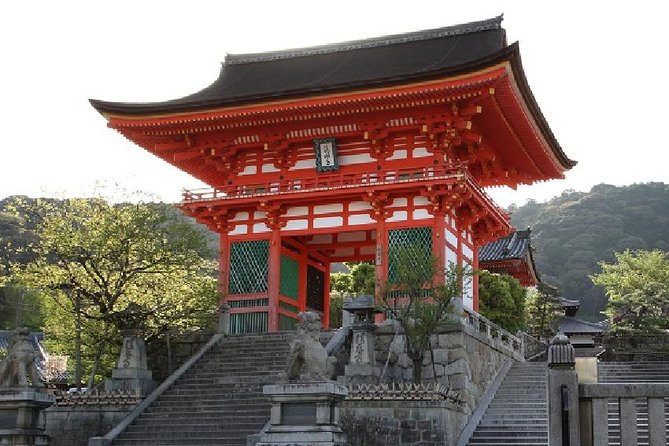
The route leads through the historic shopping lane toward the temple. The street is lined with pottery shops and other stores, giving you a chance to browse or grab a quick ice cream. Crowds can make this approach slow, and the climb becomes strenuous on a hot day, but the street is part of the experience rather than a mere route to the entrance.
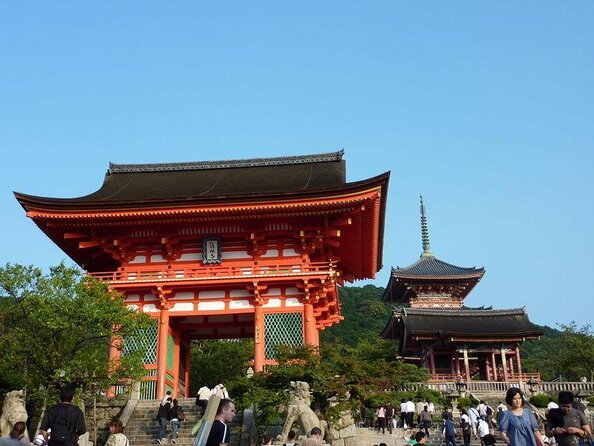
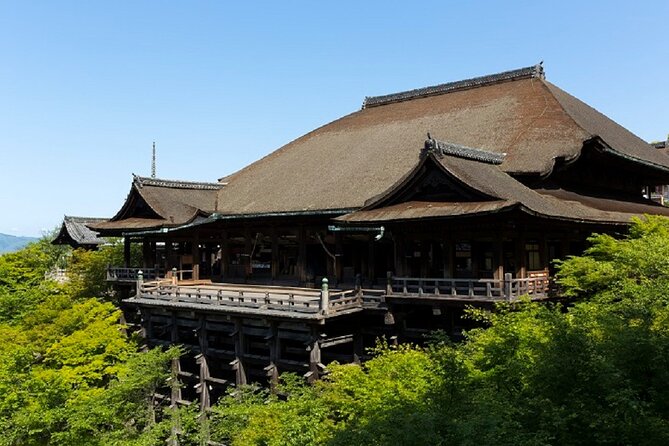
Kiyomizu-dera is a UNESCO World Heritage site built on the slopes of Higashiyama. Its broad wooden terrace looks over Kyoto, and the surrounding paths offer several angles across the city. This is the place where you get the sweeping view promised in the tour description, though light and weather will shape what you see.
Timing is the main concern. Some departures reach Kiyomizu-dera around 4:30 p.m., with darkness arriving before the group leaves. In autumn, that can mean missing the best light for foliage and ending with a nighttime view rather than a daytime panorama. Seasonal daylight changes the feel of this stop, so check the start time carefully if the city view is your main reason for booking.
The scheduled hour and ten minutes is more generous than the 30-minute stops, but it can still pass quickly. You need to balance the temple terrace, the surrounding paths, the approach street, shopping, and the meeting time. A few people were able to stay behind after the main visit, but do not assume this will always be possible. Ask your guide before separating from the group.
Same trip, a completely different kind of day:
- Kyoto Geisha Walking Tour: Gion District & Hidden Gems
★ 4.7 · 3,273 reviews - Kyoto: Tea Ceremony Ju-An at Jotokuji Temple
★ 4.9 · 3,207 reviews - Kyoto: Gion Magical Night Walking Tour with Geisha Trivia
★ 4.9 · 2,393 reviews - Kyoto: 45-Minute Tea Ceremony Lesson Experience
★ 4.3 · 2,378 reviews
What the guide adds to the afternoon
A good guide is the difference between this being simple transportation and a useful introduction to Kyoto. The strongest guide feedback centers on clear explanations, humor, organization, and personal care. Yoshi is praised for being friendly, funny, and informative. Momo, Jessie, Amy, and Donna-San are also named positively in tour feedback.
Your guide may explain Buddhist and Shinto customs, point out details you could miss, and keep the group moving through crowded areas. This is especially helpful at Fushimi Inari, where it is easy to focus only on the red gates, and at Sanjusangendo, where context makes the hall more meaningful.
Guide quality can vary, and group size affects how well you can hear. One reported departure had about 50 people, while another had 43, despite the stated maximum of 40. In a large group, the guide’s voice may be harder to catch, especially near Kiyomizu-dera’s busy streets. Stay close, listen for meeting instructions, and consider standing near the guide during explanations.
The tour is conducted in English by a National Government Licensed English Guide Interpreter. That is a useful credential for visitors who want cultural background rather than only directions and photo stops.
The pace, walking, and practical effort
This is a sightseeing tour, not a relaxed temple day. The bus reduces the hassle of figuring out Kyoto’s connections, which is valuable when you have only one afternoon. You can move between three major sites without spending your limited time navigating trains and buses.
You still need to walk. Fushimi Inari involves the route from the parking area to the shrine. Kiyomizu-dera includes an uphill approach, and the shopping lane may be crowded. The tour suits most people, but anyone with limited stamina should take the heat, hills, and standing time seriously.
Seats may not be designated. Children aged five and under can join free, but they do not receive a bus seat unless you book the child rate. Participants under 18 need written parental permission, and anyone under 15, or not yet in middle school, must be accompanied by a parent or guardian.
The order of stops and arrival times can change because of road conditions and congestion. That is particularly important in Kyoto, where a short delay can reduce your time at the final temple. Treat the timetable as a plan, not a promise.
Is $82.58 a fair price?
At $82.58 per person, the tour is not the cheapest way to see Kyoto. You can visit the sites independently, and public transport may cost less than a guided package.
The value comes from saving planning time. Transport between the sights, temple admissions, and an English-speaking guide are included. If you are staying in Osaka, arriving by train for a single afternoon, or visiting Kyoto for only one day, that convenience can justify the price.
The tour is also useful for first-time visitors who want a quick orientation. You get three important places and a basic explanation of Kyoto’s religious traditions without spending a full day on a single district. For a couple or family that would otherwise lose time working out routes, the added cost can be reasonable.
Independent sightseeing is better if you want to set your own pace. You can spend hours at Fushimi Inari, wait for better light at Kiyomizu-dera, or stop for a proper meal and longer shopping. The tour’s value drops if you dislike fixed schedules or already know Kyoto well.
Who should book this Kyoto afternoon tour?
I would choose this tour if you have limited time, want the main sights arranged for you, or prefer hearing cultural background while you visit. It is also a good first afternoon in Kyoto because the three stops give you a useful sense of the city’s religious and historic character.
Families may appreciate the bus and the simple structure, though young children still need to manage the walking and hills. The tour also suits visitors staying in Osaka who want a guided Kyoto visit without arranging each connection themselves.
I would skip it if your priority is quiet photography, extended temple visits, or a full exploration of Fushimi Inari’s mountain paths. I would also think twice if you need an accessible, low-walking outing, since the approach to the sites is not flat or short.
Book early if your schedule is fixed. This experience is booked, on average, 27 days ahead, and confirmation is subject to availability within 48 hours. Free cancellation is available up to 24 hours before the start time, but late cancellations and changes are not accepted.
Should you book it?
Book this tour if you want three major Kyoto sights in one organized half-day, with transport, admissions, and an English-speaking guide included. The mix of Fushimi Inari, Sanjusangendo, and Kiyomizu-dera is strong, and the price can be fair when your time is tight.
Do not book it expecting a slow, private temple visit. Crowds, traffic, a group of up to 40 people, and late-afternoon light can limit the experience. For a first look at Kyoto, it is efficient and useful. For a deeper look, use it as an introduction, then return to your favorite site on your own.
FAQ
How long does the Kyoto afternoon tour last?
The tour lasts approximately 4 hours and 40 minutes, often described as a five-hour afternoon tour.
Where does the tour begin?
You meet the guide in the afternoon at the Avanti Tour Desk near Kyoto Station. The office is in the basement of a large building and may take time to find.
Which sights are included?
The tour visits Fushimi Inari Taisha Shrine, Sanjusangendo Temple, and Kiyomizu-dera Temple.
Are admission fees and transportation included?
Yes. Temple and shrine admission fees listed for the tour, transportation costs between stops, and the licensed English guide fee are included. Food and drinks are not included.
Is hotel pickup available?
No. Hotel pickup and drop-off are not included.
How much walking is involved?
You walk about 15 minutes each way from the parking area to Fushimi Inari Taisha. Kiyomizu-dera also requires an uphill walk, and the shopping lane leading to the temple can be crowded.
Can I cancel for a full refund?
Yes, if you cancel at least 24 hours before the experience start time. Cancellations or changes made less than 24 hours before the start time are not accepted for a refund.
Just added around Kyoto
- Sekka Cotton Furoshiki Class★ 5.0 · 19 reviews
- Secret Eastern Kyoto Biking Adventure★ 5.0 · 44 reviews
- Kyoto Sword Experience – includes Museum Ticket/Ninja Experience★ 4.5 · 149 reviews
- Scenic Green Tea Fields of Hidden Kyoto & Local Tea Exp (Private)★ 5.0 · 32 reviews
- Private Sake Tasting in Central Kyoto with Sake Sommelier★ 5.0 · 32 reviews
- Samurai School in Kyoto: Samurai for a Day★ 5.0 · 202 reviews
- SHIRAKAWA Japanese Culture Experiences with private English staff★ 5.0 · 16 reviews
- A Privately Guided Photoshoot in Beautiful Kyoto by a Pro★ 5.0 · 18 reviews
Kyoto Tours, compared.

Tea Ceremony in a Traditional Tea House in Kiyomizu
Our verdict →
Kyoto Geisha Walking Tour: Gion District & Hidden Gems
Our verdict →


Fushimi Inari Hidden Hiking Tour (Private Option Available)
Our verdict →