
Reviewed · TEA CEREMONY EXPERIENCES
Nerikiri and Matcha Making Class in Kyoto
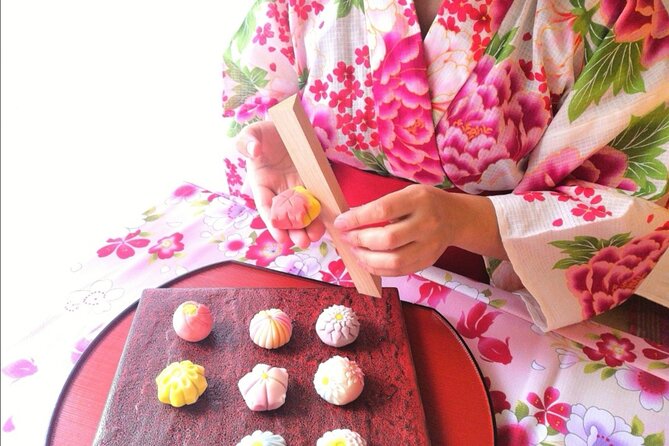
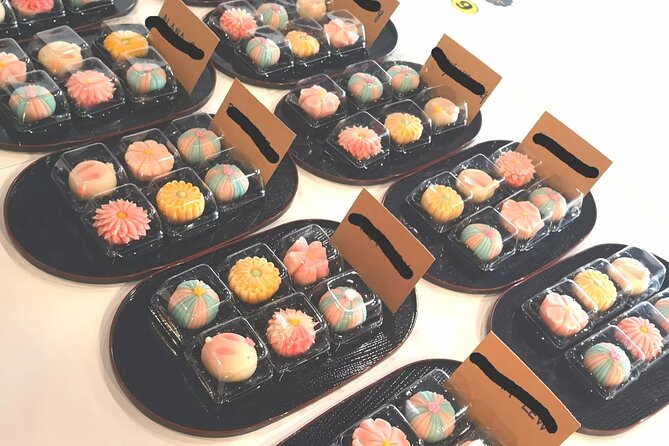
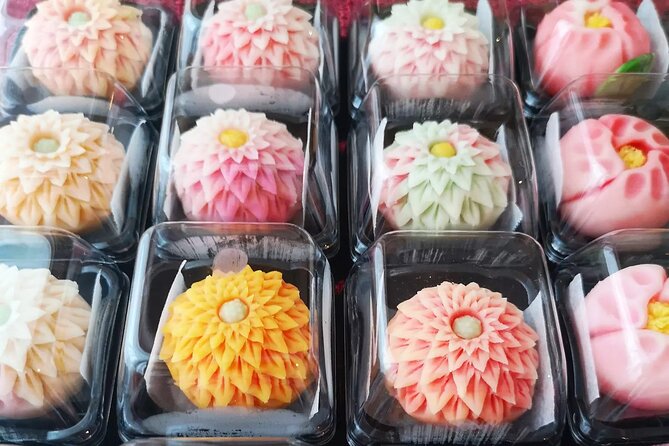
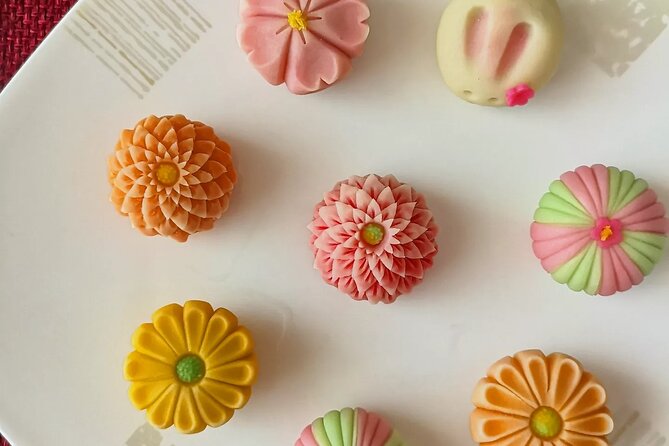
The best part of this Kyoto class is its mix of hands-on craft and quiet tea time. You shape five nerikiri sweets from prepared dough, learning how small changes in pressure, tools, and form create flowers and other decorative designs.
I like the small maximum of eight people, which gives you room to ask questions. I also like that you make your own table-style matcha and can take leftover sweets home. The main drawback is the non-refundable booking policy, so you need to be certain before paying.
I also appreciate the class’s clear purpose. It works for a first taste of Japanese confectionery, but the instructor also explains techniques and sends two nerikiri dough recipes by email after class if you want to keep practicing.
Key points at a glance
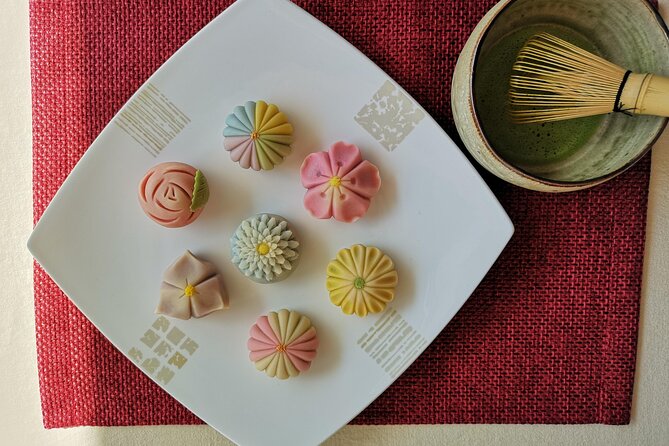
- Five different nerikiri designs: Learn several shaping methods instead of making one sweet on repeat.
- Prepared dough, real shaping practice: The instructor handles the dough in advance, so your time goes toward forming and decorating.
- Matcha made at the table: Prepare and drink your own matcha with the sweets you create.
- Small class size: The maximum is eight participants, with no spectators allowed.
- Take-home treats: A container is provided for the nerikiri you do not eat during class.
- A practical Kyoto address: Meet at 10:00 am near Matsugasaki Station in Sakyo Ward, with the class ending at the same meeting point.
Why nerikiri makes a good Kyoto activity
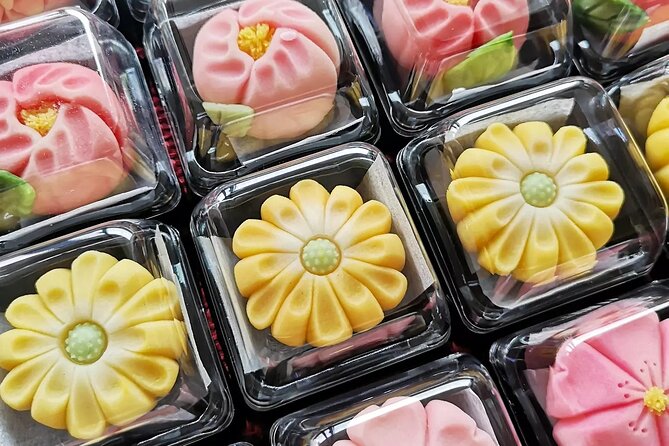
Nerikiri is a traditional Japanese confection served with tea. It is mainly made from sweet white beans and shaped into delicate forms. The finished sweets look more like tiny works of seasonal art than ordinary snacks, but the class keeps the process approachable.
You do not need to arrive with pastry skills. The instructor explains how nerikiri dough is made, then demonstrates each design step by step. Since the dough is prepared before the class, you can focus on the part most people want to try: shaping, pressing, pinching, and using the special tools.
That arrangement matters. Making dough from scratch would add another lesson, but it could also leave less time for the decorative work. Here, the class gives you five chances to improve. The first design may feel cautious, while later ones should become easier as your hands learn how the dough responds.
The session is also deliberately calm. Nerikiri requires attention, but not speed. You work with small pieces and simple motions, making this a pleasant break from Kyoto’s busier sights. If you like crafts, food, or quiet cultural activities, you get a useful two-and-a-half-hour change of pace.
More Tea Ceremony Experiences in Kyoto
- Kyoto: Tea Ceremony in a Traditional Tea House in Kiyomizu
★ 4.9 · 3,519 reviews - Kyoto: Tea Ceremony Ju-An at Jotokuji Temple
★ 4.9 · 3,207 reviews - Kyoto: 45-Minute Tea Ceremony Lesson Experience
★ 4.3 · 2,378 reviews
Meeting near Matsugasaki Station at 10:00 am
The class begins at Matsugasaki Station, at Matsugasaki Rokunotsubocho in Kyoto’s Sakyo Ward. The location is near public transportation, so you do not need private transport to reach the meeting point.
Plan your morning carefully. The start time is 10:00 am, and the class lasts about two hours and 30 minutes. Since the group is small and the session follows a demonstration-based format, arriving on time is important. The activity ends back at the meeting point, which keeps the logistics simple.
The exact class setting has a personal feel. The instructor welcomes you into her home, creating a more intimate setting than a large cooking school. That can make the experience feel more connected to daily Kyoto life, but it also explains the rule that only booked participants may attend. There is no room for spectators, so friends or family who are not taking the class should make other plans.
The maximum group size is eight. That is large enough for a little shared energy, but still small enough for the instructor to watch your technique and correct it when needed. If you are hoping for a private lesson, this is not advertised as fully private, but the group limit keeps it far more personal than a big workshop.
The first lesson: how nerikiri dough works
The class begins with an explanation of nerikiri dough. The instructor prepares the dough before you arrive, then shows you what goes into it and how it is used for the sweets.
This is a sensible format for a short class. You learn the basic idea without spending most of the session waiting for ingredients to come together. You also get the benefit of seeing the dough’s texture before you begin handling it.
The instructor’s teaching style is precise and organized. That helps because nerikiri can look fussy at first. The sweets are small, and the final shapes depend on gentle movements rather than force. Clear demonstrations make the process less mysterious.
After class, you receive two versions of the nerikiri dough recipe by email if you provide your email address. This is one of the better details for anyone who wants more than a one-time souvenir. The recipes give you a starting point for practicing at home, although the class itself focuses on shaping rather than a full dough-making session.
Five designs, five chances to improve
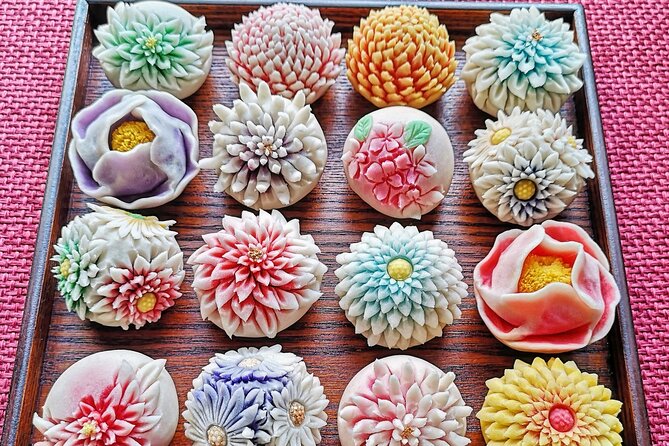
The heart of the activity is making five nerikiri designs. The instructor demonstrates each one step by step, then you copy the method using different tools and shaping techniques.
You should expect the designs to require care, but not perfection. The class is designed to teach technique, so the point is not to produce five identical sweets. You learn how to work the dough into different forms and how tools can create lines, curves, and details.
Making five pieces is a smart number. One design would give you only a brief introduction. Five lets you compare methods and notice your own progress. You can adjust your touch as you go, which is especially useful if the first sweet looks less polished than you hoped.
The tools are part of the fun. Nerikiri shaping uses small implements rather than ordinary kitchen equipment, and the instructor shows you how each one helps form the design. You do not simply decorate premade sweets. You take part in the full shaping stage, which gives the activity more substance.
The work is delicate but manageable with guidance. Expect to listen closely, watch the demonstration, and copy the motion before rushing ahead. If you press too hard or handle the dough too quickly, the shape may lose its clean lines. The class rewards patience, making it a good fit for anyone who enjoys careful handwork.
Same trip, a completely different kind of day:
- PERFECT KYOTO 1-Day Bus Tour
★ 5.0 · 13,518 reviews - Kyoto: Fushimi Inari, Kinkakuji, Bamboo Grove 1 Day Bus Tour
★ 4.8 · 4,316 reviews - Kyoto Geisha Walking Tour: Gion District & Hidden Gems
★ 4.7 · 3,273 reviews - Kyoto: Gion Magical Night Walking Tour with Geisha Trivia
★ 4.9 · 2,393 reviews
Making matcha in a table-style setting
Once the nerikiri work is finished, you make matcha tea. This is a table-style preparation, so you are not expected to take part in a formal floor-seated tea ceremony.
That makes the activity more accessible. You can learn the basic process of preparing matcha and then drink it with the sweets you made. The tea is not an afterthought. It gives context to nerikiri, since these confections are traditionally served alongside tea.
The pairing also changes the way you taste the sweets. Nerikiri is sweet, while matcha has a stronger, more bitter flavor. Taking them together gives you the contrast that makes the tea pairing work.
The class ends with time to enjoy the matcha and nerikiri. This final pause is valuable. You have spent the earlier part of the session concentrating on shapes and tools, so sitting down with the finished sweets gives the class a clear finish rather than ending abruptly after the last design.
What you get to take home
The class includes five nerikiri, matcha, and a container for take-home sweets. You can eat some during the session and pack the rest.
The container is a practical touch. Nerikiri is delicate, so carrying the sweets loose in a bag would be awkward. Having somewhere to place them makes the take-home portion feel planned rather than accidental.
Do not think of the sweets as a long-lasting food souvenir. The important value is the memory and the chance to show someone what you made. If you are staying in Kyoto for a while, you may also enjoy eating the remaining pieces later, but the activity information does not specify their shelf life, so ask the instructor if storage matters to you.
The recipes add another kind of souvenir. Instead of taking home only finished sweets, you can receive two dough recipes by email and use the class techniques again. You need to provide your email address if you want them.
A calm class for first-timers and serious learners
This class suits beginners because the instructor explains every design and provides guidance as you work. You do not need prior nerikiri experience, and the structure gives you repeated practice during the same session.
It also suits people who want to build a skill. The five designs introduce several techniques, and the recipes offer a way to continue at home. It is not a full professional pastry course, but it goes beyond a quick demonstration where you only watch someone else work.
The age requirement is clear: participants must be older than 10. Children under that age cannot join. Since the activity involves delicate shaping and a focused lesson, older children and teenagers who enjoy crafts may find it rewarding, but every participant must be able to take part directly.
The class may not suit you if you want a fast, highly social food tour with several dishes. You make nerikiri and matcha only, and the mood is peaceful rather than lively. It is also not a sightseeing tour, so you should choose it for the craft and tea lesson, not for views or a long list of Kyoto landmarks.
Is the $84.92 price fair?
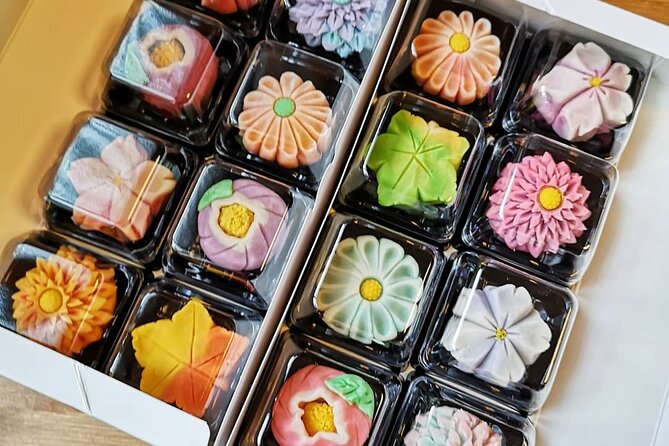
At $84.92 per person, this is not a budget snack stop. The value comes from the length, small group, instruction, five handmade sweets, matcha, take-home container, and follow-up recipes.
You are paying for teaching time as well as food. The instructor demonstrates several techniques, watches you work, and gives you a chance to repeat what you learn across five designs. A cheaper activity might offer a single tasting or a short demonstration, but this class gives you more time with the ingredients and tools.
The small group also matters. With a maximum of eight participants, you are less likely to be lost in a crowd. The class’s home setting adds a personal quality, though some people may prefer a larger commercial venue with more space and a less intimate atmosphere.
I would consider the price reasonable if you value hands-on cultural activities and want something quieter than a standard cooking tour. It is less appealing if you only want to taste Japanese sweets or collect a quick photo. The take-home treats and recipes help justify the cost, especially for anyone who plans to practice later.
Booking details worth noting
Confirmation is sent within 48 hours of booking, subject to availability. The class is often booked about 29 days ahead, so you should not assume that a last-minute Kyoto visit will have an open place.
The experience uses a mobile ticket. Keep the ticket available on your phone, and make sure you know the Matsugasaki Station meeting point before the morning of the class.
The cancellation policy is strict. The booking is non-refundable and cannot be changed for any reason. If your schedule is uncertain, this is a reason to wait before booking. The small space and limited number of places likely make changes difficult, but the practical result is simple: only reserve once your plans are firm.
Who should book the Nerikiri and Matcha Making Class?
I would choose this class if you want a personal Kyoto activity with a clear cultural link. You learn why nerikiri is paired with tea, practice the shaping yourself, and leave with sweets and recipes rather than only photographs.
It is especially good for people who enjoy crafts, food, Japanese tea, or quiet instruction. Couples, families with children over 10, and solo participants can all find a place here, as long as everyone joining is an active participant.
I would skip it if you need a flexible booking, dislike careful handwork, or want a larger meal. The non-refundable terms require commitment, and the class is built around patience. But if you can spare a calm morning and like the idea of making five delicate sweets with an instructor’s help, this is a thoughtful use of two and a half hours in Kyoto.
FAQ
Where does the class begin?
The class begins at Matsugasaki Station, at Matsugasaki Rokunotsubocho in Sakyo Ward, Kyoto, postal code 606-0915.
What time does the class start?
The scheduled start time is 10:00 am.
How long does the activity last?
The activity lasts approximately two hours and 30 minutes.
Where does the activity end?
The activity ends back at the meeting point.
How many nerikiri designs will I make?
You will learn to make five nerikiri designs using different shaping methods and tools.
Is the nerikiri dough made during the class?
The instructor prepares the nerikiri dough before class. During the session, the instructor explains how to make it and sends two versions of the dough recipes by email after class if you provide your email address.
Is matcha included?
Yes. Matcha is included, and you prepare it in a table-style setting before enjoying it with the nerikiri.
Can I take the sweets home?
Yes. You can take leftover nerikiri home, and a container is provided.
What is the minimum age?
Participants must be older than 10.
Can someone attend as a spectator?
No. Only people participating in the class may attend because space is limited.
Is transportation included?
Private transportation is not included. The meeting point is near public transportation.
What happens if I cancel?
The booking is non-refundable and cannot be changed for any reason. If you cancel or request an amendment, the amount paid will not be refunded.
Just added around Kyoto
- Sekka Cotton Furoshiki Class★ 5.0 · 19 reviews
- Secret Eastern Kyoto Biking Adventure★ 5.0 · 44 reviews
- Kyoto Sword Experience – includes Museum Ticket/Ninja Experience★ 4.5 · 149 reviews
- Scenic Green Tea Fields of Hidden Kyoto & Local Tea Exp (Private)★ 5.0 · 32 reviews
- Private Sake Tasting in Central Kyoto with Sake Sommelier★ 5.0 · 32 reviews
- Samurai School in Kyoto: Samurai for a Day★ 5.0 · 202 reviews
- SHIRAKAWA Japanese Culture Experiences with private English staff★ 5.0 · 16 reviews
- A Privately Guided Photoshoot in Beautiful Kyoto by a Pro★ 5.0 · 18 reviews
Tea Ceremony Experiences, compared.

Tea Ceremony in a Traditional Tea House in Kiyomizu
Our verdict →


World Heritage Kyoto & Nara Uji Authentic Matcha Experience
Our verdict →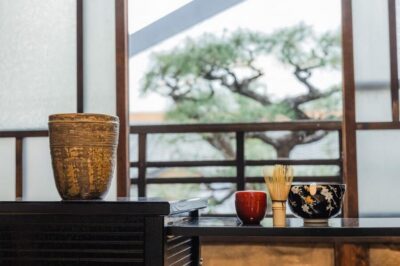


Arashiyama Bamboo Forest, Monkeys, Matcha & Temple Tour
Our verdict →
Browse the lists this tour appears in