
Reviewed · TEA CEREMONY EXPERIENCES
Experience a tea ceremony in an authentic tearoom, in Kyoto!
Kyoto’s tea ceremony tradition feels most real when it takes place in a quiet room rather than on a stage. Here, you enter an authentic tea room in a 130-year-old townhouse, watch the ceremony, and then make your own matcha. I like the intimate setting and the fact that the sweets come from Kyoto’s long-established Shioyoshi-ken confectionery shop.
I also like that the host, Kaori, explains the customs in clear English and welcomes beginners. The main drawback is value: at about $39.63 for roughly 45 minutes, this is a short introduction, not a full tea-school lesson. Sitting on the floor can also trouble visitors with bad knees, though a stool is available.
Key points to know before booking
- A 130-year-old townhouse: Enter the tea room through the garden for a setting with genuine Kyoto character.
- Kaori leads the experience: Her clear English, patient teaching, and warm manner are among the strongest parts of the session.
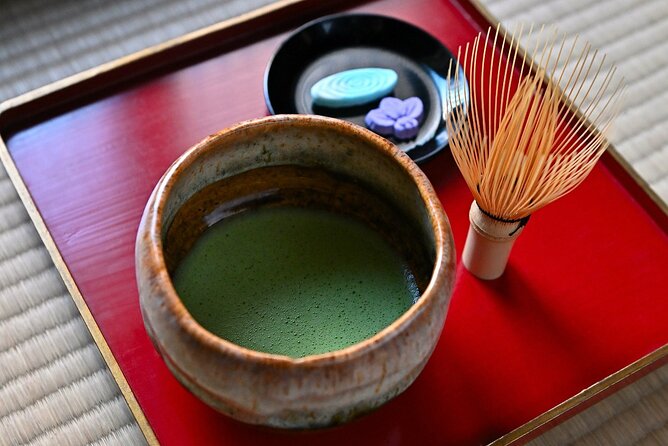
- You make your own matcha: This is hands-on, not just a demonstration from across the room.
- Kyoto sweets are part of the ritual: You taste dried Wasanbon sweets from the historic Shioyoshi-ken shop.
- Small groups keep it personal: The maximum is 10 people, and some bookings may feel nearly private.
- Short but practical: You learn how to appreciate, prepare, and drink matcha, including tips for making it at home.
Entering a 130-year-old Kyoto townhouse
The experience begins at 22-26 Nishinokyō Ikenouchichō in Nakagyo Ward, a location near public transportation. You meet there and finish at the same place, so you do not need to arrange a separate return transfer or find your way to another neighborhood afterward.
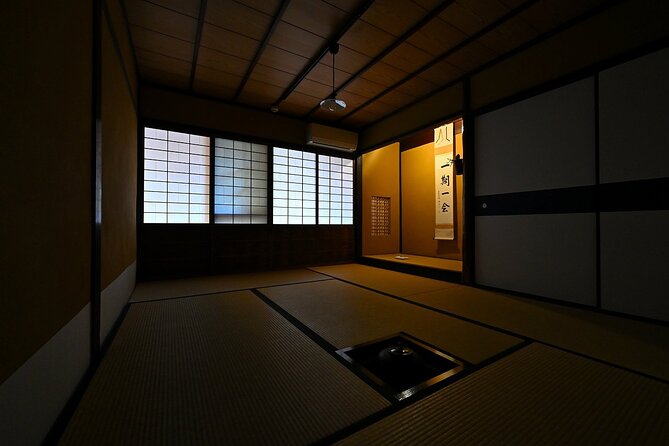
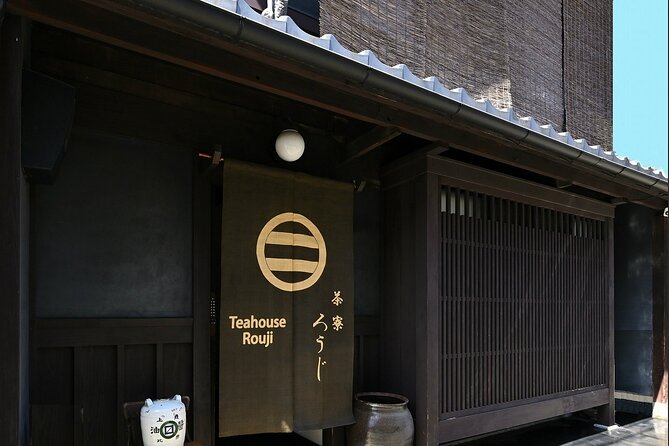
The most appealing detail is the entrance through the garden. Instead of walking straight into a modern classroom, you make your way into a tea room inside a townhouse that is about 130 years old. That small transition matters. Tea ceremony is closely tied to the design of the room, the garden approach, the quiet pace, and the careful handling of objects.
You should expect a traditional setting rather than a polished tourist theater. The room is part of the experience. It gives you a better sense of how tea ceremony fits into Japanese domestic and cultural life, even though the session itself is designed as a compact introduction.
The group limit is 10 people. That is small enough for questions and personal instruction, but the exact feel depends on the number booked for your time. Small family groups have sometimes had a private or nearly private ceremony, while a full group will naturally feel less personal.
More Tea Ceremony Experiences in Kyoto
- Kyoto: Tea Ceremony in a Traditional Tea House in Kiyomizu
★ 4.9 · 3,519 reviews - Kyoto: Tea Ceremony Ju-An at Jotokuji Temple
★ 4.9 · 3,207 reviews - Kyoto: 45-Minute Tea Ceremony Lesson Experience
★ 4.3 · 2,378 reviews
Watching the tea ceremony demonstration
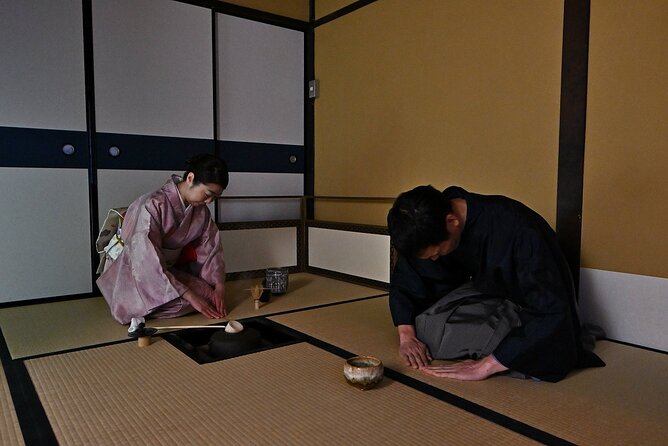
The host first introduces the history and customs of tea ceremony. You learn why the ritual is treated as a broad art form, with tea, architecture, sweets, utensils, movement, and manners all working together.
This is not simply a lesson in making a green drink. The point is to notice the order of the actions and the care given to each object. The host explains how to appreciate matcha, how to drink it properly, and how the ceremony creates a calm pause away from Kyoto’s busy sightseeing routes.
Kaori’s role is important here. Her English is described as excellent, and she guides the session with patience. That makes a difference because tea ceremony can feel confusing if you are expected to copy movements without knowing what they mean. You can ask questions, and the teaching is aimed at first-time visitors rather than people who already study tea.
The demonstration is also where you see the host’s formal presentation. Several comments describe her as wearing a kimono, but you should not book this expecting a separate kimono-dressing activity. Kimono rental or dressing is not part of the stated program.
Tasting Wasanbon sweets from Shioyoshi-ken
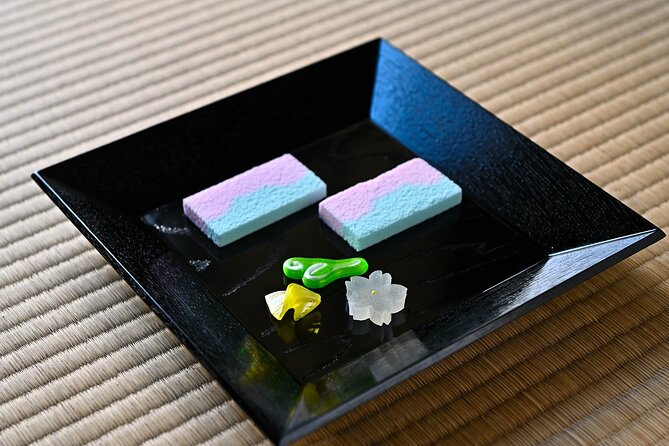
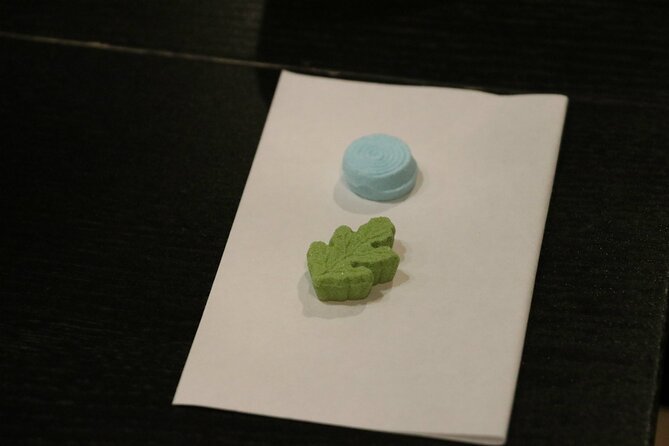
Before making tea, you enjoy dried Japanese sweets while watching the demonstration. These are small sweets, and they are meant to be eaten with matcha rather than treated as a full snack.
The sweets are made with Wasanbon, a fine Japanese sugar associated with traditional confectionery. They come from Shioyoshi-ken, a long-established Kyoto sweets shop. This is a useful detail because the sweets are not random packaged candy added to fill out the experience. They connect the tea ritual with another old Kyoto craft.
The flavor may surprise you. Wasanbon sweets are sweet, and the portions are small. If you expect pastries or a substantial dessert, you may find the offering modest. The sweets work best when you understand their purpose: they prepare your palate for the bitterness of matcha and add a precise, delicate part to the ceremony.
I like this pairing because it gives you two tastes of Kyoto craftsmanship in one short session. Still, food should not be your main reason for booking. The portion is limited, and the focus remains on the tea and the customs around it.
Making your own matcha
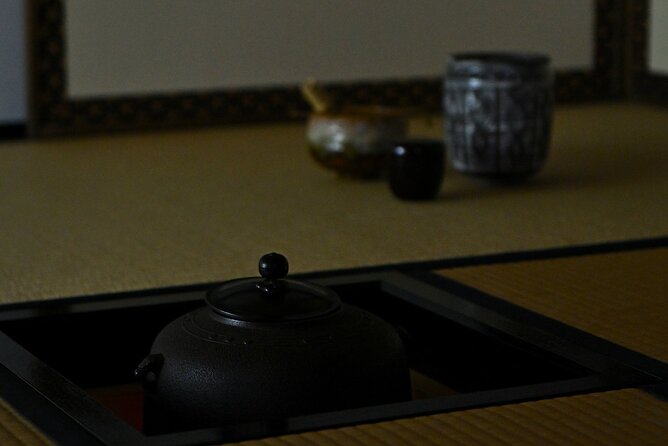
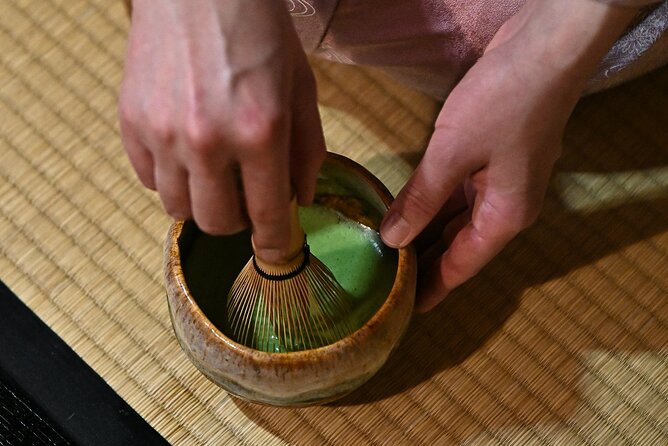
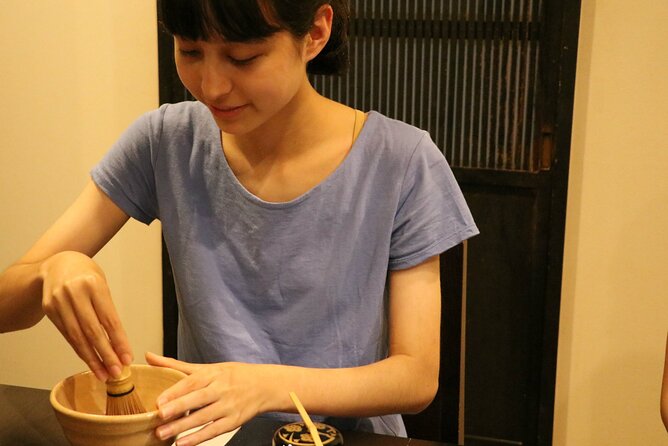
After watching the host, you prepare your own matcha. This hands-on part is the main reason the experience feels more useful than a simple performance.
The host gives detailed instructions, so you do not need prior knowledge. You learn how to handle the tea utensils, combine the matcha and hot water, and whisk the drink. The process may look easy when an experienced person does it, but trying it yourself helps you understand the rhythm and effort involved.
You also learn how to serve and drink matcha in the proper way. That includes the relationship between the sweet and the tea, as well as the basic manners used during the ceremony. The instruction is practical without losing the cultural setting.
The session also covers ways to make matcha at home without a complete collection of tea utensils. That is a particularly good feature for you if you enjoy taking a small skill home from a trip. You may even want to buy a matcha whisk afterward, as one participant did after being introduced to matcha here.
Do not expect a formal qualification or advanced tea-school training. This is a beginner-friendly tasting and practice session. You will leave with a working understanding of the basic method, not mastery of every movement in the tea tradition.
Same trip, a completely different kind of day:
- PERFECT KYOTO 1-Day Bus Tour
★ 5.0 · 13,518 reviews - Kyoto: Fushimi Inari, Kinkakuji, Bamboo Grove 1 Day Bus Tour
★ 4.8 · 4,316 reviews - Kyoto Geisha Walking Tour: Gion District & Hidden Gems
★ 4.7 · 3,273 reviews - Kyoto: Gion Magical Night Walking Tour with Geisha Trivia
★ 4.9 · 2,393 reviews
What the 45-minute length means
The stated duration is about 45 minutes, though some descriptions place the experience closer to an hour. Either way, this is a compact activity. It fits neatly between larger Kyoto sights and will not consume half a day.
That short length is a benefit if you want a first look at tea ceremony without committing to a long formal session. Families may also appreciate the manageable timing. The activity gives you a demonstration, sweets, cultural explanation, and practical tea-making lesson in one sitting.
The trade-off is depth. Tea ceremony is a large subject, and 45 minutes can only introduce it. You will not have time for a long discussion of schools, utensils, seasonal design, or the full range of Japanese tea practice. If you already study tea ceremony, the session may feel basic.
For most first-time visitors, that limitation is reasonable. The activity gives you enough context to recognize the meaning behind the gestures and enough practice to repeat the basics at home.
The value of the $39.63 price
At about $39.63 per person, the price is fair if you value personal instruction and an old setting, but it is not a bargain based on food or duration alone.
You are paying for several things at once: access to a traditional townhouse tea room, an instructor-led demonstration, English explanations, sweets from a respected Kyoto confectioner, and the chance to make matcha yourself. A less expensive tea experience might offer a cup and a quick explanation, while this one gives you more active participation.
The setting also adds value. A 130-year-old townhouse gives the ceremony a sense of place that a hotel meeting room cannot easily provide. You are not merely learning a recipe. You are learning it in a room designed for a slower and more deliberate kind of hospitality.
Still, price-sensitive visitors should be realistic. The session is short, the sweets are tiny, and only matcha is served. One person found the cost high for less than an hour, and that is a fair concern. If you want a full meal, a long cultural workshop, or a photo session in formal clothing, this is not the right purchase.
I would consider it good value for a first introduction, especially if you care more about setting and instruction than quantity.
Sitting comfort and family suitability
Tea ceremony traditionally involves sitting on the floor, and that can be difficult for visitors with bad knees, limited mobility, or trouble rising from a low position. A stool is available if needed, but you should mention your needs at the start and be prepared for the room to remain traditional rather than fully adapted.
Families have found the activity suitable, particularly because the length is brief and the host explains each step. Children who enjoy copying movements or making their own drink may get more from it than children who need constant activity. The calm pace is part of the lesson, so this is not a high-energy attraction.
The group limit of 10 helps keep questions manageable. Couples, families, and small groups of friends are likely to get the best atmosphere, especially when the booking is not full.
You should also remember that this is a cultural activity, not a costume experience. The program teaches tea ceremony and matcha preparation. It does not include kimono rental or a full dressing session.
Getting there and planning your visit
The meeting point is in Nakagyo Ward at 22-26 Nishinokyō Ikenouchichō, Kyoto, 604-8375, Japan. It is near public transportation, which makes it practical to combine with other central Kyoto plans.
Check the address carefully before setting out. The experience finishes at the same meeting point, but the townhouse setting may not feel like a large attraction with an obvious entrance. Give yourself enough time to arrive calmly. Arriving late is especially unhelpful for a quiet activity built around a set sequence.
Confirmation is sent within 48 hours of booking, subject to availability. Read your confirmation messages closely and keep the appointment time handy. One scheduling problem resulted in a party arriving at a time that did not match the host’s schedule, so careful attention to the confirmed time is sensible.
The mobile ticket is useful for a phone-based booking. The activity requires a minimum number of participants, and if that minimum is not met, you are offered another date or experience, or a full refund.
Free cancellation is available up to 24 hours before the start time. Changes or cancellations inside that 24-hour window are not accepted for a refund, and the cut-off uses Kyoto local time.
Who will enjoy this Kyoto tea experience most
I would choose this for you if you want a focused introduction to Japanese culture and prefer participation over passive sightseeing. It is especially suited to first-time matcha drinkers, couples, families, and visitors who want a calm break from temples and shopping streets.
It also suits people who care about small details. You can watch the host’s movements, taste a traditional sweet, ask about manners, and learn a method you can repeat at home. The setting gives the lesson more meaning than a generic demonstration.
You may want another option if you are looking for a long, formal tea ceremony with extensive ritual, a full meal, or a costume package. The 45-minute format is designed to give you a taste, not the complete study of tea ceremony.
Visitors with knee problems should plan ahead and ask for the stool. The activity may still be manageable, but floor seating can affect your comfort.
Should you book it?
Book this experience if you want an authentic setting, clear English instruction, and a hands-on matcha lesson in less than an hour. Kaori’s patient teaching and the townhouse atmosphere make it a thoughtful choice for a first tea ceremony in Kyoto.
Skip it if $39.63 feels high for a short activity, if you want more food, or if you expect kimono dressing and a full-day cultural program. For most visitors who want a compact and meaningful introduction, the combination of the old townhouse, Wasanbon sweets, and do-it-yourself matcha makes the price reasonable.
FAQ
Where does the tea ceremony take place?
It takes place at 22-26 Nishinokyō Ikenouchichō in Nakagyo Ward, Kyoto, Japan. The activity begins and ends at the same meeting point.
How long does the experience last?
The stated duration is approximately 45 minutes. Some descriptions refer to the session as about one hour, so allow a little extra time around the scheduled start.
How much does the experience cost?
The listed price is $39.63 per person.
How many people can join?
The maximum group size is 10 people. Smaller bookings may have a more private feel.
Do I make my own matcha?
Yes. You first watch the host’s demonstration, then receive instructions and prepare your own matcha.
Is the experience suitable for beginners?
Yes. The host explains the history, customs, drinking manners, and preparation method for people who are new to tea ceremony and matcha.
Are sweets included?
Yes. You receive dried Japanese sweets made with Wasanbon sugar from the Kyoto confectionery shop Shioyoshi-ken.
Is the experience suitable for people with knee problems?
Traditional floor seating may be difficult for some people. A stool is available if needed, so mention your seating needs to the host.
Can I cancel for a full refund?
You can cancel at least 24 hours before the start time for a full refund. Cancellations or changes made less than 24 hours before the experience are not accepted for a refund.
Just added around Kyoto
- Sekka Cotton Furoshiki Class★ 5.0 · 19 reviews
- Kyoto Sword Experience – includes Museum Ticket/Ninja Experience★ 4.5 · 149 reviews
- Scenic Green Tea Fields of Hidden Kyoto & Local Tea Exp (Private)★ 5.0 · 32 reviews
- Secret Eastern Kyoto Biking Adventure★ 5.0 · 44 reviews
- Private Sake Tasting in Central Kyoto with Sake Sommelier★ 5.0 · 32 reviews
- Samurai School in Kyoto: Samurai for a Day★ 5.0 · 202 reviews
- SHIRAKAWA Japanese Culture Experiences with private English staff★ 5.0 · 16 reviews
- A Privately Guided Photoshoot in Beautiful Kyoto by a Pro★ 5.0 · 18 reviews
Tea Ceremony Experiences, compared.

Tea Ceremony in a Traditional Tea House in Kiyomizu
Our verdict →


World Heritage Kyoto & Nara Uji Authentic Matcha Experience
Our verdict →


Arashiyama Bamboo Forest, Monkeys, Matcha & Temple Tour
Our verdict →
Browse the lists this tour appears in