
Reviewed · TEA CEREMONY EXPERIENCES
Elegant Tea Ceremony While Wearing Kimono Experience in Kyoto
The best part of this Kyoto experience happens before the tea is even served: you choose a kimono, get dressed by experienced staff, and, if you are a woman, receive free hair styling. Then you enter a calm tea room near Nishiki Market for a formal ceremony and prepare your own matcha. I especially like the small groups of up to 10 and the choice of a calligraphy, gold leaf, or market-walking add-on.
I also like the thoughtful touches, including seasonal wagashi from a 100-year-old confectionery and help for visitors who cannot sit comfortably on the floor. The one drawback is that the tea ceremony may feel light on historical background if you want a long lecture on Japanese customs. This is a polished, hands-on introduction, not a full study of tea culture.
Key points to know before booking
- Kimono dressing and hair styling are included: Women receive free hair styling, and staff help you choose accessories and dress properly.
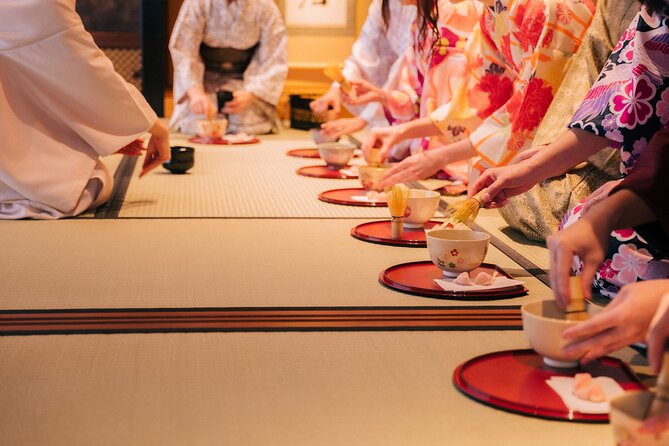
- You make your own matcha: A tea master demonstrates the process before you use a bamboo whisk yourself.
- Four formats are available: Choose the 90-minute tea ceremony, calligraphy, gold leaf art, or a Nishiki Market walk.
- The location is very central: Nishiki Orizuruya is about one minute from Nishiki Market.
- The group is capped at 10 people: That keeps the lesson more personal than a large cultural show.
- You may keep the kimono until 6 p.m.: This gives you time for photos and a short walk around central Kyoto.
Dressing for the part at Nishiki Orizuruya
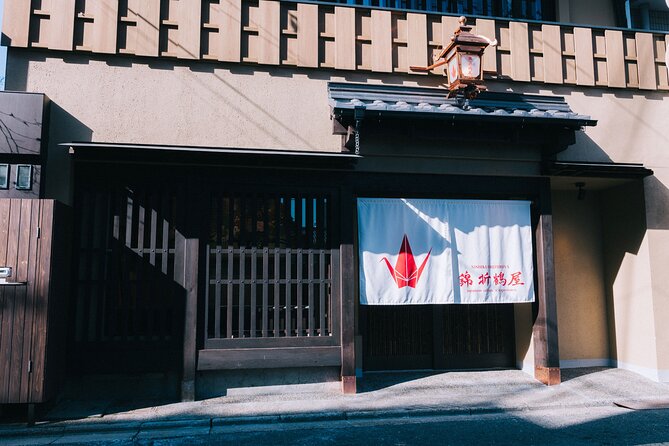
Nishiki Orizuruya sits at 452 Jūmonjichō in Nakagyo Ward, about a minute from Nishiki Market. That location matters. You can pair the activity with lunch or shopping at Kyoto’s famous food street without spending extra time crossing town.
Arrive at least 10 minutes before your reservation. The first part is the kimono fitting, and it is more than simply slipping on a colorful robe. Staff help you select from the available kimono and accessories, then dress you in the proper layers and sash. Several families particularly enjoyed this part, and the staff are used to working with different body sizes.
Women receive free hair styling, with hair decorations added to complete the look. This is one of the strongest features of the experience because it gives you a finished appearance for the ceremony and photographs. Men can also participate, though the clothing selection may feel less varied.
Plan your outfit with comfort in mind. A kimono is formal clothing, and the sash is fitted firmly around your waist. Wear simple underlayers and avoid bringing valuables you do not need. The venue is responsible for the experience, but you are responsible for your belongings.
The fitting also sets the tone. You are not just watching a cultural demonstration in ordinary street clothes. You take part in a setting where posture, movement, and appearance all matter. Staff are happy to take photographs, so this is a good time to capture family or birthday pictures before the tea begins.
More Kimono Experiences in Kyoto
- Kimono Tea Ceremony at Kyoto Maikoya, NISHIKI
★ 5.0 · 911 reviews - Kyoto: Kimono Rental with Hairstyling and Accessories
★ 4.8 · 653 reviews - Kyoto: Kimono Tea Ceremony at Orizuruya Gion
★ 4.9 · 618 reviews
A 90-minute tea ceremony with matcha and wagashi
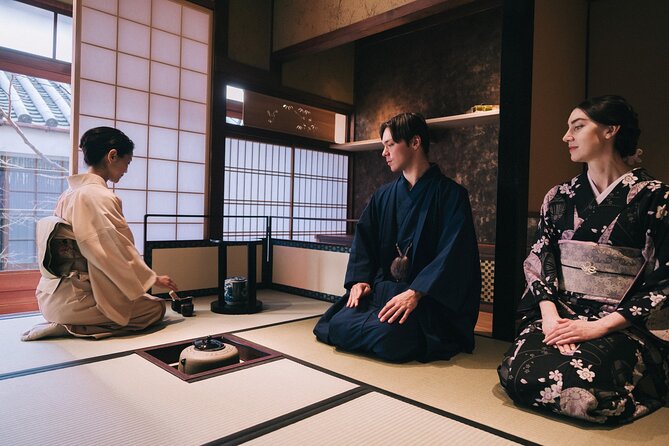
Once dressed, you enter a traditional tea room for the main ceremony. An English-speaking tea professional demonstrates the steps, explains the customs, and prepares the matcha. You then use a bamboo whisk to make your own bowl.
The ceremony is formal, but the teaching format keeps it approachable. You do not need to know the correct gestures in advance. Watch carefully, follow the instructions, and accept that your first bowl may not look exactly like the tea master’s. That is part of the fun.
The matcha is paired with seasonal wagashi, Japanese sweets traditionally served with tea. These sweets come from a confectionery with 100 years of history, adding a small but meaningful connection to Kyoto’s food traditions. The sweet and slightly bitter pairing is deliberate. The wagashi balances the strong flavor of the powdered green tea.
I would tell you to expect a cultural activity rather than a restaurant-style tea service. You are there to learn the rhythm of the ceremony and make tea yourself. The calm room, formal clothing, and careful movements create a quiet pause in the middle of a busy Kyoto day.
The English explanations are generally a strong part of the program. Staff members named Ruriko and Lina are specifically associated with warm, clear instruction in the experience. The level of explanation can vary by session, though. If you want every gesture linked to centuries of history, you may find the background brief. If you prefer a relaxed lesson where you can participate quickly, the balance works well.
Food allergies should be raised in advance or at the start of the activity. The experience has accommodated allergies to sweets and tea, but you should not assume every request can be handled without notice.
Choosing between calligraphy and gold leaf
The tea ceremony is the base experience, but the add-on determines the shape of the rest of your visit. Calligraphy is the best choice if you want a personal keepsake and enjoy learning through brushwork.
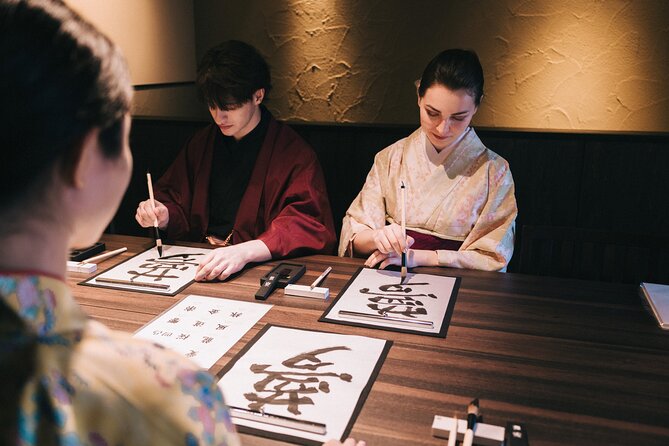
After the tea, you learn how to use a brush and ink to write a favorite kanji on washi paper. The appeal is not perfect handwriting. It is the chance to slow down, control the brush, and take home something you created. The activity suits families because children can enjoy the visual side of the art even if they know little about Japanese writing.
Gold leaf art offers a different kind of souvenir. You decorate a small plate with high-purity gold leaf in a hands-on workshop, then take the finished item with you. This option should suit anyone who prefers color, design, and a clear craft project to the discipline of calligraphy.
The gold leaf session takes the overall experience to about 130 minutes. It gives you more making time without turning the day into a full workshop. Handle the delicate material carefully and follow the staff’s directions closely.
Both choices add value to the basic tea ceremony, especially if you want a physical reminder of Kyoto rather than photographs alone. Calligraphy is more personal and symbolic. Gold leaf is more decorative and immediately useful as a small souvenir.
Extending the outing to Nishiki Market
The longest option combines the tea ceremony with an English-speaking walk through Nishiki Market and the surrounding area. The total activity lasts about 150 minutes.
Nishiki Market is known as Kyoto’s Kitchen, and its narrow shopping street is a useful place to learn about local food culture. The walk also includes nearby shrines, historic shops, and local streets. It turns the tea ceremony into a broader introduction to central Kyoto rather than a stand-alone indoor activity.
I like this option for a first visit because the guide can provide context as you move through the area. You will see how food, small shrines, shopping streets, and traditional businesses sit close together in the city center. It also saves you from having to plan a separate market visit.
The trade-off is time. Nishiki Market can become crowded on weekends, holidays, and during special events. You may move slowly through the narrow streets, and the walk will feel less peaceful than the tea room. That contrast is part of the day, but you should choose the market option for local atmosphere, not a quiet stroll.
The market plan is also the most dependent on crowd levels and weather. In severe weather or a natural disaster such as a typhoon, the activity is canceled and fully refunded. Under ordinary conditions, the tour ends back at Nishiki Orizuruya.
More Tea Ceremony Experiences in Kyoto
- Kyoto: Tea Ceremony in a Traditional Tea House in Kiyomizu
★ 4.9 · 3,519 reviews - Kyoto: Tea Ceremony Ju-An at Jotokuji Temple
★ 4.9 · 3,207 reviews - Kyoto: 45-Minute Tea Ceremony Lesson Experience
★ 4.3 · 2,378 reviews - Kyoto: Table-Style Tea Ceremony at a Kyo-Machiya
★ 4.9 · 1,211 reviews
What the $50.58 price includes
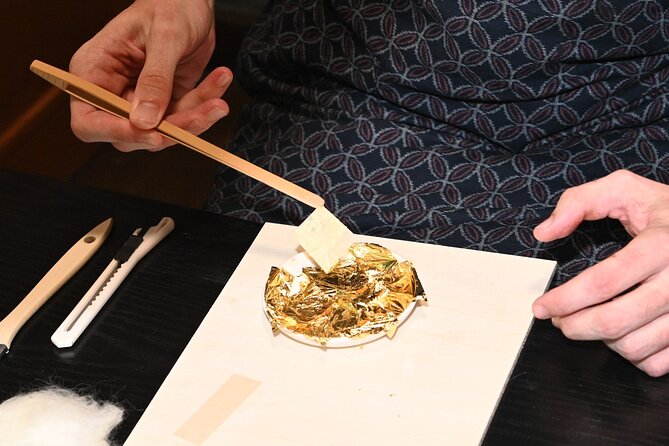
At about $50.58 per person, this experience offers more than a tea tasting. Your price includes the kimono rental, dressing assistance, free hair styling for women, the English-guided tea ceremony, matcha, and traditional sweets. Depending on your plan, it also includes calligraphy, gold leaf art, or the Nishiki walk.
That is good value if you want the full visual and cultural experience. A kimono fitting on its own can take time and cost money, while this package adds a structured activity and professional help with the clothing. The staff also take photographs, which is useful if you are celebrating a birthday or marking a family trip.
The value is less clear if you only want to drink matcha. You are paying for the clothing, preparation, teaching, and setting, not a large serving of tea or an extended lecture. Visitors looking for a serious tea-school lesson should choose a more specialized format.
For most first-time visitors to Kyoto, I think the price works best when you choose an add-on. Calligraphy or gold leaf gives you something to do after the ceremony, while the Nishiki walk makes the central location more useful. The basic 90-minute format is enough if your schedule is tight.
Comfort, family needs, and group size
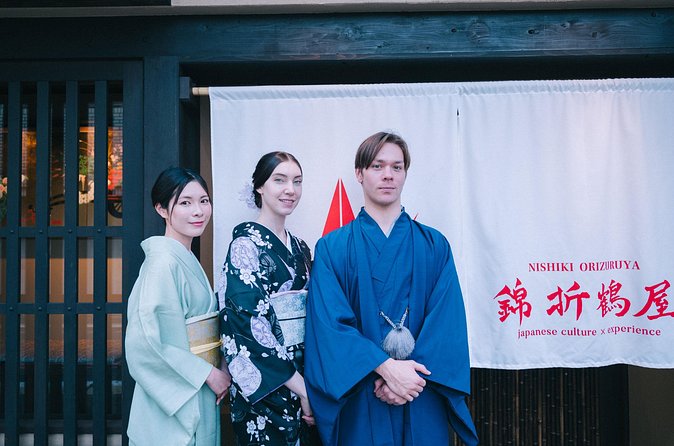
The maximum group size is 10 people. That is small enough for the tea master to demonstrate clearly and for you to receive help with the whisk, brush, or gold leaf. It also makes the kimono fitting less rushed than it would be with a large bus group.
Children aged 5 and older may join, but there is no child discount. Families have found the dressing and hair-styling portion especially appealing for children, and the calligraphy option gives younger participants a clear project. Keep in mind that formal clothing and a quiet tea room may require patience from very young children.
Sitting on the floor can be a concern. A chair has been provided for someone unable to sit comfortably, so tell the staff about your needs when you arrive. That accommodation is useful, but you should still ask about your particular mobility requirements before booking if you need more assistance.
The kimono can reportedly be kept on until 6 p.m., giving you time to walk around nearby streets after the ceremony. Confirm the return arrangement with staff on the day, since the exact clothing period may depend on the plan and venue rules. Either way, allow time for changing before your next formal reservation.
How to plan the rest of your Kyoto day
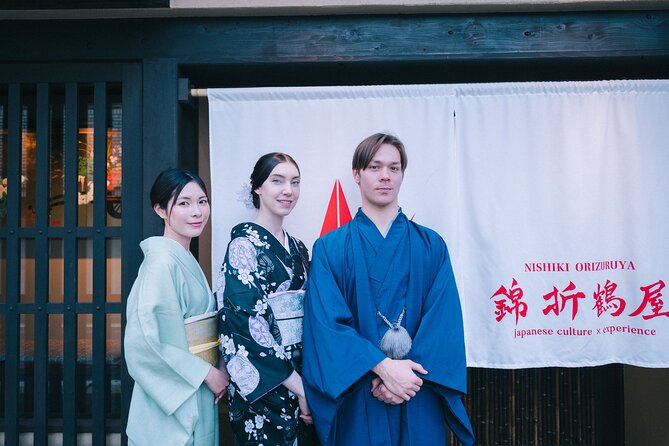
Book this early in your Kyoto schedule if you want to use the kimono for photographs or a short walk around Nishiki Market. The location is central, so it pairs naturally with market food, nearby shopping streets, and other downtown stops.
Arrive with enough time to find the venue and settle in. Nishiki Market is close, but busy streets and crowds can slow you down. Do not arrive at the last second, especially if you are traveling with children or a group that needs several kimono fittings.
The tea ceremony itself is indoors and calm. The market option is outdoors and can be crowded. Dress for the weather underneath the kimono, and keep your hands free for the fitting and craft work.
The experience ends at the meeting point, Nishiki Orizuruya. If you choose calligraphy or gold leaf, you can continue exploring central Kyoto afterward. If you choose the market walk, you are already in a useful area for lunch and shopping.
The experience is non-refundable and cannot be changed after booking. Check your date and party size carefully before paying. Confirmation is sent within 48 hours, subject to availability.
Who should book this Kyoto experience
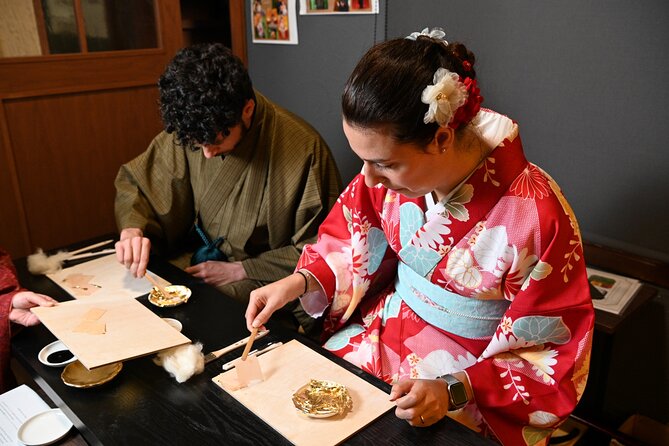
I would choose this for a first visit to Kyoto, a family outing, or a special occasion such as a birthday. It gives you an easy introduction to several Japanese traditions without requiring prior knowledge or formal clothing of your own.
It also suits photographers and anyone who wants more than a passive cultural show. You choose your kimono, prepare matcha, and create a piece of calligraphy or gold leaf art. The chance to continue wearing the kimono until 6 p.m. adds useful time for pictures and a short neighborhood walk.
I would be more cautious if you want a lengthy explanation of tea history, a private ceremony, or a highly formal school-based lesson. The group can reach 10 people, and the historical explanation may be modest. The experience is designed to be friendly and participatory.
Should you book it?
Book it if you want a polished, accessible taste of Kyoto culture with clothing, photographs, matcha, and a hands-on activity in one package. The kind staff, clear English instruction, flexible seating, and central Nishiki Market location make it particularly easy for families and first-time visitors.
Choose calligraphy for a meaningful paper keepsake, gold leaf for a decorative plate, or the market walk for a wider look at Kyoto’s food culture. If you only want a quiet tea ceremony with detailed history, select the shortest plan and keep your expectations modest. For most visitors, the kimono fitting and chance to make your own matcha are the real reasons to book.
FAQ
Where does the tea ceremony take place?
The experience takes place at Nishiki Orizuruya, 452 Jūmonjichō, Nakagyo Ward, Kyoto. It is about a one-minute walk from Nishiki Market.
How long does the basic tea ceremony last?
The tea ceremony plan lasts about 90 minutes. Longer options last about 130 minutes with gold leaf art or 150 minutes with the Nishiki Market walking tour.
Is kimono rental included?
Yes. All plans include kimono rental and assistance with dressing. Women also receive free hair styling.
Is the activity guided in English?
Yes. The tea ceremony and listed activities are guided in English. The market option includes an English-speaking guide.
Can children join?
Children aged 5 and above may participate. There is no child discount.
Can I keep wearing the kimono after the ceremony?
The kimono may be kept on until 6 p.m., allowing time to walk around the nearby streets. Confirm the exact return arrangement with the staff on the day.
What happens if severe weather affects the activity?
The experience may be canceled in severe weather or during a natural disaster such as a typhoon. In that case, it is fully refunded.
Just added around Kyoto
- Sekka Cotton Furoshiki Class★ 5.0 · 19 reviews
- Kyoto Sword Experience – includes Museum Ticket/Ninja Experience★ 4.5 · 149 reviews
- Scenic Green Tea Fields of Hidden Kyoto & Local Tea Exp (Private)★ 5.0 · 32 reviews
- Secret Eastern Kyoto Biking Adventure★ 5.0 · 44 reviews
- Private Sake Tasting in Central Kyoto with Sake Sommelier★ 5.0 · 32 reviews
- Samurai School in Kyoto: Samurai for a Day★ 5.0 · 202 reviews
- SHIRAKAWA Japanese Culture Experiences with private English staff★ 5.0 · 16 reviews
- A Privately Guided Photoshoot in Beautiful Kyoto by a Pro★ 5.0 · 18 reviews
Tea Ceremony Experiences, compared.

Tea Ceremony in a Traditional Tea House in Kiyomizu
Our verdict →


World Heritage Kyoto & Nara Uji Authentic Matcha Experience
Our verdict →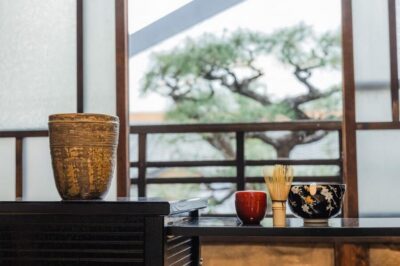


Arashiyama Bamboo Forest, Monkeys, Matcha & Temple Tour
Our verdict →
Browse the lists this tour appears in