Reviewed · KYOTO TOURS
One-Day Tour of Kyoto’s Highlights from Osaka/Kyoto
Kyoto packs centuries of shrines, temples, gardens, and mountain views into a surprisingly compact city, but seeing its four best-known sights in one day takes careful planning. This tour gives you the big picture, from the red gates of Fushimi Inari to the bamboo paths of Arashiyama, without making you work out every train and bus connection.
I like the air-conditioned bus with Wi-Fi, especially in Kyoto’s summer heat, and I like that Kiyomizu-dera and Kinkaku-ji entrance fees are included. The main tradeoff is time: you see a lot, but you cannot explore every corner of Fushimi Inari or Arashiyama.
This is a fast, full day with hills, stairs, and plenty of walking. The strongest guides, including Naomi, Maria, Hama, Alice, Maiki, and Tet/Ted, add useful history, photos, and local tips. Guide quality can vary, so your experience may depend on who leads your group.
Key points at a glance
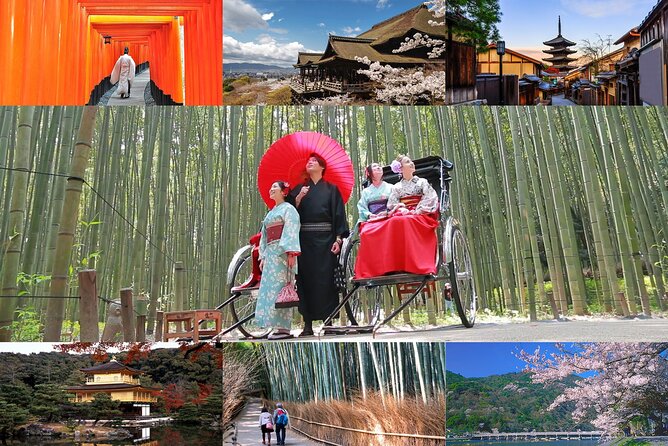
- Four major Kyoto sights in one day: Fushimi Inari, Kiyomizu-dera, Kinkaku-ji, and Arashiyama.
- Comfortable transport between stops: The air-conditioned bus gives you a break from heat, rain, and crowded public transport.
- A practical choice from Osaka: You can start at Namba OCAT and return there after covering a large section of Kyoto.
- Lunch is optional: Choose the meal package for convenience, or bring your own food.
- Expect hills and stairs: This is not a gentle sightseeing day, especially at Kiyomizu-dera and around the temple approaches.
- Strong overall satisfaction: The tour holds a 4.7 rating from 1,093 ratings, with 95 percent recommending it.
Why this tour works for a first Kyoto visit
Kyoto rewards slow wandering, but many first-time visitors have only a day available. This route solves that problem by joining four very different places into one organized loop.
You begin at a Shinto shrine, move to a hillside Buddhist temple, visit a gold-covered Zen temple, and finish among bamboo and river scenery. That variety is the tour’s greatest strength. You are not seeing four versions of the same temple. Each stop offers a different side of Kyoto.
The bus matters more than it might seem. Kyoto’s famous sites are spread out, and transfers between them can eat up a good part of your day. Here, you can sit down between visits, cool off, and listen to the guide. Wi-Fi is included onboard, though you should still keep your phone charged for meeting directions and photographs.
The tour lasts about 10 hours, though the actual day can vary with traffic and weather. It may include up to 42 people, so you should expect a group outing rather than a private tour. That larger format helps keep the price at about $66.32 per person, but it also means you need to follow time limits and meeting instructions closely.
A few more Kyoto half-days worth comparing
- PERFECT KYOTO 1-Day Bus Tour
★ 5.0 · 13,518 reviews - Kyoto: Fushimi Inari, Kinkakuji, Bamboo Grove 1 Day Bus Tour
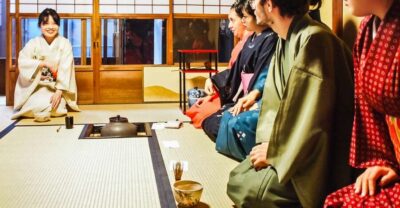
★ 4.8 · 4,316 reviews - Kyoto: Tea Ceremony in a Traditional Tea House in Kiyomizu
★ 4.9 · 3,519 reviews
Fushimi Inari and its tunnel of red gates
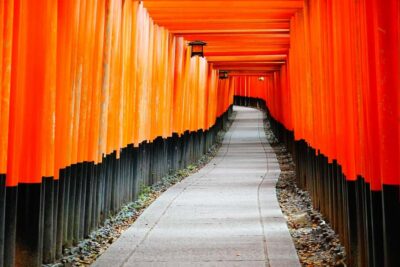
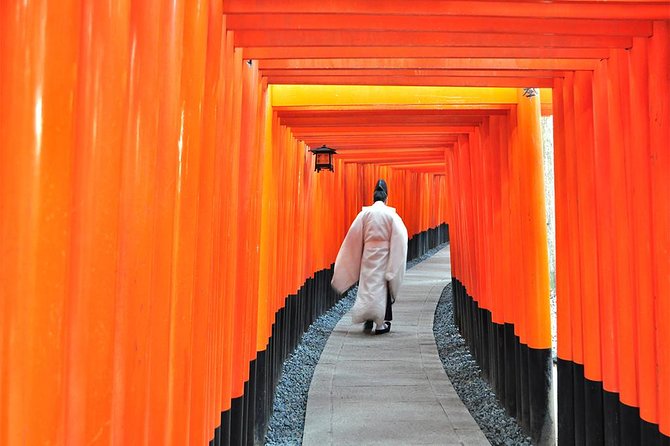
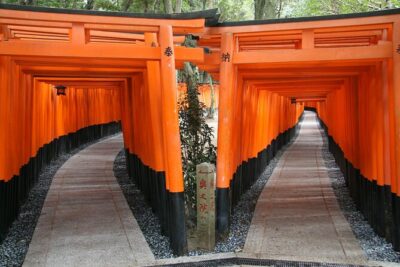
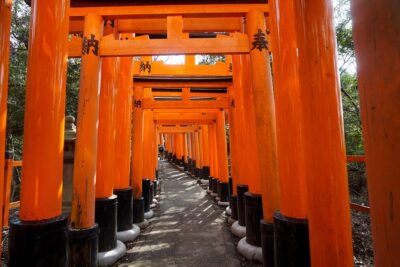
Your first stop is Fushimi Inari Taisha, the head shrine of more than 30,000 Inari shrines across Japan. You have about 1 hour and 20 minutes here, enough to walk through the most famous section of the torii gate paths and take in the shrine’s main areas.
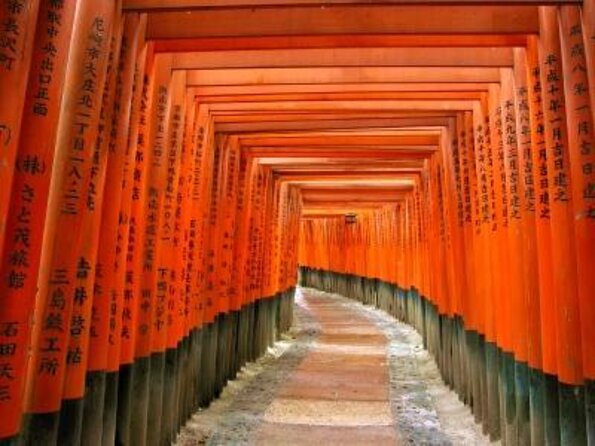
The striking vermilion gates are offered by individuals and businesses, and they create the long corridors that make Fushimi Inari one of Kyoto’s most recognizable sights. Inari is linked with agriculture, business, traffic safety, and a good harvest, so the shrine is both a place of worship and a reminder of everyday hopes.
You should not expect to walk the entire mountain route during this stop. Fushimi Inari’s paths continue much farther uphill, but the tour schedule gives you a defined window. If you stop often for photographs, your time will pass quickly.
This is one place where an early start would normally help with crowds, but the group departure time limits that advantage. Stay aware of the guide’s instructions and meeting point. Comfortable shoes are essential, and you should carry water, particularly from late spring through summer.
Kiyomizu-dera and the hillside views
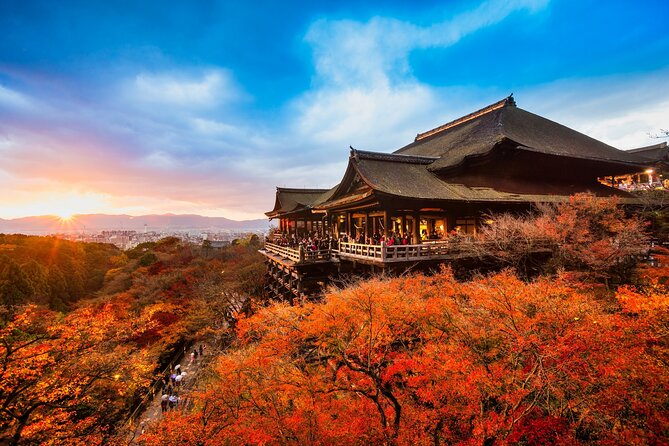
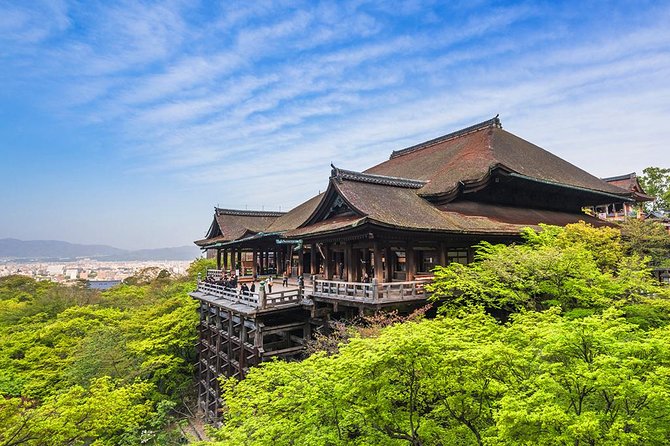
Kiyomizu-dera gets roughly 1 hour and 40 minutes, making it the longest temple stop. The approach includes an uphill walk and stairs, and the temple grounds themselves require steady walking.
The main wooden stage is the star attraction. It projects from the hillside and was built with 139 pillars without using a single nail. From the viewing area, you can look across Kyoto and see how the city spreads below the wooded eastern hills.
This stop gives you more than a quick photograph. You can appreciate the scale of the old construction, the temple’s hillside setting, and the way the buildings fit into the surrounding area. Your guide may explain the temple’s design and religious role, but the amount of commentary can depend on the guide assigned to your group.
The path can be difficult with a stroller. Folding strollers are permitted, but they are stored with the luggage on the bus, so you cannot use one freely during the walking portions. If you have limited mobility, consider carefully how hills and stairs will affect your day.
Kinkaku-ji, the Golden Pavilion
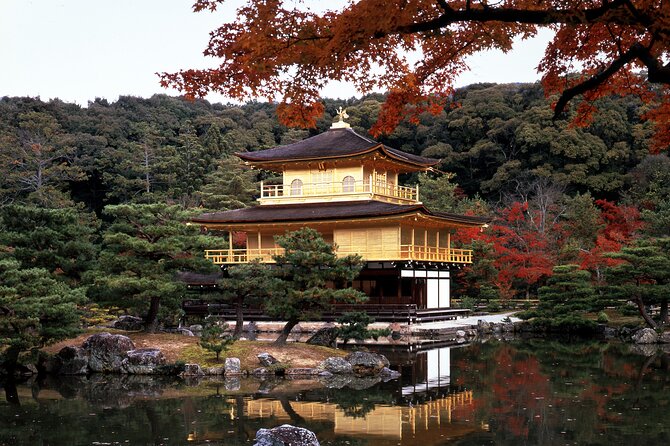
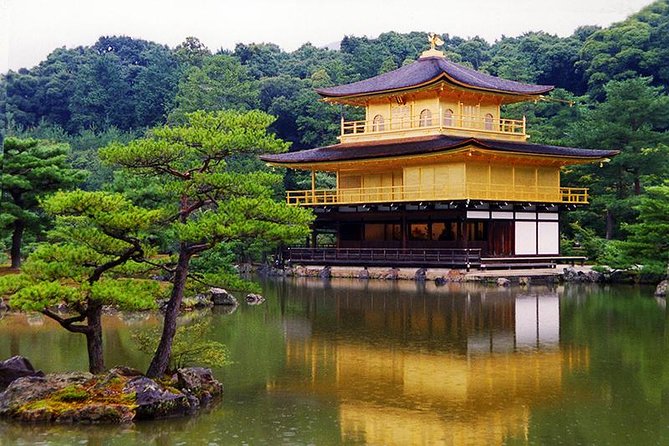
Kinkaku-ji is a shorter visit, about 45 minutes, but it is one of Kyoto’s most visually powerful stops. The pavilion is covered in gold leaf and reflected in the pond beside it, with carefully arranged gardens surrounding the route.
The building began as a villa for the Ashikaga shogun and later became a Zen temple. You will follow the established viewing route rather than wander through every garden area, so this stop is focused and efficient.
Forty-five minutes is enough to see the pavilion, take photographs, and walk part of the garden path. It is not enough for a slow garden visit or a long period of quiet reflection. That is the pattern of this tour: you get the essential view, then move on.
The admission ticket is included, along with entry to Kiyomizu-dera. That helps the price feel more reasonable, especially if you would otherwise need to buy separate tickets and manage each visit yourself.
Same trip, a completely different kind of day:
- Kyoto Geisha Walking Tour: Gion District & Hidden Gems
★ 4.7 · 3,273 reviews - Kyoto: Tea Ceremony Ju-An at Jotokuji Temple
★ 4.9 · 3,207 reviews - Kyoto: Gion Magical Night Walking Tour with Geisha Trivia
★ 4.9 · 2,393 reviews - Kyoto: 45-Minute Tea Ceremony Lesson Experience
★ 4.3 · 2,378 reviews
Arashiyama bamboo and the Togetsukyo Bridge
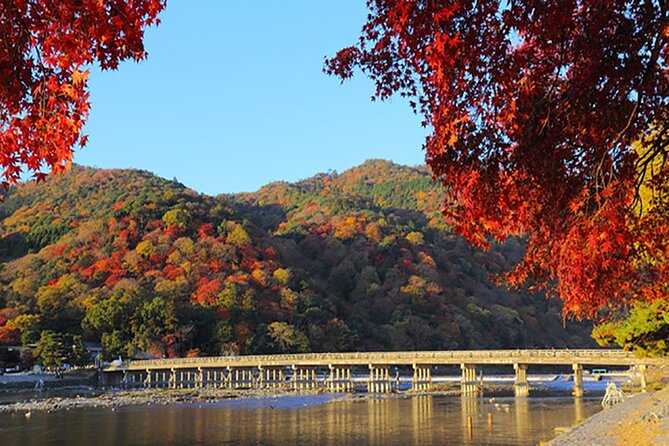
Arashiyama is the final major stop, with about 1 hour and 20 minutes. You walk through the Sagano Bamboo Forest, where tall green stalks shade the path and create a cooler, quieter feeling than many of Kyoto’s temple grounds.
The bamboo path is beautiful, but it is also a place where expectations matter. The main route is not an isolated wilderness trail. It is a popular sightseeing path, and your time is limited. You should focus on the atmosphere, photographs, and the distinctive sound of bamboo moving in the wind rather than expecting a long solitary walk.
The stop also includes the Togetsukyo Bridge, known as the Moon Crossing Bridge. It gives you a change of view after the narrow bamboo paths, with open scenery around the river area.
Many people choose this tour partly for Arashiyama, so 1 hour and 20 minutes may feel short. You will see the key section, but you will not have time for every temple, garden, shop, or walking path in the district. If Arashiyama is your main reason for visiting Kyoto, a separate half-day there would give you a better experience.
Lunch choices and the value of the package
You can choose an option that includes lunch or bring your own food. The meal option removes one practical decision from a busy day, and several guides have been praised for making lunch a pleasant part of the outing.
The supplied meal is not suitable for every diet. Halal and vegan meals are unavailable, so you should book without lunch and bring your own if you need either option. Vegetarian requests must be made directly to the operator at least three days ahead.
At $66.32, the tour is priced as a budget-friendly way to cover four major sights. The value comes from the bus, guide, and included entrance fees, not from long stays at any one site. You are paying for structure and coverage.
I would compare it with the cost of individual transport from Osaka, four admissions, and the time needed to plan the route. For a first visit, the package can save effort. For a repeat visit, or for someone who wants long, quiet temple visits, public transport and a slower schedule may be better.
How the guides shape the day
The guide is a major part of this experience. The best-known names attached to the tour include Naomi, Maria, Hama, Alice, Maiki, Milo, Kenji, and Tet/Ted. Strong guides have been praised for clear English, historical explanations, photographs, Japanese vocabulary, local suggestions, and careful attention to the group.
Naomi, Maria, Hama, Alice, and Tet/Ted receive especially warm praise for combining information with friendly help. Some guides take photographs for you, point out useful photo locations, or give recommendations for the rest of your Japan trip.
There have also been complaints about limited English and thin explanations. One practical lesson is to download a map and basic information about the four sites before departure. You should not need to teach yourself everything, but a little preparation protects you if the commentary is harder to follow.
The tour may include both English and Japanese speaking guests, and the balance of explanations can vary. Pay attention during the initial instructions, since the bus cannot wait for late arrivals.
Meeting points, timing, and what to bring
From Osaka, meet at Namba OCAT 1F near Daiso at 8:50 AM. From Kyoto, meet at the Kyoto Station Hachijo Exit Tourist Bus Parking area at 9:05 AM. Check in 10 minutes early. Late arrivals may be left behind.
There is no hotel pickup or drop-off. You need to reach the departure point yourself and return there at the end of the day. The Kyoto departure is especially useful if you are already staying near Kyoto Station, while the Namba departure makes this a realistic day trip from Osaka.
Bring comfortable walking shoes, water, sun protection, and a light rain layer. The tour runs in different weather conditions when safe, but the schedule can change because of traffic or weather.
Summer deserves special caution. Temperatures around 38 degrees Celsius have made this day feel demanding, even with a cool bus between stops. The heat, humidity, hills, and stairs can add up quickly. Spring, autumn, or a cool-weather day will make the walking easier, though no season removes the need for good shoes.
Who should book this Kyoto day tour
You should consider this tour if you have only one day for Kyoto, want to see the famous sights, and prefer someone else to organize the transport. It is also useful if you are staying in Osaka and want a simple day trip without changing trains several times.
Families can join, and children aged 0 to 2 are free, though they must sit on an adult’s lap and do not receive a separate seat or meal. Folding strollers are allowed but stored on the bus, so families should be ready to walk without one.
This tour suits active visitors who are comfortable with hills, stairs, heat, and a firm schedule. It is less suitable if you want long periods at one temple, need extensive mobility assistance, or hope to explore Arashiyama and Fushimi Inari in depth.
The free cancellation policy allows a full refund when you cancel at least 24 hours before the start time. Changes made within 24 hours are not accepted, and poor weather may lead to a different date or a full refund.
Should you book it?
Book this tour if your goal is to see Kyoto’s famous highlights efficiently, especially from Osaka. The route is smart, the bus adds real comfort, and the included temple tickets help justify the price.
Do not book it expecting a relaxed Kyoto day. You will have set time limits, group movement, hills, stairs, and only a quick look at places that deserve much longer.
For a first visit with limited time, I think the tradeoff is fair. Choose lunch if convenience matters, bring your own food for halal or vegan needs, and prepare for a lot of walking. If the assigned guide is as strong as Naomi, Maria, Hama, Alice, or Tet/Ted, the day can give you a useful and memorable introduction to Kyoto.
FAQ
Where does the tour depart from?
You can depart from Namba OCAT 1F near Daiso at 8:50 AM, or from the Kyoto Station Hachijo Exit Tourist Bus Parking area at 9:05 AM.
How long does the tour last?
The tour lasts about 10 hours, though traffic, weather, and operating conditions can affect the schedule.
Which Kyoto sights are included?
The itinerary includes Fushimi Inari Taisha, Kiyomizu-dera, Kinkaku-ji, and Arashiyama, including the Sagano Bamboo Forest and a view of the Togetsukyo Bridge.
Is lunch included?
Lunch is included only with the lunch option. You can also choose an option without lunch and bring your own food.
Are entrance fees included?
Entrance to Kinkaku-ji and Kiyomizu-dera is included. Fushimi Inari and Arashiyama are listed with free admission.
Is the tour suitable for people with limited mobility?
The tour requires walking and includes hills and stairs. Most people can participate, but the route may be difficult for anyone who finds slopes or extended walking challenging. Folding strollers are allowed but stored with the bus luggage.
Just added around Kyoto
- Sekka Cotton Furoshiki Class★ 5.0 · 19 reviews
- Secret Eastern Kyoto Biking Adventure★ 5.0 · 44 reviews
- Kyoto Sword Experience – includes Museum Ticket/Ninja Experience★ 4.5 · 149 reviews
- Scenic Green Tea Fields of Hidden Kyoto & Local Tea Exp (Private)★ 5.0 · 32 reviews
- Private Sake Tasting in Central Kyoto with Sake Sommelier★ 5.0 · 32 reviews
- Samurai School in Kyoto: Samurai for a Day★ 5.0 · 202 reviews
- SHIRAKAWA Japanese Culture Experiences with private English staff★ 5.0 · 16 reviews
- A Privately Guided Photoshoot in Beautiful Kyoto by a Pro★ 5.0 · 18 reviews
Kyoto Tours, compared.

Tea Ceremony in a Traditional Tea House in Kiyomizu
Our verdict →
Kyoto Geisha Walking Tour: Gion District & Hidden Gems
Our verdict →

Fushimi Inari Hidden Hiking Tour (Private Option Available)
Our verdict →