
Reviewed · SAKE TASTING
Kyoto: Insider Sake Experience with 7 Tastings and Snacks
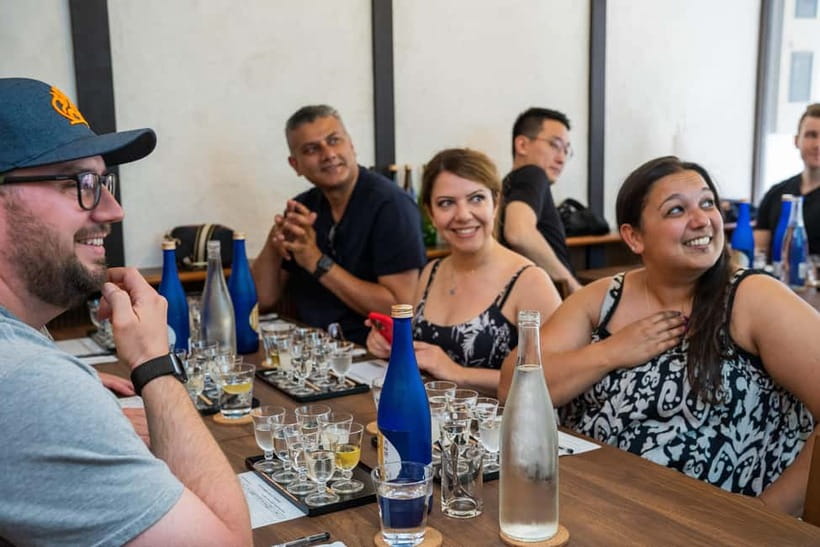
Kyoto sake makes much more sense once you taste it side by side. This 90-minute session takes you from rice polishing and brewing basics to seven generous pours, then shows how Japanese snacks can change the flavor in your glass.
I especially like the practical bottle-reading lesson and the food pairing. You learn what to look for on a menu, when to order sake hot or cold, and which styles suit sushi or richer foods. The main drawback is that this is a tasting, not a meal, so eat something beforehand. Also, alcohol will not be served if you arrive by car or bicycle.
Key points
- Seven pours with a broad range: Compare dry, crisp, sweet, fruity, and other sake styles side by side.
- Useful bottle-reading practice: Learn how rice polishing, production details, and label terms affect your choice.
- Food changes the drink: Taste sake alone, then with traditional Japanese otsumami to see how pairings alter flavor.
- Friendly English instruction: Guides including Mayo, Kotaro, Kiyomi, Greg, Shogo, and Rieko explain the subject in clear, relaxed language.
- Small, comfortable setting: The dedicated tasting room keeps the session calm and personal rather than noisy or rushed.
- Good value at $66: You get the guided lesson, sake flight, snacks, tasting notes, and a take-home cheat sheet.
Why This Kyoto Sake Class Is Worth Your Time
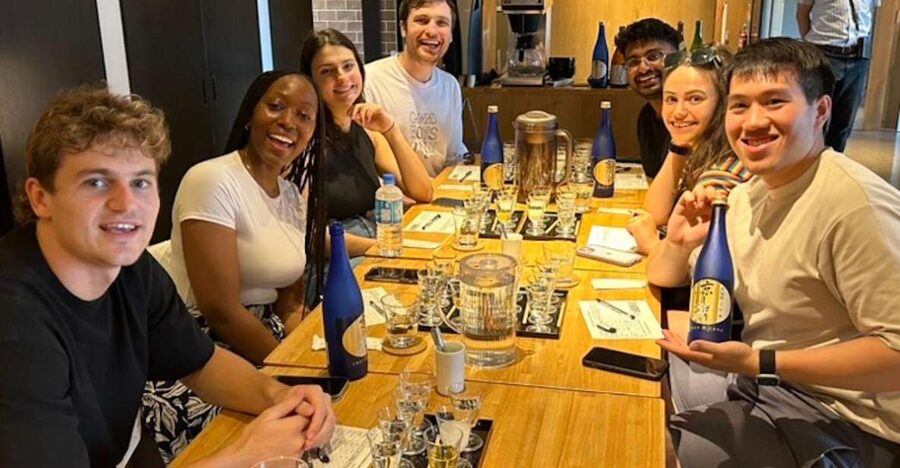
Sake can be confusing at a restaurant. Labels are often in Japanese, the same drink may be served warm or chilled, and a bottle described as dry may taste nothing like the dry wine you know. This experience gives you a simple framework before you face that menu on your own.
The focus is not just on drinking. You learn how sake is made and why small changes in rice polishing, ingredients, brewing, and regional style affect the result. That matters because it gives you a reason for what you taste instead of leaving you with seven anonymous samples.
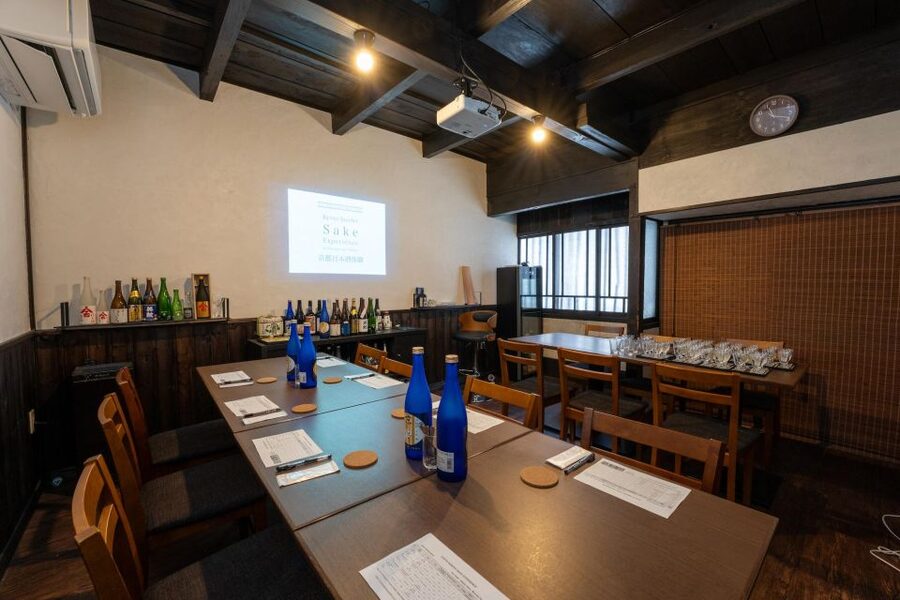
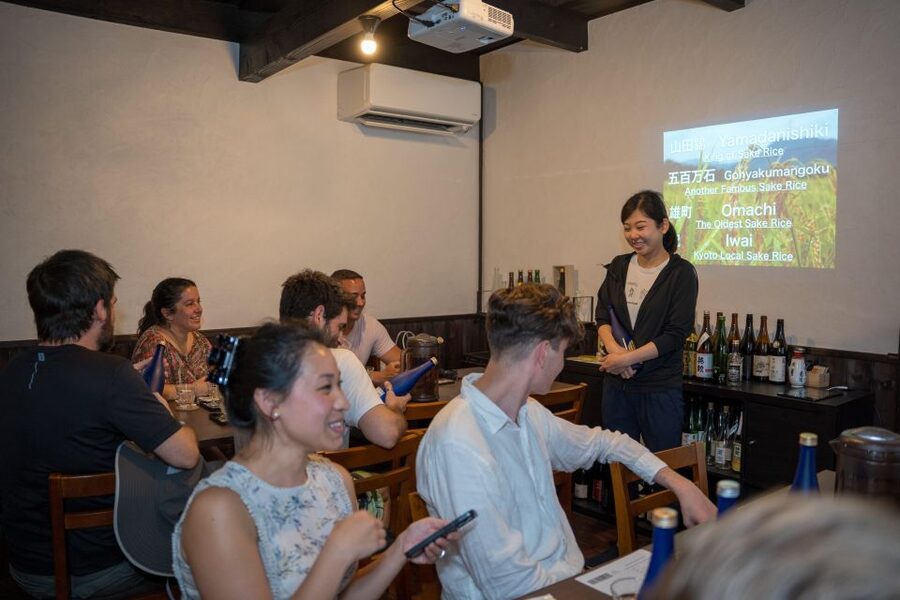
The session is held in a dedicated tasting room, not as part of a hurried restaurant meal. That makes it easier to hear the guide, ask questions, and concentrate on the differences between each pour. Some groups have been as small as four people, though group size can vary.
At $66 per person, this is not the cheapest way to drink sake in Kyoto. It is a fair price if you want instruction, several samples, food pairing, and advice you can use later. You are paying for a guided introduction, not simply for seven glasses.
More Drinking Tours in Kyoto
- Kyoto Night Foodie Tour in Gion (9+ dishes + 6 Sake tastings)
★ 5.0 · 1,762 reviews - 3-Hour Kyoto Insider Sake Brewery Tour with Tastings & Pairings
★ 5.0 · 917 reviews - Arashiyama Bamboo, Temple, Monkeys, or Secret Sake Brewery
★ 4.8 · 886 reviews
Starting With Rice, Water, and Brewing
The opening lesson gives you the basic map. Sake is brewed from rice, water, yeast, and koji, and the way those elements are treated affects the final drink. You do not need a technical background. The explanations are designed for a first-timer, with enough detail to make the tastings easier to follow.
One useful part is seeing how rice polishing matters. Sake rice is milled to remove parts of the grain, and the degree of polishing can influence aroma, texture, and style. The session uses this idea to show why two clear drinks can taste very different.
You also learn about the broad range of sake. Some pours may feel light and crisp, while others are sweeter, fruitier, fuller, or more fragrant. The point is not to decide which style is best. It is to find the style that suits your own mouth.
This is where the class earns its keep. If you simply sampled seven sakes at a bar, you might remember that one was good and another was not. Here, you get a reason for the difference and a way to describe your preference later.
Seven Tastings, Compared Side by Side
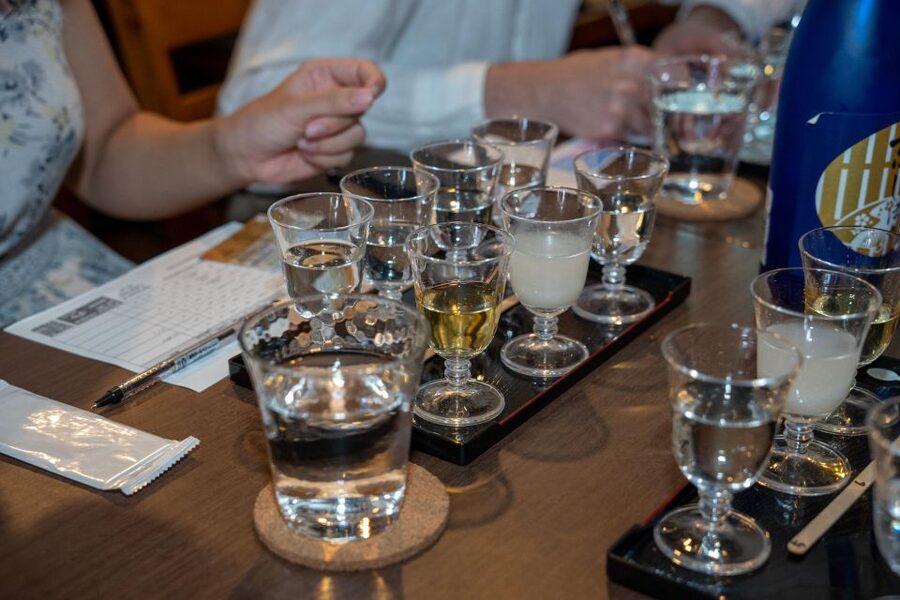
The tasting is arranged as a progression rather than a random flight. The exact bottles can change, but the goal is to show a useful spread of sake types. The materials describe selections from more than 10 types, while the session itself is presented as seven tastings, so you should expect a carefully chosen flight rather than every bottle available.
You may begin with a style that is easy to compare, then move through differences in dryness, sweetness, aroma, body, and finish. The guide encourages you to notice what happens on your palate instead of telling you what you must like.
This is a good setup for people who have only tried sake at a sushi restaurant. You can compare a clean, dry pour with something softer or fruitier while the memory of the first glass is still fresh. If you already drink sake, you may still find the side-by-side method useful because it puts labels and production terms into practical context.
The pours are described as generous, but this is still a tasting. Pace yourself. Seven samples can add up, especially when the lesson is relaxed and the snacks are small. The legal drinking age in Japan is 20, and anyone under 20 receives non-alcoholic drinks instead.
A tasting note helps you mark what you like. That small exercise has real value. Instead of trying to remember a Japanese name later, you can leave knowing that you prefer, for example, a lighter and drier style or a sweeter, more aromatic one.
The Food Pairing That Changes the Lesson
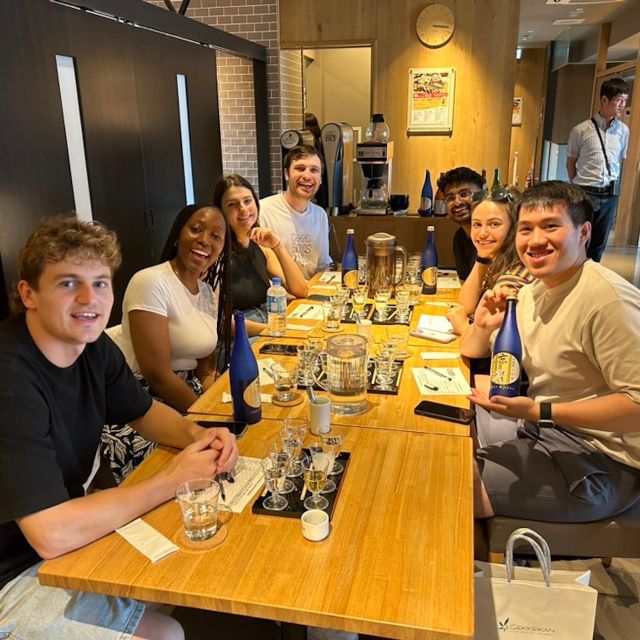
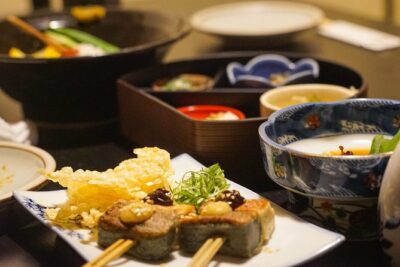
The otsumami, or small Japanese appetizers, are more than something to nibble between glasses. You first taste the sake on its own, then try it with food. The change can be striking.
A sake that seems too strong or plain by itself may work much better with a savory bite. Another that you enjoy alone may become less appealing with a particular snack. This gives you a practical lesson in pairing rather than a list of fixed rules.
The food is a tasting portion, not lunch. One participant specifically advised eating before arrival, and that is sensible. You will enjoy the alcohol more safely and focus better on the explanations if you are not hungry.
Food preferences and allergies should be mentioned at the site before the session begins. Vegetarian substitutions have been accommodated successfully, and the food pairing has included vegetarian options. Still, you should speak up clearly rather than assume every ingredient will be changed automatically.
The pairing also helps explain why ordering sake in Japan is not only about the bottle. The same drink can work differently with sushi, fried food, salty snacks, or a richer dish. You leave with a better sense of how to choose a drink for the food in front of you.
More Sake Tastings in Kyoto
- Kyoto: Insider Sake Brewery Tour with Sake and Food Pairing
★ 5.0 · 704 reviews - Kyoto Sake Brewery & Tasting Walking Tour
★ 5.0 · 623 reviews - 1.5-Hour Kyoto Insider Sake Experience with 7 Tastings & Pairings
★ 5.0 · 297 reviews - Advanced Kyoto Insider Sake Tasting Experience
★ 5.0 · 44 reviews
Learning to Read a Sake Bottle
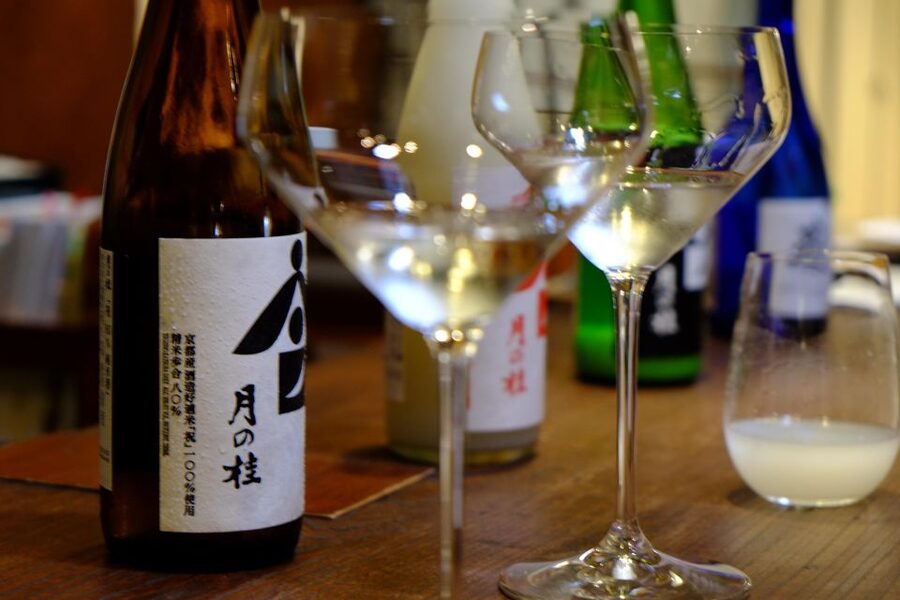
For many visitors, this is the most useful part after the tasting itself. The guide gives you a chance to examine a bottle and identify key information instead of treating the label as decoration.
You learn to connect terms on the bottle with the style in the glass. Rice polishing, sweetness, aroma, production details, and regional information can all help you make a more informed choice. The lesson does not turn you into a sake brewer, but it gives you enough confidence to ask sensible questions and choose with less guesswork.
The cheat sheet is useful after the class. Keep it with your trip notes or take a photo of it before you leave. It is meant to help you choose sake from a menu or shop once you are on your own.
This practical angle sets the experience apart from a standard alcohol flight. You are not only collecting flavors. You are learning a method you can use at dinner that night, in a Kyoto shop, or during the rest of your time in Japan.
When to Drink Sake Hot or Cold
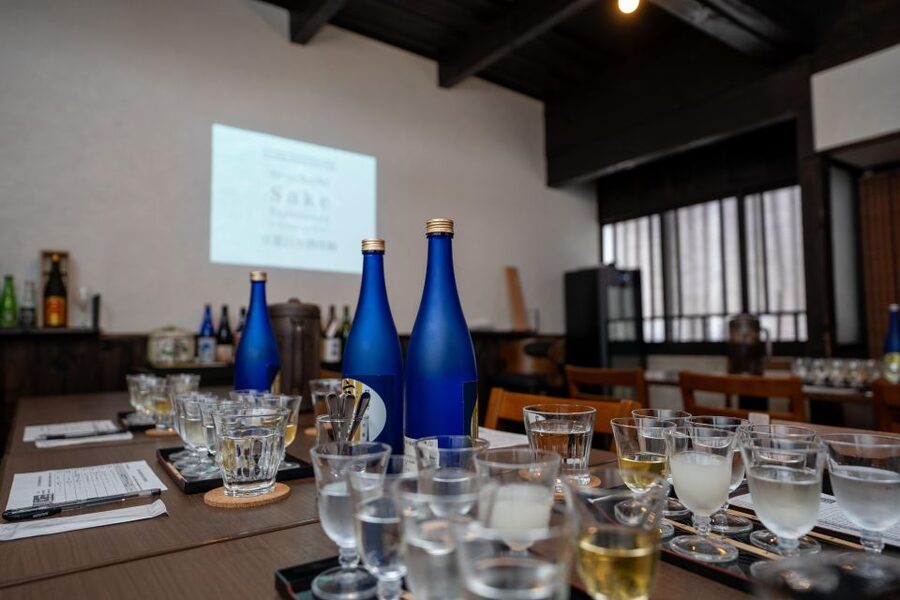
Sake is not one drink served one way. Some styles are better suited to chilling, while others can be enjoyable warm. The guide explains when temperature affects aroma, texture, and the way the drink works with food.
That does not mean you need to memorize a long set of rules. The useful lesson is to ask. If a menu offers a sake by the glass, you can now think about whether the style suits a chilled pour or a warmer serving.
This is especially helpful if your only previous experience was a small warm cup at a restaurant. Warm sake is not simply an inferior version of cold sake, and cold sake is not automatically the better choice. Serving temperature is part of the style and the occasion.
The session also covers pairing advice for sushi. You learn why a delicate sake may suit lighter food while a fuller one can hold up to stronger flavors. These are guidelines, not strict laws, and your own preference still matters most.
The Guides Make the Difference
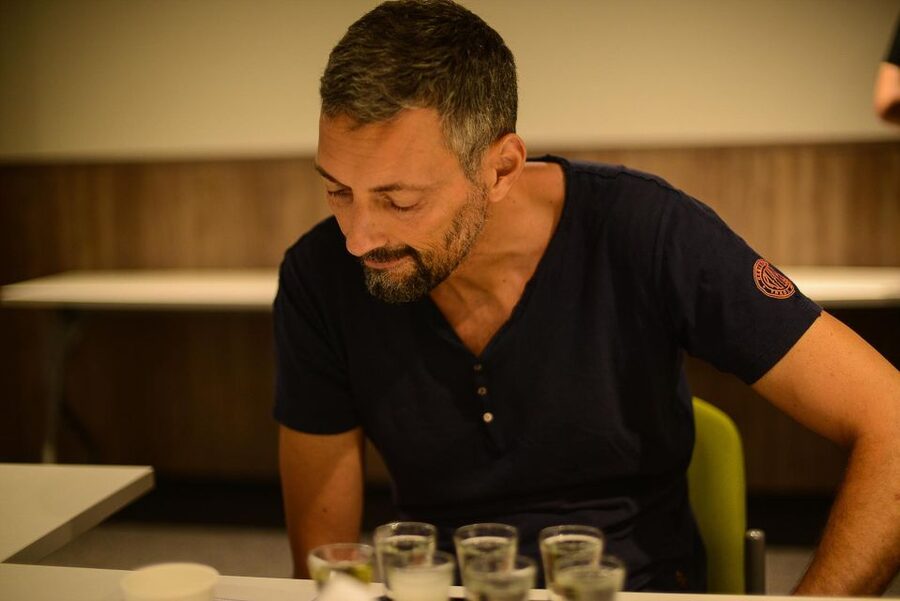
The experience uses certified sake experts who teach in English. The guide can vary by date. Named instructors include Mayo, Kotaro, Kiyomi, Greg, Shogo, Rieko, Yui, Mai, and Kotorо. The supplied information spells one guide’s name as Kotoro in one place and Kotaro in another, so check the booking details if the instructor matters to you.
The teaching style is warm and conversational. Mayo is repeatedly described as funny, clear, and enthusiastic, while Kotaro is noted for being friendly and patient. Kiyomi has been praised for making the subject easy to follow while keeping the room cheerful. Shogo’s presentation is described as carefully structured, with hands-on bottle reading.
Those details matter because sake can become dry as a classroom subject. A good guide keeps the technical material short enough to absorb, then brings you back to the glass. The strongest part of this format is the balance between explanation and participation.
You can ask questions throughout. That helps if you are unsure about sweetness, rice polishing, serving temperature, or what to order with sushi. First-time sake drinkers are welcome, and the tasting is designed to help you find at least one style you enjoy.
The Dedicated Room and Meeting Details
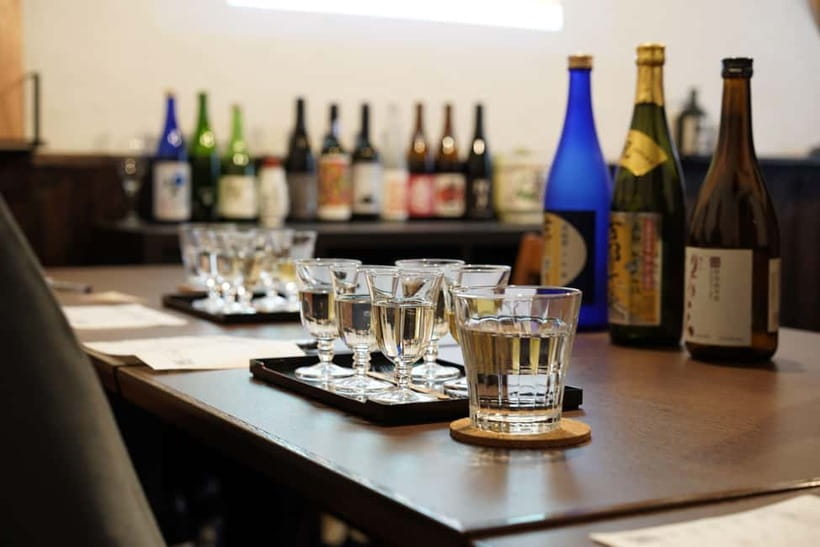
You meet at the venue and speak with the staff at the counter when you arrive. There is no hotel pickup, and transportation to or from other attractions is not included. Plan your route in advance and allow time to find the room.
The tasting room is described as warm, intimate, and easy to find when using the supplied directions. Its indoor setting is useful in Kyoto, where weather and crowded sightseeing areas can make outdoor plans tiring.
Arrive on time. If you are more than 20 minutes late, the booking is canceled, and there is no guarantee that you can join midway through a guided tasting. Guests without reservations, including children and non-drinkers, cannot simply tag along.
Strong fragrances and bicycles are not allowed. The bicycle rule is especially important in Kyoto, where cycling is a common way to get around. For safety and legal reasons, alcohol is not served to anyone who arrives by car or bicycle. Non-alcoholic drinks are available, but there is no refund if you cannot take part in the sake tasting.
Who Should Book This Experience
I would recommend it most strongly to a first-time sake drinker, a curious food lover, or anyone who has felt lost in front of a Japanese drinks menu. You do not need to know the difference between sake styles before arriving.
It also suits couples, parents traveling with adult children, and small groups who want a quiet indoor activity between temples and meals. One adult child described it as a highlight of a 10-day Japan trip, which makes sense if you value a shared lesson over another sightseeing stop.
Experienced sake drinkers may find the introductory material familiar. The broad selection and pairing exercise can still be worthwhile, but anyone seeking advanced brewing theory should ask about a more advanced option. An advanced class was mentioned as a possible next step, but details are not provided here.
This is not a good choice for children under 3, pregnant women, or people under 19. The activity information also says it is not recommended for children and excludes people under 19, while Japanese law means those under 20 receive only non-alcoholic drinks. If anyone in your party cannot drink, book only if they are content with a non-alcoholic alternative and are included in the reservation.
Timing, Cancellation, and Value
The class lasts 90 minutes, although one earlier description refers to a session lasting two hours. Treat 90 minutes as the expected duration and check the available start time when booking.
The schedule works well before dinner. It gives you enough time to learn the basics without taking half a day from Kyoto’s temples, markets, or neighborhoods. You may also want to plan dinner nearby, since the otsumami are small snacks rather than a full meal.
Cancellation is free up to seven days in advance for a full refund. That is helpful if your Kyoto plans are still changing, but it is not a flexible last-minute activity under the stated terms.
At $66, the strongest value comes from the combination of tasting and instruction. You receive a certified guide, a flight of sake, food pairing, a tasting note, and a cheat sheet. If you only want a drink, a bar will cost less. If you want to understand what you are drinking and order more confidently afterward, this price is easier to justify.
Should You Book the Kyoto Insider Sake Experience?
Book it if you want sake to make more sense during the rest of your Japan trip. The best reasons are the side-by-side tasting, the bottle-reading practice, and the way food changes the flavor. Those lessons stay useful after the last pour.
Skip it if you need a full meal, want a brewery tour, or prefer to drink without instruction. It is a calm tasting class in a dedicated room, not a night of free-form bar hopping.
For most adults who are new to sake, I think this is a smart Kyoto add-on. Eat beforehand, arrive without a bicycle or car, mention dietary needs early, and reserve every participant in advance. You should leave with a favorite style, a clearer idea of what the labels mean, and enough confidence to order kampai with purpose.
FAQ
How long does the Kyoto sake experience last?
The stated duration is 90 minutes. One older description refers to two hours, so check the available start time and plan around the standard 90-minute schedule.
How many sake samples are included?
The experience is presented as seven tastings. The selection is drawn from more than 10 sake types chosen by a certified sake sommelier, and the exact bottles can vary.
Is the sake tasting conducted in English?
Yes. The live guide leads the experience in English.
What food is served?
You receive otsumami, which are traditional Japanese appetizers used for food pairing. They are tasting portions, not a full meal.
Can I request vegetarian food?
You should tell the guide at the site about food preferences or allergies. Vegetarian substitutions have been accommodated.
Is this suitable for someone who has never tried sake?
Yes. The class explains brewing basics, compares several styles, and helps you identify your own preferences.
What will I learn about sake bottles?
You practice finding key information on labels, including details connected with production and rice polishing. A cheat sheet is provided to help you choose sake later.
Can children attend?
The activity is not recommended for children, and children without reservations cannot join. People under 20 receive non-alcoholic drinks, and the activity is listed as unsuitable for children under 3 and people under 19.
Can I arrive by car or bicycle?
You can arrive at the venue, but alcohol will not be served to anyone who arrives by car or bicycle. Non-alcoholic drinks are available, and there is no refund if you cannot take part in the sake tasting.
What happens if I am late?
If you are more than 20 minutes late, your booking will be canceled. Arrive on time and speak with the staff at the counter when you arrive.
How far in advance can I cancel?
You can cancel up to seven days in advance for a full refund.
More Food & Drink in Kyoto
- Kyoto Nishiki Market Food and Culture Walking Tour
★ 5.0 · 412 reviews - Kyoto: Gion Food Tour 13 Dishes at 4 Eateries
★ 5.0 · 408 reviews - Kyoto: Gion & Pontocho Food Tour with 13 Dishes
★ 4.9 · 235 reviews - Kyoto: Gion Local Food Tour (Taste 15 Dishes)
★ 5.0 · 171 reviews
Just added around Kyoto
- Sekka Cotton Furoshiki Class★ 5.0 · 19 reviews
- Kyoto Sword Experience – includes Museum Ticket/Ninja Experience★ 4.5 · 149 reviews
- Scenic Green Tea Fields of Hidden Kyoto & Local Tea Exp (Private)★ 5.0 · 32 reviews
- Secret Eastern Kyoto Biking Adventure★ 5.0 · 44 reviews
- Private Sake Tasting in Central Kyoto with Sake Sommelier★ 5.0 · 32 reviews
- Samurai School in Kyoto: Samurai for a Day★ 5.0 · 202 reviews
- SHIRAKAWA Japanese Culture Experiences with private English staff★ 5.0 · 16 reviews
- A Privately Guided Photoshoot in Beautiful Kyoto by a Pro★ 5.0 · 18 reviews
Sake Tasting, compared.
Kyoto Night Foodie Tour in Gion (9+ dishes + 6 Sake tastings)
Our verdict →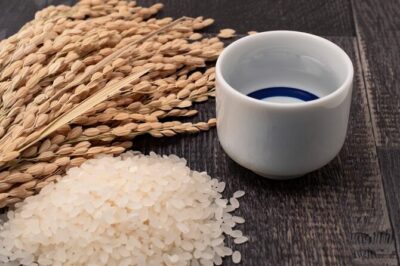
1-Day Snow Monkeys, Zenko-ji Temple & Sake in Nagano
Our verdict →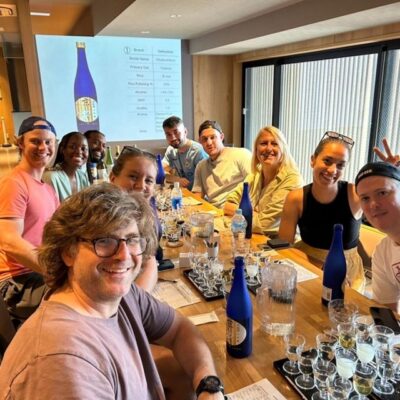
Insider Sake Brewery Tour with Sake and Food Pairing
Our verdict →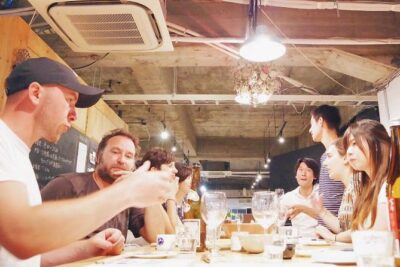
Sake Tasting Masterclass in Shinjuku (8+ Varieties with a Pro)
Our verdict →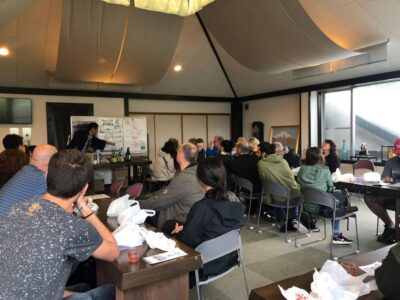
Browse the lists this tour appears in