Reviewed · TOURS
Fukushima Daiichi Nuclear Power Plant visit 2 day tour
The most unusual part of this two-day Fukushima tour is also the part that demands the most respect: you enter the Fukushima Daiichi Nuclear Power Plant with a guide and a Geiger counter. This is not a quick photo stop. You spend time learning what happened on March 11, 2011, then seeing how the disaster still shapes local communities.
I like the mix of first-hand local stories and hard facts from the plant visit. I also like the range of stops, from Ukedo Elementary School and disaster museums to recovery projects, farms, activists, and even the playful Cow Godzilla artwork. The main drawback is that this is a serious, tightly scheduled trip. You cannot treat it as a casual sightseeing weekend, and the order of visits can change.
Key points at a glance
- Entry into Fukushima Daiichi: A rare visit inside the nuclear plant is made with a guide and a Geiger counter. The estimated exposure for this portion is about 0.02 mSv.
- Local voices matter: You meet residents who experienced the disaster and hear how evacuation and recovery affected daily life.
- Guides shape the experience: English and Japanese speaking guides have included Yoko, Noriko, Fumi, and Fumie, with different guests praising their clarity, care, humor, and organization.
- Two busy days on the Fukushima coast: Stops can include Ukedo Elementary School, Ranch of Hope, the Namie Town Flower Project, museums, and other recovery sites.
- Practical limits: Tokyo transport and lunch are not included. You must be at least 20, bring accepted photo ID, and wear long clothing with covered ankles and flat shoes.
- A respectful visit: Photography and filming are prohibited around the plant and restricted areas, and you are expected to protect residents’ privacy.
Why this Fukushima tour is different
Many visits to disaster-affected areas remain at a distance. This experience asks you to look more closely, but it also asks you to listen. The tour connects the earthquake and tsunami of March 11, 2011, with the nuclear accident and with the long work of rebuilding towns, businesses, schools, and trust.
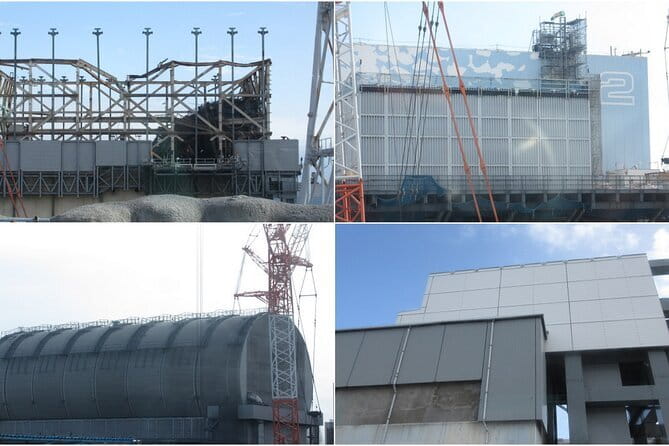
The plant visit gives the trip its unusual focus. You are not simply looking at the facility from a roadside viewpoint. Access is controlled, your ID is checked, and your guide carries a Geiger counter to measure radiation dose. The estimated exposure is about 0.02 mSv during this part of the trip, though you still need to follow every instruction given on site.
I appreciate that the program does not reduce Fukushima to one dramatic event. The experience can include the perspective of TEPCO, local residents, activists, museum staff, and people working on recovery projects. That range gives you more to think about than a simple explanation of what happened.
This is also a personal experience. Meeting people who lived through the evacuation and its aftermath can be more affecting than reading a timeline in a museum. You may hear about lost homes, interrupted work, community changes, and the effort to bring people back. Listen carefully, ask questions with care, and do not turn someone else’s hardship into a photo opportunity.
Other Japan days travellers book alongside this one:
- Mt Fuji and Hakone 1-Day Bus Tour Return by Bullet Train
★ 5.0 · 26,383 reviews - 1-Day Tokyo Bus Tour
★ 5.0 · 14,250 reviews - PERFECT KYOTO 1-Day Bus Tour
★ 5.0 · 13,518 reviews
Day one begins at Koriyama Station
The tour starts at 10:00 am at Koriyama Station in Fukushima Prefecture. You are responsible for reaching Koriyama from Tokyo and returning to Tokyo after the tour, so build those rail costs and travel time into the total budget.
Koriyama is a practical starting point for the two-day route. From there, the group heads toward the Fukushima coast, where the itinerary focuses on places affected by the 2011 disaster and on projects connected to recovery. The exact order is flexible. The plant visit may happen on day one or day two, depending on facility availability.
That flexibility is worth understanding before you book. You are not buying a fixed sequence of stops with guaranteed times at every site. The operator may change the plan when access, schedules, or local conditions require it. In this setting, that is a sensible trade-off, since entry to the plant and other facilities cannot be treated like a normal museum appointment.
The first day can feel full. You may visit several places, hear from local people, and cover a good stretch of the coast. The pace suits someone who wants context and variety. It may feel tiring if you prefer long, unhurried stops or plenty of free time.
Ukedo Elementary School and the physical evidence of disaster
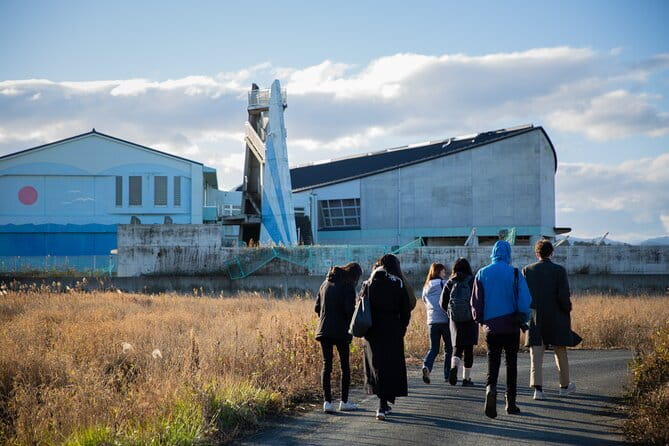
Ukedo Elementary School has been described as one of the most memorable stops on the route. A school is an especially direct way to understand the force of the tsunami and the disruption that followed. Instead of discussing the disaster only in dates and statistics, you see a place connected to children, families, teachers, and everyday community life.
You should expect this part of the tour to be emotional. It is also a place where your conduct matters. Follow instructions about photography, and do not photograph residents or private property without clear permission.
Other stops can include the Great East Japan Earthquake and Nuclear Disaster Memorial Museum. A museum visit helps organize what you have seen outside. It can give you a clearer sense of the earthquake, tsunami, nuclear accident, evacuation, and recovery work as connected events rather than separate chapters.
I like having both kinds of learning in the same trip. A museum can explain the broad picture, while a local conversation can show what that picture meant in real life. Neither replaces the other.
Recovery projects, local people, and the human story
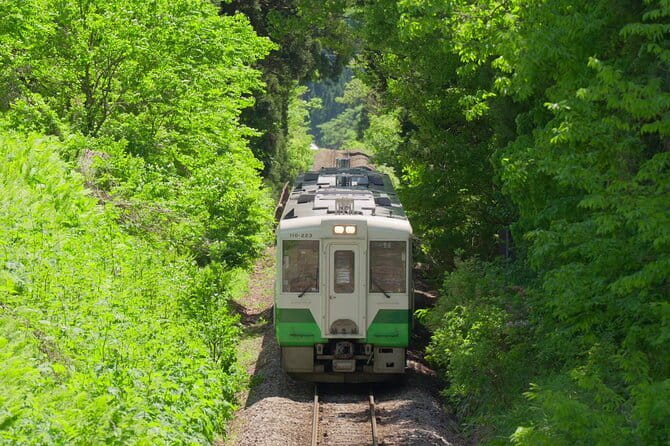
The program can include Ranch of Hope and the Namie Town Flower Project. These are not simply scenic diversions. They show the practical, patient work of rebuilding a region’s identity and local economy after a major disaster.
The human encounters are one of the strongest reasons to choose this tour. You may speak with residents who experienced the evacuation and the years that followed. Their accounts can help you understand why recovery is not just a matter of repairing roads and buildings. People also have to decide where to live, how to work, what to preserve, and how to talk about the future.
The tour has also been described as including conversations with activists and visits connected to revitalization. That range is useful. You are less likely to leave with a single polished message and more likely to recognize that Fukushima contains competing views, difficult questions, and genuine efforts to rebuild.
Your guide plays a major role here. Guides named by past participants include Yoko, Noriko, Fumi, and Fumie. The guide assigned to your departure may be different, but the important feature is the bilingual format. Explanations are provided in English and Japanese, and the guide helps with sensitive conversations and changing schedules.
Same trip, a completely different kind of day:
- Tokyo: TOKYO SKYTREE® Admission ticket
★ 4.5 · 11,192 reviews - Tokyo: teamLab Planets TOKYO Digital Art Museum Entry Ticket
★ 4.6 · 9,779 reviews - Mt Fuji & Hakone Cruise, Drum Show Bullet Train 1 Day from Tokyo
★ 4.0 · 7,413 reviews - Tokyo: Sumo Show Experience with Chicken Hot Pot and a Photo
★ 4.8 · 6,678 reviews
Entering Fukushima Daiichi with a Geiger counter
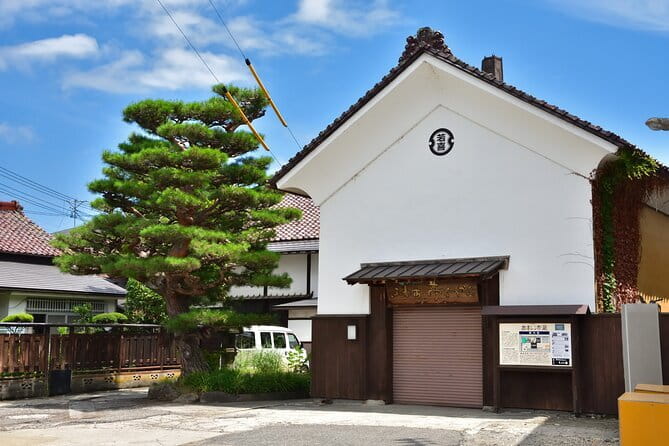
The plant visit is the central reason most people consider this tour. You enter Fukushima Daiichi under controlled conditions, accompanied by the guide and a Geiger counter. The equipment lets you measure radiation dose during the visit rather than relying only on general statements about safety.
You must bring your actual photo ID. Accepted documents include a passport, driver’s license, Japanese My Number card with a photo, Basic Resident Registration Card with a photo, or Residence Card or Special Permanent Resident Certificate. A copy of your ID must also be sent after booking, and you will show the original when entering.
The rules are strict. Filming around Fukushima Daiichi and in restricted areas is prohibited. You do not receive general permission to enter restricted areas beyond the plant visit arranged by this tour. If you ignore the guide’s directions, you may be asked to leave the group.
The estimated radiation exposure for this part of the trip is about 0.02 mSv. That figure is supplied as part of the tour information, but you should still take the clothing, ID, and conduct rules seriously. This is a controlled visit, not an invitation to explore independently.
The clothing requirements are clear:
- Long sleeves and long pants that cover your skin
- Socks that cover your ankles
- Flat shoes such as sneakers
- No sandals or high heels
The plant visit may be fascinating, but it is not designed for dramatic photography. You will get more from it if you pay attention to the guide’s explanations, the readings, the procedures, and the physical scale of the site.
The second day adds context before returning to Koriyama
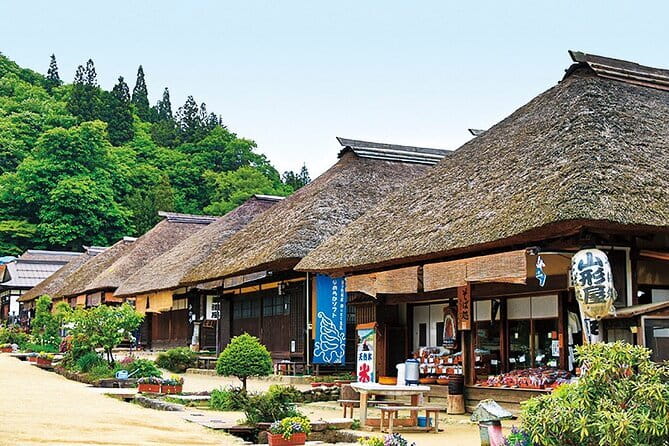
The second day continues the coastal visits and may include the plant if it was not scheduled on day one. That means you should not assume that the main attraction happens on a particular morning or afternoon. Keep both days open and expect the schedule to adjust.
This second day helps turn separate stops into a larger understanding of Fukushima. You may have time to revisit themes raised on day one, ask follow-up questions, or hear more about revitalization. The exact stops depend on availability, so your experience will not be identical to every departure.
The tour ends back at Koriyama Station East Exit Plaza. From there, you arrange your own onward travel. If you plan to return to Tokyo the same evening, allow room for delays and changes rather than booking an extremely tight connection.
What the $579.82 price includes
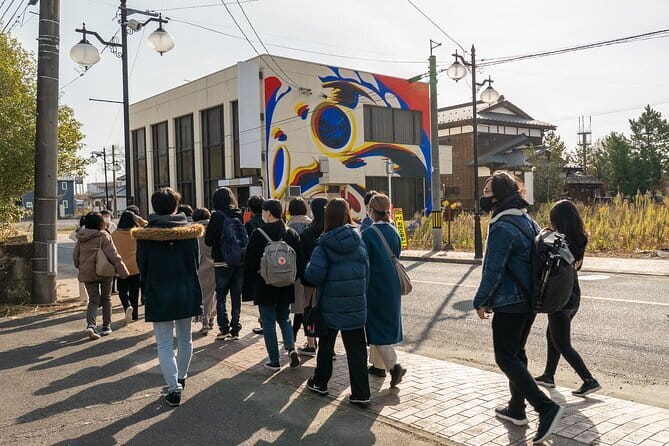
At $579.82 per person, this is not a budget excursion. Still, the price covers more than a standard day trip. Included are accommodation, breakfast, dinner, an air-conditioned vehicle, an English and Japanese speaking guide, and the Geiger counter used during the plant visit.
The two-day format matters. A shorter tour would have less time for local meetings, museums, recovery projects, and the coast itself. You are paying for access, transportation during the program, overnight arrangements, and interpretation of a complicated subject.
The missing items are important. Transportation from Tokyo to Koriyama and back is not included, and lunch is not included. Add rail fares and daytime meals before deciding if the total fits your budget. You should also carry cash and the personal items needed for an overnight stay.
Accommodation is included, and it has been described as good by past participants. The exact accommodation details are not specified in the tour information, so do not book this expecting a particular hotel brand or room type.
Group size, age rules, and the pace
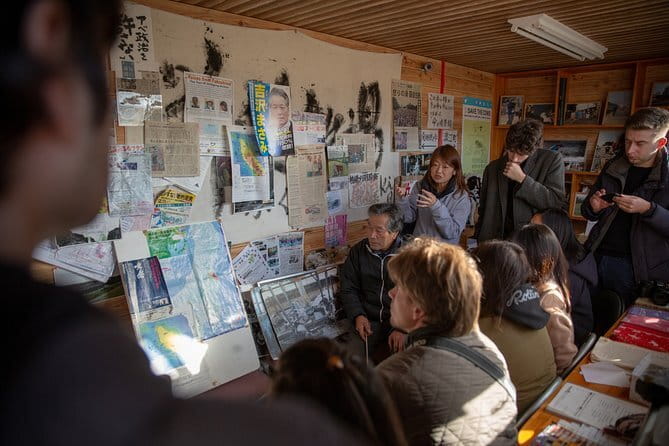
The maximum group size is 20 people. That is large enough for a social tour, but the guide still has to manage ID checks, transport, facility rules, and sensitive conversations. A smaller departure may feel more personal, but you should not assume that your group will be small.
The tour requires at least six participants. If that minimum is not reached, the operator may cancel and offer another date or a full refund. The notice is expected at least two weeks before the tour date when the minimum is not met.
You must be at least 20 years old. Most people can participate, but the program includes a full day of moving between sites and requires clothing and shoes suitable for the plant visit. If you have mobility concerns, ask the operator before booking because detailed accessibility information is not provided.
The schedule is busy by design. That allows the tour to cover many subjects, but it leaves limited room for wandering. I would choose it for learning and access, not for a relaxed coastal break.
How to approach Fukushima with respect
The operator asks you to respect privacy and the emotional weight of the area. That is not a minor etiquette note. Many local people experienced displacement, loss, fear, and years of uncertainty. A respectful visitor listens first and takes photographs only when permission is clear.
Avoid photographing people or private homes without permission. Do not film around the plant or restricted areas. When discussing the disaster, use the same care you would show when talking with someone about a personal tragedy.
You can also support the recovery by using local businesses, products, and services when opportunities arise. Buying a meal, local product, or service is a small action, but it keeps your visit connected to the communities you came to understand.
The tour’s lighter moments, including references such as Cow Godzilla, can help show that local life is not frozen in 2011. Still, humor belongs in the right place. Let local people and your guide set the tone.
Who should book this two-day experience
I would choose this tour if you want a serious, guided look at the disaster, the nuclear plant, and the long recovery process. It suits people who read widely, ask thoughtful questions, and want to hear local accounts rather than simply view famous sights.
It also suits visitors who value access that would be difficult to arrange alone. The bilingual guide, vehicle, accommodation, facility coordination, and Geiger counter make the trip practical for an international visitor.
I would hesitate if you want a light holiday, flexible free time, or a simple sightseeing route. The topic is heavy, the schedule can be demanding, and the plant’s rules limit photography and independence.
The best preparation is simple: bring your original ID, send the required copy after booking, wear the correct clothing, pack for one night, and leave space in your schedule for itinerary changes. Cancellation terms are strict close to departure, with a full refund available when you cancel at least six full days in advance. A 50 percent refund applies two to six full days before the start, while cancellations less than two full days before the tour are not refunded.
Should you book it?
Book this Fukushima tour if entering Daiichi, meeting people affected by the disaster, and understanding recovery firsthand are worth more to you than comfort and free time. The plant visit is unusual, but the local conversations and varied coastal stops give it meaning.
Skip it if you are not ready for a serious subject or if the extra cost of Tokyo rail, lunch, and a two-day commitment feels too high. For the right visitor, this is a carefully managed way to learn about Fukushima with humility, clear explanations, and direct contact with a place still working toward its future.
FAQ
Where does the Fukushima Daiichi tour start?
The tour starts at 10:00 am at Koriyama Station in Fukushima Prefecture. The stated meeting location is Koriyama Station, Hiuchida, Koriyama, Fukushima 963-8003, Japan.
Does the tour include transportation from Tokyo?
No. Transportation from Tokyo to Koriyama and back is not included. You need to arrange and pay for that part of the trip yourself.
Is the Fukushima Daiichi Nuclear Power Plant visit guaranteed on a specific day?
The plant visit is included, but it may take place on day one or day two depending on the schedule and facility availability. The itinerary can change.
What identification do I need?
You must bring original photo ID, not a copy. Accepted documents include a passport, driver’s license, a photo My Number card, a photo Basic Resident Registration Card, or a Residence Card or Special Permanent Resident Certificate. You must also send a copy after booking.
What should I wear for the plant visit?
Wear a long-sleeved top, long pants that cover your skin, socks covering your ankles, and flat shoes such as sneakers. Sandals and high heels are prohibited.
Is photography allowed at Fukushima Daiichi?
Filming around Fukushima Daiichi and in restricted areas is prohibited. You should also avoid photographing local people or private property without explicit permission.
Just added around Japan
- Sekka Cotton Furoshiki Class★ 5.0 · 19 reviews
- Kyoto Sword Experience – includes Museum Ticket/Ninja Experience★ 4.5 · 149 reviews
- Scenic Green Tea Fields of Hidden Kyoto & Local Tea Exp (Private)★ 5.0 · 32 reviews
- Secret Eastern Kyoto Biking Adventure★ 5.0 · 44 reviews
- Private Sake Tasting in Central Kyoto with Sake Sommelier★ 5.0 · 32 reviews
- Samurai School in Kyoto: Samurai for a Day★ 5.0 · 202 reviews
- SHIRAKAWA Japanese Culture Experiences with private English staff★ 5.0 · 16 reviews
- A Privately Guided Photoshoot in Beautiful Kyoto by a Pro★ 5.0 · 18 reviews
Tours, compared.
Mt Fuji and Hakone 1-Day Bus Tour Return by Bullet Train
Our verdict →
Shinjuku Food Tour (13 Dishes at 4 Local Eateries)
Our verdict →
Peaceful Hiroshima & Miyajima UNESCO 1 Day Bus Tour
Our verdict →
Flagship 2-Hours Official Street Go-Kart Tour – Tokyo Bay Shop
Our verdict →
Kyoto Geisha Walking Tour: Gion District & Hidden Gems
Our verdict →

Imperial Palace and Shogun Historical Walking Tour
Our verdict →