
Reviewed · TEMPLES & SHRINES
Tokyo: Kamakura & Enoshima Day Trip including Temple Tickets
Kamakura gives you Japan in a compact, rewarding package: samurai-era religion, a giant bronze Buddha, flower-filled temple grounds, street snacks, and a sea-facing island. This day trip fits all of it into nine hours, with an air-conditioned vehicle linking the stops from Tokyo.
I like the mix of serious cultural sights and easy food breaks, especially Tsurugaoka Hachimangu followed by Komachi Street. I also like that the Hasedera and Kōtoku-in admission tickets are included, so you can focus on the places rather than sorting out every entrance fee.
The trade-off is time. You see many major sights, but Enoshima receives about two hours, and the Great Buddha stop lasts about 30 minutes. If you want slow temple walks, long meals, or every corner of the island, you’ll need a separate Kamakura visit.
Key points to know before booking
- Kamakura’s classic sights in one day: Visit the city’s leading shrine, two major temples, the Great Buddha, and Enoshima.
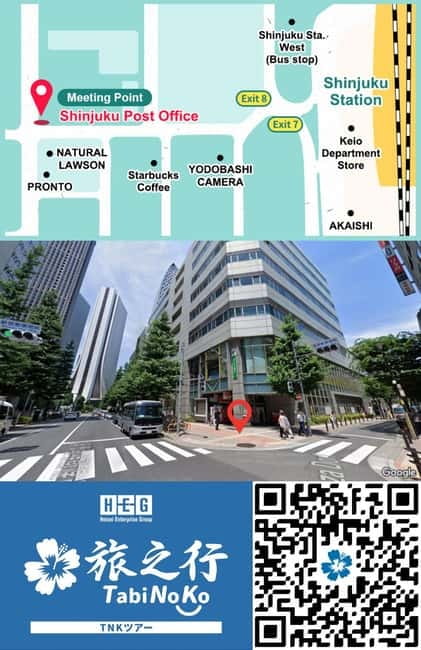
- Two meeting options in Tokyo: Start at Shinjuku Post Office or GLOBAL RING CAFÉ, depending on the option you book.
- Tickets already covered: Hasedera and Kōtoku-in admission are included in the $58 price.
- Guides add context: English and Chinese-speaking guides explain the sites, with guides including Eric, Yuki, Mitsuko, Omar, Koji, and others assigned across departures.
- Enoshima is the scenic finale: Expect caves, shrine grounds, food streets, sea views, and the possibility of seeing Mount Fuji.
- The schedule is brisk: Arrive 10 minutes early, keep an eye on the clock, and expect stop times to change if Tokyo or Kamakura traffic causes delays.
Why Kamakura makes a smart day trip from Tokyo
Kamakura was Japan’s political and cultural center during the Kamakura period. That gives the city a different feel from Tokyo’s towers and shopping districts. Here, religious buildings, wooded temple grounds, old streets, and the coast fit into a relatively small area.
I see this excursion as a useful first taste of the region. You won’t study every temple, but you will understand why Kamakura matters and get a feel for the nearby Shonan Coast at Enoshima. The air-conditioned vehicle also saves you from piecing together several local train journeys during a busy sightseeing day.
The tour costs $58 per person. For that price, you get round-trip transport from the Shinjuku area, a guide in English or Chinese, and admission to Hasedera and Kōtoku-in. The value is strongest if you want convenience and several headline sights in one day. It is less compelling for independent visitors who already feel comfortable navigating local trains and prefer spending half a day at one temple.
Guides vary by departure. Eric, Yuki, Mitsuko, Omar, Koji, Yumi, Sumi, and others have led different groups. The strongest pattern is practical guidance: keeping the group on time, explaining cultural background, pointing out good photo spots, and offering food suggestions. English ability can vary by guide, so if detailed spoken explanation is central to your plans, keep that in mind.
More Temple & Shrine Tours in Kamakura:
- Kamakura Private Tour: Temples, Nature, and the Great Buddha
★ 5.0 · 121 reviews - Kamakura Temples Private Guided Tour from Tokyo
★ 4.8 · 21 reviews - Kyoto: Fushimi Inari, Kinkakuji, Bamboo Grove 1 Day Bus Tour
★ 4.8 · 4,316 reviews
Tsurugaoka Hachimangu, Kamakura’s samurai-era starting point
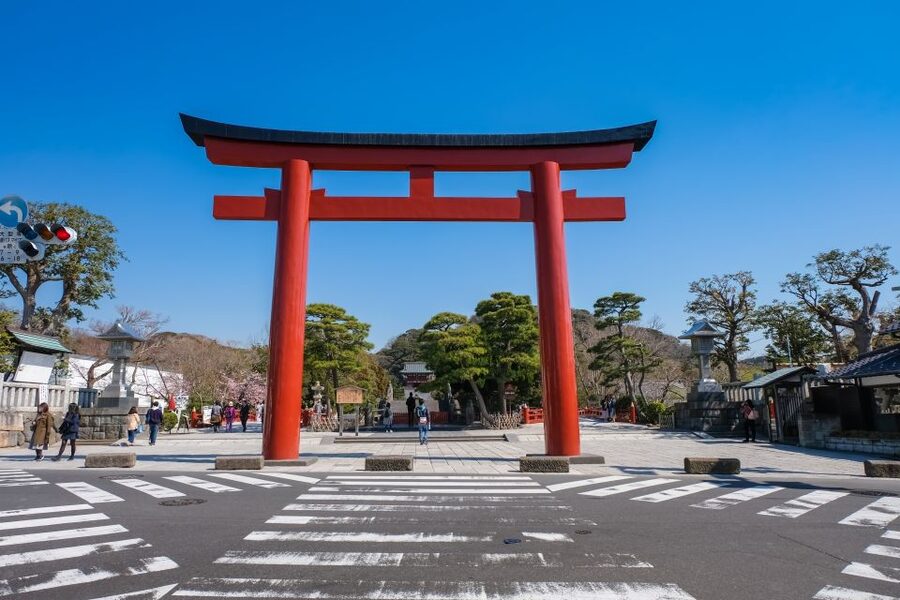
Your first major stop is Tsurugaoka Hachimangu, Kamakura’s best-known Shinto shrine. Its long approach helps you understand the scale of the place before you even reach the main grounds. The shrine has served as a spiritual anchor for more than 800 years and remains closely tied to the city’s samurai past.
You have about an hour here for a visit, photos, sightseeing, and free time. That is enough to walk through the main area and take in the broad ceremonial setting, but not enough for a slow study of every building or nearby museum.
The shrine is especially famous during New Year’s hatsumode, when about 2.5 million people come to pray. Your visit will be much more manageable outside that season, but the site can still feel busy because it is one of Japan’s most visited shrines.
Listen closely when your guide explains the connection between the shrine and Kamakura’s military government. That context makes the buildings more meaningful. Without it, you might simply see a grand shrine with broad steps and crowds. With it, you begin to see how religion and samurai power were linked here.
Komachi Street, where temple sightseeing meets local snacks
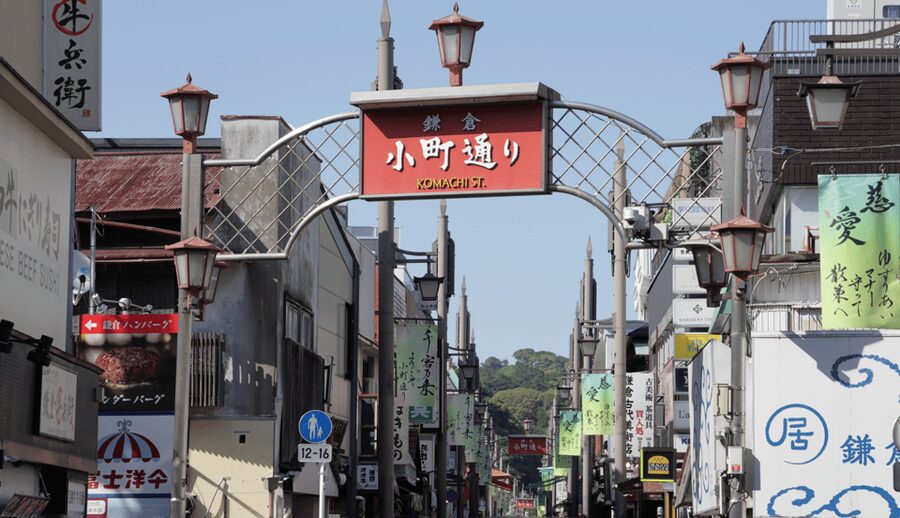
From the shrine area, the group heads to Komachi Street for about an hour. The street runs roughly 360 to 600 meters between Kamakura Station and the shrine, with around 250 shops selling souvenirs, clothing, traditional goods, sweets, and casual food.
This is the tour’s easiest chance to eat while walking. Look for local specialties such as shirasu dishes, dumplings, and croquettes. You’ll also find cafés and small shops, so this is a good place to buy a quick snack rather than commit to a long sit-down meal.
I like this stop because it breaks up the temple visits. Kamakura is not only stone gates and religious art. Komachi Street shows the modern side of the city, where day-trippers shop, eat, and browse between historic sights.
One hour passes quickly. If you want lunch, shopping, and photographs, choose your priorities before you arrive. A long restaurant meal may leave you rushing to the meeting point. Keep your guide’s return time clear, since the vehicle departs on schedule.
Hasedera, flowers, views, and the Eleven-Headed Kannon
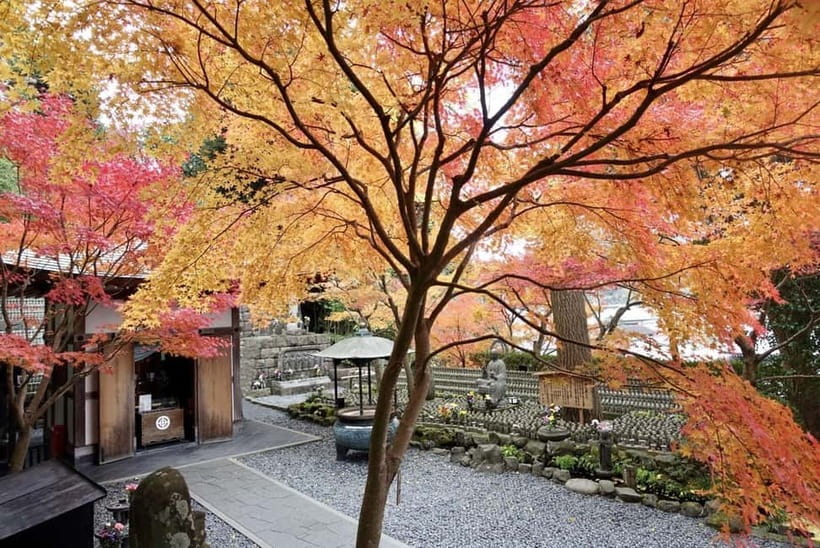
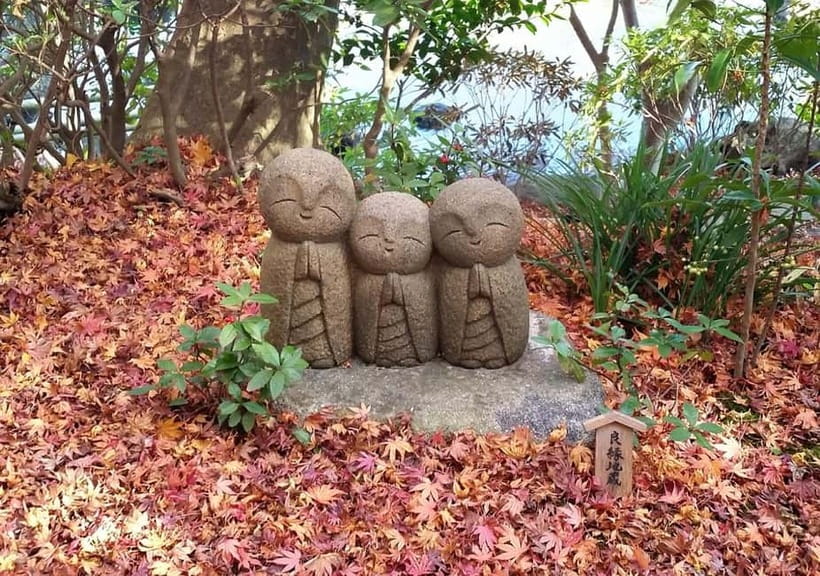
Hasedera is one of Kamakura’s oldest temples, founded in 736. The grounds are known for seasonal flowers, including cherry blossoms, peonies, hydrangeas, and autumn leaves. Small Jizo figures add a gentle, human touch to the paths and garden areas.
The temple’s main religious treasure is a 9.18-meter Eleven-Headed Kannon statue. You won’t get a long private viewing, but the guide can help explain why Kannon is important in Japanese Buddhism and how the temple fits into Kamakura’s religious story.
You have about 50 minutes here. That allows a focused walk through the grounds and time for the city and Sagami Bay views. The paths and seasonal plants are part of the appeal, so resist spending all your time inside one building.
Hasedera can be particularly rewarding in hydrangea season and during autumn color, though the tour description does not promise a particular bloom display on your date. In hot weather, the outdoor sections can feel demanding. Several departures have taken place on very warm days, so water, a hat, and comfortable walking shoes are sensible choices.
Admission to Hasedera is included. That matters because this is one of the stops where you want to move directly into the temple grounds instead of pausing at a ticket window.
More Day Trips in Kamakura:
- From Tokyo: Kamakura & Enoshima 1-Day Bus Tour
★ 4.5 · 189 reviews - Exciting Kamakura – One Day Tour from Tokyo
★ 5.0 · 40 reviews - Tokyo: Day Trip to Kamakura in Spanish – Spanish
★ 4.9 · 22 reviews - Mt Fuji and Hakone 1-Day Bus Tour Return by Bullet Train
★ 5.0 · 26,383 reviews
Kōtoku-in and the Great Buddha of Kamakura
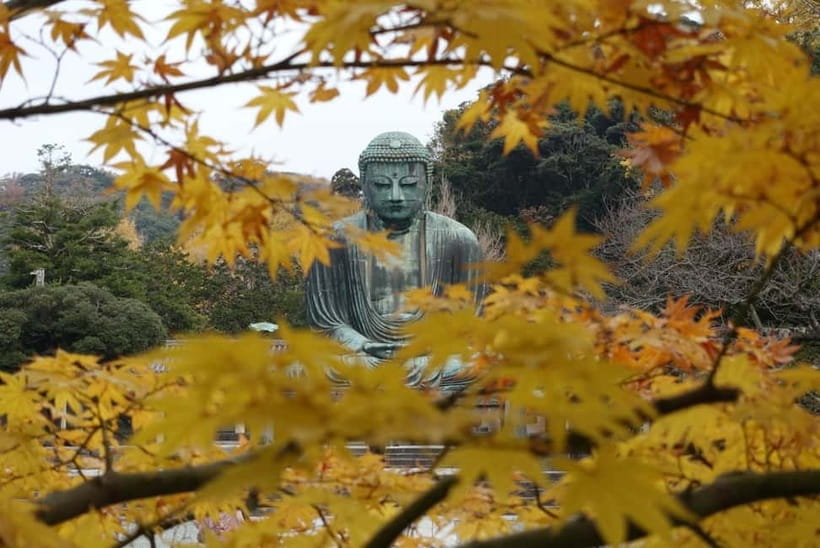
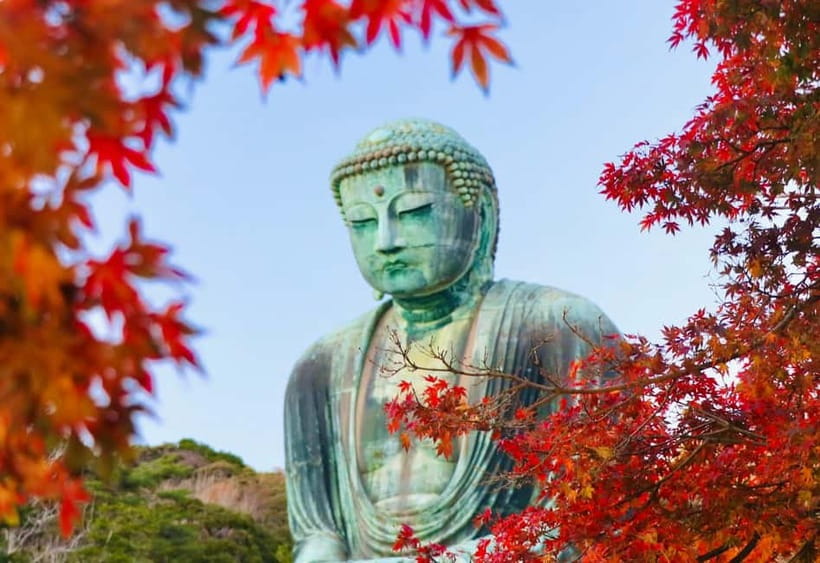
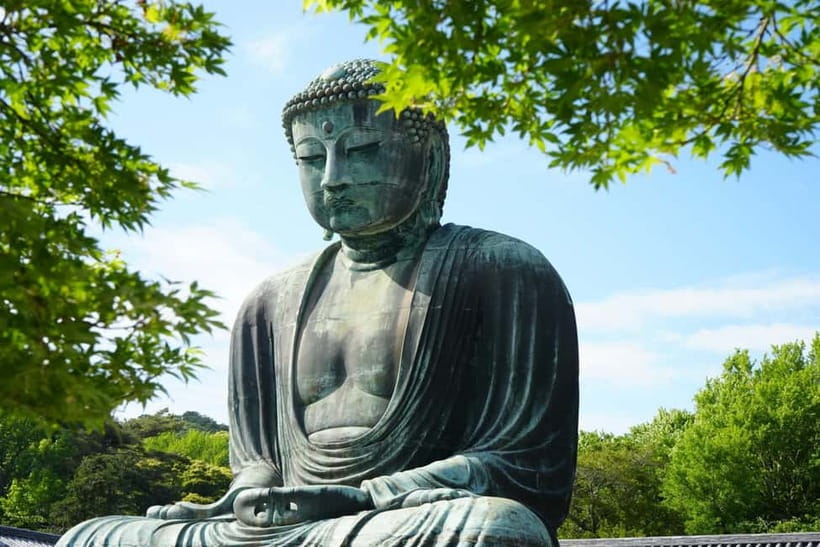
Kōtoku-in is home to Kamakura’s famous Great Buddha, a bronze Amida Buddha approximately 13.3 meters tall and weighing around 121 tons. It is a National Treasure and one of Japan’s most recognizable Buddhist statues.
The tour allows about 30 minutes here. You can see the statue from close range, photograph the details, and, when available as part of the visit, enter the interior to examine its construction. The scale is impressive, but the short stop means you should arrive ready to make the most of it.
I would use the first few minutes for a full view, then walk around the statue rather than staying in one spot. The rear and side angles help you understand its size. If you want quiet reflection or detailed study of the temple grounds, this stop will feel too brief.
The setting changes with the seasons. Cherry blossoms add color in spring, while autumn foliage gives the grounds a different mood. Kōtoku-in admission is included, which strengthens the value of the tour, especially if you want a simple one-day package.
Enoshima, the coastal change of pace
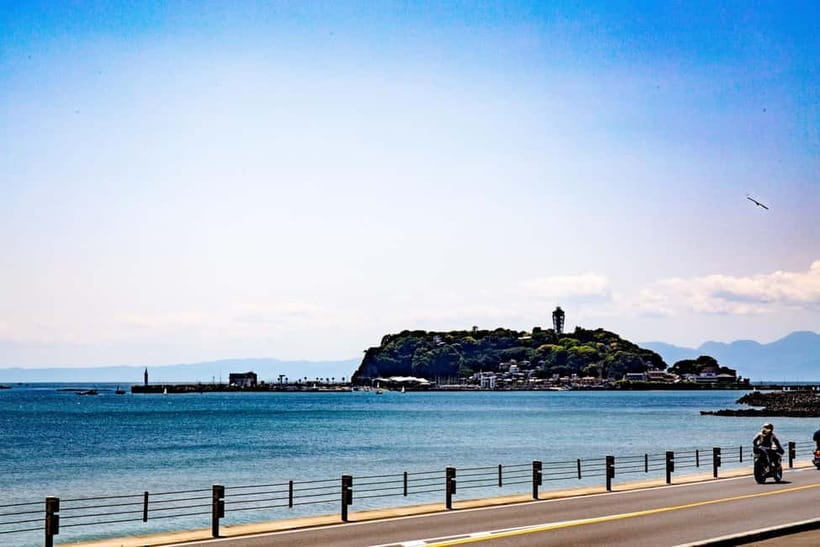
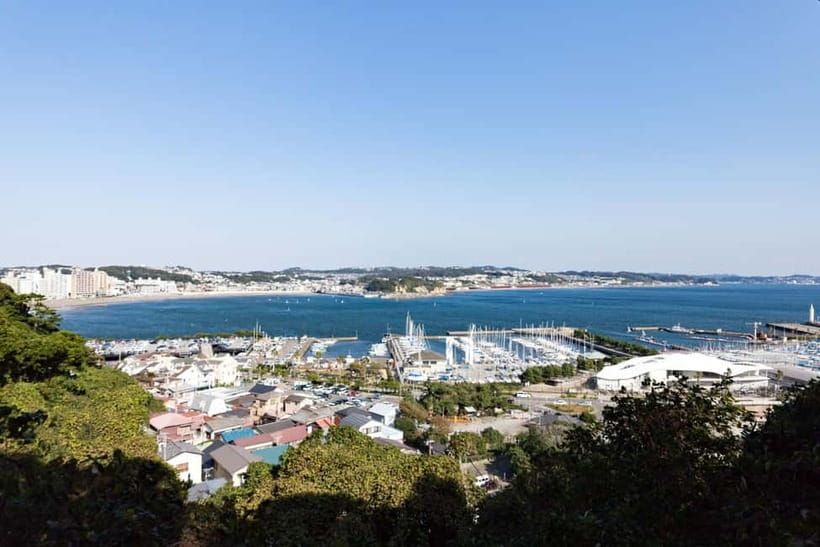
Enoshima is the final major stop and receives about two hours. This is where the day shifts from inland temples to sea air, narrow walking routes, food stalls, cafés, and views toward Sagami Bay.
The island is tied to the coast by a bridge and has been associated with Enoshima Shrine for more than 1,000 years. You’ll find several attractions in a relatively small area, including the shrine, Samuel Cocking Garden, Enoshima Sea Candle, and Iwaya Caves.
Two hours gives you a useful introduction, but you must choose carefully. You can see several highlights, stop for seafood, or spend more time taking in the views. Doing all three at a leisurely pace is unlikely.
The island includes slopes, stairs, and walking routes. That is part of its charm, but it also makes time management important. If stairs are tiring for you, plan your route before setting off from the meeting point. The tour information does not promise a separate mobility arrangement, so you should ask the operator before booking if you need specific assistance.
Enoshima Sea Candle and views toward Mount Fuji
The Enoshima Sea Candle is the island’s observation tower and one of its most recognizable sights. From high points around Enoshima, you may see Mount Fuji on a clear day. That view is a bonus, not a guarantee, since haze and weather decide the matter.
The tower and surrounding paths are good places for photographs, especially if the sky is clear. Keep your camera ready while walking through the island rather than waiting for one perfect viewpoint.
The listed experience includes a visit to the Sea Candle area, but the provided details do not specify a separate admission ticket for the tower. If entering the observation tower is important to you, confirm the exact ticket arrangement when booking.
Enoshima Shrine, caves, and the island’s food street
Enoshima Shrine is spread across the island and has more than 1,000 years of history. The shrine is one of the main reasons people come here, but the pleasure is also in walking between its buildings, viewpoints, shops, and food stops.
The Enoshima Iwaya Caves offer a different kind of visit. You’ll walk through natural rock spaces connected with local religious traditions. The caves can be interesting for you if you enjoy unusual sites, but the available time may force a choice between exploring them and sitting down for a full meal.
One useful tip is to eat from a vendor if you want to see the caves. A sit-down meal can take enough time to reduce your chance of reaching the cave area before the group returns. The tour includes street food and local snacks as part of the free time, so a quick bite fits the schedule better.
Enoshima Benzaiten Shopping Street is your main place for local treats, seafood, souvenirs, and cafés. Fresh seafood is a natural choice, while small snacks let you sample more without giving away your entire island visit.
What the guide adds to a packed schedule
A bus tour lives or dies by its guide and timing. This one has received strong praise for guides who keep departures organized while still allowing independent exploration.
Eric is frequently described as warm, clear, and helpful with restaurant suggestions. Yuki has guided groups through the sights with patient explanations, and Mitsuko has been singled out for giving both historical background and photo advice. Omar is noted for keeping the day moving without losing his sense of humor, while Koji has provided useful explanations at each stop.
You can usually follow the guide for an introduction, then explore on your own and return to the vehicle at the agreed time. That arrangement gives you flexibility, but it also means you should pay close attention to meeting instructions.
Some guides speak quickly, especially when switching between English and Chinese groups. If you miss a point, ask early rather than letting several stops pass. Language groups may be combined in one vehicle, and the vehicle size can change depending on the day’s attendance.
Timing, traffic, and the real pace of the day
The advertised duration is nine hours, or 570 minutes. That includes the journey from Tokyo, transfers between stops, sightseeing, and the return to Shinjuku. Kamakura roads can be narrow and traffic can affect the schedule.
If the vehicle is delayed, the time at individual sights may be adjusted. This is a practical point, not a flaw unique to this tour. A fixed route through a popular coastal area cannot guarantee identical stop lengths every day.
Arrive at your assigned meeting point 10 minutes early. The choices may be Shinjuku Post Office or GLOBAL RING CAFÉ, and the exact point depends on the option booked. Check the correct meeting-point photo and QR code carefully, since Shinjuku is a large area.
The only listed drop-off location is the Shinjuku area. If your hotel is elsewhere in Tokyo, allow time and money for your onward journey. You may leave the group midway only after telling the guide and completing the required departure form.
Who should book this Kamakura and Enoshima day trip
I recommend this tour if you have limited time in Tokyo and want a first look at Kamakura without managing the transport yourself. It suits families, first-time visitors, and anyone who values a guide’s cultural explanations and a ready-made route.
It is also a good choice if you want variety. In one day, you get Shinto worship, Buddhist temples, a National Treasure, shopping, seafood, coastal views, and possible Mount Fuji scenery.
I would hesitate if you prefer slow travel. Thirty minutes at Kōtoku-in and two hours at Enoshima leave little room for wandering. Independent visitors who want several Kamakura temples, a long meal, or extended time in the caves should plan a separate day.
Final verdict: a strong first visit, not a slow Kamakura study
At $58, this is good value for a guided overview of Kamakura and Enoshima, especially with Hasedera and Kōtoku-in tickets included. The best parts are the range of sights, the practical transport from Tokyo, and the chance to let a guide such as Eric, Yuki, Mitsuko, Omar, or Koji handle the timing and explanations.
Book it if you want to see the area’s major highlights in one organized day. Skip it only if your main goal is to linger. For most Tokyo visitors with one free day outside the city, this tour offers an efficient and enjoyable introduction, with Enoshima and the Great Buddha likely to be the lasting highlights.
FAQ
How long does the Kamakura and Enoshima tour last?
The tour lasts nine hours, or 570 minutes, including transport, sightseeing, and the return to the Shinjuku area.
Where does the tour start?
The available starting points are Shinjuku Post Office and GLOBAL RING CAFÉ. The exact meeting point depends on the option booked.
Where does the tour finish?
The listed drop-off location is in the Shinjuku area.
Which languages are available?
The tour offers live guiding in English and Chinese.
Are temple admission tickets included?
Admission to Hasedera and Kōtoku-in is included. The provided details do not confirm separate admission for every Enoshima attraction.
How much free time is available at Enoshima?
The itinerary allows about two hours at Enoshima, including time for the Sea Candle area, Enoshima Shrine, Iwaya Caves, shopping, food, and sightseeing.
Can I see Mount Fuji from Enoshima?
You can see Mount Fuji from high points on Enoshima on a clear day. Visibility depends on the weather.
Can I leave the group before the tour ends?
You may leave midway if you notify the guide in advance on the day and complete the required departure form.
What happens if traffic delays the bus?
If traffic or another unexpected issue delays the vehicle, the time spent at individual attractions may be adjusted. The tour departs on time, so you should arrive at the meeting point 10 minutes early.
Just added around Kamakura
- First time in Kamakura? Enjoy a Tour of All Must-sees!★ 5.0 · 15 reviews
- Buddha, Bamboo & Zen – Bespoke Kamakura Private Walking Tours★ 5.0 · 25 reviews
- Your Own HANKO Name Seal Activity in Kamakura.★ 5.0 · 24 reviews
- Kamakura Tours Half Day or Full Day Tours with a local guide.★ 5.0 · 12 reviews
- Exciting Kamakura – One Day Tour from Tokyo★ 5.0 · 40 reviews
- Kamakura Bamboo Forest and Great Buddha Private Tour★ 5.0 · 12 reviews
- Tokyo Yokohama Night View Tour With Kamakura And Enoshima★ 3.5 · 14 reviews
- Tokyo: Day Trip to Kamakura in Spanish – Spanish★ 4.9 · 22 reviews
Temples & Shrines, compared.

Tea Ceremony in a Traditional Tea House in Kiyomizu
Our verdict →
Meiji Shrine, Asakusa, Skytree Bus Tour and Cruise
Our verdict →
Fushimi Inari Hidden Hiking Tour (Private Option Available)
Our verdict →
Osaka/Kyoto:Kinkakuji,Arashiyama,FushimiInariShrine,NaraPark
Our verdict →
Nikko: Kegon Falls, Lake Chuzenji & Toshogu Temple
Our verdict →
1-Day Snow Monkeys, Zenko-ji Temple & Sake in Nagano
Our verdict →Browse the lists this tour appears in